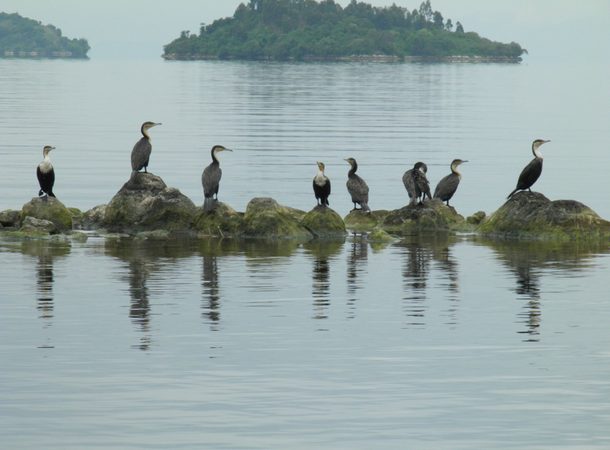
Rwanda is a premier, compact birding destination with over 700 species, specializing in Albertine Rift endemics. Top, must-visit locations include the biodiverse Nyungwe Forest National Park, savanna-rich Akagera National Park, and the high-altitude Volcanoes National Park. Key spots also include the Rugezi Marsh (Ramsar site) and Nyabarongo Wetland.
12-days-perfect-rwanda-birding-safari-itinerary
10-days-best-rwanda-birding-safari-combined-with-rwanda-gorilla-trekking-vacation
5-days-perfect-rwanda-birding-safari-and-wildlife-and-gorilla-trekking
14-days-rwanda-uganda-birding-safari-extravaganza-focused-on-the-albertine-endemics
Top Rwanda Birding Locations
Nyungwe Forest National Park
Nyungwe Forest National Park is a premier destination for any Rwanda birding safari, boasting over 300 bird species. This lush rainforest is one of the oldest in Africa and a biodiversity hotspot, hosting 27 Albertine Rift endemics. Key bird sightings include the striking Rwenzori Turaco with its vivid colors and the elusive Handsome Francolin, renowned for its unique calls. The park’s varied habitats—from dense forests to open grasslands—cater to numerous bird species, making early mornings the best time for birdwatching.
Guided birding tours take you along various trails leading to popular birding spots. Visitors are likely to encounter striking sunbirds, including the beautiful Collared Sunbird and the Olive Sunbird, flitting about the vibrant vegetation. The park is also home to other notable species such as the Great Blue Turaco and the Blue-headed Sunbird. In addition to birding, Nyungwe offers rich opportunities for experiencing primate species, including chimpanzees and colobus monkeys, providing a well-rounded adventure for nature lovers. The park’s diverse ecosystems, picturesque waterfalls, and tranquil ambiance make it a must-visit location for any birdwatcher seeking a memorable experience in Rwanda.
Akagera National Park
Akagera National Park presents a contrasting landscape to Nyungwe, marked by savanna, papyrus swamps, and lakes—making it an essential stop on your Rwanda birding safari. This park is famous for its rich avifauna, where birdwatchers can spot the rare and iconic Shoebill Stork, a prehistoric-looking bird that attracts many enthusiasts. The park's wetlands support various other species, including the colorful Papyrus Gonolek and numerous raptors soaring above the open skies.
Exploring Akagera can involve guided boat safaris on Lake Ihema, where you might observe water birds including various herons and storks. The wide-open savannas serve as a rich habitat for birds of prey, such as African Fish Eagles and Bateleurs. Birdwatching here is best done with experienced guides who can lead you to hidden gems and share their keen insights about the birds and their behaviors. With a diverse range of habitats, Akagera National Park serves as a vital sanctuary for many species and a unique location for birdwatchers seeking to observe Rwanda's dynamic avian life.
Volcanoes National Park
While Volcanoes National Park is widely known for its mountain gorillas, it also offers exceptional birding opportunities, making it a fantastic addition to any Rwanda birding safari. The park is home to approximately 180 bird species, including over 16 Albertine Rift endemics, making it a significant site for ornithologists and bird enthusiasts alike. Among the most sought-after species are the Archer’s Robin-chat, known for its striking orange and black plumage, and the Dusky Crimson-wing, a unique songbird that thrives in the park's dense forests.
Guided birdwatching tours take you through the park’s terrains, from lush montane forests to grassland fringes, where various species thrive. You can also encounter the handsome African Golden-breasted Bunting and the beautiful White-headed Woodhoopoe. The park's unique topography, combined with its diverse habitats, creates optimal conditions for birdwatching. Moreover, combining birding with gorilla trekking offers a once-in-a-lifetime experience, allowing you to relish the stunning biodiversity of Rwanda in one trip. Volcanoes National Park stands out not only for its iconic wildlife but also as a top destination for bird lovers exploring the country.
Rugezi Marsh
Rugezi Marsh is classified as a Ramsar site, making it an essential wetland for biodiversity and a prime location for birdwatching during your Rwanda birding safari. This critical habitat is renowned for its pristine wetlands, which attract an array of bird species, including the rare Grauer's Swamp Warbler and the striking Grey Crowned Crane, known for its unique appearance and elaborate mating displays. Birders will appreciate the abundance of waterfowl and limited access to human activity, helping to preserve the natural setting.
Navigating Rugezi Marsh can be done via guided walking trails or boat trips, providing excellent opportunities for both birdwatching and photography. Observing the secretive Papyrus Yellow Warbler flitting among the reeds adds excitement to every visit. The marsh is also home to various other species, including herons and kingfishers, making it an inviting escape for both casual birders and seasoned ornithologists.
With its unique ecosystem and essential role in supporting diverse avian life, Rugezi Marsh offers an unforgettable destination within Rwanda’s rich tapestry of natural environments—a must-visit for bird enthusiasts.
Nyabarongo River Wetlands
The Nyabarongo River Wetlands are an exceptional addition to your Rwanda birding safari itinerary, especially for those interested in wetland birds. This area near Kigali serves as a crucial habitat for various species, including the rare Papyrus Gonolek, which thrives in papyrus swamps. The wetland’s rich biodiversity, marked by diverse vegetation, creates ideal conditions for spotting both migratory and resident birds.
Visitors can explore the wetlands on foot or via guided boat tours, allowing for close-up views of various species. Additional bird sightings may include several types of herons and waders, making it an ideal spot for photography and birdwatching. The wetlands are also educational, offering insights into the importance of wetland ecosystems for conservation and biodiversity.
Along with birdwatching, visitors can enjoy the scenic views of the river and its surroundings, combining nature exploration with the chance to observe and learn about Rwanda’s avian diversity. Nyabarongo River Wetlands exemplify the beauty of Rwanda's lesser-known birding locales.
Gishwati-Mukura National Park
Gishwati-Mukura National Park, Rwanda’s newest national park, is a hidden gem for birdwatchers embarking on a Rwanda birding safari. With over 200 bird species recorded within its two forest reserves, the park offers a fantastic opportunity to discover various habitats, including montane and submontane forests. Enthusiasts can look for unique species such as the endemic Rwenzori Batis and the striking Territory Rwenzori Turaco.
Birdwatching in Gishwati-Mukura also provides opportunities to encounter forest dwellers, including the African Emerald Cuckoo and various sunbirds flitting amongst the foliage. Experienced guides offer valuable insights into the park’s ecosystem and the behavior of the birds you might encounter.
In addition to birding, Gishwati-Mukura features beautiful walking trails that allow visitors to immerse themselves in the lush scenery. The park’s efforts toward conservation and sustainable tourism make it an encouraging model for preserving Rwanda’s natural heritage. This destination promises an enriching birdwatching experience amidst the enchanting backdrop of Rwanda's forests.
Kigali City (Lake Nyarutarama & Nyabarongo)
Kigali offers an urban twist on birdwatching, incorporating easily accessible locations such as Lake Nyarutarama and the Nyabarongo wetlands into your Rwanda birding safari. These areas provide diverse habitats close to the vibrant capital, where city-dwellers and tourists can enjoy nature. The wetlands around Lake Nyarutarama attract a range of water birds, including the White-faced Whistling Duck and Black-headed Heron, making it an ideal spot for a quick birding excursion.
Staying in Kigali allows you to explore these beautiful areas without venturing far from the city. Visitors can engage in casual birdwatching along the lake’s edges or stroll through tranquil hotel gardens. The proximity to Kigali facilitates quick birding breaks before or after more extensive safari activities.
Urban birding offers a unique experience, showcasing how nature coexists alongside urban development. This combination of city and nature makes Kigali an exciting place for bird lovers exploring Rwanda’s avian diversity, allowing you to appreciate the importance of conserving wildlife in all settings.
What is the best national park for a Rwanda birding safari?
Nyungwe Forest National Park is widely regarded as the premier destination for a Rwanda birding safari, thanks to its remarkable biodiversity. With a stunning count of 322 bird species, this lush rainforest serves as an important habitat for numerous avian lives, including 29 Albertine Rift endemics. The park’s varied elevations and rich ecosystems create ideal conditions for diverse bird populations, making it a hotspot for both seasoned birders and casual observers.
Key highlights in Nyungwe include the visually striking Rwenzori Turaco, celebrated for its vibrant plumage, and the unique Handsome Francolin. Other notable species include the various sunbirds that flit among its flowering trees. Birdwatching opportunities are abundant along the numerous trails, each leading to varied environments that host different bird species.
Birders can explore Nyungwe with experienced guides who enrich the experience by sharing insights on avifauna and the ecology of the forest. Many guided tours also pair birdwatching with opportunities to see primates, such as colobus monkeys and chimpanzees, further enhancing the adventure.
Whether you are an expert or a beginner, Nyungwe Forest National Park’s exceptional array of bird species and breathtaking landscapes offer a memorable experience, ensuring it remains a must-visit location for birdwatchers keen on experiencing Rwanda’s exceptional natural wealth.
Where can I see savannah birds on a Rwanda birding safari?
On a Rwanda birding safari, Akagera National Park stands out as the premier location for observing savannah birds. This park features a diverse ecosystem that includes expansive savanna, wetlands, and lakes, which altogether create an ideal habitat for over 500 bird species. The unique combination of habitats means that birdwatchers can expect to encounter a wide variety of avian life, making it a fascinating location for wildlife enthusiasts.
Some of the rare and sought-after birds include the Shoebill Stork, famous for its distinctive appearance and rarity, as well as the striking Papyrus Gonolek, often found in wetland areas. The park is also home to a plethora of raptors, such as the African Fish Eagle and various vultures, enhancing the opportunities for spotting birds across different ecological zones.
Birding in Akagera often involves guided game drives that allow visitors to explore the vast plains, rivers, and lakes. Experienced guides lead safari excursions, sharing valuable insights into the birds’ behaviors, habits, and nesting practices. In addition, the park’s natural beauty, featuring open skies and stunning vistas, adds to the allure of birdwatching here.
To sum up, for those looking to experience savannah birds during their Rwanda birding safari, Akagera National Park offers an unparalleled combination of diverse habitats and abundant birdlife.
Are there Albertine Rift endemics to see on a Rwanda birding safari?
Yes, a Rwanda birding safari provides excellent opportunities to spot Albertine Rift endemics, particularly in Volcanoes National Park. Renowned for its montane habitats, this park hosts roughly 180 bird species, including more than 16 Albertine Rift endemics, which contribute significantly to its appeal for birdwatchers.
Notable endemic species include the Rwenzori Turaco, characterized by its vivid green and red plumage, and the Regal Sunbird, known for its iridescent colors. These birds are not only visually stunning but are also crucial indicators of the park's health and biodiversity. The diverse altitudes of Volcanoes National Park create microhabitats that cater to different species, making the search for these endemics both rewarding and exciting.
Birdwatchers can engage in guided birding walks through the park’s forests and grasslands, where knowledgeable guides help locate and identify these rare species. Additionally, the park's stunning backdrop of volcanoes adds an extraordinary component to the experience, making it not just a birding trip but also an adventure into one of Africa's most iconic landscapes.
In conclusion, any Rwanda birding safari that prioritizes rare endemic birds will find Volcanoes National Park to be an outstanding destination full of unique avian life.
What birds can be seen on a Rwanda birding safari in Gishwati-Mukura?
Gishwati-Mukura National Park is a remarkable destination for birdwatching on a Rwanda birding safari, offering an array of unique and diverse bird species amid its lush forests and rich ecosystems. Home to over 200 bird species, the park provides excellent opportunities for both casual and serious birders to explore its avifauna in an uncrowded, serene environment.
Among the notable bird species you can expect to see in Gishwati-Mukura are the Regal Sunbird, characterized by its dazzling colors, and the Grauer's Swamp Warbler, which inhabits the marshy areas. The well-camouflaged Rwenzori Batis is another highlight, often spotted within the park's dense foliage. With its varying elevations and rich plant life, the park serves as a critical habitat that supports both endemic and migratory species alike.
Guided birdwatching tours are available, allowing visitors to thoroughly explore the park’s varied habitats. Experienced guides enhance the experience by sharing insights into bird behavior, ecology, and conservation efforts.
In addition to birdwatching, Gishwati-Mukura offers stunning scenery, hiking opportunities, and the chance to witness other wildlife, making it a well-rounded destination for nature lovers. For those seeking to maximize their birdwatching experiences in Rwanda, Gishwati-Mukura National Park is an essential stop filled with avian treasures.
Where is the best place near Kigali for a quick Rwanda birding safari?
For those seeking a quick yet rewarding Rwanda birding safari near the capital, Nyarutarama Lake, affectionately known as the "Lovers Lake," is an excellent choice. Located just a short distance from Kigali, this picturesque lake offers convenient access to various bird species without the need for extensive travel. Its tranquil setting provides an ideal environment for birdwatching, making it a popular spot among local and visiting birders.
The wetlands surrounding Lake Nyarutarama are particularly rich in biodiversity, attracting various waterfowl and other avian species. Bird enthusiasts can expect to see resident species such as the White-faced Whistling Duck, Black-headed Heron, and various types of kingfishers that frequent the area. The lake also serves as a stopover for migratory birds, making it a dynamic location for observing seasonal variations in bird life.
Accessible walking trails around the lake allow for leisurely strolls while spotting birds, and nearby gardens and parks enhance the chances of encountering additional species. Given its proximity to Kigali, Nyarutarama Lake is perfect for a quick birding excursion, whether you have a few hours or a full day.
Overall, this beautiful stretch of water and its surroundings provide a unique opportunity for city dwellers and travelers to appreciate Rwanda's rich avian diversity while enjoying a peaceful retreat in nature.
When is the best time for a Rwanda birding safari?
Timing is essential for a successful Rwanda birding safari, and the best periods are during the dry seasons: from June to September and mid-December to mid-February. These months provide optimal conditions for birdwatching, as many species are more active and easier to spot. The drier weather means birds are often seen congregating around water sources, providing excellent opportunities for birders to observe and photograph them.
During the dry seasons, migratory birds visiting from other regions can also be spotted in Rwanda, further enriching the avifauna available for observation. Peak birding activity during these months often coincides with the breeding season for many species, leading to vibrant displays of courtship and nesting behavior. The weather is generally stable and the skies clearer, making for comfortable birdwatching conditions.
In contrast, the wet seasons can also offer unique birding opportunities, especially for those interested in observing migratory species and changes in resident species' behaviors. However, navigating the muddy trails may be more challenging.
Ultimately, for those looking to enjoy a successful Rwanda birding safari, planning your trip during the dry seasons will significantly enhance your chances of experiencing the country’s stunning avian diversity and remarkable landscapes.
What are the most sought-after species to see on a Rwanda birding safari?
When it comes to birdwatching in Rwanda, certain species stand out as must-sees for any avid birder on a Rwanda birding safari. Among the most sought-after birds is the Shoebill Stork, known for its prehistoric appearance and rarity, primarily found in Akagera National Park. Spotting this iconic bird is a highlight for many birders, representing a combination of challenge and reward.
Another key target is the Rwenzori Turaco, a vibrant bird commonly found in the forests of both Nyungwe and Volcanoes National Parks. Its stunning plumage and unique calls make it a favorite among birdwatchers. The Red-faced Barbet, which inhabits savanna areas in Akagera, is another prize worth seeking due to its distinctive coloration and behaviors.
Beyond these standout species, Rwanda's diverse habitats offer many other unique birds, including various endemics that enrich the birding experience. Observing these sought-after species adds depth to the adventure, providing rich opportunities for photography and appreciation of the country’s biodiversity.
Therefore, when planning your Rwanda birding safari, make sure to prioritize these remarkable species. Their elusive nature and scenic habitats contribute to unforgettable moments, ensuring your birdwatching adventure becomes a highlight of your trip.
Can a Rwanda birding safari be combined with gorilla trekking?
Absolutely, combining a Rwanda birding safari with gorilla trekking is a popular and rewarding adventure for wildlife enthusiasts. Many tour operators offer packages that integrate birdwatching in some of Rwanda's key birding hotspots, such as Nyungwe Forest National Park and Akagera National Park, with the iconic experience of trekking to see the mountain gorillas in Volcanoes National Park.
Typically, a combined seven-day itinerary allows birdwatchers to explore Nyungwe’s diverse avifauna, home to many endemics, before transferring to Volcanoes National Park for gorilla trekking. This approach provides an excellent opportunity to experience Rwanda’s unique biodiversity in a single trip. Trekking to observe these magnificent creatures in their natural habitat creates a contrasting experience, enhancing the overall adventure.
Furthermore, both activities can be planned during the dry seasons, optimizing the chances of successful wildlife observations. Guided birdwatching excursions and gorilla treks often involve knowledgeable guides experienced in navigating Rwanda's flora and fauna, ensuring visitors gain valuable insights into both bird and primate behavior.
Overall, incorporating gorilla trekking into your Rwanda birding safari offers a well-rounded experience of the country's natural beauty, enriching both your understanding and appreciation of its unique wildlife and ecosystems.
What other wetlands are important for a Rwanda birding safari?
Rwanda is home to several vital wetlands that are essential for birdwatching and support a rich variety of avifauna, making them pivotal stops on a Rwanda birding safari. Apart from the well-known Akagera National Park, which features notable wetlands, the Rugezi and Akanyuru wetlands have also earned recognition as critical sites for biodiversity.
Rugezi Marsh, designated as a Ramsar site, is particularly significant, supporting a variety of bird species, including the rare Grauer's Swamp Warbler and Grey Crowned Crane. The marsh's ecological importance is concentrated around its diverse habitats, providing critical resources for nesting and feeding.
Akanyuru Wetlands also serve as an Important Bird Area (IBA), offering habitats that attract various water birds and migratory species. Observing birds in these dynamic environments enhances the overall birding experience by adding species diversity.
Exploration of these wetlands can be done through guided birdwatching tours, enhancing the likelihood of spotting unique bird species and understanding their ecological significance. The combination of stunning landscapes and rich biodiversity creates a memorable backdrop for bird enthusiasts.
In summary, Rugezi and Akanyuru wetlands are essential to any comprehensive Rwanda birding safari, providing diverse habitats and additional bird species to observe while enriching the country’s avian profile.
How much does a Rwanda birding safari cost?
The cost of a Rwanda birding safari can vary significantly based on several factors, including the length of the tour, accommodation choices, and the level of luxury desired. Generally, prices for a Rwanda birding safari range from $250 to $600 per day per person. This broad range reflects the variety of options available, from budget-friendly lodges and camps to luxury safari experiences.
Basic packages usually include guided excursions, transportation, and meals, while more luxurious packages may provide additional services such as private guides, high-end accommodations, and exclusive access to specific areas. Custom itineraries that incorporate unique birding experiences or combine birdwatching with other activities, such as gorilla trekking, may have different pricing structures.
When planning your trip, consider the seasonality of wildlife viewing, as rates may fluctuate during peak seasons. Booking through reputable tour operators can provide not only value but also assurance of a well-organized experience that maximizes birdwatching opportunities.
In summary, while Rwandan birding safari costs can vary widely, engaging a local operator for tailored experiences that fit your budget and birding goals will ensure a fulfilling adventure, helping you enjoy the country's rich avian diversity and extraordinary landscapes.
Booking Rwanda birding safari with us Roads of Adventure safaris
Book your unforgettable Rwanda birding safari with Roads of Adventure Safaris for expert-guided, tailor-made adventures. Specializing in diverse habitats, we offer premier birding tours to Nyungwe Forest, Akagera National Park, and Kigali wetlands, targeting rare Albertine Endemics. Experience top-tier, personalized itineraries with knowledgeable birding guides, comfortable, private transportation, and seamless logistics. Whether it's a 3-day or 12-day birding adventure, our tours promise excellent species sightings. Book early (6-12 months in advance) for the best experience. Contact us to customize your Rwanda birding trip
