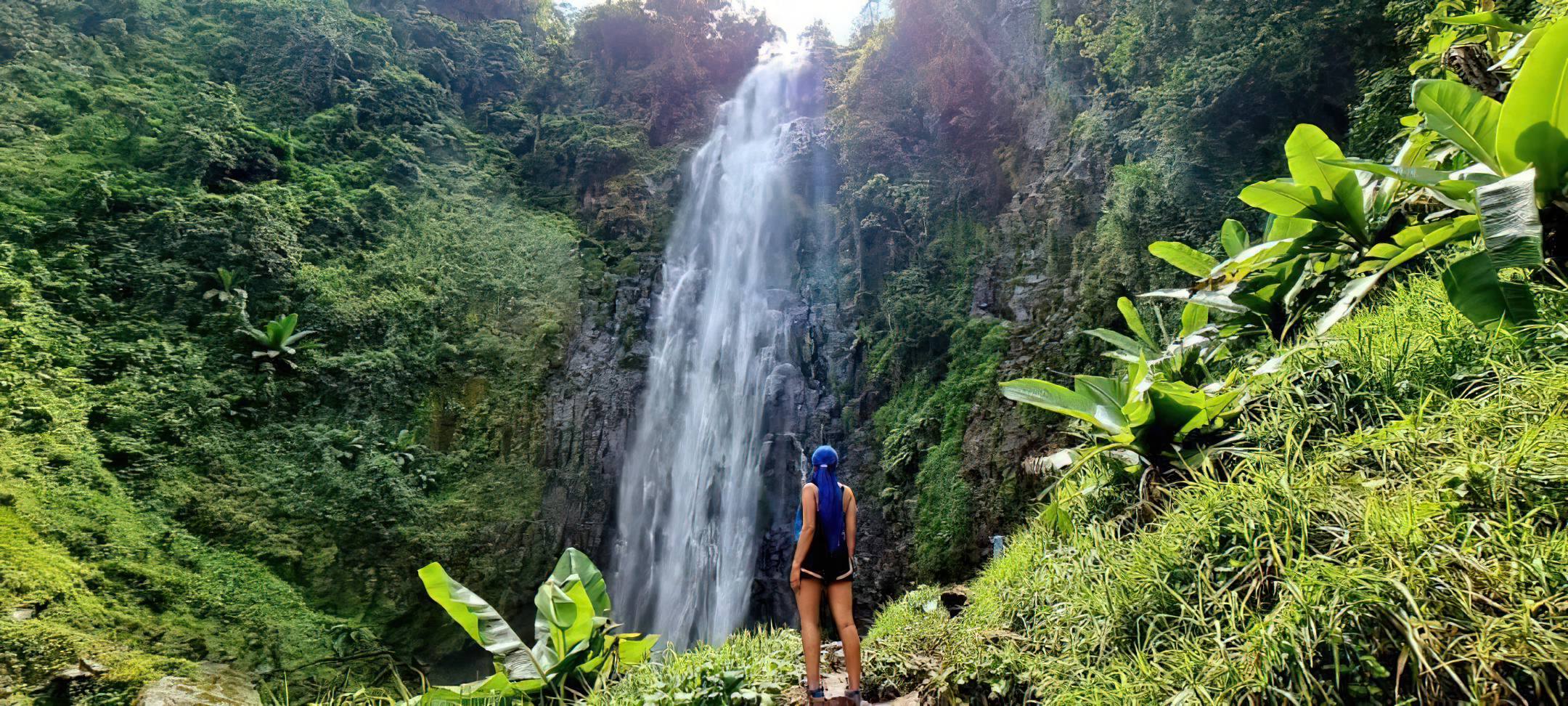
Top activities at Materuni Waterfalls include hiking through lush Chagga coffee farms, swimming in the natural pool beneath the 80-meter cascade, and enjoying a traditional, hands-on coffee-making experience. Located near Moshi, this cultural and nature-focused day trip offers scenic views of Mt. Kilimanjaro, birdwatching, and authentic local meals.
15-days-africa-big-cats-safari-kenya-tanzania-safari-and-zanzibar-beach-holidays
12-days-best-tanzania-and-kenya-safari-combo-itinerary
10-days-ultimate-budget-tanzania-safari-holiday-vacation
9-days-luxury-family-tanzania-safari-in-africa-holiday-vacation
8-days-perfect-materuni-waterfall-and-coffee-cultural-tour-in-tanzania
8-days-7-nights-midrange-safari-in-tanzania-northern-circuit-parks
Hiking through lush Chagga coffee farms
The hike to Materuni Waterfalls is as rewarding as the destination, winding through patchwork terraces of Chagga coffee farms that climb the lower slopes of Mount Kilimanjaro. This gentle-to-moderate trek—typically guided by local hosts from Materuni village—offers a sensory immersion in an agroforestry landscape shaped by generations of Chagga smallholders. As you walk, the forested gullies and cultivated plots reveal a mosaic of banana groves, avocado trees, plantain, macadamia, and intertwined coffee shrubs shaded by towering native trees. The shade-grown coffee system sustains biodiversity: you’ll spot mixed birdlife, butterflies, and a variety of insects that thrive among the layered canopy.
Guides walk at a relaxed pace, explaining traditional farming methods and the cultural significance of staples such as ng’ombe (bananas) and coffee in Chagga life. Along the route you may pass small homesteads, where children wave and villagers occasionally offer fresh fruits or a warm greeting. The terrain varies from compacted footpaths to steeper, root-strewn sections that test balance and fitness—good walking shoes and a steady pace make the route accessible to most moderately fit travelers.
Photographers and nature lovers will appreciate the ever-changing views: glimpses of cultivated terraces framed by wild forest, the distant outline of Kilimanjaro’s snow-capped summit on clear days, and the intimate details of agroforestry—coffee cherries clustered among glossy leaves, or the textured bark of indigenous trees. Local guides often point out medicinal plants and explain their uses, enriching the walk with practical ethnobotanical knowledge.
This hike also supports community tourism: guiding fees, homestay visits, and purchases of locally roasted beans directly benefit Materuni families. The walk culminates in the dramatic reveal of the waterfall—rewarding exertion with the cool spray and verdant plunge pool below—making the coffee-farm hike an ideal mix of culture, nature and active exploration.
Swimming in the natural pool beneath the 80-meter cascade
The plunge pool at the base of Materuni Waterfalls offers a refreshing and scenic reward after the hike through Materuni village and surrounding coffee farms. Fed by an impressive 80-meter drop, the waterfall pours into a shaded natural pool surrounded by steep, fern-lined rock walls and lush vegetation—an inviting spot for cooling off in the tropical highland climate near Moshi. On warm days, the pool’s clear, invigorating water is a welcome contrast to the exertion of trekking; the constant mist and roar of the falls create an immersive sensory experience.
Safety is paramount: local guides assess conditions and advise on the best places to enter the water. The pool’s depth varies with seasonal rainfall—during the drier months it can be shallower and calmer, while after rains the current is stronger and staff may restrict swimming for safety. Wearing sensible footwear to navigate slippery rocks and stepping gently into the pool are practical precautions. For many visitors, a brief dip beneath the cascade—feeling the powerful rush of water on your shoulders—is a memorable highlight that combines exhilaration with a sense of being enveloped by nature.
Beyond swimming, the pool area is ideal for relaxation and photography. Sunlight filtering through the canopy creates dramatic lighting, and the spray-filled air often produces rainbows on sunny afternoons. Families can picnic on nearby flat rocks or listen to guide-led stories about the waterfall’s cultural meaning in Chagga folklore. For those less inclined to swim, simply sitting on the banks to enjoy the cooling mist and serene ambience is restorative.
The Materuni plunge pool experience is enhanced by the presence of local guides and community-managed facilities; entrance fees and services contribute to village livelihoods and conservation. Whether you take a brisk swim under the cascade or lounge on a mossy rock sipping fresh water, the natural pool at Materuni is a sensory, communal and eco-conscious highlight of any Kilimanjaro-area excursion.
Traditional, hands-on coffee-making experience
A signature part of the Materuni visit is the hands-on coffee experience, where visitors step beyond tasting to learn the traditional Chagga methods of coffee production—from cherry to cup. Typically hosted by a local family or cooperative, the session begins with a guided tour of the coffee plots that punctuate the landscape, pointing out the varieties grown and explaining shade-grown, organic practices that sustain soil health and biodiversity. You’ll often see red and yellow coffee cherries still clinging to branches, providing a vivid introduction to the crop’s lifecycle.
The practical demonstration covers harvest techniques, pulping, drying and roasting—many hosts invite guests to participate. You might remove outer fruit from cherries, watch or join in the washing and sun-drying stages, and then experience the satisfying ritual of pan-roasting green beans over a charcoal stove. The aroma that unfolds during roasting is unforgettable; some experiences include grinding by hand with a mortar and pestle to complete the artisanal process.
Next comes brewing: locals demonstrate traditional infusion methods or prepare coffee the Swahili way—often spiced with cardamom or cinnamon—served in small cups alongside local snacks. Hosts explain cultural rituals around coffee-drinking, its role in hospitality, and how proceeds support families and village projects. Tastings typically include freshly roasted-brewed coffee, which contrasts markedly with store-bought varieties—its flavor profile is often brighter, richer, and intimately tied to the high-altitude terroir of Kilimanjaro’s slopes.
This experience is educational and ethically grounded: fees and coffee purchases support community enterprises, and many visits include the option to buy freshly roasted beans or hand-processed coffee as souvenirs. For travelers who appreciate gastronomy and cultural exchange, Materuni’s coffee-making session is a tactile, aromatic and socially impactful way to connect with the land and its people.
Hiking to Materuni Waterfalls (about 40 minutes–1 hour, ~8 km round trip)
The hike to Materuni Waterfalls is a scenic, culturally rich trek that typically takes 40 minutes to one hour each way, covering roughly an 8 km round trip depending on the route and stops. The trail winds through traditional Chagga farmland and small village plots on the southern slopes of Mount Kilimanjaro, offering layered landscapes of banana terraces, coffee bushes, avocado trees and native forest patches. The gradient varies: much of the path is gentle, but expect steeper sections, exposed roots and occasional slippery stretches—good footwear and steady pacing make the walk accessible for most people with reasonable fitness.
Local guides lead the route and enrich the hike with practical insights into Chagga farming systems, medicinal plants, and village life. Stops along the way often include short cultural exchanges at homesteads or viewpoints that reveal wide panoramas of Kilimanjaro (on clear days) and the plains around Moshi. Birdwatchers and nature lovers will enjoy the biodiversity: the shaded, agroforestry system supports a variety of birds, butterflies and small mammals, and guides can point out endemic or regionally interesting species.
The trail’s sensory rewards grow as you approach the waterfall: the temperature drops, humidity rises, and the roar of cascading water builds anticipation. The final descent into the gorge leads to the dramatic 70–90 meter cascade and the shaded plunge pool below—an invigorating payoff for your effort. Many visitors combine the hike with a Chagga coffee experience and a traditional lunch in the village, turning the trek into a holistic cultural-and-nature excursion. Overall, the Materuni hike is moderate in intensity but high in cultural and scenic value, ideal for active travelers seeking both local connection and natural beauty.
Swimming in the Natural Pool beneath the 80-meter Cascade
Swimming at the plunge pool beneath Materuni’s towering cascade is one of the trip’s most invigorating and memorable moments. Fed by a dramatic 70–90 meter drop, the pool is shaded by steep, fern-draped rock faces and lush vegetation, offering a cool, restorative dip after the hike. The water is typically clear and refreshingly cold—especially welcome in the warm lowland climate around Moshi—and the spray from the falls creates a misty, almost magical atmosphere, often producing rainbows in sunlight.
Safety is key: local guides assess seasonal water flows and currents and advise whether swimming is recommended. During the dry season the pool is usually calm and safe for a leisurely swim; during or after heavy rains the current can strengthen and guides may restrict access. The pool depth varies with rainfall, so entering carefully and following guide instructions are essential. Footwear that can handle slippery rocks is advisable for getting in and out of the water.
Beyond the physical refreshment, the pool is a social and photogenic spot. Families picnic on nearby flat rocks, visitors pose beneath the falling curtain of water, and photographers capture dramatic compositions of plunging water framed by emerald foliage. For many guests, standing directly under the cascade—even briefly—delivers a tactile connection to the landscape, a feeling of being cleansed by mountain water.
The swimming experience at Materuni is community-managed and contributes to local livelihoods: entrance and guide fees support village initiatives, conservation and hospitality. Whether you take a cautious paddle, a vigorous swim, or simply sit on the bank letting mist cool your face, the natural pool is an essential sensory highlight of the Materuni excursion.
Chagga Coffee Tour: Growing, Harvesting, Roasting and Grinding
The Chagga coffee tour at Materuni offers a hands-on, sensory journey through coffee culture—from cherry to cup—anchored in traditional practices of the Chagga people. The experience typically starts with a walk through shaded coffee plots where guides explain altitude effects, varietals, and agroforestry systems: Chagga coffee is often interplanted with bananas, avocados and native shade trees, a sustainable approach that boosts biodiversity and soil health. Seeing ripe red cherries on the bush provides a vivid introduction to the crop’s lifecycle.
Visitors then participate in the processing stages. Simple, traditional methods are demonstrated: hand-picking cherries, pulping or soaking, sun-drying on raised racks, and sorting. Many hosts invite guests to join a rustic roasting session—pan-roasting green beans over charcoal—releasing the unforgettable aroma of freshly heated coffee. Grinding by hand with a mortar and pestle or small grinder is commonly demonstrated, and this tactile involvement deepens appreciation for the labor behind each cup.
The tasting segment contrasts farm-fresh brewed coffee with commercial varieties—often a revelation. Hosts commonly prepare Swahili-style coffee (sometimes spiced) and serve it with local snacks. Alongside the practicalities, guides relate coffee’s cultural role: hospitality rituals, community economics, and how coffee income supports families and village projects. Many visits include the opportunity to purchase freshly roasted beans, providing direct economic benefits to hosts.
Music and dance often accompany the session, blending cultural performance with agricultural education. Importantly, the tour supports ethical community tourism: fees and purchases fund local development. For visitors interested in gastronomy, sustainability, or meaningful cultural exchange, the Chagga coffee tour at Materuni is an aromatic, hands-on highlight that links soil, story and cup.
Traditional Local Lunch and Village Cultural Activities
A traditional lunch in Materuni village transforms the waterfall visit from a nature excursion into a cultural immersion. Prepared by local families or community groups, the meal showcases staple Chagga cuisine—typically banana-based dishes like matoke (steamed or mashed plantain), fresh vegetables, stews and sometimes locally reared meats—served family-style to reflect village hospitality. Meals are often eaten communally on mats or simple tables, creating a relaxed environment to chat with hosts about daily life, food customs and local history.
The lunch often accompanies other cultural activities: demonstrations of traditional cooking methods, visits to homesteads to see granaries and farming tools, or short performances featuring local songs and dances. Visitors may be invited to sample mbege, a traditional banana beer, and learn about its role in social events and rituals—always served respectfully and within community protocols. These encounters are informal, authentic and emphasize mutual exchange rather than staged performance.
Beyond food, the cultural elements of the visit can include craft demonstrations—beadwork, weaving or local handicrafts—offering opportunities to purchase souvenirs that directly support households. The relaxed meal setting is also a chance to ask questions about Chagga agricultural practices, land tenure, and how tourism revenue is used—many communities reinvest earnings in schools, health services or local conservation.
A village lunch complements the physical aspects of the Materuni hike and waterfall swim, grounding the excursion in human stories and daily rhythms. It’s an ideal moment to slow down after active exploration, savor regional flavors, and leave with a deeper understanding of the cultural landscape you’ve traversed.
Photography Opportunities at Materuni Waterfalls and Surroundings
Materuni Waterfalls and its surroundings are a rich canvas for photographers, offering dramatic nature, cultural scenes, and sweeping views of Kilimanjaro’s lower slopes. The waterfall itself—an impressive 70–90 meter cascade framed by steep, fern-draped rock walls—creates striking vertical compositions. The misty atmosphere near the falls often produces softened light and, on sunny days, vivid rainbows that enhance landscape and portrait shots.
Along the trail, the patchwork of Chagga agroforestry—rows of coffee shrubs, banana terraces and native shade trees—yields textured, detail-rich frames. Macro photography aficionados will find coffee cherries, textured bark, mosses, and endemic insects compelling subjects. Birders can capture a variety of species in the shaded canopy; guides often know the best vantage points for locating colourful or rare birds.
Village scenes offer authentic cultural imagery: farmers tending plots, women carrying produce, and homestead life provide respectful documentary opportunities. During coffee demonstrations and local meals, portraiture captures expressive moments—roasting beans, grinding coffee, or communal dining—adding human narrative to the natural story. Early morning or late afternoon light provides “golden hour” warmth ideal for both landscapes and portraits.
Photographers should be mindful of respectful practices: always ask permission before photographing people, avoid intrusive shots during private moments, and consider offering small compensation or purchasing a souvenir in exchange for portraits. Gear-wise, a standard travel kit works well: a wide-angle lens for landscapes, a mid-telephoto for portraits and wildlife, and a macro lens for close-ups. A lightweight tripod and waterproof protection for gear help in misty conditions near the falls.
Materuni’s varied scenes—waterfall drama, agroforestry details, village life and panoramic views—make it a rewarding destination for both casual and serious photographers seeking to capture nature and culture in one accessible excursion.
Combining Materuni Waterfalls with Chemka (Kikuletwa) Hot Springs
Pairing the Materuni Waterfalls excursion with Chemka (Kikuletwa) Hot Springs creates a balanced day of active exploration and restorative relaxation. Many tour operators and local guides arrange this combination: after hiking to the falls, swimming, enjoying coffee and lunch, travelers are driven east to the tranquil Chemka springs—a natural, clear, warm-fed pool shaded by palms and acacia trees.
Chemka’s calm turquoise waters are ideal for floating, gentle swimming or lounging on riverbanks; the contrast with Materuni’s cool, dramatic plunge pool is delightful. The hot springs are also family-friendly and provide facilities for picnics, snorkeling gear rentals, and small local cafés serving light refreshments. Timing-wise, visiting Chemka in the afternoon works well: it offers restful cool-down after a morning’s hike or an extended cultural visit at Materuni.
Logistics are straightforward—Chemka is roughly an hour’s drive from Moshi depending on traffic and route. Many operators include transfers, entrance fees and simple refreshments in combined-day tours. Combining both sites lets visitors experience Kilimanjaro’s diverse microenvironments: highland forest and coffee landscapes at Materuni, followed by lowland springs and palm-fringed water at Chemka.
When planning the combination, consider seasonal factors: Chemka is generally accessible year-round, but road conditions may vary in heavy rains. It’s also practical to bring a change of clothes, towels, and water shoes for both sites. Overall, the Materuni-Chemka pairing offers variety—nature, culture, swimming and relaxation—making it a popular full-day option for those based in Moshi or continuing onward to safari destinations.
Best Time of Day and Year for Materuni Activities
Morning starts (around 8:30–9:00 a.m.) are recommended for Materuni activities to avoid midday heat and the higher likelihood of afternoon showers, especially in the long rainy season. Early starts also improve the chances of clear views of Mount Kilimanjaro and produce softer, more flattering light for photography. For the best overall experience, plan visits during the dry seasons—June to October and December to February—when trails are less slippery and the waterfall remains dramatic but safer for swimming. During the short rains (March–May) and heavy rains (April/May), trails can be muddy and the pool’s currents stronger; guides may restrict swimming for safety. Booking with a local operator ensures up-to-date advice on weather and trail conditions.
Do I Need a Guide, and Suitability for Children
Yes—hiring a local guide is strongly recommended. Guides help navigate village trails, ensure safe swimming conditions, interpret cultural practices, and enrich the visit with stories about Chagga life and agroforestry. Materuni activities are family-friendly and suitable for children with reasonable supervision; the hike is moderate, but parents should watch youngsters on steep or slippery sections and near the plunge pool. Guides often adapt pace and content for families, making Materuni an excellent cultural-and-nature day trip for visitors of all ages.
What to Wear and Bring; Picnic Spots and Facilities
Wear sturdy walking shoes or hiking sandals with good grip, quick-dry clothing, a hat, sun protection and insect repellent. Bring a swimsuit, towel, a waterproof bag for electronics, bottled water, and some cash for tips or purchases. While picnic spots exist near the falls and along the trail, most visitors opt for the village-provided traditional lunch included in many tours. Basic toilet facilities and small stalls are often available in the village, but expect modest amenities—being prepared with essentials enhances comfort.
What are the top activities to do at Materuni Waterfalls on Tanzania safari?
The top activities at Materuni Waterfalls create a memorable and enriching experience, blending adventure with cultural immersion. One of the main attractions is the hike to the waterfall. This scenic journey allows visitors to traverse vibrant coffee plantations and picturesque villages, offering stunning views of the surrounding landscape. The hike generally takes about 40 minutes to an hour, making it accessible for most fitness levels.
Swimming in the natural pool at the base of the waterfall is another highlight. The pool is refreshingly cool, providing a perfect spot to relax after the hike. Standing at an impressive height of 80 meters, the waterfall itself creates a stunning backdrop, making it an unforgettable swimming experience.
A Chagga coffee tour is also a must-do activity. Visitors have the chance to learn about the traditional coffee-making process, from growing and harvesting to roasting and grinding. This immersive experience often includes local singing and dancing, enriching the cultural aspect of the visit.
Finally, enjoying a traditional local lunch prepared by the Chagga people rounds out the experience. This meal typically includes local dishes made from fresh, locally sourced ingredients, allowing visitors to taste the flavors of the region and learn about the culinary customs of the Chagga community.
Combining these activities offers a comprehensive experience that encompasses natural beauty, adventure, cultural learning, and delicious food. Visiting Materuni Waterfalls provides an engaging way to connect with the rich heritage and stunning landscapes of Tanzania, making it a top choice for safari adventurers.
How long is the hike for activities to do at Materuni Waterfalls on Tanzania safari?
The hike to Materuni Waterfalls is a scenic adventure that generally spans about 8 kilometers (5 miles) round trip, taking approximately 40 minutes to one hour each way. The trail meanders through lush coffee plantations and quaint villages, offering hikers a chance to immerse themselves in the local landscape and culture.
As you trek along the path, you’ll be treated to breathtaking views and the rich aromas of coffee, which is a significant part of the local economy. The well-maintained trails are suitable for most fitness levels, although some areas feature moderate inclines and uneven ground, requiring a reasonable level of fitness to navigate safely.
Hiking in the morning is particularly enjoyable, as cooler temperatures allow for a more pleasant experience. As you ascend, local guides often share insights about the flora, fauna, and agricultural practices, enriching your understanding of the area. The sound of the cascading waterfall grows louder as you approach, heightening the excitement of reaching your destination.
While the hike is manageable for many, families with young children should exercise caution, especially in steeper areas and near the waterfall’s edge. Taking breaks to appreciate the surrounding beauty and capture photographs can enhance the overall experience, making for a visually stimulating and culturally enriching adventure. After completing the hike, the reward of witnessing the magnificent waterfall is well worth the effort put into the journey.
Can I swim during activities to do at Materuni Waterfalls on Tanzania safari?
Yes, swimming is one of the most enjoyable activities at Materuni Waterfalls. The natural pool at the base of the stunning 80-meter tall waterfall is a refreshing oasis, perfect for cooling off after your hike. The experience of swimming in this natural pool, surrounded by lush rainforest and the sound of cascading water, is both exhilarating and serene.
The cool waters, sourced from glacial streams flowing down Mount Kilimanjaro, provide an invigorating dip. While the water can be quite chilly, especially for those unaccustomed to colder swimming conditions, many find that it is exceptionally refreshing after the exertion of hiking. It's a unique opportunity to connect with nature while enjoying a swim in a picturesque setting.
Safety is an important consideration. The rocks around the pool can be slippery, so it's advisable to wear water shoes to prevent slips and falls. Lifeguarding services are not available, so swimming should be done with caution, especially in deeper areas of the pool.
For those who prefer not to swim, the area around the pool offers plenty of scenic spots to relax, sunbathe, or enjoy a picnic. The vibrant environment, teeming with the sounds of nature, creates a perfect spot for relaxation or photography. Swimming at Materuni Waterfalls is undoubtedly a highlight, providing an unforgettable experience that combines adventure, relaxation, and the natural beauty of Tanzania.
What is the Chagga coffee tour, a popular activity to do at Materuni Waterfalls on Tanzania safari?
The Chagga coffee tour is one of the most popular activities at Materuni Waterfalls, offering an immersive experience into the coffee-making tradition of the Chagga people. This interactive tour takes visitors to a local family farm, where they can witness the full cycle of coffee production—from growing and harvesting to roasting and grinding.
The tour begins with participants picking ripe coffee cherries from the trees, allowing for a hands-on understanding of the labor involved in coffee cultivation. The guides, usually local Chagga farmers, share their knowledge about the various coffee varieties grown in the region and the importance of coffee to Chagga culture and economy.
After harvesting, the cherries are processed, and visitors learn about traditional techniques such as pulping and drying. The aroma of roasting coffee beans fills the air as visitors participate in grinding the beans, preparing for the final step: brewing a fresh cup of authentic Chagga coffee.
This coffee tour is often accompanied by local songs and dances, enriching the experience with cultural elements that highlight the significance of coffee in Chagga society. Sharing a freshly brewed cup of coffee with your guides and fellow travelers provides an intimate glimpse into local customs and hospitality.
Overall, the Chagga coffee tour is not just about tasting coffee; it’s a holistic experience that combines agriculture, culture, and community, making it an enriching addition to your visit to Materuni Waterfalls. Whether you are a coffee aficionado or simply curious about local traditions, this tour will leave you with a deeper appreciation for the craft and the people behind Tanzania’s beloved coffee.
What cultural activities to do at Materuni Waterfalls on Tanzania safari can I experience?
At Materuni Waterfalls, visitors have the opportunity to engage in a variety of cultural activities that offer a deeper understanding of the Chagga people and their way of life. One of the best ways to immerse yourself in the local culture is by taking a guided tour through a Chagga village. This experience allows you to witness firsthand the daily activities of the villagers and gain insights into their customs and traditions.
During your visit, you can learn about traditional agricultural practices, particularly how the Chagga cultivate coffee, bananas, and other crops that are integral to their lifestyle. Many tours include visits to local farms, where you can see these practices in action and engage with the farmers.
An exciting component of cultural immersion at Materuni is the opportunity to taste local banana beer, known as Mbege. This traditional beverage is made from fermented bananas and is often served during social gatherings. Sampling Mbege provides visitors with a unique taste of Chagga hospitality and the chance to learn about its significance in local customs.
Additionally, after engaging in the hiking and coffee tour activities, visitors typically enjoy an authentic, home-cooked lunch prepared by local families. This meal often features traditional dishes made from fresh, locally sourced ingredients, connecting you even further with the culinary heritage of the Chagga people.
Overall, the cultural activities offered at Materuni Waterfalls create a holistic experience, allowing visitors to appreciate the richness of Chagga traditions while enjoying the breathtaking natural beauty of the area. Engaging with the community in this manner fosters meaningful connections that enrich your journey through Tanzania.
Are there photography opportunities as activities to do at Materuni Waterfalls on Tanzania safari?
Absolutely, Materuni Waterfalls is a photographer's dream, offering an abundance of photography opportunities that capture the stunning beauty of the landscapes and cultural elements unique to the area. The waterfall itself, with its impressive height of 70 to 90 meters, serves as a striking focal point for both amateur and professional photographers alike. The cascading water, framed by lush greenery, creates breathtaking compositions that can be captured from various angles.
Along the hiking trail, photographers can explore the vibrant flora of the coffee and banana plantations, capturing colorful flowers and the stunning vistas that stretch across the landscape. The trail itself presents countless opportunities for picture-perfect moments where the local culture meets nature. Discussing local agricultural practices with guides while snapping candid photos of villagers contributes to a rich tapestry of experiences.
Once at the waterfall, the surrounding rainforest is an excellent setting for capturing the beauty of nature. Photographers will appreciate the interplay of light and shadow created by the dense canopy overhead, especially during the early morning or late afternoon when the sunlight filters through the leaves.
Additionally, the village itself offers picturesque scenes of everyday life among the Chagga people. Whether capturing traditional homes, communal activities, or local markets, there are ample chances to document the vibrant culture that thrives in this area.
Finally, the panoramic views from various vantage points offer stunning backdrops for landscape photography. With a keen eye and an appreciation for the surroundings, visitors can create stunning visual memories of their experience at Materuni Waterfalls, making it an ideal destination for nature lovers and photographers alike.
How long does it take to do all activities to do at Materuni Waterfalls on Tanzania safari?
To fully enjoy all the activities at Materuni Waterfalls, including hiking, the Chagga coffee tour, lunch, and cultural experiences, a full-day tour is recommended. This usually takes about 6 to 8 hours, allowing for a leisurely pace to appreciate each aspect of the visit.
The day typically starts with a scenic hike to the waterfall, which generally takes around 40 minutes to one hour. Depending on the size of your group and the interests of the participants, the hike can be filled with various stops for photographs, insights from your guide, and even brief breaks to observe the local wildlife and flora.
Upon reaching the waterfall, you can spend time swimming in the natural pool, taking in the majestic views, and enjoying the surrounding environment before heading back down the trail. The journey back can take a similar amount of time, allowing you to digest your experience and perhaps engage with your guide further about the region.
Next, the Chagga coffee tour typically follows, where you’ll learn about the coffee-making process. This engaging activity often lasts an hour or more, depending on the level of participation and any additional cultural elements included, such as local songs and dances.
Finally, enjoying a traditional lunch prepared by local families offers a pleasant way to wrap up the day. This meal is not only a chance to relish delicious food but also an opportunity to connect further with the Chagga culture. The full-day experience ensures you don’t feel rushed and allows ample time to savor each activity, creating lasting memories of your adventure at Materuni Waterfalls.
Is hiking difficult as part of the activities to do at Materuni Waterfalls on Tanzania safari?
The hike to Materuni Waterfalls is generally considered to have a moderate difficulty level. Spanning approximately 8 kilometers (about 5 miles) round trip, the trail involves navigating through hills and valleys, with some uphill sections that may challenge less experienced hikers. However, the paths are well-maintained, making them manageable for most people with reasonable fitness.
As you hike, the trail winds through lush coffee plantations, stunning views, and local villages, creating a rich and diverse setting for your journey. The incline in some areas may require effort, but the scenic beauty and cultural experiences along the way make the exertion worthwhile.
While the hike is suitable for beginners and families, some caution should be exercised, especially in wetter conditions when the trail may be muddy or slippery. Wearing sturdy hiking shoes or boots is highly recommended to provide the necessary grip and support, as well as to navigate any uneven terrain.
For families with young children, it’s advisable for parents to supervise them closely, particularly in steeper parts of the trail and near the waterfall’s edge. Taking breaks to enjoy the views and capture photographs can help mitigate fatigue and enhance the overall experience.
In summary, while the hike can be challenging in some sections, it is generally accessible for individuals of various fitness levels. With proper preparation and a spirit of adventure, visitors will find the journey to Materuni Waterfalls to be a rewarding experience filled with natural beauty and cultural richness.
What is the best time of day for activities to do at Materuni Waterfalls on Tanzania safari?
The best time of day to visit Materuni Waterfalls is in the morning, ideally starting around 9 a.m. This timing allows you to take advantage of cooler temperatures, which makes the hike more comfortable and enjoyable. Morning outings also provide an opportunity to experience the vibrant atmosphere of the local village as people go about their daily activities, adding to the cultural richness of your visit.
Additionally, starting early helps you avoid the midday sun, which can be quite intense, especially during the dry season. By hiking earlier in the day, you reduce the risk of overheating and fatigue, allowing you to focus on enjoying the scenery and engaging in various activities—the hike, coffee tour, and swimming in the natural pool.
Visiting in the morning allows you to enjoy the falls in relative solitude before larger groups descend upon the site later in the day. This means you can capture more serene photographs and truly appreciate the natural beauty surrounding you without interruptions.
Moreover, early visits can also help avoid potential afternoon rain showers, common during the rainy season. This can be crucial in maintaining a pleasant experience, as the trails may become slippery and more challenging to navigate after rain.
Overall, an early morning start is highly recommended for activities at Materuni Waterfalls, providing an optimal balance of comfort, cultural exposure, and breathtaking natural beauty, ensuring that your safari experience is as fulfilling as possible.
Can I combine other activities to do at Materuni Waterfalls on Tanzania safari with a hot springs visit?
Yes, it is possible to combine activities at Materuni Waterfalls with a visit to nearby Chemka (Kikuletwa) Hot Springs, providing a wonderful way to enrich your safari experience. Many tour operators offer packages that include both destinations, allowing visitors to enjoy the breathtaking waterfall and then relax at the natural hot springs.
Visiting the hot springs after the hike to Materuni is a perfect way to unwind and rejuvenate. The hot springs are renowned for their clear, warm waters, making them an excellent spot for relaxation and swimming. Surrounded by lush vegetation and picturesque landscapes, the hot springs offer a tranquil atmosphere conducive to rest and reflection.
Combining these two activities allows you to experience both the adventure of hiking and swimming in the waterfall's refreshing pool, followed by the soothing warmth of the hot springs. This dual experience makes for a full day of natural beauty and relaxation, ideal for solo travelers, couples, and families looking for varied experiences.
It's advisable to check with local tour operators when planning your trip to ensure the itinerary is well-structured and allows ample time for both activities. Many operators will provide transportation between the two sites, so you can focus on enjoying your time without the additional hassle of logistics.
In summary, combining a visit to Materuni Waterfalls with a trip to Chemka Hot Springs creates a well-rounded experience that captures the natural majesty of Tanzania while providing opportunities for both adventure and relaxation.
Do I need a guide for activities to do at Materuni Waterfalls on Tanzania safari?
Yes, hiring a local guide for activities at Materuni Waterfalls is highly recommended. A knowledgeable guide enhances your experience by navigating the trails, offering insights about the local culture and environment, and ensuring your safety throughout the hike.
The trails leading to the waterfall can vary in difficulty and may include some steep or uneven terrain. A local guide is familiar with the best routes and any potential hazards, ensuring that you have a safe and enjoyable journey. Moreover, they can provide context for the sights you encounter, making the experience more enriching as they share stories and information about the Chagga people and their agricultural practices.
Additionally, hiring a local guide supports the community economically, providing employment opportunities and a means for locals to share their culture with visitors. Their expertise adds a layer of authenticity to your experience, allowing you to engage more meaningfully with the landscape and community.
While it is possible to hike independently, having a guide can transform your visit into an engaging adventure filled with cultural insights, learning opportunities, and captivating narratives. Tours often include a guide as part of the package, but it’s a good idea to confirm this in advance when planning your visit to Materuni Waterfalls.
Overall, having a local guide adds significant value to your journey, helping you navigate the trails while connecting you with the area’s rich cultural and natural heritage.
What should I wear for activities to do at Materuni Waterfalls on Tanzania safari?
When preparing for activities at Materuni Waterfalls, it's essential to dress appropriately to ensure comfort and safety throughout your visit. Sturdy walking shoes or hiking boots are highly recommended due to the potentially muddy and uneven trails. These types of footwear provide the necessary support and grip needed to navigate the terrain safely, making your hike more enjoyable.
Opt for lightweight, breathable clothing that wicks moisture away from the skin. This keeps you cool during the day, especially in warmer months. A moisture-wicking t-shirt and lightweight trousers or shorts are practical choices. In cooler months, layering with a light jacket or long-sleeve shirt may be beneficial, particularly in the early morning when temperatures can be lower.
A swimsuit is a must if you plan to take a dip in the natural pool at the base of the waterfall. It’s advisable to wear your swimsuit underneath your clothes so you can easily transition from hiking to swimming. A quick-drying towel is also helpful for drying off post-swim.
Don’t forget to equip yourself with sun protection. Wearing a wide-brimmed hat and applying sunscreen can shield you from the sun’s rays, especially if your visit includes prolonged outdoor activities. Insect repellent is also recommended, as it helps prevent bites from mosquitoes and other insects prevalent in lush environments.
Ultimately, choosing suitable attire will significantly enhance your experience at Materuni Waterfalls. Dressing for both comfort and function allows you to focus on enjoying the stunning scenery and engaging in activities without worrying about discomfort.
Are there picnic spots available during activities to do at Materuni Waterfalls on Tanzania safari?
Yes, there are several picnic spots available around Materuni Waterfalls, providing a great opportunity to enjoy a meal in a beautiful natural setting. The area surrounding the waterfall is lush and scenic, making it an inviting place to relax and enjoy food al fresco.
Many visitors opt for picnics after completing the hike, taking advantage of the stunning views of the waterfall and the tranquil sounds of nature. While some travelers may bring their own packed lunches, others prefer to partake in the traditional local lunch offered by nearby families, which usually showcases the rich culinary heritage of the Chagga community.
Picnic settings around the waterfall provide ample space for families and friends to gather, allowing guests to spread out and enjoy their meals while soaking in the breathtaking scenery. The atmosphere is generally relaxed and informal, making it a pleasant way to enjoy a break during your day of exploration.
When preparing for a picnic, it's important to consider some practical aspects, such as bringing along a blanket to sit on and ensuring that you tidy up afterward to maintain the area’s natural beauty. Many visitors also choose to carry simple, non-perishable snacks and plenty of water to stay nourished and hydrated throughout their activities.
Booking Tanzania safari with us Roads of Adventure safaris
When you choose Roads of Adventure Safaris for your Tanzania safari, you're opting for a personalized, memorable experience. Our expert guides have extensive knowledge of the local wildlife, ecosystems, and cultures, ensuring an enriching journey. We offer customizable itineraries tailored to your interests, whether it's wildlife viewing in the Serengeti or cultural immersion with local communities. Our commitment to sustainability means that we prioritize eco-friendly practices while supporting local economies. With top-notch accommodations, excellent service, and a passion for adventure, we strive to make your safari unforgettable. Let us guide you on an incredible Tanzanian adventure!
