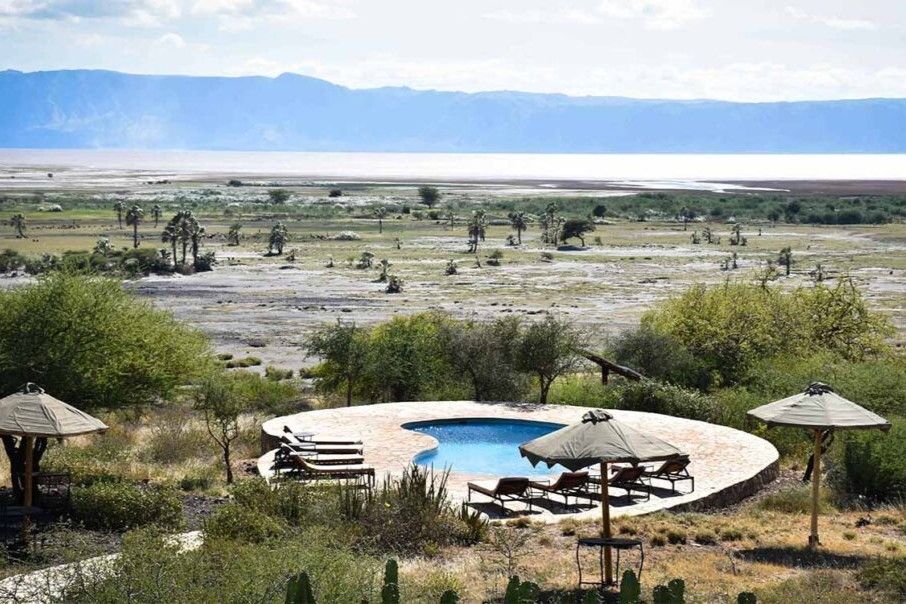
Nestled just south of the Ngorongoro highlands, Lake Eyasi delivers a deep, grounding shift from the standard Tanzania wildlife safari. This remote soda lake sits against the dramatic backdrop of the Great Rift Valley escarpment, where dusty, ancient landscapes meet vibrant living traditions. Here, the focus turns from scanning the savannah for big game to experiencing human culture that has endured for millennia. You can trek through the dry scrub at first light with the Hadzabe—one of the last true hunter-gatherer tribes on earth—and watch Datoga blacksmiths transform scrap metal using ancient hand bellows. It is a quiet, authentic, and deeply memorable glimpse into East Africa's rich human story.
Hunting & Foraging with the Hadzabe
Joining the Hadzabe at dawn offers an unfiltered window into one of the oldest continuous human lifestyles on Earth. The Hadzabe are among East Africa’s last true hunter-gatherers, living without agriculture, livestock, or modern infrastructure in the dry bush country around Lake Eyasi. Their language, Hadza, is a unique click language unrelated to any other spoken in Africa, making every interaction feel deeply distinctive.
The morning begins early around a small hearth fire, where hunters gather to prepare their equipment before the desert heat sets in. They straighten wooden bowstaves over warm embers, feather thin reeds for arrows, and attach forged iron tips acquired through trade with neighboring tribes. Setting out into the thorny scrubland, you follow along on foot as the hunters move at a fast, quiet pace, scanning the ground for animal tracks, listening for bird calls, and watching for movement in the branches.
This is an active, unscripted walk rather than a staged show. Hunters pursue small game such as dik-diks, guinea fowl, baboons, and velvet monkeys using bows made from local trees and bowstrings twisted from giraffe or kudu sinew. Along the trail, women and young adults forage for edible tubers, baobab fruit, and berries. One of the highlights of the walk involves finding wild bee hives tucked inside hollow baobab trunks; hunters climb the soft bark to smoke out bees using dry twigs and share raw, golden honey straight from the comb. Walking through the quiet bush alongside people whose survival skills have remained virtually unchanged for thousands of years provides a humbling perspective on human adaptability.
Datoga Blacksmith Visits
A short drive from the Hadzabe encampments brings you to the homesteads of the Datoga people, a Nilotic pastoralist group known for their metalworking skills and distinct cultural heritage. While the Hadzabe depend entirely on foraging, the Datoga raise cattle and goats, supplementing their pastoral lifestyle with traditional blacksmithing techniques passed down through generations.
The blacksmithing area operates outdoors beneath the shade of an acacia tree or within a simple thatched structure. Using scrap metal collected from old vehicle parts, padlocks, copper wire, and brass fixtures, Datoga artisans melt down metals over open charcoal hearths. Air is pumped into the embers using hand-crafted leather bellows made from goat hides, raising temperatures high enough to turn scrap metal red-hot and pliable.
Using heavy river stones and iron hammers, the blacksmiths beat hot metal on makeshift anvils, shaping it into functional tools and delicate ornaments. They produce sharp iron arrowheads traded directly with the Hadzabe in exchange for wild meat and honey. They also forge heavy brass, copper, and aluminum bangles, neck rings, and earrings worn by Datoga women as symbols of marital status and beauty.
A visit allows you to sit close to the forge, watch the sparks fly as raw iron is hammered into shape, and speak with the artisans about their daily life. Datoga women, easily recognized by their brass ornaments and intricate facial tattoos made of small cut patterns, often demonstrate how they grind grain on flat stones and construct thatched homes, offering a well-rounded look at traditional pastoral craft culture.
Birdwatching Along Lake Eyasi
Lake Eyasi is a shallow, endorheic soda lake sitting at the base of the Eyasi escarpment. Because it has no outlet, mineral salts accumulate as water evaporates under the hot Rift Valley sun. When seasonal rains fill the basin—typically between November and April—the lake becomes an important feeding stop for hundreds of thousands of resident and migratory waterbirds.
Over 300 bird species recorded around the lake make it a rewarding destination for birdwatching. When water levels are optimal, large colonies of lesser and greater flamingos gather in the shallows to filter-feed on microscopic algae, tinting the shoreline shades of pink. Great white pelicans, yellow-billed storks, African spoonbills, and sacred ibises wade through brackish pools, while crowned cranes strut through nearby grassy flats.
The surrounding acacia woodland and dry bush country host a completely different set of terrestrial species. Walking through the trees along the shore reveals colorful avian life, including Fischer’s lovebirds, yellow-collared lovebirds, white-headed buffalo weavers, and red-and-yellow barbets nesting in termite mounds. Lilac-breasted rollers and pygmy falcons perch on dry branches scanning the ground for insects and small lizards.
Birdwatching here is relaxed and uncrowded compared to major national parks. Armed with a pair of binoculars and accompanied by a local guide, you can walk along the quiet lake margins at your own pace, enjoying clean sightlines against the dramatic background of the steep escarpment wall.
Eyasi Shoreline Walks
Taking a walking trek along the edges of Lake Eyasi offers a peaceful way to connect with the landscape away from standard safari vehicles. The terrain around the lake varies from cracked salt flats and sandy lakebeds to dry scrubland and open grassland fringed by massive baobab trees.
Guided walks usually take place in the late afternoon when temperatures drop and the light softens over the Rift Valley escarpment. Walking along the shore gives you a sense of scale as you gaze across the wide, mirror-like basin toward the high cliffs rising on the opposite side. The dry salt crust crunches underfoot, and scattered bleached bones or dried reed beds line the high-water marks left by past rainy seasons.
The flat open landscape creates exceptional opportunities for landscape photography. The giant baobab trees that dot the shore stand like ancient sentinels, their thick trunks turning silhouette-black as the sun drops behind the escarpment wall. Sunset over Lake Eyasi is often dramatic, painting the sky in deep shades of orange, purple, and crimson reflected across the still water.
Along the trail, your guide points out animal tracks left in the mud, local medicinal plants used by indigenous communities, and subtle geological features formed by the Great Rift Valley fault lines. It is a refreshing, unhurried walk that provides quiet time to reflect on the rich human and natural history of the region.
Onion Farming Tours
Beyond its traditional indigenous communities, the area surrounding Lake Eyasi holds a surprising agricultural hub centered near the village of Mang'ola. Nourished by fresh, year-round natural springs flowing down from the Ngorongoro highlands, this fertile oasis stands out in sharp contrast to the surrounding dry scrubland.
Mang'ola is famous throughout East Africa as a primary center for red onion production. Local farmers utilize intricate canal networks to redirect fresh spring water into neatly partitioned field plots, cultivating thousands of tons of onions every year. The produce harvested here is loaded onto large trucks and distributed to markets across Tanzania, Kenya, Uganda, and Rwanda.
Taking a guided walk through the farming plots allows you to see traditional manual irrigation systems in action. You can watch local farming families clear soil, plant seedlings, weed fields, and harvest mature crops by hand. The air across the green fields is crisp and filled with the distinct aroma of fresh earth and onions, providing a stark visual shift from the dusty lake flats just a few kilometers away.
Exploring the farms also gives insight into the modern economic dynamics of the region. The agricultural success of Mang'ola has drawn diverse ethnic groups from across Tanzania seeking work, creating a vibrant melting pot of cultures alongside the ancient Hadzabe and Datoga territories. It is a practical, engaging look at how freshwater springs allow communities to thrive in an otherwise harsh environment.
Here are 10 practical questions travelers frequently ask about visiting Lake Eyasi, answered with down-to-earth, realistic advice.
What is the best time of day to visit the Hadzabe tribe?
The best time to visit the Hadzabe is at dawn, usually around 6:00 AM. Because the Hadzabe are active hunter-gatherers, they set out on their daily hunts before the desert heat builds up and animals retreat into dense cover. Arriving at first light allows you to sit by their hearth fire as they prepare their bows and arrows, warm themselves, and plan their route. Joining them early gives you a front-row seat to an unscripted morning hunt, walking alongside them through the bush while the air is still cool and the wilderness is waking up.
Is joining the Hadzabe on a hunt physically demanding?
Yes, it can be surprisingly fast-paced and challenging. The Hadzabe walk with incredible speed and agility through thick, thorny scrubland without relying on established trails. They move quietly, frequently ducking under low branches, stepping over rocks, and jogging to keep up with small game or bird calls. While you don't need to be an extreme athlete, you should be comfortably mobile and ready to walk at a swift pace over uneven ground for two to three hours. Wearing sturdy closed-toe shoes and long pants to protect against thorns is essential.
How do the Datoga and Hadzabe tribes interact with each other?
The Hadzabe and Datoga have lived alongside each other in the Lake Eyasi basin for generations, maintaining a peaceful trading relationship based on mutual need. The Hadzabe depend on the Datoga blacksmiths for forged iron arrowheads and tools, as they do not work metal themselves. In exchange, the Hadzabe trade wild honey, animal hides, and dried meat gathered from the bush. While they speak entirely different languages and follow distinct lifestyles—one hunter-gatherer and the other pastoralist—they respect each other’s territorial boundaries and continue to trade goods regularly.
What should I wear for a visit to Lake Eyasi?
Dress in lightweight, breathable clothing neutral in color, such as khaki, tan, or olive green. Long trousers and long-sleeved shirts are ideal to protect your skin from sharp thorns, dry dust, and insects like mosquitoes or tsetse flies. Sturdy trail runners or closed-toe hiking shoes with good traction are a must for walking through thorny terrain with the Hadzabe. Don't forget a wide-brimmed hat, sunglasses, sunscreen, and a light jacket or fleece for cool early mornings before the sun warms up the basin.
Can I visit Lake Eyasi as a day trip from the Ngorongoro Crater?
Yes, a day trip is entirely doable. Lake Eyasi is located roughly 1.5 to 2 hours south of the Karatu and Ngorongoro highlands on a dusty dirt road. Many travelers leave Karatu very early in the morning (around 5:00 AM) to arrive at the Hadzabe encampments by sunrise, participate in a morning hunt, visit the Datoga blacksmiths, and return to Karatu or Ngorongoro by early afternoon. However, staying overnight at a lodge or tented camp near Lake Eyasi allows for a much more relaxed pace.
Are cultural visits at Lake Eyasi ethical and respectful?
Visits to Lake Eyasi are generally considered among the most authentic and respectful cultural experiences in Tanzania because they take place in real living environments rather than staged cultural villages. To ensure your visit remains respectful, travel with an experienced local guide who understands community protocols. Tourism fees paid through reputable guides help support local community funds, buy food supplies, and fund medical care. Always ask your guide before taking close-up photos, avoid handing out cash directly to individuals, and maintain an open, curious mindset.
When is the best time of year to see flamingos at Lake Eyasi?
The best window for birdwatching and seeing flamingos at Lake Eyasi is during the green season, which runs from late November through April. During these months, seasonal rains fill the shallow soda basin, creating optimal conditions for microscopic blue-green algae to bloom. This attracts large flocks of lesser flamingos, along with pelicans, storks, and wading birds. During the peak dry season from July to October, the lake often dries up into a cracked salt flat, causing most waterbirds to migrate to deeper lakes nearby.
What kind of accommodation is available near Lake Eyasi?
Accommodation around Lake Eyasi ranges from rustic, comfortable tented safari camps to simple eco-lodges and basic campsites. Because the region is remote and off the national electricity grid, camps rely primarily on solar energy and generators for lighting. You can expect private canvas tents equipped with comfortable real beds, en-suite bathrooms, flush toilets, and hot bucket showers. Staying at a tented camp near the shore offers a peaceful, wilderness experience, allowing you to enjoy starlit nights away from crowded tourist hubs.
Why is the town of Mang'ola famous in the Lake Eyasi area?
Mang'ola is a bustling agricultural oasis situated right near Lake Eyasi. Unlike the surrounding arid scrubland, Mang'ola is fed year-round by clear freshwater springs flowing down from the Ngorongoro highlands. Local farming families use hand-dug irrigation canals to channel water across fertile plots, turning the area into East Africa’s primary producer of red onions. Thousands of tons of onions are harvested here every year and transported to markets across East Africa, creating a fascinating agricultural contrast to the dry wilderness surrounding the lake.
How does Lake Eyasi differ from a traditional safari in the Serengeti?
While a Serengeti safari focuses primarily on observing wild animals from a 4x4 vehicle, Lake Eyasi focuses on deep human anthropology, culture, and active walking. At Eyasi, you step out of the safari vehicle to engage directly with indigenous communities whose ancestral ways of life have survived for thousands of years. It offers a grounding, human connection that complements the big game viewing of northern Tanzania's national parks, providing a well-rounded understanding of both the wildlife and human history of the region.
Booking Tanzania safari holiday with us Roads of Adventure safaris
To book a Tanzania safari holiday with Roads of Adventure Safaris, the process requires selecting your itinerary, securing your dates, and finalizing your booking through formal documentation.
