For a second-timer, your 10-day Uganda safari should go beyond the basics. Leverage your experience to skip the generic highlights. Focus on off-the-beaten-path regions, specialized primate trekking, and localized community-led experiences.
Popular 10 Days Uganda safari tour packages
10-days-best-uganda-big-five-safaris-and-primate-experience
10-days-uganda-rwanda-primate-safari-vacation-and-game-drive-safari
10-days-uganda-safari-all-big-five-gorilla-and-chimpanzee-tracking-adventure
Key strategies for Maximize your second adventure
1. Level Up Your Primate Trekking
Standard primate tracking gives you exactly sixty minutes with a fully accustomed group. For a seasoned traveler, this can feel like it ends just as the magic begins. Opting for a habituation experience changes the entire dynamic, stretching your face-to-face encounter into an immersive four-hour window. This extended time is spent alongside the researchers, trackers, and conservationists who do the daily work of training wild primates to tolerate human presence without altering their natural behavior.
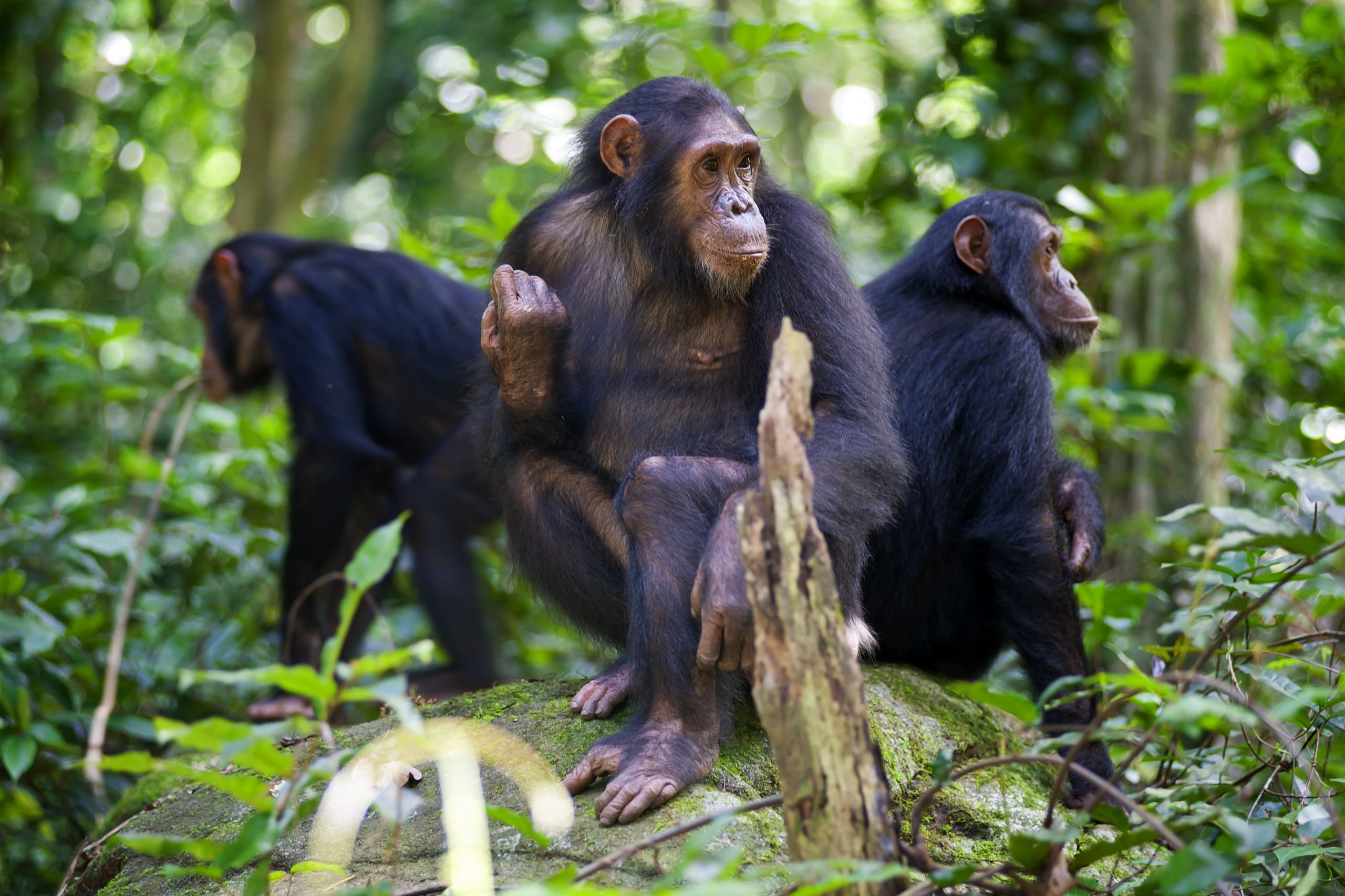
In Kibale Forest National Park, the capital of primate diversity, the Chimpanzee Habituation Experience (CHEX) requires an early 6:30 AM briefing at the Kanyanchu Visitor Centre. Because these chimp communities are still semi-habituated, they live deeper in the dense undergrowth and move much faster than fully habituated groups. You will spend your four hours keeping pace with them as they navigate the canopy, hunt, patrol territories, screech in complex social hierarchies, and ultimately build their nests for the evening.
For the mountain gorillas, the experience is even more exclusive. While standard trekking allows eight tourists per gorilla family, habituation is strictly capped at just four tourists per day. This activity takes place primarily in the remote, rugged Rushaga sector in the southern part of Bwindi Impenetrable National Park. Hiking to find the semi-habituated family can take anywhere from two to eight hours across steep, high-altitude terrain. Once located, the four-hour clock begins. You will sit quietly in the brush, watching young juveniles test boundaries and the massive silverback evaluate your presence. It is a profoundly intimate, unhurried window into their lives that a standard 10 Days Uganda safari tour simply cannot replicate.
2. Tailor Your Wildlife Viewing
A well-designed 10 Days Uganda safari tour avoids crowded tourist loops and focuses on regions that offer unique ecological behaviors. The classic example of this is the Ishasha Sector, situated in the far southern reaches of Queen Elizabeth National Park. While regular tour vans crowd the northern Kasinga Channel for standard game drives, Ishasha remains a quiet, untamed savanna dominated by old fig trees and deep acacia woodland.
Ishasha is globally famous for its unique population of tree-climbing lions. Witnessing a full pride of apex predators lounging effortlessly on the sweeping branches of a fig tree—safeguarding themselves from the midday heat and biting tsetse flies—is an extraordinary sight. Because this sector sees a fraction of the park's main traffic, you can observe these large carnivores without a dozen other safari vehicles blocking your line of sight.
Further north, where the sweeping savannah meets the river networks, lies Murchison Falls National Park. To truly maximize this region, bypass the standard launch trips and have your operator arrange a private, early-morning boat charter down the Victoria Nile delta toward the shores of Lake Albert. This specific wetland ecosystem, where the river slows into massive beds of papyrus reeds, is the premier habitat for the legendary Shoebill Stork. Navigating these quiet channels at sunrise maximizes your chances of spotting this prehistoric-looking bird standing motionless in the shallows, a sighting that serves as a holy grail for wildlife enthusiasts worldwide.
3. Gear Adjustments for the Rainforest
The thick, humid cloud forests of southwestern Uganda demand a completely different packing strategy than a standard, dry East African savanna drive. In Bwindi and Kibale, you are not sitting inside a custom vehicle; you are on your feet, bushwhacking through dense, pathless undergrowth where the environment actively pushes back.
Footwear and Clothing
Your standard safari sneakers will fail instantly on these muddy, vertical slopes. You need high-quality, lightweight, waterproof hiking boots with deep tread and excellent ankle support. The forest floors are heavily populated by safari ants and ticks. To protect yourself, wear long, thick, moisture-wicking socks and explicitly tuck your trousers into them. It may look comical, but it creates an absolute physical barrier against insects attempting to climb up your legs.
Hand Protection
Pack a pair of inexpensive, durable gardening or leather gloves. When climbing the steep hillsides of Bwindi, the terrain requires you to grab onto surrounding vegetation for balance. The forest is dense with sharp thorns, jagged branches, and stinging nettles (Urtica massaica) that pierce bare skin instantly. Heavy-duty gloves allow you to grab branches and push through the thick brush without injury.
Color Palette
Savanna safaris are lenient with clothing, but the rainforest is strict. Leave bright primary colors—especially blue, red, and yellow—entirely out of your bag. Blue is visually highly attractive to tsetse flies, which carry a painful bite, while bright red is a warning color that can agitate wild animals or put primates on high alert. Your wardrobe should consist strictly of neutral, earthy tones: khaki, olive green, gray, and deep brown. This allows you to blend seamlessly into the forest backdrop.
4. Logistical Refinements for 10 Days
Uganda’s geography is deceptively vast, and its rugged terrain means that distances on a map do not translate to quick travel times. Driving from the international hub of Entebbe down to the mountainous gorilla sectors of Bwindi can easily swallow 8 to 10 hours of grueling, bumpy road travel. On a compressed 10 Days Uganda safari tour, spending multiple full days staring at asphalt significantly dilutes your actual wilderness exposure.
To optimize your time, incorporate domestic fly-in sectors using regional carriers like AeroLink. Boarding a small scheduled charter flight from Entebbe directly to bush airstrips like Kihihi or Kisoro transforms a exhausting 9-hour road journey into a smooth, scenic 60-minute flight over the crater lakes and terraced hillsides. This logistical adjustment saves valuable daylight, allowing you to land rested and step straight into the forest for an afternoon trek rather than recovering from road fatigue.
Utilizing these internal flights introduces one strict constraint: luggage limits. Small aircraft enforce a rigid baggage cap of 15 kg (33 lbs) per passenger, and all cargo must be packed inside soft-sided duffel bags rather than hard-shell suitcases, as rigid luggage cannot fit into the tight aircraft cargo pods. To manage this seamlessly, pack your specialized trekking gear into a soft duffel and leave your non-essential city clothes, transit layers, and hard suitcases securely in storage at your hotel in Entebbe. Finally, time your tour around the region's distinct weather patterns. The dry seasons running from June to August and January to February offer firmer forest trails, significantly lower rainfall, and clearer photography conditions, ensuring your logistics run exactly as planned.
10 days Uganda safari tour
Embark on the ultimate African adventure with this meticulously planned 10 days Uganda safari tour. Famously called the "Pearl of Africa," Uganda is a land of staggering contrasts, where misty, ancient rainforests meet wide-open savannahs teeming with wildlife. This comprehensive 10 days Uganda safari tour is specially designed to showcase the absolute best of the country's natural wonders. You will track endangered southern white rhinos on foot and cruise down the historic Nile River to the foot of the world's most powerful waterfall. The journey continues into dense jungles for unforgettable face-to-face encounters with wild chimpanzees and the legendary mountain gorillas. Along the way, you will navigate winding channels packed with hippos, seek out rare tree-climbing lions, and unwind beside one of Africa’s deepest crater lakes. This 10 days Uganda safari tour promises a perfect balance of thrilling wildlife tracking, classic game drives, and serene landscapes.
Day 1: Arrival and Welcome to Uganda
Your journey begins the moment you touch down at Entebbe International Airport, a gateway set on the tranquil shores of Lake Victoria. After clearing customs, your private driver-guide will welcome you with a warm Ugandan smile, ready to kick off your adventure. You will be transferred to your selected lodge, where you can unwind after your flight. Entebbe offers a gentle introduction to the country; the town is lush, green, and cooled by the breeze of the great lake. Depending on your arrival time, you might take a leisurely stroll through the nearby Botanical Gardens or relax by the poolside to soak in the atmosphere. This day is all about acclimation and rest, ensuring you are energized for the long road ahead. You will have a thorough briefing on the itinerary, packing tips, and safety protocols, setting the stage for an unforgettable safari expedition across the Pearl of Africa.
Day 2: Ziwa Rhino Sanctuary to Murchison Falls
We depart early, leaving the suburbs behind for the scenic countryside heading north toward Murchison Falls National Park. The highlight of the morning is a stop at the Ziwa Rhino Sanctuary, the only place in Uganda where you can observe wild rhinos in their natural habitat. Accompanied by experienced rangers, you will head out on a walking safari to track these majestic southern white rhinos. Witnessing them at close range is a profound experience that highlights the country’s successful conservation efforts. After the trek and a delicious lunch, we proceed toward the mighty Murchison Falls. As we drive through the park gates, the landscape transforms into sweeping savannah dotted with acacia trees. You will check into your lodge as the sun begins to set, listening to the distant roar of the falls and the symphony of the African bush, marking the true beginning of your wildlife adventure.
Day 3: Game Drive and Nile Boat Cruise
Today is dedicated to exploring the raw power and beauty of Murchison Falls National Park. We start with a dawn game drive across the Buligi savannah plains, where the morning light creates perfect conditions for photography. Keep your cameras ready for lions, leopards, and large herds of elephants that emerge from the thickets to graze. You will also see giraffes standing like sentinels against the horizon. In the afternoon, we trade the 4x4 for a boat cruise up the Victoria Nile. This is an essential experience, taking you to the base of the world's most powerful waterfall. The riverbanks are alive with massive Nile crocodiles basking in the sun and pods of hippos grunting in the water. The spectacle of the water forcing its way through the narrow gorge at the top is both terrifying and exhilarating, offering one of Africa's most iconic natural vistas.
Day 4: Top of the Falls and Transfer to Kibale
After a hearty breakfast, we drive to the "Top of the Falls," where you can stand at the very edge of the gorge and feel the vibration of the Nile beneath your feet. The sheer volume of water cascading through a seven-meter gap is a humbling display of nature's force. Following this, we begin the long but incredibly scenic drive toward Fort Portal. The route takes us through changing landscapes, from the flat savannahs of the north to the rolling hills and tea plantations surrounding the Rwenzori Mountains, often called the "Mountains of the Moon." The drive offers a glimpse into local rural life, with bustling markets and verdant scenery along the way. We will arrive in the late afternoon at Kibale National Park. The air here is cool and humid, signaling the transition into the lush rainforest habitat that awaits you the following morning.
Day 5: Chimpanzee Trekking and Bigodi Wetlands Walk
Kibale Forest is often cited as the primate capital of the world, and today you will understand why. After an early briefing, you will enter the dense canopy on a guided chimpanzee trek. Tracking these intelligent creatures is an intense, rewarding experience; you might hear their pant-hoots echoing through the trees before you spot them. Watching a chimpanzee community interact—grooming, playing, and swinging through the canopy—is unforgettable. In the afternoon, you will visit the Bigodi Wetland Sanctuary for a guided nature walk. This community-run project is a birdwatcher's paradise and a great place to spot other primates like the black-and-white colobus and red-tailed monkeys. Walking along the boardwalks, you will gain insights into the local culture and the unique medicinal plants found in this swampy habitat, rounding off a day deeply immersed in the wonders of the African rainforest ecosystem and local conservation.
Day 6: Travel to Queen Elizabeth National Park
Today, we head south into the Albertine Rift Valley, moving toward the world-renowned Queen Elizabeth National Park. The journey takes us past the majestic Rwenzori peaks once more, offering stunning photo opportunities. We arrive in time for a classic Ugandan experience: the afternoon boat cruise on the Kazinga Channel. This 32-kilometer natural waterway connects Lake George and Lake Edward and acts as a magnet for wildlife. As you glide silently across the water, you will see elephants bathing at the banks, buffaloes wallowing in the mud, and massive hippos submerged near the boat. The sheer concentration of animals here is staggering, and the birdlife is equally impressive, with kingfishers and fish eagles frequenting the channel. It is a photographer's dream, providing eye-level views of the wildlife that would be impossible to achieve from a land-based game drive, setting a serene and spectacular tone for the evening.
Day 7: Kasenyi Plains and the Ishasha Sector
We start the day with an early game drive in the Kasenyi plains, famous for its high density of lions and Uganda kobs. This is the heart of the predator territory, and with a bit of luck, you might catch the lions on a hunt before the heat of the day sets in. After exploring the plains, we continue our drive toward the southern Ishasha sector of the park. Ishasha is unique and famous for one specific behavior: tree-climbing lions. Unlike their counterparts in other parts of Africa, these lions spend their afternoons lounging in the branches of giant fig trees to escape the heat and ground-level pests. We will spend the afternoon searching the tree lines for these fascinating big cats. The drive through Ishasha is off the beaten path, offering a wilder, more remote safari experience before we head toward the gorilla highlands.
Day 8: Gorilla Trekking in Bwindi
Today marks the climax of your safari: tracking the endangered mountain gorillas in Bwindi Impenetrable Forest. This ancient rainforest is a UNESCO World Heritage site and home to roughly half of the world's remaining mountain gorilla population. You will begin the trek early in the morning, hacking through dense undergrowth and navigating steep, misty slopes guided by expert trackers who have been monitoring the families. The physical effort is significant, but the reward is unparalleled. When you finally encounter a gorilla family—seeing the silverback’s gentle gaze or watching infants play—time seems to stand still. You are allowed one hour with them, a brief but profoundly moving experience that creates a lifelong connection to these gentle giants. The trek is strenuous, but standing in the presence of these magnificent primates in their wild, misty home is a transformative moment that justifies every step of the journey.
Day 9: Relaxation at Lake Bunyonyi
After the intensity of gorilla trekking, you will appreciate the transition to the tranquil shores of Lake Bunyonyi. Known as the "Switzerland of Africa," this lake is famous for its depth and stunning beauty, framed by terraced hillsides that climb steeply from the water's edge. It is one of the safest swimming lakes in Africa, as it is free from bilharzia, hippos, and crocodiles. Today is yours to dictate: take a traditional dugout canoe to explore some of the 29 islands, go birdwatching, or simply relax at your lodge with a book and the sweeping views. If you are feeling active, there are opportunities for hiking or visiting local Batwa communities to learn about their history and culture in the region. The cool mountain air and the rhythmic sound of the water provide the perfect setting to rest your muscles and reflect on your safari.
Day 10: Lake Mburo National Park and Departure
On our final day, we depart early for Lake Mburo National Park, a smaller but distinct gem that offers a different landscape compared to the rest of the trip. This park is the best place to see zebras, elands, and impalas, which are not present in the northern parks. We will enjoy a morning game drive or a walking safari, providing a different perspective on the wildlife as you traverse the rolling grassy hills. On our way back to Entebbe, we will stop at the Equator line for photographs and the chance to buy unique Ugandan crafts. As we drive back toward the airport, you will have time to organize your photos and memories before your evening flight. This final leg of the journey ensures you depart with a comprehensive understanding of Uganda’s biodiversity and the warm hospitality that defines the Pearl of Africa.
How should a second-timer approach be booking gorilla trekking permits compared to their first trip?
On your first safari, you likely tracked gorillas in whatever sector your operator secured, simply thrilled to see them. As a second-time traveler booking a 10 days Uganda safari tour, you should be highly selective about the tracking sector within Bwindi Impenetrable Forest. Instead of leaving it to chance, request a specific trailhead—such as Rushaga, Nkuringo, Buhoma, or Ruhija—based on your physical preferences and previous experience. If you found the steep ridges of Nkuringo too exhausting last time, target the slightly gentler terrain of Buhoma. Conversely, if you want a more remote, rugged, and uncrowded wilderness experience, Nkuringo or Ruhija will suit you perfectly. Furthermore, consider upgrading your permit from standard tracking to the Gorilla Habituation Experience in Rushaga. This specialized option allows you to spend four hours with a semi-habituated family alongside researchers, rather than the standard one hour. Because these limited permits require a completely different reservation structure and cost more, securing them at least six months in advance is essential for a tailored return trip.
What is the most efficient transit strategy to avoid long road times on a return loop?
First-time visitors often underestimate the physical toll of driving across Uganda, spending over ten hours traversing the bumpy road from Kampala to Bwindi. For your second 10 days Uganda safari tour, the best tip is to completely re-engineer your transit logistics by integrating domestic scheduled flights. Utilizing local air carriers to fly from Entebbe to airstrips like Pakuba (for Murchison Falls), Kasese or Mweya (for Queen Elizabeth), and Kisoro or Kihihi (for Bwindi) saves days of exhausting road travel. This keeps you fresh for activities and maximizes actual wildlife viewing time. Alternatively, you can opt to fly into Kigali International Airport in Rwanda and take a short, highly scenic four-hour drive across the Cyanika or Katuna border straight into southwestern Uganda. This clever cross-border hack bypasses the long overland journey from Entebbe, allowing you to begin your primate encounters almost immediately without wasting precious vacation days in transit.
How does pack list preparation change for a seasoned traveler heading into the rainforests?
By now, you know that standard safari khaki shorts are useless in the dense, thorny undergrowth of Kibale and Bwindi. For your second trip, upgrade your technical gear to focus on durability, moisture management, and extreme insect protection. Replace basic training shoes with fully broken-in, waterproof Gore-Tex hiking boots that offer superior ankle support on muddy, 45-degree jungle slopes. Instead of cheap plastic ponchos, pack a lightweight, breathable, and highly durable rain jacket that can withstand tropical downpours without trapping intense body heat. Bring heavy-duty gardening gloves to safely grab onto thorny branches or stinging nettles when sliding on slick trails. Most importantly, bring tall, durable gaiters or long soccer socks to pull over your trousers; this simple trick creates an impenetrable barrier against ferocious safari ants. Finally, swap generic bug spray for a premium repellent containing at least 50% DEET, and ensure your clothing colors lean strictly toward olive green, brown, or khaki to avoid attracting biting tsetse flies.
What advanced camera gear and photography techniques should be utilized on a second visit?
Your first trip was likely captured on a smartphone or a basic zoom lens, resulting in dark, blurry images under the thick, dark canopy of Bwindi or Kibale. For your second 10 days Uganda safari tour, elevate your photographic game by bringing a fast telephoto lens with a wide aperture, such as a 70-200mm f/2.8. Primates in the dark rainforest move quickly, and the low-light conditions require a lens that can shoot at lower f-stops to maintain fast shutter speeds without skyrocketing your ISO. Additionally, bring a mirrorless or DSLR body with excellent high-ISO performance to handle the deep shade of the jungle. On savannah game drives in Murchison Falls or Queen Elizabeth, a longer 100-400mm lens is necessary for crisp close-ups of elusive leopards or tree-climbing lions. Remember to pack a lightweight monopod for stability on trekking trails, extra high-speed memory cards, a lens cleaning kit to combat pervasive dust, and a reliable waterproof dry bag to shield your expensive electronics from sudden, heavy downpours.
How should a repeat visitor handle tipping etiquette for guides, rangers, and porters?
Navigating tipping can be confusing, but as a second-timer, you can approach it with confidence and precision. Tipping remains a powerful way to directly support local conservation communities and reward exceptional service. For your private driver-guide, who stays with you throughout the journey, a tip of $10 to $20 USD per day is standard and highly appreciated at the end of the safari. For specific park activities, such as chimpanzee tracking in Kibale or game drives, tip your lead ranger-guide $10 to $15 USD per group tracking session. When gorilla trekking, remember that the tracking team includes a lead guide, trackers who locate the family, and armed security guards. You can hand a collective tip of $20 to $30 USD to the lead guide to distribute among the team. Always hire a local porter at the trailhead for $20 USD, even if you feel fit; it provides vital income to the community, and tipping them an extra $5 to $10 USD for a job well done goes a long way.
What are the best health and medical preparations to revisit before departing for East Africa?
Even though you have traveled to Uganda before, your body does not maintain permanent immunity to regional tropical ailments. It is crucial to check that your routine vaccinations are entirely up to date at least two months prior to departure. Proof of a Yellow Fever vaccination remains a mandatory requirement for entry at Entebbe International Airport, so ensure your certificate is intact and valid. Malaria is highly endemic across most safari destinations in Uganda, including lower-altitude areas like Murchison Falls and Queen Elizabeth. Consult your travel clinic to choose an effective malaria prophylactic that suits your system, as different medications carry varied side effects. Pack a comprehensive, personalized medical kit that includes prescription antibiotics, anti-diarrheal medication, rehydration salts, antihistamines, and premium blister pads for your feet. Finally, purchase a robust travel insurance policy that explicitly includes emergency medical evacuation from remote locations, ensuring you are protected while exploring deep in the wilderness.
How can you incorporate community-led and sustainable tourism into a repeat itinerary?
A second visit offers the perfect opportunity to look beyond wildlife and actively engage with the inspiring people who drive Uganda's community conservation efforts. Instead of standard brief cultural stops, dedicate significant time to immersive, ethical community tourism initiatives. In Bwindi, skip the commercialized performances and participate in the Batwa Experience, a poignant, community-led walk into the forest edges where indigenous Batwa guides demonstrate their ancient hunter-gatherer traditions, medicine gathering, and folklore. When visiting Kibale, take a guided walk through the Bigodi Wetland Sanctuary, a brilliant community-run project where your entry fees directly fund local schools, clean water initiatives, and women's groups. At Queen Elizabeth National Park, explore the agro-tourism initiatives or visit the salt extraction communities at Lake Katwe to learn about traditional livelihood methods. Supporting these community-owned enterprises ensures your tourism dollars directly incentivize local communities to protect the surrounding ecosystems and vulnerable wildlife populations.
What alternative primate experiences should be explored beyond standard gorilla tracking?
If you have already marveled at the mountain gorillas, your second 10 days Uganda safari tour should focus on the lesser-known, highly rewarding primate encounters the country offers. Instead of a standard one-hour chimpanzee trek in Kibale, sign up for the full-day Chimpanzee Habituation Experience (CHEX). This allows you to accompany researchers and habituators from dawn until dusk, watching the chimps wake up, forage, build nests, and interact in a completely unscripted setting. Additionally, head to Mgahinga Gorilla National Park to track the rare, energetic golden monkeys, which are endemic to the high-altitude bamboo forests of the Virunga Massif. For an off-the-beaten-path experience, venture into the deep, dramatic Kyambura Gorge inside Queen Elizabeth National Park. This underground forest, carved into the savannah floor, is home to an isolated community of chimpanzees, offering a dramatic and physically engaging tracking experience far from the standard tourist trails.
How should a second-time traveler approach currency exchange and cash management?
Managing finances smoothly in remote areas is easier when you apply the lessons from your first trip. While luxury lodges and major tour operators accept credit cards, they often levy steep transaction fees ranging from 3% to 5%. Cash remains king on the road, particularly for tipping, buying authentic local crafts, or purchasing refreshments in rural trading centers. When bringing US Dollars, ensure every single bill is completely clean, uncreased, and printed after the year 2013; banks and forex bureaus in Uganda strictly reject older, torn, or marked currency. Upon arrival at Entebbe, convert a reasonable portion of your cash into Uganda Shillings (UGX) at a reputable airport forex bureau. Having local currency in smaller denominations is incredibly useful, preventing you from overpaying for items and ensuring you can tip lodge staff or porters easily without forcing them to find exchange bureaus for foreign currency.
What are the key differences between the dry and wet seasons for a return trip?
If your first safari took place during the peak dry seasons (June to September or December to February), scheduling your return trip during the shoulder or green seasons (March to May or October to November) offers a totally different perspective. While the rainy season brings muddy roads and thicker vegetation, it transforms the landscape into an incredibly lush, emerald-green paradise, perfect for stunning photography. Wildlife viewing requires more patience as animals disperse away from permanent waterholes, but the parks are beautifully quiet, free from the lines of safari vehicles found in peak months. Furthermore, many luxury eco-lodges offer significant low-season discounts, allowing you to enjoy high-end accommodations at a fraction of the cost. Birdwatching is also at its absolute peak during the wet months, as migratory species flood the wetlands and savannahs, making it a dream come true for second-time travelers interested in ornithology.
How can a repeat visitor optimize their safari itinerary specifically for birdwatching?
Uganda is an undisputed birding paradise, boasting over 1,000 avian species squeezed into an area the size of Great Britain. On a first trip, most travelers focus entirely on large mammals, completely missing the spectacular birdlife. For your second 10 days Uganda safari tour, ask your tour operator to assign a specialist birding guide and dedicate specific days to tracking target species. Key highlights include searching for the prehistoric-looking Shoebill Stork in the Mabamba Swamp near Entebbe or the marshes of Murchison Falls via a private dugout canoe. In Kibale Forest, look out for the elusive Green-breasted Pitta, a holy grail for birdwatchers globally. When exploring Bwindi, particularly the higher altitudes of Ruhija, keep your binoculars ready for Albertine Rift endemics like the African Green Broadbill. Transitioning your safari focus toward birding reveals an entirely new layer of the country’s staggering biodiversity, making every forest walk an exhilarating treasure hunt.
What specific driving and vehicle safety protocols should be verified with your operator?
Your comfort and safety on a 10 days Uganda safari tour depend heavily on the quality of your transportation. For a second trip, step up your standards and explicitly request a customized, extended 4x4 Land Cruiser with a pop-up roof rather than a standard safari minivan. Land Cruisers offer vastly superior suspension, ground clearance, and traction on the rough, unpaved roads connecting the national parks, significantly reducing travel fatigue. Before departing from Entebbe, inspect the vehicle alongside your guide to ensure it carries two functional spare tires, a high-lift jack, tow ropes, and a well-stocked first aid kit. Establish clear communication with your driver regarding driving speeds; a responsible guide should never exceed 80 km/h on paved highways or 40 km/h within the national parks. Maintaining these safe speeds minimizes dust, limits engine noise, protects the park's wildlife, and ensures a smooth, secure journey through remote regions.
How should lodge selection be approached to elevate the experience on a return trip?
On your initial visit, you may have opted for large, standard tour hotels or basic mid-range properties to keep costs down. For your return journey, seek out intimate, boutique eco-lodges that emphasize sustainability, architectural beauty, and deep immersion in nature. Look for properties that offer exclusive views, such as luxury tented camps perched directly on the banks of the Ntungwe River in Ishasha, or private chalets clinging to the misty ridges overlooking Bwindi Forest. Exceptional accommodations like Kyambura Gorge Lodge or Clouds Mountain Gorilla Lodge don't just provide a bed; they offer personalized butler service, exceptional farm-to-table cuisine, and private guided walks on their own conservation land. Choosing smaller, eco-conscious lodges ensures a quiet, personalized retreat after long days in the bush while directly supporting progressive environmental practices and local community employment.
What are the essential cultural etiquettes to observe when interacting with local communities?
Ugandans are celebrated globally for their exceptional warmth, friendliness, and hospitality. On your second visit, show respect for this welcoming culture by adhering to local social etiquette, particularly when visiting rural areas or traditional communities. Dress modestly when traveling outside your safari lodges; in many rural villages, revealing clothing is viewed with discomfort, so keeping your shoulders and knees covered is highly recommended. Always seek explicit permission before taking photographs of local people, especially children or elders, and engage in polite conversation before snapping pictures. Learn a few basic phrases in the local languages, such as Agandi (How are you?) in the western regions or Olyotya in Luganda; showing this effort instantly breaks the ice, demonstrates genuine respect, and opens the door to heartwarming, authentic interactions with the locals you meet along the way.
How can you safely experience a walking safari or night game drive on a second visit?
Classic daytime game drives from a vehicle are wonderful, but a repeat 10 days Uganda safari tour is the perfect opportunity to step out of your comfort zone and experience the African bush on foot or under the cover of darkness. Arrange a guided walking safari in Lake Mburo National Park or the hoof-printed trails of Murchison Falls, where you can walk alongside an armed Uganda Wildlife Authority (UWA) ranger. This allows you to track giraffes, zebras, and antelopes at eye level, focusing on the fascinating smaller details of the ecosystem like tracks, insects, and medicinal plants. Additionally, book a night game drive in Queen Elizabeth or Murchison Falls using powerful spotlights. The wilderness undergoes a dramatic transformation after dark; you will have the unique opportunity to spot nocturnal predators on the prowl, such as elusive leopards, hyenas, nightjars, bushbabies, and genets, providing a thrilling finale to your return adventure.
Booking 10 Days Uganda safari tour with us Roads of Adventure safaris
Booking a 10-day Uganda safari tour with Roads of Adventure Safaris guarantees a comprehensive "Best of Uganda" circuit managed by an experienced local operator. The iconic 10 Days Gorilla Trekking and Safari Tour takes you on an immersive loop from Entebbe to track the Big Five, Mountain Gorillas, and Chimpanzees across Uganda's most legendary national parks.
