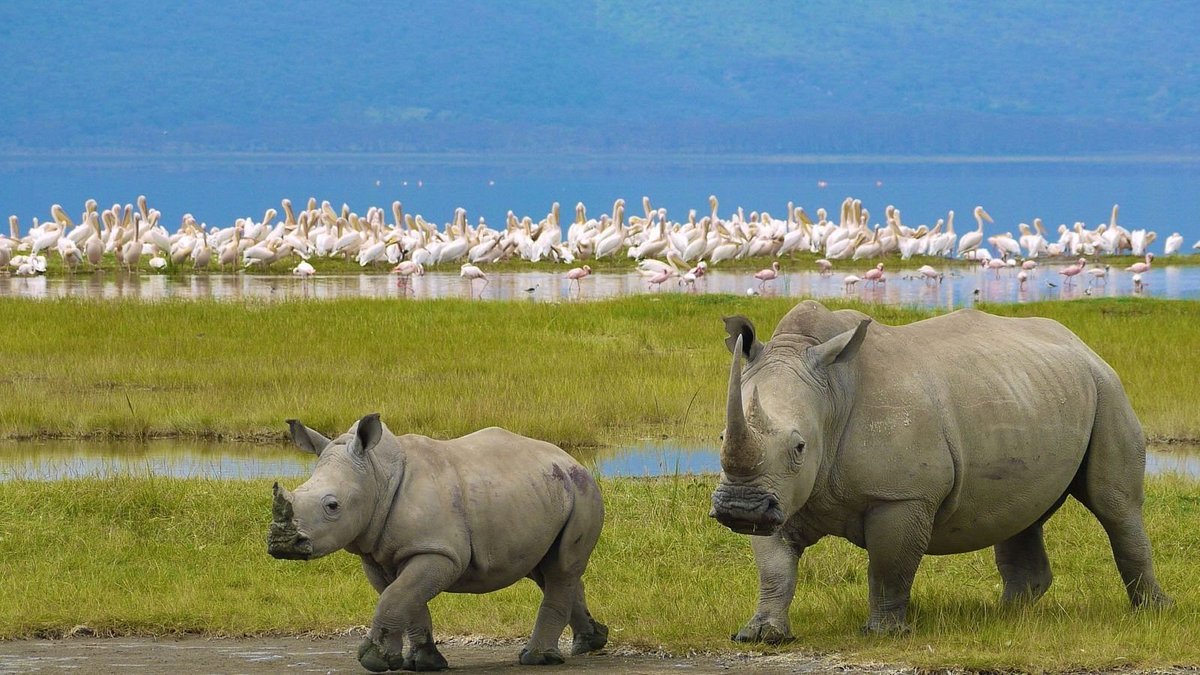
A 4-day luxury safari to the Masai Mara and Lake Nakuru offers an incredible mix of predator sightings and birdlife. To maximize your comfort, skip the bumpy 6-hour road transfers and book internal hopper flights between Nairobi, the Mara, and Nakuru. Pack neutral-colored clothing, and bring along a high-quality camera and binoculars
4-days-masai-mara-and-lake-nakuru-kenya-safari-tour-package
4-days-luxury-safari-to-kenyas-masai-mara-reserve-itinerary
Route & Logistics
Opting for a flight-based itinerary over driving fundamentally changes the pacing and comfort of your premium East African journey. The highway system connecting Nairobi to the outer wildlife reserves involves long stretches of unpaved, uneven roads that can turn a short distance into an exhausting six-hour ordeal. Choosing chartered flights out of Nairobi's Wilson Airport directly to the dirt runways of the Maasai Mara reduces transit times down to forty-five minutes. This massive time savings means you spend your morning enjoying an unhurried breakfast rather than battling heavy truck traffic on the escarpment roads, arriving fresh and fully energized for your first wilderness excursion.
Nairobi (WIL) ✈ (45 min) ✈ Maasai Mara ✈ (30 min) ✈ Lake Nakuru ✈ (45 min) ✈ Nairobi
The sequence of your destinations also determines the narrative flow of your Kenya safari. Starting your itinerary with a two-night stay in the Maasai Mara places the most dramatic predator encounters right at the beginning. This vast grassland ecosystem hosts the highest concentration of big cats in East Africa, giving you immediate exposure to hunting lion prides and elusive leopards. Following this grand opening with a single night at Lake Nakuru National Park shifts the focus toward specialised conservation, where the visual landscape transitions from open savannahs to fever-tree forests and alkaline waters. This particular arrangement guarantees that each day introduces a completely different ecosystem, keeping the entire travel experience engaging without feeling repetitive.
Your choice of vehicle serves as your mobile viewing platform for hours at a time, making it a critical component of a luxury trip. Insist on a custom-built, extended $4 \times 4$ Toyota Land Cruiser rather than a standard safari minivan. These heavy-duty vehicles feature modified, open-sided or pop-up roofs that provide unobstructed 360-degree views for photography. Premium operators guarantee a dedicated window seat for every traveler, ensuring no one has to look over a shoulder to see an animal. A luxury vehicle should also come equipped with heavy-duty suspension to smooth out rough terrain, an inverter charging station to keep camera batteries powered, and a built-in mini-fridge stocked with chilled water and local beverages to beat the midday savannah heat.
Luxury Accommodation
The properties selected for your itinerary convert a standard wildlife viewing holiday into a deeply immersive, high-end hospitality experience. Within the Maasai Mara National Reserve, the distinction between staying inside the park boundaries versus outside the main gates is massive. Luxury tented camps located deep within the reserve, such as Entim Mara, sit right along the riverbanks, allowing you to hear the grunts of hippos through your canvas walls at night. Properties like Angama Mara take advantage of the Oloololo Escarpment, positioning their glass-fronted suites on a high cliff edge that overlooks the entire Mara triangle. These locations provide instant access to morning game tracks ahead of day-trippers, balancing classic safari aesthetics with private plunge pools, fine linen bedding, and dedicated personal butlers.
[Luxury Canvas Tents] ---- (Riverbank Immersion) ----> Hear wildlife at night
[Escarpment Lodges] ---- (High Elevation) ----> Sweeping panoramic views
Shifting the journey toward Lake Nakuru National Park requires an accommodation style that complements the dramatic, water-focused environment. Upscale lodges here are designed around maximizing the sweeping views of the pink-hued lake shores and the surrounding volcanic craters. Sarova Lion Hill Game Lodge balances classic stone architecture with beautifully landscaped gardens that attract vibrant birdlife right to your private veranda. For an ultra-luxury option, boutique properties like The Cliff feature tented suites built out on rocky promontories high above the water. These establishments offer standalone bathtubs looking out through floor-to-ceiling windows, infinity pools that blend seamlessly into the horizon, and multi-course gourmet dining experiences paired with international wines, ensuring your evenings are just as exceptional as your daytime game drives.
Wildlife Highlights by Park
The Maasai Mara National Reserve remains the undisputed crown jewel of your Kenya safari, acting as a dynamic arena where wildlife interactions occur daily. While famous for housing the dense collective of the Big Five—lion, leopard, elephant, buffalo, and rhino—the reserve is truly defined by its predator dynamics. Large lion prides claim territory across the golden grasses, while cheetahs utilize the flat terrain to sprint after gazelles. To experience the scale of this wilderness, plan a full-day game drive on your second day, carrying a gourmet picnic lunch packed by your lodge. This extended format allows your guide to navigate deep into the Trans-Mara section or near the Mara River, far away from the busy main gates, where you can watch undisturbed wildlife behavior under lonely acacia trees.
Maasai Mara ------------> Apex Predators & Big Five (Savannah Ecosystem)
Lake Nakuru ------------> Rhino Conservation & Birdlife (Alkaline Lake Ecosystem)
In contrast, Lake Nakuru National Park offers a compact, highly specialized wildlife sanctuary where the ecosystem centers around a massive soda lake. This park is one of the most successful sanctuaries in East Africa for protecting endangered species, specifically the southern white rhino and the highly threatened black rhino. Driving through the lush acacia woodlands bordering the water provides almost guaranteed sightings of these prehistoric giants feeding in small groups. The park also protects a large population of Rothschild’s giraffes, easily distinguished by their blank white legs. Along the lake's edge, millions of lesser and greater flamingos regularly gather alongside pelicans and storks, creating a brilliant pink fringe along the shoreline that stands out as a spectacular visual highlight of the region.
Packing & Preparation
Selecting the right wardrobe for the bush is a matter of both personal comfort and wildlife safety. Pack lightweight, breathable fabrics in muted, earthy tones such as tan, khaki, olive green, and soft browns. These specific colors help your vehicle blend into the natural environment, preventing animals from becoming startled during close approaches. It is highly advisable to avoid wearing pure white clothing, which stains instantly from the fine, red volcanic dust kicked up on the trails. More importantly, completely avoid dark navy blue and solid black clothing; these specific shades emit a visual frequency that strongly attracts tsetse flies, which carry a painful bite and are common in thick bush country.
Color Guide for the Bush:
- Recommended: Tan, Khaki, Olive, Ochre, Brown
- Avoid (Dust): Pure White, Cream
- Avoid (Insects): Solid Black, Navy Blue
The technical demands of wildlife photography require deliberate gear preparation before departing Nairobi. A high-quality mirrorless or DSLR camera body paired with a versatile 70-300mm or 100-400mm telephoto lens is the standard requirement for capturing distant animal behavior without compromising image quality. Because wildlife encounters can happen at varying distances, high-magnification binoculars ($8 \times 42$ or $10 \times 42$) are absolutely essential for every traveler in your party to scan ridgelines. Protect your eyes from the intense equatorial sun with polarized sunglasses that cut down the harsh glare of the open plains, and wear a sturdy, wide-brimmed hat featuring a chin strap to keep it secure during fast drives in open-top vehicles.
The weather patterns across East Africa’s high-altitude plateaus create extreme temperature swings within a single twelve-hour window. Early morning departures begin before dawn when temperatures hover around 50°F (10°C), requiring a heavy fleece jacket, a windbreaker, and even a light scarf. As the equatorial sun rises, temperatures rapidly climb toward 85°F (29°C) by midday, making a layered clothing system essential so
4 Days Luxury Masai mara and Lake Nakuru Kenya safari adventure.
Experience the ultimate 4 Days Luxury Masai mara and Lake Nakuru Kenya safari adventure. This premium journey immerses you in Kenya’s premier wildlife reserves, offering unparalleled game viewing, opulent lodge accommodations, and breathtaking Great Rift Valley vistas. From millions of shimmering flamingos to the iconic Big Five, it is a flawless escape into wild, untamed luxury.
Day 1: Arrival and Journey to Lake Nakuru
Your 4 Days Luxury Masai mara and Lake Nakuru Kenya safari adventure begins with a warm welcome in Nairobi. You will be driven in a private, 4x4 Land Cruiser through the scenic Great Rift Valley, stopping at dramatic viewpoints. Arriving at Lake Nakuru National Park, check into your luxury lodge or tented camp. In the afternoon, embark on an exclusive game drive across acacia forests and golden savannahs. Lake Nakuru is world-famous for its massive flocks of pink flamingos, which turn the lakeshores into a stunning blush-colored canvas. Keep your camera ready to spot endangered black and white rhinos, Rothschild’s giraffes, and elusive leopards lounging in the fever trees. Conclude your evening with a gourmet dinner and sundowner cocktails under the expansive African sky.
Day 2: Scenic Drive to the Masai Mara
After an early gourmet breakfast, your 4 Days Luxury Masai mara and Lake Nakuru Kenya safari adventure continues as you leave the Rift Valley behind and travel towards the world-renowned Masai Mara National Reserve. Driving through quintessential African savannah dotted with acacia trees, you will arrive at your five-star luxury camp or lodge in time for a lavish lunch. In the afternoon, head out for your first thrilling game drive in the Mara. This reserve is globally celebrated for its abundant predator population, including lions, cheetahs, and leopards. As the sun begins to dip below the horizon, watch as golden light bathes the rolling plains. Your expert guide will navigate the terrain, bringing you up close to grazing herds of elephants, buffaloes, and zebras. Return to your opulent accommodations for an exquisite dining experience and a peaceful night’s rest.
Day 3: Full-Day Wildlife Immersion in the Mara
Day three of your 4 Days Luxury Masai mara and Lake Nakuru Kenya safari adventure is dedicated entirely to full-day exploration of the magnificent Masai Mara plains. You will depart your lodge with a carefully packed gourmet picnic lunch, allowing for uninterrupted wildlife tracking. Depending on the season, you may witness the spectacular Great Wildebeest Migration, where millions of animals traverse the crocodile-infested Mara River. Spend the day exploring the vast grasslands, capturing stunning photographs of the Big Five in their natural habitat. Your highly knowledgeable driver-guide will take you to the best vantage points for observing apex predators and interacting intimately with nature. You can also opt for a bucket-list hot air balloon safari, viewing the sprawling landscape from above, followed by a champagne breakfast. You will wrap up the evening sharing stories around the campfire.
Day 4: Morning Game Drive and Return to Nairobi
On the final day of your 4 Days Luxury Masai mara and Lake Nakuru Kenya safari adventure, wake up before dawn for a refreshing early morning game drive. This is a magical time to witness the savannah waking up and active predators concluding their nocturnal hunts. Return to your luxury lodge for a sumptuous breakfast, reflecting on the unforgettable encounters of the past few days. You will then check out and begin your scenic drive back to Nairobi, taking in the picturesque landscapes of the Great Rift Valley one last time. Enjoy a farewell lunch at a renowned city restaurant or a drop-off at your hotel or the Jomo Kenyatta International Airport for your onward international flight, concluding a truly spectacular and memorable luxury African expedition
Here is the expanded, detailed breakdown for each of your 15 questions, keeping the original text intact while providing a comprehensive guide for your luxury Kenyan safari.
1. What is the best way to travel from Nairobi to the Masai Mara?
Tip: For a luxury 4-day itinerary, opt for a scheduled or chartered light aircraft flight from Wilson Airport instead of a 6-hour road transfer. It minimizes fatigue, giving you extra time to enjoy a sundowner at your lodge on your first evening.
Choosing a flight over a road transfer transforms your entire travel experience from a grueling endurance test into a seamless, scenic prelude to your safari. The road route from Nairobi to the Masai Mara covers roughly 250 kilometers, but much of the final stretch consists of unpaved, heavily corrugated dirt tracks often referred to locally as the "African massage." This drive takes anywhere from 5 to 6 hours, leaving you dusty and exhausted upon arrival.
By contrast, taking a scheduled or chartered light aircraft from Nairobi’s Wilson Airport (WIL) slashes your travel time down to just 45 minutes. Carriers like Safarilink and AirKenya operate modern, well-maintained turboprop aircraft that fly directly into various Mara airstrips (such as Keekorok, Ol Kiombo, or Serena, depending on where your lodge is located). The flight doubles as an incredible low-altitude scenic tour, offering panoramic views of the changing topography as you soar over the dramatic escarpment of the Great Rift Valley and witness the patchwork fields give way to the vast, golden savannahs of the Mara.
Arriving by air means you touch down fresh, energized, and ready to explore. Instead of spending your first afternoon recovering from a bumpy road trip, you can be checked into your luxury tented camp by midday. You will have plenty of time to unpack, enjoy a gourmet lunch, and head out for an effortless afternoon game drive. By evening, you will be sipping a chilled sundowner drink by a crackling campfire, watching the sunset over the plains, completely relaxed and fully immersed in the wilderness.
2. What should I pack for my first afternoon in the Mara?
Tip: Keep a daypack with your camera, binoculars, and a light sweater for the evening. Since you’ll arrive in the park by the afternoon, be ready to transition straight from the transfer vehicle into your open-sided 4x4 for your first game drive.
The transition from your arrival aircraft to your first game drive is remarkably swift in a luxury safari setup. Your dedicated guide will meet you right at the airstrip, and frequently, the journey from the runway to the camp serves as your very first introductory game drive. Because your main luggage will be loaded into the back of the safari vehicle or taken ahead to the camp, you will not have immediate access to your large suitcases. Therefore, preparing a dedicated daypack is essential for hit-the-ground running.
Inside your daypack, your absolute priority should be your high-end electronics and optics. Ensure your DSLR or mirrorless camera is fitted with a versatile telephoto lens (such as a 100-400mm) and that your memory cards are cleared and batteries fully charged. A high-quality pair of binoculars (8x42 or 10x42) is equally vital for spotting elusive leopards hidden in distant acacia branches or tracking lions across the plains. Do not forget to pack protective dust covers or a lightweight dry bag, as the tracks can become incredibly dusty within minutes.
Equally important are personal comfort and sun protection items. Pack a high-SPF sunscreen, polarized sunglasses to cut through the midday glare, and a wide-brimmed safari hat with a chin strap to prevent it from blowing away in the open-sided vehicle. Lastly, include a premium, lightweight windbreaker or a fleece sweater. While the afternoon sun can feel quite hot, the temperature in the Masai Mara drops dramatically the moment the sun dips below the horizon, and the drive back to the lodge in the twilight can feel surprisingly chilly.
3. Are there specific check-in times for luxury camps?
Tip: Most high-end camps target afternoon check-ins (around 2:00 PM). Communicate your flight arrival time to your operator so your private guide is waiting at the airstrip to whisk you into the reserve for an introductory game drive on the way to camp.
Luxury safari camps operate with a high degree of fluid hospitality, generally aligning their room readiness with standard international hotel check-in times around 2:00 PM. This timing coordinates perfectly with mid-morning flights departing Nairobi, which land in the Mara just in time for lunch. However, unlike a rigid city hotel where early arrival means waiting awkwardly in a lobby, a luxury safari camp turns your arrival window into a bespoke experience.
To ensure this seamless transition, it is vital to communicate your precise flight details to your tour operator well in advance. Luxury camps coordinate your arrival dynamically. Your private, highly trained guide will be waiting on the dirt runway as your aircraft taxies to a halt, often setting up a welcome station right there with chilled towels and refreshing drinks. If your room isn’t quite ready, or if you arrive slightly ahead of schedule, you won’t waste a single moment. Your guide will instantly initiate an introductory game drive on the way to the property.
Once you do arrive at the camp, the traditional check-in process is replaced by personalized hospitality. You are met by the camp manager, offered a signature welcome cocktail, and escorted directly to your canvas suite. Your bags will already be waiting inside your tent. This elevated level of coordination ensures that logistical timelines never interfere with your vacation, transforming standard check-in administration into an exciting extension of your wildlife adventure.
4. Should I do two shorter game drives or a full-day drive with a picnic?
Tip: Since Day 2 is dedicated fully to the Mara, ask your luxury lodge for a full-day excursion with a gourmet picnic lunch. This allows you to reach remote areas of the reserve or the Mara River without having to turn back for lunch.
When spending a full day in the Masai Mara, opting for a comprehensive, full-day game drive completely redefines the scope of your safari. While the standard routine of a morning and afternoon drive is excellent for a relaxed pace, it restricts your radius of exploration. You are forced to stay within a reasonable driving distance of your lodge so that you can return for lunch. This often means missing out on deeper, more pristine sections of the reserve that experience far less tourist traffic.
A full-day excursion frees you from these geographical constraints. It allows you to venture deep into the heart of the Mara or all the way to the famous Mara River, the dramatic staging ground for the Great Migration crossings. By removing the need to backtrack midday, you can follow the natural rhythms of the wildlife rather than a dining room schedule. If a pride of lions is preparing for a hunt or a cheetah is stalking prey at noon, you can stay and watch the drama unfold without worrying about missing a meal.
Furthermore, a luxury full-day drive does not mean sacrificing culinary comfort. High-end lodges excel at curating gourmet picnic experiences. Instead of a basic cardboard lunchbox, your guide will set up a private dining station in a safe, scenic location under a shady desert date tree. You can expect properly chilled wines, fresh salads, artisanal cheeses, grilled meats, and proper cutlery. This transforms your midday break into an exclusive, private bush dining experience surrounded by the wild African landscape.
5. How can I ensure I see the Big Five today?
Tip: The Mara is teeming with lions, leopards, buffalo, elephants, and rhinos. To maximize sightings, start your game drive at dawn (6:00 AM) when predators are most active, and rely on your guide's radio communication with other high-end operators to locate recent kills or elusive leopards.
Securing sightings of the legendary Big Five—lion, leopard, elephant, Cape buffalo, and rhino—requires a blend of strategic timing, elite guiding, and the natural abundance of the Masai Mara. While elephants and buffalo are resident and easily spotted in large numbers across the plains, predators and rhinos are far more elusive. To maximize your chances, an early departure is non-negotiable. Being out on the plains by 6:00 AM allows you to catch the tail end of nocturnal hunting activity, when temperatures are cool and apex predators like lions and leopards are still moving before seeking shade.
The true secret weapon of a luxury safari, however, is the expertise and network of your professional guide. Elite guides undergo years of rigorous certification, mastering animal behavior, tracking footprints (spoor), and reading alarm calls from birds and baboons. Furthermore, high-end operators maintain a respectful, professional radio network. In a vast ecosystem like the Mara, this real-time communication is invaluable. If another trusted guide locates a well-camouflaged leopard in a lugga (dry riverbed) or a rare black rhino in the thickets, your guide can safely navigate you to the location.
It is important to remember that wildlife viewing in a premium context is always managed ethically. Luxury operators adhere to strict code-of-conduct guidelines, limiting the number of vehicles at a sighting to minimize stress on the animals. This ensures you get a front-row seat to spectacular wildlife interactions without disrupting the natural environment, giving you the best possible chance to tick off every member of the Big Five cleanly and sustainably.
6. Is a Hot Air Balloon safari worth the extra cost?
Tip: Yes. Day 2 is the best day to book a hot air balloon safari. You will view the vast savannah from above, followed by a champagne bush breakfast, then seamlessly continue your day with standard afternoon game drives.
A hot air balloon safari over the Masai Mara is widely considered a bucket-list experience that fully justifies its premium price tag. The adventure begins in the pitch-black pre-dawn hours, where you can watch the massive balloons inflate under the roar of burners. As you lift off gently into the sky just as the sun breaks over the horizon, the true scale of the African continent opens up beneath you. The complete silence of flight, interrupted only by the occasional blast of the burner, offers an unparalleled sense of tranquility.
From an elevated vantage point of a few hundred feet, the geography of the Mara becomes crystal clear. You can trace the winding paths of riverine forests, spot herds of elephants moving like gray giants through the trees, and watch thousands of wildebeest and zebras drawing intricate lines across the plains. Predators, completely unbothered by the silent canopy above, can be seen hunting in the crisp morning light. It provides a unique perspective on wildlife patterns and landscapes that simply cannot be replicated from the ground.
The experience culminates in an iconic safari tradition: a luxurious, full-throttle champagne bush breakfast set up right where the balloon lands on the open savannah. White linen tables, cooked-to-order omelets, sparkling wine, and fresh tropical fruits await you in the middle of the wilderness. Because this excursion is completed by mid-morning, it integrates flawlessly into Day 2 of your itinerary, allowing your private guide to pick you up directly from the landing site to continue a stellar day of ground-based game viewing.
7. How should I dress for a full day in the open savannah?
Tip: Wear breathable, neutral-colored clothing (tans, khakis). The mid-day heat requires a wide-brimmed hat and polarized sunglasses, but the temperature drops rapidly as the sun sets, so keep layers easily accessible.
Dressing correctly for a full day on the African savannah is an art of balancing functionality, climate adaptation, and local environmental etiquette. The golden rule of safari attire is choosing the right color palette. You should pack clothing in neutral shades such as khaki, tan, olive green, and soft brown. These tones help you blend into the natural environment, minimizing your visual impact on the wildlife. Crucially, avoid bright whites (which glare and scare animals), pitch blacks or dark blues (which attract the painful bite of the tsetse fly), and any form of military camouflage clothing, which is strictly prohibited for civilians in Kenya.
The climate of the Masai Mara features dramatic temperature swings that require a versatile layering strategy. At 6:00 AM, the air is crisp, and driving in an open-sided 4x4 creates a significant wind-chill factor. You will want a base layer, a long-sleeve breathable shirt, a warm fleece or sweater, and a windproof jacket. As the equatorial sun rises, the temperature climbs rapidly. By noon, you will want to strip down to a light t-shirt or short-sleeve shirt. High-tech, moisture-wicking fabrics with built-in UV protection are highly recommended.
For your lower half, convertible cargo pants that zip off into shorts offer the ultimate adaptability. Protect your face and eyes from the intense midday sun with a wide-brimmed hat and polarized sunglasses, which enhance your ability to spot animals through the glare. Finally, as afternoon bleeds into evening, the temperature will plummet just as quickly as it rose. Having your layers packed neatly in your daypack ensures you stay perfectly comfortable from dawn until dusk.
8. How do I transition seamlessly from the Mara to Lake Nakuru?
Tip: Since the drive takes roughly 5 to 6 hours, take a morning game drive in the Mara, have an early lunch, and then drive to the nearest airstrip to take a chartered flight to the Nakuru/Naivasha region to save time and energy.
Transitioning between two distinct ecosystems like the Masai Mara and Lake Nakuru National Park requires careful logistical planning to preserve the luxury feel of your vacation. Driving between these locations involves navigating a lengthy, 5-to-6-hour route that traverses rough conservation roads before joining the busy, truck-heavy main highway across the Rift Valley floor. This long drive can drain your energy and eat up a massive portion of your prime daylight wildlife-viewing hours.
To maintain a seamless, high-end experience, utilizing Kenya's efficient network of light aircraft flights is the superior option. A brilliant itinerary design involves maximizing your final morning in the Mara with an early game drive, returning to your luxury camp for a relaxed, gourmet lunch, and then checking out. From there, you take a quick, comfortable flight out of your local Mara airstrip. Aviation operators can fly you directly to the Loldia airstrip in Naivasha or directly into the Nakuru region via private charter, bypassing hours of exhausting highway traffic.
Upon landing in the Rift Valley region, your next private luxury vehicle will be waiting to transport you on a short, scenic drive directly to your premium lodge at Lake Nakuru. This smart aviation shortcut effectively compresses a grueling travel day into an elegant, time-saving transit. You arrive at Lake Nakuru completely refreshed, leaving your entire late afternoon wide open to track rhinos and view magnificent birdlife without feeling any travel fatigue.
9. What wildlife highlights should I expect when I arrive at Lake Nakuru?
Tip: Lake Nakuru is famous for its dense rhino populations (both black and white) and extensive birdlife. Allocate the late afternoon of Day 3 for focused rhino tracking in the lakeside acacia forests.
Lake Nakuru National Park offers a striking, beautiful contrast to the wide-open plains of the Masai Mara. Encircled by dramatic rocky escarpments, yellow-backed acacia forests, and a massive, shimmering algae-rich soda lake, this compact park is a highly managed, world-renowned sanctuary for endangered species. The absolute highlight of Lake Nakuru is its status as a premier rhino sanctuary. The park is home to thriving populations of both prehistoric-looking square-lipped white rhinos and the rarer, more reclusive hook-lipped black rhinos.
The afternoon of Day 3 is the perfect time to focus your efforts on tracking these magnificent creatures. White rhinos are grazers and are frequently seen in family groups (clears) out on the open, grassy floodplains near the water's edge, offering spectacular, unobstructed photo opportunities. Black rhinos, which are browsers, prefer the dense cover of the acacia forests and requires the sharp eyes of your professional guide to locate as they feed on shrubs and bushes.
Beyond rhinos, Lake Nakuru is an absolute paradise for birdwatchers and wildlife photographers alike. The lake’s shallow alkaline waters support billions of microscopic cyanobacteria, which attract massive flocks of lesser and greater flamingos, turning sections of the shoreline into a vibrant pink ribbon. You will also encounter large numbers of the endangered Rothschild’s giraffe—translocated here for their protection—along with troops of olive baboons, herds of Cape buffalo, waterbucks, and a highly dense population of leopards that thrive in the park's heavy forest canopies.
10. What are the luggage limits if I’m flying between parks?
Tip: Light aircraft flights in Kenya have strict luggage limits (typically 15 kg or 33 lbs per person). Pack your belongings in soft-sided duffel bags rather than rigid hard-shell suitcases for easier stowage.
Operating within the luxury safari circuit in East Africa requires a shift in how you pack due to the structural realities of light aircraft aviation. Bush planes, such as the Cessna Caravan or De Havilland Twin Otter used by premium bush airlines, have strict maximum takeoff weight limitations to ensure safe operation from short, unpaved dirt airstrips. Consequently, they enforce a rigid luggage limit of 15 kg (33 lbs) per person, which must include both your main checked bag and any hand luggage.
Equally important as the weight limit is the actual physical style of your baggage. Rigid, hard-shell suitcases with fixed wheels and metal frames are highly discouraged and often rejected at the gate. The luggage compartments on bush planes are compact, irregularly shaped pods located beneath the fuselage or in the aircraft's nose. To fit everyone's belongings safely, bags must be entirely malleable. You should invest in a premium, weather-resistant, soft-sided duffel bag made of canvas or heavy-duty nylon.
Adhering to these rules does not mean you have to sacrifice your style or safari needs. Most luxury lodges across the Mara and Lake Nakuru offer complimentary, high-turnaround daily laundry services, meaning you only need to pack three to four changes of high-quality safari clothing. If you have excess international luggage that you absolutely do not need in the bush, most luxury tour operators can easily arrange to store your hard-shell suitcases securely at their Nairobi offices and deliver them back to you upon your final return to the city.
11. What is the tipping etiquette for luxury guides?
Tip: Your private guide will be with you the entire journey. On Day 3, consider tipping them daily or offering the bulk of the gratuity on the final day, alongside tips for camp staff (usually around $15–$20 per guest, per day).
Tipping is a foundational element of the safari industry in East Africa, serving as a direct expression of appreciation for the impeccable service, security, and hospitality provided throughout your journey. In a luxury safari framework, your private guide is far more than a driver; they are your dedicated host, naturalist, and cultural ambassador who works around the clock to tailor the entire experience to your desires. As you reach Day 3, navigating this etiquette smoothly reinforces a positive, respectful relationship.
For a dedicated private safari guide, the standard industry benchmark for excellent service ranges between $15 to $20 USD per guest, per day. Since your guide remains with you across multiple locations, the most polished approach is to present the bulk of this gratuity on your final day with them, sealed neatly inside an envelope accompanied by a personal, handwritten note of thanks. Alternatively, if your itinerary switches guides between different parks, you should tip each guide at the end of their respective service segment.
For the general lodge and camp staff—the behind-the-scenes heroes including chefs, housekeepers, spotters, and security guards—luxury camps utilize a collective tipping system. You will find a centralized "Communal Tip Box" located near the reception desk or main lounge area. The standard practice is to contribute $15 to $20 USD per guest, per day into this box upon checking out of each property. It is best to bring crisp, clean, undamaged US Dollar bills printed after 2013, or equivalent Kenyan Shillings, to ensure smooth processing for the local staff.
12. When is the best time for game viewing on my final day?
Tip: Wake up before dawn for an early morning game drive along the shores of Lake Nakuru. The lake’s edge is spectacular early in the morning, offering pristine lighting for photography as flamingos feed and animals come to the water to drink.
The final morning of your safari presents a magical window of opportunity that you should absolutely seize. Waking up before dawn allows you to catch the natural world in its most vibrant transition state. At this early hour, a soft mist often hovers over the glassy surface of Lake Nakuru, creating a surreal landscape. The early morning light provides the coveted "golden hour" conditions that professional wildlife photographers dream of, casting a warm, soft glow over the landscape and eliminating harsh shadows.
Heading directly to the lake’s edge at sunrise reveals a flurry of wildlife activity. This is the optimal time to witness the immense flocks of flamingos feeding dynamically in the shallows, their pink feathers contrasting beautifully with the blue water and golden sky. Large herds of buffalo, waterbuck, and impala move down to the shoreline to drink before the heat of the day sets in, remaining highly alert for predators. It is also an excellent time to catch a glimpse of a leopard returning from a night of hunting, moving stealthily through the yellow fever trees.
An early morning drive also allows you to enjoy the park in near-absolute tranquility, long before day-trippers arrive from nearby towns. Your luxury lodge will typically provide a hot thermos of premium Kenyan coffee or tea along with fresh pastries to enjoy right out of the back of your vehicle at a designated viewpoint. This quiet, spectacular connection with nature ensures your incredible safari experience concludes on a high note before you begin your journey back to the city.
13. Are there souvenir shopping opportunities on the way back?
Tip: On your drive back to Nairobi, your guide can stop at the Great Rift Valley Viewpoint. High-end curio shops here offer authentic Maasai crafts, beadwork, and wood carvings. Be prepared to negotiate prices politely.
The return journey from Lake Nakuru to Nairobi scales the eastern wall of the Great Rift Valley, offering magnificent views and excellent opportunities to acquire meaningful mementos of your Kenyan journey. As your vehicle climbs the winding roads, your guide can pull into the designated Great Rift Valley Viewpoint. This breathtaking stop serves as both a spectacular photo opportunity across the expansive valley floor below and a bustling hub for high-quality, authentic Kenyan craftsmanship.
The upscale curio shops and open-air markets located along this route showcase an incredible array of traditional artistry. You will find intricately detailed wood carvings fashioned from olive wood or ebony, stunning Maasai beadwork jewelry, hand-woven sisal baskets (kiondos), and vibrant, authentic shúkàs (the iconic red plaid blankets worn by Maasai warriors). Many of these items are sourced directly from local women’s cooperatives, meaning your purchases provide vital economic support to rural communities.
When purchasing souvenirs in Kenya, bargaining is an integral, culturally accepted part of the commerce experience. Approach negotiation as a polite, friendly social interaction rather than a rigid conflict. A helpful tip is to let your professional guide assist you; they can subtly advise you on fair market pricing for specific items to ensure you are paying a reasonable price. Always maintain a warm demeanor, smile, and remember that paying a slightly higher price in a premium context directly supports the incredible artisans who keep these ancient traditions alive.
14. What time should I schedule my departure flight from Nairobi?
Tip: The drive from Lake Nakuru to Nairobi takes about 3 hours, but traffic entering the city can be unpredictable. Schedule your international departure flight for late evening (8:00 PM or later) to avoid missing your flight.
Managing the final transit from the tranquil shores of Lake Nakuru back to the urban pulse of Nairobi requires a smart buffer to account for Kenya's notorious traffic dynamics. While the physical distance between Lake Nakuru and Jomo Kenyatta International Airport (NBO) is roughly 160 kilometers—a journey that theoretically takes about 3 hours on a clear road—the approach routes into Nairobi can experience severe bottlenecks, especially during weekday afternoons and rainy periods.
To eliminate any potential anxiety or rushed transits, you should strictly schedule your international departure flight for 8:00 PM or later. Targeting a late-evening departure allows you to execute a relaxed, stress-free final day. You can enjoy a complete morning game drive, savor a leisurely sit-down lunch at your Nakuru lodge, and hit the highway by midday. This timeline provides an ironclad multi-hour safety buffer for any unexpected highway delays or slow-moving traffic on the multi-lane city ring roads.
Arriving early in Nairobi also opens up excellent opportunities to conclude your luxury itinerary elegantly. You can have your guide drop you off at a premium establishment like the iconic Carnivore Restaurant for a celebratory final dinner, or stop at the chic multi-cultural hubs of Karen for a premium coffee. Ultimately, arriving at JKIA three hours before an evening flight guarantees a smooth check-in process, letting you access the premium airport lounges in a calm, completely relaxed frame of mind.
15. How do I ensure my dietary preferences are met at luxury lodges?
Tip: Inform your luxury tour operator of any dietary requirements well before you begin the safari. While high-end camps easily cater to vegetarian, vegan, and allergy-restricted diets with 3-course gourmet meals, the remote locations require advance notice to stock specific ingredients.
Luxury safari lodges in Kenya are renowned for delivering exceptional, world-class culinary experiences, often serving multi-course gourmet meals that rival top city restaurants. However, maintaining this standard requires immense behind-the-scenes effort. Because these exclusive camps are situated in highly remote wilderness locations—often requiring days of specialized supply truck transits or complex bush-plane deliveries—they do not have immediate access to standard supermarkets for last-minute ingredients.
To guarantee your dietary preferences are met flawlessly, it is imperative to notify your luxury tour operator of any specific needs at least 30 to 45 days prior to your arrival. Whether you require strict gluten-free preparation, a fully plant-based or vegan menu, Halal ingredients, or have severe, life-threatening nut or shellfish allergies, the camp chefs need this lead time to fly in or truck in specialty alternative items to the bush.
When you provide advance notice, the level of personalization you receive is extraordinary. Upon arrival at each lodge, the head chef will typically request a brief, private consultation with you to review your custom menu options for the duration of your stay. From freshly baked gluten-free bread in the morning to bespoke dairy-free desserts during your evening candlelit dinners, the kitchen team will seamlessly craft individualized menus. This meticulous level of care ensures that your dining experiences remain a safe, indulgent, and unforgettable highlight of your African adventure.
Booking Masai mara and Lake Nakuru with us Roads of Adventure safaris
Book a 4-day or 5-day Masai Mara and Lake Nakuru safari with Roads of Adventure Safaris. Packages usually include private 4x4 Land Cruisers, park fees, and knowledgeable local guides. The tours typically start in Nairobi and take you through the Great Rift Valley
