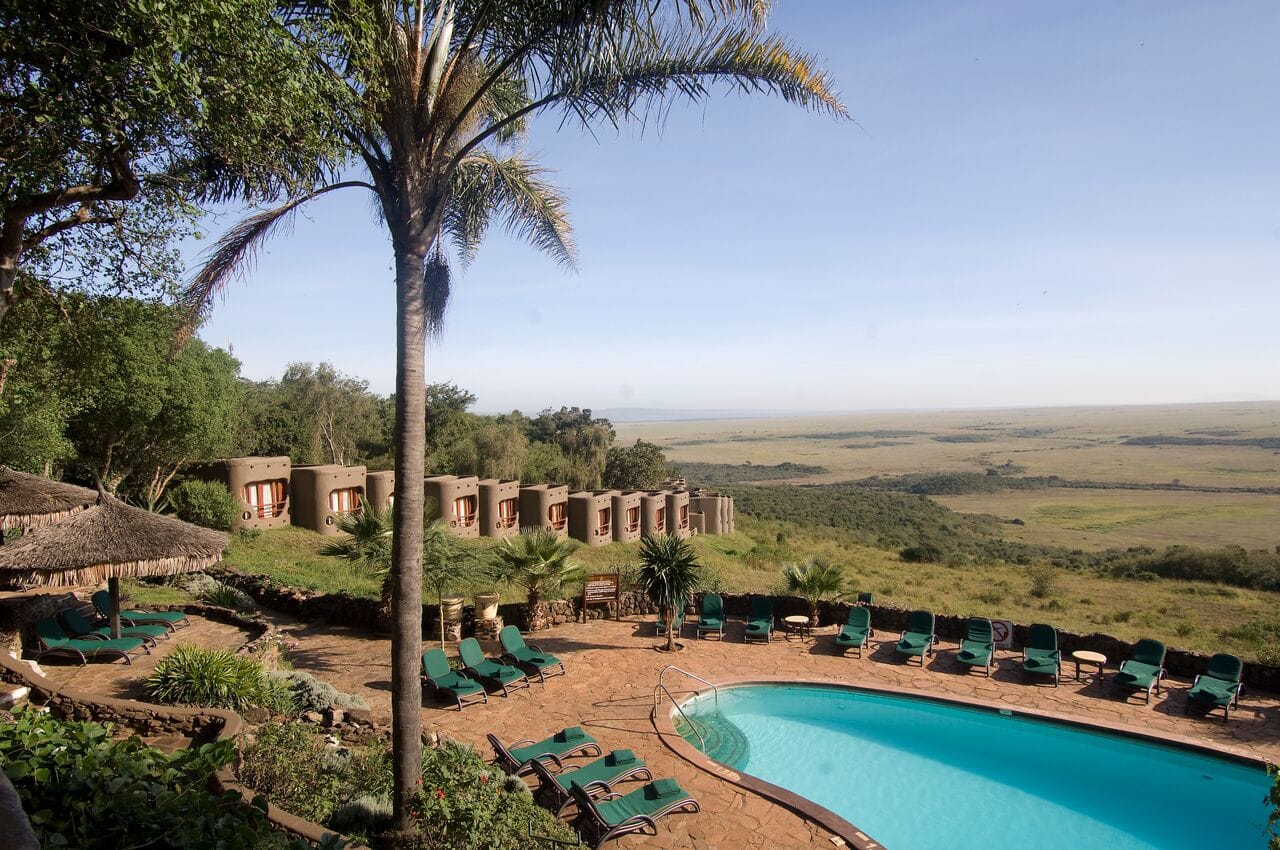
To choose the best safari lodges in Masai Mara and Lake Nakuru, align your choice with your budget, desired activities, and comfort level. While both destinations are spectacular, Masai Mara offers vast wilderness best for the Great Migration, and Lake Nakuru features a compact, bird-rich lake setting ideal for rhino and leopard viewing.
4-days-best-luxury-kenya-safari-to-lake-nakuru-and-masai-mara-safari-tour
3-days-masai-mara-national-reserve-kenya-safari-tour-package
5-day-best-luxury-kenya-safari-to-amboseli-lake-nakuru-and-maasai-mara-safari-tour
5-days-masai-mara-safari-lake-nakuru-and-hells-gate-national-park-kenya-tour
5-days-best-of-kenya-wildlife-safari-to-masai-mara-lake-nakuru-and-amboseli-national-park
5-day-best-luxury-kenya-safari-to-amboseli-lake-nakuru-and-maasai-mara-safari-tour
Masai Mara: Location & Experience
National Reserve vs. Conservancies
When planning an iconic wildlife expedition, choosing where to anchor your stay in the Greater Mara ecosystem is a pivotal layout decision that dictates the pace, style, and exclusivity of your journey. Kenya safari lodges are divided between the public Masai Mara National Reserve and the private conservancies that border its edges, such as Olare Motorogi, Mara North, and Naboisho. Staying inside the National Reserve, particularly near strategic entry points like the Talek or Musiara gates, places you at the epicenter of classic safari action. This region is the definitive choice if your primary objective is witnessing the heart-stopping drama of the Great Migration river crossings, as the entire length of the Mara River falls strictly within the public reserve boundaries.
However, because the public reserve is open to all registered tour operators and self-drive travelers, popular predator sightings can become highly congested during the peak season. To counteract this, private conservancies operate on a community-leased model that delivers unparalleled exclusivity. In a conservancy, guest numbers and vehicle capacities at wildlife sightings are strictly capped, ensuring you can park close to a hunting lion pride without competing for sightlines.
Furthermore, because conservancies are not bound by the strict government regulations of the public reserve, high-end Kenya safari lodges situated here can offer dynamic activities that are otherwise illegal in the park. These include off-road tracking, guided walking safaris across the savannah, and night game drives using spotlights to observe elusive nocturnal predators like leopards and hyenas. The strategic trade-off is financial; conservancy properties carry a distinct premium due to built-in community conservation fees. For a complete experience, many travelers adopt a hybrid approach, spending two nights inside the public reserve for the raw scale of the migration, followed by three nights in an exclusive conservancy.
Tented Camps vs. Lodges
The structural design of your accommodation shapes the sensory atmosphere of your entire African adventure. The architectural landscape of premium Kenya safari lodges is broadly split into two distinct styles: luxury tented camps and permanent, brick-and-mortar lodges. Tented camps are engineered for travelers seeking an authentic, traditional "bush style" experience without compromising on contemporary creature comforts. These properties feature heavy, weather-resistant canvas walls raised on elevated wooden decks, often tucked beneath a canopy of indigenous acacia trees or positioned along meandering riverbanks.
Living under canvas provides an immediate, uninsulated connection to the wilderness. As night falls, the walls become acoustic filters, allowing you to fall asleep to the distant roars of territorial lions, the eerie laughs of spotted hyenas, and the grunts of hippos wallowing in nearby pools. Inside, these "glamping" suites feature polished hardwood floors, opulent en-suite bathrooms with hot running water, private viewing verandas, and custom-made furnishings.
In contrast, permanent safari lodges are substantial stone and timber structures that mirror high-end luxury resorts. These properties are highly recommended for multi-generational families, travelers with small children, or those who feel uncomfortable sleeping under canvas. Permanent Kenya safari lodges provide solid, soundproof walls, expansive air-conditioned suites, large public dining halls, and extensive manicured gardens. A major advantage of choosing a classic lodge style is the availability of premium recreational facilities, such as large swimming pools, full-service wellness spas, and secure kids' clubs. While a permanent lodge serves as a solid, comforting fortress against the wild, a luxury tented camp embraces the wild, making your accommodation a continuous extension of the daily game drive.
Proximity to Wildlife
The spatial relationship between your accommodation compound and the surrounding African wilderness dictates your safety, peace of mind, and the authenticity of your experience. High-end Kenya safari lodges across the Masai Mara utilize two contrasting philosophies regarding boundaries: completely unfenced properties and strictly fenced compounds. Staying at an unfenced camp offers the ultimate, unfiltered bush experience. Because there are no physical barriers separating the guest tents from the wilderness, the camp becomes a natural thoroughfare for local wildlife. It is common to look out from your private deck and see a herd of elephants browsing through the acacias, a tower of giraffes wandering past the mess tent, or a pride of lions resting in the shade of a nearby gully.
At night, movement around an unfenced camp is strictly managed; guests are never permitted to walk alone between their tents and the dining area, and are instead escorted by armed rangers or traditional Maasai warriors (morans) carrying high-powered flashlights and traditional spears to ensure no unexpected wildlife encounters occur on the footpaths.
For many travelers, this constant, thrilling proximity is the very definition of a luxury safari. However, if you are traveling with young children, or if the idea of wild animals roaming past your window at midnight causes anxiety rather than excitement, prioritizing fenced Kenya safari lodges is the wiser path. Fenced properties utilize deep trenches, electric wires, or stone walls to establish a secure perimeter that keeps large mammals out while maintaining pristine, uninterrupted views of the plains beyond. Choosing a fenced layout ensures total security and relaxed evening strolls, allowing you to enjoy the wilderness from a comfortable, protected vantage point.
Lake Nakuru: Specifics & Logistics
Park Boundary Stays
Positioned in the heart of the Great Rift Valley, Lake Nakuru National Park is a compact, highly productive wildlife sanctuary globally renowned for its rhino conservation success and exceptional birdlife. When booking accommodations in this region, staying at Kenya safari lodges located entirely within the official park boundaries provides a massive logistical advantage. Properties situated inside the gates, such as Sarova Lion Hill Game Lodge, Lake Nakuru Lodge, or The Cliff, eliminate the friction of daily gate transits.
In a park where wildlife activity peaks during the cool hours of early morning and late afternoon, living inside the ecosystem means you are already on the game drive tracks the moment your vehicle engine starts.
Lake Nakuru Operational Advantages:
├── Inside Park: Instant access at dawn, zero gate queues, optimal predator tracking.
└── Outside Park: Lower entry fee friction, town amenities, but subject to transit delays.
Conversely, selecting an accommodation located outside the main park gates means your morning begins with a commute, navigating town-side traffic or lining up at the ranger station to verify entry permits just as the golden morning light is breaking. This delay can mean missing the precise window when leopards are most active on the woodland edges or when rhinos are grazing in the open plains. Furthermore, in-park Kenya safari lodges allow you to easily return to your room for a relaxed hot lunch and a midday siesta by the pool, before heading back out for an afternoon game drive. For short safari itineraries where maximizing your time with wildlife is the primary goal, an in-park lodge ensures every minute of your trip is spent immersed in nature rather than waiting at a checkpoint.
Lake View vs. Cliff Top
The topography surrounding Lake Nakuru is highly varied, creating two distinct styles of lodging locations that cater to different aesthetic preferences and photographic goals. The first category comprises elevated cliff-top boutique properties, such as The Cliff, which are engineered to deliver a striking "wow factor." Perched high on the rocky escarpments overlooking the western basin, these luxury tented suites feature freestanding bathtubs and private viewing decks that look out over the entire alkaline lake system.
From this panoramic vantage point, you can use binoculars to scan the lakeshore for massive flocks of pelicans, observe the movement of buffalo herds through the lower grasslands, and watch spectacular African sunsets paint the Rift Valley escarpment in shades of deep orange and purple. This elevated style offers a quiet, romantic, and exclusive atmosphere.
The second category features classic lakeshore and acacia-forest lodges, exemplified by Sarova Lion Hill Game Lodge, which are nestled directly into the valley floor. These Kenya safari lodges place you at eye level with the park's diverse habitats. Instead of looking down at the landscape, you are fully enveloped by it. The acacia woodlands surrounding these valley-floor properties serve as a critical sanctuary for both endangered black and white rhinos, meaning you frequently see these prehistoric mammals grazing right outside the lodge's secure perimeter fences. Additionally, being on the valley floor puts you closer to the fever-tree forests, which are prime territories for spotting tree-climbing leopards. Choosing between a cliff-top or lake-view lodge comes down to whether you prefer sweeping panoramic views or intimate, eye-level wildlife encounters.
Shorter Stays
Because Lake Nakuru National Park is a compact, fenced sanctuary covering roughly 188 square kilometers, it requires a very different planning strategy compared to the sprawling plains of the Masai Mara. When designing your itinerary, a brief one-to-two-night stay at premier Kenya safari lodges in Nakuru is generally sufficient to thoroughly explore the park's varied habitats, from the algae-rich lakeshores to the rocky cliffs and dense woodlands. Because the park's geography is tightly defined, wildlife density is exceptionally high, allowing you to see rhinos, Rothschild’s giraffes, buffaloes, and big cats within a single well-coordinated morning game drive.
To maximize the efficiency of a shorter stay, it is critical to prioritize Kenya safari lodges that operate customized, open-sided 4x4 safari vehicles featuring pop-up roofs, rather than utilizing large, shared overland trucks or enclosed tour vans. A dedicated, lodge-owned 4x4 vehicle provides superior off-road maneuverability and clear, unobstructed sightlines for photography, which is vital when positioning for a clean shot of a white rhino wallowing in the mud or a leopard resting on a yellow fever-tree branch.
Vehicle Selection Impact on Short Stays:
├── Lodge 4x4 Vehicle: 360° sightlines, high ground clearance, flexible pacing.
└── Shared Overland Truck: Blocked views, rigid schedules, limited maneuverability.
Furthermore, booking your stay through a lodge that includes private or small-group game drives allows you to customize your tracking route based on your specific interests—whether that involves focusing on endemic bird species along the southern mudflats or searching for lions near Baboon Cliff. This personalized approach ensures a highly productive, time-efficient, and rewarding safari experience.
Crucial Booking Considerations
Book Early
Planning a successful East African safari requires a proactive approach to timing, as the region's top accommodations operate with highly limited inventories to preserve an exclusive atmosphere. High-end Kenya safari lodges across the Masai Mara and Lake Nakuru regularly book up six to twelve months in advance, especially if your travel dates coincide with the peak Great Migration season, which runs from July to October. During this iconic window, hundreds of thousands of wildebeest and zebras pour across the Serengeti border into the Mara plains, attracting premium travelers, wildlife documentary crews, and professional photographers from around the world.
Because a luxury tented camp or boutique lodge may feature anywhere from just 10 to 25 suites, space vanishes rapidly. Attempting to secure a high-quality, strategically located room on short notice during these peak dry months often results in severe logistical compromises. You may be forced to book a property located far outside the park gates, resulting in exhausting daily commutes and long queues at the park entrances each morning.
Furthermore, early booking is the only way to secure highly coveted private safari vehicles, specialized family suites with interconnecting rooms, or exclusive permits for activities like hot-air balloon safaris over the Mara plains. By locking in your reservations well ahead of time, you protect your budget from late-stage price spikes and guarantee that your accommodation is perfectly positioned to deliver the exact safari experience you have envisioned.
Check Inclusions
One of the most complex aspects of booking a luxury African safari is understanding the pricing structure of your accommodation package. When evaluating rates at premium Kenya safari lodges, you must thoroughly verify exactly what is included in your daily tariff, as hidden operational costs can quickly impact your travel budget if they are not accounted for upfront. Safari properties generally operate on two different pricing tiers: "Full Board" and "Game Package" (often referred to as Fully Inclusive). A standard Full Board package typically covers your luxury room and three gourmet meals per day, but leaves all daily activities, transport, and park fees as additional out-of-pocket expenses.
To avoid unexpected bills at checkout, it is highly recommended to book a comprehensive Game Package. A true fully inclusive rate at top-tier Kenya safari lodges covers your luxury accommodation, all daily meals, house wines, local beers, select spirits, laundry services, and multiple daily game drives led by professional, silver- or gold-level local guides. Most importantly, you must confirm whether your package covers official park entry fees or conservancy conservation levies.
Fee Type
Masai Mara Reserve
Private Conservancies
Lake Nakuru
Daily Conservation Levy
Standard Narok County Fee
Premium Community Lease Fee
KWS National Park Fee
12-Hour Calendar Rule
Strictly Enforced (6 AM - 6 PM)
Flexible 24-Hour Cycle
Strictly Enforced
Inclusions Variance
Often excluded from standard rates
Typically bundled into Game Packages
Frequently excluded from room rates
Because park fees are heavily regulated conservation tariffs managed by local county councils or the Kenya Wildlife Service, they add up significantly over a multi-day stay. Verifying these inclusions ahead of time ensures a smooth, worry-free vacation where you can focus entirely on the wildlife.
1. How Does Choosing Between the Public Masai Mara Reserve and Private Conservancies Affect Your Daily Game Drives?
The choice between booking inside the Masai Mara National Reserve or within its surrounding private conservancies is the most important decision you will make. This choice defines your proximity to specific wildlife events and dictates the rules your safari guide must follow on the trail.
Staying within the National Reserve puts you close to the Mara and Talek rivers. If your primary goal is to witness the Great Migration river crossings between July and October, booking inside the reserve is highly efficient. However, because the public reserve is open to all day-visitors, vehicles can crowd around major predator sightings.
Mara Operational Frameworks:
├── National Reserve: Public access, close to river crossings, strict no off-roading rules.
└── Private Conservancies: Exclusive member access, night drives, guided bush walks allowed.
In contrast, choosing private conservancies—such as Mara North, Olare Motorogi, or Naboisho—offers a highly exclusive experience. Conservancies strictly limit the number of guest beds per acre and cap vehicle numbers at wildlife sightings, often to just three per encounter.
Furthermore, conservancy rules allow for off-road tracking of big cats, guided walking safaris, and night game drives, which are prohibited inside the public reserve. The trade-off is cost: conservancies require premium conservation fees that support local Maasai communities. Balancing your desire for exclusive activities against the goal of seeing iconic river crossings is key to selecting the right property.
2. Why is a Lodge's Proximity to the Mara River Critical During the Great Migration?
If you are traveling to Kenya between July and October to witness the Great Migration, the physical location of your lodge within the Masai Mara is an important factor. The migration is a fluid event, but the dramatic river crossings occur at specific points along the Mara River.
Booking a property located far from the river means your guide will need to plan a full-day excursion to reach the crossing points. This requires waking up early and packing picnic meals to spend eight to ten hours in a vehicle. While full-day game drives are a classic safari experience, they can be tiring during hot, dusty peak-season days.
By selecting a lodge or tented camp situated directly along the river or within the Musiara and Sekenani sectors, you drastically reduce your transit times. Properties positioned near these crossing zones allow your guide to monitor wildlife movements through radio networks. This means you can comfortably wait out the hot midday hours at your lodge and head to the riverbanks only when the herds begin to gather along the water's edge. Choosing a well-located property during these peak months ensures you spend less time commuting and more time watching the action.
3. How Do Park Boundary Logistics at Lake Nakuru Impact Your Morning Wildlife Viewings?
Unlike the unfenced Masai Mara ecosystem, Lake Nakuru National Park is a compact, fully fenced sanctuary. Because of this layout, the location of your accommodation relative to the main park gates plays a key role in your morning safari schedule.
Opting for properties located entirely within the park boundaries, such as Sarova Lion Hill Game Lodge or Lake Nakuru Lodge, provides an immediate logistical advantage. Primate and predator activity peaks during the cool, golden hours of dawn. When you stay inside the park, you can clear the lodge clearing and begin your game drive immediately, without any gate delays.
Lake Nakuru Boundary Logistics:
├── Inside Park Gates: Instant access at dawn, zero morning transit friction, easy lunch returns.
└── Outside Park Gates: Subject to urban traffic, gate clearance queues, fixed entry times.
If you choose an accommodation located outside the park gates or within Nakuru town, your morning routine will include commuting through local traffic and waiting in vehicle queues at the main gate to verify park permits. These delays can cause you to miss the early morning window when leopards are active along the woodland margins and rhinos are grazing in the open. For short, focused itineraries, an in-park lodge ensures your time is optimized for wildlife viewing.
4. What Are the Layout Differences and Environmental Experiences of Tented Camps vs. Permanent Lodges?
The structural style of your safari accommodation plays a major role in how you experience the African bush. Kenya's premier reserves feature two main styles of accommodation: luxury canvas tented camps and permanent timber-and-stone lodges.
Luxury tented camps are designed for travelers who want an authentic, immersive experience. Built on raised wooden decks under canvas, these suites offer an immediate connection to nature. The canvas walls allow you to hear the night sounds of the savannah—from the distant roar of a lion to the gentle rustle of grazing zebras outside your room. Modern tented camps offer top-tier comfort, including canvas-walled en-suite bathrooms, hot running water, and private verandas.
Permanent lodges are solid, resort-style structures that provide a familiar environment for families with young children or multi-generational groups. They feature soundproof rooms, large dining halls, and extensive amenities like swimming pools and secure play areas. Choosing between these options comes down to whether you prefer an authentic, close-to-nature canvas experience or the comfort and security of a permanent resort structure.
5. How Do Cliff-Top Properties Compare to Lakeside Accommodations at Lake Nakuru?
The unique topography of the Great Rift Valley creates two distinct styles of accommodation settings around Lake Nakuru, each offering a different viewpoint and photographic experience.
Elevated cliff-top lodges, built high on the rocky escarpments, focus on panoramic views. These boutique properties offer sweeping vistas across the entire alkaline lake basin. From this high viewpoint, you can watch the changing light over the water, track large buffalo herds moving through the lower grasslands, and enjoy spectacular sunsets over the Rift Valley wall. It is a quiet, dramatic setting well-suited for relaxation and birdwatching.
Lake Nakuru Lodging Topography:
├── Cliff-Top Locations: Panoramic lake vistas, dramatic sunsets, high-altitude breezes.
└── Lakeside/Acacia Woods: Immediate proximity to rhino tracks, dense birding canopies.
Lakeshore and acacia-forest lodges put you right at eye level with the park's wildlife habitats. Staying on the valley floor places you close to the fever-tree forests, which are prime territories for black and white rhinos and tree-climbing leopards. Instead of looking down on the scenery, you are fully immersed in it. Choosing between these locations depends on whether you prefer sweeping panoramic views or immediate proximity to the park's wildlife tracks.
6. Why Should Fenced vs. Unfenced Lodge Perimeters Factor Into Your Safety and Comfort Preferences?
The choice between a fenced or unfenced property is a key consideration when selecting a safari lodge, as it directly impacts your peace of mind and how you interact with the surrounding wilderness.
Unfenced camps offer an unfiltered wilderness experience. With no physical barriers around the property, the camp becomes a natural path for wildlife. It is common for grazing elephants, giraffes, or antelopes to wander through the camp area. At night, guest movement is carefully managed; you will always be escorted between your tent and the dining area by armed rangers or Maasai warriors. This close proximity offers a classic safari experience, but it requires strict attention to safety rules.
If you are traveling with young children or feel uneasy about wild animals walking past your room at night, a fenced property is a better fit. Fenced lodges use electric wiring or deep trenches to establish a secure perimeter, keeping large mammals outside while preserving open views of the plains. This setup allows for relaxed evening walks within the grounds, making it a comfortable option for families.
7. How Does Your International Arrival Point Shape Your Safari Lodge Logistical Choices?
Your flight logistics and arrival airport in East Africa should help guide your lodge choices and transport methods within Kenya, helping you avoid long, tiring road journeys.
If your itinerary begins with a flight into Nairobi’s Jomo Kenyatta International Airport, you have two main options for reaching the Masai Mara. You can take a scenic but bumpy five-to-six-hour overland drive, or choose a domestic flight from Wilson Airport. If you opt for a fly-in safari, booking a lodge with its own private airstrip or one located close to a main hub—like Keekorok, Serena, or Musiara—makes for a smooth transition from plane to safari vehicle.
Mara Transit Routing:
├── Fly-In Safari: Connects via Wilson Airport to local airstrips, minimizes transit time.
└── Overland Drive: RNV road routes, well-suited for combining Nakuru and the Mara by car.
If you want to combine Lake Nakuru and the Masai Mara into a single overland trip, a driving itinerary works well. Lake Nakuru sits roughly three hours north of Nairobi on a paved highway, and from Nakuru, a southern route leads down into the Mara ecosystem. If you prefer to drive, selecting lodges with secure parking and good road connections helps ensure a smooth journey between these two premium wildlife destinations.
8. What is the Tactical Importance of Matching Lodge Locations to Specific Rhino and Primate Habitats in Nakuru?
Lake Nakuru National Park is a key sanctuary for endangered black and white rhinos. Because the park's different habitats are clearly defined, your lodge location can affect how quickly you reach these specialized wildlife areas.
The southern and western shores of the lake, characterized by open grasslands and muddy flats, are preferred grazing areas for large white rhinos. If your main goal is to photograph these prehistoric mammals out in the open, choosing a lodge with easy access to the southern tracks allows you to reach these viewpoints early in the day.
Nakuru Habitat Zoning:
├── Southern Grasslands: Preferred territory for grazing white rhinos and waterbirds.
└── Northern Acacia Woods: Critical sanctuary for browse-dependent black rhinos and leopards.
The northern and eastern sections of the park feature dense yellow-fever acacia woodlands. This thick cover is the preferred habitat for the more reclusive black rhino, which relies on shrubs and trees for browsing. These woodlands are also prime territory for tree-climbing leopards, which use the large acacia branches for resting. Choosing a lodge located near the northern woods gives you a head start when scanning the canopy for big cats or looking for black rhinos in the dense brush.
9. How Do Seasonal Water Levels Change the Visual and Birdwatching Experience Near Lakeside Lodges?
The Great Rift Valley lakes experience natural shifts in water levels over time. These seasonal changes alter the lake's chemistry, the shoreline landscape, and the distribution of birdlife around lakeside lodges.
Lake Nakuru is famous for its birdlife, particularly its large populations of lesser and greater flamingos. These birds thrive on spirulina, a blue-green algae that grows in shallow, highly alkaline waters. When water levels rise due to heavy seasonal rains, the lake's alkalinity drops, reducing the algae supply. This causes the flamingos to temporarily migrate to other Rift Valley lakes, like Bogoria or Elementaita, changing the classic pink shoreline views.
During high-water periods, lakeside lodges offer excellent viewing of waterbirds such as pelicans, cormorants, and storks, which thrive on the lake's fish populations. In contrast, dry seasons lower the water levels, exposing mudflats that attract migratory shorebirds and waders. Understanding these seasonal water patterns helps you set realistic expectations for birdwatching from your lodge veranda.
10. Why Should You Carefully Evaluate Vehicle Options and Guiding Quality When Booking a Lodge?
A safari experience depends heavily on the quality of your guiding and the design of your game-drive vehicle. When evaluating Kenya safari lodges, it is important to check whether they use their own vehicle fleets or rely on outside operators.
Premium lodges maintain fleets of customized, open-sided 4x4 safari vehicles equipped with pop-up roofs, charging stations, and reference books. Open-sided vehicles offer clear, 360-degree views and excellent angles for photography, which is a big advantage when positioning for a clean shot of a cat in the grass or a rhino in the woods.
Safari Vehicle Comparison:
├── Lodge-Owned 4x4: Open-sided design, optimized for photography, clear sightlines.
└── Standard Tour Van: Enclosed sides, limited viewing angles, shared seating arrangements.
Equally important is the expertise of the lodge’s resident guides. Top properties employ certified local guides who know the reserve's specific tracks, predator territories, and wildlife behaviors. These resident guides have an intimate knowledge of local resident prides and seasonal movements, helping to ensure productive game drives during your stay.
11. How Do Cultural and Community Initiatives Differ Between Masai Mara and Lake Nakuru Accommodations?
A memorable safari includes opportunities to connect with the local communities that live alongside these protected areas. The cultural experiences available vary significantly between the Masai Mara and Lake Nakuru regions.
In the Masai Mara, particularly within the private conservancies, lodges operate closely with the local Maasai communities. Many conservancies are built on land leased directly from Maasai landowners, creating a partnership where tourism income supports local families. Lodges in these areas offer authentic visits to traditional homesteads (manyattas), guided walks led by Maasai warriors, and insights into traditional tracking techniques and medicine.
Regional Cultural Footprints:
├── Masai Mara: Close partnerships with Maasai communities, land-leasing programs.
└── Lake Nakuru: Focus on urban conservation, local school visits, rift valley history.
Because Lake Nakuru National Park is a fenced sanctuary bordered by a growing urban center, its community programs focus more on urban conservation, school education visits, and historical tours of the Great Rift Valley. Choosing a lodge that actively supports these local community and conservation initiatives ensures your travel spend helps protect the areas you visit.
12. Why is Understanding the Calendar-Day Rule Crucial When Booking Lodges Managed by the Kenya Wildlife Service?
When planning your safari budget, it is important to understand the park fee pricing structures used by national conservation authorities like the Kenya Wildlife Service (KWS) and local county councils.
At Lake Nakuru National Park, which is managed by KWS, park entry fees are traditionally calculated based on a fixed calendar-day rule or strict 24-hour cycles. This means if you enter the park late in the afternoon to check into your lodge, that entry permit may expire the following morning, requiring you to purchase an additional permit for your afternoon game drives.
Destination
Management Authority
Fee Structure Policy
Masai Mara Reserve
Narok County Council
Strict 12 or 24-hour gate entry cycles
Private Conservancies
Community/Private Coalitions
Bundled daily conservation levies
Lake Nakuru Park
Kenya Wildlife Service (KWS)
Calendar-day or strict 24-hour permit windows
In contrast, lodges situated within the Masai Mara's private conservancies typically bundle community conservation fees directly into your daily room rate, allowing for flexible, multi-day exploration without unexpected gate charges. Reviewing how your chosen lodges handle these entry fees helps you plan an accurate budget and avoids surprises at check-out.
13. How Do Family-Friendly Amenities and Age Restrictions Vary Between Safari Lodges?
If you are planning a multi-generational trip or traveling with children, checking the age policies and family amenities of your chosen lodges is an essential step in the planning process.
Many boutique tented camps in the Masai Mara maintain age restrictions, often requiring children to be at least 8 or 12 years old. This policy is in place to preserve a quiet atmosphere and ensure safety in unfenced environments where wild animals move freely through the camp. Camps that do welcome families often offer specialized family tents with interconnecting rooms and custom activities like track identification and bush crafts.
Permanent lodges around the Masai Mara and Lake Nakuru are well-equipped for families. They feature fenced perimeters, swimming pools, child-friendly menus, and multi-room suites. Some larger properties also offer kids' clubs and babysitting services, giving parents the flexibility to head out on longer game drives knowing their children are in a safe environment.
14. Why Should You Look for All-Inclusive Game Packages Over Standard Full-Board Rates?
Safari properties use a variety of pricing tiers. Understanding the difference between a standard "Full-Board" rate and an all-inclusive "Game Package" is key to managing your trip expenses.
A standard Full-Board rate typically covers your room and three daily meals, but leaves all your activities, drinks, and transport as extra charges. If you book a full-board rate, you will need to pay separately for each game drive, hire a vehicle, and cover local park fees. This can lead to unexpected expenses, especially on longer stays.
Safari Pricing Models:
├── Full-Board Rate: Covers accommodation and meals; activities and drinks cost extra.
└── Game Package Rate: Includes accommodation, meals, shared game drives, and laundry.
An all-inclusive Game Package provides a predictable, worry-free pricing model. This rate bundles your luxury accommodation, daily meals, local drinks, laundry services, and multiple daily game drives in the lodge’s 4x4 vehicles. Choosing a comprehensive game package allows you to focus on the safari experience without tracking individual activity costs.
15. How Can a Hybrid Lodge Strategy Provide the Best Balance for a Kenyan Safari Itinerary?
For a well-rounded safari experience, combining different lodge styles and locations into a single itinerary allows you to enjoy the best of Kenya’s diverse ecosystems.
A great option is to plan a hybrid stay that combines a lakeside lodge in Lake Nakuru with a mix of accommodations in the Masai Mara. You can begin with a two-night stay at an in-park lodge at Lake Nakuru to focus on seeing rhinos, leopards, and waterbirds in a compact setting. This provides a great introduction to the country's wildlife before you head on to larger reserves.
Hybrid Safari Design:
├── Phase 1: Lake Nakuru Lodge (2 Nights) → Focused on Rhinos, Leopards, and Birding
├── Phase 2: Mara Reserve Camp (2 Nights) → Focused on Migration and River Crossings
└── Phase 3: Mara Conservancy Camp (2 Nights) → Focused on Night Drives and Walking Safaris
When you reach the Masai Mara, split your time between a camp inside the National Reserve and a luxury property in a private conservancy. Spending two nights in the reserve puts you close to the migration river crossings, while finishing with two nights in a private conservancy gives you access to night drives and walking safaris away from the busier tracks. This approach ensures a varied, comprehensive safari experience.
Booking Kenya safari with us Roads of Adventure safaris
Booking your Kenya safari vacation with Roads of Adventure Safaris ensures a seamless, expertly handled wildlife experience across East Africa's premier national parks. As a specialized local operator based out of Kampala, Uganda, they manage all ground logistics, including secure custom vehicle transport, local flights, park fees, and tailored accommodation selections
