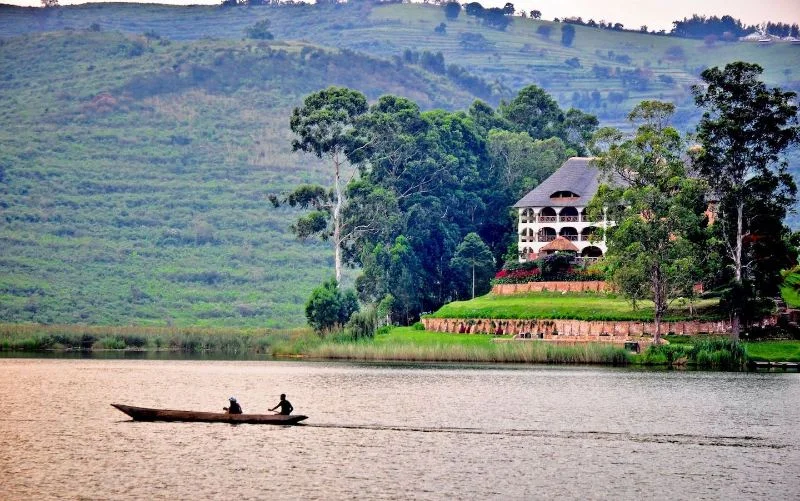
The Ultimate 12-Day Uganda Safari Itinerary, Uganda packs an incredible diversity of landscapes into one seamless journey. From tracking wild white rhinos on foot and watching giant pods of hippos along the Victoria Nile to walking through mist-covered rainforests with endangered mountain gorillas, this 12-day Uganda safari route covers the best western safari circuit. Designed for seamless travel flow, every day balances active wildlife drives with peaceful evenings at handpicked eco-lodges. You will encounter Rothschild’s giraffes, tree-climbing lions, habituated chimpanzee troops, and rare swamp birds across classic savannahs and ancient tropical jungles. Here is your ultimate day-by-day travel plan.
12-days-all-inclusive-uganda-wildlife-and-primate-safari
12-days-best-uganda-rwanda-primate-safaris-and-akagera-big-five-safaris
12-days-luxury-safari-in-uganda-parks
12-days-best-uganda-safari-big-five-and-uganda-primate-safari
12-days-perfect-rwanda-uganda-gorilla-trekking-safari-holiday-vacation
12-days-uganda-wildlife-primate-experience-and-lake-mutanda-vacation
12-days-uganda-birding-tour-looking-for-rift-valley-endemic-birds-west-circuit
Tour Highlights 🌹
Mabamba Swamp: Track rare shoebill storks.
Ziwa Sanctuary: Walk with wild rhinos.
Murchison Falls: Cruise powerful Nile waters.
Kibale Forest: Track wild chimpanzee troops.
Kazinga Channel: View massive hippo pods.
Ishasha Sector: See tree climbing lions.
Bwindi Forest: Meet wild mountain gorillas.
Lake Bunyonyi: Relax near peaceful islands.
Lake Mburo: Walk alongside wild zebras.
⛺Day-by-Day Outline for 12-Day Uganda Safari Itinerary
Day 1: Arrival in Entebbe & Mabamba Wetland Canoe Excursion
Day 2: Ziwa Rhino Sanctuary Tracking Walk & Transfer to Murchison Falls National Park
Day 3: Morning Northern Sector Game Drive & Afternoon Victoria Nile Launch Cruise
Day 4: Scenic Drive along the Albertine Rift Valley to Kibale Forest National Park
Day 5: Chimpanzee Tracking in Kibale Forest & Bigodi Wetland Sanctuary Nature Walk
Day 6: Crater Lakes Exploration & Transfer to Queen Elizabeth National Park
Day 7: Kasenyi Plains Morning Game Drive & Kazinga Channel Afternoon Boat Safari
Day 8: Ishasha Tree-Climbing Lion Search & Transfer to Bwindi Impenetrable Forest
Day 9: Mountain Gorilla Trekking in Bwindi Impenetrable Forest
Day 10: Scenic Transfer through Kigezi Highlands to Lake Bunyonyi
Day 11: Transfer to Lake Mburo National Park & Ranger-Guided Walking Safari
Day 12: Morning Lake Mburo Game Drive, Equator Stop, & Airport Return Transfer
Day 1: Arrival in Entebbe & Mabamba Wetland Excursion
Travel Distance / Time: 10 km to 35 km (approx. 30–60 mins)
Accommodation: Karibu Entebbe / Protea Hotel Entebbe
Wildlife Highlights: Shoebill stork, African jacana, blue-breasted bee-eater, Malachite kingfisher
Your journey begins with a smooth landing at Entebbe International Airport, set right on the northern shore of Lake Victoria. After meeting your driver-guide, head straight to your hotel to check in and refresh. In the afternoon, board a traditional wooden canoe to navigate the papyrus channels of Mabamba Swamp. This quiet wetland sanctuary offers your best opportunity to observe the prehistoric-looking shoebill stork hunting in the shallow waters alongside colorful marsh birds. Enjoy a quiet dinner near the lake as you rest up for the overland travel ahead.
Day 2: Ziwa Rhino Sanctuary to Murchison Falls National Park
Travel Distance / Time: 305 km (approx. 6–7 hours total drive time)
Accommodation: Pakuba Safari Lodge / Paraa Safari Lodge
Wildlife Highlights: Southern white rhinoceros, Jackson’s hartebeest, Oribi, Olive baboon
Depart Entebbe early in the morning and travel north through lush countryside toward Nakasongola. Stop at the Ziwa Rhino Sanctuary, the only site in Uganda where southern white rhinos roam under active protection. Join an armed ranger for a guided tracking walk across grassy plains to view these majestic animals at close range. Following lunch, continue your drive through Masindi into Murchison Falls National Park. Pause at the top of Murchison Falls to feel the ground vibrate as the Victoria Nile forces itself through a tight seven-meter gap before checking in to your lodge.
Day 3: Game Drive & Victoria Nile Launch Cruise
Travel Distance / Time: ~60 km of in-park game tracks (approx. 3–4 hours morning drive)
Accommodation: Pakuba Safari Lodge / Paraa Safari Lodge
Wildlife Highlights: Rothschild’s giraffe, African bush elephant, lion, Nile crocodile, hippo
Start the day with an early morning game drive across the savannah plains of the park's northern sector. Keep your eyes open for lions returning from night hunts, herds of Rothschild’s giraffes, cape buffaloes, and Jackson’s hartebeests grazing in the morning air. In the afternoon, board a three-hour launch boat cruise heading upriver toward the base of Murchison Falls. The riverbanks host dense populations of giant Nile crocodiles and resting hippos, while elephants often gather along the water's edge to cool off. Return to your lodge for dinner under the stars.
Day 4: Scenic Drive to Kibale Forest National Park
Travel Distance / Time: 370 km (approx. 7–8 hours’ drive time)
Accommodation: Turaco Treetops / Primate Lodge Kibale
Wildlife Highlights: Black-and-white colobus monkey, L’Hoest’s monkey, red-tailed monkey
Leave the northern plains behind for a long, scenic drive south along the Albertine Rift Valley. Pass rural homesteads, vibrant local markets, and terraced agricultural hills before reaching Fort Portal, a town nestled beneath the snow-capped Rwenzori Mountain range. Enjoy a relaxed lunch here before continuing into the dense rainforest region of Kibale National Park, famous for housing thirteen distinct species of primates. Arrive at your lodge in the afternoon, surrounded by high forest canopies filled with vocal birdlife and small forest monkeys.
Day 5: Chimpanzee Tracking & Bigodi Wetland Sanctuary
Travel Distance / Time: Minimal driving (15–20 km locally between park office and swamp)
Accommodation: Turaco Treetops / Primate Lodge Kibale
Wildlife Highlights: Habituated chimpanzee, Great blue turaco, Red colobus monkey, Grey-cheeked mangabey
After a briefing at Kanyanchu Ranger Station, enter Kibale Forest alongside an expert tracker to locate a community of habituated chimpanzees. Listen for their distinctive pant-hoots echoing through the trees as you observe them grooming, playing, and feeding in the high branches. After lunch, take a guided walking tour through the community-run Bigodi Wetland Sanctuary. Boardwalks lead through papyrus swamps where you can spot rare monkeys, forest birds, and brilliant plant species while learning about local conservation efforts.
Day 6: Crater Lakes Exploration to Queen Elizabeth National Park
Travel Distance / Time: 120 km (approx. 2.5–3 hours’ drive time)
Accommodation: Kasenyi Safari Camp / Mweya Safari Lodge
Wildlife Highlights: Waterbuck, Uganda kob, spotted hyena, martial eagle
Enjoy a peaceful morning walk around the Ndali-Kasenda crater lakes, viewing deep volcanic basins surrounded by lush tea plantations. From here, travel south toward Queen Elizabeth National Park, crossing the Equator line along the way. As you enter the park, open savannah plains stretch out toward the Kazinga Channel and Lake Edward. Check into your lodge for lunch, followed by an late-afternoon game drive across the Kasenyi plains to look for Uganda kob, giant forest hogs, and territorial predators setting up for the evening.
Day 7: Kasenyi Game Drive & Kazinga Channel Boat Cruise
Travel Distance / Time: ~50 km of in-park safari tracks
Accommodation: Kasenyi Safari Camp / Mweya Safari Lodge
Wildlife Highlights: Lion, leopard, cape buffalo, African skimmer, pink-backed pelican
Set off before sunrise across the Kasenyi track, a prime hunting ground for lions and leopards targeting large herds of antelopes. In the afternoon, board a boat for a two-hour cruise along the natural Kazinga Channel, which connects Lake George and Lake Edward. This waterway hosts one of the world's highest concentrations of hippos. You will cruise close to shore to view herds of elephants bathing, buffalo wallowing in the mud, and hundreds of resident waterbirds fishing along the banks.
Day 8: Ishasha Tree-Climbing Lions to Bwindi Impenetrable Forest
Travel Distance / Time: 180 km (approx. 5–6 hours depending on road conditions)
Accommodation: Mahogany Springs Lodge / Four Gorillas Lodge
Wildlife Highlights: Tree-climbing lion, Topi, forest elephant, yellow-backed duiker
Travel south through the remote Ishasha sector of Queen Elizabeth National Park. Scan the sprawling branches of ancient fig trees, where resident lions routinely climb to escape the heat and ground insects. Look out for topis grazing across the open borders near the Democratic Republic of Congo. After a picnic lunch, leave the savannah behind and wind upward into the mist-shrouded, ancient rainforest slopes of Bwindi Impenetrable National Park. Settle into your lodge surrounded by lush greenery.
Day 9: Gorilla Trekking in Bwindi Impenetrable Forest
Travel Distance / Time: Walking trek (2 to 6 hours depending on gorilla family location)
Accommodation: Mahogany Springs Lodge / Four Gorillas Lodge
Wildlife Highlights: Mountain gorilla, Albertine Rift endemic birds, L'Hoest's monkey
Gather at the park headquarters for a early morning safety talk before entering the ancient rainforest with experienced trackers. Hike through thick vines, bamboo thickets, and forested slopes to locate a family of wild mountain gorillas. Once found, spend a quiet hour observing the silverback, females, and young gorillas going about their daily routines in their natural habitat. Return to the trailhead to collect your trek certificate, then spend the late afternoon resting back at your forest lodge.
Day 10: Scenic Transfer to Lake Bunyonyi
Travel Distance / Time: 85 km (approx. 2.5–3 hours’ drive time)
Accommodation: Birdnest Resort / Bunyonyi Rock Resort
Wildlife Highlights: Pied kingfisher, white-tailed blue flycatcher, otter
Enjoy a relaxed breakfast before driving through the winding Kigezi highlands, often called the "Switzerland of Africa" for its steep, terraced green hillsides. Arrive at Lake Bunyonyi, a peaceful highland lake dotted with 29 islands. Check in to your lakeside resort and spend the afternoon unwinding. Options include renting a dugout canoe, taking a boat tour to Punishment Island, or relaxing on the quiet shore after your active mountain gorilla hike.
Day 11: Transfer to Lake Mburo National Park & Walking Safari
Travel Distance / Time: 195 km (approx. 4 hours’ drive time)
Accommodation: Mihingo Lodge / Rwakobo Rock
Wildlife Highlights: Plains zebra, Impala, Eland, Bushbuck, Burchell's zebra
Leave Lake Bunyonyi and head east toward Lake Mburo National Park, stopping in Mbarara for lunch. Lake Mburo features open acacia woodlands and rolling grassy hills. Because the park lacks large lion populations, it is one of the few places in Uganda where you can head out on a ranger-guided walking safari. Walk across the paths to view impalas, plains zebras, and elands at close range, gaining a fresh ground-level perspective on the savannah ecosystem.
Day 12: Morning Game Drive & Return Transfer to Entebbe
Travel Distance / Time: 240 km (approx. 4.5–5 hours’ drive time)
Accommodation: Optional day room at 2 Friends Beach Hotel / Airport drop-off
Wildlife Highlights: Dwarf mongoose, Bohor reedbuck, vervet monkey
Take an early morning game drive through Lake Mburo to spot early-rising wildlife against the morning light. Return to the lodge for a warm breakfast before beginning the return journey back toward the central region. Pause at the Equator crossing in Kayabwe for photos and local crafts shopping. Continue through Kampala to Entebbe, where you will drop off at the airport or your hotel, concluding your 12-day journey across Uganda.
What is the best time of year to embark on this 12-day Uganda safari?
Uganda is a year-round safari destination thanks to its location right on the Equator, but the dry seasons—from December to February and June to September—offer the most comfortable conditions. During these months, forest trails in Bwindi Impenetrable Forest and Kibale Forest are firmer and easier to navigate, making gorilla and chimpanzee tracking less strenuous. In the savannah parks like Murchison Falls and Queen Elizabeth, sparse vegetation makes wildlife easier to spot as animals gather around rivers and waterholes.
That said, the rainy seasons (March to May and October to November) bring distinct advantages for travelers looking for quieter trails and lush scenery. Rain usually comes in short, heavy showers followed by sunshine rather than all-day downpours. The landscape turns vibrant green, migratory bird species arrive in high numbers, and luxury lodges often offer seasonal rates. If birdwatching or lush photography is your focus, the green season is ideal. No matter when you travel, packing lightweight waterproof layers ensures you stay comfortable throughout your journey across varying altitudes and habitats.
How difficult is the mountain gorilla trekking experience in Bwindi?
Gorilla trekking in Bwindi Impenetrable Forest varies from moderate to physically demanding, depending on where the specific gorilla family happens to be moving that morning. The terrain involves navigating steep slopes, tangled vines, damp soil, and dense undergrowth without set paths. A trek can last anywhere from two to six hours round trip. However, park rangers adjust the pace to ensure everyone in the group stays comfortable, making regular stops to rest and drink water along the trail.
You do not need to be an elite athlete to enjoy gorilla trekking, but having a basic level of walking fitness helps tremendously. Wearing sturdy, broken-in hiking boots with good grip, long trousers, and gardening gloves to grip branches will make your trek much easier. Additionally, hiring a local porter at the park headquarters is highly recommended. Porters carry your backpack, offer a steady hand on slippery inclines, and directly support the local community. Once you reach the gorilla family, all physical effort fades as you spend a calm, quiet hour observing them up close.
What permits do I need, and how far in advance should I reserve them?
For this specific 12-day itinerary, you need two official primate permits issued by the Uganda Wildlife Authority: a Mountain Gorilla Trekking Permit for Bwindi Impenetrable National Park and a Chimpanzee Tracking Permit for Kibale Forest National Park. Because daily visitor numbers are strictly capped to protect the habituated wild primates and minimize human impact on their natural habitat, permits sell out quickly—especially during the peak dry months from June through September and December through February.
It is best to secure your permits 6 to 10 months in advance of your travel dates. The gorilla permit currently costs $800 USD per person for non-resident foreigners, while the chimpanzee tracking permit in Kibale costs $250 USD per person. These permits cover park entry fees, ranger guide services, and advance tracker teams who locate the animals early each morning. Securing your permits early fixes your safari dates, allowing us to lock in your preferred lodge choices along the entire western Uganda circuit without last-minute changes.
What are the roads and long transit drives like on this safari?
Travelling across western Uganda involves a mix of smooth paved highways and uneven, dirt country roads. Transit days like Day 4 (Murchison Falls to Kibale) and Day 8 (Queen Elizabeth to Bwindi) take between 5 to 8 hours because of rural geography and local traffic. However, these drives are far from boring; they double as scenic journeys through tea plantations, terraced hillsides, local villages, and bustling market towns along the Albertine Rift Valley.
To make these long transfers comfortable, you travel in a customized 4x4 Toyota Land Cruiser featuring pop-up roof hatches, high ground clearance, heavy-duty suspension, and individual window seats. Your professional driver-guide schedules regular comfort breaks for coffee, stretch stops, local fruit tastings, and photo opportunities at places like the Equator line or mountain viewpoints. Bottled drinking water is provided in the vehicle throughout the trip. If you prefer to skip long overland drives, domestic fly-in transfers via light aircraft can easily connect Entebbe, Murchison Falls, Kibale, and Bwindi.
What kind of accommodation can I expect along this route?
The accommodations along this classic western circuit range from cozy mid-range safari lodges to high-end luxury eco-camps. Each property listed in the itinerary—such as Pakuba Safari Lodge, Turaco Treetops, Kasenyi Safari Camp, and Mahogany Springs—is selected for its prime location, high safety standards, warm hospitality, and commitment to environmental sustainability. Most lodges feature permanent cottages or safari tents with private en-suite bathrooms, hot showers, flush toilets, and private verandas overlooking wild landscapes.
Evenings at these lodges are designed for rest after active days outdoors. You can expect multi-course meals prepared with fresh, locally sourced ingredients, along with options catering to vegetarian, vegan, or gluten-free dietary needs. Most properties feature central lounge areas, fire pits for evening drinks under the stars, and solar-powered electricity to charge camera batteries and phone devices. Staying in locally staffed eco-lodges directly benefits the communities bordering Uganda's national parks, ensuring your trip supports frontline conservation efforts while keeping you comfortable.
Is Uganda safe for international travelers and families?
Uganda is widely recognized as one of the most welcoming and safe travel destinations in East Africa. The local people are warm and helpful, and crime rates in rural safari regions are exceptionally low. Within all national parks and protected reserves, the Uganda Wildlife Authority deploys trained, armed park rangers to accompany guided walks, rhino tracking trips, and forest treks. Their presence ensures both tourist safety and wildlife protection across all safari sectors.
Health safety is also straightforward with simple preparations. A Yellow Fever vaccination certificate is mandatory for entry into Uganda, and malaria prophylaxis is strongly advised since safari regions sit in tropical zones. Using insect repellent in the evenings and wearing long sleeves keeps mosquitoes away. Tap water is not suitable for drinking, so always rely on purified or bottled water provided by your guide and lodges. Traveling with an experienced driver-guide ensures you are looked after from the moment you land at Entebbe until your departure flight home.
What essential gear and clothing should I pack for a 12-day Uganda safari?
Packing for a Uganda safari requires preparing for hot savannah plains and cool, damp mountain rainforests. Neutral-colored clothing (khaki, tan, olive green) is best for game drives, while bright colors, white, and dark blue/black (which can attract tsetse flies in rural areas) should be avoided. Lightweight, quick-drying long-sleeved shirts and trousers protect your skin against sunshine, insects, and scratchy vegetation during forest walks.
Key items to pack include:
- Sturdy, waterproof hiking boots with good ankle support for gorilla and chimp tracking.
- High-traction trail shoes or casual boots for daily walking tours.
- A breathable waterproof rain jacket or poncho.
- Durable gardening gloves to grip branches and vines on steep jungle slopes.
- Thick long socks to tuck your trousers into, keeping safari ants out.
- A wide-brimmed sun hat, sunglasses, and high-SPF sunscreen.
- A compact daypack with a rain cover to carry your camera, water, and lunch.
- A warm fleece jacket for chilly highland mornings in Bwindi and Lake Bunyonyi.
How close will I get to wild animals on game drives and walking safaris?
During traditional 4x4 game drives in Murchison Falls, Queen Elizabeth, and Lake Mburo, wildlife viewing takes place from inside the vehicle or through the open pop-up roof. Animals in these national parks are accustomed to safari vehicles, allowing you to observe lions, elephants, giraffes, and antelopes safely from short distances without causing them stress. Your driver-guide follows strict park rules, keeping to designated tracks to protect the natural habitat.
On walking safaris—such as rhino tracking at Ziwa, swamp walks in Bigodi, or walking in Lake Mburo—you stay on foot with an expert ranger guide. Rangers monitor animal behavior closely, maintain safe viewing distances, and teach you how to read animal tracks, bird calls, and dung sign. During mountain gorilla and chimpanzee encounters, official guidelines require keeping a 7-meter (23-foot) distance to protect the primates from human pathogens. However, curious young primates often move closer on their own accord while you stand quietly.
What visual and cultural experiences are included alongside wildlife tracking?
While wildlife is the main focus of this 12-day route, the itinerary includes varied cultural and landscape highlights. The excursion to Mabamba Swamp lets you travel in traditional wooden canoes guided by local community fishermen who know every papyrus channel. In Bigodi Wetland Sanctuary, your walk is run by a community development association where tour proceeds fund local primary schools, clean water projects, and health clinics near Kibale Forest.
You also explore remarkable geographical landmarks across western Uganda. You will stand beside the narrow gorge at Murchison Falls, cross the Equator line for physics demonstrations, walk past volcanic crater lakes near Fort Portal, and unwind at Lake Bunyonyi—one of Africa's deepest freshwater lakes. Driving through rural farming villages gives you a firsthand look at everyday Ugandan life, roadside produce stands, and terraced mountain agriculture, adding depth to your overall journey across the country.
How does tipping work on a Uganda safari, and what extra expenses should I plan for?
While your core safari package covers park entry fees, activity permits, accommodations, meals, and private transport, setting aside personal spending money for tips and incidentals is standard practice. Tipping in Uganda is voluntary, but it is deeply appreciated by the hard-working local crews who make your journey seamless. Carrying small denominations of US Dollars (crisp bills issued after 2013) or Ugandan Shillings (UGX) makes tipping straightforward throughout the trip.
Here is a general guideline for safari tipping:
- Safari Driver-Guide: $10 – $15 USD per day per vehicle group.
- Gorilla & Chimpanzee Ranger Guides: $10 – $15 USD per tracking session (shared among your group).
- Local Forest Porters: $15 – $20 USD per trek (plus their standard hire fee).
- Lodge & Hotel Staff: $5 – $10 USD per day placed in the central tip box.
Extra personal expenses usually include alcoholic beverages at lodges, personal laundry services, international airfares, visa fees ($50 USD online), souvenir shopping, and optional activities like canoe hires at Lake Bunyonyi.
Can this 12-day safari itinerary be customized for families or private groups?
Yes, this 12-day western Uganda circuit is fully customizable to suit private families, honeymoon couples, solo travelers, or specialized interest groups like birdwatchers and photographers. Because every safari we arrange is private, you are not combined with strangers in your vehicle. This gives you complete flexibility over your daily schedule, game drive lengths, bathroom stops, and meal times.
If you are traveling with children under the age of 15 (who cannot participate in mountain gorilla or chimpanzee tracking due to park age limits), we can adjust the itinerary to include family-friendly nature walks, boat cruises, cultural village visits, or swimming breaks. We can also upgrade your stay to exclusive luxury lodges, swap long overland drives with internal domestic flights, or extend the trip to include white-water rafting in Jinja or golden monkey tracking in Mgahinga. Everything is tailored around your ideal pace and preferences.
Why should I book this Uganda safari with Roads of Adventure Safaris?
Booking your journey with Roads of Adventure Safaris means partnering with a fully registered, locally based Ugandan tour operator that lives and breathes East African travel. Our team brings years of hands-on field experience, deep destination knowledge, and genuine passion to every single itinerary we craft. From securing your gorilla and chimpanzee permits months in advance to matching you with handpicked eco-lodges, we manage every detail of your safari logistics with meticulous care so you can relax and enjoy the ride.
When you travel with us, you are guided by elite local driver-guides who know Uganda's national parks, wildlife behavior, and hidden spots inside out. We operate our own fleet of custom-built, well-maintained 4x4 safari vehicles equipped for tough African terrain. Most importantly, we believe in responsible tourism that leaves a positive mark. By booking with Roads of Adventure Safaris, your trip directly supports local conservation projects and rural communities bordering the parks. Let us welcome you to Uganda and turn your dream safari into an unforgettable reality!