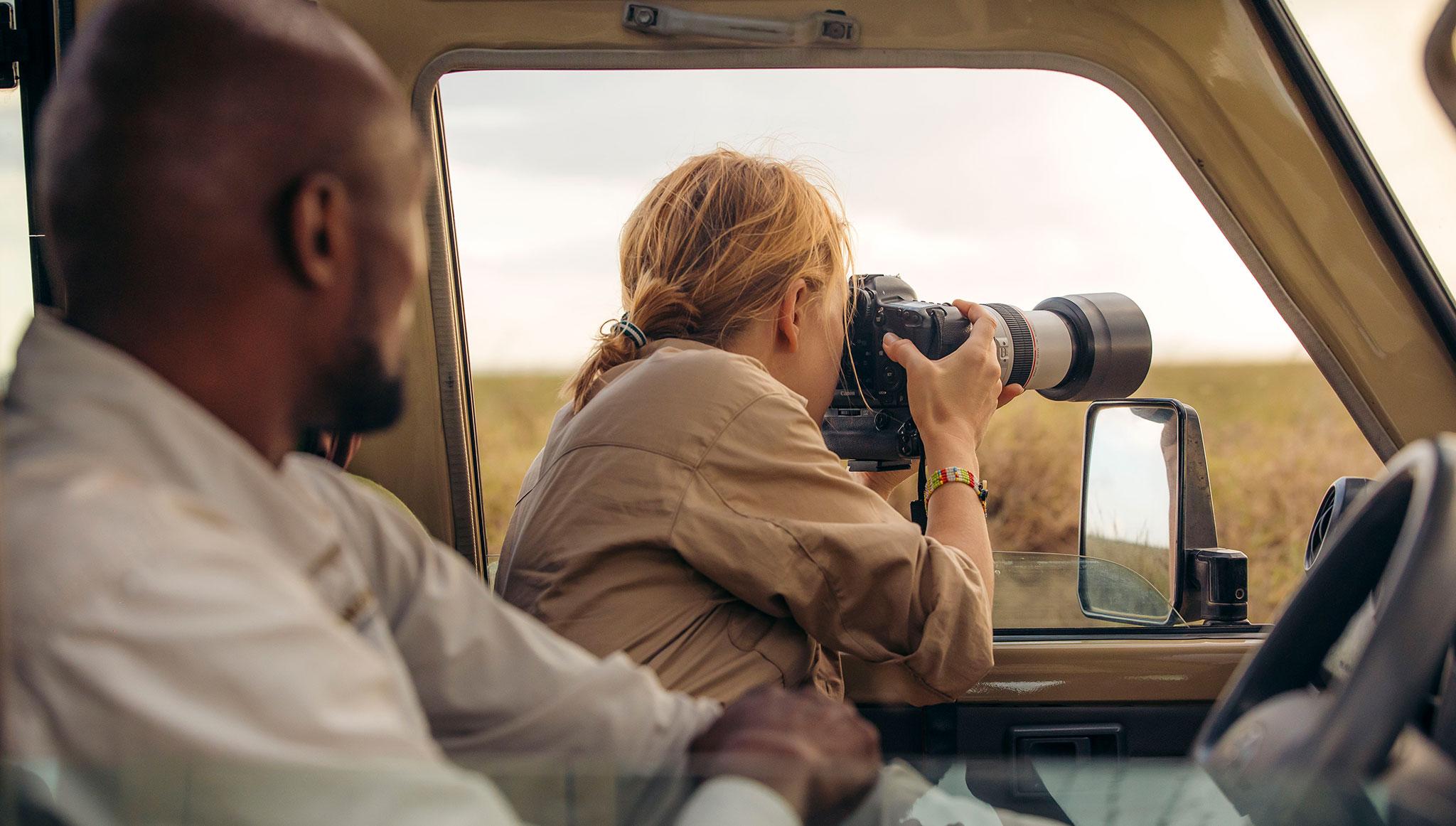
Embark on a Tanzania photography safari, where the raw essence of East Africa’s wilderness transforms into a visual masterpiece. This is more than a journey; it’s an immersive experience in legendary landscapes, from the golden, predator-rich plains of the Serengeti National Park
to the high-density wildlife of the Ngorongoro Crater Capture the drama of the Great Migration, the quiet elegance of Tarangire National Park’s giant elephant herds, and the vibrant hues of Lake Manyara’s flamingos. Designed for both amateurs and professionals, these safaris prioritize specialized vehicles and optimal lighting to ensure you freeze once-in-a-lifetime moments. Between the snow-capped peaks of Kilimanjaro and intimate cultural portraits of the Maasai, Tanzania offers an unparalleled natural canvas that challenges your creativity and rewards your patience.
14-days-exciting-tanzania-photography-safari
12-days-tanzania-photography-safari-capturing-the-wild-with-lenses
25-days-east-africa-safari-to-uganda-rwanda-kenya-tanzania-safari-and-zanzibar-beach-holidays
What is the Best Time of Year for a Tanzania Photography Safari?
The best time for a Tanzania photography safari is during the dry season, which lasts from June to October. This period is particularly advantageous for wildlife photographers because animals tend to congregate around water sources, making them easier to spot and photograph. The vegetation is also thinner during the dry season, which enhances sightlines and allows for clearer shots. Photographers can take advantage of the soft, golden light found in the early mornings and late afternoons, optimizing their opportunities to capture stunning images.
Though the dry season is ideal, each month offers unique photographic opportunities. For example, the landscape transitions from vibrant greens at the beginning of the season to more subdued earth tones, providing diverse backdrops for photography. Additionally, many animals are more active during this time, allowing photographers to capture dynamic behaviors like hunting, mating, or nurturing.
The dry season also coincides with the Great Migration, one of nature’s most extraordinary spectacles. Wildlife movements, particularly among wildebeests and zebras, provide ample opportunities for action shots. The concentration of animals around water holes also means that photographers can easily set up for ideal compositions, featuring wildlife against breathtaking landscapes.
While the dry season is often touted as the best time, the wet season (November to May) should not be overlooked. Although it may present challenges such as denser vegetation and limited wildlife visibility, it offers unique experiences like calving season and lush landscapes post-rain. Ultimately, choosing the optimal time for your photography safari in Tanzania depends on personal preferences and photographic goals.
Can I See the Great Migration on a Tanzania Photography Safari Year-Round?
Yes, you can witness the Great Migration throughout the year, but the locations of the animals change depending on the season. The migration comprises over a million wildebeests and zebras, involving a continuous cycle of movement influenced by the availability of grazing and water sources. Understanding this cycle is crucial for photographers aiming to capture the most dramatic moments of this natural phenomenon.
From January to March, the southern Serengeti is the primary location for the calving season. During this period, wildebeest give birth to their young, creating opportunities for photographers to capture tender moments, new life, and the vulnerability of calves. The challenges of predation from lions and hyenas add an exciting dimension to these images, showcasing the fierce realities of wildlife.
As the seasons shift, so do the herds. From April to June, the migration begins to move towards the western corridor of the Serengeti, following the fresh grasslands. Photographers can capture incredible imagery of animals as they navigate challenges like rivers and steep terrains.
The peak river crossings occur from July to September in the northern Serengeti, particularly at the Mara River, where wildebeests make perilous crossings often infested with crocs. This period is brilliant for dramatic shots and the raw power of nature. After the crossings, the herds continue to graze in the Masai Mara in Kenya until late October or early November. Understanding these seasonal movements allows photographers to plan their safaris effectively, maximizing their opportunities to document the Great Migration's awe-inspiring spectacle.
What Camera Body is Recommended for a Tanzania Photography Safari?
For a Tanzania photography safari, a DSLR or mirrorless camera is generally recommended due to their versatility and performance. A camera with a fast autofocus system is essential, particularly for capturing fast-moving wildlife in a dynamic environment. Ideally, look for a model that offers a continuous shooting speed of 12 frames per second (FPS) or higher. This feature allows photographers to capture a series of images in quick succession, increasing the chances of getting that perfect shot, especially during active scenes like hunts or migrations.
In addition to speed, a camera with a reliable burst mode and excellent low-light performance can be beneficial. The early morning and late afternoon light can be significantly challenging, and you may want to capture sharp images even when the light is less than ideal. A camera body that excels in high ISO capabilities will provide better detail and less noise in your images.
Another vital factor is durability. Tanzania’s environment can be dusty and rugged, so a weather-sealed camera body will protect against elements like moisture and dust, ensuring that your equipment functions optimally throughout the safari.
In conjunction with a preferred body, consider utilizing a second camera body if your budget allows. This option lets you switch between different lenses quickly without exposing your sensor to dust or particles during lens changes. Overall, investing in a high-quality camera body tailored to wildlife photography will enhance your safari experience and results.
Which Lenses Are Essential for a Tanzania Photography Safari?
When embarking on a Tanzania photography safari, selecting the right lenses is crucial for capturing the stunning landscapes and diverse wildlife. A telephoto lens, ideally ranging from 200mm to 600mm, is essential for wildlife close-ups. This lens allows you to photograph animals from a safe distance without disturbing them, capturing intricate details like fur textures or facial expressions.
A telephoto lens excels in situations where wildlife interactions occur, whether it's a lioness with her cubs, a herd of elephants, or a chase between predators and prey. The increased focal length provides the opportunity to isolate your subject against the background, creating striking images with beautiful bokeh and depth of field.
In addition to a telephoto lens, a wide-angle lens (such as 16-35mm) is also invaluable for capturing the expansive landscapes characteristic of Tanzania. This lens is perfect for depicting the broad vistas of the Serengeti or the dramatic caldera of Ngorongoro. Whether you're photographing sweeping savannahs, iconic acacia trees, or colorful sunsets, a wide-angle lens will help convey the vast, breathtaking beauty of the environment.
Moreover, consider a mid-range zoom lens (24-70mm) for versatility. It can handle a variety of scenes, from portraits to landscapes, making it useful for moments when you want flexibility without the need for multiple lens changes. Packing a lens cleaning kit is also wise; dust can accumulate on lenses, affecting image quality. With these essential lenses, you'll be well-equipped to capture the diverse wonders of wildlife and landscapes during your safari.
Should I Bring a Tripod on a Tanzania Photography Safari?
Whether to bring a tripod on a Tanzania photography safari depends on the types of photography you plan to engage in. For traditional game drives, a tripod is generally not necessary. Many photographers find that using a beanbag is a more practical option for stabilizing their gear on vehicle frames. Beanbags can be easily adjusted to fit various seating arrangements and provide flexibility while shooting from a moving vehicle.
However, if you plan to engage in astrophotography or landscape photography during your safari, bringing a tripod becomes essential. The stability of a tripod allows for longer exposure times necessary for capturing beautiful star trails or the Milky Way, particularly in remote areas where light pollution is minimal. Moreover, when photographing landscapes at dawn or dusk, a tripod ensures your shots are sharp, even in low light conditions.
If you decide not to bring a tripod, consider packing a small, lightweight alternative designed for travel. Compact tripods or gorilla pods can provide additional support without taking up much space or weight in your luggage. Ultimately, while a tripod may not be required for game drives, it can significantly enhance your photographic capabilities for specific types of photography during your safari adventure.
How Do I Protect My Gear from Dust on a Tanzania Photography Safari?
Protecting your gear from dust during a Tanzania photography safari is crucial, as the environment can be particularly dusty, especially during the dry season. To shield your equipment effectively, the use of protective covers is highly advisable. Waterproof or dustproof camera bag covers can shield your gear from unexpected weather changes and dust, keeping your equipment clean and functional.
When changing lenses in the field, it's best to do so quickly and in a controlled manner to minimize exposure to dust. Utilizing a simple pillowcase or a lens changing bag can help create a clean environment for this task, making it less likely for dust to enter your camera body or settle on your lenses.
Dry bags are also useful for additional protection, particularly when moving between locations, as they can keep your gear safe from the elements. Additionally, consider using microfiber cleaning cloths specifically for your camera lenses to wipe away any dust or smudges that may accumulate during your safari. This ensures that your images maintain clarity and detail.
Moreover, regularly check and clean your gear to avoid prolonged exposure to dust. Before starting your safari, inspect your camera and lenses, and ensure that they are free of dust to minimize potential issues. Taking these precautions will significantly enhance your photography experience, allowing you to focus on capturing the incredible wildlife and landscapes that Tanzania has to offer.
What Are the Luggage Restrictions for a Tanzania Photography Safari?
When planning a photography safari in Tanzania, it is essential to be aware of luggage restrictions associated with small bush planes, which are commonly used for transportation between national parks. Most bush planes enforce a strict weight limit, typically 15 kg (33 lbs) for soft-sided bags. This restriction requires photographers to pack their gear and clothing efficiently to ensure compliance while maximizing what they can bring.
Given this limitation, prioritize the essential gear you cannot do without. Consider your camera bodies, primary lenses, and any necessary accessories like extra batteries and memory cards. It may be helpful to pack your camera gear in a well-organized backpack that allows for easy access while traveling.
For clothing, opt for lightweight and versatile options that can easily layer. Limit yourself to essentials that fulfill your needs in different weather conditions. Packing cubes can be useful for organizing clothes and optimizing space in your luggage.
Another option is to use a low-profile camera bag, combining your photography gear with everyday items to stay within weight limits. Some lodges or safari vehicles may also have additional storage for non-essential items, allowing you to travel lighter on flights. Understanding these restrictions ensures a smoother travel experience while enabling you to capture stunning photographs without compromising on necessary equipment.
Is It Worth Bringing Two Camera Bodies on a Tanzania Photography Safari?
Bringing two camera bodies on a Tanzania photography safari is often a wise decision, especially for serious photographers. Having two bodies allows you to quickly switch between a wide-angle lens and a telephoto lens without exposing your sensor to dust during lens changes. This capability is particularly beneficial in wildlife photography, where moments can happen rapidly, and you may need to adapt quickly.
With one camera set up for wide shots of the expansive landscapes and the other equipped for close-up wildlife images, you can capture a broader range of photographic opportunities. This flexibility is crucial when encountering diverse scenarios, such as a herd of elephants in the distance or a lioness with her cubs nearby.
Additionally, using two camera bodies enables you to experiment with different settings without the hassle of constantly swapping lenses. If you’re shooting in varying light conditions, you can easily adjust one camera for low-light capture while keeping another set for action shots that require faster shutter speeds.
While carrying two camera bodies adds some weight to your gear, the enhanced versatility and peace of mind often outweigh the inconvenience. However, ensure your bags remain within weight limits set by bush planes and that you pack efficiently. Ultimately, having dual camera bodies can significantly elevate your photography experience and effectiveness during your Tanzanian safari.
Are There Charging Facilities Available During a Tanzania Photography Safari?
During a Tanzania photography safari, charging facilities may vary depending on where you are staying. Most lodges are equipped with power outlets, allowing you to charge batteries and laptops conveniently during your visit. It’s advisable to check with your lodge in advance regarding these facilities to ensure you have the means to keep your gear powered throughout your safari.
In addition to lodges, many specially equipped safari vehicles provide charging points for cameras and mobile devices. However, charging facilities in vehicles are less common, so it’s crucial to confirm this option during your booking. If charging in transit is unavailable, plan accordingly by ensuring you have sufficient battery life for daily photography.
To keep your equipment charged, consider bringing extra batteries along with a reliable charging method, such as a multi-battery charger that can charge several batteries at once. Using power banks can also provide a backup option for charging your devices when access to electricity is limited.
While on the safari, it’s wise to manage battery usage effectively. Consider bringing a portable solar charger for remote areas, especially if you plan on extended periods away from established camps. By planning ahead, you can ensure your gear remains operational, allowing you to maximize every photographic opportunity during your adventure in Tanzania.
What Clothing Colors Should I Wear on a Tanzania Photography Safari?
When preparing for a Tanzania photography safari, choosing the right clothing colors is essential for both comfort and blending into the environment. Opt for neutral colors like khaki, beige, or olive green, as these hues allow you to blend in with the natural landscape without startling wildlife. Avoid bright colors or white, as they can attract unwanted attention from animals.
Additionally, dark blue and black should be avoided, primarily due to the risk of attracting tsetse flies, which thrive in these colors. Neutral-colored clothing provides practical benefits while also enhancing your photographic experience, enabling you to be inconspicuous during wildlife encounters.
In terms of fabric, lightweight and breathable materials are recommended to keep you comfortable in varying temperatures. Layering is also advisable, as temperatures can fluctuate significantly from day to night. Long-sleeved shirts and trousers protect against sunburn and insect bites.
Consider also the functionality of your safari attire. Clothing with pockets can be beneficial for storing small items such as lens caps, memory cards, or snacks during game drives. Lastly, sufficient sun protection is key; include a wide-brimmed hat and sunglasses to shield yourself from the sun’s rays while enjoying the breathtaking landscapes.
By choosing the right colors and fabrics for your clothing, you'll not only remain comfortable but also blend seamlessly into the stunning environment of Tanzania, enhancing your photography experience and wildlife encounters.
How Much Does a Tanzania Photography Safari Typically Cost?
The cost of a Tanzania photography safari can vary widely based on several factors, including the level of accommodation, the length of the safari, and the specific activities included. Generally, daily costs range significantly: budget camping safaris can start at around $250 per person per day, while luxury lodges can exceed $600 per person per day.
Budget safaris typically include basic accommodations and shared transportation, which may restrict some activities. However, they offer a great way to experience the wildlife and landscapes without breaking the bank. Mid-range options often provide more comfortable lodgings and personalized service, usually ranging from $350 to $450 per day.
On the other hand, luxury safaris include high-end lodging, private guides, and exclusive experiences, contributing to the higher costs. These safaris may offer gourmet meals, personalized itineraries, and tailored photography assistance, enhancing your overall experience.
Keep in mind that additional costs such as park entrance fees, tips for guides and staff, and optional activities (like hot air balloon rides) can also affect the total expense.
Booking well in advance may allow you to access better rates and secure your preferred accommodations. Overall, investing in a well-planned safari can provide an unforgettable photography experience, capturing the breathtaking beauty and diverse wildlife of Tanzania while accommodating various budget levels.
Can I Use a Drone During My Tanzania Photography Safari?
Using a drone during your Tanzania photography safari is generally restricted, particularly in national parks and protected areas. Drones can interfere with wildlife and disturb their natural behaviors, which is why various regulations and guidelines are enforced. Before bringing a drone, it's essential to check the specific park regulations and obtain any necessary permits in advance.
While some areas may allow drone use with proper permissions, most national parks, including major destinations like Serengeti and Ngorongoro, have stringent restrictions against flying drones. Violating these regulations can result in hefty fines, confiscation of your equipment, or even legal repercussions.
If you're keen on using a drone for photography, consider researching regions outside the national parks where drone usage is permitted, or seek out designated flight areas. Additionally, always respect local wildlife and communities while flying drones, ensuring minimal disturbance.
For photographers, traditional ground-based approaches often yield stunning results without the complications associated with drone use. Focusing on composition, light, and wildlife interactions can capture the beauty of the landscape effectively. If you're passionate about aerial photography, there may be guided tours or specialized services that incorporate drone use, allowing you to enjoy the added perspective while ensuring safety and compliance with regulations.
What is the "Golden Hour" for a Tanzania Photography Safari?
The "Golden Hour" refers to the period shortly after sunrise and before sunset, characterized by soft, warm light that is ideal for photography. During this magical hour, the angle of the sun allows for a golden glow that enhances colors, contrasts, and textures, making it the perfect time to capture breathtaking images of landscapes and wildlife.
In Tanzania, the golden hour can transform the expansive savannahs and vibrant skies into a painterly backdrop for your photographs. The early morning light creates a serene atmosphere, often highlighting dewy grass and soft animal fur. Wildlife, especially during dawn, can be more active, resulting in dynamic scenes that create opportunities for captivating shots. For instance, capturing a herd of elephants silhouetted against a golden sunrise can evoke powerful emotions and tell a compelling story.
Similarly, the golden hour in the evening bathes the landscape in rich hues of orange and pink, perfect for landscape photography. The setting sun often casts long shadows, adding depth and dimension. Whether you’re focusing on close-up wildlife portraits or wide landscape vistas, using the golden hour can elevate your photography dramatically.
Photographers should plan their schedules around this timing to maximize the potential for stunning images. It is advisable to arrive at your chosen location early, especially popular wildlife spots, to ensure you are ready to capture those fleeting moments of the golden hour. By understanding and utilizing this optimal time, you can significantly enhance the quality of your photographs during your Tanzania safari.
How Close Can I Get to Wildlife on a Tanzania Photography Safari?
When on a Tanzania photography safari, proximity to wildlife can vary significantly based on several factors, including the type of vehicle you're in, the specific park or reserve, and the behavior of the animals themselves. Although animals can sometimes approach vehicles quite closely, it is crucial for guides to maintain a respectful distance to ensure the welfare and safety of both the wildlife and the guests.
Guides are trained to understand animal behavior and are knowledgeable about the guidelines for safe wildlife viewing. These protocols help minimize stress to the animals while allowing for optimal viewing experiences. Approaching wildlife too closely can cause stress and alter natural behaviors, especially for species that are more sensitive or elusive.
In most circumstances, safari vehicles are designed to allow for excellent visibility without needing to get dangerously close to animals. Many modern vehicles have open tops, enabling photographers to shoot from a higher vantage point without disturbing the animals. This setup provides a balance between capturing stunning images and maintaining a respectful distance.
Wildlife sightings can be unpredictable; occasionally, animals may wander close to the road, allowing for close-up photographs. However, it is the guide's responsibility to ensure that any approaches are conducted safely and ethically. Always respect the wildlife and adhere to your guide’s instructions, as their expertise is essential for a safe and rewarding photography experience.
Are Private Vehicles Better for a Tanzania Photography Safari?
Opting for a private vehicle during a Tanzania photography safari significantly enhances your overall experience. One of the primary advantages is the maximum flexibility it offers. With a private vehicle, you can decide how much time you’d like to spend at each sighting, without feeling rushed by other travelers. This is particularly beneficial when capturing wildlife moments, as you can wait patiently for that perfect shot.
Private vehicles allow for greater personalization of your safari experience. Whether you wish to focus on specific wildlife, seek out unusual birds, or spend extra time in a location with stunning landscapes, you have the freedom to tailor your itinerary according to your interests. This customization is invaluable for photographers looking to maximize their opportunities for unique shots.
Additionally, private vehicles often come equipped with amenities that enhance your comfort, such as spacious seating and designated areas for gear storage. Photographers can set up their equipment more efficiently, leading to quicker access when an exciting wildlife moment arises.
Another advantage of a private vehicle is the relationship you develop with your guide. With undivided attention, they can offer tailored advice, share photography tips, and assist in finding the best angles and lighting for your shots.
Overall, while group safari vehicles offer their own benefits, choosing a private vehicle greatly enriches the photography experience, providing unparalleled freedom, comfort, and opportunities to capture the beauty of Tanzania's landscapes and wildlife.
Is the "Green Season" Good for a Tanzania Photography Safari?
The "Green Season," or wet season, typically occurring from November to May, offers unique advantages for a Tanzania photography safari. Many photographers consider this an excellent time to visit, as the landscape transforms into a lush, vibrant oasis, contrasting sharply with the arid savannahs of the dry season. The fresh greenery provides a stunning backdrop for wildlife photography, creating scenes filled with color and life.
During this season, dramatic stormy skies often accompany the rains, offering fantastic opportunities for atmospheric landscape photography. The combination of dark, billowing clouds and sunlight breaking through can create breathtaking images. Photographers can capture the beauty of rain-slicked roads reflecting the sky or animals frolicking in the newly verdant grass.
The Green Season also coincides with calving season for many species, particularly wildebeests and zebras, usually occurring from January to March in the southern Serengeti. This period offers exceptional chances to photograph adorable young animals and the intense interactions between mothers and their calves. Predation activities often increase during this time, leading to thrilling action shots.
Moreover, birdwatching is particularly rewarding, as migratory birds arrive flocking to lush habitats and diverse nesting opportunities. Bird photography enthusiasts can take advantage of heightened activity among avian species, including colorful migrants and unique local varieties.
Though the Green Season may present challenges like occasional heavy rains and muddy roads, the benefits of vibrant landscapes, animal behaviors, and lush backgrounds make it a rewarding time for photographers aiming to capture the rich biodiversity of Tanzania.
What is the Best Way to Back Up Photos on a Tanzania Photography Safari?
Backing up your photos during a Tanzania photography safari is crucial to ensure the safety and longevity of your images. Given the unpredictable nature of travel and potential equipment failures, being proactive about backups is essential. The best approach combines compressive methods while maintaining accessibility.
Firstly, bringing a laptop is highly recommended for managing and backing up your files. A laptop allows you to download images from your camera every evening, freeing up space on your memory cards for the next day’s shooting. Choose a laptop that is lightweight and has sufficient storage to accommodate your photography needs.
In addition to your laptop, consider investing in two portable SSDs (solid-state drives). These drives are known for their speed and reliability, making them ideal for backing up large files efficiently. After downloading images to your laptop, copy them to both SSDs as an additional layer of redundancy. This dual backup strategy protects against the risk of loss in case of hardware failure or theft.
It’s also wise to keep one backup drive stored separately from the laptop while you’re on safari. This way, if something happens to your primary equipment, your backup images remain safe. Connection options in lodges may vary, so ensure that your laptop is set up with the necessary software for file management.
Ultimately, being diligent about backing up your images throughout the safari will help you focus on photography without the stress of potential loss and ensure you return home with cherished memories captured through your lens.
Can Beginners Join a Professional Tanzania Photography Safari?
Absolutely! Many professional photography safaris in Tanzania welcome participants of all skill levels, including beginners. These tours are designed to accommodate those who may be new to wildlife photography while providing opportunities to enhance your skills through informal instruction and hands-on guidance.
One of the key benefits of joining a professional photography safari is access to experienced guides and instructors who are passionate about teaching. Many offer tailored tips on composition, camera settings, and lighting, helping beginners discover the fundamentals of capturing stunning images in diverse environments.
In addition to hands-on learning, group dynamics can foster an encouraging atmosphere. Novices often find inspiration and camaraderie among like-minded participants eager to improve their photography skills. This environment can enhance your experience, allowing you to learn from peers and share insights while exploring the wonders of Tanzania.
The combination of dedicated instructors and a supportive community allows beginners to grow in their skills while experiencing the thrill of wildlife encounters. During the safari, you’ll likely have the opportunity to experiment with different techniques, find your unique style, and receive constructive feedback on your work from seasoned photographers.
Overall, professional photography safaris in Tanzania provide an excellent platform for beginners to dive into the world of wildlife photography while gaining valuable experience in one of the most breathtaking settings on earth.
What Are the Best Parks for a Tanzania Photography Safari?
Tanzania is renowned for its exceptional wildlife and scenic landscapes, making it a prime location for photography safaris. Several parks stand out as prime destinations for photographers seeking to capture both wildlife and breathtaking scenery.
- Serengeti National Park: Famous for the Great Migration and vast plains, the Serengeti is a photographer's dream. This park provides broad landscapes, abundant wildlife, and opportunities for dramatic action shots, particularly during the migration when wildebeest and zebras traverse the landscape in search of greener pastures.
- Ngorongoro Crater: This UNESCO World Heritage Site boasts an incredibly high density of wildlife within a unique caldera setting. Photographers can capture close-ups of diverse animals, including lions, elephants, and rare black rhinos, against stunning landscapes formed by volcanic activity.
- Tarangire National Park: Known for its iconic baobab trees and significant elephant population, Tarangire is another excellent choice for wildlife photography. The park's rich ecosystems host a variety of animals, allowing for beautiful imagery of elephants along with a lush backdrop.
- Ruaha National Park: This lesser-known gem features dramatic landscapes and a diverse range of wildlife. The mix of woodlands and savannah provides an excellent opportunity for captivating photography, with fewer tourists making for a more intimate experience.
- Lake Manyara National Park: Famous for its tree-climbing lions and vibrant birdlife, Lake Manyara offers diverse photographic opportunities in a relatively compact area. The stunning pink flamingos on the lake provide colorful contrasts to the lush greens of the forest.
Each of these parks offers unique characteristics that cater to various photographic interests, from wildlife action shots to breathtaking landscapes. By choosing the right combination of parks, you can maximize your photographic opportunities while experiencing the diverse beauty of Tanzania's ecosystems.
Should I Bring a Flash on a Tanzania Photography Safari?
When considering whether to bring a flash on a Tanzania photography safari, it's essential to understand the various nuances and guidelines regarding its use. In general, the use of a flash is discouraged or even prohibited in many national parks and reserves. The primary reason for this restriction is that flashes can disturb, blind, or even harm wildlife, especially sensitive species.
Many animals are naturally wary of sudden, bright lights, which can cause them stress and alter their behaviors. For instance, a flash could scare off grazing animals or disrupt critical interactions during important moments, such as feeding or mating. Safeguarding the well-being of the wildlife should always take precedence during your safari.
Instead, it is often advised to adjust your camera settings to capture images in natural light. Maximizing the use of available light, especially during the golden hour (early morning or late afternoon), can yield stunning results without the need for artificial illumination. Photographers can also use higher ISO settings to mitigate lower light situations while being mindful of noise levels in their images.
However, there may be unique circumstances where a flash could be beneficial, such as during low-light indoor settings at lodges or in specific situations where you have explicit permission. In these cases, opt for a flash that allows for adjustable power settings or bounce options.
Ultimately, while a flash may be a valuable tool in certain environments, its use during a Tanzania photography safari is generally not recommended to respect and protect the remarkable wildlife you’ll be observing and photographing.
Booking Uganda photography safari with us Roads of Adventure safaris
Book an unforgettable Uganda photography safari with Roads of Adventure Safaris, experts in capturing Africa’s vibrant biodiversity and dramatic landscapes. Our tailored 14–16-day itineraries offer premier access to mountain gorillas, chimps, and savannah wildlife in Murchison Falls and Queen Elizabeth National Parks. We provide expert guides, 4x4 transport, and secure, comfortable lodge bookings, focusing on capturing the perfect shot. Contact us to plan your customized journey, with a 30% deposit securing your spot for an amazing, safe photographic expedition through the Pearl of Africa.
