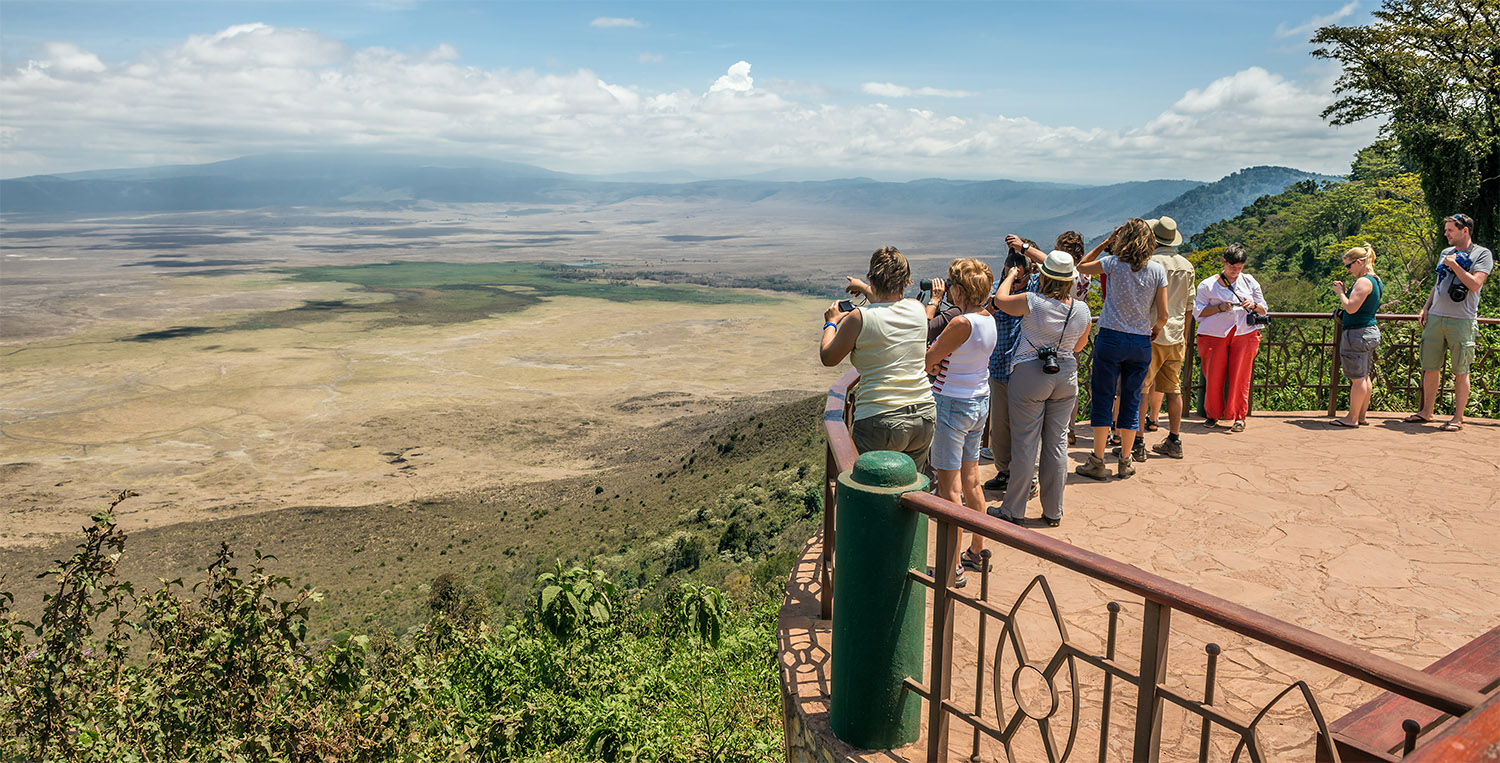
A Serengeti safari, Ngorongoro, and Lake Manyara for a 5-day safari in Tanzania offers a concentrated travel route across three world-renowned wildlife sanctuaries in the northern circuit. Covering over 17,000 square kilometers of protected wilderness, this journey combines diverse habitats, including groundwater forests, alkaline soda lakes, short-grass savannahs, and an ancient volcanic caldera. Travelers navigate roughly 750 kilometers of road networks in custom 4x4 safari vehicles equipped with pop-up roofs for optimal game viewing.
With opportunities to view 2,000,000 migrating ungulates, 3,000 resident lions, and rare black rhinos, this 5-day expedition maximizes wildlife exposure while keeping travel times efficiently structured. Daily game drives averaging 4 to 8 hours ensure optimal opportunities for photography, bird watching, and tracking big game throughout these distinct East African ecological zones.
Day 1: Arusha to Lake Manyara
Your driver picks you up in Arusha at 8:00 AM for a 1.5-hour, 120-kilometer drive west to Lake Manyara National Park. The park covers 330 square kilometers, with 200 square kilometers consisting of an alkaline soda lake. Spend 5 hours on an afternoon game drive navigating through dense groundwater forests fed by natural underground springs. Spot 100-strong troops of olive baboons, blue monkeys, and large herds of elephants grazing along forest clearings. As you approach the open shores, observe up to 100,000 lesser flamingos forming vibrant pink borders along the water, along with hippos and impalas. Keep your eyes on the branches of large mahogany and acacia trees to search for the park's famous tree-climbing lions resting away from ground heat. Arrive at your lodge by 5:30 PM for dinner and your overnight stay.
Day 2: Manyara to Serengeti National Park
Depart your lodge at 7:30 AM for a 5-hour, 200-kilometer drive through the Great Rift Valley and the green hills of the Ngorongoro Highlands toward Serengeti National Park. Pass through Naabi Hill Gate to enter the 14,763-square-kilometer reserve, a UNESCO World Heritage site home to high predator concentrations. Spend 3 hours on an afternoon game drive across the central Seronera region, where wide open grass plains host over 3,000 lions, 1,000 leopards, and 500 cheetahs. Track big cats as they patrol rock outcrops known as kopjes or hunt along river courses. Observe herds of giraffes, zebras, and Thomson's gazelles moving across the flat landscape before arriving at your central Serengeti tented camp by 6:00 PM for dinner, evening campfire relaxation, and a well-earned night's rest.
Day 3: Full-Day Serengeti Game Drive
Spend a full 8 hours exploring the Serengeti ecosystem, setting out early at 6:30 AM to catch predators during cool morning hours. Depending on the season, follow the Great Wildebeest Migration as 1.5 million wildebeest and 250,000 zebras move across short-grass plains in search of fresh water and grass. Drive along the Seronera River valley to view resident leopards resting in sausage trees, lion prides sleeping on granite boulders, and cheetahs scanning the horizon for prey. Observe smaller wildlife including serval cats, jackals, hyenas, and some of the 500 bird species recorded in the park, such as secretary birds and ostrich. Pause for a 1-hour picnic lunch under a shady acacia tree before continuing your afternoon safari search, returning to camp at 4:30 PM for an evening meal.
Day 4: Serengeti to Ngorongoro Conservation Area
Begin the day with an early 2-hour morning game drive through central Serengeti at 6:30 AM to spot nocturnal animals returning from night hunts. Return to camp for breakfast, then check out at 9:00 AM to start your 140-kilometer transit toward the Ngorongoro Conservation Area. En route, stop for 1 hour to visit a traditional Maasai Boma village to learn about native cultural customs, traditional dance movements, and pastoral living methods. Continue driving through the highland forests, reaching an elevation of 2,300 meters above sea level along the crater rim. Arrive at your lodge or tented campsite by 3:30 PM, giving you 3 hours of quiet relaxation time to enjoy panoramic views down onto the volcanic caldera floor before dinner service begins at 7:00 PM.
Day 5: Ngorongoro Crater Tour & Return
Depart your lodge at 6:00 AM to descend 600 meters down the steep dirt roads into the floor of the Ngorongoro Crater, an intact volcanic caldera covering 260 square kilometers. Conduct a 5-hour game drive across open grasslands, acacia woodlands, and Lake Magadi's soda shores. The crater floor shelters nearly 30,000 large mammals, providing an ideal environment to view 30 rare black rhinoceroses, giant bull elephants with massive tusks, hyena clans, and dense lion prides. Spot flamingos, golden jackals, hippos, and Cape buffaloes in this self-contained habitat. Ascend the crater wall at 11:30 AM for lunch, then begin the 4-hour, 190-kilometer drive back to Arusha, arriving by 4:30 PM for drop-off at your hotel or Kilimanjaro International Airport (JRO).
What makes the drive from Arusha to Manyara ideal?
The drive from Arusha to Lake Manyara National Park sets a smooth, comfortable pace for your 5-day Tanzanian safari. Covering roughly 120 kilometers in just 90 minutes, the paved highway moves gently through local towns, sunflower farms, and colorful markets. It offers a low-stress introduction to the country's rural culture without the immediate fatigue of rough, unpaved bush tracks.
Setting off around 8:00 AM gets you to the park gates by mid-morning, leaving plenty of time to check in and start game viewing early. The sudden transition from bustling highland towns into Lake Manyara’s cool, dense groundwater forest creates an instant contrast.
You go from tar roads straight into natural spring-fed forests filled with baboon troops and ancient mahogany trees. This short transfer time keeps travel energy high, ensuring you enter your first park refreshed and ready for a full afternoon of tracking elephants, flamingos, and tree-climbing lions.
How do you spot Lake Manyara’s tree-climbing lions?
Spotting tree-climbing lions in Lake Manyara requires a keen eye and guidance from an experienced local driver guide. Unlike most big cats across Africa, Manyara's lions frequently rest high up on sturdy mahogany and umbrella acacia branches. They climb trees primarily to escape biting insects on the forest floor and to catch cool breezes rising off the soda lake during hot afternoons.
During your 5-hour game drive, your guide navigates through groundwater forests and acacia woodlands, scanning thick branches 3 to 6 meters above the ground. Seeing a fully grown lion draped over a tree limb, with legs dangling on either side, offers a truly unique sight.
Beyond searching for cats, this afternoon drive lets you explore the shores of the alkaline soda lake. Here, up to 100,000 lesser flamingos line the water's edge in a bright pink band, alongside wallowing hippos, waterbucks, and 100-strong baboon troops foraging along the quiet forest floor.
What should you expect driving into the Serengeti plains?
Driving from Lake Manyara through the Ngorongoro Highlands into Serengeti National Park offers a dramatic transition across northern Tanzania's landscapes. The 200-kilometer journey takes about 5 hours, winding up steep green highlands before descending onto the flat, endless savannahs that give the Serengeti its name.
Passing through Naabi Hill Gate into the central Seronera region, the vast openness hits you immediately. The golden grass extends to the horizon, dotted only by granite rock outcrops called kopjes and isolated acacia trees.
Even while traveling to your camp, game viewing begins immediately. You will likely spot giraffes browsing on tall branches, herds of zebras crossing dirt tracks, and gazelles grazing near the road. The central sector hosts high predator densities, meaning lion prides or cheetahs are often resting on kopjes nearby. Arriving at camp by late afternoon gives you time to unpack, enjoy an open campfire, and listen to the nighttime sounds of the African bush.
How do you track the Great Migration in Serengeti?
Tracking the Great Wildebeest Migration in the Serengeti puts you at the center of nature's largest land mammal movement. Depending on the season, 1.5 million wildebeest and 250,000 zebras move together across the ecosystem following seasonal rains for fresh grass.
During your full-day game drive, your guide uses radio updates and tracking instincts to find the thickest concentration of herds. Watching thousands of animals move across open grassland in long, single-file lines creates an incredible wildlife sight.
Having 8 full hours on the plains allows you to follow the herds at a natural pace. High prey numbers naturally attract big cats, giving you prime opportunities to watch lions, leopards, and cheetahs patrolling the edges of the herds. You might see a cheetah scanning the fields from a termite mound or a lion pride resting in river shadows, waiting for evening to hunt.
Why is spending a full day in Serengeti beneficial?
A full day in Serengeti National Park allows you to explore deeper into remote sectors far away from main entry gates. Leaving camp at 6:30 AM takes advantage of cool morning hours when predators are active before the sun gets too hot.
You can follow winding riverbanks in the Seronera valley, where leopards often rest in sausage trees with their kills, and lion prides nap together on flat granite boulders. Spending 8 continuous hours in the field lets you slow down and observe animal behaviors without feeling rushed.
You can spend an hour sitting quietly near a waterhole watching elephant families bathe, or watch hippos jostle for space in muddy pools. A full day also leaves room for a relaxing 1-hour picnic lunch under a wild acacia tree, surrounded by wide-open wilderness, before resuming your afternoon search for servals, jackals, hyenas, and rare bird species.
What cultural activities occur en route to Ngorongoro?
Traveling from the Serengeti toward the Ngorongoro Conservation Area offers a great chance to pause and experience local Maasai culture firsthand. Along the 140-kilometer route, you can stop at a traditional Maasai Boma village for an interactive, hour-long cultural tour.
Local villagers welcome you with traditional songs and the Adumu—the famous jumping dance performed by Maasai warriors. Walking through the circular village, you learn how homes are built using native wood and mud, and how pastoralist families manage cattle in areas shared with wild predators.
It offers insight into how indigenous communities maintain their traditional lifestyle alongside modern conservation rules. Local artisans display handmade beadwork, jewelry, and wood carvings, giving you an opportunity to support village families directly. Pausing here breaks up the drive to the highlands, adding personal human connection to your safari before you reach your lodge on the crater rim.
What makes descending into the Ngorongoro Crater distinct?
Descending into the Ngorongoro Crater feels like entering a isolated, self-contained world filled with wildlife. Driving down the steep, 600-meter dirt track at 6:00 AM brings you onto a 260-square-kilometer volcanic floor enclosed by massive green walls.
Because the caldera keeps animals protected and supplied with fresh water year-round, nearly 30,000 large mammals live within this circular sanctuary. The crater provides one of the best places in East Africa to view rare black rhinoceroses, with roughly 30 individuals roaming the open grassland.
In just 5 hours, you can explore distinct micro-habitats, including short-grass plains, swampy marshes, fever tree forests, and the salt shores of Lake Magadi. It is common to see huge bull elephants with giant tusks, dense lion prides, golden jackals, hyenas, and hippos all within a short distance of each other, making every mile on the crater floor rewarding.
Which animals inhabit the Ngorongoro Crater floor year-round?
The Ngorongoro Crater floor supports an exceptionally high density of resident wildlife year-round due to its constant water supply and nutrient-rich soil. Thousands of zebras, wildebeest, and gazelles graze across the central grasslands, creating an easy food source for resident lion prides and spotted hyena clans.
Massive old bull elephants, famous for carrying some of Africa's largest tusks, wander through the Lerai Acacia Forest alongside waterbucks and bushbucks. Swamps host large pods of hippos that remain submerged during the heat of the day, while black-backed and golden jackals trot across open fields looking for small prey.
Lake Magadi attracts thousands of flamingos and waterbirds that feed in the shallow alkaline water. Most importantly, the enclosed shape of the caldera helps protect 30 endangered black rhinos, offering safari visitors a real chance to spot all members of the Big Five in a single morning.
How do morning game drives maximize wildlife sightings?
Starting game drives early in the morning, around 6:00 or 6:30 AM, dramatically increases your chances of seeing active wildlife. Predators like lions, leopards, cheetahs, and hyenas do most of their hunting during the cold nighttime and early dawn hours.
As the sun rises, you catch big cats finishing off early morning hunts, moving back to their cubs, or patrolling territorial borders before temperatures climb. Herbivores like elephants, rhinos, and antelopes are also out grazing actively in open clearings before seeking shade under thick trees later in the day.
Early morning sunlight offers soft, warm lighting that produces clear, vibrant wildlife photos without harsh midday glare. Furthermore, starting early means you reach popular waterholes and scenic vantage points before other vehicles arrive, giving you quiet, uninterrupted views of animals going about their natural morning routines.
Why is this 5-day safari perfect for travelers?
This 5-day safari itinerary offers an efficient route through northern Tanzania’s three most famous parks without requiring weeks away from home. By covering Lake Manyara, the Serengeti, and the Ngorongoro Crater, you experience three distinct ecosystems—groundwater forests, open savannahs, and an intact volcanic caldera—within a compact timeframe.
The route minimizes backtrack driving, using a logical circuit that keeps daily road trips manageable at 1.5 to 5 hours. You get to see an amazing variety of animals, including 2 million wildebeest, 3,000 lions, tree-climbing lions, flamingos, and rare black rhinos.
With balanced daily schedules that combine early morning game drives with afternoon transfers and restful evenings at comfortable camps, you get a rich safari experience. It hits the perfect mix of wildlife, culture, and landscapes for travelers looking for a complete Tanzanian adventure in less than a week.
Booking 5 Days safari in Tanzania with us Roads of Adventure safaris
Booking a 5-day Tanzania safari with Roads of Adventure Safaris is simple—just reach out through their contact page to secure your dates with a deposit. Your journey begins with a scenic drive from Arusha to Tarangire for an afternoon among huge elephant herds. Next, head into the vast Serengeti for two days of game drives tracking big cats and seasonal migration herds. On day four, transition to the Ngorongoro rim, then descend 600 meters into the volcanic crater for an unforgettable morning viewing rhinos and lions before your afternoon return to Arusha.
