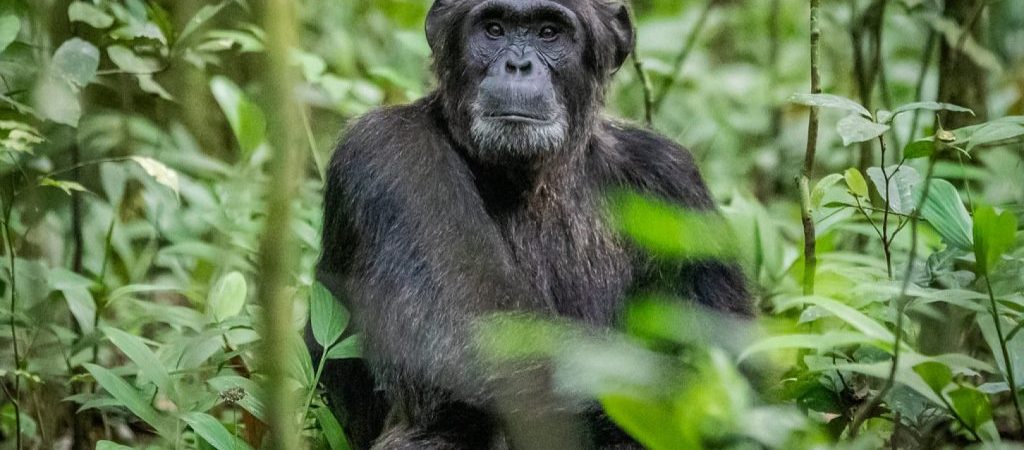
Chimpanzee tracking in Rwanda is primarily centered in Nyungwe Forest National Park and its smaller annex, Cyamudongo Forest. Permits cost $100 per person (as of 2025). Tracking starts early (5:30 AM), offering a chance to see habituated troops in their natural habitat, though sightings are not guaranteed. The experience is often combined with canopy walks and requires good hiking shoes, long-sleeved clothing, and, ideally, bookings through the Rwanda Development Board or a tour operator.
2-days-nyungwe-chimpanzee-tracking-and-canopy-walk
2-days-chimpanzee-tracking-in-nyungwe-and-kings-palace-cultural-tour
3-days-nyungwe-chimpanzee-tracking-and-lake-kivu-relaxation
3-days-budget-chimpanzee-tracking-in-nyungwe-forest-park
4-days-nyungwe-chimpanzee-trekking-canopy-walk-and-lake-kivu-relaxation
4-days-akagera-safari-and-chimpanzee-tracking-rwanda-safari
6-days-rwanda-safari-to-akagera-and-nyungwe-chimpanzee-tracking
9-days-best-family-rwanda-safari-holiday-big-five-canopy-walk-and-chimpanzee
What is Rwanda Chimpanzee Tracking?
Rwanda chimpanzee tracking is an exciting guided wildlife activity that allows participants to hike through lush tropical rainforests to locate and observe habituated chimpanzee communities in their natural habitat. This immersive experience offers a unique opportunity to engage with one of our closest relatives in the animal kingdom, enriching participants’ understanding of primate behavior and ecology.
During the tracking expedition, experienced guides lead small groups through the forests, often sharing insights about the surrounding flora and fauna. Participants are encouraged to be observant and patient as they search for the chimpanzees, whose unpredictable movements can sometimes make locating them a thrilling challenge. The activity typically takes place in the early morning when chimps are most active, searching for food and socializing.
The experience is not just limited to seeing the chimps; it also includes valuable learning about their social structures, communication methods, and the conservation efforts in place to protect these intelligent creatures. Chimpanzee tracking in Rwanda fosters a deeper appreciation for wildlife and the importance of preserving their habitats.
This adventure is not only for avid wildlife enthusiasts but also for anyone looking to experience nature in a profound way. As participants trek through the vibrant rainforest, they encounter a range of other wildlife, including various bird species, butterflies, and other primates, creating a complete ecological experience. In summary, Rwanda chimpanzee tracking is about adventure, education, and connection with the natural world.
Where Can I Go for Rwanda Chimpanzee Tracking?
The primary destination for Rwanda chimpanzee tracking is Nyungwe Forest National Park, renowned for its rich biodiversity and lush tropical rainforests. Within Nyungwe, the Uwinka and Cyamudongo sections are particularly popular for tracking chimpanzees, offering scenic landscapes filled with diverse flora. Uwinka serves as the main headquarters where visitors gather for orientation before embarking on their tracking adventures.
The park's extensive network of trails provides various options, allowing groups to choose routes that suit their preferences and fitness levels. As visitors walk through the dense vegetation, they immerse themselves in the sounds and sights of the forest, elevating the overall tracking experience.
In addition to Nyungwe, the Gishwati-Mukura National Park is an emerging location for chimpanzee tracking. This lesser-known park is enhancing its tourism offerings, providing access to primate species, including chimpanzees. As conservation efforts progress here, this park is expected to become another fantastic spot for chimpanzee encounters, attracting adventurous travelers eager to explore more of Rwanda’s unique wildlife.
Both parks offer the chance to observe chimpanzees in their natural habitats, though Nyungwe remains the standout location due to its established infrastructure and successful habituation of chimpanzee communities. Overall, whether in Nyungwe or Gishwati-Mukura, visitors to Rwanda can experience the thrill of tracking and observing these remarkable animals in beautiful and biodiverse settings.
How Much Does a Permit for Rwanda Chimpanzee Tracking Cost?
The cost of a permit for Rwanda chimpanzee tracking varies based on the visitor's nationality, thereby fostering inclusivity in wildlife tourism. As of the latest updates, the permit fees are structured as follows: $150 for international visitors, $75 for foreign residents, and $25 for East African citizens.
These fees grant access to the designated tracking areas within key national parks, allowing participants to engage in this unique wildlife experience. Although these costs might fluctuate due to administrative fees or seasonal changes, they often remain within this range to ensure affordability for different travelers while supporting conservation efforts.
Permits include not only the privilege of tracking the chimpanzees but also the expertise of trained guides who enrich the journey with insights about the chimpanzees’ behaviors and the ecological importance of their habitats. It's advisable to book permits in advance, especially during peak tourist seasons, to secure a spot in the limited tracking groups.
Additionally, these fees contribute to the conservation of Rwandan primates and their habitats, promoting responsible and sustainable tourism practices. By purchasing a permit, visitors play an integral role in the preservation of both chimpanzees and their ecosystems. In summary, the cost of a chimpanzee tracking permit in Rwanda not only grants access to exciting wildlife viewing but also supports vital conservation initiatives.
What is the Minimum Age for Rwanda Chimpanzee Tracking?
The minimum age for participating in Rwanda chimpanzee tracking is set at 15 years. This age limit is designed to ensure that participants possess a level of physical maturity and understanding necessary for the tracking experience. Trekking through dense rainforests can be physically demanding, requiring a certain level of fitness and stamina, which younger children may not yet possess.
Setting the age limit also helps to manage group dynamics and safety during the tracking sessions. With an upper limit on the number of participants per group (typically around eight), guides can maintain the attention and safety of everyone involved. This policy facilitates a more meaningful encounter with the chimps, ensuring that participants can enjoy their time while also minimizing potential disturbances to the animals.
In addition, the age requirement encourages families with older teens to engage in an educational adventure together, fostering an appreciation for wildlife conservation during the formative teenage years. Given the cognitive and emotional maturity expected of participants aged 15 and older, individuals in this age group are likely to appreciate the significance of the experience and the vital role that conservation plays in protecting primate species.
It’s essential for families planning to experience chimpanzee tracking in Rwanda to understand this age requirement in advance, allowing them to prepare adequately and maximize their safari experience. Overall, the minimum age for tracking is thoughtfully established to enhance safety and enjoyment for all participants.
How Do I Book a Permit for Rwanda Chimpanzee Tracking?
Booking a permit for Rwanda chimpanzee tracking is an essential step for those looking to partake in this thrilling experience. Permits can be reserved directly through the Rwanda Development Board (RDB), the government body responsible for managing and promoting tourism in the country. Visitors can find the relevant information on their website, which details the booking process, available dates, and payment options.
Alternatively, permits can also be purchased via the official Irembo platform, an online service designed for various governmental transactions in Rwanda, including tourism permits. This user-friendly interface guides users through the booking steps, allowing them to secure their desired tracking date efficiently.
Many travelers prefer to go through authorized tour operators who can handle the permit booking on their behalf. Tour operators often offer comprehensive packages that include permits, accommodation, transportation, and guided experiences. This option can be particularly beneficial for first-time visitors or those who prefer a more hassle-free approach, ensuring that all aspects of the chimpanzee tracking trip are well organized.
It’s advisable to book permits well in advance, especially during peak tourist seasons, as availability can be limited. Early bookings increase the likelihood of securing a spot for the desired tracking dates and allow for better planning of associated travel arrangements. Overall, whether booking directly, through Irembo, or with a tour operator, securing a tracking permit is the first step towards an unforgettable chimpanzee tracking adventure in Rwanda.
When is the Best Time for Rwanda Chimpanzee Tracking?
The best time for Rwanda chimpanzee tracking generally falls during the country’s dry seasons, which run from June to September and December to February. During these months, the trails are less slippery, making it easier to hike through the rugged terrain of the rainforests that house the chimpanzees. With drier conditions, the likelihood of encountering mud and difficult walking conditions decreases, providing a more comfortable experience for participants.
However, chimpanzee tracking is also popular during the wet season, primarily from March to May and October to November. Surprisingly, during this time, the abundance of ripe fruits in the trees often draws the chimpanzees to lower altitudes, making them easier to locate. As the chimps actively forage, tracking them can yield exciting encounters, even in wet conditions.
The choice of when to embark on a chimpanzee tracking adventure depends on personal preferences and priorities. Some travelers may prefer the ease of tracking during dry periods, while others may relish the challenge and reward of spotting chimps during the lush and vibrant wet seasons.
Regardless of when one chooses to visit, Rwanda’s overall climate is temperate, with pleasant daytime temperatures and cooler nights, enriching the tracking experience. Before setting out, it’s essential to consider both the seasonal weather conditions and the behavior of the chimps, as these factors influence the success and enjoyment of the tracking experience.
In summary, the best time for chimpanzee tracking in Rwanda largely depends on individuals’ preferences for trail conditions and interactions with these fascinating primates.
What is the Success Rate for Rwanda Chimpanzee Tracking?
The sighting success rate for Rwanda chimpanzee tracking is impressively high, estimated at around 90%. This substantial rate is attributed to the effective habituation of chimpanzee communities, whose familiarity with human presence allows for rewarding encounters. Their habituation is a process involving gradual exposure to humans over time, helping to reduce stress and fear among the primates.
Nonetheless, it’s important to keep in mind that while the success rate is high, it can never be guaranteed at 100%. Chimpanzees are highly mobile and may change locations for various reasons, including food availability, weather, or social behaviors. Therefore, even the most experienced guides may occasionally face challenges in locating them.
Factors such as the season, the specific chimpanzee community being tracked, and the time of day also influence the likelihood of a successful sighting. Early morning treks are often more fruitful, as the chimpanzees are typically more active during this time, engaged in feeding and socializing.
In addition, every tracking experience offers a unique adventure, creating opportunities for participants to observe not just the goal of finding chimps but also the rich diversity of wildlife within the rainforest. The guides enrich this exploration, sharing their knowledge about other animals, plants, and the ecology of the forest.
In summary, while expectant trackers can look forward to an impressive likelihood of seeing chimpanzees on their adventure, it’s essential to approach each tracking session with an understanding of the unpredictable nature of wildlife, embracing the excitement of discovery in the heart of Rwanda's beautiful rainforests.
How Long Does a Session of Rwanda Chimpanzee Tracking Take?
A session of Rwanda chimpanzee tracking typically lasts between 2 to 6 hours, including both the search for chimpanzees and the observation period once they are located. The actual time spent may vary depending on several factors, such as the proximity of the chimpanzee communities and the physical condition of the participants, amongst others.
Initially, participants gather for a briefing where they learn about safety protocols, the chimpanzee communities they will potentially see, and guidelines for respectful viewing. Following this orientation, the group embarks on a guided hike through the tropical rainforest, which can take anywhere from 1 to 3 hours, depending on how far the trail leads to the chimpanzees’ current location.
Once the chimps are located, the group is allowed a maximum observation time of one hour. This duration follows the established protocols to minimize stress on the primates and maintain a respectful distance from their natural behaviors. During this hour, participants can take photographs, observe the chimps interacting socially, and learn more about their habits from their knowledgeable guides.
The combination of tracking and observing allows for a comprehensive experience, letting participants fully appreciate the dynamic lives of these fascinating primates. Having a reasonable expectation of the time commitment helps visitors plan their day accordingly, ensuring they can enjoy this incredible wildlife experience to the fullest.
Overall, a chimpanzee tracking session is a well-planned adventure designed to maximize both enjoyment and educational value, allowing participants to connect with these remarkable animals while respecting their natural environment.
How Many People Can Join a Rwanda Chimpanzee Tracking Group?
When it comes to Rwanda chimpanzee tracking, groups are generally limited to 8 people per chimpanzee community per day. This limitation is strategically implemented to minimize disturbance to the chimpanzees and enhance the experience for participants. Smaller group sizes allow for more personalized interactions with guides, enriching the overall educational component of the tracking experience.
The restriction on group sizes ensures that chimps, already habituated to human presence, are not stressed by large crowds. By maintaining this smaller, controlled environment, the chances of observing their natural behaviors increase, allowing participants to gain more profound insights into the chimps’ social interactions, communication, and daily activities.
Furthermore, smaller groups make it easier for guides to manage the tracking process more effectively. With fewer participants to coordinate, guides can offer more tailored attention, ensuring everyone is engaged and understands what they might encounter throughout the trek.
While the limit of 8 participants per group enhances the overall experience, it is also advisable to book permits in advance due to rising interest in wildlife tourism in Rwanda. This ensures that spots are secured and participants can enjoy an intimate encounter with these extraordinary primates.
In summary, the limitation of group size during Rwanda chimpanzee tracking serves multiple purposes: fostering a respectful interaction with the chimps while also enhancing the educational experience for all participants involved.
What Should I Wear for Rwanda Chimpanzee Tracking?
When preparing for Rwanda chimpanzee tracking, it's essential to dress appropriately for the rainforest conditions and the physical activity involved. Proper attire greatly enhances comfort, mobility, and safety during the tracking experience.
First and foremost, sturdy hiking boots are imperative for navigating the sometimes slippery and uneven terrain. Opting for waterproof boots can provide extra protection against rain or mud, ensuring that feet stay dry and comfortable throughout the adventure.
Secondly, participants should wear long-sleeved shirts and long trousers. Long sleeves and pant legs protect against scratches from vegetation and bites from insects, enhancing comfort during the trek through dense foliage. Choosing breathable, moisture-wicking fabrics helps regulate body temperature during active hiking sessions.
Additionally, it's advisable to wear neutral colors, such as khaki, green, or browns. Dressing in bush colors helps participants blend into the natural surroundings, minimizing disturbance to the wildlife, particularly the chimpanzees. Bright colors can startle animals and hinder the goal of observing them in their natural state.
Carrying a light rain jacket is also crucial, as tropical rainforests frequently experience unexpected rain showers. A lightweight and breathable option will keep participants comfortable when encountering wet conditions without causing overheating.
In summary, proper clothing choices significantly impact the enjoyment and safety of a chimpanzee tracking experience in Rwanda. By wearing suitable attire, participants can navigate the rainforest with confidence while respecting the natural environment and its inhabitants.
Is Rwanda Chimpanzee Tracking Difficult?
Rwanda chimpanzee tracking is considered to be of moderate to challenging difficulty. Participants should be prepared for physical exertion, as the activity often involves hiking through steep slopes, dense vegetation, and potentially muddy trails. While many individuals can successfully engage in the tracking experience, a reasonable level of physical fitness is required to maneuver through the varying terrain efficiently.
The trails may vary in their complexity, with some routes involving more strenuous climbs and others being more accessible. That said, guides usually assess the fitness levels of participants before setting out, allowing them to tailor group dynamics and tracking routes to suit everyone’s capabilities.
Participants should also be aware of the possibility of environmental factors that can increase difficulty, such as rain and mud. The tropical rainforest setting can make conditions slippery and challenging, requiring steady footing and caution while navigating trails.
The trek typically lasts several hours, often requiring stamina and persistence from participants. Although it can be physically demanding, many find the rewards outweigh the challenges. Upon successfully locating the chimpanzees and spending time observing them, participants often feel a profound sense of accomplishment and fulfillment.
In summary, while Rwanda chimpanzee tracking can be moderately challenging, it's accessible to individuals with a reasonable level of fitness. Those giving due thought to preparation and safety can embark on a remarkable adventure that offers unforgettable insights into the lives of these incredible primates.
Can I Hire a Porter for Rwanda Chimpanzee Tracking?
Yes, visitors participating in Rwanda chimpanzee tracking have the option to hire a porter to assist them during the trek. Porters can provide valuable support by helping carry bags and personal items, allowing participants to focus on the tracking experience.
The cost for hiring a porter is typically around $20 USD for the duration of the tracking session. For many, this modest investment proves beneficial, especially on more challenging trails where steep sections and uneven footing may require extra physical support.
Porters can also offer added peace of mind, particularly for individuals who may not be accustomed to hiking in such conditions. With a porter alongside, participants can tackle the trek with a bit more ease, knowing they have assistance navigating the terrain and managing their gear.
In addition to carrying personal belongings, porters often have local knowledge that can further enrich your experience. They may share insights about the area, the flora and fauna, and even provide extra assistance during highlights along the trek.
Overall, opting to hire a porter while chimpanzee tracking in Rwanda can enhance the experience, making the activity more enjoyable and less strenuous. Investing in a porter not only offers practical support but also contributes to the local economy, reinforcing the importance of sustainable tourism in the region.
Are There Any Health Requirements for Rwanda Chimpanzee Tracking?
For those considering Rwanda chimpanzee tracking, maintaining good health is a crucial requirement. Visitors must be in sound health as a precaution against the potential transmission of communicable diseases to the chimpanzees. Since these primates are highly susceptible to human illnesses, strict health guidelines help protect their populations.
Travelers with symptoms of communicable diseases such as the flu, cough, or diarrhea may be denied participation in tracking activities. This policy is firmly in place to prevent the spread of illnesses and safeguard both the health of the chimpanzees and the overall biodiversity of their habitat.
Before embarking on the tracking adventure, it's advisable for participants to undergo a brief health assessment. This informative process ensures that everyone in the group is free from contagious conditions, prioritizing the well-being of both humans and wildlife alike.
Additionally, travelers should consider taking basic health precautions during their visit to Rwanda. Vaccinations for diseases like Yellow Fever are recommended and may be required as part of entry into the country. Furthermore, maintaining good personal hygiene—such as sanitizing hands and avoiding direct contact with the chimpanzees—serves as an additional protective measure.
In summary, being in good health is a fundamental requirement for participants engaging in Rwanda chimpanzee tracking. Compliance with the guidelines reinforces the commitment to conservation efforts and the welfare of these remarkable animals.
How Much Time Can I Spend with the Chimps During Rwanda Chimpanzee Tracking?
Once participants have successfully located the chimpanzees during their tracking adventure, they are allowed a maximum of one hour to observe and photograph them. This time limit is established to minimize disturbance to the chimpanzees and to ensure they can engage in their natural behaviors without excessive human interference.
During the hour of observation, participants can take in the captivating dynamics of chimpanzee social interactions, grooming habits, and playful behaviors, all in their natural habitat. This intimate glimpse into their lives is a major highlight of the tracking experience, and diligent guides are on hand to provide valuable insights and enhance understanding of what is observed.
The time constraint encourages participants to remain focused and engaged, capturing memorable moments while respecting the primates’ space. Guides emphasize the importance of remaining calm and quiet, allowing everyone to appreciate this extraordinary wildlife experience.
Additionally, the one-hour limit is in line with sustainable tourism practices established to protect wildlife populations. By regulating the length of exposure, the guidelines help maintain the well-being of the chimpanzees while maximizing the overall quality of interaction between visitors and these incredible animals.
What is the Difference Between Uwinka and Cyamudongo for Rwanda Chimpanzee Tracking?
When it comes to Rwanda chimpanzee tracking, Uwinka and Cyamudongo represent two distinct experiences within Nyungwe Forest National Park.
Cyamudongo is a smaller, isolated forest patch renowned for its relatively easy access to chimpanzee communities. Being less expansive than Uwinka, it offers a more localized environment where chimps are often easier to locate. This appeal to visitors is particularly significant, especially for those who may have physical limitations or time constraints. The concentrated area means that treks to find the chimpanzees are typically shorter, allowing visitors to maximize their time observing these fascinating primates once they are located.
On the other hand, Uwinka is part of the larger expanse of Nyungwe National Park, offering more extensive trails and a broader range of biodiversity. While this area may require longer hikes, it provides a more immersive experience in the park's unique ecosystems. Visitors in Uwinka can encounter other wildlife species along the trail, adding to the overall adventure and ecological appreciation during their trek.
Both locations have their unique advantages. While the more compact nature of Cyamudongo allows for shorter, potentially less strenuous tracking, Uwinka grants visitors the chance to explore a much larger area filled with diverse flora and fauna. Ultimately, the choice between the two may come down to personal preferences regarding physical capabilities and the type of overall experience desired in Rwanda's lush rainforests.
What Essentials Should I Pack for Rwanda Chimpanzee Tracking?
Packing the right essentials for Rwanda chimpanzee tracking is crucial for ensuring a comfortable and enjoyable experience while navigating the lush forests.
First and foremost, a rain jacket is essential given the unpredictable tropical climate. Rain can occur at any time, so a lightweight and breathable waterproof jacket will keep participants dry and comfortable. Insect repellent is another necessity, protecting against mosquito bites and other insects that can be troublesome in forested areas.
Water is equally essential, with a recommendation to bring at least 2 liters to stay hydrated during the trek. Energy snacks, such as nuts, energy bars, or dried fruits, provide vital nourishment and quick energy during the more strenuous hikes and waiting periods during tracking.
A camera (without flash) is also important for capturing memorable moments with the chimpanzees. However, using flash photography is strictly prohibited as it can startle or disturb the animals. Additionally, binoculars enhance the experience by allowing participants to observe not just the chimps but other wildlife in the majestic rainforest.
Lastly, wearing appropriate clothing such as sturdy hiking boots and neutral-colored attire will contribute to a more enjoyable and safe tracking experience. By packing these essentials, participants can increase their chances of having a successful and fulfilling chimpanzee tracking adventure in Rwanda’s stunning natural landscapes.
Is Flash Photography Allowed During Rwanda Chimpanzee Tracking?
During Rwanda chimpanzee tracking, flash photography is strictly prohibited. This rule is in place primarily for the well-being of the chimpanzees, who can be easily startled or agitated by sudden bursts of light. Such reactions can jeopardize not only the safety of the visitors but also stress the animals, potentially affecting their natural behaviors and interactions.
The chimpanzees are habituated to human presence to a degree, but they remain wild animals with their instincts. Therefore, minimizing any disturbances is crucial in maintaining their comfort and health. Flash photography can create an environment that unnerves the chimps, leading them to behave differently than they normally would, which can detract from the overall experience for onlookers.
Participants are encouraged to use natural light when capturing images to document their encounters. Many cameras and smartphones have settings that adjust sensitivity to low light, which allows for adequately exposed images without the need for flash. Moreover, taking photos without flash fosters a more respectful and harmonious interaction with these incredible primates.
In summary, while capturing the unique moments during chimpanzee tracking is important, respecting the guidelines regarding flash photography is essential for ensuring the safety and well-being of the animals. By adhering to these rules, visitors contribute to positive conservation efforts and enjoy a more authentic wildlife experience.
What is the Safe Distance to Keep During Rwanda Chimpanzee Tracking?
During Rwanda chimpanzee tracking, it is critical to maintain a safe distance from the chimpanzees at all times. The recommended distance is between 7 to 10 meters (about 23 to 33 feet). This space is essential for both the safety of the visitors and the well-being of the chimpanzees.
Keeping a respectful distance allows the chimpanzees to engage in their natural behaviors without feeling threatened or distressed by human presence. Approaching too closely may provoke defensive reactions from the animals, leading to stress or even aggressive behaviors. Additionally, a safe distance helps protect participants from potential hazards associated with interactions with wild animals.
Guided tours are conducted by trained professionals who can monitor the chimpanzees’ reactions and ensure that visitors adhere to this safe distance. These guides also provide insightful information about the chimps’ behaviors and ecology, enhancing the overall educational aspect of the tracking experience.
Moreover, maintaining this safe distance aligns with conservation principles that prioritize respectful interactions with wildlife. Such practices help ensure that the chimpanzees can continue to thrive in their natural habitats without human interference.
In summary, adhering to the guideline of a 7-to-10-meter distance during chimpanzee tracking is fundamental for safeguarding both the animals and visitors. By respecting this distance, participants can enjoy a unique wildlife experience while promoting the conservation of Rwandan primates.
Can I Eat or Drink Near the Chimps During Rwanda Chimpanzee Tracking?
No, consuming food or drinks near the chimpanzees during Rwanda chimpanzee tracking is strictly prohibited. This rule is in place primarily to safeguard the health of the chimps and to prevent any potential behavioral changes that might arise from human interactions.
Chimpanzees are susceptible to human diseases, and eating or drinking in their presence could pose a significant risk in terms of disease transmission. Even a simple cough or sneeze can expose the chimps to illnesses for which they have no immunity. Therefore, adhering to strict guidelines regarding food and drink minimizes the risk of affecting their health.
Additionally, consuming food in close proximity to wildlife can alter their natural behaviors. Chimps are curious creatures; if they associate humans with food, it may lead to them becoming more aggressive or dependent on human food sources, which can have detrimental effects on their natural foraging behavior.
Visitors are encouraged to take breaks during their trek to consume any snacks or water away from the chimpanzee interaction zones. This ensures that the chimpanzees can remain undisturbed and conduct their natural activities freely.
In summary, strict adherence to the no eating or drinking policy during chimpanzee tracking is essential for both preserving the health of the chimps and maintaining the integrity of their natural behaviors. By following these guidelines, visitors contribute to the overall conservation efforts and promote responsible wildlife tourism.
What Time Does Rwanda Chimpanzee Tracking Start?
Rwanda chimpanzee tracking typically begins with early morning briefings, which usually commence around 5:00 AM or 5:30 AM. This early start is crucial for maximizing the chances of locating chimpanzee groups during their most active hours. Participants will generally need to wake up around 4:30 AM to prepare and travel to the tracking base in Nyungwe Forest National Park.
The early start enhances the overall experience by allowing trekkers to explore the forest before the heat of the day sets in, increasing the likelihood of encountering the chimps engaged in their morning activities like foraging and socializing. Additionally, the cool morning temperatures are more comfortable for hiking through the dense rainforest.
After the briefing, participants receive essential information about safety protocols, guidelines on interacting with the chimpanzees, and possible trails to follow. Once everyone is informed and ready, groups are guided into the forest to begin their search.
The early morning timing also helps curtail any potential crowding during peak tourist seasons, ensuring that small groups can experience the tracking session more intimately.
Overall, the structured schedule of early morning briefings, combined with the opportunity to observe chimpanzees at their most active, makes for a well-planned and fulfilling tracking experience in Rwanda’s captivating rainforests.
Are There Toilets Available During Rwanda Chimpanzee Tracking?
While engaging in Rwanda chimpanzee tracking, participants should be aware that there are no toilets available in the forest. This absence of restroom facilities means that those embarking on the trek must plan accordingly.
When nature calls, guides are prepared to assist participants by helping to dig a small hole, typically about 30 centimeters (roughly 12 inches) deep. This practice reflects basic rules of wilderness etiquette, as visitors are expected to ensure that the hole is adequately covered afterward to minimize environmental impact.
Preparation for this need is essential before embarking on the tracking exercise. Participants are encouraged to use the facilities available at the tracking base before heading into the forest. Additionally, being mindful of hydration while also balancing the need to minimize bathroom breaks contributes to a more enjoyable experience while tracking.
Understanding these practical considerations is important for maintaining the flow of the tracking experience, as searching for and observing chimpanzees often requires significant time and effort. By preparing for restroom needs in advance, participants can focus fully on the exhilarating adventure of locating these remarkable primates in their natural habitat.
In summary, participants in Rwanda chimpanzee tracking should be aware of the lack of toilet facilities, plan accordingly, and follow the guidelines for responsible bathroom practices to ensure a smooth and respectful tracking experience.
What Other Activities Can I Combine with Rwanda Chimpanzee Tracking?
When planning a visit for Rwanda chimpanzee tracking, there are several exciting activities that can be combined to create a diverse and enriching experience within Nyungwe Forest National Park.
One popular addition is the Canopy Walk, a thrilling suspended walkway high above the forest floor. This experience offers breathtaking views of the lush tree canopy and opportunities to spot various bird species and other wildlife from a unique perspective. The Canopy Walk is particularly suitable for those seeking an adrenaline rush and picturesque scenery.
Another captivating option is colobus monkey tracking, where visitors can search for large groups of the fascinating, tree-dwelling colobus monkeys. This activity provides a chance to observe different primate behaviors and interactions in their natural environment, adding to the overall wildlife experience.
Bird watching is another rewarding activity, as Nyungwe is renowned for its abundant avifauna. With over 300 bird species, including many endemics, enthusiasts can bring their binoculars for a unique opportunity to observe and identify a multitude of vibrant birds throughout the park’s diverse habitats.
For those interested in hiking, the Isumo Waterfall trail presents a chance to explore the scenic beauty of Nyungwe. This moderately challenging trail leads to a stunning waterfall, offering a rewarding experience for those who enjoy trekking amid beautiful landscapes.
Overall, combining chimpanzee tracking with these additional activities enriches the visit to Rwanda's captivating ecosystems, ensuring a well-rounded and unforgettable adventure in nature.
Is Rwanda Chimpanzee Tracking Safe?
Yes, Rwanda chimpanzee tracking is considered highly secure for visitors. Safety is a paramount concern during these excursions, with various measures in place to ensure the well-being of both participants and the chimpanzees.
All tracking groups are accompanied by experienced guides who have undergone rigorous training. These guides are knowledgeable about chimpanzee behavior and the surrounding ecosystem, which helps to further mitigate any risks that could potentially arise during the tracking experience. Their expertise enables them to assess the chimpanzees’ reactions and adjust the group’s approach accordingly to maintain a safe distance and avoid distressing the animals.
In addition to guides, participants are also accompanied by armed rangers who provide an extra layer of security. These rangers monitor the area for potential threats, ensuring that both visitors and the chimpanzees can enjoy a safe experience.
Moreover, health and safety protocols are strictly enforced, including guidelines on maintaining distance from the chimps and preventing the spread of diseases. Visitors must also present themselves in good health before participating in tracking activities to avoid any risk of transmitting illnesses to the chimpanzees.
Overall, the careful attention to safety measures, guided by trained professionals, ensures that visitors can enjoy the thrill of chimpanzee tracking in Rwanda with confidence. The structured approach supports a safe, enjoyable, and responsible wildlife experience, contributing positively to conservation efforts in the region.
How Far is the Tracking Site from Kigali?
The drive from Kigali to Nyungwe Forest National Park, the primary site for Rwanda chimpanzee tracking, takes approximately 5 to 6 hours. This distance translates to around 200 kilometers (124 miles), depending on the routes taken and specific destination points within the park.
The journey to Nyungwe is often scenic, offering travelers stunning views of rolling hills, terraced farmland, and lush landscapes that characterize Rwanda, earning it the nickname "The Land of a Thousand Hills." The drive can also be an educational experience, where visitors get glimpses of local culture and daily life along the way.
For those short on time or wishing to experience the convenience of travel, domestic flights are available to nearby airstrips, such as Kamanzi Airstrip. The flight options reduce travel time significantly, enabling visitors to reach the park swiftly and directly.
Regardless of the travel method chosen, the journey to Nyungwe ultimately sets the stage for the unforgettable experience of trekking through rainforests in search of chimpanzees. The time spent traveling connects participants with the beautiful landscapes of Rwanda and builds anticipation for the adventures that lie ahead in the rainforest.
In summary, Nyungwe Forest National Park is within a 5 to 6-hour drive from Kigali, making it a manageable and worthwhile journey for travelers eager to experience chimpanzee tracking and the rich biodiversity of Rwanda's majestic forests.
Can I Use My Gorilla Permit for Rwanda Chimpanzee Tracking?
No, a gorilla permit cannot be used for Rwanda chimpanzee tracking, as these are entirely separate activities that require distinct permits. Each experience has its unique guidelines, regulations, and conservation considerations specific to the species being tracked.
Gorilla trekking permits are specifically issued for engaging with mountain gorillas in designated national parks, primarily in Volcanoes National Park. These permits are typically more expensive—often exceeding $1,500 USD—and reflect the high demand for this unique wildlife experience where participation is limited to small groups.
In contrast, chimpanzee tracking permits are much more affordable, costing around $150 USD for international visitors. This differentiation highlights the varying levels of conservation effort, infrastructure, and tourism management required for the two experiences.
Travelers keen on participating in both gorilla trekking and chimpanzee tracking must secure separate permits for each activity. This requirement encourages responsible wildlife tourism, ensuring proper management of the species and their habitats while contributing to conservation funding.
It’s essential for visitors to plan ahead and book both permits in advance, especially during peak seasons when interest in both activities tends to rise. By understanding the distinct nature of these permits, travelers can better organize their itineraries to maximize their wildlife experience in Rwanda.
What are the Rules Regarding Noise During Rwanda Chimpanzee Tracking?
Maintaining quietness during Rwanda chimpanzee tracking is critically important for protecting the well-being of the chimpanzees and ensuring a successful wildlife encounter. Visitors are required to adhere to specific noise guidelines while engaging in this unique experience.
Participants must speak in low tones to avoid startling or upsetting the chimpanzees, who thrive on maintaining their natural social dynamics. Loud noises or sudden movements can provoke anxiety in these animals, disrupting their behaviors and may even lead them to retreat from human interaction. It’s essential to be mindful that chimpanzees are wild animals, and the goal is to observe them in their natural state without causing disturbance.
Additionally, guides encourage visitors to limit their chatter and focus on the experience, allowing for deeper engagement with both the chimps and the surrounding environment. Observing the chimps’ behaviors becomes more enriching when participants are attentive and patient.
This emphasis on low noise levels not only enhances the tracking experience for visitors but also aligns with conservation principles designed to preserve the natural behaviors of chimpanzees and minimize stress. By respecting these guidelines, visitors contribute positively to the overall conservation efforts aimed at protecting Rwanda's unique wildlife and ensuring that future generations can also enjoy witnessing these incredible animals in their natural habitats.
Booking Rwanda chimpanzee tracking with us Roads of Adventure safaris
Experience the ultimate primate encounter by booking your Rwanda chimpanzee tracking expedition with Roads of Adventure Safaris. Our expert team streamlines the entire process, securing your official permits and coordinating seamless logistics to Nyungwe Forest or Gishwati-Mukura.
We provide professional guides and comfortable transport, ensuring you reach the briefing points by dawn. Beyond Rwanda chimpanzee tracking, we offer tailored itineraries including the Canopy Walk and Gorilla trekking. Trust us to handle every detail of your journey into the heart of the Albertine Rift for a safe, sustainable, and unforgettable wildlife adventure.
