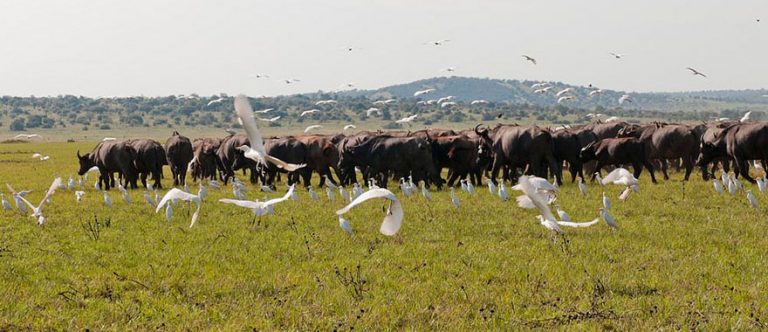
Akagera National Park, located 2-3 hours from Kigali, is Rwanda's premier savannah birding destination with over 500 species, including the rare Shoebill Stork, Papyrus Gonolek, and Red-faced Barbet. The park features diverse habitats like wetlands and plains, best explored via boat trips on Lake Ihema and game drives
12-days-perfect-rwanda-birding-safari-itinerary
10-days-best-rwanda-birding-safari-combined-with-rwanda-gorilla-trekking-vacation
5-days-perfect-rwanda-birding-safari-and-wildlife-and-gorilla-trekking
14-days-rwanda-uganda-birding-safari-extravaganza-focused-on-the-albertine-endemics
18-days-rwanda-uganda-birding-safari-and-primate-experience
17-days-rwanda-birding-safari-and-uganda-birding-tour-combined-vacation
- Specialties: Papyrus Gonolek, Red-faced Barbet, Swamp Flycatcher, Arnot’s Chat, Long-tailed Cisticola
Targeting specialty species is one of the great satisfactions of birding in wetland and edge habitats, where a few habitat specialists and localized breeders reward careful searching. The Papyrus Gonolek is an iconic papyrus swamp species: a skulking, brightly colored bush-shrike that prefers dense papyrus belts and is most reliably found along protected swamp margins and slow-moving waterways. Finding it often means a quiet approach in a small boat or a careful walk along boardwalks at first light; its distinctive, mellow calls are frequently the first clue.
The Red-faced Barbet is a forest-edge and mosaic-habitat specialist with a compact range and conspicuous facial coloration that repays patient, scope-assisted looks. It favors patches of woodland and forest-savanna edges where fruiting trees provide food; early morning stakeouts near fruiting fig trees or park edges increase chances.
Swamp Flycatcher is a water-edge insectivore that hawks from low perches over reedbeds and marsh margins. Look for it on exposed twigs in papyrus and reed-dominated habitats where it sallies for flying insects; it is often easier to see during calm, sunny mornings when insect activity is high.
Arnot’s Chat is a showy, ground- and low-shrub forager of open grassy habitats and rocky outcrops. Males are conspicuous on perches, where their melodious song and territorial displays make them easier to locate. Long-tailed Cisticola—an unobtrusive resident of tall grass and wetland fringes—is best detected by its characteristic buzzing display flight and aural cues rather than by prolonged visual contact.
To maximize success for these specialties, coordinate habitat-specific visits (papyrus belts, reedbeds, forest edges and grasslands) with an experienced local guide, schedule dawn and early-morning sessions, and use a quiet boat or boardwalk access for swamp species. A scope, patience, and quiet movement are essential—many of these birds reveal themselves by sound or flight display before they sit for close inspection.
- Wetland/Waterfowl: Shoebill, African Fish Eagle, Grey Crowned Crane, Herons, Cormorants
Wetland and waterbird watching in East Africa is thrilling because large, conspicuous species often co-occur with more secretive marsh specialists—creating dramatic contrasts in scale and behavior. The Shoebill is the marquee wetland species: a prehistoric-looking, solitary predator of papyrus-lined channels and shallow lakes. Sightings require patience and often a quiet, early-morning boat trip through papyrus channels. When a shoebill stands motionless and then strikes with catastrophic speed, it is a sight to remember; experienced boat drivers and guides who know recent roosts and feeding areas greatly increase the odds.
African Fish Eagle is ubiquitous around larger water bodies and readily identified by its ringing call and white head. It perches prominently on shoreline trees or dead snags, scanning for fish and launching dramatic plunge-dives. Grey Crowned Crane favors wetter grasslands and marsh edges where it forages for invertebrates and seeds; its stately presence and bouncing courtship displays make it an attractive photographic subject.
Herons and egrets—from the large Goliath Heron to smaller pond herons and egrets—are abundant along riverine margins and lakeshores, each occupying slightly different foraging niches (deeper water vs. shallow margins). Cormorants congregate on sunlit rocks or sheltered islands to dry wings and fish in deeper water, and their diving behavior adds dynamic action to boat-based trips.
To see these species well, plan early-morning or late-afternoon boat outings on lakes and wide rivers. Use binoculars and a scope for distant loafing birds, and maintain quiet, low-profile movement to avoid flushing wary species. Guide knowledge of seasonal water-level changes and fish movements is invaluable, because concentrations of large waterbirds often follow prey availability. Respect nesting colonies and maintain viewing distances—wetlands are sensitive breeding habitats.
- Habitats: Swamps, Lakes, and Savannah Plains — a varied birding experience
A landscape mosaic—swamps, permanent lakes, riverine gallery forest, and adjacent savannah plains—creates extraordinary diversity by stacking habitat-specific bird communities within short travel distances. Swamps and papyrus belts are specialized environments supporting species such as papyrus-dependent gonoleks, swamp warblers and reed-dwelling flycatchers; their dense vegetation supports secretive, vocal marsh specialists that are best approached by boat or guided boardwalks. Lakes and open water attract large waterbirds—shoebill (where present), herons, egrets, cormorants and waterfowl—together with raptors like the African Fish Eagle that patrol shorelines.
Riverine forest and gallery strips act as habitat corridors and hotspots for woodland and forest-edge species. These linear habitats concentrate fruiting trees, providing focal points for frugivores like turacos and hornbills, and supporting small insectivores that join mixed-species flocks. They also serve as excellent early-morning stakeouts where one can hear and see a mixture of canopy and understorey birds.
Savannah plains add another dimension: open-country species such as chats, larks, pipits and cisticolas are abundant here, and these areas often host ground-dwelling species and opportunistic raptors. Seasonal wetlands within the plains may swell after rains, temporarily boosting waterbird numbers and creating ephemeral concentrations of migrants.
Because each habitat concentrates different guilds—papyrus specialists in swamps, canopy specialists in gallery forest, and open-country birds on the plains—you can accumulate diverse species within a small geographic area by moving between habitats across the day. Practical planning—early mornings in swamps or riverine strips, mid-morning canopy or lake sessions, and late-afternoon visits to the plains—optimizes detections. A local guide will help you sequence habitat visits to match target species’ activity windows and seasonal movements.
- Boat Safari: Lake Ihema for papyrus-dwelling species and large aquatic birds
A guided boat safari on Lake Ihema (or similar large wetlands) is one of the most effective and enjoyable ways to encounter papyrus specialists and large aquatic birds. The shallow coves and papyrus channels that fringe the lake concentrate species that are otherwise extremely difficult to reach from shore—Papyrus Gonolek, various swamp warblers, and reed-dwelling flycatchers—because boats allow quiet, low-profile entry into their habitat. Early morning is prime time: mist on the water, heightened bird activity, and better chances of finding sedentary or foraging shoebills and herons.
Lake boat trips also provide spectacular views of large waterbirds such as African Fish Eagle, Grey Crowned Crane in adjacent marshes, and flocks of cormorants and herons fishing or roosting on small islets. Boat-based vantage points allow unobstructed viewing across open water, easy photography from a stable platform, and a broader scan radius than shoreline stands. Guides and skippers who know recent sightings, roost sites, and tidal or wind-driven bird movements will direct you to the most productive channels and floating vegetation margins.
Boat safaris also offer a complementary wildlife experience—hippos, crocodiles, and water-associated mammals or mammals drawn to waterholes can often be seen from the boat, adding variety to bird encounters. For comfort and safety, wear layered clothing to handle early-morning chills, bring waterproof protection for optics, and follow guides’ instructions regarding distance from sensitive nests or roosts. Limit noise and avoid sudden movements to increase the chance that secretive papyrus specialists will remain visible. With patient, quiet cruising and an expert guide, a Lake Ihema boat safari is one of the best single activities to add rare and iconic wetland birds to your checklist.
What is the Best Time for a Rwanda Birding Safari in Akagera National Park?
The ideal time for a Rwanda birding safari in Akagera National Park is during the dry season, which spans from June to September. During these months, water levels in the park are significantly lower, leading to concentrated bird activity as many species gather around remaining water bodies. The dry season also provides more favorable weather conditions, with less rain and clearer skies, which are advantageous for birdwatching and photography.
While June to September is optimal, birding in Akagera National Park remains possible throughout the year. Each season offers its unique highlights; for instance, the rainy season, from October to May, brings vibrant greenery and can sometimes yield sightings of migratory birds. Even during this time, the park’s diverse habitats, including wetlands, savannah, and woodlands, support a plethora of bird species.
In summary, while the dry season offers the best opportunities for concentrated birdwatching experiences, visitors can enjoy birding year-round in Akagera National Park. Those planning a birding safari should consider their specific interests and the species they hope to see, which may influence the timing of their visit to this exquisite park.
How Many Bird Species Can Be Seen on a Rwanda Birding Safari in Akagera National Park?
Akagera National Park is a birdwatcher’s haven, boasting over 482 recorded bird species. This incredible diversity encompasses a wide range of habitats, from savannah and wetlands to forests and lakes. The park’s varied landscapes create optimal conditions for both resident and migratory birds, making it a prime destination for avid birdwatchers.
Bird species in Akagera can be categorized into several groups, including waterbirds, which thrive around the park’s numerous lakes and wetlands. Species like the African Fish Eagle and the Shoebill Stork thrive in these areas. The savannah regions are home to a variety of raptors, while the forested areas host myriad songbirds and forest dwellers.
Additionally, the park serves as a critical stopover for migratory birds, especially during the wet season, enhancing its avifauna. With opportunities to observe both common species and endemic birds, Akagera offers birdwatchers a rich experience that can cater to both novice and expert enthusiasts alike.
In essence, Akagera National Park is a treasure trove of bird species, promising sightings of both familiar and exotic birds, making it an essential destination for birding safaris in Rwanda.
What Are the Key Birding Hotspots During a Rwanda Birding Safari in Akagera National Park?
Akagera National Park features several key birding hotspots that enhance the birdwatching experience. Prominent among these is Lake Ihema, which is a vital area for observing water birds such as herons, kingfishers, and even the elusive African Finfoot. This lake is not only gorgeous but also hosts diverse aquatic life, attracting a variety of bird species that come to feed.
Another critical area is the Kilala plains, known for raptors. This vast space provides an excellent vantage point for spotting the majestic African Fish Eagle, as well as other raptors like the Grasshopper Buzzard and Booted Eagle soaring above. The open landscapes of the plains facilitate the tracking of these birds, making it a favorite among birdwatchers.
The papyrus swamps are another essential hotspot, particularly for spotting the Papyrus Gonolek, a striking bird known for its vibrant coloration. These wetlands also offer a unique environment where birders can explore different species adapted to this specific habitat.
In summary, key birding hotspots in Akagera National Park, including Lake Ihema, the Kilala plains, and the papyrus swamps, provide exceptional opportunities for birdwatching. Each area offers distinct species and environments, ensuring a fulfilling birding experience for all who visit.
Can I See the Shoebill Stork During a Rwanda Birding Safari in Akagera National Park?
Yes, you can indeed see the Shoebill Stork during a Rwanda birding safari in Akagera National Park. This prehistoric-looking bird is one of the top targets for birdwatchers in the region, largely due to its rarity and striking appearance. The Shoebill is often found in the park’s papyrus swamps, where it prefers to hunt for fish and amphibians among the wetlands.
Akagera provides a unique environment conducive to the habitats favored by the Shoebill. The wetlands are ideal not just for the bird's feeding habits but also for nesting. Local guides who are familiar with the territory often have a good understanding of the Shoebill’s movements and can lead birdwatchers to suitable locations to improve the chances of seeing this magnificent species.
Experiencing the sight of a Shoebill Stork is a highlight for any avid birder, as it stands out not only for its size but also for its distinctive, shoe-shaped bill. The thrill of spotting this bird is enhanced by the serene settings of Akagera, making it a memorable part of the safari experience.
In conclusion, Akagera National Park is one of the premier places in Rwanda to encounter the Wandering Shoebill Stork, adding an exciting dimension to any birding expedition in the region.
What Are the Top Endemic Species to Look for on a Rwanda Birding Safari in Akagera National Park?
A Rwanda birding safari in Akagera National Park offers the unique opportunity to observe several key endemic species. Among these are:
- The Papyrus Gonolek, a striking bird known for its vibrant colors and distinct song, is often found in the park’s papyrus swamps. Its beautiful plumage makes it a favorite among birders.
- The White-winged Swamp Warbler is notable for its elusive nature, typically residing in wetland regions where it can be difficult to spot but rewarding to see.
- Carruthers's Cisticola, another endemic species, can be found in grasslands and savannah areas, often providing a melodious backdrop to birdwatching excursions.
- The White-collared Oliveback inhabits shrubby areas, adding variety to the birdwatching experience with its unique coloration and behavior.
These endemic species not only enhance the birding diversity of Akagera but also serve as motivations for birdwatchers seeking to delve deeper into Rwanda's avian offerings. Their unique adaptations to the specific habitats of Akagera make them fascinating subjects for observation.
In summary, birders visiting Akagera National Park have the chance to spot several endemic species, each adding to the uniqueness of the African birding experience. These species contribute to the park's overall biodiversity, making it a vital area for conservation and birdwatching alike.
Is a Boat Cruise Recommended for a Rwanda Birding Safari in Akagera National Park?
Yes, a boat cruise is highly recommended as part of a Rwanda birding safari in Akagera National Park, particularly on Lake Ihema. This experience offers a unique vantage point for birdwatching, allowing birders to observe various waterbirds in their natural habitat.
During a boat safari, birdwatchers can expect to see a variety of species, including the majestic African Fish Eagles, various herons, and vibrant kingfishers. The calm waters of the lake provide excellent conditions for spotting and photographing these birds, as well as observing their behaviors as they hunt or interact with each other.
In addition to birdwatching, a boat cruise allows for a closer look at the park’s aquatic ecosystems, providing insights into the interconnections between wildlife, plants, and water. The leisurely pace also creates a serene atmosphere that enhances the overall experience, offering chances to relax and take in the stunning scenery surrounding the lake.
Participating in a boat cruise on Lake Ihema is an essential aspect of birding in Akagera, offering memorable moments and potentially leading to sightings of species that might be challenging to observe from land. In conclusion, integrating a boat safari into the itinerary significantly enriches the birdwatching experience in Akagera National Park.
What Special Raptors Can Be Spotted on a Rwanda Birding Safari in Akagera National Park?
A Rwanda birding safari in Akagera National Park offers the chance to spot a variety of special raptors, making it a delight for birdwatchers interested in these majestic birds of prey. Some notable raptor species include:
- The African Fish Eagle, known for its iconic call and striking appearance, can often be observed soaring over lakes and wetlands, providing an exciting encounter for bird enthusiasts.
- The Grasshopper Buzzard, a characteristic species of the region, often perches in trees and is known for its distinctive call that resembles the sound of a grasshopper.
- The Booted Eagle, another rare sight, can sometimes be found hunting above open spaces in the park. Its unique plumage and flight patterns make it an interesting species to observe.
- The Pallid Harrier, a migratory raptor, visits the park during certain seasons and is characterized by its light coloration and graceful flying style.
Spotting these raptors requires patience and keen observation skills, as they may be found perched or soaring high above the landscapes of Akagera. Many are attracted to the diverse habitats, including wetlands and open savannah, which provide ample hunting opportunities.
In summary, Akagera National Park is a fantastic location for encountering various raptors, offering thrilling birdwatching opportunities that contribute to the rich avian diversity of the region. The sight of these magnificent birds adds excitement and depth to any birding experience in the park.
How Long Is Recommended for a Rwanda Birding Safari in Akagera National Park?
A 2 to 3-day safari is typically recommended for a comprehensive Rwanda birding safari in Akagera National Park. This duration allows ample time to explore the park's diverse habitats, including wetlands, savannahs, and forests, which support a wide array of bird species.
During this timeframe, birdwatchers can focus their efforts on different ecosystems, maximizing their chances of spotting a variety of birds. The first day can be dedicated to exploring key hotspots such as Lake Ihema and the Kilala plains. Participants can engage in both land and boat-based birding activities, ensuring a well-rounded experience.
The second day allows for further exploration, possibly venturing into parts of the park less frequented by other visitors. This could include guided walks through forested areas, where birders might encounter shy or elusive species.
For those wishing to extend their trip, a third day could provide opportunities for night drives or additional boat cruises, enhancing the overall experience by allowing for sightings of nocturnal species or those that reside along the shorelines.
A 2 to 3-day itinerary balances exploration and immersion in Akagera's avifauna, allowing birdwatchers to appreciate the richness of the park. This duration encourages a leisurely pace, enabling participants to observe, learn, and enjoy the beautiful natural surroundings fully.
What Is the Cost of Park Entrance for a Rwanda Birding Safari in Akagera National Park?
The cost of park entrance for a Rwanda birding safari in Akagera National Park varies based on several factors, including the duration of your visit and specific activities planned. Day visit fees apply for entering the park, which generally cover access to the various birding hotspots and facilities within the park.
For birdwatchers wanting to enhance their experience, specialized birding tours may incur additional costs. These may include fees for guided boat trips on Lake Ihema, which are often recommended for better bird sightings, as well as costs associated with night drives that allow for the observation of nocturnal wildlife.
It's essential for visitors to check the latest fees and regulations on the official Akagera National Park website or contact local tour operators. Costs can vary depending on seasonality, special events, or conservation initiatives, so advanced planning is advisable.
In summary, while entrance fees to Akagera National Park are remarkably reasonable, budgeting for additional activities like guided tours or boat safaris will contribute to a richer birding experience. Overall, the costs are justified by the unique opportunities for birdwatching in this stunning landscape.
Are There Knowledgeable Guides Available for a Rwanda Birding Safari in Akagera National Park?
Yes, there are trained, professional guide-rangers available for a Rwanda birding safari in Akagera National Park. These knowledgeable individuals play a crucial role in enhancing the birdwatching experience, as they are well-versed in the park's diverse avifauna and ecosystems.
Local guides possess valuable familiarity with various bird species, their behaviors, and their preferred habitats. This expertise greatly increases the chances of spotting different birds while providing insights into their natural history, calls, and interactions within the environment.
A guide can also navigate the best birding hotspots within the park, ensuring that visitors can maximize their time and opportunities. Additionally, their understanding of the local ecology and conservation efforts contributes to a deeper appreciation of the biodiversity in Akagera.
The presence of professional guide-rangers also ensures compliance with park regulations, enhancing safety and minimizing disturbances to wildlife. Visitors often find that engaging with knowledgeable guides not only enriches their understanding of birdwatching but also adds a personal touch to their experience.
In conclusion, hiring a knowledgeable guide is highly recommended for birdwatchers visiting Akagera National Park. Their expertise and passion for wildlife can significantly enhance the overall experience and help create lasting memories of the remarkable bird diversity found in this unique African habitat.
What Is the Best Way to Travel Around During a Rwanda Birding Safari in Akagera National Park?
The best way to travel around during a Rwanda birding safari in Akagera National Park is by using a 4x4 safari vehicle. Given the park's diverse landscapes and variable road conditions, especially during the rainy season, a 4x4 vehicle provides the accessibility and comfort necessary for birdwatching expeditions.
These vehicles are essential for navigating the park's rough and sometimes muddy roads, allowing travelers to reach various key birding hotspots with ease. The elevated vantage points offered by 4x4s also enable better visibility for spotting birds in the surrounding scenery.
When planning your safari, it's wise to choose a reputable tour operator that provides experienced drivers familiar with the terrain. They can expertly steer through the park while maximizing birdwatching opportunities and providing valuable insights about the landscape and wildlife as they go.
Aside from 4x4 vehicles, some areas may also be best explored on foot or by boat, particularly when visiting lakes or wetlands. Guided walks can allow for closer encounters with specific bird species and deeper immersion in the park's diverse ecosystems.
In summary, a 4x4 safari vehicle is the most effective way to travel around Akagera National Park during a birding safari, ensuring access to its varied habitats and maximizing birdwatching experiences in this beautiful and biodiverse region.
Can I Combine Wildlife Viewing with a Rwanda Birding Safari in Akagera National Park?
Absolutely! Combining wildlife viewing with a Rwanda birding safari in Akagera National Park is an enriching approach to your safari experience. The park is renowned not only for its incredible bird species but also for hosting the Big Five — lions, rhinos, elephants, leopards, and buffaloes — alongside various antelope species and other wildlife.
While birdwatching, visitors can enjoy the excitement of spotting these large mammals, often in the same habitats where birds thrive. Akagera's diverse ecosystems, including open savannahs, wetlands, and woodlands, support a wide range of wildlife interactions, making it possible to experience both birds and mammals in one trip.
Many safari itineraries are designed to incorporate both birdwatching and wildlife viewing. This can include morning excursions devoted to birding and afternoons or evenings focused on tracking iconic mammals or participating in game drives. Guided tours often provide expert insights on the behaviors and interactions of both birds and mammals.
By prioritizing both aspects of the natural environment, visitors can appreciate the interconnectedness of ecosystems and gain a fuller understanding of the biodiversity that Akagera National Park has to offer.
In conclusion, combining wildlife viewing with a birding safari enhances the overall experience, making it a comprehensive adventure that showcases the rich and varied wildlife found in Rwanda’s Akagera National Park.
What Is the Accommodation Like During a Rwanda Birding Safari in Akagera National Park?
Accommodation options during a Rwanda birding safari in Akagera National Park are diverse, catering to a range of preferences and budgets. Options range from luxury lodges to more budget-friendly campsites, ensuring that all visitors have a comfortable place to stay as they explore the park.
One of the standout accommodations is the Ruzizi Tented Lodge, which offers an exclusive experience with luxury tents situated along the lakeshore, providing stunning views of the surrounding landscapes. Guests can indulge in comfort while enjoying the sounds of nature nearby, creating an immersive experience that complements the birding activities.
For those seeking more budget-friendly options, various campsites within the park offer basic facilities while still ensuring a connection to nature. Campers can enjoy the atmosphere of the park while experiencing the simplicity and tranquility that comes with camping under the stars.
Additionally, several tour operators collaborate with local lodges and camps to create all-inclusive packages that may encompass accommodation, meals, and guided tours. This convenience allows birdwatchers to focus on their adventures without worrying about logistics.
In summary, the accommodation during a birding safari in Akagera National Park varies from luxury lodges to basic campsites, ensuring comfort and catering to different budgets. Whichever option you choose, staying within or close to the park enhances the overall experience of exploring the diverse avifauna and wildlife that Rwanda has to offer.
What Should I Pack for a Rwanda Birding Safari in Akagera National Park?
When preparing for a Rwanda birding safari in Akagera National Park, thoughtful packing is essential to ensure a comfortable and successful experience. Here’s a list of key items to consider bringing:
- Binoculars: A high-quality pair is crucial for birdwatching, allowing for close observation of distant species while minimizing disturbance.
- Field Guide: Bringing a bird identification guide specific to African birds can help with identifying various species encountered during the safari.
- Camera: A good camera with a zoom lens is important for capturing the extraordinary moments and avian diversity of the park.
- Neutral-Colored Clothing: Wearing subdued colors helps you blend into the environment, reducing skittishness in wildlife and enhancing your birdwatching experience.
- Sun Protection: Sunscreen, sunglasses, and a wide-brimmed hat help protect against sun exposure, especially during midday excursions.
- Insect Repellent: With the proximity to wetlands, it’s wise to bring insect repellent to safeguard against mosquitoes and other biting insects.
- Comfortable Footwear: Durable walking shoes or boots are important for exploring different terrains comfortably.
- Reusable Water Bottle: Staying hydrated is vital, so a refillable water bottle is eco-friendly and practical.
- A Light Daypack: A small backpack will help you carry essentials like snacks, water, and any photography equipment during your outings.
Booking Rwanda birding safari with us Roads of Adventure safaris
Book your unforgettable Rwanda birding safari with Roads of Adventure Safaris for expert-guided tours targeting Albertine Rift endemics. Our 12-day itineraries feature prime birding in Nyungwe Forest—spotting the Rwenzori Turaco and Red-collared Mountain Babbler—alongside Akagera National Park’s savanna species. Enjoy personalized, flexible service, comfortable lodging, and expert, passionate guides recommended on TripAdvisor. We guarantee seamless logistics from Kigali, ensuring a memorable, high-quality bird-watching adventure. Contact us to secure your spot.
