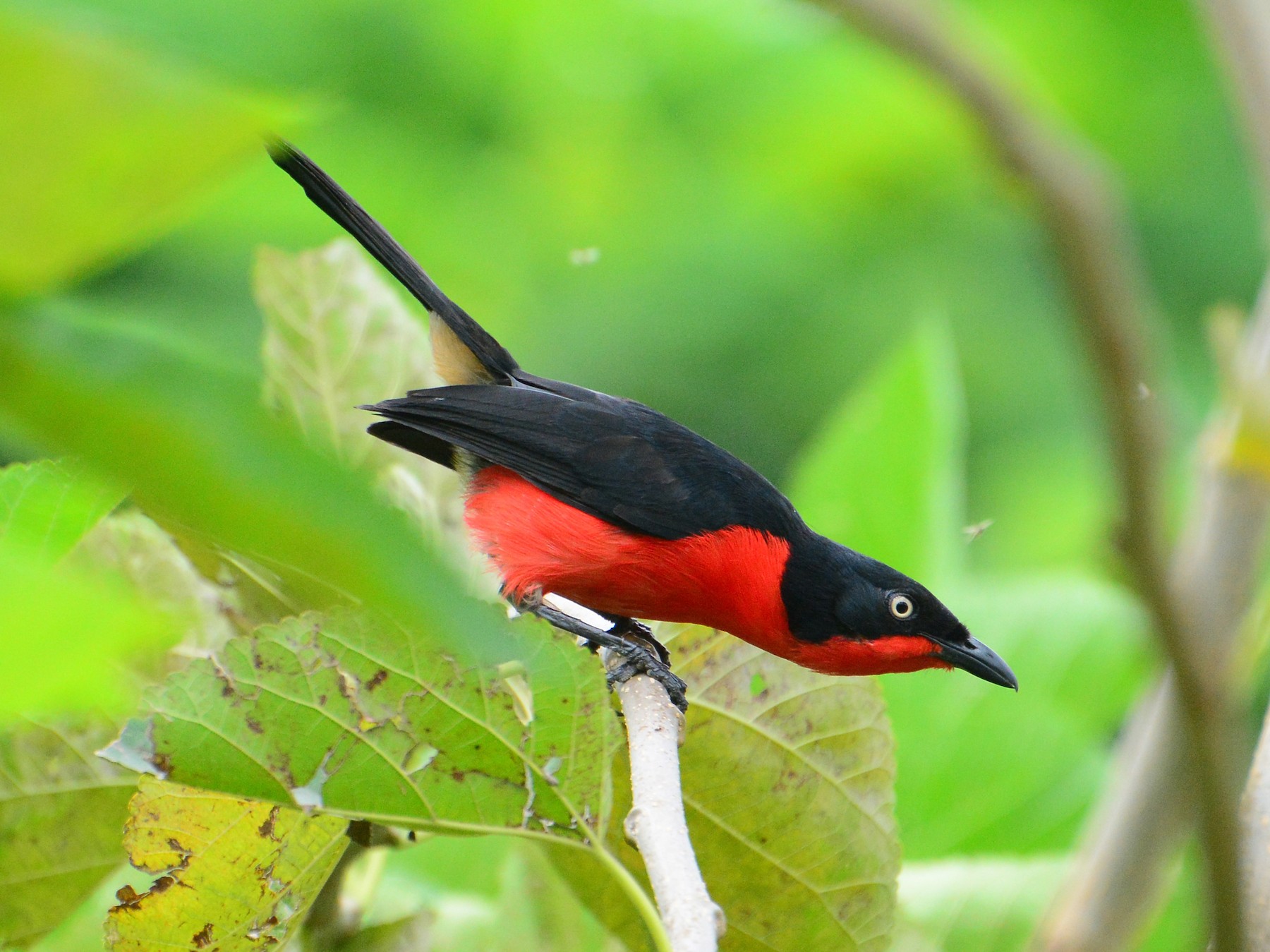
A birding safari in Rwanda, the "Land of a Thousand Hills," offers an exceptional, compact birding experience with over 700 species packed into a small area. Key hotspots include the Albertine Rift endemics of Nyungwe National Park—highlighted by the canopy wmalk—and the savanna species of Akagera National Park, such as the Shoebill Stork.
18-days-rwanda-uganda-birding-safari-and-primate-experience
14-days-rwanda-uganda-birding-safari-extravaganza-focused-on-the-albertine-endemics
12-days-perfect-rwanda-birding-safari-itinerary
10-days-best-rwanda-birding-safari-combined-with-rwanda-gorilla-trekking-vacation
5-days-perfect-rwanda-birding-safari-and-wildlife-and-gorilla-trekking
What Makes a Rwanda Birding Safari Unique?
A Rwanda birding safari is a unique experience that attracts ornithologists and birdwatchers alike, thanks to its rich biodiversity. The country is home to an impressive 29 Albertine Rift endemics, making it a prime location for bird enthusiasts eager to see species that can only be found in this region. This is enhanced by the country's varied topography, which includes montane forests, savannahs, and wetlands, each creating distinct habitats for a wide range of bird species.
In addition to the endemics, Rwanda boasts a high concentration of montane bird species. The country’s mountainous landscapes provide natural corridors for birds, making it an ideal stopover for migratory species as well. The mix of altitude and climate results in a unique ecosystem that supports a diverse range of avian life, including many species that are hard to find elsewhere.
One of the most compelling aspects of a Rwanda birding safari is the ability to combine birdwatching with gorilla trekking. While avid birders have the opportunity to see rare and endemic species during their birding excursions, they can also experience the incredible thrill of encountering mountain gorillas in their natural habitat. This blend of experiences sets Rwanda apart from other birding destinations in Africa, allowing travelers to maximize their time exploring the rich wildlife of the country.
In summary, Rwanda’s unique blend of endemic species, montane diversity, and the opportunity to combine birding with gorilla trekking create a birding safari that is not only unique but also immensely rewarding for nature lovers.
What is the Best Time for a Rwanda Birding Safari?
The best time for a Rwanda birding safari is generally during the dry season, which runs from June to September. During this period, bird activity is heightened due to clear skies and reduced rainfall, making it convenient for birdwatchers to explore various habitats without obstacles like mud and slippery trails. The dry weather allows birds to be more visible and vocal, lending itself to a more rewarding birdwatching experience.
Interestingly, the start of the wet season—particularly in October and November—also offers excellent birding opportunities. This is the time when many migratory species return to Rwanda, and resident birds are more active, setting the stage for vibrant avian activity. Birdwatchers can expect dynamic interactions as many species engage in nesting behaviors, transforming the landscape into a hub of chirping and flapping wings.
Additionally, while the rainy seasons (March to May and October to November) may bring slippery trails, they offer dedicated birders a chance to see Rwanda's Albertine Rift endemics, as many of these species are nesting during these months. Despite the wet conditions, the lush environment enhances the beauty of birdwatching, inviting a variety of vibrant and active species into view.
Overall, whether visiting during the dry or wet seasons, each period has its own distinct advantages, allowing birdwatchers to plan their trips according to specific interests and species they wish to encounter.
Where is the Best Birding in Nyungwe for a Rwanda Birding Safari?
Nyungwe National Park is widely regarded as the premier spot for a Rwanda birding safari, offering an exceptional variety of avian species in a lush, protected rainforest environment. Among the numerous trails in Nyungwe, the Uwinka Trail stands out as one of the best for spotting Albertine Rift endemics, presenting opportunities to observe unique and rare species among the rich biodiversity of the park.
The Uwinka Trail takes birders through high-altitude montane forests and provides a unique opportunity to see an array of species, including the Rwenzori Turaco, Handsome Francolin, and Grauer’s Warbler. This trail is particularly popular among birdwatchers due to its relatively easy access and the rich variety of bird calls that echo through the forest. The canopy is alive with movement and sound, providing ample opportunities for observation and photography.
In addition to Uwinka, other areas in Nyungwe, such as the Bweza and Karamba Trails, also offer fantastic birding experiences. These less-traveled paths lead birdwatchers through different ecosystems, providing access to additional species and unique habitats. Engaging with local, specialized birding guides enhances the experience, as they can help identify birds, share insights about their behaviors, and lead you to less-known birdwatching treasures.
In essence, Nyungwe National Park is a birdwatcher's paradise, with the Uwinka Trail serving as a highlight for anyone looking to experience Rwanda’s rich avian diversity and endemic species.
Can I See the Shoebill Stork on a Rwanda Birding Safari?
Yes, you can indeed see the Shoebill Stork on a Rwanda birding safari, particularly in Akagera National Park. This remarkable and somewhat enigmatic bird is often sought after by avid birdwatchers due to its rarity and distinctive appearance. Its large size, unique shoe-shaped bill, and striking posture make it an unforgettable sight.
Akagera National Park, located in the eastern part of Rwanda, features the marshy areas and wetlands that are ideal habitats for the Shoebill Stork. Birders should focus their attention on the park’s swampy regions, where these storks can often be spotted standing motionless among the reeds, waiting for fish or other small prey to pass by. The park’s diverse ecosystems, including lakes, wetlands, and savannahs, support a rich variety of birdlife, making it a top destination for birdwatchers.
To increase your chances of spotting a Shoebill Stork, it’s advisable to go with a specialized birding guide who is familiar with the region and knows the best spots for viewing these elusive birds. These expert guides can also provide insights into the behavior and ecology of the Shoebill, enriching your overall experience.
Overall, incorporating a search for the Shoebill Stork into your Rwanda birding safari adds an exciting element of adventure, while also highlighting the country’s diverse avian habitats. Witnessing this extraordinary bird in the wild can be a standout moment for birdwatchers and nature lovers alike.
What is the Best Time to See Endemics During a Rwanda Birding Safari?
The best time to see endemics during a Rwanda birding safari is during the rainy season, specifically from March to May and October to November. During these months, many of the Albertine Rift endemics are nesting, which often results in increased vocal activity and visibility. The lush vegetation created by the rains makes it easier to observe stimulating bird behaviors, such as mating displays and parental care.
While the rainy season presents challenges like slippery trails and the possibility of inclement weather, it also transforms the landscapes into verdant paradises, attracting migrating species and providing rich feeding grounds for resident birds. This rich nest-building period attracts a variety of birds, allowing dedicated birdwatchers to encounter many elusive endemics, such as the Rwenzori Turaco, Grauer’s Warbler, and Handsome Francolin.
The abundance of food and the urgency of nesting behaviors often lead to higher activity levels among birds, making this timeframe particularly rewarding for birdwatchers. However, visitors should be prepared with appropriate gear to navigate the wet conditions and maximize their experience in these unique habitats.
For the best results, it’s advisable to either consult with dedicated birding guides or plan your itinerary around specific hot spots known for endemic sightings during the rainy seasons. These collaborations can greatly enhance your chances of witnessing the stunning endemics that make Rwanda a premier birding destination.
Overall, while challenges may arise during the rainy seasons, the odds of encountering endemic species are significantly increased, making this time ideal for ornithologists and dedicated birdwatchers.
How Many Bird Species Are Found on a Rwanda Birding Safari?
Over 700 bird species have been recorded in Rwanda, establishing the country as one of the top birding destinations in Africa. This impressive avian diversity is largely attributed to the country’s varied ecosystems, from montane forests and savannahs to wetlands and lakes. Each habitat hosts distinct communities of birds, offering unique opportunities for birdwatching enthusiasts.
Rwanda is particularly noteworthy due to its status as an important stopover for many migratory species. The rich mix of endemic and migratory birds provides birders with a fulfilling experience, as they can encounter species that are often challenging to find elsewhere. The Albertine Rift region, in particular, is known for its endemic species, making it a prime location for those looking to expand their birding lists.
Additionally, some of the notable areas for birding include Nyungwe National Park, which is home to numerous montane species, and Akagera National Park, where savannah birds thrive. Wetland regions provide vital habitats for waterbirds, including the elusive Shoebill Stork. Each location presents unique opportunities to observe a variety of species, contributing to the overall richness of the birding experience.
In essence, the vast number of bird species found on a Rwanda birding safari provides myriad opportunities for both novice birdwatchers and seasoned ornithologists. This diversity solidifies Rwanda’s reputation as a premier birding destination in Africa, offering rich and varied experiences for all who venture into its stunning landscapes.
What Should I Pack for a Rwanda Birding Safari?
When preparing for a Rwanda birding safari, packing the right gear is essential to enhancing your experience. Here are some key items to consider bringing along:
- Waterproof Gear: Since Rwanda's weather can be unpredictable, especially during the rainy seasons, waterproof clothing (jackets and pants) are crucial for staying dry during birding expeditions. A water-resistant daypack to protect your gear is also advisable.
- Sturdy Hiking Boots: Comfortable, durable hiking boots with good traction will be invaluable, particularly for navigating the muddy trails in places like Nyungwe National Park.
- High-Quality Binoculars: A good pair of binoculars is essential for birdwatching. Look for binoculars with at least 8x magnification and a wide field of view, allowing you to identify birds from a distance.
- Camera with a Long Lens: Capture memorable moments by bringing a camera equipped with a long lens. This will allow you to take close-up shots of birds without disturbing them, enhancing your photographic opportunities.
- Neutral-Colored Clothing: Dressing in muted, earth-toned clothing helps you blend into the environment, which is especially important in birding where bright colors can scare birds away.
- Field Guide or Birding App: Consider bringing a field guide specific to Rwandan birds or using a birding app on your smartphone. This will help you identify species you encounter and enrich your understanding of their habits.
- Additional Supplies: Don’t forget essentials like sunscreen, insect repellent, a hat for sun protection, and plenty of water to stay hydrated during your treks.
By carefully considering what to bring, you can enhance your experience and make the most of the incredible birdwatching opportunities Rwanda has to offer.
Is a Rwanda Birding Safari Safe?
Yes, a Rwanda birding safari is generally considered to be very safe, thanks to the country’s strong commitment to tourism and well-managed national parks. Rwanda is recognized as one of the safest destinations in Africa, attracting travelers from all over the world, including birdwatchers eager to experience its diverse avian life.
Rwanda’s parks, such as Nyungwe National Park and Akagera National Park, are maintained to high standards, with well-trained park rangers and guides dedicated to ensuring both wildlife protection and tourist safety. These knowledgeable professionals can enhance your experience, offering insights on local birds and navigating the sometimes-challenging terrain.
Moreover, urban areas like Kigali are known for their cleanliness and order, making them safe for tourists. Travelers can feel at ease while exploring the city or heading to national parks. The local culture is generally welcoming, and interactions with Rwandans are often characterized by warmth and hospitality.
While traveling in any country, it’s essential to maintain common sense and adhere to general safety guidelines, such as secure handling of belongings and awareness of your surroundings. Consulting local guides can provide valuable advice on safety measures during your birdwatching excursions.
Overall, couples and solo travelers alike can focus on the joy of birdwatching, confident in the knowledge that Rwanda prioritizes the safety and well-being of its visitors. This makes your birding safari not only enriching but also worry-free.
Can I Combine a Rwanda Birding Safari with Gorilla Trekking?
Absolutely, many itineraries can easily combine a Rwanda birding safari with gorilla trekking, offering a multi-faceted experience that showcases both the country’s incredible avian life and its renowned mountain gorillas. This unique combination allows travelers to enjoy diverse landscapes and encounter some of the world’s most fascinating wildlife in one trip.
Typically, travelers opt to spend time birdwatching in Nyungwe National Park, famous for its rich biodiversity and endemic bird species. Following your birding activities, you can then transition to Volcanoes National Park, which is home to the endangered mountain gorillas. This blend of experiences enriches the overall journey, allowing for a thrilling adventure that caters to different interests.
Many tour operators offer packages that accommodate both birdwatching and gorilla trekking, making logistical arrangements seamless. They can help facilitate transport between parks, secure gorilla trekking permits, and provide knowledgeable guides specialized in both birding and primate tracking.
This dual-focused itinerary not only maximizes your time in Rwanda but also deepens your connection with the country’s rich natural heritage. Couples can enjoy the intimate experience of gorilla trekking after a day of birdwatching, creating unforgettable memories in breathtaking settings.
In summary, combining a Rwanda birding safari with gorilla trekking adds layers of excitement and intimacy to your trip, ensuring a fulfilling and adventurous experience that appeals to all nature lovers.
What is the Best Park for Savannah Birds During a Rwanda Birding Safari?
Akagera National Park is recognized as the best park for savannah birds during a Rwanda birding safari. This park features a diverse range of habitats, including savannahs, wetlands, and lakes, making it a prime location for spotting a wide variety of avian species.
Akagera's open grasslands are famous for hosting numerous bird species, making it a must-visit destination for birdwatchers. Common sightings include striking species such as the Crowned Crane, Secretary Bird, and African Fish Eagle. The park is also home to migratory birds that pass through, particularly during the wetter months.
Birdwatching enthusiasts can explore the park through organized game drives, which provide excellent opportunities to observe birds in their natural habitats. The contrast between the different ecosystems within the park allows birders to experience a rich tapestry of avian life.
Moreover, the park’s wetlands are essential for species such as the elusive Shoebill Stork, known for its distinctive silhouette and rarity. Birders can often spot these remarkable birds in the marshy areas, further enhancing Akagera's appeal as a top birding destination.
In summary, Akagera National Park stands out as the best location for savannah birds in Rwanda. Its diverse ecosystems, active avian communities, and opportunities for both terrestrial and aquatic birdwatching make it an essential stop for anyone looking to experience the rich birdlife of Rwanda.
Which Albertine Rift Endemics Are Found on a Rwanda Birding Safari?
During a Rwanda birding safari, several Albertine Rift endemics can be observed, making this journey particularly rewarding for bird enthusiasts. Key endemics in Rwanda include the Rwenzori Turaco, Handsome Francolin, and Grauer’s Warbler, among others.
The Rwenzori Turaco is frequently sought after due to its striking colors and imposing size. This bird is typically found in the lush montane forests of Nyungwe National Park, where its vibrant plumage can be spotted against the green backdrop. Observers may delight in its melodic calls, which resonate throughout the forest.
The Handsome Francolin is another endemic species that birdwatchers look for in Rwanda. Found in grasslands and forest edges, the handsome plumage of this bird makes it a sought-after sighting. Tracking it can be challenging, as it tends to be quite elusive; however, dedicated birders often find success with the help of experienced guides.
Then there’s the Grauer’s Warbler, often found in bamboo thickets and scrubland. Its unique song and distinctive appearance make it a delightful find for those exploring Rwanda’s diverse habitats.
Overall, the presence of these endemic species not only enriches the birding experience in Rwanda but also highlights the country's ecological significance in the Albertine Rift. Observing these birds in their natural habitats creates unique moments for couples and birdwatchers, solidifying Rwanda's position as a prime birding destination in Africa.
Do I Need a Professional Guide for a Rwanda Birding Safari?
Yes, hiring a professional guide is highly recommended for a Rwanda birding safari. Specialized birding guides possess intricate knowledge about the local avian species, their habitats, and their behaviors, significantly enhancing your birdwatching experience.
A professional birding guide can help you identify species, many of which may be challenging to recognize without specialized knowledge. They provide insights into the ecology and behavior of the birds you encounter, enriching your understanding and appreciation of the rich avifauna in Rwanda.
Additionally, trained guides are familiar with the best birding spots and times to visit them, ensuring that you maximize your chances of spotting rare or endemic species. They can also navigate the sometimes challenging terrains of Rwanda's parks, allowing you to focus on observing the birds without the worry of getting lost.
Birding can be a unique experience that varies greatly depending on time of day, weather, and season. Professional guides are adept at planning itineraries that take these variables into account, ensuring optimal birding conditions. Their local knowledge can also lead to unexpected yet rewarding sightings, including engaging with local folklore and stories about the birds.
What is the Cost of a Rwanda Birding Safari?
A private, one-week Rwanda birding safari can range from $5,000 to $7,500 or more, depending on various factors such as the level of luxury accommodations, included amenities, and specific itineraries. This price generally covers several essential components of the safari experience, including transportation, accommodation, meals, guiding services, and park entrance fees.
Accommodations in Rwanda vary widely, from mid-range lodges to luxurious eco-friendly resorts that cater specifically to the needs of birdwatchers. Choosing high-end lodges can significantly enhance your experience, as they often offer exclusive amenities and bespoke services tailored to nature enthusiasts. In addition to comfortable lodging, guests can enjoy gourmet meals, personalized service, and opportunities for relaxation between birding excursions.
Transportation during the safari is generally provided, either through private vehicles equipped for comfort during game drives or guided birdwatching tours. This convenience allows travelers to focus entirely on observing birds in various habitats without worrying about logistics.
Permits for birdwatching in Rwanda's national parks are included in the entrance fees, simplifying the planning process. Unlike gorilla trekking, which requires special permits that can be more expensive, birding has fewer additional costs, making it an accessible option for various budgets.
In summary, while investing in a Rwanda birding safari may involve a significant financial commitment, the unique experiences, breathtaking landscapes, and exceptional birdwatching opportunities make it a worthy endeavor for nature lovers and bird enthusiasts.
Are There Special Permits for a Rwanda Birding Safari?
When planning a Rwanda birding safari, it's important to note that no special permits are required for birdwatching. Travelers will need to pay standard park entrance fees, which grant access to the various national parks and reserves where birding is popular, such as Nyungwe National Park and Akagera National Park.
This contrasts sharply with other wildlife activities in Rwanda, such as gorilla trekking, which necessitates a specific permit that can cost upwards of $1,500 per person. The absence of additional birding permits makes birdwatching a more accessible and often more economical activity for those looking to immerse themselves in Rwanda's rich avifauna.
The entrance fees typically cover access to park facilities, trails, and the opportunity to participate in guided birdwatching tours led by knowledgeable professionals who specialize in spotting various species. Investing in a guided experience is highly recommended, as these experts not only assist in identifying birds but also enhance the educational aspect of birdwatching by sharing insights about the specific habitat and behaviors of the birds you encounter.
By choosing to engage in birdwatching without the burden of special permits, travelers can focus more on enjoying their experience and observing the diverse bird species that make Rwanda a premier birding destination. This accessibility allows for a more enjoyable and flexible itinerary that can cater to different interests and schedules.
Is a Rwanda Birding Safari Suitable for Beginners?
Yes, a Rwanda birding safari is absolutely suitable for beginners, making it an enjoyable experience for bird enthusiasts of all levels. The country's diverse habitats and high concentration of birds allow novice birdwatchers to easily engage with and appreciate the avian world without feeling overwhelmed.
Rwanda hosts over 700 bird species, including both resident and migratory birds, many of which can be observed without extensive prior knowledge of ornithology. The well-maintained trails in parks such as Nyungwe National Park and Akagera National Park offer accessible options for beginners, allowing them to explore various habitats where birds thrive.
Additionally, engaging a knowledgeable birding guide can significantly enhance the experience for those just starting their birdwatching journey. These guides are typically well-versed in the local bird species, and they can offer invaluable information on identification, behavior, and ecology. They can help beginners understand the basics of birdwatching, such as how to use binoculars effectively and tips for spotting elusive species.
The inclusive nature of a Rwanda birding safari makes it an ideal option for families, groups, or individuals seeking a unique experience in nature. The supportive and friendly atmosphere among birdwatchers, combined with the stunning landscapes, creates a welcoming environment for beginners to cultivate their interest in birding.
In summary, the combination of abundant bird species, supportive guides, and accessible trails makes a Rwanda birding safari an excellent option for beginners eager to dive into the captivating world of birdwatching.
What is the Altitude for a Rwanda Birding Safari in Nyungwe?
Nyungwe National Park is a highlight for birdwatchers during a Rwanda birding safari, with elevations that range from 1,600 meters (5,249 feet) to 2,950 meters (9,678 feet). This variation in altitude offers a unique opportunity for high-altitude forest birding, attracting both migratory and resident species that thrive in its montane and submontane ecosystems.
The park's diverse altitudinal gradient supports an array of habitats, including thick rainforests, grasslands, and bamboo thickets. As you explore these different elevations, you can encounter a wealth of bird species, particularly endemics such as the Rwenzori Turaco, Grauer’s Warbler, and Handsome Francolin. These birds are often best observed at their preferred elevations, making altitude a crucial factor in planning birdwatching excursions.
Traveling through Nyungwe can present some physical challenges due to the steep terrain and fluctuating temperatures, so it’s essential for birders to be prepared. Those interested in high-altitude birding should consider adequate clothing layers, as temperatures can vary widely—cooler in the morning and warmer during the day. Additionally, sturdy hiking boots are recommended to navigate the trails safely.
In summary, the varied altitudes of Nyungwe National Park create an exceptional environment for birdwatching, offering the chance to observe a multitude of bird species in their natural habitats. This unique characteristic solidifies Nyungwe’s status as one of Rwanda’s premier birding destinations for both casual and serious birdwatchers alike.
What Birds Are in Akagera National Park During a Rwanda Birding Safari?
Akagera National Park is a treasure trove for birdwatchers during a Rwanda birding safari, boasting a diverse range of avian species that inhabit its wetlands, savannahs, and wooded areas. Some notable birds commonly spotted in the park include the Papyrus Gonolek, African Fish Eagle, and Secretary Bird, each contributing to the rich tapestry of birdlife.
The Papyrus Gonolek is a stunning species found primarily in the park's wetlands and papyrus swamps. Known for its vibrant yellow and black coloring, this bird is often seen flitting among the reeds, making it a sought-after sighting for birdwatchers.
The African Fish Eagle, with its striking appearance and iconic call, is another must-see species. Often found near the park's lakes, this majestic bird is a skilled fisherman, and its presence adds a dramatic flair to Akagera’s landscape. Observing it swoop down to catch fish provides thrilling moments for birdwatchers.
The Secretary Bird, easily recognized by its long legs and distinctive crane-like appearance, is another highlight of Akagera. This bird is often seen stalking through the savannah and is known for its unusual hunting technique of killing snakes by striking them with its long legs.
In addition to these prominent species, Akagera is home to over 400 bird species, making it an excellent destination for both novice and experienced birdwatchers. Whether participating in guided game drives or exploring on foot, visitors can enjoy the full spectrum of birding experiences that Akagera has to offer.
In summary, the abundant and diverse birdlife found in Akagera National Park greatly enhances the experience of a Rwanda birding safari, making it a must-visit destination for all bird enthusiasts.
What is the Weather Like on a Rwanda Birding Safari?
The weather during a Rwanda birding safari is generally pleasant, but it is essential to prepare for variations, particularly in different regions. Rwanda's temperate climate is influenced by its elevation, with temperatures ranging from cool in the mountainous areas to warmer in the lowland regions.
In the montane forested regions such as Nyungwe National Park, early mornings and evenings can be quite chilly, typically ranging from 10°C to 15°C (50°F to 59°F). As the day progresses, temperatures can rise to approximately 20°C to 24°C (68°F to 75°F), embracing comfortable conditions for birdwatching. However, rainfall is common in these areas, particularly during the wet seasons, so visitors should be prepared with waterproof gear.
In contrast, areas like Akagera National Park experience warmer temperatures, often reaching above 30°C (86°F) during the day. The evenings tend to cool down, and there may also be sporadic rainfall, especially during the rainy seasons, making it important to bring both lightweight clothing for warmth and raincoats or ponchos.
The best birding activity generally occurs during the drier months, from June to September, when birds are more active, and visibility is optimal. However, the wet months of October to November and March to May can also be rewarding, as many species are nesting and produce heightened vocal activity.
In summary, while Rwanda enjoys a generally pleasant climate, being well-prepared for variations in temperature and rain will greatly enhance the birdwatching experience, allowing for enjoyable excursions amidst the stunning landscapes and rich avian life.
How Long Should a Rwanda Birding Safari Last?
A dedicated Rwanda birding safari typically lasts between 7 to 14 days to fully experience the country’s rich avifauna and explore various ecosystems. This duration allows ample time to visit multiple birding hotspots, including the renowned Nyungwe National Park and Akagera National Park, ensuring a well-rounded experience.
A one-week itinerary is often focused on the highlights, generally including essential birdwatching trails in Nyungwe for endemic and montane species, followed by several days in Akagera to explore its diverse habitats for savannah and aquatic birds. In just a week, travelers can capture a significant variety of species while enjoying guided excursions led by knowledgeable birding experts.
For those with extra time, extending the safari to 10 to 14 days allows for more in-depth exploration of lesser-known areas, such as the Volcanoes National Park, which brings together the possibility of observing not only birds but also mountain gorillas. Extended trips also offer opportunities for birdwatching in mixed habitats and more leisurely-paced journeys to take advantage of the sociable aspects of birding, such as leisurely meals and shared observation experiences.
Aside from maximizing the variety of species encountered, longer itineraries allow participants to engage in cultural tours and enjoy the breathtaking Rwandan landscapes at a more relaxed pace.
In summary, planning a birding safari lasting between 7 to 14 days enhances the chances of encountering a diverse range of species while creating an enriching and memorable birdwatching experience in the stunning settings of Rwanda.
Booking Rwanda Birding Safari with us Roads of Adventure safaris
Book your unforgettable Rwanda birding safari with Roads of Adventure Safaris, specializing in tailored birdwatching trips and comprehensive primate adventures. Explore the rich biodiversity of Nyungwe Forest and Akagera National Park to spot rare species like the Grauer's Swamp Warbler, Handsome Spur fowl, and Rwenzori Turaco. Packages typically include expert guides, accommodation, and transportation, featuring options for gorilla or chimpanzee trekking. Experience the best of Rwanda's Albertine endemics with expert-led, customizable itineraries. Book now for a safe and immersive birding experience.
