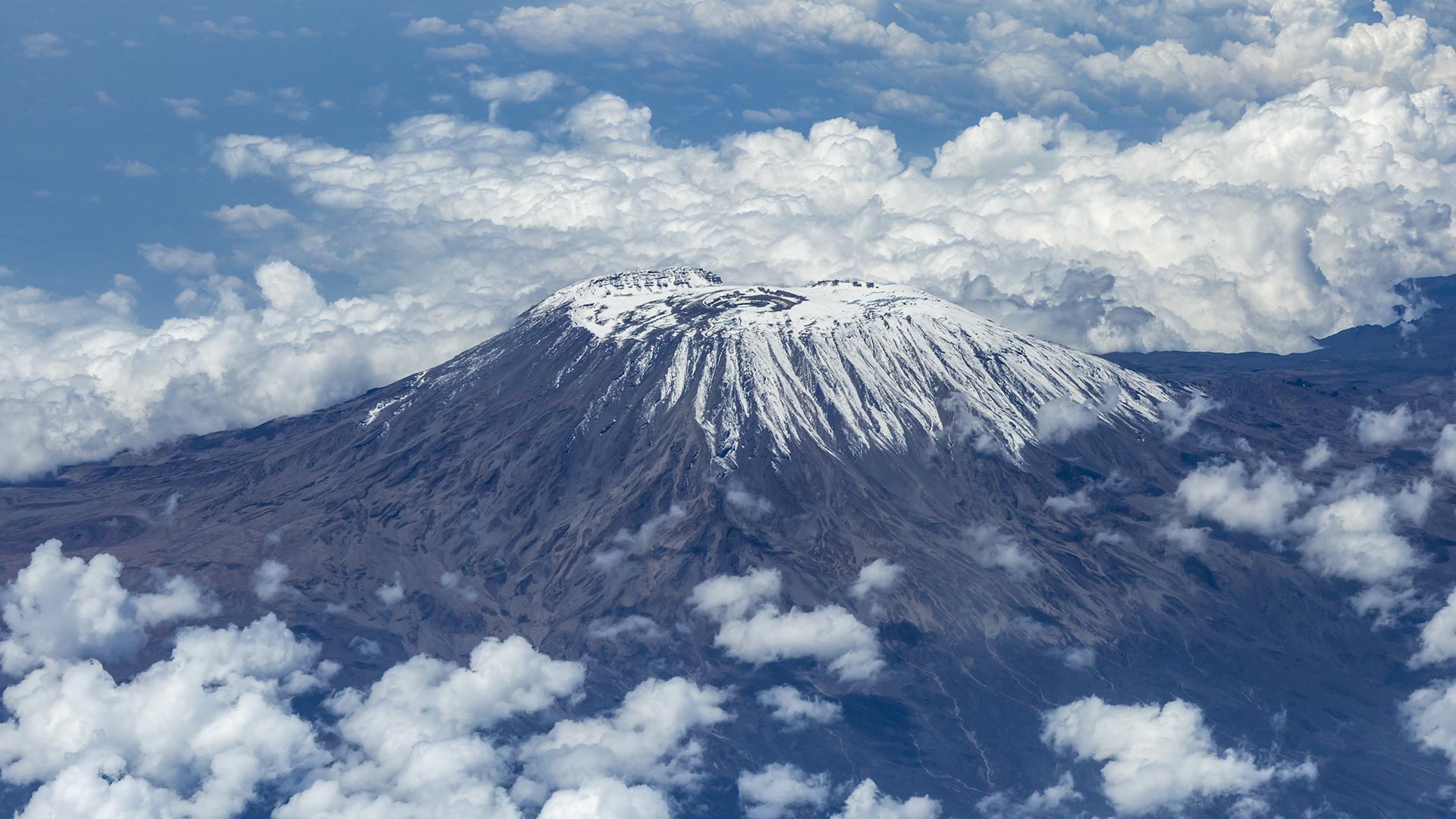
Kilimanjaro National Park is located in Tanzania, East Africa, surrounding Mount Kilimanjaro, the continent's highest peak at 5,895 meters (19,341 feet). The park is approximately 300 kilometers (186 miles) south of Nairobi, Kenya, and about 40 kilometers (25 miles) northeast of Moshi, a popular base for climbers. The popular Kilimanjaro climb tours include 3 Days Kilimanjaro hike, 6 days Kilimanjaro climb via Maragwe route, 7 days Kilimanjaro climb via Lemosho route
How do I get to Kilimanjaro National Park?
To reach Kilimanjaro National Park, travelers typically fly into Kilimanjaro International Airport (JRO), located about 40 minutes from Moshi. From the airport, you can arrange transportation via shuttle, taxi, or a pre-booked tour operator. Many climbers prefer guided tours that include transfers to the park’s various trailheads, ensuring a smooth start to their adventure. Local travel agencies often provide comprehensive packages that cover transportation, park fees, and accommodations, making it convenient for first-time visitors to navigate their journey to this iconic destination.
How tall is Mount Kilimanjaro?
Mount Kilimanjaro stands at an impressive 5,895 meters (19,341 feet) above sea level, making it the tallest mountain in Africa and one of the Seven Summits. Its striking height and unique ecosystems draw thousands of climbers and trekkers annually. The mountain features three volcanic cones: Kibo, Mawenzi, and Shira, with Kibo being the highest. The diverse climate zones range from lush rainforests at the base to arctic conditions near the summit, creating a stunning variety of landscapes and habitats. This remarkable elevation contributes to its status as a renowned trekking destination worldwide.
What are the different routes to the summit?
Climbing routes to the summit of Kilimanjaro include Machame, Marangu, Lemosho, Rongai, Shira, and Umbwe. Each route varies in difficulty, duration, and scenic experience. The Machame route is popular for its stunning views and diverse landscapes, while the Marangu route, known as the "Coca-Cola" route, offers hut accommodations for easier access. Lemosho is favored for its beauty and success rate due to gradual acclimatization. Rongai is less crowded, providing a unique experience on the northern side. Each route typically takes between 5 to 10 days, depending on the chosen path and acclimatization needs.
What wildlife is in Kilimanjaro National Park?
Kilimanjaro National Park is home to diverse wildlife, including elephants, buffalos, and various primates, such as blue monkeys and colobus monkeys. The park supports over 150 bird species, including the Kilimanjaro white-eye and the yellow-collared lovebird, making it a paradise for birdwatchers. Other notable fauna includes bushbucks, duikers, and various reptiles. The park's diverse habitats range from lush rainforests to moorlands and alpine deserts, contributing to its rich biodiversity. Conservation efforts help protect these species and their habitats, making the park an important ecological area in Tanzania.
What activities to do in Kilimanjaro National Park?
In addition to trekking to the summit, Kilimanjaro National Park offers various activities for visitors. Wildlife viewing is popular, with opportunities to spot elephants, monkeys, and diverse bird species. Bird watching is especially rewarding, as the park hosts many endemic species. Guided nature walks provide insight into the local flora and fauna, while cultural tours in nearby villages allow visitors to learn about the traditions of the Chaga people. Photography enthusiasts can capture breathtaking landscapes and unique ecosystems. These activities enhance the overall experience and appreciation of the park's natural beauty.
How many days do I need to climb Mount Kilimanjaro?
Climbing Mount Kilimanjaro typically takes between 5 to 10 days, depending on the selected route and individual acclimatization needs. Longer treks, such as the Lemosho route, allow for better acclimatization and increase summit success rates by minimizing altitude-related risks. Shorter routes, like Marangu, may be completed in 5 days but can be more challenging due to rapid elevation gain. Climbers should consider their fitness levels, experience, and time constraints when choosing a route. Proper acclimatization is crucial for a successful summit attempt and enjoying the trek.
Do I need a guide to climb Kilimanjaro?
Yes, climbing Mount Kilimanjaro requires a licensed guide, as mandated by Tanzanian authorities. This regulation ensures safety and environmental protection while providing climbers with valuable support. Licensed guides possess extensive knowledge of the mountain, including its trails, potential hazards, and altitude-related issues. They assist in navigating the routes, handling logistics, and ensuring climbers adhere to safety protocols. Group treks led by experienced guides also foster camaraderie among climbers. Hiring a reputable guiding company enhances the experience, ensuring a safe and enjoyable ascent.
What gear do I need for the trek?
Essential gear for climbing Kilimanjaro includes sturdy hiking boots, moisture-wicking clothing, and layered outfits for varying temperatures. A warm jacket, gloves, and a hat are crucial for colder conditions near the summit. Other necessities include trekking poles, a reliable daypack, and sufficient water bottles. A quality sleeping bag rated for low temperatures is important for camping. Sun protection, such as sunscreen and sunglasses, is also essential. Renting gear is common, but it's vital to check the quality and fit before the trek to ensure comfort and safety.
How difficult is the climb of Mount Kilimanjaro?
The difficulty of climbing Mount Kilimanjaro varies based on the chosen route and individual fitness levels. The trek is generally considered challenging due to high altitude and unpredictable weather conditions. Proper preparation, physical fitness, and acclimatization are crucial for success. Many climbers experience fatigue and altitude sickness, making gradual acclimatization essential. Each route presents unique challenges, with some being steeper or longer than others. Being mentally prepared and having a positive attitude significantly contributes to a climber's overall experience and success on the mountain.
How much does it cost to climb Kilimanjaro?
The cost to climb Kilimanjaro typically ranges from $1,500 to $3,000 or more, depending on the selected route, duration, and included services. Costs generally cover park fees, licensed guides, accommodations, meals, and transportation. Additional expenses may include gear rental, tips for guides and porters, and personal items. It's essential to choose a reputable operator to ensure quality and safety during the trek. Comparing multiple packages can help travelers find one that fits their budget while still providing a safe and enjoyable experience on the mountain.
Can a solo trekker climb Kilimanjaro?
Solo trekking on Kilimanjaro is not permitted; all climbers must be accompanied by a licensed guide. This regulation enhances safety and ensures compliance with park rules. Guided treks provide support, knowledge, and assistance in navigating the trails and managing altitude-related challenges. Group treks are a popular option, allowing solo travelers to join others for camaraderie and shared experiences. This setup fosters a sense of community among climbers, making the journey more enjoyable and memorable while prioritizing safety and adherence to regulations.
What happens if the weather turns bad during my climb?
If the weather worsens during your climb, your guide will assess the situation and may recommend turning back for safety. Bad weather can increase the risks of hypothermia, altitude sickness, and accidents. Guides are trained to make these crucial decisions based on conditions, ensuring climber safety. It's essential to follow your guide's advice during adverse weather conditions and prioritize safety over reaching the summit. Being prepared for changing weather and remaining flexible with your plans can enhance your overall climbing experience.
What kind of accommodation is available in Kilimanjaro National Park?
Accommodation options on Kilimanjaro vary by route. Camping is common, where climbers stay in tents set up at designated sites, offering an immersive experience in nature. On the Marangu route, hut accommodations are available, providing basic amenities like beds and communal dining areas, which enhance comfort. Campsites often have shared facilities and offer meals prepared by porters. While camping allows for a more adventurous experience, huts provide additional comfort, particularly for those who prefer not to sleep in tents. Both options cater to different preferences and enhance the trekking experience.
What is the best time of year to climb Kilimanjaro?
The optimal times to climb Kilimanjaro are during the dry seasons, which occur from late June to October and January to mid-March. These months typically feature clearer skies and milder weather, making for safer and more enjoyable trekking conditions. The dry seasons provide excellent visibility and reduce the likelihood of rain, enhancing the climbing experience. Conversely, the rainy seasons, from March to May and late October to early December, can make trails muddy and challenging. Choosing to trek during the dry seasons maximizes your chances of a successful summit attempt.
Book Kilimanjaro climb with Roads of Adventure safaris
Booking a Kilimanjaro climb with Roads of Adventure Safaris for comprehensive support, from pre-trek briefings to summit preparations. We offer various routes, like the Machame or Lemosho, catering to different fitness levels. With quality gear, delicious meals, and personalized service, we prioritize your safety and comfort, making your ascent to the roof of Africa unforgettable.
