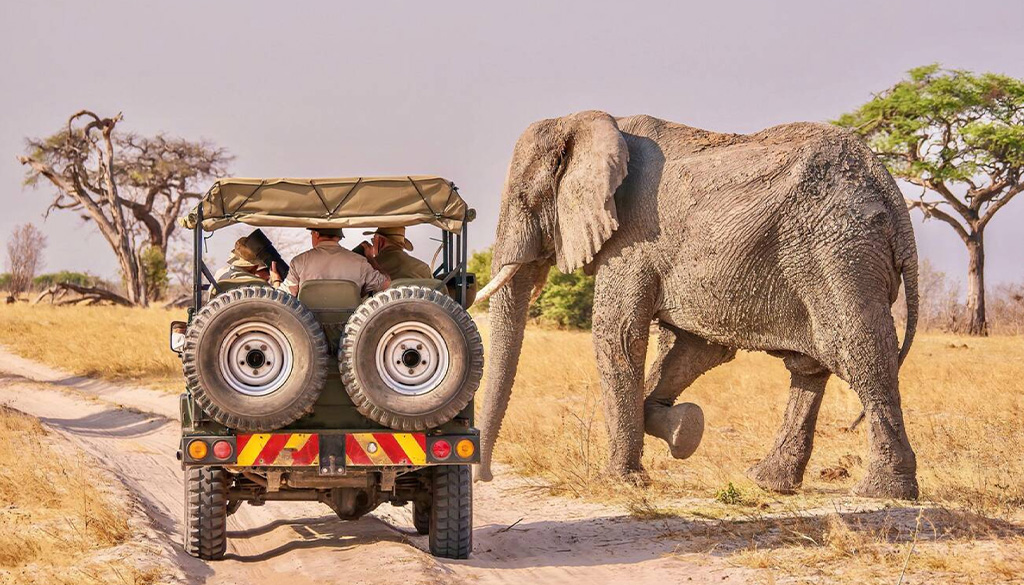
Pack lightweight, neutral-colored clothing (khaki, olive, brown) to blend into the bush and avoid drawing attention. Focus on breathable, long-sleeved layers for sun and insect protection. Because light aircraft transfers often have a strictly enforced 20 kg (44 lbs) luggage limit, soft-sided duffel bags are essential
3-days-chobe-national-park-botswana-safari-tour-package-from-victoria-falls-town
6-day-best-victoria-falls-tour-chobe-and-hwange-zambia-wildlife-safari-holiday
8-days-best-zimbabwe-botswana-safari-all-inclusive-tour-package-from-victoria-falls
9-days-okavango-delta-moremi-game-reserve-chobe-river-front-and-victoria-falls-tour-package
11-days-un-comparable-best-botswana-safari-itinerary-and-optional-victoria-falls-tour
Clothing & Gear
Short-Sleeved T-Shirts
Lightweight, short-sleeved t-shirts are the foundation of your safari wardrobe, especially during the blistering heat of the afternoon. Opt for breathable, moisture-wicking fabrics like technical polyester or lightweight cotton blends that pull sweat away from your skin. It is best to choose neutral colors such as khaki, tan, olive green, or brown, which help you blend seamlessly into the natural environment and avoid alerting the wildlife. Avoid bright whites, which can startle animals, and dark blues or blacks, which are known to actively attract biting insects like tsetse flies. Having a few comfortable tees allows you to easily adapt as the day transitions from the crisp morning chill into the intense heat of the savannah sun.
Long-Sleeved Linen or Cotton Shirts
Long-sleeved shirts crafted from natural linen or lightweight cotton are essential for ultimate climate control and protection in the bush. These shirts offer a dual benefit: they shield your skin from intense UV rays during midday game drives and provide a physical barrier against thorny acacia branches during walking safaris. Furthermore, as dusk approaches, rolling down your sleeves offers vital protection against evening mosquito activity. Look for shirts featuring button-up tabs that allow you to easily roll and secure the sleeves, as well as ventilated mesh panels across the back to promote airflow, ensuring you stay cool, protected, and comfortable throughout the day.
Long Trousers
A reliable pair of long trousers is indispensable for any safari itinerary, particularly when participating in walking safaris or evening game drives. Durable, lightweight cotton cargo pants or technical trekking trousers protect your legs from sharp grasses, persistent insects, and irritating brush. Choosing pants with a bit of stretch ensures maximum comfort while climbing in and out of high-clearance 4x4 vehicles. Convertible zip-off trousers are an exceptionally practical choice, allowing you to quickly transition from long pants in the chilly morning to lightweight shorts during the heat of the day, all without needing to head back to camp for a wardrobe change.
Warm Fleece/Jacket
Do not underestimate how cold the African bush can get before the sun rises. Open-sided safari vehicles traveling at speed create a significant wind-chill factor, making a high-quality fleece or insulated jacket absolutely vital for early morning departures. A premium fleece traps body heat effectively while remaining lightweight and breathable enough to pack down into your daypack once the temperature begins to rise. Opting for a wind-resistant or softshell jacket adds an extra layer of defense against the biting morning air, ensuring you stay warm and entirely focused on spotting elusive predators rather than shivering in your seat during the prime viewing hours.
Beanie, Scarf, and Gloves
If you are traveling during Botswana’s cooler dry season between May and September, a beanie, scarf, and a pair of lightweight gloves are absolute lifesavers. Because early morning temperatures frequently drop to near-freezing in the open desert and riverine areas, protecting your extremities is crucial. A snug knit beanie prevents body heat from escaping through your head, a soft scarf seals out the wind from rushing down your jacket collar, and gloves keep your hands warm while holding cold metal vehicle railings or adjusting your camera gear. These small items make a massive difference in your comfort level before the sun breaks the horizon.
Sturdy, Comfortable Closed-Toe Walking Shoes
Whether you are embarking on an intensive guided bush walk or simply walking around an unfenced camp at night, a pair of sturdy, comfortable closed-toe shoes is mandatory. Look for lightweight hiking boots or trail running shoes with a thick, durable sole that offers excellent traction on sandy paths and protects your feet from sharp acacia thorns. The shoes should be well broken-in before your trip to completely avoid blisters. Closed-toe footwear keeps out fine dust and insects, providing the necessary support and safety needed to confidently navigate the rugged, unpredictable terrain of the African wilderness.
Breathable Sandals or Flip-Flops
After a long, dusty day spent out on game drives or tracking wildlife on foot, there is nothing better than kicking off your heavy boots. A pair of breathable sandals or lightweight flip-flops is perfect for relaxing around your luxury tented camp, walking to the plunge pool, or dining on the open-air wooden decks. They allow your feet to air out and cool down in the heat of the afternoon and evening. They are also incredibly convenient for quick midnight trips inside your tent or for use in outdoor bucket showers, taking up minimal space in your main safari luggage.
Wide-Brimmed Hat
A high-quality, wide-brimmed hat is one of the most critical pieces of sun protection you can pack for an African safari. The intense, direct equatorial sun can quickly lead to painful sunburns or heat exhaustion. Choose a hat with a generous, dark-underlined brim that casts complete shade over your face, ears, and the back of your neck. To ensure it doesn't fly off your head while traveling in fast-moving, open-sided 4x4 vehicles or during breezy river boat cruises, look for a model equipped with an adjustable chin strap or toggle, keeping it securely anchored to your head.
Polarized Sunglasses
The glare from the white sands of the Kalahari or the shimmering water channels of the Okavango Delta and Chobe River can cause severe eye strain. A pair of high-quality polarized sunglasses is essential because they specifically cut through the harsh, reflected surface glare, allowing you to see deeper into the water to spot submerged crocodiles and hippos. They also shield your eyes from swirling dust, low-hanging tree branches, and small insects while driving through the bush. Investing in a durable pair with 100% UV protection ensures your eyes stay comfortable and protected during long hours of wildlife viewing.
High-SPF (50+) Sunscreen and Lip Balm
The African sun can be incredibly unforgiving, making a broad-spectrum, high-SPF (50+) sunscreen a daily necessity. Apply it generously to your face, neck, arms, and hands before every game drive, and reapply frequently throughout the day, especially during open-boat water safaris where water reflection intensifies the UV exposure. Along with sunscreen, pack a moisturizing lip balm infused with high SPF protection. The combination of dry wilderness winds, dusty tracks, and intense heat can rapidly cause painfully chapped, sunburnt lips, so keeping a protective balm in your pocket for quick touch-ups is highly recommended.
Lightweight, Packable Rain Jacket
Even if you are traveling during the dry season, sudden weather shifts can occur, and if you are traveling during the summer green season, sudden afternoon thundershowers are a regular occurrence. A lightweight, packable rain jacket is an excellent insurance policy against the elements. Look for a waterproof, windproof, and highly breathable shell that can easily roll up into a compact bundle, fitting effortlessly into the bottom of your daypack. Beyond keeping you dry during unexpected downpours, a rain jacket acts as a fantastic extra windbreak during chilly morning drives, keeping you comfortable and protected.
Equipment & Accessories
Binoculars
A high-quality pair of binoculars is arguably the single most important piece of gear for maximizing your safari experience. While your expert guide is phenomenal at locating wildlife, animals are frequently positioned at a distance, hidden deep within riverine thickets, or perched high up in distant trees. Having your own pair of binoculars—ideally an 8x42 or 10x42 magnification—allows you to appreciate the intricate details of a leopard’s coat, observe fascinating bird behaviors, or view a distant pride of lions without relying on sharing a pair among vehicle guests. It transforms distant shapes into crisp, highly intimate wildlife encounters.
Camera Equipment
An African safari provides endless, once-in-a-lifetime photographic opportunities, making proper camera gear essential. If you are using a DSLR or mirrorless camera, pack a versatile zoom lens (at least 200mm to 400mm) to capture crisp shots of distant animals without disturbing them. Because you will be shooting continuously, always pack multiple spare high-capacity memory cards and extra camera batteries. Remember that cold morning temperatures can drain battery life much faster than expected. Additionally, carry a microfiber cloth and a blower brush to frequently clean away the fine, invasive safari dust that can easily damage sensitive camera sensors.
Portable Power Banks
When you are deep in remote concessions or flying between wilderness camps on light aircraft, reliable access to electrical outlets can sometimes be limited. Furthermore, taking hundreds of high-resolution photos and videos throughout a long day will rapidly deplete your phone and camera batteries. Carrying a heavy-duty, portable power bank ensures that your essential electronic devices stay fully charged while out in the field. This guarantees you will never miss capturing a dramatic wildlife moment, such as a lion hunt or a spectacular sunset over the water, simply because your battery unexpectedly died halfway through an afternoon game drive.
Daypack
A small, lightweight daypack or a specialized dry-bag is essential for keeping your personal gear organized and protected during daily excursions. Your pack should be large enough to hold your binoculars, camera accessories, sunscreen, insect repellent, a warm fleece, and a water bottle. In open safari vehicles, dust is a constant presence, and water spray can occur during boat cruises. Choosing a water-resistant daypack with durable zippers or a roll-top dry-bag ensures that your expensive electronics and personal belongings remain completely clean, dry, and securely gathered together in one accessible place while traveling.
Reusable Water Bottle
Staying hydrated is absolutely crucial in Africa's hot and dry climate, but environmental conservation is equally important. To combat plastic pollution, single-use plastic bottles are heavily discouraged, and most high-quality eco-safari camps across Botswana proudly provide guests with reusable water bottles upon arrival. Bringing your own durable, insulated stainless-steel water bottle ensures your water stays crisp and cold even during the heat of the afternoon. Camps feature filtered water stations where you can easily top off your bottle before heading out, allowing you to minimize your environmental footprint while keeping perfectly hydrated in the bush.
Health & Toiletries
First Aid Kit
A compact, personalized first aid kit is an essential item to carry into remote wilderness areas where medical facilities are far away. Your kit should include a full supply of prescription malaria prophylactics if you are visiting northern Botswana, along with a high-quality insect repellent containing at least 20-30% DEET to ward off mosquitoes and tsetse flies. Additionally, pack essential over-the-counter remedies such as rehydration salts for heat fatigue, antihistamines for insect bites or allergies, antiseptic cream, pain relievers, and a selection of adhesive bandages to quickly treat any minor scrapes or blisters.
Wet Wipes and Hand Sanitizer
Navigating the unpaved, rugged dirt tracks of the African bush inevitably means encountering a lot of fine, swirling dust. Packing a travel-sized pack of high-quality wet wipes and a bottle of effective hand sanitizer is highly recommended for maintaining personal hygiene on the go. Wet wipes are incredibly refreshing for quickly wiping down your face, neck, and hands after a long, dusty morning vehicle ride or before enjoying a bush lunch. Hand sanitizer ensures your hands are clean and germ-free before eating snacks in the vehicle, especially when running water and soap are completely unavailable in the field.
Cloth or Mesh Pouches
When packing for Botswana, it is crucial to know that single-use plastic bags are strictly banned across the country to protect livestock and fragile wildlife from ingestion hazards. To organize your safari gear, suitcase, and toiletries, you should completely swap out plastic Ziploc bags for reusable cloth, nylon, or mesh pouches. These eco-friendly alternatives are excellent for separating your charging cables, dirty laundry, footwear, and small health items. Utilizing lightweight pouches not only ensures full compliance with local environmental laws at border control but also keeps your luggage exceptionally organized and highly functional throughout your fly-in circuit.
Things to Do on Botswana Safaris
A Botswana safari offers an incredible variety of immersive wild encounters that shift dramatically by season and landscape. In the lush Okavango Delta, the quintessential experience is exploring the tranquil, reed-lined waterways in a mokoro (a traditional dugout canoe), guided by an expert local poler who points out tiny reed frogs and vibrant kingfishers. For high-octane wildlife viewing, open-sided 4x4 game drives in the Moremi Game Reserve and Chobe National Park bring you face-to-face with massive elephant herds, prides of lions, and elusive leopards. Boat safaris along the Chobe River offer a unique, water-level perspective of hippos, crocodiles, and bathing elephants. Beyond the wetlands, you can venture into the arid Makgadikgadi Pans to walk with habituated meerkats and track the desert with indigenous San bushmen, or sit in hidden, ground-level photography hides for stunning, uninterrupted close-ups of wildlife at remote waterholes.
When Is the Best Time for Botswana Safaris
The optimal time for a Botswana safari depends on the specific ecosystem you wish to experience, though the dry winter peak from May to October is widely considered the prime wildlife-viewing window. During these months, seasonal interior waterholes completely dry up, forcing animals to gather in dense concentrations along permanent water sources like the Chobe River and the Okavango Delta. The weather is pleasantly cool and dry, and the thinning bush makes tracking predators much easier. For those interested in the watery labyrinth of the delta, June to August is ideal, as floodwaters from the Angolan highlands fully fill the channels. Conversely, the summer "green season" from November to April brings dramatic afternoon thundershowers, lush emerald landscapes, and an influx of migratory birds and newborn animals. It is also the best time to witness the spectacular zebra migration through the Savuti plains and Makgadikgadi Pans.
Where to Stay on Botswana Safaris
Botswana is world-renowned for its exclusive, low-impact tourism model, offering some of the most luxurious and intimate wilderness accommodations on the continent. In the heart of the Okavango Delta and private concessions like Linyanti, you will find ultra-luxury, eco-sensitive tented camps raised on elegant wooden decks. These properties offer private plunge pools, outdoor showers, and personal butler service, all while operating entirely on solar power. If you prefer to stay closer to the action in Chobe, premium riverfront lodges offer expansive views of the water and immediate access to boat cruises. For the ultimate adventurer, authentic mobile tented camps provide a classic, ground-level safari experience, moving through unfenced wilderness areas in Savuti or Moremi under a canopy of stars. Whether it is an opulent lodge or a remote bush camp, the focus remains on privacy, exceptional fine dining, and complete immersion in nature.
Booking Botswana Safaris with Us (Roads of Adventure Safaris)
When you book your Botswana expedition with Roads of Adventure Safaris, you are partnering with regional experts dedicated to crafting flawless, high-impact journeys. We specialize in seamless, multi-destination itineraries that effortlessly connect the thundering spectacle of Victoria Falls in Livingstone with Botswana’s premier wildlife sanctuaries. Whether you are looking for a swift, action-packed 1-day Chobe combo safari or a highly tailored, multi-day luxury fly-in circuit across the Okavango Delta, Moremi, and Linyanti, we manage every logistical detail with precision. Our strong partnerships with top-tier luxury eco-lodges and charter flight operators guarantee an exclusive, stress-free experience from start to finish. We take pride in designing sustainable, unforgettable safaris that match your specific travel style, ensuring you experience the absolute pinnacle of African wildlife, dramatic lighting for photography, and pristine wilderness in complete comfort.
