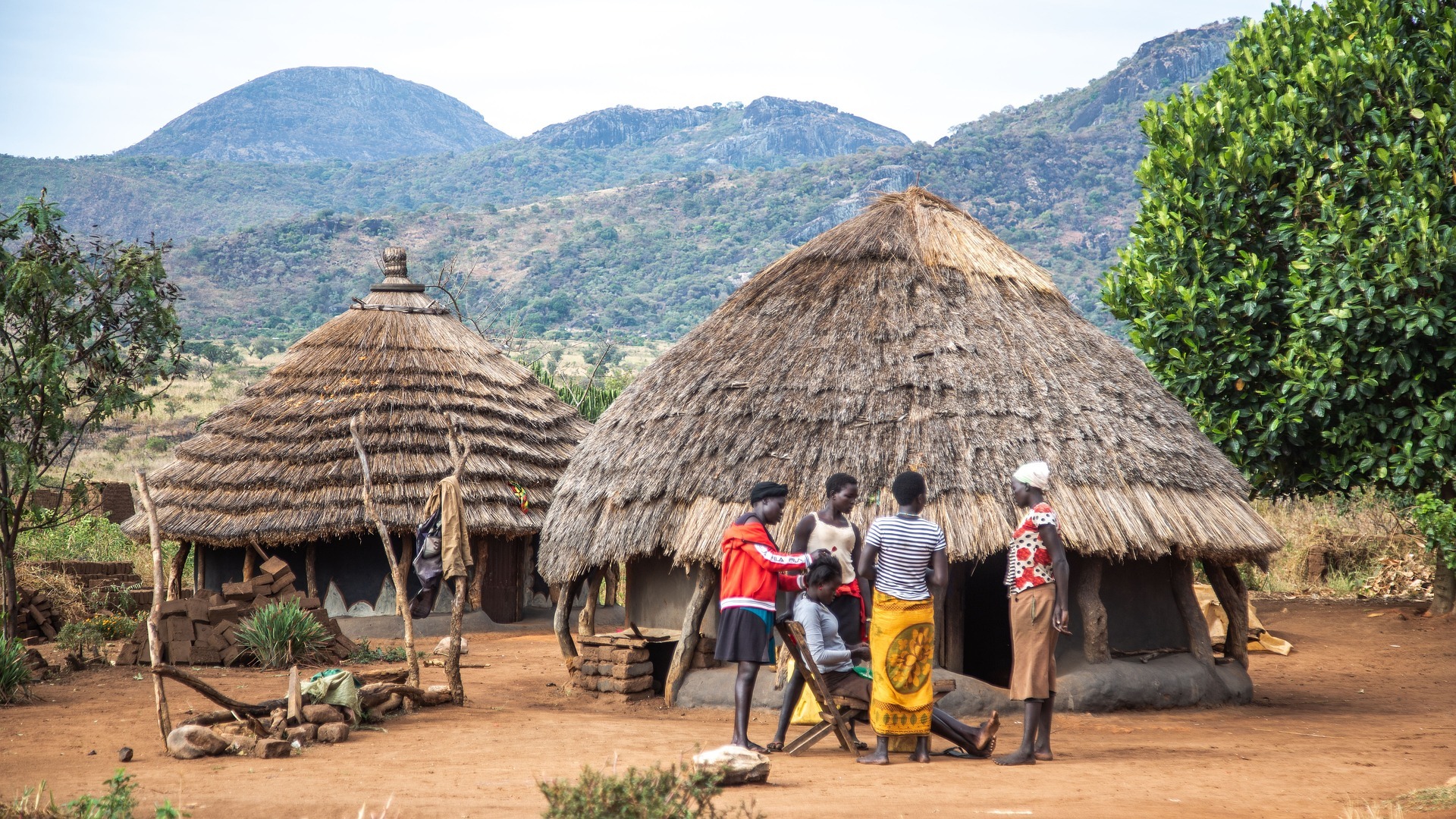
Visiting a Karamojong community in northeastern Uganda can be a memorable part of a trip. A manyatta—a traditional homestead, often enclosed by thorn fencing—is not a tourist attraction alone; it is also a place where families live and go about their daily routines. That makes it especially important to think about how and when you take photographs.
A camera can help you remember a visit, but it can also make people feel watched or put on display. The best approach is simple: meet people before you photograph them, ask first, and accept their answer. A little patience and a friendly conversation can make the experience more comfortable for everyone—and often leads to more meaningful photographs, too.
3-days-uganda-safari-itinerary-to-kidepo-valley-national-park
5-day-best-safaris-to-uganda-kidepo-and-murchison-falls-national-parks
5-days-kidepo-valley-uganda-safari-via-ziwa-rhino-sanctuary
6-days-best-of-murchison-and-kidepo-uganda-safari-via-ziwa
7-days-murchison-falls-uganda-safari-trip-via-ziwa-rhinos-kidepo-valley-and-jinja.
Photography Etiquette: The Essentials
- Ask before photographing someone. Make eye contact, smile, and ask clearly—or use a simple gesture to check first. If the person says no, turns away, or seems unsure, lower your camera and move on.
- Ask an adult before photographing a child. Get permission from a parent, guardian, or responsible adult. If no adult is available, or anyone seems uncomfortable, don’t take the photo.
- Don’t trade gifts for portraits. Avoid offering money, sweets, or small gifts in return for a photograph. If you want to support the community, ask your guide about an organized visit, agreed community fees, or buying crafts directly from local makers.
- Check before entering private or sensitive spaces. Don’t photograph inside homes or during ceremonies and other private activities unless the people involved have clearly agreed and your local guide confirms it is appropriate.
- Spend time with people before reaching for your camera. Start with a greeting and a conversation. Let people decide whether they want to be photographed; don’t treat a visit as a quick photo stop.
- Show people their portraits when it feels welcome. Sharing the image on your camera can be a friendly way to include the person in the moment. Before posting it online, think about whether the image and caption treat them with dignity.
Why should I ask before taking someone’s photograph?
Asking first shows that you see the person as a person—not simply as a subject or a background for your travel photos. Even when you are visiting with a guide, people should have a say in whether their image is taken.
Make the request in a friendly, unhurried way. If the person agrees, take the picture without assuming that permission covers every other image or activity. If they decline, smile, thank them, and put the camera away. Respecting a “no” is part of good photography etiquette, not an obstacle to getting the shot.
How should I approach photographing children?
Take extra care when children are involved. Ask a parent, guardian, or responsible adult before taking a child’s photograph, and follow their lead. If no adult is present, or you can’t tell whether permission has been given, don’t take the photo.
Even when an adult agrees, pay attention to the child’s reaction. If they hide, turn away, look worried, or don’t want to take part, stop. Avoid posting images that could expose a child’s identity or location in a way that may put their privacy or safety at risk. When in doubt, leave the camera down.
Why shouldn’t I offer money or sweets for a photo?
Offering cash or sweets in exchange for portraits can make an interaction feel like a transaction, especially when children are involved. It may also encourage people to expect payment whenever a camera appears. A visit is more respectful when it is arranged openly and any payments go through agreed community or tour arrangements.
If you would like your visit to benefit local people, ask your guide how community visits are organized and whether a fee is collected. You could also buy beadwork or other crafts directly from the person who made them. The important thing is not to make payment a condition for photographing someone.
How do I know which places or activities are private?
Don’t assume that a space or activity is open to visitors just because you can see it. A family home, a private gathering, or a cultural or spiritual activity may not be appropriate to photograph. Before taking a picture, ask the people involved and check with your local guide.
If your guide or host says a place or activity is off-limits, accept that without pressing for an explanation. Put your camera away and give people privacy. Being invited to visit a homestead does not mean you have permission to photograph every person, room, or activity there.
How can I get to know people before taking photographs?
Start with a greeting and give people time to respond. Your guide can help introduce you and explain the purpose of your visit. If people are comfortable, you might ask about everyday activities such as beadwork, food preparation, or livestock care—but don’t assume anyone is available to demonstrate their work or answer questions.
Let the conversation develop naturally. Avoid walking straight up with your camera already raised or photographing people while they are busy. If you later want to take a picture, ask directly and give them space to decide. Sometimes the best part of a visit has nothing to do with photography.
Should I show people the pictures I’ve taken?
If someone has agreed to a portrait, offering to show them the image can make the moment feel more shared. Hold out the camera or phone so they can see the screen, and let them decide whether they want to look.
Don’t insist if they seem uninterested, and don’t assume that enjoying a picture means they have agreed to have it posted online. Showing someone a photo is a considerate gesture, not a substitute for permission to share it. If they ask you to delete an image, respect that request.
What should I consider before posting community photos online?
Think about how the photograph may look to someone who has never visited the area. A caption that describes people only as poor, exotic, or “untouched” can flatten their lives into a stereotype. Share the context you genuinely know, and avoid inventing details or presenting one person as a spokesperson for an entire community.
Choose images that show people with dignity and agency. Avoid posting photographs taken during private or vulnerable moments, and consider whether identifying information could affect someone’s privacy. Permission to take a photo does not automatically mean permission to publish it, so ask before sharing portraits when possible.
What can a local guide help with?
A local guide can introduce visitors, explain how a community visit is arranged, and offer advice about local expectations. They may also be able to tell you when a photograph would be inappropriate or when it is better to wait.
Still, your guide cannot give blanket permission on behalf of every person you meet. Ask the person you want to photograph, too, and pay attention to their response. If the guide advises you not to take a picture, put the camera away rather than trying to find a way around the guidance.
How can I ask for a photo when we don’t share a language?
Keep the request simple and easy to refuse. Make eye contact if it feels natural, smile, and gesture gently toward your camera without lifting it straight to your eye. Your guide can help translate a question or explain what you are asking.
Watch the person’s response rather than relying on a guess. A nod may indicate agreement, while turning away, moving back, or looking uneasy may mean they don’t want their picture taken. If you aren’t sure, ask your guide to clarify or simply leave the camera down. A language barrier is a reason to be more careful, not less.
Why is patience important when photographing daily life?
A community visit takes place around people’s real lives, not a photographer’s schedule. People may be working, caring for children, looking after animals, preparing food, or simply spending time with family. Interrupting these activities to request repeated poses can quickly become tiring or intrusive.
Take your time. Observe quietly, ask before photographing, and accept that some moments are not for the camera. If people are busy, wait or choose another subject. Patience often gives you a clearer sense of what is happening—and makes it easier for everyone to feel comfortable.
What camera habits help me avoid being intrusive?
Keep a respectful distance and avoid bringing a large lens close to someone’s face without asking. Don’t use flash in people’s faces or point a camera into a home from outside. If you’re not sure whether a space is private, ask before taking the picture.
Try not to spend the whole visit looking through a viewfinder. Put the camera down between photographs, listen to what people are saying, and make ordinary conversation. A smaller camera may feel less imposing, but equipment matters less than how you use it. Good manners and a clear request make the biggest difference.
Can respectful photography help people understand Karamojong culture?
Photographs can help viewers learn about a place, but one image can never explain a whole community or culture. A respectful photograph, shared with accurate context, may encourage curiosity and challenge simplistic impressions. It should not suggest that people exist only to represent the past or provide a striking picture for visitors.
When possible, include what you learned from the people you met, while being careful not to speak for them. Avoid claiming that a photograph “shows how everyone lives.” Treat Karamojong communities as diverse, contemporary communities, not as a single story frozen in time.
What if someone agrees at first but then seems uncomfortable?
Stop taking pictures as soon as you notice discomfort. Someone may become uneasy even after initially agreeing, and they should be able to change their mind. Lower the camera, step back, and give them space.
You don’t need to persuade them to continue or explain why you want the picture. A simple thank-you is enough. If they ask you to delete an image, do so. Respecting a person’s comfort is more important than keeping a photograph.
How can I support a community without paying for individual photos?
Ask your guide or tour operator how visits are arranged and whether any community fees apply. A clearly explained, agreed fee may be part of an organized visit; ask who receives it and what it covers. You can also look for opportunities to buy beadwork or other crafts directly from the people who make them.
Don’t assume that an informal cash handout is the best way to help. It can be difficult to know how it will be shared, and it may create pressure around future visits. If you want your spending to benefit the community, ask about the arrangements before you arrive and choose an option that is transparent.
How should I photograph traditional clothing and beadwork?
Clothing, beadwork, and hairstyles can carry personal or cultural meaning, but their significance may vary from person to person. Rather than guessing what a particular design represents, ask your guide or the person wearing it—if they are happy to explain.
Get permission before taking a close-up of someone’s clothing or jewelry. A person may be comfortable with a general portrait but not a detailed photograph of one part of their appearance. Avoid describing attire as a costume or prop. A little context, shared accurately and with permission, is better than an assumption in your caption.
Is it respectful to use a drone over a homestead?
Don’t fly a drone over homes, people, or livestock without clear permission from the people affected and confirmation that the flight is allowed under current local rules. A drone can be noisy, disrupt daily life, raise privacy concerns, and startle animals.
Ask your local guide before even unpacking it, and don’t treat silence as approval. If permission is not clear, leave the drone packed away. Rules for drone use can vary, so check the requirements for your trip in advance and follow any instructions from local authorities or your tour operator.
How does ethical photography change the visit?
When the goal is connection rather than collecting pictures, you are more likely to notice what people want to share—and what they prefer to keep private. You may come away with fewer photographs, but the images you do take can be tied to a genuine interaction rather than a hurried encounter.
Putting the camera down also leaves room to listen and enjoy the visit as it happens. You don’t need a portrait to remember a conversation or a warm welcome. Often, being present is the part of a trip you remember longest.
What should I keep in mind when photographing people with livestock?
Livestock can be central to people’s work and daily routines, so take care not to interfere. Don’t block a herder’s route, approach animals suddenly, or stand where people are moving livestock. Ask your guide where it is safe to stand and whether photographs are appropriate at that moment.
Get permission from the people involved before taking their photographs, and give them room to continue their work. If the animals become unsettled or the herders seem distracted by your presence, step away. A photograph is never worth disrupting someone’s responsibilities or creating a risk for people or animals.
Can respectful images help challenge stereotypes about Karamoja?
They can contribute to a fuller picture, especially when they show people as individuals and the captions provide honest context. But a single photograph cannot represent everyone in Karamoja, and it is important not to replace one stereotype with another.
Share what you personally saw and learned, rather than making sweeping claims. Avoid framing people as helpless, mysterious, or unchanged by time. Thoughtful photography can invite people to look more closely, but it works best when it is paired with humility and respect for the limits of what a visitor can know.
How can I arrange a respectful visit to a Karamojong community?
Choose an operator or local guide who can explain how visits are arranged and what is expected of visitors. Before you go, ask whether photography is welcome, whether there are any restrictions, and whether a community fee or other payment is involved. During the visit, follow your host’s guidance and ask each person before photographing them.
If you are booking with Roads of Adventure Safaris, ask how the company works with local guides and communities, how any visit fees are handled, and what photography etiquette it recommends. Request clear details before you book. A well-organized visit can make it easier to learn, listen, and take photographs only when people are comfortable.