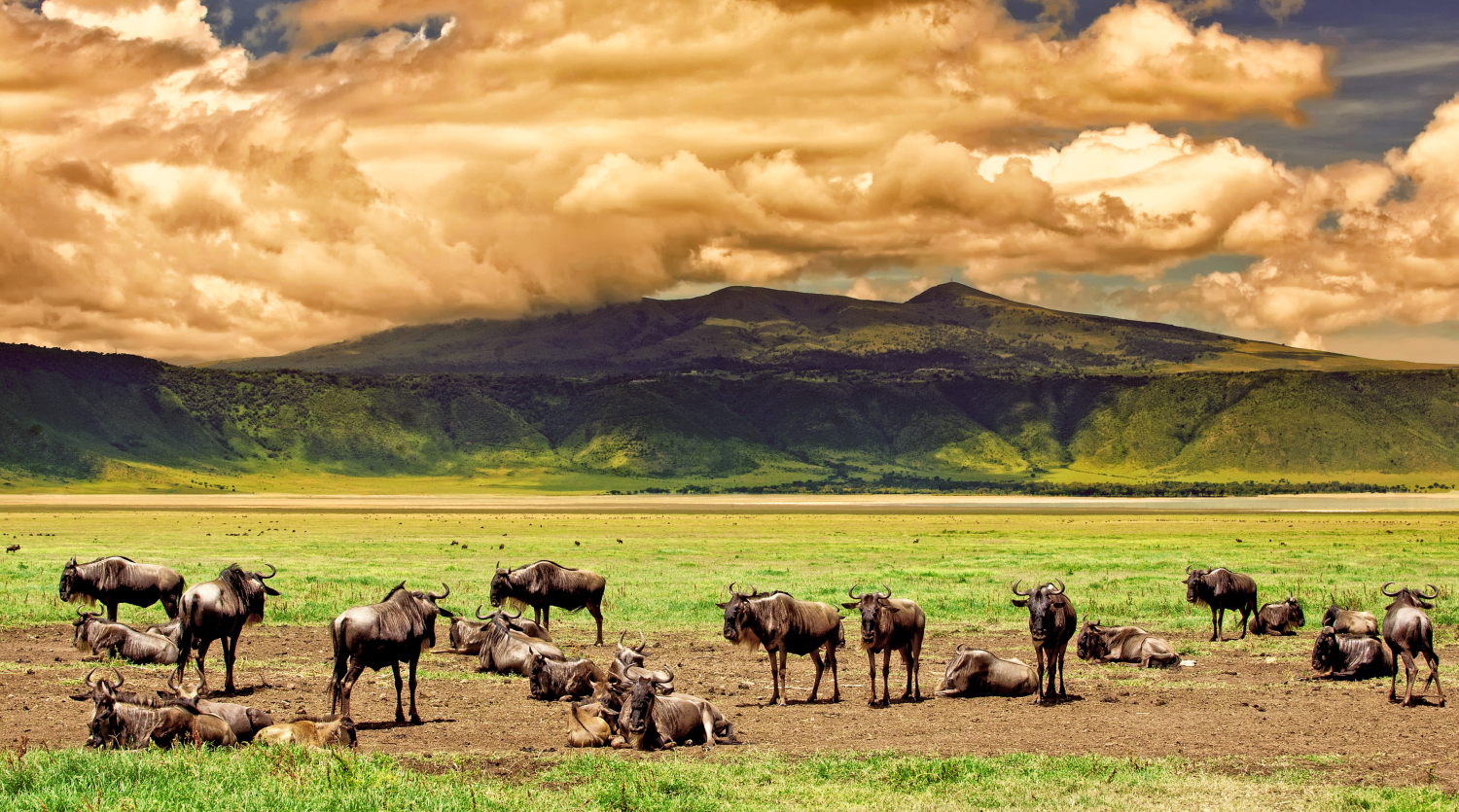
You should spend the vast majority of your time (at least 3 to 5 days) in the Serengeti, allocating only 1 or 2 days for the Ngorongoro Crater. The Serengeti is massive (about 14,750 sq km) with diverse regions, whereas the crater is a small, contained caldera that can be fully explored in a single day
3-days-southern-serengeti-safari-tour-and-ngorongoro-crater-calving-season-package
4-days-best-tarangire-ngorongoro-and-serengeti-safari-itinerary
4-days-tarangire-ngorongoro-and-serengeti-safari-tour
4-days-central-serengeti-safari-tour-and-mara-river-crossing-in-northern-serengeti
5-days-tanzania-safari-to-tarangire-serengeti-ngorongoro-and-lake-manyara
6-days-ultimate-budget-tanzania-safari-tour-holiday-vacation
7-days-6-nights-midrange-tanzania-wildlife-safari-holiday
Serengeti National Park
- Time Allocation: 3–5 Days
The sheer, unfathomable scale of the Serengeti—stretching across roughly 14,763 square kilometers—makes a multi-day stay absolutely essential. A common pitfall is treating the Serengeti as a single destination, whereas it is actually a massive tapestry of distinct geographical regions, each operating on its own ecological timetable. Allocating three to five days grants you the logistical flexibility to venture beyond the heavily trafficked central Seronera Valley, renowned for its year-round abundance of big cats and leopard-draped acacia trees, and explore the park's more remote corners.
Depending on the time of year, extra days are crucial for tracking the fluid movements of the Great Migration. Witnessing two million wildebeest, zebras, and gazelles traverse the ecosystem requires strategic travel. You might spend a day charting the Western Corridor to witness perilous crossings of the crocodile-infested Grumeti River, or journey far north to the remote Mara River, where the dramatic herds brave treacherous waters to reach the Masai Mara.
Furthermore, the vast distances mean that rushing through the park results in exhausting, bumpy transit days. A five-day itinerary shifts the pace from a frantic checklist to an authentic, immersive safari. It allows for full-day game drives with bush picnics under lone desert date trees, sunrise hot air balloon safaris over the golden grasslands, and dedicated tracking of apex predators like cheetahs hunting on the open plains or lions lounging on ancient granite kopjes (isolated rock hills).
Ngorongoro Crater
- Time Allocation: 1 Day
In stark contrast to the endless horizon of the Serengeti, the Ngorongoro Crater is a self-contained, highly concentrated haven that can be thoroughly experienced in a single, well-planned day. As the world’s largest intact, unfilled volcanic caldera, the crater floor spans a modest 260 square kilometers, enclosed by steep walls that rise 600 meters above the basin. This unique, bowl-like geography creates a natural enclosure for over 25,000 large mammals, resulting in one of the densest wildlife populations on the planet.
A single day is sufficient because a standard six-hour or full-day game drive allows you to loop across the entire crater floor at a leisurely pace. Within this compact arena, the wildlife viewing is remarkably efficient. You can watch massive bull elephants with tusks reaching the ground walk through the Lerai Forest, view pods of hippos wallowing in the Magadi lake shallows, and watch prides of black-maned lions stalking plains game across the open grasslands—all before lunch.
Crucially, the Ngorongoro Crater is one of the most reliable places in East Africa to spot the highly endangered black rhinoceros, which finds safety within the caldera’s naturally protected boundaries. Because off-road driving is strictly forbidden and the network of tracks is straightforward, extra days inside the crater simply yield repetitive loops along the same routes. Spending one full, action-packed day descending into the caldera at dawn ensures you capture the high-intensity magic of this geological wonder without experiencing the diminishing returns of a prolonged stay.
7 Days Northern Circuit popular Tanzania safari itinerary
Tanzania’s legendary Northern Circuit offers one of the most spectacular wildlife experiences on earth. This classic 7-day itinerary is a finely tuned journey through a breathtaking spectrum of ecosystems, designed to showcase the very best of East Africa’s natural wonders. From the iconic baobab-studded landscapes of Tarangire to the legendary, endless savannahs of the Serengeti and the dense wildlife haven of the Ngorongoro Crater, every day delivers a unique safari adventure. Ideal for both first-time travelers and seasoned safari enthusiasts, this route maximizes your chances of witnessing the dramatic Great Migration and encountering the famed Big Five in their natural habitats. Pack your cameras, sharpen your senses, and prepare for an unforgettable expedition through Africa’s most celebrated wilderness.
Day 1: Arusha to Tarangire National Park
Your adventure begins with a scenic drive from Arusha to Tarangire National Park, a vibrant gem famous for its striking, ancient baobab trees and massive elephant herds. As you enter the park, the Tarangire River takes center stage, serving as a vital lifeline that draws an incredible concentration of wildlife during the dry season. You will spend the afternoon on an exciting game drive, tracking elegant giraffes, majestic lions, and diverse bird species along the riverbanks. As the sun sets, casting a golden glow over the iconic African savannah, you will head to your lodge or tented camp, filled with anticipation for the incredible wilderness experiences that lie ahead.
Day 2: Ngorongoro Highlands to the Serengeti
Leave Tarangire behind and climb into the lush, mist-shrouded Ngorongoro Conservation Area highlands. The road winds past vibrant Maasai villages and rich agricultural fields before offering a breathtaking, panoramic view of the massive Ngorongoro Crater from the rim. After pausing to take in this stunning vista, you will descend the outer slopes and drive toward the legendary Serengeti National Park. The trees gradually thin out, giving way to the iconic, vast, and endless plains that define this world-famous ecosystem. Enjoy a late afternoon game drive as you head deeper into the heart of the park, watching the horizon for resident predators starting their evening hunts.
Days 3–5: Exploring the Endless Serengeti
Spend three unforgettable days immersed in the boundless expanse of the Serengeti, strategically timing your daily game drives to track the magnificent Great Migration. Depending on the exact time of year, you will witness hundreds of thousands of wildebeest and zebras charging across treacherous rivers or grazing on the sweeping southern plains. This immense concentration of prey naturally attracts top predators, offering excellent opportunities to spot lions, leopards, and cheetahs in action. Explore distinct regions of the park, from rugged rocky kopjes to hidden river valleys, enjoying picnic lunches under acacia trees and witnessing spectacular African sunsets that paint the sky in brilliant hues of orange and purple.
Day 6: The Ngorongoro Crater Floor
Rise before dawn to drive back toward the Ngorongoro Crater, descending 600 meters down its steep, forested walls into a pristine volcanic caldera. This unique, self-contained ecosystem hosts an astonishingly dense population of wildlife, offering a spectacular, full-day game drive. The crater floor features open grasslands, swamps, and acacia woodlands, making it one of the absolute best places in Africa to spot the endangered black rhino. You will easily cross paths with massive bull elephants, prides of lions, and pools filled with grunting hippos. After a memorable picnic lunch by a scenic lake, you will ascend the crater walls to relax and reflect on an extraordinary day.
Day 7: Return to Arusha and Departure
On your final day, enjoy a relaxed breakfast while soaking in the crisp, clean mountain air of the crater highlands one last time. You will then begin your smooth drive back to Arusha, winding down through local communities and stopping at vibrant cultural markets to pick up unique, handcrafted souvenirs. Arriving in Arusha by midday, you can enjoy a farewell lunch with your guide before transferring directly to Kilimanjaro International Airport or Arusha Airport for your onward flight. As you board your plane, you will carry unforgettable memories, spectacular photographs, and a deep, lasting connection to the wild heart of Tanzania.
How many total days do you have available for your Tanzania safari?
Determining the exact number of days you can dedicate to your Tanzanian safari is the most critical first step in shaping a realistic, well-paced itinerary. A standard Northern Circuit journey generally requires a minimum of 5 to 7 days to cover core areas like Tarangire, the Ngorongoro Crater, and the central Serengeti without spending your entire vacation rushing from one park gate to the next. If you can extend your travel window to 10 or 14 days, the itinerary truly opens up, allowing for an immersive, deeply rewarding expedition. Extra days mean you can venture far into the remote northern Serengeti to track dramatic river crossings, explore the rugged wilderness of Lake Natron, or spend time with the ancient Hadzabe tribe near Lake Eyasi. Furthermore, a longer timeline dramatically reduces transit fatigue, permitting multi-night stays at premier lodges where you can unpack once and fully absorb the tranquility of the African bush. For travelers seeking the ultimate contrast, a broader timeframe also makes it effortless to seamlessly combine a thrilling week of mainland wildlife tracking with a relaxing, tropical beach getaway on the historic spice island of Zanzibar.
Are you hoping to witness the Great Migration, and if so, during which months are you planning to travel?
The Great Migration is a dynamic, year-round journey of over two million wildebeest, zebras, and gazelles moving across the Serengeti-Mara ecosystem, meaning your travel months entirely dictate where your safari must be physically positioned. From January to March, the massive herds congregate on the short-grass plains of the southern Serengeti for the synchronized calving season, a spectacular event that draws a high concentration of apex predators looking for easy targets. By June and July, the herds push northwestward, setting the stage for the dramatic, adrenaline-fueled Mara River crossings in the northern Serengeti, which typically continue through October. If witnessing these iconic river crossings or the sweeping horizons of the calving season is a lifelong dream, your dates must align perfectly with these wildlife movements. Clearly establishing your preferred travel months allows for the strategic booking of mobile tented camps that follow the herds, placing you directly in the center of the action and ensuring you avoid long, exhausting daily transit times just to find the wildlife.
Is seeing the Big Five—specifically the critically endangered black rhino—your top priority?
While checking off the entire Big Five—lion, leopard, elephant, cape buffalo, and rhino—is a classic milestone for many safari enthusiasts, tracking the critically endangered black rhino requires a highly specialized geographic focus. Due to historic poaching and intense ongoing conservation efforts, these majestic animals are heavily protected and exceptionally rare to encounter by chance in the vast, open wilderness. If seeing a black rhino is an absolute non-negotiable priority for your trip, your itinerary must heavily emphasize a descent into the Ngorongoro Crater. This enclosed volcanic caldera serves as a natural, high-security sanctuary, hosting a resident population of black rhinos that are regularly spotted navigating the open plains and Lerai Forest. While the Serengeti does hold a small, highly monitored population within the exclusive Moru Kopjes area, sightings there demand incredible patience, specialized tracking, and a bit of luck. Highlighting this specific wildlife preference ensures your professional guide can dedicate extra hours to scanning these precise rhino havens, utilizing local ranger networks to maximize your chances of a successful sighting.
Would you prefer a longer, more adventurous game-driving experience across the vast plains of the Serengeti, or a shorter, concentrated day-trip inside the Ngorongoro Crater?
Choosing between an expansive game-driving experience across the Serengeti or a concentrated day-trip inside the Ngorongoro Crater is a matter of balancing epic scale against immediate wildlife density. The Serengeti represents the quintessential, wild African adventure; its endless, sweeping horizons demand multiple days of exploration to track elusive predators across changing terrains and truly experience the raw, unpredictable nature of the bush. It is an immersive, slower-paced journey where the reward lies in the vastness, the solitude, and the unmatched thrill of discovery. Conversely, the Ngorongoro Crater is a self-contained, high-density wildlife haven. Because the caldera floor is a confined, 260-square-kilometer space, you can easily spot hundreds of animals, including lions, hyenas, flamingos, and massive bull elephants, within just a single day. It offers unparalleled, fast-paced game viewing that is highly efficient, though it lacks the vast, untamed isolation of the open plains. Balancing these two worlds depends entirely on whether your travel style craves the immense freedom of the open savannah or the high-impact convenience of the crater floor.
What is your preferred budget for accommodations (e.g., luxury lodges, standard tented camps, or basic campsites)?
Your choice of accommodation dictates the overall comfort, style, and evening atmosphere of your Tanzanian safari experience. Ultra-luxury permanent lodges offer opulent structures, private plunge pools, fine fine-dining options, and flawless personalized butler service, seamlessly blending high-end indulgence with spectacular wilderness views. For travelers seeking an authentic yet highly comfortable bush experience, standard luxury tented camps provide walk-in canvas tents complete with en-suite bathrooms, plush beds, and an intimate connection to the outdoors, allowing you to fall asleep to the distant, thrilling calls of roaming hyenas and lions. On the budget-friendly end of the spectrum, basic adventure camping involves pitch-your-own dome tents in public campsites with shared facilities, offering a raw, minimalist journey that keeps you closest to nature. Clearly defining your preferred comfort level helps strike the perfect balance between budget and experience, ensuring we select properties that match your personal expectations while maintaining elite guiding standards, safe operations, and seamless logistical support throughout your entire journey across the Northern Circuit.
Will you be taking a fly-in safari (using airstrips like Seronera), or do you plan to drive the entire route through the Northern Circuit?
Deciding between an elite fly-in safari and a traditional overland driving route comes down to a choice between maximizing precious time or fully absorbing the country's shifting landscapes. A fly-in safari utilizes light aircraft to hop seamlessly between bush airstrips like Seronera or Kogatende, completely bypassing the bumpy, dusty roads and long, multi-hour transit days between major parks. This premium approach is incredibly efficient, saving valuable time and leaving you completely refreshed and energized for immediate game drives upon landing at your camp. On the other hand, driving the entire Northern Circuit in a classic, well-equipped  safari vehicle offers a deeply rewarding, classic overland journey. It provides a genuine sense of distance and geographical transition, winding through vibrant rural towns, high-altitude coffee plantations, and spectacular Great Rift Valley viewpoints that you would miss entirely from the air. While driving is highly cost-effective for families and small groups, flying remains the premier choice for travelers looking to optimize every single hour on the ground.
Are you interested in adding extra experiences, such as a hot air balloon ride over the Serengeti or a cultural visit to a Maasai village?
Enhancing your standard game-viewing itinerary with specialized, bucket-list activities transforms a great wildlife safari into an unforgettable, multi-dimensional journey. A dawn hot air balloon ride over the central or northern Serengeti offers a breathtaking, completely silent perspective of the endless plains, watching the golden sunrise paint the savannah while wildlife moves beneath your basket, followed by an elegant champagne bush breakfast. For travelers seeking a deep human connection, an authentic cultural visit to a Maasai or Datoga boma provides fascinating insights into ancient pastoral traditions, vibrant beadwork, and indigenous methods of coexisting harmoniously with wild predators. You can also incorporate thrilling night game drives in select private concessions to witness nocturnal predators actively hunting, or embark on an intimate guided walking safari to focus on tracking tracks, local flora, and smaller ecosystem details missed entirely from a vehicle. These carefully curated additions bring an extra layer of depth, adventure, and storytelling to your classic Tanzanian expedition.
Booking Ngorongoro and Serengeti safaris with us Roads of Adventure safaris
Book your Ngorongoro and Serengeti safari through Roads of Adventure Safaris by contacting them via email at info@roadsofadventuresafaris.com or calling/WhatsApp directly at +256 701041637. You can also visit their main office in Seguku, Lubowa in Kampala.
