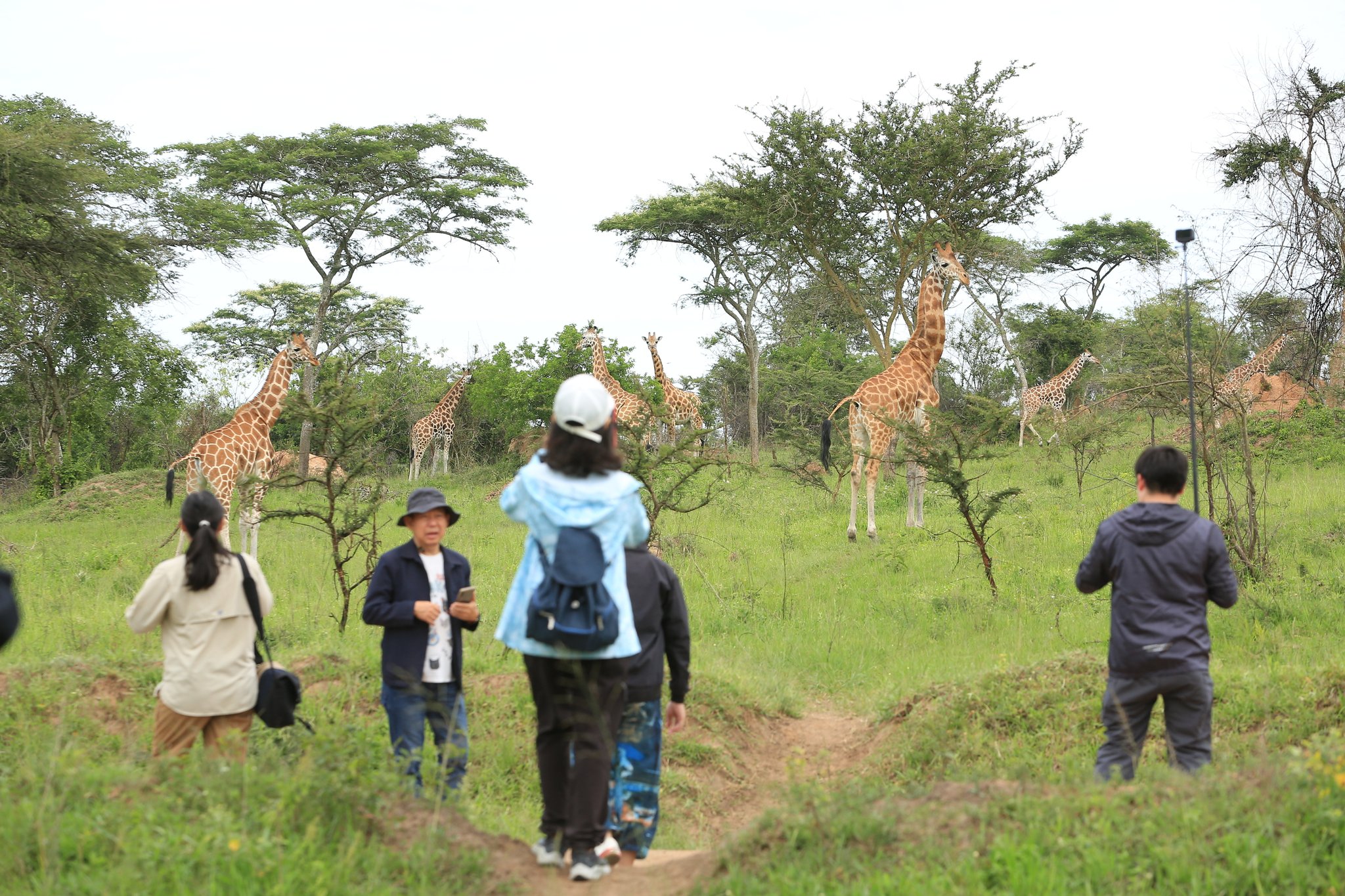
Lake Mburo National Park offers unique family-friendly adventures, being the only park in Uganda offering horseback safaris and biking safaris among wildlife. Ideal for a day out, families can enjoy guided nature walks, boat trips, and cultural experiences, all without large predator crowds.
2-days-lake-mburo-national-park-uganda-safari-holiday
3-days-best-of-lake-mburo-national-park-uganda-safari-tour-package
4-days-queen-elizabeth-park-and-lake-mburo-uganda-safari-tour
4-days-perfect-honeymoon-uganda-safari-to-lake-mburo-national-park-and-lake-bunyonyi
Unique Activities for Families in Lake Mburo National Park
Horseback Riding Safaris
Horseback riding is arguably Lake Mburo’s most iconic activity, as it is the only national park in Uganda where this is possible. Operated primarily by Mihingo Lodge, these safaris offer a sensory experience that a motorized vehicle simply cannot replicate. Without the noise of an engine, you can hear the wind through the acacia trees and the sound of your horse’s hooves on the trail. This lack of noise also makes the wildlife—particularly zebras, elands, and impalas—much calmer. They often allow horses to approach within just a few meters, viewing the rider as part of another four-legged animal rather than a threat.
For families, this is a highlight because it caters to all skill levels. Young children or beginners can take a gentle 30-minute "taster" ride on lead ropes with experienced guides, while more adventurous teenagers and parents can opt for multi-hour treks across the grassy ridges. Riding a horse alongside a tower of giraffes or a herd of zebras creates a profound connection to the landscape that children will remember for a lifetime.
Biking Safaris
For active families looking to burn off some energy, biking safaris offer a thrilling "off-road" adventure. Led by armed Uganda Wildlife Authority (UWA) rangers, these tours take you along well-trodden animal paths and through the park’s rolling hills. While the terrain can be bumpy and sometimes challenging, the pace is usually dictated by the slowest member of the family, making it inclusive for older children and teens.
The thrill of biking comes from the vulnerability and openness of the experience. Seeing a buffalo or a herd of topi from the seat of a bicycle provides a massive adrenaline rush compared to watching from a car window. It also allows families to appreciate the smaller details of the park—the texture of the soil, the various types of acacia thorns, and the smaller insects or reptiles that are often missed during game drives. It is an excellent way to combine physical exercise with wildlife education.
Boat Cruise on Lake Mburo
A boat cruise on the calm waters of Lake Mburo is the perfect "reset" activity after a morning of walking or biking. The lake is the heart of the park, and its eastern banks are teeming with life. As you drift along the shoreline, you are almost guaranteed to see massive pods of hippos huffing and spraying water, as well as crocodiles sunning themselves on the banks.
For bird-watching families, this is the best chance to spot the rare and elusive African Finfoot, which hides among the overhanging roots of the riverine trees. You will also see kingfishers diving for snacks and fish eagles perched high above. The boat provides a safe, stable platform for children to move around slightly and use binoculars without the dust and heat of the savannah. Most cruises last about two hours, making it short enough to keep young children engaged without them getting restless.
Guided Walking Safaris
Walking safaris transform the park into a giant outdoor classroom. Because Lake Mburo lacks lions and elephants, it is one of the safest places in East Africa for a family to walk among wild animals. Accompanied by a knowledgeable UWA ranger, you can trek to the park's famous salt licks. These are natural mineral deposits where various species congregate to lick the earth, providing a fantastic "theatre" of wildlife interaction.
During the walk, rangers often teach children how to track animals by their footprints (pugmarks) and droppings. You’ll learn which plants are used for local medicine and how to identify different bird calls. Walking through the tall grass and up the stony hills gives families a sense of scale and wonder that is often lost when insulated by a vehicle.
Night Game Drives
While most of the park’s inhabitants are active during the day, a whole different world emerges once the sun sets. Night drives start around 6:30 PM or 7:00 PM and use powerful spotlights to illuminate the darkness. This is the best time to see the park’s top predator: the leopard. Lake Mburo has a surprisingly high leopard population, and seeing one’s golden eyes reflect in the spotlight is a spine-tingling experience.
For children, the "stars" of the night are often the smaller creatures. You’ll see "bush babies" (galagos) leaping between trees with their enormous glowing eyes, porcupines scurrying into the undergrowth, and nightjars sitting on the dusty roads. The atmosphere of the park at night—the symphony of crickets and the distant howl of a hyena—adds a layer of mystery and excitement to the safari.
Cultural Community Tours
Lake Mburo is unique because it exists in harmony with the local Bahima pastoralists. A cultural tour takes families to a traditional homestead to see the famous Ankole long-horned cattle. These cows, with their massive, sweeping horns, are central to the identity of the local people.
Families can participate in daily chores like milking the cows, learning how to clean the milk gourds using traditional smoke, or watching the process of making ghee (clarified butter). This experience provides a vital human context to the safari, teaching children that conservation is as much about people as it is about animals. It’s a hands-on, tactile experience that contrasts beautifully with the wilder parts of the park.
Rubanga Forest Walk
While Lake Mburo is mostly savannah, the Rubanga Forest is a small, hidden gem of closed-canopy woodland. This forest provides a completely different ecosystem to explore. It is a haven for primates, particularly vervet monkeys and olive baboons, which children love watching as they swing through the branches.
The forest is also a "must-visit" for birding enthusiasts, as it houses species not found in the open plains, such as the Green Pigeon and the Double-toothed Barbet. The cool, shaded environment of the forest offers a welcome break from the midday sun. Walking through the dense foliage feels like an adventurous trek through a jungle, sparking the imaginations of young explorers.
Children’s Education Center
Located near the Sanga Gate, the Education Center is specifically designed to engage the next generation of conservationists. It features displays about the park’s history, its unique flora and fauna, and the challenges of human-wildlife conflict.
The center often hosts interactive sessions where kids can look at skeletons, skins, and maps. It helps tie together everything they have seen during their stay, explaining why the giraffes were moved here or how the salt lick was formed. It’s a great way to spend an hour during the heat of the day, ensuring that the fun of the safari is backed by a solid understanding of environmental stewardship.
1. The Magic of Horseback Riding Safaris
Horseback riding is arguably the crown jewel of Lake Mburo’s unique offerings. Unlike traditional game drives where the hum of an engine can startle animals, a horse is seen as just another four-legged resident of the savannah. This "stealth" mode allows you to approach herds of zebras, impalas, and even the shy elands (Africa’s largest antelope) within just a few meters. The horses at Mihingo Lodge are exceptionally well-trained, and because the park lacks lions, the perceived threat is low, making it a serene, rhythmic journey through the acacia woodlands. It’s an immersive way to feel the wind, hear the grass crunch, and see wildlife from a completely different vantage point.
2. Kids on Horseback: Is it Safe?
For families, the safety of children is paramount. Mihingo Lodge caters specifically to families by providing ponies and calm, smaller horses for younger riders. They offer specialized "pony rides" for toddlers and shorter trails for older children. Each child is typically led by a professional groom or guide on foot or another horse, ensuring the animal remains under control. This experience is often the highlight for kids, as it combines the thrill of an animal encounter with the fun of riding. It builds confidence in children as they learn to navigate the terrain while spotting "Pumbas" (warthogs) along the way.
3. Walking Safaris: Tracking the Wild
A walking safari in Lake Mburo is an education in the "small things" that guests often miss from a car. Accompanied by a knowledgeable Uganda Wildlife Authority (UWA) ranger, you’ll learn to identify "spoor" (animal tracks) and dung, which tells a story of who passed by the night before. One of the primary destinations is the salt lick, a natural mineral deposit where animals congregate. Standing on a wooden observation platform, you can watch buffaloes and zebras jostling for a taste of the salty earth. It’s a quiet, respectful way to exist within the ecosystem rather than just observing it.
4. Family Bike Tours: Safari on Two Wheels
Mountain biking through a national park is a rarity in East Africa. In Lake Mburo, the relatively flat terrain and lack of major predators make this a viable and exciting family activity. Guided tours usually stick to the tracks around the park boundaries or through the lighter acacia scrub. It’s a high-energy activity that burns off steam for kids who might get "safari fatigue" from sitting in a vehicle. You might find yourself pedaling alongside a troop of baboons or stopping to let a family of zebras cross the path. It’s active, eco-friendly, and provides a great sense of freedom.
5. The Boat Trip: Hippo Heaven
Lake Mburo is the heart of a wetland system comprising 13 lakes, and a boat trip is essential to see its aquatic side. The 2-hour voyage is a spectacle of hippos—huge pods of them huddle in the water, yawning and grunting. For children, the highlight is often the Nile crocodiles sunning themselves on the banks with their mouths wide open. Birdlife is also spectacular here; you’re almost guaranteed to see the African Fish Eagle diving for prey and, if you’re lucky, the elusive, prehistoric-looking Shoebill stork or the colorful African Finfoot.
6. Night Game Drives: Secrets of the Dark
As the sun sets, a whole new cast of characters emerges. Night drives use powerful spotlights to catch the "eye-shine" of nocturnal animals. This is your best chance to see the park’s leopards, which are masters of camouflage during the day. You’ll also spot bushbabies (galagos) with their massive eyes leaping through the trees, and perhaps a spotted hyena returning to its den. For families, the mystery of the dark and the strange sounds of the African night create a thrilling "adventure movie" atmosphere that keeps everyone on the edge of their seats.
7. The Impala: Lake Mburo’s Signature
The Impala is a graceful, high-jumping antelope that, in Uganda, is found only in Lake Mburo National Park. In fact, the capital city, Kampala, derives its name from these animals ("Hill of the Impala"). Seeing them in their natural habitat is a lesson in Ugandan heritage. They are known for their incredible agility, capable of leaping over 3 meters high. With over 30,000 of them in the park, they are a constant companion on any drive, often seen in large "harem" groups under the shade of acacia trees.
8. Safari from a Boat: A Different Perspective
While many associate safaris with dusty land cruisers, a boat safari offers a tranquil alternative. It’s particularly good for families because children can move around a bit more freely than in a cramped car. From the water, you get a "water-level" view of the animals coming down to drink. Watching a herd of buffaloes or a family of giraffes sip from the lake’s edge while you float nearby is a peaceful, cinematic experience that highlights the park’s role as a vital water source for the region’s wildlife.
9. Hima Cultural Experiences
A family safari isn't just about animals; it’s about people. The Hima people are traditional cattle keepers who have lived alongside the park’s wildlife for generations. Visiting a local homestead allows children to see the famous "Ankole Long-horned cattle." Families can participate in traditional activities like churning milk in a kyanzi (wooden gourd), making ghee, or learning the significance of the cattle’s intricate horn shapes. It’s a powerful way to teach kids about different lifestyles and the importance of community-led conservation.
10. Kazuma Lookout: The Five-Lake View
To truly understand the geography of the park, you must hike to the Kazuma Lookout. It’s a relatively short but steep climb that rewards you with a 360-degree panorama. From here, you can see five of the park’s lakes shimmering in the sun, surrounded by rolling green hills and acacia forests. It’s the perfect spot for a family photo and a moment of reflection. The vastness of the landscape from this height helps children grasp the scale of the ecosystem they are exploring.
11. Fishing at Mazinga
For a slower pace, families can head to the Mazinga spot on Lake Mburo for a morning of sport fishing. It’s a safe, designated area where the water is calm. The lake is home to six species of fish, with Tilapia being the most common catch, alongside Lungfish and Mudfish. It’s a "catch and release" activity that teaches patience and appreciation for aquatic life. Many lodges can even arrange for a "fish fry" if you catch something substantial, providing a literal taste of the park’s bounty.
12. Safety and the Armed Ranger
A common question is: "How can we walk in a park with wild animals?" The answer lies with the Uganda Wildlife Authority rangers. These professionals are trained in animal behavior and carry firearms as a strictly precautionary measure (usually to fire a warning shot in the air if an animal gets too curious). Having a ranger with you isn't just for safety; they are walking encyclopedias of nature. They know which plants are medicinal, which birds are calling, and how to stay downwind of a buffalo herd to remain undetected.
13. Rubanga Forest: A Birder’s Paradise
While much of Mburo is savannah, the Rubanga Forest provides a closed-canopy contrast. This small pocket of tropical high forest is a haven for birdwatchers and those seeking shade. Walking through the forest, you might spot the Narina Trogon or the Grey-backed Camaroptera. It’s a quiet, cool environment that feels worlds away from the sunny plains just a few hundred meters away. It’s a great place to teach kids about biodiversity and how different species require different "homes" to survive.
14. Timing the Game: 7 AM vs. Evening
Timing is everything in the wild. The 7:00 AM start is "golden hour"—the light is perfect for photography, and predators like leopards are still finishing their nightly patrols. This is when the park "wakes up," and the bird chorus is at its peak. Conversely, the evening drive offers the "hippo trek," where these massive herbivores leave the safety of the water to graze on land. Both times offer unique sightings, and for a one-day trip, doing both ensures you see the full cycle of life in the park.
15. The Advantage of the Smallest Park
Lake Mburo’s size is its greatest asset for families. In larger parks like Murchison Falls, you might drive for hours between sightings. In Mburo, the wildlife is concentrated. You can go for a horseback ride in the morning, have a lakeside lunch, take a boat cruise in the afternoon, and still be back at the equator for souvenirs by sunset. It’s the "compact safari"—all the thrills of the African bush without the long, tiring transits that can be difficult for young children.
Booking lake Mburo activities with us Roads of Adventure safaris
Book Lake Mburo activities with Roads of Adventure Safaris for tailored, all-inclusive packages featuring game drives, boat cruises, horseback riding, and guided walking tours. Packages include transport, accommodation, and entry fees, with options for customized, private trips. Contact them via email at info@roadsofadventuresafaris.com or phone/WhatsApp at +256 701041637
