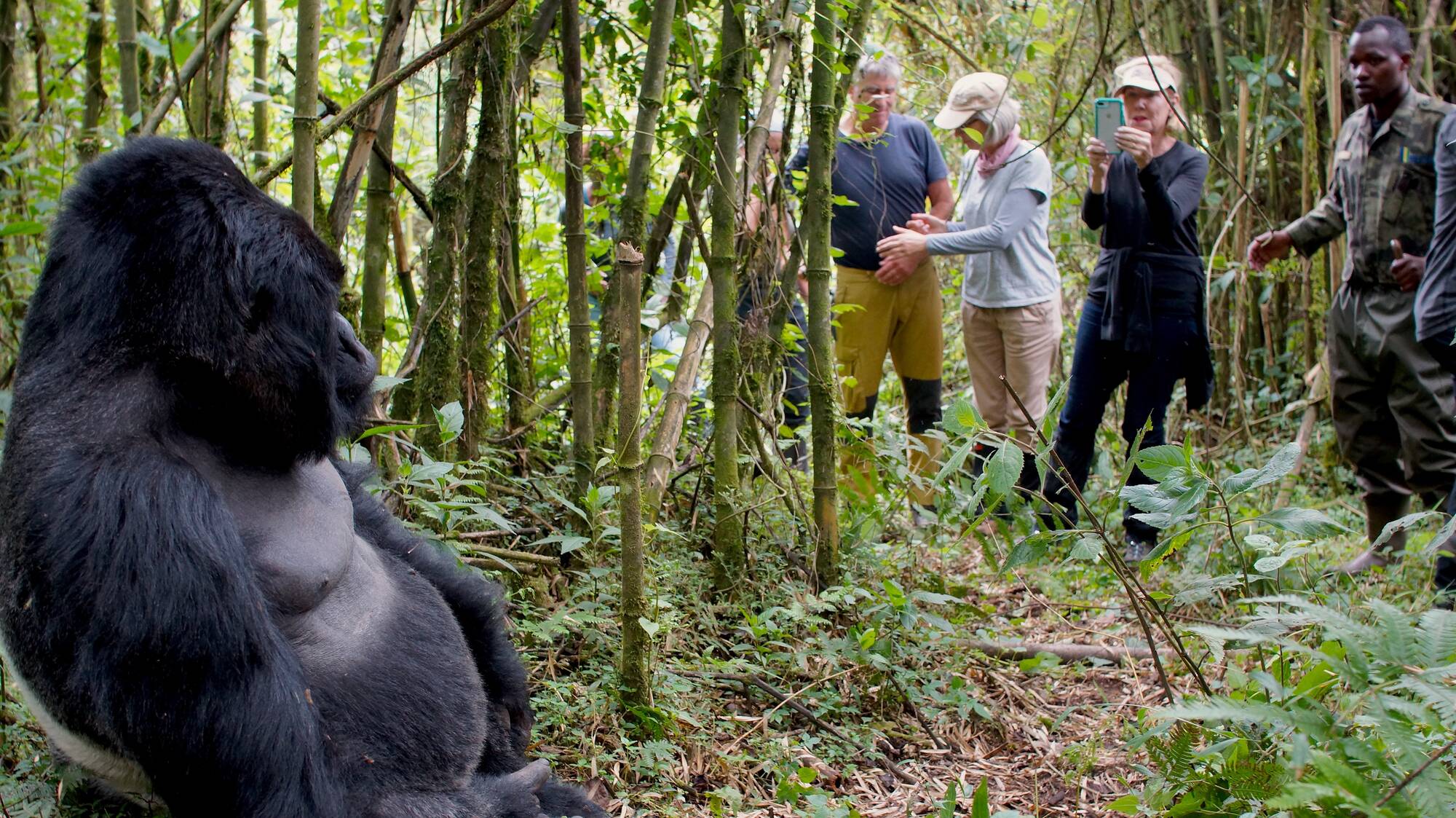
A 12-day Uganda safari through East Africa is hands-down the best way to soak in the continent's most dramatic landscapes. Yet nothing compares to the raw emotional punch of standing just a few strides away from a giant wild mountain gorilla. Whether you choose to trace their steps through the misty, dense rainforests of Uganda's Bwindi Impenetrable National Park or navigate the volcanic slopes of Volcanoes National Park in Rwanda, a gorilla safari is a deeply moving, once-in-a-lifetime journey.
12-days-all-inclusive-uganda-wildlife-and-primate-safari
12-days-best-uganda-rwanda-primate-safaris-and-akagera-big-five-safaris
12-days-luxury-safari-in-uganda-parks
12-days-best-uganda-safari-big-five-and-uganda-primate-safari
12-days-perfect-rwanda-uganda-gorilla-trekking-safari-holiday-vacation
12-days-uganda-wildlife-primate-experience-and-lake-mutanda-vacation
12-days-uganda-birding-tour-looking-for-rift-valley-endemic-birds-west-circuit
Here is a realistic look at what awaits you on the ultimate 12-day gorilla and wildlife adventure.
🗺️ The Ultimate 12-Day Uganda Safari Route Blueprint
A classic 12-day route effortlessly mixes world-class primate tracking with traditional game drives across open plains. While many travelers choose to focus on one country, a cross-border loop linking Uganda and Rwanda gives you the richest overall experience.
Core Safari Highlights
- Gorilla Trekking in Bwindi Impenetrable Forest (Uganda): Spend an unforgettable hour watching a habituated gorilla group led by a imposing silverback. Treks can take anywhere from 30 minutes to 5 hours depending on where the family moved overnight.
- Gorilla & Golden Monkey Tracking in Volcanoes National Park (Rwanda): Head up the steep volcanic slopes of the Virunga Mountains for a second gorilla encounter or a lively visit with golden monkeys.
- Big Game & Boat Cruises in Queen Elizabeth National Park: Keep an eye out for tree-climbing lions in the Ishasha area, cruise along the Kazinga Channel packed with hippos and elephants, and drive through the Kasenyi plains.
- Chimpanzee Tracking in Kibale Forest: Follow lively chimps through the dense canopy, then stroll through the rich bird sanctuaries and wetlands of Bigodi.
- Cultural & Scenic Stops: Meet members of the indigenous Batwa community near Bwindi, visit the Kigali Genocide Memorial in Rwanda, and unwind beside the quiet waters of Lake Bunyonyi.
🗓️ Day-by-Day Itinerary Breakdown for 12-day Uganda safari
Days 1–3: Rhinos and Thundering Waterfalls
Kick off your journey with a walk to track wild white rhinos at Ziwa Rhino Sanctuary. From there, drive to Murchison Falls National Park to watch the mighty Nile River squeeze itself through a narrow 7-meter gorge before plunging into the valley below.
Days 4–6: Primates and Tree-Climbing Lions
Travel south to the lush canopy of Kibale Forest National Park for a thrilling morning with wild chimpanzees. Next, journey to Queen Elizabeth National Park for open-savannah game drives and a chance to spot the legendary tree-climbing lions resting in massive fig trees.
Days 7–9: Into the Mist of Bwindi
Wind your way into the ancient, cloud-wrapped hills of Bwindi Impenetrable National Park. This is where you will set off on your first gorilla trek, followed by a fascinating cultural afternoon learning about traditional forest life from the local Batwa people.
Days 10–12: Cross-Border Adventure to Kigali
Cross the border into Rwanda and head to Volcanoes National Park for a second mountain trek or a playful encounter with golden monkeys. Wrap up your trip in Kigali with a moving visit to the Genocide Memorial before your flight home.
🦍 What the Gorilla Trekking Experience Is Really Like
The morning of your trek brings a mix of nervous energy, excitement, and physical work. Here is how the day unfolds:
- The Early Morning Briefing: Your day begins around 6:15 AM with a steaming cup of fresh Ugandan or Rwandan coffee and a safety talk from park rangers at headquarters.
- Small Group Small Footprint: You will be placed in a small group of no more than eight travelers, escorted by an experienced head guide and armed park rangers. Dedicated trackers head out at first light to pinpoint exactly where the gorillas slept.
- Navigating the Terrain: Depending on where the gorillas nested, your hike can range from 1 to 6 hours. Expect to climb steep ridges, push through thick foliage, and trudge along slippery, muddy paths.
- The Unforgettable Hour: The moment you spot the family, the 60-minute timer starts. You get a full hour to sit quietly, snap photographs, and watch the magnificent silverback, curious youngsters, and attentive mothers interact in their natural home.
Key Takeaways for Planning Your Trip
- Book Permits Early: Gorilla permits are strictly limited each day and sell out months ahead during peak dry seasons (June to September and December to February).
- Pack the Right Gear: Sturdy waterproof hiking boots, long thick pants, garden gloves (for gripping thorny vines), and a light rain jacket are non-negotiable items.
- Hire a Local Porter: Hiring a porter at the trailhead supports local communities and makes those steep, muddy climbs infinitely easier.
How fit do I need to be for a 12-day gorilla and wildlife safari?
You do not need to be a marathon runner, but a reasonable level of physical fitness makes the experience far more enjoyable. Savannah game drives in places like Queen Elizabeth National Park require almost no physical exertion beyond sitting in a 4x4 safari vehicle. However, gorilla trekking in Bwindi or Volcanoes National Park involves hiking through dense vegetation, slippery mud, and steep ridges at elevations between 1,100 and 3,000 meters. A trek can last anywhere from one to eight hours. Prepare by doing regular cardio exercises, leg strength workouts, and weekend hikes in broken-in boots for a few weeks leading up to your trip. If you have mobility concerns, low-altitude gorilla groups or sedan chair porter services can be arranged in advance.
What is the difference between gorilla trekking in Bwindi vs. Volcanoes National Park?
Bwindi Impenetrable National Park in Uganda features thick, tangled rainforest terrain with steep slopes, dense vines, and humid conditions, often making for a more rugged and adventurous climb. In contrast, Rwanda’s Volcanoes National Park offers open bamboo forests along volcanic slopes, which generally provide clearer sightlines and slightly easier walking paths, though the higher altitude can catch you off guard. Price is another major difference: a gorilla permit in Uganda costs $800, whereas Rwanda charges $1,500. Choosing a cross-border 12-day safari gives you the best of both worlds—allowing you to compare the lush, wild jungle of Bwindi with the dramatic volcanic backdrop of the Virungas.
How do cross-border land transfers work between Uganda and Rwanda?
Crossing the land border between Uganda and Rwanda—typically through the Cyanika or Gatuna borders—is a smooth process when organized by an experienced tour operator. Travelers use the East Africa Tourist Visa, a convenient multi-entry visa covering Uganda, Rwanda, and Kenya for $100. During the crossing, your safari driver-guide walks you through customs and immigration, which usually takes between 30 and 60 minutes. Vehicle regulations mean your guide manages all transit paperwork seamlessly. Crossing by land not only saves you money compared to regional flights, but it also treats you to sweeping views of the terraced hills of southwestern Uganda and northern Rwanda, earning the region its nickname: the "Switzerland of Africa."
What is the best time of year to take a 12-day Uganda and Rwanda safari?
The ideal time to embark on this journey is during the dry seasons: June through September and December through February. During these months, trails in Bwindi and Volcanoes National Park are less muddy, making forest hikes safer and less tiring. Savannah parks like Murchison Falls and Queen Elizabeth also see animals gathering around primary water sources, providing incredible game viewing. That said, the wet seasons (March to May and October to November) offer unique advantages. Heavy rains bring lush green scenery, active birdlife, lower lodge rates, and easier permit availability. Rain can fall at any time in rainforest habitats regardless of the month, so waterproof gear is essential year-round.
Why should I hire a porter for gorilla trekking if I am capable of carrying my own backpack?
Hiring a local porter at the park headquarters is one of the most rewarding decisions you can make on safari. For a small fee (around $15 to $20 plus tip), a porter will carry your daypack, offer a steadying hand over slippery roots, and help you navigate tricky mud slides. Beyond physical assistance, hiring a porter directly supports the surrounding local communities. Many porters are former poachers, reformed local youth, or parents working to pay school fees for their children. By employing them, you create direct economic incentives to protect wild mountain gorillas and their natural habitat. It turns a challenging hike into a shared, uplifting human connection.
Can I go gorilla trekking if I catch a cold or a mild cough?
No, you will not be allowed to trek if you show signs of a contagious illness such as a cold, flu, or stomach bug. Mountain gorillas share roughly 98% of human DNA, making them extremely susceptible to human respiratory diseases. Because wild gorillas lack immunity to human pathogens, a simple virus can quickly spread through an entire family and prove fatal. Park wardens inspect all trekkers during the morning briefing. If you are deemed unwell, you will be asked to stay behind to safeguard the animals. In most cases, park authorities will help reschedule your trek or assist with permit refund procedures through official channels.
What gear and clothes should I pack for gorilla and chimp tracking?
Proper packing can make or break your forest trekking experience. You will need lightweight, waterproof hiking boots with solid ankle support and good grip for muddy slopes. Wear long-sleeved moisture-wicking shirts and sturdy trousers tucked into your socks to keep out stinging nettles and safari ants. Sturdy garden gloves are invaluable for gripping thorny vines without scratching your hands. Pack a breathable rain jacket, a wide-brimmed hat, insect repellent, and a lightweight daypack with a rain cover. Don't forget reusable water bottles to stay hydrated. Avoid wearing bright colors; neutral tones like khaki, green, and brown blend best into the natural forest environment.
Is a 12-day safari suitable for families traveling with children?
Yes, a 12-day safari can be a fantastic family holiday, but age restrictions must be taken into account. Official regulations require guests to be at least 15 years old for mountain gorilla trekking and chimpanzee tracking in both Uganda and Rwanda. For families traveling with younger children, tour operators can arrange alternative activities such as guided nature walks, boat cruises, cultural village visits, and gentle savannah game drives. Private safari vehicles allow families to travel at their own comfortable pace with flexible restroom stops and customized daily schedules. Many luxury lodges also feature swimming pools, spacious family cottages, and specialized kids' bush programs.
What photography gear and etiquette should I keep in mind for gorilla trekking?
Capturing wild gorillas in dense rainforest light requires a few specific photography habits. Flash photography is strictly forbidden because sudden bright flashes can startle or irritate the primates, triggering aggressive behavior. Bring a camera body that handles high ISO settings well, paired with a fast zoom lens (such as a 70–200mm f/2.8) to navigate dark canopy cover and changing distances. Pack waterproof dry bags or rain covers to shield your camera gear from sudden rainstorms. Most importantly, keep camera screens quiet, turn off focus assist lights, and remember to put your camera down for a few minutes to simply take in the moment with your own eyes.
How does a gorilla permit directly fund wildlife conservation?
When you purchase a gorilla permit, your money goes directly toward keeping wild mountain gorilla populations safe and healthy. Revenue from permits funds 24-hour anti-poaching patrols, veterinary interventions by groups like Gorilla Doctors, and continuous habitat monitoring. Furthermore, local community sharing models ensure that a portion of every permit fee (20% in Uganda) goes directly to local government councils bordering the parks. These funds build health clinics, build roads, establish clean water systems, and construct primary schools. By turning wildlife into an economic asset for surrounding villages, local residents become active guardians of the forest rather than competitors for its resources.
What dietary accommodations are available at safari lodges throughout East Africa?
Safari lodges across Uganda and Rwanda cater exceptionally well to diverse dietary preferences and medical restrictions. Whether you are vegetarian, vegan, gluten-free, dairy-free, halal, or kosher, lodge chefs prepare fresh, high-quality meals using locally sourced produce. Because many lodges are situated in remote wilderness areas where supplies are driven in weekly, it is important to communicate your dietary requirements to your tour operator during the booking process. This gives lodge kitchens advance notice to restock specialized ingredients. From early-morning hot breakfasts before treks to three-course dinners around the campfire, you can expect well-balanced, delicious meals throughout your trip.
How safe is traveling by road through Uganda and Rwanda on a 12-day circuit?
Road travel across Uganda and Rwanda is generally very safe, especially when traveling with an experienced professional guide in a well-maintained 4x4 safari vehicle. Main highway corridors connecting major towns are paved, while roads leading into national parks consist of gravel and dirt tracks that can become bumpy. Speed limits are strictly enforced, particularly in Rwanda where traffic monitoring is widespread. Professional guides are trained in defensive driving, vehicle mechanics, and regional safety protocols. Traveling by road gives you an authentic glimpse of everyday life, passing bustling roadside markets, terraced hillsides, and vibrant rural villages along the way.
What kind of medical precautions and vaccinations do I need before traveling?
Before embarking on your safari, consult a travel medicine clinic or your personal physician at least four to six weeks prior to departure. A Yellow Fever vaccination is mandatory for entry into both Uganda and Rwanda, and you must carry your official yellow vaccination certificate with your passport. Prophylactic malaria medication is strongly recommended for all safari destinations in the region. Ensure routine vaccines like Tetanus, Hepatitis A, and Typhoid are up to date. Pack a personal medical kit containing prescription medications, rehydration salts, painkillers, blister plasters, motion sickness pills, and broad-spectrum insect repellent containing DEET.
What are the tipping guidelines for safari drivers, forest rangers, and lodge staff?
Tipping is a customary way to show appreciation for excellent service across East Africa's tourism industry. For your main safari driver-guide who accompanies you throughout the 12 days, a tip of $10 to $20 per day per group is standard. For gorilla and chimpanzee treks, tipping your lead ranger $10 to $15 and your personal porter $10 to $15 is greatly appreciated. At lodges and camps, most properties feature a central tipping box at reception; leaving $10 to $20 per room per night in the central box ensures that back-of-house staff like chefs, housekeepers, and gardeners are rewarded equally. Always tip using cash in clean, undamaged US Dollars or local currency.
What accommodation styles are available along this 12-day Uganda safari route?
The safari route offers three main accommodation tiers: budget, mid-range, and luxury. Budget options feature clean, simple eco-camps, safari tents, and locally run guesthouses with basic amenities. Mid-range properties provide comfortable permanent canvas tents or stone cottages featuring en-suite bathrooms, hot showers, stunning wilderness views, and delicious multi-course meals. High-end luxury lodges offer world-class hospitality, including private plunge pools, butler service, spa treatments, gourmet cuisine, and top-tier eco-design. Whatever tier you choose, almost all safari lodges are positioned close to park entry gates to minimize early-morning transit times before your activities.
Booking your multi-day gorilla safari with Roads of Adventure Safaris is simple and completely stress-free.
Reach out to our Kampala team through our website, email, or direct phone call with your travel dates, budget, and group details. Our safari specialists will craft a tailored day-by-day itinerary to match your exact preferences.
Once you confirm, we immediately secure your gorilla and chimpanzee permits with wildlife authorities and confirm your preferred lodges. From airport pick-up in customized 4x4 vehicles to expert ground handling throughout Uganda and Rwanda, our team ensures a seamless, unforgettable wilderness adventure.