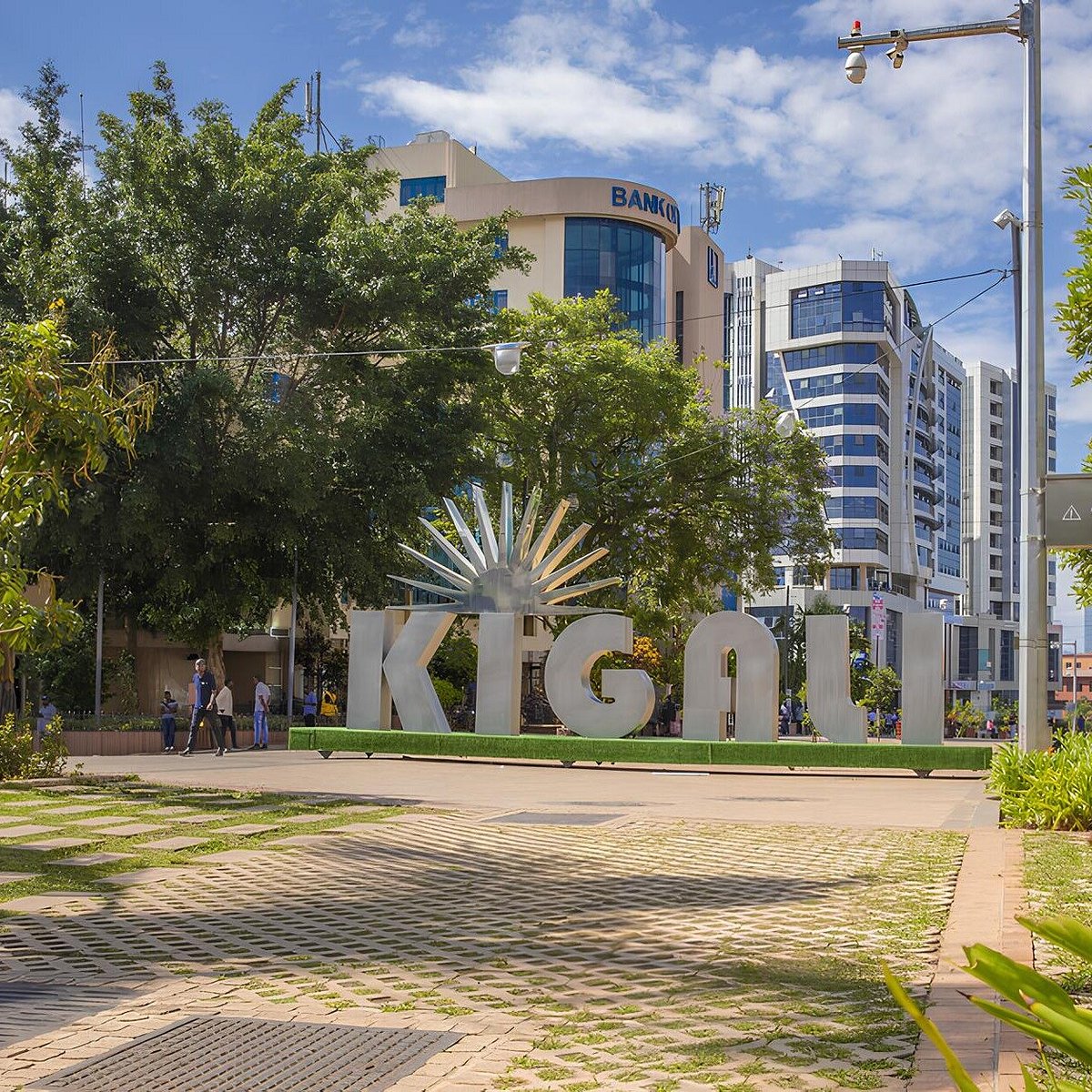
Kigali city tour offers a mix of poignant history, vibrant culture, and modern development, highlighting its status as one of Africa's cleanest and safest capitals. Key stops include the solemn Kigali Genocide Memorial for reflection, bustling markets like Kimironko Market for local crafts and produce, and artistic spaces such as the Inema Arts Center to see contemporary Rwandan art. Explore diverse architecture, from colonial relics to modern structures, and experience the thriving food scene and friendly atmosphere in this city built on hills.
1-day-kigali-city-tour-action-packed-city-excursion
2-days-exciting-kigali-city-tour-itinerary
2-days-chimpanzee-tracking-in-nyungwe-and-kings-palace-cultural-tour
2-days-nyungwe-chimpanzee-tracking-and-canopy-walk
2-days-nyungwe-luxury-fly-in-to-trek-with-chimpanzee
2-days-chimpanzee-tracking-in-nyungwe-rwanda-vacation
3-days-nyungwe-chimpanzee-tracking-and-lake-kivu-relaxation
3-day-chimpanzee-trekking-tour-package-canopy-and-lake-kivu
3-days-budget-chimpanzee-tracking-in-nyungwe-forest-park
3-days-best-rwanda-canopy-walk-and-nyungwe-chimpanzee-tracking-adventure
4-days-nyungwe-chimpanzee-trekking-canopy-walk-and-lake-kivu-relaxation
6-days-akagera-safari-and-volcanoes-gorilla-trekking-and-ibi-wacu-cultural-village
9-days-best-family-rwanda-safari-holiday-big-five-canopy-walk-and-chimpanzee
9-days-best-family-rwanda-safari-holiday-big-five-canopy-walk-and-chimpanzee
What are the highlights of a Kigali city tour?
A Kigali city tour offers a rich blend of historical insight, cultural experiences, and local flavors. Key highlights include the Kigali Genocide Memorial, which serves as a poignant reminder of the nation’s history and resilience, offering visitors a deep understanding of Rwanda's past. The memorial is often the most significant stop on the tour, where guests can pay their respects to over 250,000 victims and learn about the events surrounding the 1994 genocide through exhibitions and memorial gardens.
Another highlight is Kimironko Market, a bustling hub where visitors can immerse themselves in local life. The market showcases an array of fresh produce, traditional crafts, and textiles, offering unique opportunities for interaction with local vendors. Tourists can experience the vibrant atmosphere and perhaps pick up souvenirs that reflect Rwanda's rich culture.
The Nyamirambo Women’s Center provides visitors with insights into community-based initiatives led by local women. Here, you might participate in traditional cooking classes or craft workshops, supporting the community while enjoying hands-on experiences.
Inema Arts Centre stands out for its dedication to contemporary Rwandan art. Visitors can appreciate various artworks, meet local artists, and even engage in art workshops, enriching the cultural experience.
Finally, panoramic views from Mount Kigali offer a stunning backdrop to the city. The hike is manageable for most fitness levels, rewarding visitors with breathtaking views of the city and surrounding hills.
In summary, a Kigali city tour is a multifaceted experience, encompassing history, culture, and natural beauty, making it an unforgettable exploration of Rwanda’s capital.
How long does a typical Kigali city tour take?
A typical Kigali city tour can last anywhere from 4 to 8 hours, and the duration often depends on the specific sites included and the depth of exploration desired by the visitors. Most tourists opt for either a half-day or full-day tour, which allows for a tailored experience based on individual interests and schedules.
Half-day tours, usually around 4 hours, often cover key highlights like the Kigali Genocide Memorial and a brief visit to Kimironko Market or the Nyamirambo Women’s Center. These shorter tours are ideal for those with limited time or for visitors who want an overview of the city without extensive exploration.
On the other hand, full-day tours typically span around 6 to 8 hours, providing a more immersive experience. They allow for a comprehensive exploration of Kigali, often including multiple stops such as the Inema Arts Centre and panoramic views from Mount Kigali. Full-day tours also enable visitors to engage more meaningfully with local culture and history and may include stops for lunch and other activities, enhancing the overall experience.
Tour operators often customize the tour duration based on visitor preferences, so it’s beneficial to communicate your interests and time constraints when booking. In essence, whether choosing a half-day or full-day tour, visitors can navigate Kigali at a comfortable pace, maximizing their enjoyment.
Is the Kigali Genocide Memorial included in a Kigali city tour?
Yes, the Kigali Genocide Memorial is an essential stop on any Kigali city tour and often regarded as the most significant site. Serving as a resting place for over 250,000 victims of the genocide, the memorial is dedicated to commemorating and honoring those who lost their lives in the tragic events of 1994.
Visitors to the memorial have the opportunity to engage with various exhibitions that provide insight into the history and context of the Rwandan genocide. The informational displays cover the events leading up to the genocide, the international response, and the ongoing process of healing and reconciliation within Rwanda. Personal stories and testimonies lend a human touch to the exhibits, creating a powerful emotional impact that resonates with attendees.
The memorial complex also includes beautifully landscaped gardens, where visitors can reflect on the lives lost and the resilience of the Rwandan people. The atmosphere is respectful, encouraging contemplation and understanding of the significance of such tragedies in shaping contemporary Rwanda.
Tour guides typically accompany visitors, enriching the experience with in-depth commentary and personal observations that foster deeper connections to the site. Given its profound historical and emotional significance, the Kigali Genocide Memorial is often deemed a must-visit for anyone wanting to grasp the complexities of Rwanda's past and its journey toward unity and reconciliation.
In summary, the Kigali Genocide Memorial is a pivotal component of any Kigali city tour, providing fundamental insights into the nation’s history and ongoing path toward healing.
What is the best time to do a Kigali city tour?
The best time for a Kigali city tour is generally during the dry seasons, which occur from June to September and December to February. During these periods, the weather is typically dry and mild, providing ideal conditions for exploration. Tourists can expect clear skies, making it comfortable for outdoor activities and sightseeing without the interruptions or challenges posed by rain.
In contrast, Rwanda experiences two rainy seasons: the long rains from March to May and the short rains from October to November. While Kigali can still be visited during these times, heavy rainfall can lead to wet conditions and possible delays in travel plans. The roads may become muddy, and outdoor activities might be less enjoyable, particularly hikes or visits to local markets.
Planning a visit during the dry seasons not only ensures better weather but also aligns with various events and festivals that may enhance the experience. Tourists can engage in cultural festivities or participate in local events that showcase Rwanda's vibrant heritage and community spirit.
Moreover, the dry seasons often see increased tourist traffic, which can lead to a more vibrant atmosphere in popular tourist areas. However, this might also mean booking accommodations and tours in advance, as availability can become limited.
In summary, for the most enjoyable experience, it’s best to plan your Kigali city tour during the dry seasons of June to September or December to February, ensuring favorable weather and enriching cultural experiences.
Is a Kigali city tour safe for tourists?
Yes, Kigali is ranked as one of the safest cities in Africa, making a Kigali city tour a very safe experience for tourists. The city has a reputation for its low crime rate and proactive government policies aimed at ensuring public safety. Visitors often express comfort while walking through various neighborhoods and engaging in local activities, contributing to a welcoming and positive atmosphere.
The Rwandan government places a strong emphasis on security, particularly in urban areas. Police presence is noticeable, and many locals are friendly and willing to assist visitors if they need directions or help. Additionally, the city is well-organized, with good infrastructure that makes navigation straightforward.
While conditions are generally safe, as with any travel destination, tourists are still advised to exercise common sense and standard safety precautions. This includes being aware of your surroundings, avoiding isolated areas at night, and securing personal belongings. Guided tours often enhance the experience by providing local insights and ensuring that visitors are well-informed about safe practices.
Moreover, the cultural openness and hospitality of the Rwandan people make tourists feel welcome and appreciated. Engaging with locals can be a rewarding aspect of the city tour, offering visitors the chance to learn more about Rwandan culture and traditions.
In summary, a Kigali city tour is exceptionally safe for tourists, allowing them to explore and enjoy the vibrant culture and history of Rwanda without significant concerns about personal safety.
Can I visit Kimironko Market on a Kigali city tour?
Absolutely, visiting Kimironko Market is a highlight of a Kigali city tour, providing a dynamic and immersive experience into local culture and daily life. Known for its lively atmosphere, Kimironko Market is one of the largest and most vibrant markets in the city, attracting both locals and tourists alike.
While at the market, visitors can explore an array of colorful stalls selling fresh produce, spices, textiles, crafts, and traditional Rwandan goods. The hustle and bustle of the market offer a window into everyday Rwandan life, creating an enriching experience for those interested in local customs and practices. Tourists can interact with friendly vendors, learn about their products, and even sample local delicacies.
Kimironko Market is also a fantastic place to shop for unique souvenirs, including handmade crafts, jewelry, and woven baskets. This supports local artisans and helps visitors take a piece of Rwanda back home with them.
Can I visit Nyamirambo on a Kigali city tour?
Yes, Nyamirambo is a vibrant and popular neighborhood to visit on a Kigali city tour, offering a unique slice of local life and culture. Known for its colorful streets and bustling atmosphere, Nyamirambo provides an authentic experience of Kigali that many tourists find captivating.
During a visit to Nyamirambo, you can explore the local markets, shops, and eateries, giving you a chance to engage with the community. The neighborhood is characterized by its friendly locals and rich culture, making it an ideal spot for cultural immersion. One particularly notable site is the Nyamirambo Women’s Center, a community organization that empowers local women through education, crafts, and advocacy. Visitors can participate in various workshops, such as cooking or craft-making, and purchase handmade goods, with proceeds going directly to the women’s projects.
Food is another highlight in Nyamirambo, where you can savor traditional Rwandan dishes at local restaurants. This culinary experience allows visitors to taste authentic flavors while learning about Rwandan culinary traditions.
The tours often include guided walks through the narrow streets of Nyamirambo, showcasing colorful murals and local art that reflect the community’s spirit. Guided tours help visitors navigate the area while also providing context about its history and significance to the local culture.
In summary, Nyamirambo is an integral part of a Kigali city tour, offering visitors a chance to connect with the heart of Rwandan culture through community engagement, culinary delights, and rich storytelling.
Is Kigali known for its art scene during a city tour?
Yes, Kigali is increasingly recognized for its vibrant art scene, and many city tours incorporate visits to local art centers such as the Inema Arts Centre and Ivuka Arts Studio. These venues showcase contemporary African art and provide a platform for both established and emerging Rwandan artists.
At the Inema Arts Centre, visitors can explore a diverse range of artworks, including paintings, sculptures, and mixed-media pieces. The center often hosts exhibitions, art workshops, and performances, allowing for interactive experiences that engage tourists in the local art community. Guided tours of the center are available, where artists may narrate the stories and inspirations behind their works, deepening visitors' appreciation for the art.
Ivuka Arts Studio is another pivotal location in Kigali’s art landscape, focusing on promoting Rwandan art and cultural heritage. This studio welcomes visitors to see artists at work and offers art classes, giving tourists a hands-on opportunity to engage creatively. Many tours include these experiences, allowing guests to not only admire existing works but also participate in the artistic process.
The art scene in Kigali reflects the country’s growth and resilience post-genocide, illustrating narratives of hope and community through various artistic expressions. The integration of art into city tours emphasizes Rwanda’s commitment to culture and creativity, showcasing how art serves as a medium for storytelling and healing.
In summary, Kigali's art scene is a significant highlight during city tours, providing visitors with an enriching exploration of contemporary African art through dynamic local art centers.
What is the best way to book a Kigali city tour?
The best way to book a Kigali city tour is through several channels, ensuring flexibility and options that suit your preferences. Online platforms such as TripAdvisor and Viator offer various tour packages and reviews, making it easy for travelers to compare different experiences and select what appeals to them. These platforms often provide detailed descriptions, pricing, and user reviews, which can be helpful in making an informed choice.
Local tour operators also provide opportunities for booking city tours. Many of these operators specialize in offering tailored experiences and engaging itineraries that highlight local culture and history. Booking directly with a local operator may allow for more customization and direct interaction, enhancing the overall experience.
For travelers staying at hotels, utilizing the concierge service is another excellent option. Hotel staff can recommend reputable tour companies, help arrange group outings, or even provide personalized tours. This option may offer peace of mind through established relationships with local operators.
Social media platforms have also become a resource for discovering local tours, as many operators promote their services on platforms like Instagram and Facebook. Viewing photos and user experiences on these platforms can inspire your choices for a memorable city tour.
In summary, the best ways to book a Kigali city tour involve using online platforms, contacting local operators, or consulting hotel concierge services to ensure a smooth and well-coordinated experience tailored to your interests.
Is food included in a Kigali city tour?
Yes, many full-day Kigali city tour packages include a traditional Rwandan lunch at a local restaurant, allowing visitors to sample the flavors of Rwandan cuisine during their exploration of the city. This culinary experience is not just a way to refuel but also an integral part of experiencing Rwanda's culture.
Traditional Rwandan dishes often feature staples such as ugali (a maize porridge), isombe (cassava leaves), and various grilled meats, alongside fresh vegetables and local sauces. The inclusion of a meal in the tour allows tourists to enjoy dining in an authentic setting, often accompanied by friendly interactions with local restaurant staff who may share insights about the dishes served.
In addition to full-day tours, some half-day tours may offer snacks or coffee breaks at local cafes, showcasing Rwandan coffee, which is renowned worldwide for its quality. Visitors can enjoy a taste of Rwanda’s rich coffee culture, learning about its production and significance to the local economy.
Food stops during city tours can also provide valuable opportunities for cultural exchange, as meals often embody the traditions and stories of the Rwandan people. Tourists may discover unique dining customs, local dining etiquette, and the significance of certain dishes in Rwandan culture.
In summary, many Kigali city tours do include food options, particularly in full-day packages, enhancing the overall experience by allowing visitors to taste and appreciate Rwandan cuisine in an authentic context.
Can I visit Mount Kigali on a city tour?
Yes, visiting Mount Kigali is a popular option on a comprehensive Kigali city tour. This picturesque location offers an opportunity for unforgettable hiking experiences and panoramic views of the city and surrounding landscape.
Hiking to the summit of Mount Kigali is suitable for various fitness levels, with trails that provide a moderate challenge while rewarding climbers with stunning vistas. At the top, visitors can enjoy breathtaking views of the cityscape, the rolling hills of Rwanda, and the stunning backdrop of the Virunga Mountains on clear days. This vantage point is perfect for photography enthusiasts and those seeking to appreciate the natural beauty of the Rwandan landscape.
Many tours that include Mount Kigali often schedule it as a part of the itinerary, allowing tourists to engage in outdoor activities while enjoying guided commentary from local guides or tour operators. These guides not only provide safety and direction but also share insights about the history and ecology of the area during the hike.
Whether as part of a full-day tour or a specific outdoor adventure tour, incorporating a visit to Mount Kigali can enhance your overall experience in Kigali by promoting active tourism while offering a unique perspective on the city below.
In summary, visiting Mount Kigali is a popular and rewarding option in a Kigali city tour, providing opportunities for hiking, scenic views, and engaging with nature, making it an enriching part of the city's diverse offerings.
Are there Kigali city tour options for history lovers?
Absolutely, there are several Kigali city tour options specifically designed for history lovers. These tours often focus on significant historical sites and museums that detail Rwanda’s rich, albeit challenging, past, with particular emphasis on the events surrounding the 1994 genocide and the country’s subsequent recovery.
One key highlight on these history-focused tours is the Campaign Against Genocide Museum, dedicated to educating visitors about the genocide's history, the factors that led to it, and the collective response from Rwandans and the international community. The exhibits are designed to foster understanding and reflection, encouraging discussions about human rights and tolerance.
Another significant site is the Hotel des Mille Collines, famously known for its role as a refuge during the genocide. Tours often include stories surrounding the hotel, its history during the crisis, and the experiences of those who sought shelter there. This historical context adds depth to the visit, promoting awareness and understanding of the complexities involved in historical events.
Additionally, the Camp Kigali Memorial serves as another poignant stop on these tours, commemorating ten Belgian peacekeepers who were killed during the early days of the genocide.
These history-oriented tours are often guided by knowledgeable experts who provide in-depth narratives, personal accounts, and context that enrich visitors’ understanding of Rwanda’s journey through tragedy and resilience.
In summary, Kigali city tours for history lovers focus on vital historical sites and events that shaped the nation, offering a profound exploration of Rwanda's past and the lessons it continues to impart.
Can I see the Kigali Convention Centre on a city tour?
Yes, the Kigali Convention Centre is often included as part of the scenic driving route on a Kigali city tour. This iconic building is a symbol of Rwanda's development and modernization and stands out for its unique architecture, characterized by a striking design that includes a distinctive dome and a tower that resembles a traditional Rwandan hut.
As an important venue for international conferences, events, and exhibitions, the Kigali Convention Centre plays a significant role in promoting Rwanda as a hub for business and tourism in Africa. Visitors are often introduced to the architectural significance of the building and its role in the country's vision for economic growth and international collaboration.
Tours may allow visitors to stop for photos outside the convention center and appreciate its modern aesthetics against the backdrop of Kigali’s rolling hills. While internal access may require special arrangements during major events, the exterior itself offers a great photographic opportunity reflecting Rwanda's aspirations and developments in infrastructure.
In some cases, packages might even include visits to events or exhibitions happening at the center, offering a firsthand look at how Rwanda is positioning itself as a center for international dialogue and commerce.
In summary, the Kigali Convention Centre is included in many city tours, showcasing a blend of modern architecture and Rwanda's ambitions for the future, enhancing the overall experience of exploring Kigali.
Are children allowed on a city tour?
Yes, a Kigali city tour is generally family-friendly and welcomes children. However, parents or guardians should be aware that the content at certain sites, particularly the Kigali Genocide Memorial, may not be suitable for very young children or sensitive viewers. The memorial presents challenging educational material related to the events of the genocide, which may be difficult for young minds to process.
Many tour operators are accustomed to ensuring that the experience is appropriate and engaging for families, often tailoring parts of the itinerary to maintain a balance between educational value and light-hearted activities. For example, visits to places like Kimironko Market or Inema Arts Centre can be enjoyable for children, providing colorful sights, sounds, and interactive experiences.
When planning a tour, it’s a good idea to communicate with the tour operator about the ages of the children in your group and any specific concerns. This way, they can suggest alternatives or modify the itinerary to ensure a fun and educational experience for everyone.
Family-friendly activities may also be included, such as visits to parks or cultural workshops at the Nyamirambo Women’s Center, where kids can take part in crafts or cooking classes. This engagement fosters a sense of community and cultural appreciation in children from a young age.
In summary, while children are allowed on Kigali city tours, parents should consider the content of specific activities, especially concerning sensitive historical sites, and consult with tour operators for the best family-friendly options available.
What is the "Milk Bar" experience on a Kigali city tour?
The "Milk Bar" experience is a unique aspect of some Kigali city tours that allows visitors to explore a distinctive facet of Rwandan culture. In Kigali, milk bars are local establishments where fresh dairy products, especially milk, are served and enjoyed by customers. This concept is somewhat unique to Rwanda and provides an authentic taste of local traditions.
During the tour, visitors might stop at a milk bar to sample fresh milk, yogurt, and other dairy products. This experience not only highlights Rwanda's strong dairy farming culture but also offers a chance to interact with friendly locals who are passionate about their products. Many milk bars serve milk straight from the source, providing a refreshing alternative for those looking to try local flavors while experiencing a slice of everyday life in Kigali.
Tasting fresh dairy products in a casual, communal setting fosters a sense of connection with the local community and is a delightful way to appreciate Rwanda's agricultural practices. The milk bar experience can also be a fun educational moment for tourists, especially those interested in traditional Rwandan lifestyles and culinary practices.
In summary, the Milk Bar experience is a delightful addition to a Kigali city tour, showcasing local dairy culture and offering visitors an opportunity to engage with the community while enjoying fresh, delicious milk products. It adds a flavorful and memorable element to the overall exploration of Rwanda's capital.
Can I customize my Kigali city tour itinerary?
Yes, many operators offer flexible, private, or custom-designed Kigali city tour itineraries to fit your specific interests and preferences. This customization option ensures that visitors can create a unique experience that resonates with their individual tastes, whether they are interested in history, culture, art, or community engagement.
When booking with a local tour operator, you typically have the chance to discuss your preferences, including specific sites you want to visit or particular experiences you wish to include. For instance, if you're particularly interested in Rwandan art, you might request a more detailed exploration of galleries and studios like Inema Arts Centre or Ivuka Arts Studio. Alternatively, those looking to delve into Rwanda's history might focus on memorials and museums.
Customizable itineraries also allow for adjustments in terms of timing and pacing. If you're traveling with family or have young children, you may prefer a more relaxed pace with shorter visits and additional breaks.
Some operators may offer combination tours that include optional activities, such as a cooking class, a visit to a local brewery, or community projects, which can be fitted into your schedule according to your interests.
Booking Kigali City tour with us Roads of Adventure safaris
Booking a Kigali city tour with Roads of Adventure Safaris is an excellent choice for an unforgettable experience. Our knowledgeable guides will lead you through the vibrant streets of Kigali, showcasing key attractions like the Kigali Genocide Memorial, Kimironko Market, and the Inema Arts Centre. Enjoy personalized itineraries tailored to your interests, whether you’re keen on history, culture, or art. With comfortable transportation and flexibility in scheduling, we ensure a seamless adventure. Discover the rich heritage and beauty of Rwanda’s capital city with us. Contact us today to plan your unique Kigali city tour!
