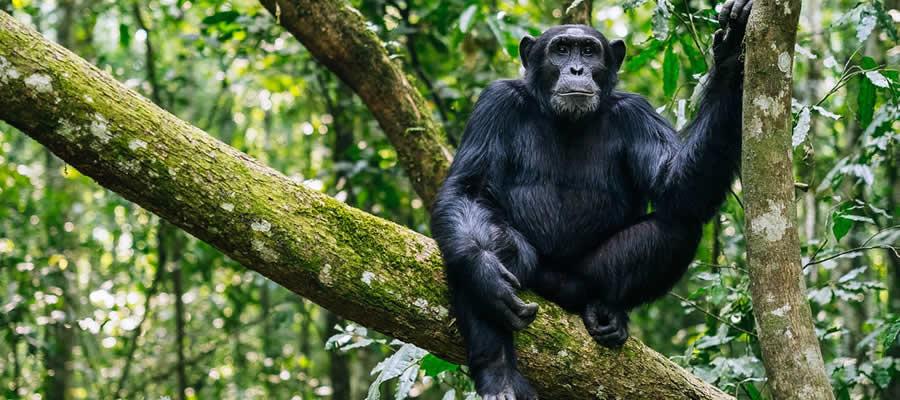
Kibira National Park is a premier, biodiverse montane rainforest located in northwestern Burundi, spanning roughly 400 square kilometers along the scenic Congo-Nile Divide. As a crucial ecological sanctuary, it acts as a, vital water catchment area and a refuge for diverse wildlife, including chimpanzees, black-and-white colobus monkeys, and over 200 bird species. Adjacent to Rwanda’s Nyungwe Forest National Park, this lush, mountainous habitat serves as a significant conservation corridor. Formerly a sacred hunting ground for Burundian royalty, Kibira now offers an authentic, off-the-beaten-path experience for nature enthusiasts, featuring bamboo stands and pristine biodiversity. Visitors can explore this largely untouched wilderness through guided, tracking, and bird-watching, enjoying a tranquil, and, scenic landscape.
3-days-best-kibira-national-park-chimpanzee-tracking-and-bujumbura-city-tour
1-day-exciting-bujumbura-city-tour-excursion-in-burundi
5-days-bujumbura-rusizi-national-park-karera-waterfalls-falls-drum-sanctuary-tour-package
8-days-best-of-burundi-safari-holiday-combined-with-cultural-experience
7-days-exclusive-burundi-cultural-tour-and-chimpanzee-tracking-in-kibira-park
9-days-best-rwanda-safari-and-burundi-safari-holiday-vacation-combo
10-days-best-of-burundi-wildlife-safari-vacation-all-best-palaces-in-burundi
12-days-best-rwanda-primate-safari-and-burundi-cultural-safari-tour-holiday
11-days-amazing-burundi-safari-with-cultural-exposure
20-days-perfect-rwanda-burundi-uganda-safari-vacation-with-cultural-experience
What Is Kibira National Park?
Kibira National Park is a stunning 400 km² protected area of montane rainforest located in northwestern Burundi, recognized for its rich biodiversity and vital role as a water catchment region. This park is a crucial habitat for numerous species, including the highly sought-after chimpanzees, making it a key destination for wildlife enthusiasts. The park is characterized by its dense forests, diverse ecosystems, and a variety of flora and fauna that illustrate the ecological complexity and beauty of Burundi’s natural landscapes.
Kibira serves not only as a sanctuary for wildlife but also as a significant environmental resource for surrounding communities, providing clean water and supporting local agriculture. Its role as a key water catchment area is particularly critical in a country where access to clean water can be limited. The park's ecological diversity and access to water resources contribute to the livelihoods of local populations, making its conservation essential for both biodiversity and community well-being. Visitors to Kibira can engage in various activities, including trekking, birdwatching, and exploring its intricate and often challenging trails. The array of wildlife and the lush environment draw nature lovers from afar, allowing them to experience the beauty and tranquility of one of Burundi’s most cherished natural treasures.
Where Is Kibira National Park Located?
Kibira National Park is situated atop the Congo-Nile Divide mountains, spanning an impressive expanse across four provinces: Muramvya, Kayanza, Bubanza, and Cibitoke. Its strategic location makes it a vital connection between the ecosystems of Burundi and Rwanda, as it borders Rwanda’s Nyungwe National Park to the north. This geographic positioning heightens its significance as a biodiversity hotspot and a vital ecological corridor, facilitating wildlife movement between the two countries.
The area surrounding Kibira is marked by rolling hills, tea plantations, and lush valleys, creating a picturesque natural landscape that is ideal for outdoor activities. The park's elevation and montane climate contribute to its unique flora and fauna, setting it apart as a rich wildlife haven. Visitors can easily access Kibira from major towns like Bujumbura, making it a practical destination for both local and international tourists. The proximity to Rwanda’s national park enriches the experience, allowing for cross-border ecological exploration. This strategic location not only enhances wildlife diversity but also fosters regional cooperation in conservation efforts, as both countries work to protect the critical habitats within their borders.
What Is the History of Kibira National Park?
The history of Kibira National Park is deeply intertwined with the cultural heritage of Burundi. Historically, it served as a sacred hunting ground for the kings of Burundi, which significantly contributed to its preservation over centuries. This royal association helped protect the forest from over-exploitation, creating a sanctuary for wildlife long before the park was officially established. The cultural significance of Kibira is a fundamental aspect of Burundian identity, reflecting the intricate relationship between the royal family, the land, and the people.
In 1980, Kibira was formally designated as a national park to safeguard its unique ecosystems and rich biodiversity. This formal recognition transformed the area into a protected site, enabling coordinated conservation efforts and promoting eco-tourism. The park's designation has opened pathways for research and environmental education, fostering a greater understanding of the importance of biodiversity conservation among both locals and visitors. The legacy of Kibira continues to evolve as conservationists and local communities work together to balance the protective measures with the socio-economic needs of the surrounding populations, ensuring the park remains a vibrant and essential ecosystem for future generations.
How Big Is Kibira National Park?
Kibira National Park spans approximately 40,000 hectares (400 km²), making it one of Burundi's largest protected areas. This expansive size allows for a diverse range of habitats, from primary montane rainforest to bamboo stands, montane bogs, and significant biodiversity crucial for ecological stability. The considerable area of the park enables the support of various wildlife species, including primates, birds, and unique plant life, creating a rich tapestry of ecosystems that engage researchers and tourists alike.
Kibira’s vastness contributes not only to its ecological significance but also to its role as a vital water catchment area for the region. The park plays an essential role in maintaining the water supply for local communities and sustains agricultural activities. Given its size, Kibira National Park also presents unique challenges regarding conservation and management; balancing the ecological health of the park with the needs of nearby communities is key. Those who visit can appreciate the beauty of this expansive sanctuary, exploring its varying landscapes while observing its rich biodiversity, and engaging in activities that foster a deeper connection with nature.
Is Kibira National Park a Safe Destination?
Yes, Kibira National Park is considered a safe destination and stands as a key tourist attraction in Burundi. The park is protected and actively managed, providing a secure environment for visitors to explore its natural beauty. However, while it is generally safe, it is advisable for travelers to follow official guidelines and recommendations. Local authorities emphasize the importance of using certified, often armed, guides when trekking through the park, particularly for chimpanzee tracking and other guided activities. These local guides not only enhance safety through their knowledge of the terrain but also enrich the experience with their understanding of the flora and fauna.
Visitors are encouraged to remain vigilant and respectful of park regulations, such as not venturing off marked trails and being cautious around steep or slippery areas. Additionally, keeping informed about local conditions and any safety advisories enhances the overall experience. With proper precautions and guidance, Kibira offers a rewarding and safe adventure for nature lovers, making it an ideal destination for those interested in cycling, hiking, and wildlife observation.
What Wildlife Can Be Seen in Kibira National Park?
Kibira National Park is a spectacular haven for wildlife enthusiasts, boasting an impressive array of 98 mammal species. Notably, it is home to chimpanzees, one of the park’s flagship attractions, offering trekking opportunities for visitors seeking a close encounter with these fascinating primates. Alongside chimpanzees, the park supports diverse populations of black-and-white colobus monkeys, baboons, red-tailed monkeys, and various other small mammals, making it an enriching experience for wildlife observers.
The biodiversity of Kibira extends beyond mammals, as the park is also rich in birdlife, with over 200 species recorded. This variety includes both resident and migratory birds, allowing birdwatchers to enjoy sightings of unique species such as the Great Blue Turaco and Mountain Buzzard. The lush vegetation and varied landscapes provide ideal habitats for these birds, further enhancing the park's ecological significance.
The combination of forested landscapes and rich biodiversity ensures that visitors to Kibira National Park can engage in multiple activities, including guided nature walks and photography, while immersing themselves in the natural beauty of this important ecosystem. The presence of such diverse wildlife highlights the importance of conservation efforts in preserving Kibira’s ecological integrity for future generations.
Can You Find Chimpanzees in Kibira National Park?
Yes, Kibira National Park is a well-known habitat for chimpanzees, making it one of the premier locations in Burundi for chimp tracking experiences. The park's dense forests provide an ideal environment for these intelligent primates, who are often spotted foraging for fruits and playing in the trees. Trekking through Kibira offers visitors a unique opportunity to encounter chimpanzees in their natural habitat, observing their social interactions and behaviors up close.
Guided trekking opportunities are available, allowing visitors to explore the intricate trails of the park while being accompanied by knowledgeable local guides. These guides are instrumental in enhancing the experience, as they can provide insights into the ecology of the area, the behavior of chimpanzees, and the importance of conservation efforts.
While there’s no guarantee of spotting chimpanzees on every trek due to their movement patterns, the excitement of the search greatly enriches the adventure. Visitors are often rewarded with unforgettable encounters, fostering a deeper appreciation for these remarkable animals and their habitat. Kibira National Park’s robust chimpanzee population stands as a testament to the importance of protecting its unique ecosystems and ensuring the survival of these endangered species.
Is Kibira National Park Good for Birdwatching?
Absolutely! Kibira National Park is recognized as an Important Birding Area (IBA) in Burundi, and it boasts an impressive variety of over 200 bird species. This remarkable avian diversity makes the park a prime destination for birdwatching enthusiasts. Nestled within montane forests and varied landscapes, birdwatchers can expect to see a wide range of both resident and migratory species, including the striking Great Blue Turaco and the Mountain Buzzard.
The combination of rich vegetation and diverse habitats attracts birds from various ecological niches, offering opportunities to spot everything from brightly colored fruit-eaters to elusive forest dwellers. The tranquil environment of the park allows for immersive birdwatching experiences, as the sounds and sights of the avian life surround you.
Guided birdwatching tours are available, providing expert insights into bird behaviors, habitats, and the ecological significance of the species present in Kibira. Whether you are a seasoned birdwatcher or a casual observer, the chance to explore Kibira’s avifauna is an enriching experience, creating lasting memories of Burundi’s natural beauty and biodiversity.
What Is the Vegetation Like in Kibira National Park?
Kibira National Park is characterized by its varied vegetation, primarily consisting of primary montane rainforest, montane bogs, and bamboo stands. This diversity of plant life is critical for both the ecological health of the park and the wildlife that inhabit it. The lush, dense rainforest provides a rich habitat that supports numerous mammal and bird species, including primates like chimpanzees and various unique birds.
The primary montane rainforest is especially notable for its towering trees, thick undergrowth, and mixed vegetation. This type of forest plays a vital role in local water catchment, contributing to the region’s overall ecosystem. In addition, the montane bogs found within the park foster a unique set of flora that further enhances its biodiversity. These habitats provide essential resources for many animal species and are crucial in maintaining the park’s ecological balance.
Adjacent to Kibira are two significant tea plantations: Teza and Rwegura. The contrast between the cultivated areas and the untouched forests highlights the importance of conservation efforts in maintaining natural habitats. The varied vegetation types, combined with the park’s diverse wildlife, make Kibira a valuable natural treasure and an attractive destination for nature lovers and eco-tourists alike.
Are There Any Endangered Species in Kibira National Park?
Yes, Kibira National Park plays a critical role in protecting several endangered species, with chimpanzees and the owl-faced monkey among the most notable. The presence of such vulnerable species underscores the park’s ecological significance and the importance of ongoing conservation efforts.
Chimpanzees in Kibira are not only essential for biodiversity but also serve as an integral part of the park's tourism appeal. Their conservation is vital for ecological research, education, and local community engagement, driving efforts to protect their natural habitat and ensure their survival.
In addition to chimpanzees, the owl-faced monkey is another rare species that finds sanctuary in Kibira. With its unique appearance and limited range, the protection of this species is a testament to the park's commitment to safeguarding its biodiversity.
Conservation initiatives within Kibira National Park aim to mitigate threats such as habitat loss and poaching, promoting awareness and education among local communities about the importance of wildlife conservation. The continued preservation of Kibira ensures that these endangered species can find sustainable habitats, contributing to the ecological health of the region and enriching the lives of future generations.
What Are the Main Activities in Kibira National Park?
Kibira National Park offers a variety of engaging activities that allow visitors to immerse themselves in its natural beauty and rich biodiversity. Key activities include chimpanzee tracking, guided nature walks, birdwatching, photography, and hiking, particularly along the scenic trails of the Congo-Nile Divide.
Chimpanzee tracking is one of the most sought-after activities in the park, offering visitors a unique opportunity to observe these fascinating primates in their natural habitat. Local guides enhance this experience by helping trekkers navigate through dense forest, sharing insights about the unique behaviors and social structures of chimpanzees.
Guided nature walks allow visitors to explore the various ecosystems within the park, learning about the diverse plant and animal species that thrive in this montane rainforest. Birdwatching is another highlight, as the park is home to over 200 bird species, making it a paradise for bird enthusiasts.
Photography opportunities abound in Kibira, with dramatic landscapes, vibrant flora, and elusive wildlife providing ample subjects for capturing the beauty of this unspoiled environment. Hiking the trails along the Congo-Nile Divide further enriches the experience, offering breathtaking views and the chance to connect with nature. Overall, Kibira National Park provides a well-rounded array of activities perfect for nature lovers and adventure seekers alike.
What Is the Best Time to Visit Kibira National Park for Chimpanzee Trekking?
The best time to visit Kibira National Park for chimpanzee trekking is during the dry seasons, specifically from June to September and December to January. These months provide optimal trekking conditions, with relatively drier weather making it easier to navigate the park’s trails and reducing the risk of muddy paths.
During the dry season, the visibility of wildlife, including chimpanzees, is generally higher, as they are more active and easier to spot during this time. The more manageable weather conditions enhance the overall trekking experience, making it enjoyable for visitors.
Conversely, visiting during the rainy season could lead to challenging trekking conditions due to slippery and muddy paths, which might hinder the opportunities for wildlife viewing. However, the rainy months can offer a different perspective of the park, with lush landscapes and vibrant plant life thriving in the abundant moisture.
For travelers specifically aiming to see chimpanzees, planning your visit during the recommended dry seasons not only optimizes your chances of an unforgettable encounter but also supports the overall experience of exploring the park’s stunning natural beauty. Overall, Kibira National Park is a rewarding destination, regardless of the time of year.
Are There Guided Tours in Kibira National Park?
Yes, guided tours are essential for visitors to Kibira National Park. To enhance the experience and ensure safety, all visitors must be accompanied by local park rangers or guides, especially during activities such as trekking and in-depth exploration of the park. These knowledgeable guides are well-versed in the park's ecology, wildlife, and history, providing invaluable insights that enrich the overall visitor experience.
The presence of local rangers not only ensures that guests can navigate the park's complex trails safely but also helps preserve the environment by minimizing human impact. They play a crucial role in educating visitors about the importance of conservation and the unique ecosystems found within Kibira. Furthermore, well-organized guided tours often include opportunities for birdwatching, spotting primates, and learning about the significant flora that thrives in the park.
Guided tours can vary in terms of focus, duration, and specific activities, providing options for all kinds of nature enthusiasts. Whether you are interested in a brief nature walk or an extensive trek through the montane rainforest, local guides ensure that your experience is both enriching and aligned with conservation goals. Overall, guided tours amplify the adventure, leading you to discover the hidden treasures of Kibira National Park while fostering a greater appreciation for this remarkable natural landscape.
Can I Visit a Local Village Near Kibira National Park?
Yes, visiting a local village near Kibira National Park is highly encouraged and often included as part of tours. One notable destination is the Busekera village, home to the Batwa pygmy community. Engaging with local communities provides visitors a unique insight into their traditional ways of life, customs, and cultural heritage.
Tourists often have the opportunity to participate in cultural exchanges, such as traditional dances, craft demonstrations, and even culinary experiences. These interactions allow visitors to appreciate the rich cultural tapestry of Burundi and foster meaningful connections between tourists and local people. The Batwa community, known for their deep-rooted connection to the forests, often shares their stories about life in the rainforest and their harmonious relationship with nature.
Incorporating visits to local villages into a trip to Kibira National Park not only enhances the travel experience but also positively impacts the local economy by supporting sustainable tourism initiatives. Proceeds from these tours often go towards educational programs and community development, ensuring that the benefits of tourism extend beyond mere observations of nature to meaningful contributions to local lives. Visitors can return home with not only memories of breathtaking landscapes but also enriched by the stories and traditions of the people they have met.
Is There a Canopy Walk in Kibira National Park?
While Kibira National Park does not feature a canopy walk like the one at Nyungwe National Park in Rwanda, it offers an authentic experience through its well-preserved forest walking trails and hiking opportunities. The park focuses on immersive forest walks that allow visitors to deepen their connection with nature and explore the diverse ecosystems found within the montane rainforest.
The guided nature walks typically lead visitors through dense vegetation, where they can observe various plant and animal species in their natural habitats. These walks provide rich opportunities for wildlife viewing and photography, enabling hikers to capture the unique beauty of Kibira’s flora and fauna. The park's rugged terrain and varying elevation add to the adventure, offering stunning viewpoints and panoramic vistas of the surrounding landscape.
For those seeking a unique experience in Kibira, the emphasis on genuine forest exploration is what sets it apart from parks with more commercial activities like canopy walks. The absence of a canopy walk allows visitors to engage more profoundly with the park’s ecological significance, cultivating appreciation for its biodiversity and the importance of conservation. Ultimately, the focus on authentic experiences ensures meaningful memories and an enriching understanding of Kibira’s role in Burundi’s natural heritage.
How Long Does It Take to Hike in Kibira National Park?
Guided nature walks in Kibira National Park vary in duration, typically taking from a few hours to a full day, depending on the specific trail and the interests of the hiking group. Shorter hikes can introduce visitors to the stunning landscapes and rich biodiversity of the park, allowing them to easily experience the beauty of the montane rainforest without a significant time commitment.
For those wishing to delve deeper, full-day hikes offer a more extensive exploration of Kibira's diverse habitats and can include encounters with wildlife, such as chimpanzees and various bird species. The park’s trails provide a range of experiences; some are relatively gentle, while others may be challenging, winding through rugged terrain and dense vegetation. Local guides are essential for navigating these paths safely and ensuring visitors gain insight into the park's ecology.
The tailored nature of guided hikes allows for flexibility based on individual preferences and fitness levels. For more adventurous explorers, longer trails could lead to awe-inspiring viewpoints, breathtaking forest scenery, and even opportunities to visit local communities nestled near the park. Regardless of the duration, hiking in Kibira National Park promises an unforgettable experience, filled with the wonders of nature and a chance to connect with the incredible biodiversity that thrives within this protected rainforest.
What Should I Wear for a Visit to Kibira National Park?
When visiting Kibira National Park, dressing appropriately is essential to ensure comfort and safety while navigating its lush landscapes. Waterproof hiking boots are crucial, as they provide grip and stability on the potentially muddy and uneven trails. The right footwear significantly enhances the hiking experience, preventing slips and discomfort throughout your journey.
In addition to sturdy boots, wearing long-sleeved clothing is highly recommended to protect against pests and branches that may scratch the skin. Lightweight, moisture-wicking fabrics can keep visitors comfortable in varying weather conditions. Given the park’s high rainfall and humid climate, it's wise to bring rain gear, such as a waterproof jacket or poncho, to stay dry during unexpected showers.
Layering is also a good strategy, as temperatures can fluctuate throughout the day. It’s beneficial to wear breathable, quick-drying materials that can be easily adjusted based on comfort levels.
Accessories like hats and sunglasses can further protect you from sun exposure while providing additional comfort for outdoor activities. Additionally, consider bringing a small backpack to carry water, snacks, and other essentials. By preparing appropriately for your visit to Kibira National Park, you can focus on enjoying the breathtaking landscapes and diverse wildlife without being hindered by discomfort or adverse weather conditions.
Can I Take Photos in Kibira National Park?
Yes, photography is not only allowed but also highly encouraged in Kibira National Park. The park's rich biodiversity, stunning landscapes, and diverse ecosystems provide endless opportunities for captivating photography. Visitors can capture the beauty of the montane forest, with its dense greenery, towering trees, and various wildlife species, including chimpanzees and an array of bird species.
Photography in Kibira enhances the experience, allowing visitors to document their adventures and share their memories with others. The park’s unique flora, such as vibrant flowers and distinctive plant life, serves as compelling subjects for nature photography. Additionally, the varying light conditions in the forest create dramatic visuals, especially in the early morning or late afternoon when sunlight filters through the trees.
Visitors are encouraged to remain respectful of the wildlife while photographing; using telephoto lenses to avoid disturbing animals is advisable. Local guides often share insights about the best spots and times for capturing stunning images of the park's captivating landscapes and wildlife. By engaging in photography, visitors can not only enjoy the park's beauty in real-time but also create lasting memories that celebrate the ecological treasures of Kibira National Park.
What Are the Scenic Highlights of Kibira National Park?
Kibira National Park offers a variety of scenic highlights that make it a captivating destination for nature lovers and adventure seekers alike. One of the park’s most notable features is the Rwegura Dam, which provides stunning views and exemplifies the topography of the region, with its lush surroundings contrasting beautifully with the cool waters. This location serves as a perfect backdrop for photography and allows visitors to appreciate the intricate relationship between natural landscapes and human infrastructure.
Mountain viewpoints within the park offer breathtaking panoramas of the dense, mist-laden forest landscapes, showcasing the park’s rich biodiversity and natural beauty. Hikers will find that the varying elevations provide multiple vantage points from which to admire the surrounding scenery, revealing the vastness and complexity of the Kibira ecosystem. The mist rising through the tree canopy enhances the mystical atmosphere, especially in early morning hours.
The dense rainforest itself is another highlight, rich with diverse flora and fauna. The lush greenery and unique vegetation create a vibrant setting that invites exploration and discovery. This combination of stunning scenery and ecological significance ensures that Kibira National Park remains a hidden gem in Burundi, offering memorable experiences to those who venture into its captivating landscapes.
How Do I Get to Kibira National Park?
Getting to Kibira National Park is relatively straightforward, with the park situated about a 2-hour drive (approximately 70 km) from Bujumbura, the capital city of Burundi. The journey provides travelers with scenic views of the countryside, as the route passes through beautiful landscapes, including rolling hills and lush fields. Accessible by well-maintained roads, the drive is manageable for most visitors, but it is advisable to check local conditions before setting out.
Most travelers opt to hire a car or arrange transport through a local tour operator, which can provide comfortable vehicles and experienced drivers familiar with the area. This day trip approach allows visitors to explore additional attractions along the route, enhancing their experience.
For those planning to stay longer and explore the area, including local villages or other nearby attractions, it may be beneficial to arrange a multi-day trip with a guided expedition into the park. This option facilitates deeper engagement with the surroundings while ensuring that necessary permits and logistics are handled smoothly. By following these guidelines, visitors can enjoy a seamless journey to Kibira National Park, where they can explore its stunning landscapes and rich biodiversity.
Are There Accommodation Options in Kibira National Park?
While there are no accommodations directly inside Kibira National Park itself, visitors can find various lodging options in nearby towns such as Kayanza and Teza. These towns provide basic accommodations, including guesthouses and lodges, allowing easy access to the park. Staying in external towns enhances the experience by enabling visitors to interact with local communities and gain insights into Burundian culture.
The lodges in these areas range from budget-friendly to mid-range options, catering to different preferences and needs. While they may not offer the amenities of high-end resorts, the local hospitality and authentic experiences often compensate for this. Many accommodations are strategically located to facilitate visits to Kibira, and some may even provide organized tours or transportation to the park.
Planning ahead is advisable, especially during peak tourist seasons, to ensure availability and suitable arrangements. Opting for lodges that emphasize conservation can enrich the travel experience, as they may also be involved in eco-tourism initiatives that support the local economy and wildlife conservation efforts. Ultimately, although Kibira does not have internal accommodations, nearby towns provide sufficient options for a comfortable stay, ensuring that visitors can conveniently explore the beauty of this incredible national park.
What Are the Park Entrance Fees for Kibira National Park?
Park entrance fees for Kibira National Park are generally included as part of a booked safari package with a reputable operator. These fees contribute to the park's conservation efforts, helping to maintain its facilities and protect the diverse ecosystems within. Specific costs can vary based on the type of tour package and activities included, making it essential for travelers to check with their tour providers for detailed pricing information.
Visitors should also consider any additional fees for guided services, chimpanzee tracking permits, or specialized activities they may wish to engage in. Since entrance fees are often bundled with guided tours, these arrangements not only streamline the experience but also foster a deeper understanding of the park’s ecology through guided interpretation.
Paying the entrance fee allows guests to support the conservation of Kibira National Park and ensures that the natural environment can be protected for generations to come. Therefore, visitors are encouraged to prioritize environmentally responsible tourism, which aids in safeguarding the unique biodiversity found within this remarkable area. By opting for guided tours that include entrance fees, travelers can enjoy a seamless experience while contributing positively to the preservation of Kibira.
Is Kibira National Park Considered a "Hidden Gem"?
Yes, Kibira National Park is often described as one of Burundi’s hidden gems, an unexplored haven of highland rainforest waiting to be discovered by discerning travelers. Unlike more popular wildlife destinations, Kibira offers a sense of untouched beauty, characterized by its rich biodiversity, unique ecosystems, and serene landscapes. The park’s lower tourist footfall means that visitors can experience its wonders without the crowds often found in more commercialized national parks.
Kibira’s diverse fauna, including endangered species like chimpanzees and the owl-faced monkey, and its extensive bird life contribute to its appeal as a natural sanctuary. The lush montane forests offer breathtaking vistas and opportunities for thrilling interactions with nature, making it an ideal setting for eco-tourism and adventure seekers.
The term "hidden gem" also reflects the park’s significant ecological importance within the region. The vastness of its unspoiled areas serves as a vital habitat for many wildlife species and contributes to local water catchment, supporting both the environment and nearby communities.
As awareness of Kibira National Park grows, so does its reputation as a unique destination that combines natural beauty with cultural experiences, making it a must-visit location for those seeking authentic adventures in Burundi. By exploring this hidden gem, travelers contribute to its recognition and conservation, ensuring that its beauty and biodiversity remain intact for future generations to discover.
How Does Kibira National Park Contribute to the Local Economy?
Kibira National Park plays an essential role in enhancing the local economy through various avenues, primarily tourism. The park draws visitors interested in its rich biodiversity, wildlife experiences, and scenic landscapes. This influx of tourists generates income not only for the park but for surrounding communities as well. Local guides and rangers are employed to lead tours and ensure visitor safety, creating jobs and providing livelihoods.
Moreover, the hospitality sector benefits significantly from tourism, as local lodges, guesthouses, and restaurants cater to visitors, providing essential services and amenities. This economic activity fosters entrepreneurship within nearby towns, contributing to the sustainable development of the region.
Tourism at Kibira also stimulates handicraft sales, as visitors often purchase locally made crafts and souvenirs, further supporting artisans. The additional income generated through tourism allows local communities to invest in education, healthcare, and infrastructure, improving overall quality of life.
In addition to tourism, Kibira National Park serves as a crucial water catchment area, providing clean water resources that support agriculture and hydroelectric power generation for local populations. This dual economic impact—through both sustainable tourism and natural resource conservation—underscores the park’s importance in not only preserving biodiversity but also enhancing the livelihoods of the communities it surrounds.
Is It Necessary to Pre-Book a Trip to Kibira National Park?
Yes, pre-booking a trip to Kibira National Park is highly recommended to ensure a seamless and enjoyable experience. Arranging your visit with a reputable tour operator simplifies the logistics, including permits, transportation, and guided services. Given the park’s focus on guided tours, securing a spot in advance ensures that you have access to knowledgeable local guides who can enhance your understanding of the park's ecology and wildlife.
Pre-booking also allows visitors to customize their itineraries based on individual interests and preferences, whether you're keen on chimpanzee tracking, birdwatching, or exploring local communities. It provides peace of mind and allows for better planning in terms of accommodation and other logistics, particularly during peak tourist seasons when availability may be limited.
Furthermore, reputable tour operators often have arrangements in place to manage park entrance fees and guide availability, ensuring a hassle-free experience upon arrival. By planning and booking your trip in advance, you commit to responsible tourism practices, supporting the local economy while ensuring that the habitats and ecosystems of Kibira National Park remain preserved for future generations. Overall, pre-booking your adventure to Kibira enhances the overall experience, making it easier to fully appreciate the natural wonders and cultural richness of this remarkable destination.
Booking Kibira National Park with us Roads of Adventure safaris
Experience the majestic Congo-Nile Divide by booking your Kibira National Park expedition with Roads of Adventure Safaris. We specialize in navigating the rugged terrain to bring you face-to-face with chimpanzees and rare black-and-white colobus monkeys. Our expert-led tours through Kibira National Park seamlessly blend wildlife tracking with cultural visits to the Batwa communities and scenic Teza tea plantations. From securing permits to providing comfortable 4x4 transport, we handle every detail of your highland rainforest adventure. Trust Roads of Adventure Safaris for an authentic, safe, and unforgettable journey into the heart of Burundi’s wilderness.
