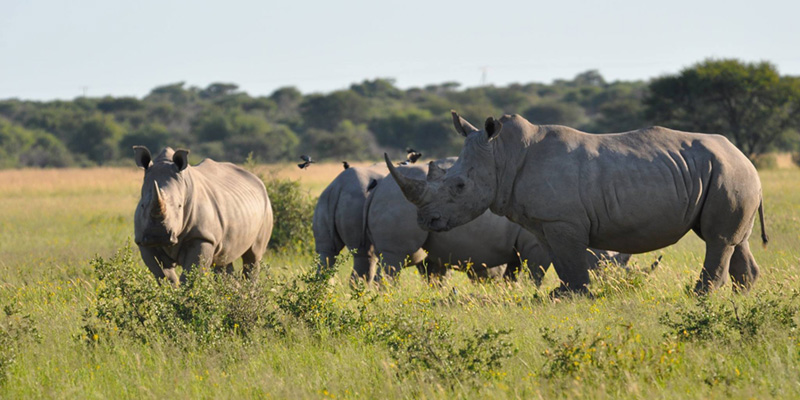
Nestled in the Kalahari Sandveld, the Khama Rhino Sanctuary is a community-led haven protecting Botswana’s precious black and white rhinos. Spanning 8,585 hectares, this highly secured sanctuary offers your absolute best chance for an up-close rhino encounter, alongside giraffes, zebras, and over 230 bird species.
Centering around the wildlife-rich Serwe Pan, it’s a perfect, practical stopover just 25 km north of Serowe. While standard cars can reach the gate, you’ll definitely want a 4x4 to navigate the deep, sandy tracks inside.
Whether you choose a self-drive adventure, a guided night safari, or patient photography from the game hide, the sanctuary caters to all styles. Wind down at a shady, rustic campsite under the Makongwa trees, or opt for a cozy, self-catering chalet.
3-days-chobe-national-park-botswana-safari-tour-package-from-victoria-falls-town
6-day-best-victoria-falls-tour-chobe-and-hwange-zambia-wildlife-safari-holiday
8-days-best-zimbabwe-botswana-safari-all-inclusive-tour-package-from-victoria-falls
9-days-okavango-delta-moremi-game-reserve-chobe-river-front-and-victoria-falls-tour-package
11-days-un-comparable-best-botswana-safari-itinerary-and-optional-victoria-falls-tour
What is the best time of year to visit Khama?
Timing is everything when planning a safari! The absolute best time to visit the Khama Rhino Sanctuary is during the dry winter months, which run from May to September. During this period, the Kalahari bush thins out significantly, making it much easier to spot the rhinos and other wildlife hiding in the brush. Because water becomes scarce, animals naturally congregate around the permanent waterholes and the Serwe Pan, giving you front-row seats to spectacular wildlife shows.
Winter days are wonderfully mild and sunny, typically hovering around 20°C to 25°C, which is perfect for driving around. However, pack some warm layers because the desert temperatures plunge drastically at night, sometimes dropping close to freezing!
If you prefer lush, green landscapes and are an avid birdwatcher, the wet summer season from November to March is also beautiful. Just keep in mind that the summer heat can be quite intense, often soaring past 35°C, and the thicker foliage makes finding the rhinos a bit more of a treasure hunt. No matter when you choose to go, the sanctuary has a unique charm, but the dry season remains the undisputed favorite for guaranteed, spectacular sightings.
Is a four-wheel drive vehicle required to explore?
The short answer is: while not strictly mandatory to reach the main reception, having a 4x4 is highly, highly recommended once you pass the gates. The main access road from the A13 highway to the sanctuary’s entrance and the nearby restaurant is generally well-maintained and passable for standard two-wheel-drive cars. However, the story changes completely once you venture deeper into the actual reserve.
The tracks weaving through the Kalahari Sandveld consist of thick, deep, and loose sand. Standard sedan cars or low-clearance vehicles will easily get bogged down, turning a fun safari into a stressful retrieval mission. Trust me, nobody wants to spend their vacation digging tires out of the desert heat!
If you only have a 2WD, you can still enjoy the sanctuary by booking one of their open safari vehicles for a guided game drive. This lets you sit back, relax, and let the professional guides handle the challenging terrain while you focus on taking photos. If you prefer the freedom of a self-drive, renting a 4x4 is hands-down the best way to explore the reserve safely, confidently, and at your own pace.
How many rhino species live in the conservation sanctuary?
You are in for a treat because the sanctuary is home to both of Africa's iconic species: the white rhino and the black rhino. This dual-species presence makes the conservation project incredibly special, as it serves as a highly successful breeding ground designed to reintroduce these magnificent animals back into their natural wild habitats across Botswana.
While they might sound similar, they are actually quite different! You will most likely spot the white rhinos grazing peacefully on the open grassy plains. They are grazers with wide, flat lips designed for eating grass, and they tend to be more social and relaxed around vehicles.
The black rhinos, on the other hand, are much more elusive and prefer the dense acacia thickets. They are browsers with hooked lips used to strip leaves from thorny bushes. Black rhinos are notoriously shy, solitary, and unpredictable, making a sighting of them a rare and exhilarating bonus.
The sanctuary's dedicated rangers keep a close eye on both populations, ensuring they thrive in a safe environment. Spotting both species in a single day is a regular highlight here, making it a true paradise for any wildlife enthusiast.
What accommodation options are available for overnight visitors there?
Khama Rhino Sanctuary offers a wonderful mix of rustic accommodations, catering to both rugged outdoor lovers and those who prefer a solid roof over their heads.
If you love sleeping under the stars, the sanctuary features 22 spacious, beautifully shaded campsites nestled under ancient Makongwa trees. Each campsite has its own braai (barbecue) stand and water tap. While there is no electricity at the sites to preserve that authentic, wild bush feeling, there are clean communal ablution blocks nearby offering hot showers to wash off the Kalahari dust.
For travelers seeking more comfort, the sanctuary offers cozy, fully equipped self-catering chalets. These rustic, A-frame cabins come with en-suite bathrooms, comfortable bedding, towels, and a handy mini-fridge to keep your drinks cold. They provide a lovely, relaxing space to unwind after a long day of wildlife viewing.
Whether you pitch a tent and listen to the nocturnal sounds of the African bush or cozy up in a chalet bed, you’ll get to experience the magic of the Kalahari night. Just remember to book well in advance, especially during peak travel seasons, as these spots are highly popular!
Can I book guided activities directly at the reception?
Yes, absolutely! Booking guided activities is incredibly easy and can be done directly at the main reception desk when you arrive. The friendly staff are always happy to help you curate your perfect wildlife adventure and can advise on the best times for different excursions.
Some of the most popular activities you can book include:
- Guided Game Drives: Led by expert local trackers who know the animals' daily habits and secret hiding spots.
- Night Drives: A thrilling way to spot nocturnal creatures like leopards, owls, and bushbabies that you won't see during the day.
- Rhino Tracking Trails: An unforgettable opportunity to walk through the bush with a ranger to track these giants on foot.
While you can book upon arrival, it is highly recommended to reserve your activities as soon as you check in, or even a few days in advance during busy holiday seasons. Group sizes are often limited to ensure a high-quality, intimate experience and to minimize disturbance to the wildlife. Booking early guarantees you won't miss out on these incredible, up-close encounters with Botswana's natural wonders.
Is the sanctuary safe from illegal wildlife poaching activities?
Safety is the absolute top priority at the sanctuary, making it one of the most secure havens for rhinos in the entire region. Because rhinos are globally threatened by poaching, the sanctuary employs a multi-layered, highly effective security system to protect its precious residents day and night.
First, the entire 8,585-hectare perimeter is enclosed by a robust, continuously monitored electric fence. This acts as a strong physical deterrent to any unauthorized entry. Second, the sanctuary benefits from a unique partnership with the Botswana Defence Force (BDF), which has an active military base located directly adjacent to the reserve.
Armed military patrols, alongside the sanctuary’s own dedicated team of highly trained anti-poaching rangers, secure the area 24/7. They use advanced tracking techniques and constant surveillance to ensure the perimeter is never breached.
This level of rigorous, round-the-clock protection has made the project an outstanding success. It provides peace of mind not only for the conservationists and visitors but, most importantly, for the rhinos themselves. They can roam, graze, and raise their calves in a peaceful, secure environment free from the immediate threats they face elsewhere.
What other animals can guests expect to see there?
While the majestic rhinos are undoubtedly the main attraction, the sanctuary is bustling with a rich variety of other wildlife. The Kalahari Sandveld ecosystem supports over 30 different mammal species, ensuring your game drives are always packed with exciting surprises.
As you traverse the sandy tracks, you are highly likely to encounter:
- Tall Giraffes: Silently browsing the acacia trees.
- Herds of Zebras and Wildebeests: Sharing the grassy plains.
- Antelope Species: Including elegant impalas, massive elands, springboks, and majestic gemsboks (oryx) with their striking long horns.
If you keep a sharp eye out, you might also spot playful families of warthogs scurrying through the grass, ostriches strutting across the pans, or clever jackals on the hunt. At night, the reserve transforms, giving lucky visitors the chance to spot elusive nocturnal creatures like porcupines, bat-eared foxes, aardwolves, and even the occasional leopard.
The sheer diversity of animals sharing this protected space means that every single turn of the road offers something new. It truly is a vibrant, thriving ecosystem where the rhinos are just one piece of a beautiful, wild puzzle.
Are there any electricity points at the campsites?
To preserve an authentic, wild African bush experience, there are no electricity points available at the individual campsites. The sanctuary intentionally keeps the camping area rustic, allowing visitors to disconnect from the modern world, enjoy the darkness of the desert sky, and listen to the natural symphony of the wild.
However, you won’t have to rough it completely! The communal ablution blocks are well-maintained and equipped with solar-powered lighting and hot water showers, which are a true blessing after a dusty day on safari.
If you need to charge your camera batteries, phones, or power banks, you can easily do so at the central restaurant and reception area. The staff are very accommodating and will gladly help you plug in your devices while you enjoy a delicious meal or a cold drink.
Many campers also bring their own solar chargers, dual-battery car systems, or portable power stations to keep their camping fridges and lights running. Embracing the lack of electricity is all part of the adventure, offering a rare opportunity to swap screen time for stargazing around a crackling campfire.
Where is the sanctuary located in relation to Serowe?
The sanctuary is incredibly convenient to find, located just 25 kilometers north of the historic town of Serowe. It sits directly along the paved A13 highway, making it an easy, hassle-free drive for anyone traveling through central Botswana.
Because of this highly accessible location, the sanctuary serves as the perfect pitstop or overnight destination for travelers driving between South Africa or Gaborone and the popular northern safari hubs like Maun, Makgadikgadi, or the Okavango Delta. Instead of rushing a long, tiring journey, you can break up the drive with a relaxing stay surrounded by nature.
Serowe itself is one of Botswana's largest and most culturally significant traditional villages, serving as the birthplace of the nation's first president, Sir Seretse Khama. Stocking up on fuel, groceries, and supplies in Serowe before heading to the sanctuary is incredibly easy and highly recommended.
From town, it is a quick 20-to-30-minute drive to the sanctuary’s front gates. This close proximity allows you to seamlessly transition from the bustling local town life directly into the peaceful, untouched wilderness of the Kalahari Sandveld.
What makes Serwe Pan so special for wildlife viewing?
Serwe Pan is the beating heart of the sanctuary. It is a massive, circular, grass-covered depression that acts as a natural stage for some of the best wildlife viewing in the entire reserve.
What makes the pan so special are its natural clay soils, which hold water far longer than the surrounding porous Kalahari sands. The sanctuary has capitalized on this by maintaining permanent, solar-pumped waterholes right in the middle of the pan. During the dry season, when the rest of the bush dries up, this area becomes an oasis, drawing thirsty animals from miles around.
Because the pan is wide and open with very little thick vegetation, visibility is absolutely spectacular. You can park your vehicle along the edge of the pan and watch the daily drama unfold. It’s common to see rhinos, zebras, wildebeests, and ostriches sharing the water peacefully, while birds flock overhead.
The open space also provides incredible panoramic views and spectacular, unobstructed sunsets. Whether you are a professional photographer or a first-time visitor, spending a couple of hours parked quietly by Serwe Pan is guaranteed to reward you with unforgettable wildlife memories.
Can day visitors use the swimming pool and restaurant?
Yes, day visitors are warmly welcomed to use the sanctuary's restaurant and swimming pool facilities! You don’t need to book an overnight stay to enjoy these wonderful amenities, making the sanctuary a fantastic day-trip destination if you are staying nearby in Serowe.
After a warm, dusty game drive along the sandy tracks, there is nothing quite like plunging into the cool, refreshing waters of the outdoor swimming pool. It is a favorite spot for visitors to relax, cool off, and wash away the desert heat.
Right next to the pool, the on-site restaurant serves up a delicious variety of local Botswana dishes and classic international meals. It is a lovely, shaded spot to enjoy a hearty lunch, a cold beverage, or a morning coffee before heading back out into the reserve.
As an added bonus, the restaurant area offers free Wi-Fi access, letting you upload your favorite rhino photos or check in with family back home. Combining a thrilling morning safari with a relaxing afternoon by the pool and a tasty meal makes for a perfect, well-rounded day out in the bush.
Are there good opportunities for bird watching in Khama?
Birdwatchers, pack your binoculars, because the sanctuary is an absolute avian paradise! Despite its dry Kalahari environment, the diverse habitats—ranging from dense acacia scrub to the open grasslands of Serwe Pan—support an incredible variety of birdlife, with over 230 recorded species.
The permanent waterholes scattered around the pan are hotspots for waterbirds. You can expect to spot various ducks, herons, egrets, and the striking blacksmith lapwing. The open grasslands are home to majestic ostriches, secretary birds marching through the grass on the hunt for snakes, and the Kori bustard, which holds the title of the world's heaviest flying bird.
If you are interested in birds of prey, the sanctuary will not disappoint. Keep your eyes on the sky for soaring martial eagles, pale chanting goshawks, and various vulture species circling overhead.
For the best viewing experience, spend some quiet time at the traditional reed-and-thatch hide overlooking a permanent waterhole. Sitting silently in the hide allows you to observe these beautiful birds up close without disturbing them, offering unparalleled opportunities for bird photography and peaceful contemplation in nature.
What are the daily operating hours for the gates?
To help you plan your itinerary perfectly, the sanctuary’s gates open daily from 7:00 AM to 7:00 PM. These generous operating hours give you plenty of time to explore the tracks, enjoy a leisurely lunch, or watch the sunset over the beautiful Serwe Pan.
Arriving right when the gates open at 7:00 AM is highly recommended. The early morning hours are when the desert air is cool, and the animals are at their most active. You’ll have a much better chance of spotting rhinos grazing before they retreat into the deep shade of the acacia thickets to escape the midday heat.
Similarly, the late afternoon leading up to the 7:00 PM closing time is a magical period. As the sun begins to set, casting a golden glow over the Kalahari sand, animals head back to the waterholes for a final drink.
Please keep in mind that if you are a day visitor, you must ensure you are back at the main gate to exit by 7:00 PM. If you are staying overnight at the campsite or chalets, you can enjoy the transition into the night safely inside the sanctuary grounds.
Is there wireless internet access available for the guests?
Yes, there is free wireless internet access available for guests, but it is located exclusively at the on-site restaurant and reception area. Because the sanctuary is situated in a remote conservation area, the Wi-Fi is meant to help you stay connected, rather than stream high-definition videos.
It is perfect for checking emails, sending quick messages to loved ones, or sharing your incredible rhino photos on social media. However, once you leave the restaurant area and head out to the campsites, chalets, or game tracks, the signal will fade away entirely.
This lack of connectivity in the rest of the reserve is actually a blessing in disguise! It allows you to truly unplug from the digital world and immerse yourself in the natural beauty of the Kalahari. You can swap screen time for the warmth of a campfire, the sounds of nightjars, and stargazing under some of the clearest skies in the world.
So, grab a cold drink at the restaurant to catch up on your messages, and then gladly power down your devices to enjoy a peaceful, uninterrupted digital detox in the wild.
Can children safely participate in the guided walking safaris?
Yes, children can participate, but safety is the absolute priority, so there are age restrictions for guided walking safaris. Generally, children must be at least 12 to 16 years old to join walks where large, potentially dangerous animals like rhinos are tracked on foot.
Walking in the wild is a thrilling, sensory-rich experience. However, it requires silence, focus, and the ability to strictly follow the guide's instructions at a moment's notice. Because wild animals can behave unpredictably, these age limits are strictly enforced to ensure everyone’s safety.
If you are traveling with younger children, don’t worry! There are still plenty of fantastic ways for them to enjoy the sanctuary. Guided game drives in open safari vehicles are perfectly safe and incredibly exciting for kids of all ages.
They will love spotting giraffes, zebras, and rhinos from the safety of the vehicle. Back at the camp, they can splash in the swimming pool or learn about nature from the educational displays. It’s a wonderful place to introduce the next generation to wildlife conservation, ensuring they leave with a lifelong love for the natural world.
Booking Khama Rhino Sanctuary visit with us Roads of Adventure safaris
Booking your trip through a local operator like Roads of Adventure Safaris guarantees a seamless, stress-free getaway. They offer custom packages tailored just for you, whether you prefer rustic camping under the stars or cozying up in a chalet.
Once there, you will explore 8,500 hectares of Kalahari sandveld, spotting iconic black and white rhinos, giraffes, and zebras. To truly maximize your adventure, join a ranger-led sunrise or night game drive. Afterward, relax by the swimming pool, enjoy free Wi-Fi, or grab a meal at the on-site restaurant. It is the perfect, hassle-free wilderness escape! Your dream safari awaits you.
