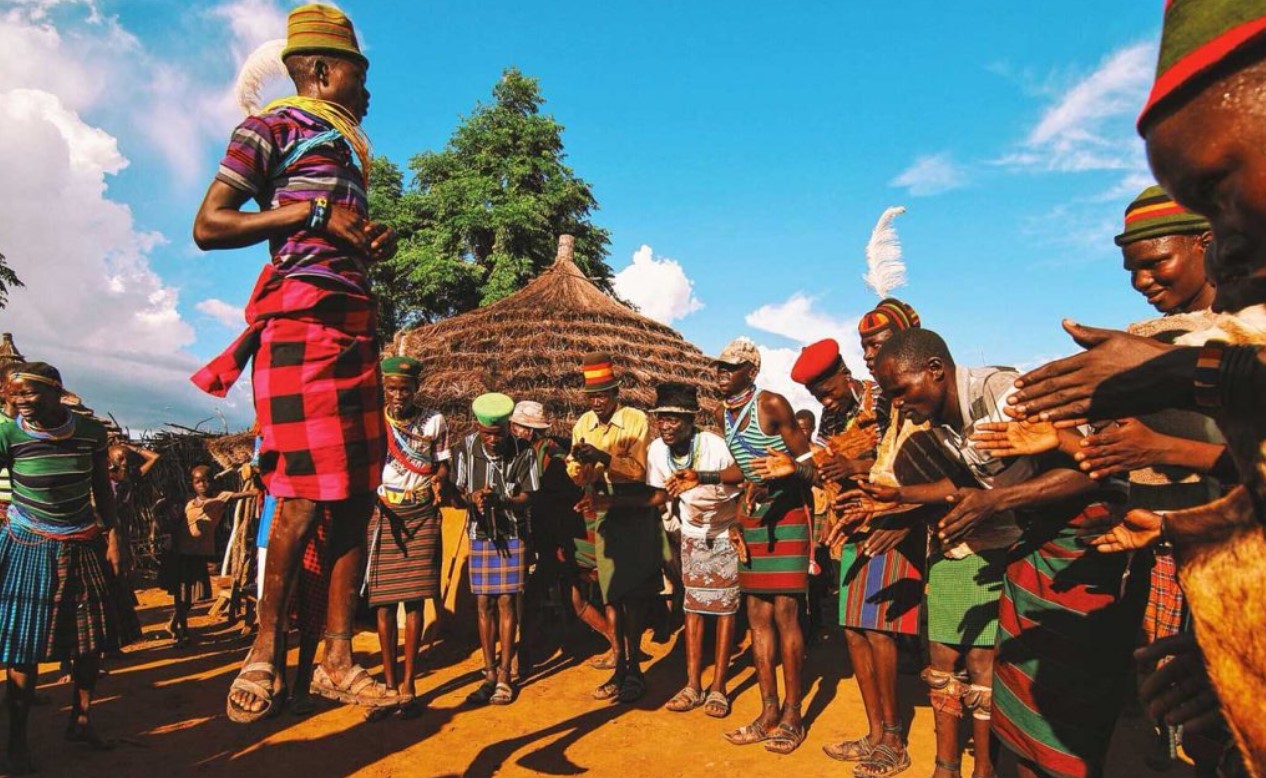
Karamojong cultural tours offer an immersive look into Uganda's unique pastoralist life, focusing on cattle, warrior traditions, and storytelling, requiring local guides for safety and insight, with tours often including village stays and focusing on the semi-arid dry season (Sept-Mar) for easier travel and wildlife viewing, though the wet season (Apr-Aug) offers lush scenery, with key considerations being modest dress, learning basic greetings (like "A-jono" for hello), and understanding the deep cultural significance of livestock
3-days-luxury-fly-in-kidepo-valley-national-park-tour-package
14-days-complete-uganda-safari-tour-and-primate-safari-experience
11-days-uganda-wildlife-safari-jinja-kidepo-valley-tour-package
11-days-uganda-wildlife-safari-to-off-beaten-path-unique-tour-including-kidepo-valley
7-days-murchison-falls-uganda-safari-trip-via-ziwa-rhinos-kidepo-valley-and-jinja
6-days-best-of-murchison-and-kidepo-uganda-safari-via-ziwa
7-days-murchison-falls-uganda-safari-trip-via-ziwa-rhinos-kidepo-valley-and-jinja
Is it safe to do a Karamojong cultural tour?
Yes, participating in a Karamojong cultural tour can be safe, especially when organized through reputable travel operators that prioritize visitor safety and community engagement. It's essential to choose guides who are familiar with the region, its customs, and any potential risks. Always check travel advisories from your country's foreign affairs department before planning your visit. Local conditions can change; thus, staying informed is crucial.
The Karamojong people inhabit a semi-arid region known for its unique cultural practices and lifestyle centered around cattle herding. While the area is generally safe for tourists, it's essential to respect local customs and traditions. Engaging with the community in a respectful manner fosters a welcoming atmosphere that enhances your visit. Be aware of your surroundings, avoid venturing into restricted areas, and always travel in groups when possible.
Additionally, consider the timing of your visit. Visiting during the dry season, typically from June to September, can lead to safer travel conditions, with easier access to cultural sites and events. Always follow your guide's recommendations regarding safety protocols, and be prepared for potential cultural sensitivities in the region. With proper precautions and respectful engagement, a Karamojong cultural tour can be both a safe and enriching experience that deepens your understanding of this unique community and its rich heritage.
What's the best time for a Karamojong cultural tour?
The best time to embark on a Karamojong cultural tour is during the dry season, which typically spans from June to September and December to February. This period offers the most favorable travel conditions, making it easier to navigate the region's often rugged landscapes. The dry weather means less rain, leading to clearer roads and more accessible cultural sites, thereby enhancing your overall experience.
During the dry season, the Karamojong culture comes alive, as many traditional events and ceremonies take place, offering a unique opportunity to witness their customs and daily routines. Cattle markets, dances, and other cultural activities are more prevalent, allowing visitors to engage more deeply with the community. The clear skies also provide excellent opportunities for photography, showcasing the stunning landscapes and unique architecture of the Karamojong manyattas.
However, travelers should note that the Karamojong region can become quite hot during the day, so it’s essential to prepare for fluctuating temperatures. Early mornings and late afternoons are often the best times for outdoor activities, reducing the heat and enhancing comfort.
Ultimately, planning your Karamojong cultural tour during the dry season ensures a more immersive experience and allows for greater interaction with the community, providing a better understanding of their rich traditions and ways of life.
How do I get to Karamoja for a Karamojong cultural tour?
Getting to Karamoja for a Karamojong cultural tour can be achieved readily through various transportation options. Travelers typically begin their journey from Kampala, Uganda's capital. The most popular and economical way is to take a road trip, which allows you to experience the changing landscapes throughout the journey. The drive to Karamoja can take approximately 8 to 10 hours, depending on traffic and road conditions, making it advisable to start early in the morning.
For those seeking a quicker alternative, domestic flights are available from Entebbe International Airport to Lodwar or Kitale, which are relatively close to Karamoja. Once you arrive at these airports, many tour operators offer transfer services to various destinations within the region, including popular Karamojong cultural sites. Booking these transfers in advance ensures a smooth transition from your flight to the cultural experience.
Regardless of the mode of transport, it's essential to plan your journey thoughtfully. Engaging a reputable tour operator can simplify logistics—many include transport in their packages, complete with guides who are familiar with the area and the Karamojong culture. Ensuring you have reliable and prepared transportation will enhance your experience, allowing you to focus on immersing yourself in the rich traditions and vibrant lifestyle of the Karamojong people.
Do I need special vaccinations for a Karamojong cultural tour?
When preparing for a Karamojong cultural tour, it's crucial to ensure your vaccinations are up to date to protect your health during your travels. Recommended vaccinations for visiting the Karamoja region include Yellow Fever, which is often a requirement for entry into Uganda. Other suggested vaccines include Hepatitis A and B, Typhoid, and Tetanus, especially if you plan to visit rural areas where sanitation and food safety may be concerns.
Consulting a healthcare provider or travel clinic at least several weeks before your trip is prudent to allow sufficient time for any necessary vaccinations. They can provide tailored advice based on your health history and travel plans. In addition to vaccinations, carrying medications for common ailments and a basic first aid kit can be beneficial during your travels.
It's also advisable to consider preventative measures against malaria, as the Karamojong region is known to have malaria-carrying mosquitoes. Taking antimalarial medication before, during, and after your trip, as well as using insect repellent and sleeping under treated mosquito nets, can significantly reduce your risk.
By prioritizing vaccinations and health precautions, you'll be well-prepared for your Karamojong cultural tour, allowing you to fully enjoy the rich experiences without health-related concerns.
Can I stay overnight in a Karamojong cultural tour?
Yes, overnight stays are a common and immersive aspect of Karamojong cultural tours. Many visitors choose to spend the night in traditional manyattas, which are the Karamojong's traditional homesteads. These accommodations provide a unique opportunity to experience the lifestyle and hospitality of the Karamojong people firsthand. Staying within the community allows you to engage more deeply with their culture, witnessing their daily routines and practices.
Overnight stays usually offer basic amenities, allowing guests to experience authentic rural life while enjoying the warmth and hospitality of the Karamojong families. Accommodations often include shared facilities, and meals are typically prepared using local ingredients, giving you a taste of traditional cuisine. Morning and evening activities might also be arranged, allowing guests to participate in cultural practices such as dancing, storytelling, or cattle herding.
Booking an overnight stay typically takes place through reputable tour operators who will arrange these cultural immersion experiences. Participating in such stays not only enriches your travel experience but also provides crucial financial support to the Karamojong community, helping to promote sustainable tourism.
While engaging in a Karamojong cultural tour with overnight accommodations, visitors should come prepared for a unique and authentic experience. This opportunity fosters genuine interactions with the community, allowing you to deepen your understanding of their rich cultural heritage while creating lasting memories.
How can I support locals during my Karamojong cultural tour?
Supporting locals during your Karamojong cultural tour can enrich your experience and foster sustainable development within the community. One direct way to contribute is to purchase crafts made by Karamojong artisans, such as handmade beadwork, woven baskets, and textiles. By buying these products, you not only acquire unique souvenirs but also help sustain local craftsmanship and income for families.
Additionally, advocating for responsible tourism practices is crucial. Consider donating to local schools or community projects that focus on education, healthcare, and sustainable livelihoods. Many tour operators can connect you with such initiatives, ensuring your contributions directly benefit the community. Participating in community-led projects or volunteering your skills, if applicable, can also create meaningful impacts.
Hiring local guides for your tour is another significant way to support the Karamojong. Local guides possess valuable knowledge about the culture, history, and environment of the region, enhancing your experience while providing them with essential income. Opting for services provided by local businesses rather than those that operate from outside the community ensures that your financial contributions support the local economy directly.
Overall, your visit can play a vital role in promoting awareness and respect for the Karamojong culture while creating avenues for sustainable income. Engaging with the community, whether through tourism or direct support, fosters positive relationships that benefit both visitors and locals alike.
What should I pack for a Karamojong cultural tour?
When preparing for a Karamojong cultural tour, packing wisely ensures a comfortable and enjoyable experience. Essential items include sun protection, such as a wide-brimmed hat, sunglasses, and sunscreen, to shield yourself from the strong African sun. The region can be quite warm, so lightweight, breathable clothing is advisable.
Footwear is also important; sturdy walking shoes or hiking boots are essential for navigating uneven terrain and engaging in outdoor activities. As you may spend time in rural settings, opting for modest clothing that respects local customs and traditions is encouraged. Consider adding layers to accommodate cooler evenings, as temperatures can drop significantly after sunset.
A reliable camera or smartphone is a must to capture the captivating landscapes and cultural experiences. However, always ask for permission before photographing individuals, particularly children, to ensure respectful interactions.
Additionally, consider packing a reusable water bottle, insect repellent, and a small first-aid kit, including essential medications. Local traditions may include meals prepared in communal settings, so understanding dietary preferences in advance can be beneficial.
By thoughtfully organizing your belongings for a Karamojong cultural tour, you'll be well-prepared to enjoy the rich and immersive experiences the Karamojong community has to offer while respecting their culture and environment.
What cultural activities are on a Karamojong cultural tour?
Karamojong cultural tours offer a rich array of activities that provide deep insights into the traditions and lifestyles of the Karamojong people. Visitors can engage in traditional dances, which are vibrant expressions of Karamojong culture, showcasing their heritage and community spirit. These dances often involve intricate movements accompanied by rhythmic music, allowing guests to participate in or observe these lively performances.
Another significant aspect of the tour is learning about the Karamojong's cattle-centered way of life. Cattle are not only a source of livelihood but also hold cultural and social significance. Participants may have the opportunity to witness herding practices, milk cows, and understand the rituals associated with cattle breeding and care, providing a unique perspective on this integral part of Karamojong culture.
Visitors often experience immersing themselves in traditional food preparation, engaging in communal cooking and enjoying typical local dishes. This culinary experience fosters connection and allows participants to appreciate the flavors of Karamojong cuisine.
Warrior traditions are also highlighted during the tour, with storytelling and discussions about the roles and significance of warriors within the community. Guests may learn about the customs surrounding bravery, initiation rights, and the historical context of Karamojong warrior culture.
Overall, the cultural activities during a Karamojong tour promote deeper engagement and understanding, allowing visitors to appreciate the resilience and richness of the Karamojong heritage while forging connections with the local community.
Is photography allowed during a Karamojong cultural tour?
Yes, photography is generally allowed during a Karamojong cultural tour, but it’s essential to approach it with respect and sensitivity. Before taking any photos, always ask for permission, especially when photographing individuals or groups. This practice fosters mutual respect and understanding between visitors and the Karamojong community, ensuring that everyone feels comfortable and appreciated.
The Karamojong culture is rich and vibrant, offering fantastic opportunities for photography, from capturing traditional dances to the stunning landscapes of the region. Most community members are welcoming and often appreciate sharing their lives through your lens; however, sensitivity to cultural norms is crucial. Be mindful of situations where photography may be inappropriate, such as during sacred ceremonies or private moments.
If you receive permission to photograph people, consider offering them a chance to view the photos afterward. This can create a delightful exchange that reinforces connections and appreciation between yourself and the Karamojong.
Incorporating photography into your cultural experience can enrich your understanding of the Karamojong's everyday life and customs. By being respectful in your approach, you can capture memorable moments while honoring the traditions and privacy of the community. Always remember to share the beauty of your experiences in a way that uplifts and represents the Karamojong culture authentically.
What's unique about the Karamojong culture during a tour?
The Karamojong culture is deeply rooted in a cattle-centric lifestyle, which distinguishes them from many other ethnic groups in Uganda. Cattle are more than just livestock; they are a symbol of wealth, social status, and cultural identity. During a Karamojong cultural tour, visitors have the chance to grasp the significance of cattle through various traditional practices, including herding, breeding, and rituals associated with these animals.
Another unique aspect of Karamojong culture is their warrior heritage, characterized by strong traditions surrounding bravery and community defense. Traditionally, young men undergo initiation processes to become warriors, which is a point of pride and importance in Karamojong society. On tours, guests often engage with warriors, learning about their roles, customs, and the historical context surrounding their lives.
The Karamojong are also known for their distinctive traditional attire, often adorned with colorful beadwork that reflects their cultural identity. This intricate beadwork serves not only as decoration but also indicates social status and community belonging. Visitors can participate in bead-making activities, gaining hands-on experience in this traditional craft.
Moreover, the Karamojong maintain a rich oral tradition, with storytelling being an essential part of their culture. Guests may have the opportunity to hear captivating tales that convey moral lessons, history, and community values, enriching their overall understanding of Karamojong life.
Overall, the Karamojong culture is characterized by its resilience, vibrant traditions, and profound connection to their environment. Engaging with this fascinating culture during your tour allows for deeper insights and experiences that celebrate the unique essence of the Karamojong people.
What do Karamojong people wear?
The Karamojong people are renowned for their vibrant and distinctive traditional attire that reflects their cultural identity and social status. Men typically wear ikwa, a type of wrap made from colorful cloth, which is wrapped around their waist and worn with pride. This attire is often complemented by decorative beadwork that is an integral aspect of Karamojong culture. Beaded necklaces, bracelets, and headpieces are commonly worn by both men and women, serving as symbols of beauty, identity, and social standing.
Women usually wear long skirts or dresses made from bright fabric, often adorned with intricate beadwork. Their attire may include layered necklaces and ornate earrings, further showcasing their cultural heritage. The colors and patterns of the beadwork often have specific meanings, reflecting clan affiliations, personal achievements, and social roles within the community.
During a Karamojong cultural tour, visitors have the opportunity to learn about the significance of these clothing items and adornments, as well as how they are made. Engaging in discussions about traditional dress provides insights into the values and customs of the Karamojong people, deepening the cultural immersion experience.
Additionally, the rich craftsmanship involved in creating these textiles and beadwork highlights the skills passed down through generations. Understanding the importance of attire in Karamojong society enriches the tour experience, allowing visitors to appreciate the cultural intricacies that define this unique community.
What language do they speak on a Karamojong cultural tour?
On a Karamojong cultural tour, the primary language spoken is Ngakarimojong, a Nilotic language belonging to the larger family of Nilo-Saharan languages. Ngakarimojong is not only a means of communication but also a vital aspect of the Karamojong cultural identity, reflecting their unique heritage and history.
During the tour, visitors may have the chance to learn some basic phrases in Ngakarimojong, enhancing their interactions with the local community. Understanding the language helps bridge cultural gaps and fosters meaningful connections with the Karamojong people.
Language is intricately tied to cultural expressions, including storytelling, proverbs, and songs. Through these linguistic forms, the Karamojong convey their values, beliefs, and historical narratives. Engaging with the local language allows travelers to experience the richness of Karamojong culture more deeply, offering insights into their way of life.
While English is often used in tourist settings, knowing some Ngakarimojong phrases can significantly enhance the experience. It shows respect for the culture and creates a more immersive environment for both travelers and the Karamojong community.
Additionally, experiencing language within its cultural context allows visitors to appreciate the nuances of communication, fostering a greater understanding of the Karamojong’s traditions and social dynamics.
What are the traditional homes called?
Traditional Karamojong homes are known as manyattas, which are uniquely constructed enclosures made primarily from brushwood and thatch. These dwellings are designed to accommodate the semi-nomadic lifestyle of the Karamojong people, allowing them to adapt to their environment while also serving vital social functions within the community.
Manyattas are typically organized in a circular arrangement, forming a compound where extended family members reside together. This structure reinforces social bonds and provides a supportive community framework. The homes are traditionally built by the women of the household, showcasing their skills in crafting their living spaces from local materials.
During a Karamojong cultural tour, visitors often have the opportunity to visit manyattas, observe their construction, and learn about their significance in daily life. Inside, guests may witness the typical layout, including cooking areas, sleeping spaces, and communal areas where family members gather. The design reflects practicality, as the manyatta is designed to be easily dismantled and reconstructed, accommodating the Karamojong's semi-nomadic habits, especially during cattle migrations.
Understanding the importance of manyattas contributes to a richer experience during the tour, as it highlights the Karamojong's deep connection to their environment and communal living. By engaging with this aspect of their culture, visitors gain insights into the lifestyle and values of the Karamojong, creating a more immersive and respectful experience.
What's the main focus of the Karamojong economy?
The primary focus of the Karamojong economy is cattle herding and pastoralism, which form the backbone of their livelihood and cultural identity. Cattle are more than just a source of income; they hold immense social, economic, and spiritual significance within Karamojong society. For the Karamojong, cattle are a symbol of wealth and social status, representing not only economic assets but also important elements in various cultural rituals and ceremonies.
As pastoralists, the Karamojong people have developed a deep understanding of their environment, enabling them to navigate the challenges of arid and semi-arid conditions effectively. Herding cattle involves moving them across vast expanses in search of grazing land and water, often requiring considerable skill and knowledge of animal husbandry. The cycle of herding is inherently linked to the seasons, and the Karamojong are adept at adapting to changing environmental conditions.
During a Karamojong cultural tour, visitors have the opportunity to learn about the intricacies of pastoralism and the importance of cattle in Karamojong life. Guests may observe traditional herding practices, engage with community members about livestock management, and appreciate the profound connection between the Karamojong and their animals.
While cattle herding remains paramount, some Karamojong also engage in subsistence farming and trade, providing additional sources of income. The strength of their economy remains fundamentally tied to their traditional ways of life, making cultural tourism a vital means of supporting their community while allowing visitors to experience this unique relationship with their land and livestock.
Can I learn to use a bow and arrow on a Karamojong cultural tour?
Yes, many Karamojong cultural tours offer visitors the unique opportunity to learn how to use a bow and arrow, an integral part of Karamojong hunting traditions and warrior culture. This experience provides an engaging hands-on aspect that enriches the tour and deepens understanding of Karamojong life and practices.
Traditional hunting techniques using bows and arrows have been passed down through generations, showcasing the Karamojong's skills in the art of hunting and survival. Learning this skill offers guests insight into the cultural significance of hunting within the Karamojong community, where it plays a role in sustenance, social status, and traditional rituals.
During the training, local guides or community members typically demonstrate proper techniques for holding, aiming, and shooting the bow and arrow. Participants can practice under the guidance of experienced instructors, ensuring a safe and enriching experience. This interactive activity not only provides a fun challenge but also fosters a sense of connection with the Karamojong people, as visitors engage in an important aspect of their heritage.
Moreover, understanding bow and arrow craftsmanship enhances the experience, as participants learn about the materials used and the significance of these tools in Karamojong society. By offering visitors the chance to practice with traditional hunting equipment, Karamojong cultural tours create meaningful connections that contribute to a respectful appreciation of their heritage.
Overall, learning to use a bow and arrow during your cultural tour allows for a unique and immersive experience that highlights the Karamojong's strong ties to their environment, their skills, and their traditions.
What's the warrior culture like on a Karamojong cultural tour?
The warrior culture of the Karamojong people is a vibrant and historically significant aspect of their society, deeply ingrained in their social fabric. On a Karamojong cultural tour, visitors have the unique opportunity to learn about the customs and traditions associated with this warrior ethos. Central to their identity, the Karamojong warrior culture is characterized by strong age-sets, communal responsibility, and resilience.
During the tour, guests may engage with local warriors who embody the spirit of bravery and strength that defines this culture. Key elements include understanding the ritual of initiation, which marks the transition of young boys into warrior status. This initiation process involves various rites and challenges that test their courage and skills, embedding values of honor and community service.
Cultural performances, including warrior dances such as Edonga, showcase the vibrancy of Karamojong traditions. These dances highlight historical stories, communal values, and the pride associated with being a warrior. Participants can witness or even join in these dances, fostering engagement and appreciation for the Karamojong way of life.
Additionally, discussions surrounding livestock ownership and the significance of cattle as a source of pride and economic wealth reveal how these factors intertwine with warrior culture. Cattle raids, once a common practice, reflected the importance of strength and honor within the community.
Overall, learning about Karamojong warrior culture during a cultural tour offers deep insights into values that shape their identity. Visitors gain a multifaceted understanding of the resilience, bravery, and spirit of solidarity that characterize the Karamojong people, enhancing the immersion into their unique cultural heritage.
What are the food staples during a Karamojong cultural tour?
During a Karamojong cultural tour, visitors are introduced to the traditional food staples that define the Karamojong diet. Central to their way of life, these staples often include milk, blood, and millet, which reflect the community's pastoral lifestyle and deep reliance on cattle.
Milk is considered a primary source of nutrition and is often consumed fresh or fermented. It plays a crucial role in daily meals and rituals. Additionally, the Karamojong sometimes mix milk with blood, a practice that symbolizes both sustenance and cultural pride. Blood, drawn in a manner that does not harm the animal, is a source of protein and is often consumed during special occasions and community gatherings.
Millet, a staple grain in the Karamojong diet, is typically ground into flour and used to make porridge or other traditional dishes. This nutritious grain forms the basis of many meals and is prepared in various forms, providing energy and sustenance for the community.
Visitors may have the chance to partake in communal cooking, learning about the preparation of traditional Karamojong dishes. Engaging in these culinary practices fosters connections and offers a deeper appreciation for the cultural significance of food within the community.
Food during a Karamojong cultural tour is not just about sustenance; it's also an opportunity to experience the traditions, practices, and communal spirit of the Karamojong people. Sharing meals in manyattas creates a sense of belonging and connection, enriching the overall experience and highlighting the important role of food in their culture.
How do I show respect during a Karamojong cultural tour?
Showing respect during a Karamojong cultural tour is essential for fostering positive interactions and creating an enriching experience for both visitors and the Karamojong community. One of the first ways to demonstrate respect is by dressing modestly; covering your shoulders and knees is crucial, particularly in rural settings. This consideration reflects an understanding of the cultural norms and values upheld by the Karamojong people.
When participating in activities or engaging with community members, it’s important to be courteous and open to learning. Always ask for permission before taking photos, especially when photographing individuals or children. This not only conveys respect for their privacy but also acknowledges the cultural significance of their identities and traditions.
Engaging genuinely with the Karamojong people by listening, asking questions, and participating in cultural practices fosters mutual respect. Showing enthusiasm for their customs and being open to learning about daily life, values, and challenges can lead to meaningful connections.
Additionally, understanding the significance of cattle and other cultural practices can deepen your appreciation for Karamojong society. Participating willingly in community activities, such as singing, dancing, or food preparation, shows that you value their traditions.
Finally, being flexible and adaptable is vital, as challenges may arise in remote areas. Demonstrating patience and understanding enhances your engagement with the community while reinforcing positive relationships.
Overall, showing respect during a Karamojong cultural tour revolves around honoring their customs and traditions while engaging sincerely, enriching your experience and supporting the Karamojong in preserving their unique cultural heritage.
What's the significance of cattle in a Karamojong cultural tour?
Cattle hold immense significance in Karamojong culture, representing not only a primary source of livelihood but also embodying deep social, economic, and spiritual meanings. Cattle herding is the cornerstone of the Karamojong economy, providing essential resources such as milk, blood, and meat. This reliance on cattle reflects the Karamojong's long-standing pastoral lifestyle, which sustains their communities and shapes their cultural identity.
During a Karamojong cultural tour, visitors will learn about the role of cattle in the daily lives of the Karamojong people. Cattle are often seen as symbols of wealth and social status, where ownership of large herds reflects the community’s hierarchy. Families often measure their prosperity by the number of cattle they own, linking their economic well-being to livestock management.
Cattle also play a crucial role in social relationships and community cohesion. Key events, such as weddings and initiations, often center around cattle, where animals are exchanged as part of dowries or gifts. This practice fosters social bonds and reinforces community ties, making cattle central to Karamojong cultural practices.
From a spiritual perspective, cattle are incorporated into rituals, and their significance is woven into cultural narratives. Many Karamojong traditions and beliefs revolve around the reverence for cattle as sacred animals that link them to their ancestors.
Engaging with the Karamojong community provides visitors valuable insights into how cattle intertwine with their daily lives and customs. Overall, understanding the significance of cattle enriches the cultural tour experience, allowing for a deeper appreciation of the Karamojong's unique way of life.
Are there cultural performances on a Karamojong cultural tour?
Yes, cultural performances are a vibrant and essential component of Karamojong cultural tours, showcasing the rich traditions and artistic expressions of this unique community. Visitors can experience traditional warrior and folk dances, which serve as dynamic reflections of Karamojong heritage and social values.
One of the most notable cultural performances includes dances like the Edonga, which are often performed during community celebrations and gatherings. These dances are characterized by energetic movements, rhythmic drumming, and colorful attire, effectively capturing the spirit of Karamojong culture. Participants, often dressed in traditional attire adorned with colorful beadwork, celebrate their history and social values through these lively performances.
During the tour, guests may have the opportunity to observe or even participate in these dances, offering an immersive experience. This engagement fosters cultural exchange and allows visitors to appreciate the Karamojong's deep ties to their traditions.
In addition to dance, storytelling is an integral part of cultural performances. Elders may share folktales that convey moral lessons, historical narratives, and community values, enriching visitors' understanding of the Karamojong worldview. These stories often emphasize bravery, resilience, and respect for nature, reinforcing the cultural fabric of the community.
Cultural performances provide a unique window into the Karamojong way of life, illustrating their vibrant traditions and fostering connections between visitors and the local community. Engaging with these performances allows tourists to leave with lasting memories and cultural appreciation to carry beyond the tour experience.
What kind of guides are available for a Karamojong cultural tour?
For a Karamojong cultural tour, travelers are provided with local guides who possess deep cultural knowledge and firsthand experience of Karamojong life. These guides serve as invaluable resources, facilitating connections between visitors and the Karamojong community while ensuring a respectful and informative experience.
Local guides are typically proud members of the Karamojong people, often fluent in both Ngakarimojong and English, which enhances communication between the two cultures. Their understanding of the region's history, customs, and traditions allows them to provide meaningful insights throughout the tour. They are skilled in highlighting the intricate aspects of Karamojong culture, from social structures to traditional practices.
In addition to sharing knowledge, local guides typically serve as cultural ambassadors, helping visitors navigate social norms and expectations. They often facilitate introductions to community members and encourage meaningful interactions, enhancing the overall experience and fostering mutual respect.
Safety is another vital aspect of having knowledgeable local guides. They are familiar with the terrain and community dynamics, allowing them to navigate challenges effectively while ensuring the safety and comfort of participants.
Traveling with local guides during a Karamojong cultural tour ensures that the experience is not only enriching but also responsible, contributing to the livelihoods of the Karamojong people. Through respectful engagement, visitors gain a deeper appreciation of the Karamojong's culture while supporting sustainable tourism practices that benefit the community as a whole.
What does "authentic" mean for a Karamojong cultural tour?
"Authentic" in the context of a Karamojong cultural tour refers to providing visitors with a genuine and immersive experience that goes beyond commercialized tourism. An authentic tour allows guests to engage directly with the Karamojong community in meaningful ways, fostering cultural exchange and understanding while respecting local traditions.
An authentic Karamojong cultural tour typically involves immersive experiences where visitors participate in daily activities alongside community members. This includes engaging in traditional crafts, witnessing ceremonies, or experiencing local cuisine, thereby deepening the connection between travelers and the Karamojong culture. The focus is on facilitating real interactions rather than merely observing or taking pictures, creating a rich and respectful engagement with the community.
Furthermore, authentic tourism emphasizes the importance of benefiting locals directly. It involves choosing tour operators who prioritize community involvement, ensuring that a significant portion of the income generated from tourist activities goes back to the Karamojong people. Supporting local guides, artisans, and cultural initiatives reinforces the financial sustainability and cultural integrity of the community.
Additionally, authentic cultural tours aim to educate visitors about the Karamojong's history, traditions, and challenges, helping to foster mutual respect and understanding. This educational aspect promotes cultural sensitivity, allowing visitors to appreciate the complexities of Karamojong life without oversimplifying or romanticizing their experiences.
In essence, an authentic Karamojong cultural tour is characterized by meaningful engagement, respect for local culture, and tangible benefits for the community. By promoting responsible tourism practices, visitors contribute to the preservation of Karamojong heritage while enriching their own understanding of this unique culture.
Can I visit the IK people too on a Karamojong cultural tour?
Yes, many Karamojong cultural tours often include visits to the IK people, another unique tribal community in Uganda. The IK, who inhabit the mountainous areas near Kidepo Valley National Park, have distinct cultural practices and a rich heritage that complement the Karamojong experience. Combining visits to both communities provides travelers with a broader understanding of the region's diverse cultures and traditions.
During these tours, guests may learn about the IK people's traditional lifestyles, including their unique agricultural practices, craftsmanship, and social structures. The contrasts between the Karamojong and IK cultures can highlight the broader socio-economic dynamics at play in the region, allowing visitors to appreciate the unique adaptations each group has made to their environment.
Interactions with the IK can also include opportunities to participate in traditional activities, such as cooking, weaving, or engaging in local ceremonies. This immersive approach enriches the overall experience, providing guests with insights into the daily lives and customs of the IK people.
Moreover, visiting both communities encourages a sense of cultural exchange between the Karamojong and IK, allowing visitors to witness the cooperation and relationships between neighboring tribes. It fosters a more comprehensive appreciation of the rich cultural tapestry that defines this region of Uganda.
In summary, adding a visit to the IK people as part of a Karamojong cultural tour enhances the experience by offering a well-rounded view of the diverse tribes in the area while promoting cross-cultural learning and respectful engagement.
What are the challenges of a Karamojong cultural tour?
Participating in a Karamojong cultural tour presents unique challenges, primarily stemming from the region’s remoteness and harsh environmental conditions. The Karamojong region is located in northeastern Uganda, encompassing arid and semi-arid landscapes that can be difficult to traverse. Road conditions may be poor; travelers often encounter unpaved and rugged routes that can slow down transportation. This remoteness necessitates careful planning, as access to medical facilities and essential services may be limited.
Additionally, the climate in Karamoja can be challenging, characterized by extremes in temperature that can fluctuate between scorching daytime heat and cooler nights. Visitors should be prepared for these conditions by packing appropriate clothing and staying hydrated, as access to clean drinking water may sometimes be an issue in remote areas. The harsh environment requires travelers to be adaptable and flexible, as unforeseen circumstances, such as weather changes or logistical delays, can occur.
Another challenge involves cultural sensitivities; visitors must be aware of local customs and traditions to engage respectfully with the Karamojong community. Navigating these social dynamics can require an understanding of cultural norms, which emphasizes the importance of having knowledgeable local guides.
Lastly, while the challenges of remote travel can be significant, they are often part of what makes a Karamojong cultural tour enriching and memorable. Embracing these difficulties enhances appreciation for the Karamojong way of life, fostering greater understanding and deeper connections with the people and environment. By remaining flexible and open-minded, travelers can overcome challenges and fully immerse themselves in the Karamojong culture.
What kind of wildlife might I see near a Karamojong cultural tour?
Near Karamojong cultural tours, particularly at Kidepo Valley National Park, visitors have the opportunity to experience a diverse range of wildlife in their natural habitats. Kidepo, one of Uganda's most spectacular national parks, is renowned for its stunning landscapes and rich biodiversity, making it an ideal complement to cultural experiences with the Karamojong people.
The park is home to an array of species, including iconic African wildlife. Visitors may encounter large herds of elephants, graceful giraffes, and robust buffaloes as they roam the grassy savannahs. The diversity of herbivores attracts various carnivores, including lions, hyenas, and leopards, offering thrilling wildlife viewing opportunities. Bird watchers will also be delighted, as Kidepo boasts over 475 bird species, including the rare shoebill stork and numerous raptors, making it a birdwatcher’s paradise.
The proximity of Kidepo Valley National Park to Karamojong cultural tours allows for day trips or extended safaris. Tours provide guided experiences to explore the park's rich ecosystems, from sweeping savannahs to rugged mountains. Alongside cultural immersion, witnessing wildlife in their natural settings creates a well-rounded experience that highlights the beauty of Uganda's natural heritage.
Engaging with the local guides enhances wildlife viewing, as they possess invaluable knowledge about animal behavior, ecological interactions, and conservation efforts. Visitors can also learn about the impact of wildlife on the Karamojong people’s pastoral way of life, deepening their understanding of the relationship between nature and culture.
Overall, a Karamojong cultural tour enriched by wildlife experiences at Kidepo Valley National Park offers an unforgettable adventure that connects travelers with both the vibrant culture and the breathtaking ecosystems of Uganda.
Booking Karamajong cultural tour with us Roads of Adventure safaris.
Book your Karamojong cultural tour with Roads of Adventure Safaris for an unforgettable experience! Our personalized tours offer immersive encounters with the Karamojong community, allowing you to explore their rich traditions, engage in cultural activities, and witness stunning landscapes. With knowledgeable local guides, you'll gain authentic insights into their way of life. Enjoy comfortable accommodations and support local livelihoods while discovering the beauty and resilience of the Karamojong people. Reserve your spot today for an enriching adventure!
