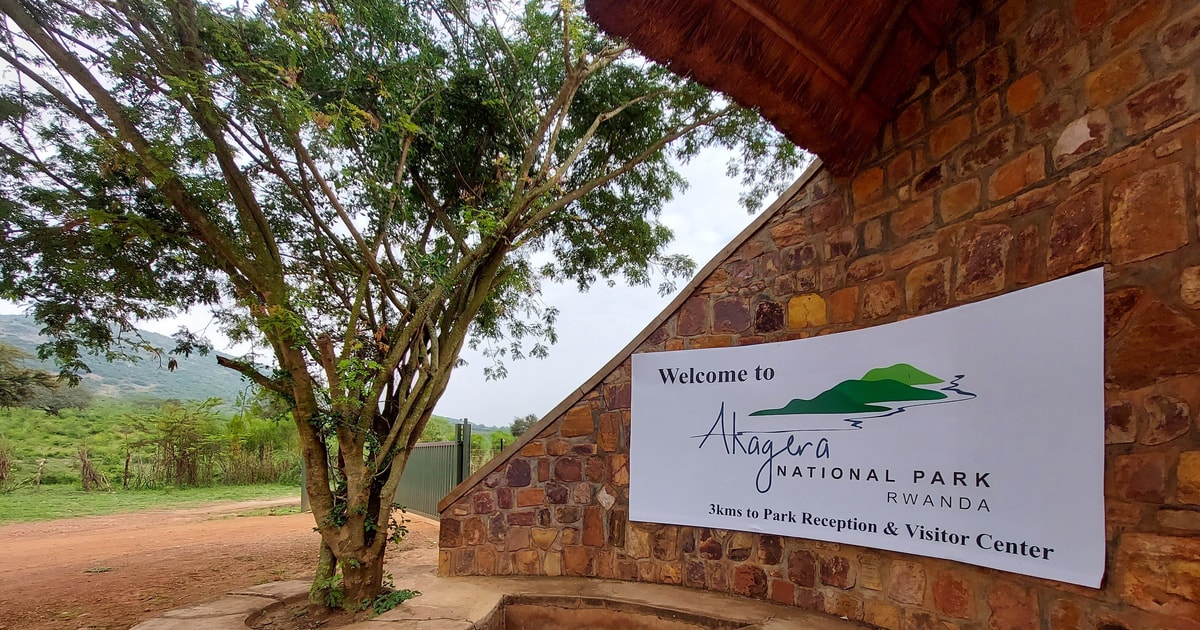
Planning a trip to Akagera? Timing is everything. For the absolute best wildlife viewing, plan your visit during the dry months (June to September or mid-December to mid-February). With water scarce, animals gather right by Lake Ihema, and the thin bush makes them much easier to spot.
Your daily schedule matters just as much. Set an early alarm—sunrise drives starting around 6:00 a.m. are perfect for catching active predators like lions, leopards, and hyenas before the midday heat. Late afternoons (3:00 p.m. to 6:00 p.m.) are ideal for watching wildlife grab a drink, while night drives (6:00 p.m. to 8:00 p.m.) reveal elusive nocturnal creatures like bush babies and civets. Also, try booking a scheduled boat safari at 7:30 a.m. or 3:30 p.m. to get incredibly close to hippos, massive Nile crocodiles, and some of the park’s 480+ bird species.
If you visit during the wet seasons (March to May and October to November), you will get gorgeous, lush views and incredible birdwatching, but keep in mind that the clay roads get muddy and the animals scatter.
3-days-rwanda-safari-to-akagera-national-park-combined-with-lake-ihema-boat-cruise
3-day-africa-big-five-safari-in-akagera-national-park-with-kigali-city-tour
3-days-safari-in-rwanda-akagera-national-park-game-drive-and-lake-ihema-boat-trip
4-days-akagera-safari-and-chimpanzee-tracking-rwanda-safari
4-days-volcanoes-national-park-and-akagera-rwanda-wildlife-safari
9-days-rwanda-gorilla-trekking-and-adventure-activities-and-relaxation
6-days-rwanda-safari-to-akagera-and-nyungwe-chimpanzee-tracking
The Dry Season: Drama at the Water’s Edge
There is a raw, electric energy in Akagera when the rains stop and the sun takes over. As the brush thins out and the golden savannah reveals itself, the park’s wildlife is forced to play its hand. With water holes drying up, survival becomes a game of geography. If you want to see the "Big Five," this is your moment. Animals are drawn to permanent life sources like Lake Ihema and the Kilala Swamp. Imagine sitting quietly in a 4x4, watching a herd of elephants bathe, while a pride of lions lounges lazily in the nearby shade, waiting for their next move.
Because the ground is hard and dry, navigating the park’s tracks is a breeze—no sliding around in deep mud or worrying about getting stuck. However, this magic isn't a secret. The dry months bring in travelers from all over the world, meaning premier lodges like Ruzizi Tented Lodge and Magashi Camp book out months in advance. If you love classic, high-intensity wildlife viewing and don't mind sharing the park with a few more friendly faces, the dry season is absolute perfection.
The Wet Season: Emerald Landscapes and Quiet Wonders
If the dry season is about the drama of survival, the wet season is a celebration of life. When the rains arrive, Akagera undergoes a breathtaking transformation. The dusty plains turn into a lush, vibrant green paradise that feels almost untouched by the outside world. Because water and fresh grass are suddenly everywhere, the animals scatter. You won't find them crowded around a single lake; instead, spotting wildlife becomes a rewarding treasure hunt through stunning, emerald-hued landscapes that will make your camera roll overflow.
This is also the golden hour for bird lovers. Migratory birds flood the park, filling the air with color and song. Even better, you will practically have the park to yourself, enjoying a deep sense of solitude. Just come prepared: the roads get slick and muddy, so a sturdy 4x4 is non-negotiable. As a massive bonus, if you visit during these quieter months and spend two nights in the park, Rwanda rewards your adventurous spirit with a whopping 30% discount on gorilla trekking permits in Volcanoes National Park. It’s the ultimate win-win for nature lovers.
The Golden Hours: Dancing with the Sun
An African safari is entirely dictated by the rhythm of the sun. Animals, much like us, prefer to avoid the blistering heat of the midday glare. To truly experience Akagera at its most alive, you have to embrace the edges of the day—the "golden hours."
Setting out at the break of dawn, around 6:00 AM, is a sensory awakening. The air is cool, the savannah is waking up, and predators are often wrapping up their nightly hunts. Watching the sunrise paint the sky in shades of amber while tracking fresh paw prints is a feeling you’ll never forget. As the sun climbs, things quiet down, only to spark back to life around 3:00 PM. The afternoon drive offers stunning, warm lighting perfect for photography, lasting right until the sun slips below the horizon.
But the adventure doesn't have to end at dusk. Booking a night drive unlocks an entirely different world. Guided by a powerful spotlight, you’ll head into the darkness to search for the eyes of the night—elusive leopards on the prowl, wide-eyed bushbabies, and nocturnal civets. It is a thrilling, mysterious side of the wild most travelers never get to see.
Why is the dry season best for game drives?
The dry season in Akagera National Park runs from June to September and mid-December to mid-February. During these months, rainfall is incredibly minimal, causing smaller, seasonal water holes scattered across the park to dry up completely. Because of this, the park's diverse wildlife—including elephants, buffaloes, giraffes, and various antelopes—is forced to migrate and gather around permanent water sources like Lake Ihema and the Kilala Swamp. At the same time, the blistering sun dries out the thick vegetation, transforming the dense green landscape into a classic golden-brown savannah. This thinning of the bush drastically reduces natural cover, making animals far easier to spot from your safari vehicle. Furthermore, navigating the park is incredibly smooth because the dirt and clay roads bake hard and dry, eliminating any risk of getting stuck in deep mud.
How does the wet season change animal behavior?
With the arrival of the wet seasons from March to May and October to November, the entire ecosystem of Akagera undergoes a dramatic transformation. Rainfall creates temporary pools and streams throughout the park, meaning water is suddenly everywhere and animals no longer rely on permanent lakes. Wildlife quickly disperses deep into the hinterlands and away from the main tracks, as herbivores scatter across the hills to graze on the fresh green grass. Predators naturally follow their prey, moving into more remote, elevated areas. Additionally, the rapid growth of lush vegetation provides perfect cover, meaning even large mammals like elephants can easily blend into the thick bush. While spotting wildlife becomes more of a rewarding treasure hunt, it is also the peak birthing season, offering travelers the chance to see newborn animals navigating the green savannah.
What makes early morning the best drive time?
Starting your game drive at the break of dawn, specifically around 6:00 a.m. when the park gates open, gives you the absolute best chance of catching active wildlife. The morning air is cool and crisp, which energizes the park's residents before the harsh midday heat sets in. Predators like lions, leopards, and spotted hyenas are usually wrapping up their nightly hunts and patrolling their territories, often using the clear dirt roads to avoid the wet morning dew in the grass. By contrast, once the sun climbs higher and temperatures soar toward midday, animals retreat deep into the thickest shade to conserve energy, making them virtually invisible. Early morning also offers soft, warm lighting that is perfect for photography, avoiding the harsh glare and deep shadows of the afternoon sun.
Why are afternoon boat safaris highly recommended?
An afternoon boat safari on Lake Ihema, particularly during the 3:30 p.m. or 4:30 p.m. departures, offers a completely different and incredibly rewarding perspective of the park. As the afternoon heat peaks, thirsty land animals are driven from the shade down to the water's edge to drink. From the comfort of the boat, you can quietly glide along the shoreline to watch elephants bathing, buffaloes drinking, and waterbucks gathering. The water itself is highly active at this time, with pods of hippos grunting and splashing as the temperature cools, while massive Nile crocodiles slide off the banks. For bird lovers, the late afternoon is a prime feeding time for waterbirds, allowing you to spot giant kingfishers, African fish eagles, and elegant herons against the backdrop of a stunning Rwandan sunset.
What unique wildlife do night game drives reveal?
Embarking on a night game drive from 6:00 p.m. to 8:00 p.m. opens up an entirely different world that is completely hidden during the day. Guided by a park ranger with a powerful spotlight, you can search the darkness for the reflective eyes of Akagera's nocturnal residents. The primary target is the elusive leopard, which spends the hot day sleeping in trees but descends to the ground to hunt at night. Night drives also reveal smaller, unique carnivores like spotted hyenas, wide-eyed bushbabies jumping through the acacia branches, and cat-like civets and genets. You might also spot servals and caracals hunting in the dark, along with white-tailed mongooses and springhares hopping across the warm dirt tracks, offering a thrilling and mysterious side of the wild.
How does timing affect park road conditions?
The physical accessibility of Akagera's terrain is entirely dictated by the seasonal timing of your visit. During the dry seasons, the sun bakes the clay roads into hard, stable tracks, making it incredibly easy to drive from the southern entrance all the way to the northern plains. While the roads can get quite bumpy and dusty, the risk of getting stuck is practically nonexistent, making your travel times highly predictable. Conversely, the heavy rains of the wet seasons turn these clay-rich roads into slick, sticky mud. Navigating the park during these wet months requires a high-clearance 4x4 vehicle, experienced off-road driving skills, and a lot of patience, as certain low-lying tracks can become completely flooded, forcing you to take slower, alternative routes.
When is the absolute peak birdwatching season?
While birding in Akagera is excellent year-round, the absolute peak season for bird lovers is during the wet months from November to April. This timing aligns with the arrival of millions of migratory birds fleeing the European winter, which join the park's resident species to create an incredibly diverse avian population. The abundance of water and insects during these rainy months also triggers the breeding season for resident birds, causing many males to molt into their brightest, most colorful breeding plumage to attract mates. You can expect to see spectacular displays of weavers, bishop birds, and elegant birds of prey. It is also a fantastic time to navigate the channels of Lake Ihema to catch a glimpse of the rare and prehistoric-looking shoebill stork.
Does safari timing affect gorilla permit discounts?
Timing your Rwanda safari correctly can lead to massive financial savings on your gorilla trekking permits in Volcanoes National Park. The Rwanda Development Board offers a whopping 30% discount on gorilla permits, reducing the price from $1,500 USD to $1,050 USD per person, if you visit during the low season months of November to May. To qualify for this discount, you must spend at least two consecutive nights in either Akagera National Park or Nyungwe National Park and provide official booking proof. This seasonal promotion is a fantastic win-win, allowing you to enjoy a lush, crowd-free safari in Akagera and apply your savings toward a life-changing encounter with the mountain gorillas.
How far in advance should lodges be booked?
Your booking timeline for an Akagera safari is heavily dependent on the season you choose to travel. If you plan to visit during the peak dry months of June to September or mid-December to February, booking six to nine months in advance is highly recommended. Because Akagera has strict conservation limits, the park features a very limited number of permanent lodging options, and premier eco-properties like Ruzizi Tented Lodge and Magashi Camp sell out quickly. On the other hand, if you choose to travel during the quieter wet season months, you can enjoy far more flexibility, often securing your preferred rooms just two to three months in advance while taking advantage of special low-season rates.
Is a single-day trip from Kigali logistically smart?
While a one-day trip to Akagera from Kigali is possible, it is an incredibly exhausting marathon that is rarely the smartest logistical choice. Because the drive takes about two and a half hours each way, you must depart Kigali by 4:00 a.m. to arrive when the gates open, and you will easily spend over five hours of your day on bumpy roads. This rushed timeline forces you to drive through the park during the hot midday hours when animals are resting and hardest to spot. By planning at least a two-day safari with an overnight stay, you can split up the driving, experience the active morning and afternoon golden hours, and enjoy incredible highlights like a sunset boat cruise or a night game drive without feeling rushed.
Booking Rwanda safari in Akagera national park with us Roads of Adventure safaris
Ready for an unforgettable Rwandan escape? Let us handle the details. At Roads of Adventure Safaris, we craft fully guided 2- to 8-day wildlife experiences tailored just for you. Our all-inclusive packages take care of everything—from comfortable round-trip 4x4 transport from Kigali to booking gorgeous stays like Ruzizi Tented Lodge or Magashi Camp, plus all your permits and park entry fees.
While international park entry starts at $100 per day, our seamless 3-day tours generally start around $1,210 per person. We’ll make sure you experience Akagera’s magic without any of the planning stress!
