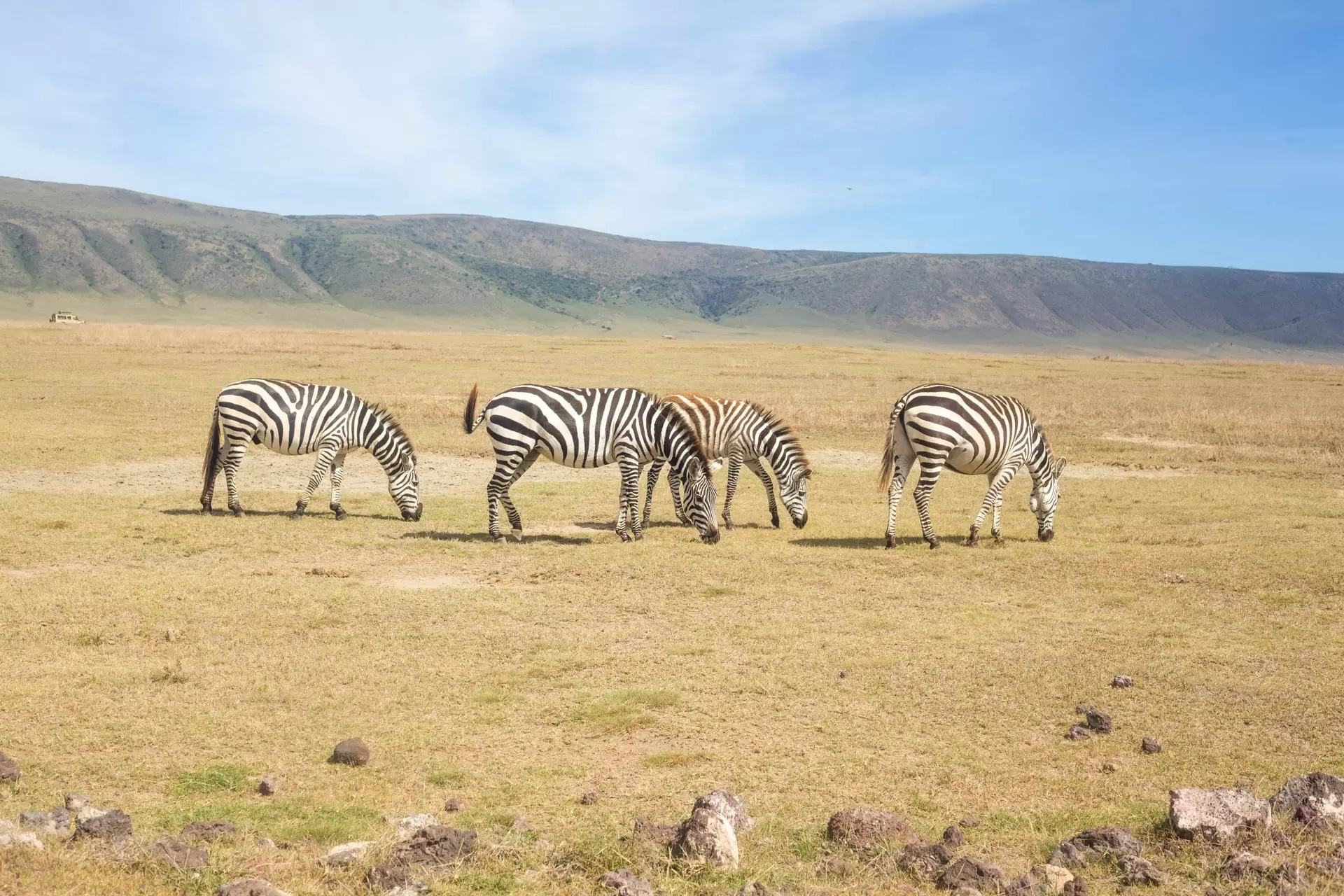
Yes, Tanzania is an excellent choice for an Africa safari tour this travel season, particularly from June to October, which is the peak dry season offering prime wildlife viewing and the Great Migration River crossings. During this time, animals congregate around water sources, making them easy to spot in parks like the Serengeti and Ngorongoro.
15-days-africa-big-cats-safari-kenya-tanzania-safari-and-zanzibar-beach-holidays
12-days-best-tanzania-and-kenya-safari-combo-itinerary
10-days-ultimate-budget-tanzania-safari-holiday-vacation
9-days-luxury-family-tanzania-safari-in-africa-holiday-vacation
8-days-7-nights-midrange-safari-in-tanzania-northern-circuit-parks
Best Time: Dry Season (June to October)
The dry season from June to October is widely considered the prime time for safari enthusiasts visiting Kenya and Tanzania. During this period, the weather is characterized by clear skies, warm temperatures, and minimal rainfall, creating ideal conditions for game drives. One of the most significant advantages of visiting during this time is the high likelihood of seeing large herds of wildebeests and zebras. These majestic creatures migrate from the Serengeti to the Masai Mara, resulting in breathtaking wildlife spectacles as they traverse the savannah.
The dry months also lead to concentrated wildlife activity around water sources, making it easier to spot not only herbivores but also predators like lions, cheetahs, and leopards that follow them. Game drives during this season can result in incredible sighting opportunities, offering safari-goers the chance to witness thrilling hunts and interactions within diverse animal communities.
However, visitors should be aware that the dry season is also peak tourist season. This means that popular parks and reserves can be busier, and prices for accommodations and safari packages tend to rise. Despite the crowds, the experiences gained here are unmatched, with clear visibility and wildlife behavior at its most vibrant.
Planning ahead can mitigate some challenges; booking accommodations and guided tours in advance can ensure that travelers get the best options for their safari experience. Overall, traveling during the dry season and immersing oneself in the vibrant wildlife activity offers an unforgettable adventure that will remain etched in memory.
Alternative Top Season (January/February)
For those seeking an alternative to the busy dry season, the months of January and February provide excellent wildlife viewing opportunities during the calving season in the southern Serengeti. During this period, wildebeest give birth to thousands of calves, creating a captivating spectacle that attracts predators, including lions and hyenas. This high predator-to-prey ratio results in thrilling interactions, offering visitors a unique chance to observe both newborn animals and their protective behaviors against would-be hunters.
In contrast to the peak dry months, January and February typically see fewer tourists, creating a more intimate and tranquil safari experience. The landscapes during these months are lush and vibrant due to the rains, which can make for stunning visuals against the backdrop of the thriving wildlife. The fewer crowds also allow travelers to enjoy game drives and guided walks without the hustle and bustle seen during peak times.
Additionally, the pleasant weather during this period makes outdoor activities more enjoyable. The golden light of the early morning and late afternoon enhances wildlife photography opportunities, delivering striking images of animals in their natural habitats.
However, travelers should still consider that weather patterns can bring occasional rain, which might affect certain activities but generally leads to a richer environment for both flora and fauna. This period remains a hidden gem for safari-goers looking for a less crowded and equally exciting wildlife experience.
Key Parks: Serengeti National Park, Ngorongoro Crater, and Tarangire National Park
When planning a safari, three key parks stand out for their exceptional wildlife viewing opportunities: Serengeti National Park, Ngorongoro Crater, and Tarangire National Park. Each of these parks provides its unique landscapes and ecosystems, contributing to a diverse safari experience.
Serengeti National Park, renowned for its vast savannahs and the Great Migration, captures the essence of Africa's wild beauty. It hosts a rich variety of wildlife, including large populations of lions, elephants, and zebras, alongside the migration of millions of wildebeests. The expansive landscapes allow for excellent game viewing and photography, making it a must-visit destination.
The Ngorongoro Crater, a UNESCO World Heritage site, offers a dramatically different experience. Formed by a volcanic eruption, this large, sunken caldera is teeming with wildlife and provides a high chance of sighting the Big Five—lion, leopard, elephant, buffalo, and rhinoceros—within a relatively small area. The unique topography and rich biodiversity create unparalleled opportunities for close encounters with various species.
Tarangire National Park, often overlooked, is an exceptional hidden gem known for its vast elephant herds and iconic baobab trees. The park is less crowded compared to Serengeti and Ngorongoro, increasing the likelihood of intimate wildlife experiences. Tarangire also offers fantastic birdwatching opportunities, making it an ideal destination for nature lovers.
Together, these parks create a rich tapestry of wildlife experiences in Tanzania, offering visitors an unforgettable safari adventure filled with diverse animal interactions, stunning landscapes, and opportunities for discovery.
Southern Circuit: Nyerere (formerly Selous) and Ruaha
For travelers seeking a quieter and more intimate safari experience, Tanzania’s Southern Circuit—comprising parks such as Nyerere National Park (formerly Selous) and Ruaha National Park—represents an excellent choice. These lesser-visited parks offer breathtaking landscapes, diverse wildlife, and opportunities for unique safari experiences such as walking and boat safaris.
Nyerere National Park, one of the largest protected areas in Africa, boasts a mosaic of habitats including wetlands, grasslands, and dense forests. The park’s remote nature allows for spectacular wildlife sightings, often without the crowds experienced in more popular reserves. Visitors can enjoy boat safaris on the Rufiji River, where they can observe hippos, crocodiles, and various bird species in a serene setting.
Ruaha National Park, characterized by dramatic hills and the Ruaha River, offers a diverse array of wildlife, including large populations of elephants and the chance to see rare species like the African wild dog. Walking safaris in Ruaha allow visitors to explore the wilderness at a slower pace, guided by experienced rangers who provide insights into the local flora and fauna.
The Southern Circuit’s relative seclusion allows travelers to connect more deeply with nature, offering moments of tranquility and reflection often lost in busier parks. Guided tours in these areas focus on responsible, sustainable tourism practices that promote conservation and protect wildlife habitats.
In summary, both Nyerere and Ruaha National Parks provide marvelous alternatives for those wishing to immerse themselves in the unspoiled beauty of Tanzania, offering unforgettable wildlife experiences in stunning natural settings.
When is the Best Time for a Tanzania Safari Tour?
The optimal time for a Tanzania safari tour is during the dry season, which runs from June to October. This period is characterized by warm, dry weather, creating ideal conditions for wildlife viewing. As water sources become limited, animals congregate around these areas, making it significantly easier for visitors to spot various species. Game drives during these months often yield breathtaking encounters with elephants, lions, giraffes, and more, all drawn to the remaining waterholes.
During the dry season, visibility is at its peak, as the lack of vegetation due to minimal rainfall enhances wildlife sighting opportunities. Additionally, the likelihood of witnessing spectacular events like the Great Migration increases during this time, particularly from July to October when herds of wildebeest and zebras cross through the northern Serengeti.
The dry condition also means that road conditions are generally better, enhancing accessibility to various national parks. For travelers seeking a well-rounded safari experience enriched with diverse wildlife encounters, the dry season serves as a perfect backdrop, providing a comprehensive exploration of Tanzania’s offerings.
In conclusion, the months of June to October represent the best time for a safari in Tanzania. The combination of weather conditions, animal visibility, and the potential for witnessing the migration ensures that visitors will leave with unforgettable memories.
Is Tanzania Good for an Africa Safari Tour This Travel Season (June-October)?
Yes, Tanzania is an outstanding choice for an Africa safari during the peak season from June to October. This period offers unique advantages that make it exceptionally appealing for wildlife enthusiasts. Firstly, the dry weather during these months greatly improves wildlife visibility. As animals gather around diminishing water sources, the chances of spotting species increase, providing an enriching experience for safari-goers.
The dry season also coincides with a lower risk of malaria, making it a safer time for travelers to explore various parks and reserves. Many visitors find this comforting, especially when considering safety measures while navigating through Tanzania's beautiful landscapes.
Moreover, the dry months encompass the Great Migration, one of nature's most spectacular events. From July to October, huge herds of wildebeest and zebras cross the northern Serengeti, leading to dramatic river crossings that thrill travelers. The sight of these migrations, coupled with the presence of predators like lions and crocodiles, creates unforgettable safari experiences.
However, bear in mind that peak season means high visitor numbers in popular parks, which can lead to busier conditions. To maximize enjoyment, consider planning ahead by booking accommodations and tours in advance. All in all, during the travel season of June to October, Tanzania truly shines as an ideal destination for an African safari adventure.
Can I See the Great Migration?
Absolutely! The Great Migration is one of the most awe-inspiring natural phenomena on Earth, and Tanzania offers the best vantage points for experiencing it, particularly in the northern Serengeti. The migration primarily involves over 1.5 million wildebeests and thousands of zebras traveling in search of fresh grass and water, driven by seasonal environmental changes.
From July to October, the migration culminates in dramatic events as these animals make perilous river crossings at the Mara River. This thrilling spectacle, where herds plunge into the waters and face lurking crocodiles, creates unforgettable moments for safari-goers and wildlife photographers alike.
Travelers can witness not only the massive herds but also the accompanying predators—lions, cheetahs, and hyenas—who follow the migration closely, taking advantage of the opportunities presented during this intense action. As the herds navigate through the challenges of the rivers, viewers are often treated to scenes that epitomize the raw beauty of nature.
For those planning a trip specifically for the migration, it’s advisable to coordinate travel dates around these peak months. By timing your visit for the northern Serengeti during this period, you increase the likelihood of witnessing the vast herds and the dramatic confrontations that define the Great Migration, creating an unforgettable safari experience.
Is Early-Year (January-March) Good for a Tanzania Safari?
Yes, traveling to Tanzania during the early months of the year—specifically January and February—can be an excellent choice for safari enthusiasts. This period coincides with the calving season in the southern Serengeti and the Ndutu region, where thousands of wildebeests give birth to their young. This event creates a vibrant and dynamic wildlife atmosphere, filled with the presence of newborn animals learning to navigate their environment.
The calving season attracts numerous predators, including lions, hyenas, and cheetahs, all drawn to the abundance of vulnerable baby animals. This heightened predator activity offers thrilling viewing opportunities, as visitors can witness dramatic hunts and protective behaviors, enhancing the safari experience through engaging interactions between prey and predator.
Moreover, January and February typically see fewer crowds than the peak dry season, offering a more intimate and tranquil safari experience. Travelers can explore the stunning landscapes of the Serengeti, enjoy game drives, and capture remarkable photographs of young wildlife without the hassle of large tourist groups.
While occasional rain may occur, it usually consists of short showers followed by clear skies, maintaining delightful weather for exploration. Overall, early-year travel to Tanzania presents an engaging opportunity for wildlife viewing, providing unique experiences that celebrate birth and survival in the wild.
Is Tanzania Safe for Tourists?
Generally, Tanzania is considered safe for tourists, particularly when certain guidelines are followed and reputable tour operators are used for safari experiences. Popular tourist attractions, such as national parks and wildlife reserves, are well-maintained and secure, making them safe environments for exploration.
Using established tour operators not only enhances safety but also ensures that travelers receive expert guidance throughout their adventure. Knowledgeable guides are trained to navigate the parks, educate visitors on wildlife behavior, and adhere to safety protocols, creating a secure environment for safari-goers.
While the national parks are known for their safety measures, it's still advisable for travelers to take standard precautions. Practices such as avoiding walking alone in unfamiliar areas, keeping personal belongings secure, and being aware of surroundings can enhance safety during the trip.
Additionally, participation in guided tours ensures that travelers adhere to park regulations designed to protect both wildlife and visitors. Many guidelines focus on maintaining a safe distance from animals and minimizing ecological impact.
Overall, with the right preparations and careful planning, tourists can enjoy a secure and enriching safari experience in Tanzania that celebrates the country’s stunning landscapes and incredible wildlife.
Do I Need a Visa?
Yes, most visitors to Tanzania require a visa for entry into the country, although regulations may vary based on nationality. Fortunately, obtaining a visa can often be streamlined through multiple options. Many travelers can acquire a visa either on arrival at the airport or online in advance through the official Tanzanian government portal.
Applying for an e-visa before traveling is advisable, as this can save time and reduce any potential hassle upon arrival. The online application process typically entails filling out forms, uploading required documents (such as passport copies), and paying the visa fee electronically. Travelers should allow ample processing time, which can take anywhere from a few days to a week.
Visas on arrival are also available, but this option may involve longer wait times, especially during peak tourist seasons. Carrying sufficient cash in USD (which is widely accepted) for visa fees can facilitate smoother transactions at the airport.
It's important for visitors to check the visa requirements specific to their nationality, as regulations can change. Make sure that your passport is valid for at least six months beyond your intended stay and has at least one blank page for the visa stamp.
In summary, while a visa is typically required for entry into Tanzania, the multiple application options available make the process relatively straightforward for travelers.
Is Malaria a Risk?
Yes, malaria is a risk in Tanzania, particularly in low-lying areas and during the warmer months. The country is home to malaria-carrying mosquitoes, making it essential for travelers to take preventive measures to minimize the risk of infection while enjoying their safari adventure.
To effectively manage this risk, travelers are strongly advised to take malaria prophylaxis prior to their trip and for a specified period after returning home. Various anti-malarial medications are available, and it's best to consult a healthcare provider for recommendations tailored to individual health needs and travel plans.
In addition to taking medication, using insect repellent containing DEET on exposed skin can further reduce the likelihood of mosquito bites. Wearing long-sleeved clothing and long pants in the evenings, when mosquitoes are most active, is another effective way to protect against bites.
Moreover, sleeping under insecticide-treated mosquito nets can provide added security during overnight stays in lodges or camps, especially in areas where malaria is prevalent. Visitors should also be mindful of travel during the rainy season, when mosquito populations tend to increase.
In summary, while malaria is a potential risk in Tanzania, taking these preventive measures can significantly reduce the chances of infection, allowing travelers to focus on enjoying their safari experience while prioritizing their health and safety.
What Should I Pack for a Safari?
Packing for a safari in Tanzania requires careful consideration to ensure comfort and preparedness for a range of conditions. Here are essential items to include in your packing list:
- Neutral-Colored Clothing: Choose clothing in shades like khaki, beige, and olive to blend into the natural surroundings and avoid startling wildlife. Lightweight, breathable layers are ideal, as temperatures can fluctuate between warm days and cooler evenings.
- Comfortable Walking Shoes: Sturdy, comfortable shoes are crucial for game drives and any potential walking safaris. Consider waterproof options in case of unexpected rain.
- Sun Protection: Bring high-SPF sunscreen and a wide-brimmed hat to shield yourself from the sun’s rays, especially during mid-day excursions. Sunglasses with UV protection are also recommended.
- Binoculars: A good pair of binoculars enhances wildlife viewing, allowing for closer observation of animals from a distance without disturbing them.
- Camera Equipment: Capture stunning landscapes and wildlife photography by packing a camera with extra batteries and memory cards. A zoom lens is particularly helpful for wildlife shots.
- Lightweight Rain Gear: If traveling during the wet season or even during warmer months, consider bringing a light rain jacket for unexpected showers.
Consider packing a small daypack for excursions, allowing you to carry essentials like water, snacks, and hygiene items while on the go. Additionally, check for specific requirements, such as the prohibition of plastic bags in Tanzania, to ensure compliance with local regulations.
Overall, thoughtful packing can greatly enhance your comfort and experience during your safari adventure in Tanzania.
Which Parks Are Best to Visit?
When planning a Tanzania safari, a few parks stand out for their exceptional wildlife viewing opportunities: the Serengeti National Park, the Ngorongoro Crater, and Tarangire National Park. Each of these parks offers unique landscapes and ecosystems, providing diverse experiences for visitors.
Serengeti National Park is renowned globally for its vast plains and is synonymous with the Great Migration, where millions of wildebeests and zebras travel in search of food and water. This park is teeming with wildlife, including large populations of lions, elephants, and various antelope species, making it a top destination for wildlife enthusiasts.
Ngorongoro Crater, a UNESCO World Heritage Site, represents a unique geological formation that acts as a natural amphitheater brimming with wildlife. Here, visitors have the chance to see the Big Five—lion, leopard, buffalo, elephant, and rhinoceros—all within this stunning and compact area. The rich ecosystem nourished by the crater’s varied habitats makes it one of the best places to view animals up close.
Tarangire National Park, often overshadowed by its more famous neighbors, is a gem known for its large elephant herds and iconic baobab trees. The park is less crowded than the Serengeti and Ngorongoro, offering a more tranquil atmosphere while still providing excellent wildlife spotting opportunities.
All three parks are particularly vibrant during the dry season from June to October when wildlife congregates around water sources, enhancing game viewing. Exploring these iconic destinations will undoubtedly create unforgettable memories and experiences for all safari-goers.
Is Tanzania Good for an Africa Safari Tour This Travel Season for Families?
Yes, Tanzania is an excellent choice for families looking to embark on an Africa safari tour, especially in the northern circuit. The country is known for its diverse wildlife, educational experiences, and family-friendly accommodations.
For families, parks like the Serengeti and Ngorongoro Crater offer a wealth of opportunities to spot wildlife, providing engaging experiences for children and adults alike. Guided safaris can cater specifically to families, including “bush school” activities that are designed to teach children about wildlife and conservation in an interactive manner. This hands-on approach can create unforgettable family memories while instilling a sense of responsibility for nature.
Many lodges and camps in Tanzania offer family suites and tailored services that cater to travelers with children. Private vehicles can be arranged for family safaris, allowing for flexibility in scheduling and the chance to accommodate the needs and energy levels of younger travelers.
Furthermore, the stunning landscapes and vibrant cultures provide opportunities for engaging and educational experiences. Families can meet local tribes, explore natural wonders, and enjoy activities such as nature walks, making the trip both adventurous and enriching.
Overall, with its abundance of wildlife, family-focused facilities, and opportunities for education and engagement, Tanzania is indeed a fantastic destination for family safari adventures.
What is the Currency?
The official currency in Tanzania is the Tanzanian Shilling (TZS), which is essential for day-to-day transactions, such as purchasing local goods and services. While the Tanzanian Shilling is widely used, US Dollars are also commonly accepted, especially for tourist-related activities, accommodations, and fees for tours.
Travelers should carry some cash in Tanzanian Shillings for smaller purchases, particularly in local markets or rural areas where credit cards may not be accepted. Banks and authorized currency exchange offices are available in major cities and tourist destinations to facilitate currency exchange.
When preparing for your trip, it's wise to check exchange rates and bring a mix of currencies to ensure you can navigate various spending scenarios. Credit and debit cards are generally accepted in larger hotels, restaurants, and shops, but it’s advisable to notify your bank in advance to avoid any issues with international transactions.
In summary, having a solid understanding of the currency used in Tanzania can help travelers plan their budgeting effectively, ensuring they have enough cash and means to enjoy their safari and cultural experiences without any financial hassle.
Are There Fewer Crowds If I Travel in the "Off-Season"?
Yes, choosing to travel during the "off-season," particularly in April and May, can result in significantly fewer crowds in Tanzania's national parks. This period, often referred to as the wet season, corresponds to the long rains, during which many tourists opt to avoid travel due to perceptions of increased rainfall and less-than-ideal game-viewing conditions.
However, traveling during the off-season offers distinct advantages. With lower visitor numbers, safari-goers can enjoy a more serene and intimate experience while exploring the natural beauty and wildlife of the parks. This is especially advantageous for photographers who seek unobstructed views and unique wildlife encounters without the presence of large tour groups.
Additionally, off-season travel often correlates with lower prices for accommodations and tours, making it a more budget-friendly option. While game viewing can be more challenging due to thicker vegetation and the possibility of rain, the landscapes are lush and vibrant, offering stunning visuals that enhance the overall experience.
The rainy season can also give rise to fascinating wildlife behaviors, such as animals being more active and calves being born, adding another layer of excitement to the safari experience. Overall, while the wet season may present some challenges for game viewing, it also offers opportunities for quieter, more unique adventures amidst Tanzania’s incredible wildlife.
Is It Good for Photography?
Absolutely! Tanzania is a fantastic destination for photographers, offering an array of breathtaking landscapes and incredible wildlife opportunities throughout the year. The dry season from June to October provides clear skies and vibrant lighting, perfect for capturing stunning images of animals in their natural habitats.
During this period, the lack of vegetation and minimal rainfall means that wildlife congregates around water sources, allowing for excellent visibility and closer encounters. Photographers can capture powerful moments, such as dramatic chases between predators and prey, or the vast herds of wildebeests and zebras during the Great Migration.
The wealth of diverse ecosystems, from the iconic savannahs of the Serengeti to the lush highlands of the Ngorongoro Crater, creates myriad photographic opportunities. The changing landscapes and dramatic colors enhance any photographer’s portfolio, producing captivating images that showcase Africa's natural beauty.
In contrast, the early-year months of January to March present a unique chance to photograph the calving season. Witnessing newborn animals alongside their protective parents can create moving and heartwarming moments, making for poignant photography opportunities.
In summary, whether traveling during the peak dry season or the lush green months, Tanzania provides diverse and stunning backdrops for photographers. With the right planning and timing, capturing the essence of Africa’s wildlife and landscapes is both feasible and rewarding.
How Long Should My Safari Be?
For a comprehensive and fulfilling experience, a safari in Tanzania should ideally last between 7 to 10 days. This duration allows travelers to explore major parks and reserves without feeling rushed, while providing ample opportunities for diverse wildlife viewing and engaging experiences.
A well-rounded 7 to 10-day itinerary typically includes visits to key parks such as the Serengeti, Ngorongoro Crater, and Tarangire National Park. Each of these areas offers unique wildlife, landscapes, and ecosystems, allowing visitors to immerse themselves in the rich biodiversity that Tanzania has to offer.
Spending at least 3 to 4 nights in the Serengeti enables travelers to witness the migration or enjoy the vibrant wildlife that populates the area. A day’s visit to Ngorongoro Crater provides ample time to explore the caldera and enjoy its dense concentrations of wildlife. Including Tarangire in the itinerary allows for encounters with large elephant herds and picturesque baobab trees.
For those wishing to incorporate more activities, such as cultural exchanges or walking safaris, extending the trip may be beneficial. This additional time allows travelers to engage more meaningfully with both wildlife and local communities while creating lasting memories.
Overall, a 7 to 10-day safari provides the optimal balance for experiencing the highlights of Tanzania’s stunning landscapes and wildlife, making the trip unforgettable and fulfilling.
Is It Easy to Get Around?
Yes, getting around in Tanzania is relatively easy, particularly when navigating the major national parks and wildlife reserves. The country has developed a network of domestic flights that connect key destinations, making it convenient for travelers to move between parks quickly and efficiently.
Several airlines offer scheduled flights to popular safari locations, allowing travelers to save time that would otherwise be spent on long road journeys. Flying between destinations like the Serengeti, Zanzibar, and Kilimanjaro becomes especially beneficial for those with limited time.
For ground transportation, guided safaris usually include reliable vehicles with experienced drivers who navigate the varied landscapes. These guides understand the terrain and can ensure a comfortable ride while adhering to safety protocols, enhancing the overall experience.
When traveling to more remote areas or smaller parks, renting a 4x4 vehicle with an experienced driver is often the best option. This allows for flexibility in itinerary and the opportunity to explore off-the-beaten-path locations.
Overall, with various transportation options available, including domestic flights and guided vehicles, traveling within Tanzania is designed to be accessible and straightforward, allowing visitors to maximize their safari experience while exploring the country's incredible wildlife and landscapes.
Booking Africa safari in Tanzania with us Roads of Adventure safaris
Book your Tanzania safari with Roads of Adventure Safaris for expert-led, tailored journeys to the Serengeti and Ngorongoro Crater, offering unforgettable, high-quality experiences. Our customized itineraries range from 3-day highlights to luxury or family trips, ensuring unforgettable wildlife encounters, including the Great Migration. With dedicated, knowledgeable guides, we prioritize your comfort and safety, providing a seamless experience from booking to your final game drive. Explore tailored adventures featuring top-notch accommodation and competitive pricing for a truly memorable trip, say Roads of Adventure Safaris.
