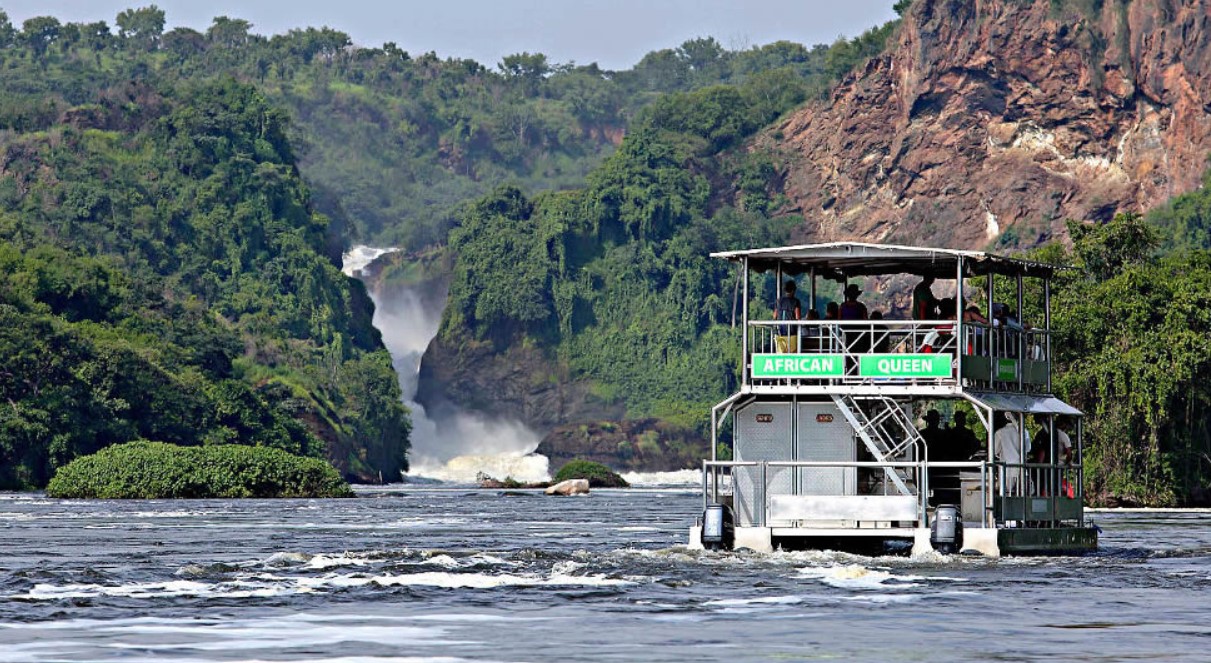
Yes, Murchison Falls National Park is an outstanding Uganda family safari destination, offering a mix of accessible wildlife viewing, thrilling boat trips on the Nile, and educational nature experiences. As Uganda's largest park, it provides a safe, diverse environment featuring elephants, giraffes, lions, and hippos, suitable for all ages.
Popular Uganda safari tour packages to Murchison falls national park
3-days-murchison-falls-national-park-best-uganda-safari-road-trip
3-days-best-honeymoon-uganda-safari-escape-to-murchison-falls-national-park
5-day-best-safaris-to-uganda-kidepo-and-murchison-falls-national-parks
5-days-kidepo-valley-uganda-safari-via-ziwa-rhino-sanctuary
6-days-best-of-murchison-and-kidepo-uganda-safari-via-ziwa
7-days-murchison-falls-uganda-safari-trip-via-ziwa-rhinos-kidepo-valley-and-jinja
7-days-uganda-tour-to-murchison-falls-via-ziwa-kibale-and-queen-elizabeth-national-park
9-days-africa-big-five-safari-in-uganda-safari-parks-and-gorilla-trekking
Exciting Boat Safari: a calm, scenic boat trip to the base of Murchison Falls allows families to see hippos, crocodiles, and birds up close.
Boat safaris on the Nile in Murchison Falls National Park are often the standout family activity because they combine safety, comfort, and concentrated wildlife viewing in a relatively short, relaxed itinerary. Unlike long, bumpy game drives, a boat trip is stable and predictable—especially appealing for families with younger children or members who tire easily. The boats typically travel upriver to the dramatic base of the falls, passing shoals, reed-lined banks, and islands where hippos wallow and crocodiles bask. These large, conspicuous animals are frequently visible from a safe distance, so even the littlest travelers can enjoy close-up sightings without the fast movements or unpredictability of a vehicle encounter.
Beyond the big mammals, the river corridor is a magnet for birdlife: kingfishers, herons, African fish-eagles, and specialized waterbirds provide excellent opportunities for child-friendly birdwatching. Guides on family-oriented boats tend to be experienced at keeping commentary engaging for all ages—pointing out animal behaviors, describing how the river supports ecosystems, and inviting simple wildlife-spotting games that keep kids involved. Most operators supply life jackets for children and adults, and cruises are usually scheduled during the cooler parts of the day—early morning or late afternoon—when animals are most active and the light is best for photos.
Boat safaris are also efficient: families can cover a lot of habitat in an hour or two and often combine the cruise with a picnic, a short onshore walk, or a visit to a nearby viewpoint. This makes it easy to structure a day with variety—wildlife, scenery, and gentle activity—without wearing out young explorers. For families wanting maximum viewing with minimal fuss, the Nile boat safari at Murchison Falls delivers excitement, education, and memorable wildlife encounters in a safe, accessible format.
Diverse Wildlife: excellent, shorter game drives in the north bank provide high chances of seeing lions, giraffes, elephants, and Jackson’s hartebeest.
Murchison Falls National Park’s northern sector—readily accessed from the main park entrance and popular lodges—delivers concentrated wildlife viewing that suits family needs: shorter game drives can produce high-value sightings without the long hours often required in larger parks. The park’s mosaic of savannah, woodland, and riverine habitats supports a wide array of species. Families often spot elephants in family groups browsing acacia-lined plains, giraffes quietly grazing on treetop foliage, and herds of buffalo or Jackson’s hartebeest moving across open grasslands. Predators, including lions, are present and regularly sighted; lion encounters are especially thrilling for older children who can safely experience the excitement from a well-positioned vehicle under the guidance of an experienced ranger.
Because many of the park’s notable sightings concentrate along predictable routes and water sources, guides can design shorter drives—two to three hours—that still deliver excellent sightings. That balance is ideal for families who want rich wildlife experiences without tiring younger children. Guides also tune drives to family-friendly rhythms: early-morning drives for cooler temperatures and active animals, mid-morning returns for brunch and downtime, and late-afternoon sorties timed with spectacular light and animal activity. Vehicle types commonly used have pop-up roofs and comfortable seating that let children see and photograph wildlife easily; drivers are adept at positioning vehicles for safe, educational viewing.
The park’s mix of large mammals and smaller, interesting species (baboons, vervet monkeys, monitor lizards, and a variety of antelope) keeps drives engaging across age groups. Combined with the boat safari and short walks, these shorter game drives offer a high-density, low-fatigue approach to wildlife viewing—perfect for families seeking maximum sightings with minimal strain.
The Powerful Falls: a short walk to the top of the falls provides a thrilling, educational experience of nature.
Murchison Falls—the spectacular point where the Nile is forced through a narrow gorge and plunges in a thunderous flow—offers families a dramatic, accessible natural spectacle that combines awe with learning. The walk to the top of the falls is relatively short and can be tailored in intensity to match family members’ abilities, making it a suitable half-hour to one-hour outing for many children and adults. Approaching the falls on foot provides multisensory engagement: the growing roar of falling water, the spray cooling faces on hot days, and the sight of the river narrowing into white torrent. These physical sensations make geological and ecological lessons tangible and memorable for kids.
Guides often use the walk to explain river dynamics—how erosion carved the gorge, why the falls’ flow varies seasonally, and how this unique environment supports specialized plant and bird life. For children, simple demonstrations—like showing how the force of water shapes rocks or describing how the falls create microhabitats—turn a scenic visit into an interactive classroom. The area around the falls also supports opportunistic wildlife viewing; birds and small mammals frequently appear along the trail, offering added interest without the unpredictability of deep-park game drives.
Safety is central: trails to the viewpoint are managed, with clear paths and, where necessary, guardrails at viewpoints. Families should wear sturdy shoes, carry water, and supervise younger children closely near edges or wet rocks. For households with mixed ages, one parent can take a short climb while others relax at a nearby outlook or lodge area, but many families find the walk inclusive and invigorating together. The contrast between serene upstream sections of the Nile and the plunging power at the falls creates a teachable moment about nature’s force and beauty—an unforgettable highlight on a family safari.
Family-Friendly Lodging: options include lodges with swimming pools and family-friendly tents, such as Murchison River Lodge.
Lodging choice can make or break a family safari, and Murchison Falls offers a range of family-focused properties designed to combine comfort, safety, and local flavor. Lodges such as Murchison River Lodge and several camp options provide family tents or cottages, interconnected rooms, and sometimes standalone family cottages that offer privacy alongside the convenience of on-site amenities. These accommodations often include children’s facilities—swimming pools for relaxed afternoons, shaded play areas, and safe, fenced grounds where kids can roam a little under supervision. Such amenities let parents balance early-morning game drives and evening activities with restful downtime that is especially important for younger travelers.
Many family-friendly lodges also provide tailored services like babysitting, child-focused menus, and supervised nature activities run by lodge naturalists. Some properties organize junior ranger programs, guided walks at a gentler pace, and simple craft or conservation activities that educate while entertaining. Staff at family-oriented lodges are usually experienced in handling mixed-age groups, making meal times flexible, and accommodating special requests—helpful for families who need early breakfasts or packed lunches for activity days.
Accommodation style ranges from comfortable permanent cottages with en-suite facilities to high-quality family tents that retain a sense of camp adventure without sacrificing comfort. Many lodges prioritize safety and accessibility, placing family units near dining and communal spaces so parents can feel secure. Location is another plus: family lodges in the Murchison area are well-positioned for quick access to both the boat cruise and north-bank game drives, reducing daily transit time and keeping children’s itineraries manageable. Choosing family-friendly lodging enhances the overall experience by providing both the adventure of being close to nature and the practical comforts that families appreciate.
Convenient Activities: guided nature walks and chimpanzee trekking (for older children) are available.
Murchison Falls offers a menu of activities that are flexible and family-appropriate, allowing parents to mix active wildlife encounters with gentle, educational experiences. Guided nature walks along the park’s edges and nearby conservation areas are an excellent option for families with younger children: these walks are relatively short, led by knowledgeable rangers who point out tracks, birds, insects, and plant life, and they are conducted at a pace that encourages curiosity rather than endurance. These walks give kids a chance to touch, smell, and observe biodiversity close-up—often more engaging for children than long drives—and to learn basic tracking and natural-history skills from expert guides.
For families with older children who meet park age requirements, chimpanzee trekking in nearby forests presents a thrilling primate encounter. Treks vary in length and difficulty depending on chimp locations, and guides choose trekking groups based on fitness levels and age limits to ensure safety and conservation compliance. Chimp trekking is both an emotional and educational experience: guides interpret chimp behavior, explain social structure, and emphasize conservation issues—lessons that resonate strongly with teens. The availability of both gentle walks and more challenging treks means families can split activities by age and interest while remaining in the same area.
Other convenient options—short boat cruises, community visits, and picnics near scenic spots—round out daily possibilities so families can craft half-day programs that suit different energy levels. Logistics are family-oriented: activity durations are flexible, pick-up and drop-off points are close to lodges, and guides regularly adapt experiences to keep children safe, comfortable, and engaged. This mix of convenient, varied activities makes Murchison Falls especially adaptable to family itineraries.
Additional family tips and considerations for visiting Murchison Falls
While the park’s attractions are family-friendly, a few practical tips help ensure a smooth visit. First, plan activities around cooler parts of the day—early mornings and late afternoons—to avoid midday heat and to coincide with peak animal activity. Bring sun protection (hats, SPF sunscreen), reusable water bottles, and lightweight, breathable clothing. For boat safaris, confirm that life jackets are available for all ages and that the operator has experience working with children. If you have very young kids, ask lodges about available childcare services, family meal times, and cot or crib provision.
Health planning is important: ensure Yellow Fever vaccination certificate if required and consult a travel clinic about malaria prophylaxis appropriate for family members. Pack a child-specific first-aid kit and any personal medications. If your family includes teenagers interested in primates, book chimpanzee trekking permits and guided treks in advance; for gorilla trekking (age 15+ only), plan separate arrangements and additional travel time to Bwindi if that is on your itinerary.
Logistics can be simplified by basing your family at one or two lodges rather than moving every night—this reduces packing and long drives. Choose lodges close to both boat cruise points and north-bank drive routes to minimize transit and maximize activity time. Finally, talk to your tour operator about customizing game drives and activities to your family’s rhythm: shorter drives, kid-friendly briefings, and plenty of stops make wildlife viewing enjoyable for all ages. With sensible preparation and a flexible itinerary, Murchison Falls is an exceptional family destination that blends big wildlife moments with safe, accessible, and memorable experiences.
Is Murchison Falls National Park suitable for a Uganda family safari?
Murchison Falls National Park is an excellent choice for a family safari in Uganda because it combines variety, accessibility, and activity options that suit all ages. Unlike some parks where long, dusty drives are the norm, Murchison delivers high-density wildlife viewing within relatively compact areas: boat cruises on the Nile concentrate sightings of hippos, crocodiles, and waterbirds; north-bank game drives can produce elephants, giraffes, lions, and several antelope species within a few hours. That concentration allows families to enjoy rewarding wildlife experiences without subjecting children to overly long days in a vehicle.
Safety and infrastructure are strong points for family travel. Many lodges near Paraa and along the river prioritize family comforts—swimming pools, family rooms, child-friendly meals, and staff experienced with young guests—so downtime between activities is pleasant. The park has relatively short, managed walking trails to scenic viewpoints (including the top of the falls) that let families experience dramatic nature without committing to strenuous treks.
Varied programming increases family appeal. Half-day boat cruises, short morning or afternoon game drives, supervised nature walks, community visits, and chimp-tracking in nearby forests provide options to suit different energy levels and interests. Guides are experienced at interpreting wildlife in an engaging way for children and can adapt itineraries so younger family members aren’t overwhelmed.
Finally, logistics favor families: Murchison is reachable from Kampala within a manageable drive (about 5–6 hours), with options for private transfers or charter flights for shorter travel. This balance of manageable travel time, strong wildlife encounters, and accommodating accommodations makes Murchison Falls a very family-friendly safari destination in Uganda.
What wildlife can we see on a Murchison Falls Uganda family safari?
Murchison Falls National Park supports a wide range of mammals and birds, offering families many memorable sightings. Among the headline species, visitors commonly spot elephants, giraffes, African buffalo, and lions—the park includes four of Africa’s famed “Big Five” (elephants, lions, buffalo, and leopards; note black rhino is not present). Leopards are present but more secretive and require patience and luck to see. Hippos and Nile crocodiles are regularly seen along the river and during boat cruises, where families can observe them safely from a distance.
Antelope diversity is strong: Jackson’s hartebeest, Uganda kob, bushbuck, waterbuck, and oribi occur in different habitats. Large herbivore herds and solitary browsers provide contrasting viewing experiences that are easy for children to spot and photograph. Predators besides lions include spotted hyenas and African wild dogs (less common); these sightings are rarer but possible, especially when guided by experienced trackers.
Birdlife at Murchison is outstanding and a great family-friendly highlight. The Nile corridor and riverine forest host species such as African fish-eagle, guldenstadt’s cisticola, kingfishers, herons, and weavers, while raptors and drier-country species occur in savannah areas. Birding from boats is especially productive and relaxed for kids.
In nearby Budongo Forest, chimpanzees offer unforgettable primate encounters for older children (see age limits). On the drive to Murchison, families frequently stop at Ziwa Rhino Sanctuary to track the critically endangered white rhino on foot—an accessible addition that completes a varied wildlife itinerary.
Altogether, Murchison provides a compact mix of large mammals, riverine megafauna, primates, and rich birdlife—ideal for families who want diversity in short, comfortable outings.
Are boat cruises safe for children on a Uganda family safari?
Boat cruises on the Nile through Murchison Falls National Park are generally safe and one of the most family-friendly activities offered. Operators running these cruises understand the needs of families and typically use stable, purpose-built vessels with seated decks, railings, and life jackets for all passengers, including children. Boats travel at a comfortable pace and maintain a safe distance from wildlife; hippos and crocodiles are observed from the waterline, minimizing any direct risk to passengers while still offering close, thrilling views.
Guides on family-oriented cruises are practiced at pacing commentary and pointing out wildlife in ways that engage children—spotting games, age-appropriate explanations of animal behavior, and plenty of photo opportunities. Cruises are normally scheduled for early morning or late afternoon when wildlife activity and light are best; these shorter time windows (often one to two hours) work well for children’s attention spans.
That said, parents should take standard safety precautions: ensure children wear life jackets whenever required, keep younger kids seated unless guided to move, and protect everyone from sun and spray with hats, sunscreen, and light waterproof layers. If any child is anxious around water, discuss the cruise details with the operator beforehand so staff can reassure and accommodate.
Operators often provide shaded areas and sometimes refreshments; check with your lodge or operator about child safety provisions and boat capacity. For families with infants, confirm that the boat’s seating arrangement and washroom access (if needed) are suitable.
Overall, with reputable operators, crew-trained staff, life jackets, and sensible parental supervision, Nile boat cruises at Murchison Falls are a safe, comfortable way for children to see river wildlife up close.
Is there an age limit for activities on this Uganda family safari?
Most family activities at Murchison Falls National Park—game drives, boat cruises on the Nile, guided nature walks along managed trails, and cultural visits—have no strict upper or lower age limits and can be adapted to family needs. That flexibility makes Murchison appealing for multi-generational travel. However, some activities carry official age restrictions or practical fitness considerations: chimpanzee trekking in Budongo Forest and similar forest reserves typically require participants to be at least 15 years old due to permit rules and the physical demands of tracking primates through often uneven terrain.
Hot-air balloon safaris (available in some Ugandan parks or private operators) generally set a minimum age—often around 6 years—and operators will state weight and health constraints. Walking safaris are sometimes limited by park policy or guide recommendation to older children who can keep pace and follow safety instructions.
For activities without formal age restrictions, lodges and guides commonly tailor the experience to family members: shorter game drives, seat belts or pop-up-roof vehicles for easier viewing, life jackets for children on boats, and private guides for families needing a more controlled pace. It’s crucial to check with your operator, lodge, or park authority in advance: they can confirm current age limits for chimp tracking or ballooning, advise on child-safety equipment, and recommend appropriate activities based on children’s ages and fitness levels.
In short, while most core Murchison activities are family-accessible, specialized experiences like chimp trekking and ballooning have age and fitness conditions. Advance planning ensures you choose age-appropriate activities and secure any necessary permits.
What is the best time for a Murchison Falls Uganda family safari?
The dry seasons—December to February and June to September—are widely considered the best times for a family safari to Murchison Falls. During dry months, water sources shrink and wildlife concentrates around permanent rivers and pools, increasing sightings on both boat trips and game drives. The clearer skies and reduced rainfall make travel between Kampala and the park more predictable and reduce the chance of muddy roads or cancelled activities. For families, the drier weather also means more comfortable days for outdoor activities like the short walk to the top of the falls, early-morning drives, and riverside picnics.
That said, each season has benefits. The wetter months (March–May and October–November) bring lush landscapes, dramatic waterfalls, and excellent birding—migratory and breeding birds are more numerous, and the falls are at higher volume, creating a particularly dramatic spectacle. These months may offer fewer visitors and slightly lower lodge rates, an asset for families seeking a quieter experience.
For children, consider temperature and insect activity: the dry seasons are typically hotter but less buggy, while wet seasons may increase mosquitoes—important for malaria considerations. Plan activities for cooler parts of the day in all seasons—early morning and late afternoon—which are also when animals are most active.
Finally, if chimp trekking is on your family agenda (in Budongo or nearby reserves), check local tracking conditions and permit availability; some tracking is more comfortable in drier months. Overall, the dry seasons provide the most reliable conditions for family-focused wildlife viewing and easier logistics, making them the most family-friendly windows for visiting Murchison Falls.
Are there family-friendly lodges for a Uganda family safari?
Yes. Murchison Falls and the Paraa area host several family-oriented lodges and camps that combine comfort with practical amenities for children. Properties such as Murchison River Lodge and Paraa Safari Lodge are known for offering family suites or interconnected rooms that afford privacy for parents and space for children. These lodges typically include on-site amenities families value: swimming pools where kids can cool off after morning drives, secure grounds for supervised play, and dining options with flexible meal times and kid-friendly menus.
Beyond basic comforts, many lodges provide services and programming geared toward families: child-focused activities run by lodge naturalists, supervised junior ranger programs, storytelling sessions, nature-based crafts, and short guided walks at a pace suitable for children. Some lodges offer babysitting services, cots, and laundry options—practical touches that reduce travel friction for families.
Accommodation styles vary from permanent cottages with en-suite facilities—ideal for families wanting maximum comfort—to luxury tents that retain adventure but still include beds, bathrooms, and mosquito protection. Staff at family-friendly lodges are experienced in scheduling activities to suit families’ rhythms: early-morning drives with return for a late breakfast, or short evening outings followed by early bedtimes for younger guests.
Location matters: lodges close to the river and main activity hubs reduce daily drive times and maximize on-site convenience. When booking, ask lodges about specific family amenities (life jackets for boat trips, menu adaptations, child safety measures) and request family-oriented itineraries. With the right lodge, families enjoy a comfortable base that enhances wildlife days with relaxation and child-friendly services.
How long is the drive for a Murchison Falls Uganda family safari?
The overland drive from Kampala to Murchison Falls National Park typically takes about 5 to 6 hours, depending on road conditions and the precise lodge location. For families, this is a manageable distance if planned with sensible breaks. Many families split the journey with stops—examples include the Ziwa Rhino Sanctuary (a fun, educational stop to track rhinos on foot), the Bugungu Forest picnic spots, and roadside markets where children can stretch and see local life.
Road quality along the main route has improved in recent years, but sections may still be rough or slower than the map distance suggests, especially during the rainy season when mud can slow progress. Private transfers in 4x4 vehicles, experienced drivers, and carefully timed departures (early morning to avoid midday heat and traffic) make the drive comfortable. Some families choose to break the trip into two days, staying overnight en route to reduce daily travel and keep children refreshed.
Alternatives to driving include charter flights from Entebbe or Kampala to nearby airstrips (Paraa or Pakuba), which reduce travel time to a short flight (roughly 1–1.5 hours) and are a good option for families with limited time or young children who may find long drives tiring. Domestic flights must be arranged in advance and can be more expensive but are efficient.
With planned stops, a comfortable vehicle, and patience for occasional slower stretches, the 5–6 hour drive is a practical part of a family safari itinerary that often becomes part of the adventure rather than a chore.
Can we see rhinos on a Murchison Falls Uganda family safari?
Black or white rhinos no longer roam wild inside Murchison Falls National Park itself; however, families commonly add a stop at Ziwa Rhino Sanctuary on the drive from Kampala to Murchison. Ziwa is Uganda’s only place where visitors can track white rhinos on foot in a managed sanctuary environment. The sanctuary offers guided foot-tracking experiences that are safe, educational, and highly memorable for children old enough to walk the short trails (age limits and suitability depend on the sanctuary’s policy).
Ziwa’s rhino treks are run by trained rangers and often include introductory talks about rhino conservation, feeding ecology, and the threats these animals face. For families, the trek is a hands-on conservation lesson: you’ll learn about anti-poaching efforts, rhino rehabilitation, and how community initiatives support wildlife protection. The sanctuary atmosphere is controlled and predictable compared to open-park encounters, which makes it especially suitable for families with younger children who may appreciate the shorter, manageable walk and high likelihood of seeing rhinos.
If seeing rhinos in a wild, unfenced setting is a priority, you would need to plan a visit to parks still hosting wild rhino populations (which in East Africa typically means heading to specific sanctuaries or across borders). But for a Uganda-based family safari centered on Murchison, including Ziwa Rhino Sanctuary along your route is the reliable way to include rhino tracking in your itinerary.
Is a guided or self-drive tour better for a Uganda family safari?
For families, guided safaris are generally the better choice in Murchison Falls and across Uganda. Professional guides and drivers bring several advantages: expert local knowledge increases chances of spotting elusive wildlife, experienced handling of the vehicle on sometimes unpredictable roads improves comfort and safety, and guides can interpret wildlife behavior in an educational, age-appropriate way that engages children. Guides also manage logistics—permit requirements, park regulations, parking at popular viewpoints, and liaison with lodge staff—reducing the stress of navigating unfamiliar terrain while traveling with kids.
Guided options are particularly helpful for families because guides can adapt the pace of game drives, offer shorter or private excursions, and provide immediate responses to questions from curious children. They also have radio contact with other guides and park authorities, which increases the likelihood of timely sightings of predators or rare species. In addition, if any unexpected situation arises (medical, mechanical, or weather-related), a guided service is often better prepared to respond.
Self-drive can work for experienced overland drivers comfortable with local conditions, but it places the burden of navigation, vehicle care, and wildlife spotting on the family. Road conditions can vary, and the stress of driving in unfamiliar settings may detract from the family experience.
Ultimately, unless you have significant overland driving experience and confidence in local roads, a guided safari maximizes safety, wildlife opportunities, and educational value for families.
What educational opportunities exist on a Uganda family safari?
A family safari to Murchison Falls provides rich, hands-on educational experiences that blend biology, ecology, and cultural learning. Naturalist guides translate animal sightings into lessons about food chains, predator-prey dynamics, and the roles different species play in the ecosystem. Short guided nature walks are ideal for younger children: they teach track and sign identification, plant uses, and insect ecology in an interactive way that encourages observation and curiosity.
Boat cruises offer lessons on river ecology—how the Nile shapes habitats, supports fish-eating birds, and concentrates hippos and crocodiles. The dramatic geology of the falls itself becomes a natural classroom: guides explain erosion, river dynamics, and how the gorge formed over millennia. For older children, discussions about water resource management and hydropower (and its environmental debates) can turn a scenic stop into a multidisciplinary lesson.
Conservation education is central: visits to Ziwa Rhino Sanctuary introduce anti-poaching work and species recovery programs, while community visits expose kids to local conservation-linked livelihoods and the role communities play in protecting wildlife. Chimpanzee trekking includes interpretive sessions on primate social structure, behavior, and habitat threats.
Cultural activities—visits to villages or women’s groups—teach children about Ugandan crafts, traditional music and dance, and rural life, offering social science perspectives that complement natural history. Many lodges run junior ranger programs or kid-friendly conservation activities that combine crafts, storytelling, and supervised exploration.
Together, these experiences foster environmental stewardship, cross-cultural awareness, and a tangible connection to nature that many children carry forward long after the trip.
Are there swimming pools available during a Uganda family safari?
Yes—many family-oriented lodges and mid-to-high-range properties near Murchison Falls provide swimming pools as a standard amenity. Lodges such as Chobe Safari Lodge, Paraa Safari Lodge, and some camps in the Murchison area often feature pools where families can relax and children can cool off after morning game drives. Pools are a welcome downtime option, giving kids recreational space while parents unwind or share photos from the day.
When choosing accommodation, check on practical details: is the pool fenced or supervised, are there shallow areas suitable for younger children, and does the lodge provide life jackets or poolside attendants? Some properties schedule pool areas so that families have quieter times or offer poolside dining and snacks—useful for late lunches after morning activities.
If a pool is a high priority for your family, confirm availability before booking your room type; some camps or tented accommodation may not have full swimming facilities. Also consider water hygiene and sun protection: pack swimwear, sun hats, sunscreen, and towels if your lodge does not provide them.
Pools offer a balance to active safari days—an opportunity for children to play, socialize with other young guests (if present), and have predictable fun. For many families, a lodge pool is an essential comfort that complements the adventure of wildlife viewing.
Is malaria a concern on a Murchison Falls Uganda family safari?
Yes. Malaria is present in regions around Murchison Falls, and families should take recommended precautions. Before travel, consult a travel health clinic or your family physician for up-to-date advice on malaria prophylaxis appropriate for each family member’s age and medical history. Carry prescribed antimalarial medication and ensure dosing adheres to medical guidance.
Beyond prophylaxis, practical measures reduce mosquito bites: use insect repellent containing DEET or other approved active ingredients, wear long sleeves and long trousers during dusk and dawn when mosquitoes are most active, and sleep under mosquito nets if your accommodation doesn’t have screened windows or air-conditioning. Many lodges provide screened rooms, bed nets, and insecticide-treated facilities; ask your lodge about their mosquito-control measures.
Vaccinations and other health precautions may also be recommended—Yellow Fever vaccination is often required for travel to Uganda, and routine immunizations should be up to date. Pack a family first-aid kit, any prescription medications, and items like oral rehydration salts in case of travel-related stomach upsets.
Being prepared and following preventive measures significantly reduces malaria risk. Working with a travel clinic before departure ensures you choose the right prophylaxis, understand side effects, and have contingency plans, which lets your family enjoy the safari with greater peace of mind.
Can we hike to the top of the falls on a Uganda family safari?
Yes—families can hike to the top of Murchison Falls via a well-established trail that takes roughly 30 to 45 minutes one way for reasonably fit walkers. The path climbs toward viewpoints where the Nile forces through a narrow gorge and plunges below, creating dramatic spray and thunderous sound. For families, this short hike is highly rewarding: it’s long enough to feel like an adventure but usually manageable for older children and adults in moderate fitness. The trail provides both scenic stops and interpretive opportunities—guides often explain geology, river dynamics, and local ecology.
However, because the walk can be steep in places and exposed to full sun, it is best suited to families with older children or younger children who are steady walkers and comfortable with uneven terrain. Carrying water, wearing sturdy shoes with good grip, and applying sun protection are essential. Slippery rocks near the viewpoint can be hazardous, so supervise children closely and respect any guardrails or warning signs.
If you have very young children or family members with mobility limitations, ask your lodge about alternative viewing options: some lodges and viewpoints near the falls offer shorter, flatter paths and excellent vistas without the full climb. Guided boat cruises and downstream viewpoints also showcase the falls’ power from different perspectives that are accessible to all ages.
In short, the hike to the top of the falls is an achievable, memorable family activity when planned with appropriate caution and pacing.
What should we pack for a Murchison Falls Uganda family safari?
Packing well makes a family safari more comfortable and safe. Essentials include sun protection—broad-brimmed hats, SPF 30+ sunscreen, and sunglasses—plus breathable, neutral-colored clothing for game drives (avoid bright colors that attract insects). Comfortable closed-toe walking shoes are important for trails, and lightweight waterproof jackets or ponchos can be useful during unexpected showers.
Bring binoculars (even an inexpensive pair helps kids engage with wildlife), a camera with extra batteries or power bank, and reusable water bottles to stay hydrated. For boat cruises and hikes, pack quick-dry clothing and a small daypack for snacks, water, and a compact first-aid kit. Include insect repellent with DEET (or an alternative suitable for children), anti-malarial medication prescribed by your doctor, and any routine or emergency medications your family needs.
Other practical items: copies of passports and vaccination certificates (Yellow Fever is often required), travel insurance details, spare zip-lock bags for wet clothes, and a lightweight torch or headlamp for lodge use. If your family has young children, bring favorite comfort items, small toys, wet wipes, and a supply of diapers if needed.
Check lodge amenities before packing; some provide laundry, toiletries, and towels, so you can pack lighter. Finally, involve children in packing a small kit—binoculars, a wildlife notebook, and colored pencils—to make them excited and engaged throughout the trip.
Are there short game drive options for a Uganda family safari?
Yes, guides in Murchison Falls commonly provide shorter game drive options tailored for families who prefer shorter outings. Typical family-friendly drives last two to three hours and are timed for mornings or late afternoons—the cooler, more active windows for wildlife, and times when children are generally at their liveliest. Short drives still deliver strong wildlife opportunities because many species concentrate near water and along predictable routes; experienced guides know these hotspots and optimize viewing within a compact timeframe.
Short drives are flexible: operators may offer private or semi-private drives that allow families to set the pace, make frequent stops for photos, and include interpretive pauses where guides explain animal behavior in kid-friendly ways. Vehicles with pop-up roofs or elevated seating improve visibility for children without requiring them to stand or climb.
These shorter excursions are particularly useful when combined with other half-day activities—boat cruises, nature walks, or cultural visits—so families experience variety without exhausting younger members. When booking, ask the lodge or operator to design a family-centered day: an early short drive, mid-morning return for pool time, and a late-afternoon cruise, for example.
Short game drives are a practical way to enjoy high-quality wildlife viewing while preserving energy and mood for the whole family.
How safe is the wildlife interaction on a Uganda family safari?
Safety around wildlife at Murchison Falls is taken seriously by park authorities, guides, and lodges. Regulations and experienced guides ensure that wildlife interactions are observational, controlled, and respectful. During game drives, rangers and guides keep vehicles at safe distances and follow established viewing protocols—no feeding, no off-road driving in restricted areas, and strict rules about leaving vehicles near dangerous animals. Guides are trained to read animal behavior and quickly reposition the vehicle if animals become agitated.
Boat cruises follow similar safety principles: certified operators maintain safe distances from hippos and crocodiles, provide life jackets, and brief passengers on onboard conduct. For nature walks, guides choose managed trails and maintain safe group sizes and pacing; they constantly scan for animal signs and will alter plans if a safety risk appears.
Families must also follow simple but crucial rules: remain in the vehicle unless a guide says otherwise, keep noise low, supervise children closely, and obey guide instructions. Many lodges brief guests on wildlife safety upon arrival and offer family-specific guidance.
While wildlife is inherently unpredictable, combining reputable operators, experienced guides, park regulations, and attentive parenting keeps interactions safe and educational. The aim is to observe and learn, not to approach or provoke animals.
Are there cultural activities for kids on a Uganda family safari?
Yes—cultural experiences are a delightful complement to wildlife activities and many are well-suited to children. Lodges and tour operators arrange village visits where families can meet local artisans and community groups such as the Boomu Women’s Group. These visits often include demonstrations of traditional crafts (weaving, basketry), drumming and dance performances, and hands-on sessions where children can try simple crafts under supervision.
Such visits are typically short and structured, keeping younger children engaged without becoming overwhelming. They provide age-appropriate cultural learning—introducing local food, traditional dress, and music—presented in a welcoming, participatory way. Many community-based tourism initiatives also teach conservation-linked livelihoods, helping children understand connections between local culture, natural resources, and wildlife protection.
When planning cultural visits, choose community partners endorsed by your lodge or tour operator to ensure ethical, mutually beneficial interactions. Operators often time visits to coincide with community schedules and may include short guided walks to nearby markets where kids can see everyday life and perhaps sample local snacks.
Cultural activities broaden a family safari into a richer educational journey, fostering respect for local traditions and creating memorable, human-focused experiences for children.
What are the road conditions like for a Uganda family safari?
Road conditions from Kampala to Murchison Falls vary: main roads are generally passable and have seen improvements, but some stretches can be bumpy or slower than expected, especially during the rainy seasons when potholes and muddy patches increase travel time. Inside the park, tracks to lodges and specific viewing areas are typically maintained but can also become slippery or rutted after heavy rain.
For family comfort and safety, a sturdy 4x4 vehicle and an experienced driver are recommended. Private transfers with reputable operators reduce stress and allow for strategic stops at attractions like Ziwa Rhino Sanctuary, roadside markets, or scenic picnic areas. Travel times can swell during rains, so plan for flexible schedules and fewer back-to-back long drives.
If you prefer minimal road travel, consider domestic charters from Entebbe or Kajjansi to nearby airstrips like Paraa or Pakuba—these cut travel time significantly but require advance booking and have luggage limits. Ultimately, with practical planning—early starts, comfortable vehicles, and sensible pacing—road travel becomes part of the adventure rather than a hindrance.
Can we take a hot air balloon on a Uganda family safari?
Hot air balloon safaris are an option in Uganda and offer a spectacular aerial perspective of wildlife and landscapes; however, their availability depends on seasonality and operator schedules, and they are not as widespread as in some other East African parks. When offered, operators typically set minimum age and safety requirements—commonly a minimum age around 6 years, though exact ages and weight limits vary by company. Balloon flights are weather-dependent and usually conducted early in the morning to take advantage of calm winds and optimal thermal conditions.
For families considering a balloon ride, confirm the operator’s age and health requirements, luggage restrictions, and safety briefings. Balloon companies provide ground transfers to launch sites and often include a celebratory post-flight breakfast or certificate—an unforgettable treat for older children and teens. If a balloon safari is a priority, schedule it well in advance and be prepared for possible changes due to weather.
If balloons aren’t operating near Murchison for your dates, consider other unique experiences—private boat cruises, guided walks, or even short charter flights—that also deliver memorable aerial or panoramic views without the same age or weather constraints.
Why choose Murchison over other parks for a Uganda family safari?
Murchison Falls stands out for families because it packs diverse attractions into an accessible, compact region. The presence of the Nile and the dramatic waterfall gives children a striking natural spectacle alongside classic savannah wildlife—elephants, giraffes, lions, hippos, and crocodiles—without the long transit times typical of larger parks. The mix of activities—short game drives, boat cruises, nature walks, chimp trekking nearby, and Ziwa Rhino Sanctuary on route—lets families tailor days around children’s energy and interests.
Infrastructure and lodging near the Paraa area are well-developed for families: family suites, pools, and guided programs balance adventure with comfort. The park’s manageable size, predictable wildlife concentrations near water, and the safety protocols used by guides make it especially suitable for families seeking high-value sightings in shorter outings. Roads are reachable by a day’s drive from Kampala, and charter flights present a faster option.
Finally, Murchison’s combination of big-game viewing, a major river feature, accessible primate experiences, and community-based cultural visits gives families a varied, educational, and memorable safari experience—all while keeping logistics simpler than in more remote parks. For families wanting to introduce children to African wildlife with both excitement and comfort, Murchison Falls is a standout choice.
Booking Uganda family safari with us Roads of Adventure safaris
Book your unforgettable Uganda family safari with Roads of Adventure Safaris, specializing in tailor-made, safe, and engaging itineraries for all ages. We handle all logistics, including 4x4 transport, specialized guides, and permits for gorilla and chimpanzee tracking. Enjoy stunning, child-friendly lodges in Murchison Falls and Queen Elizabeth National Parks. Contact our team via email (info@roadsofadventuresafaris.com) or WhatsApp (+256 701041637) to plan your dream vacation, with a 30% deposit required for confirmation.
