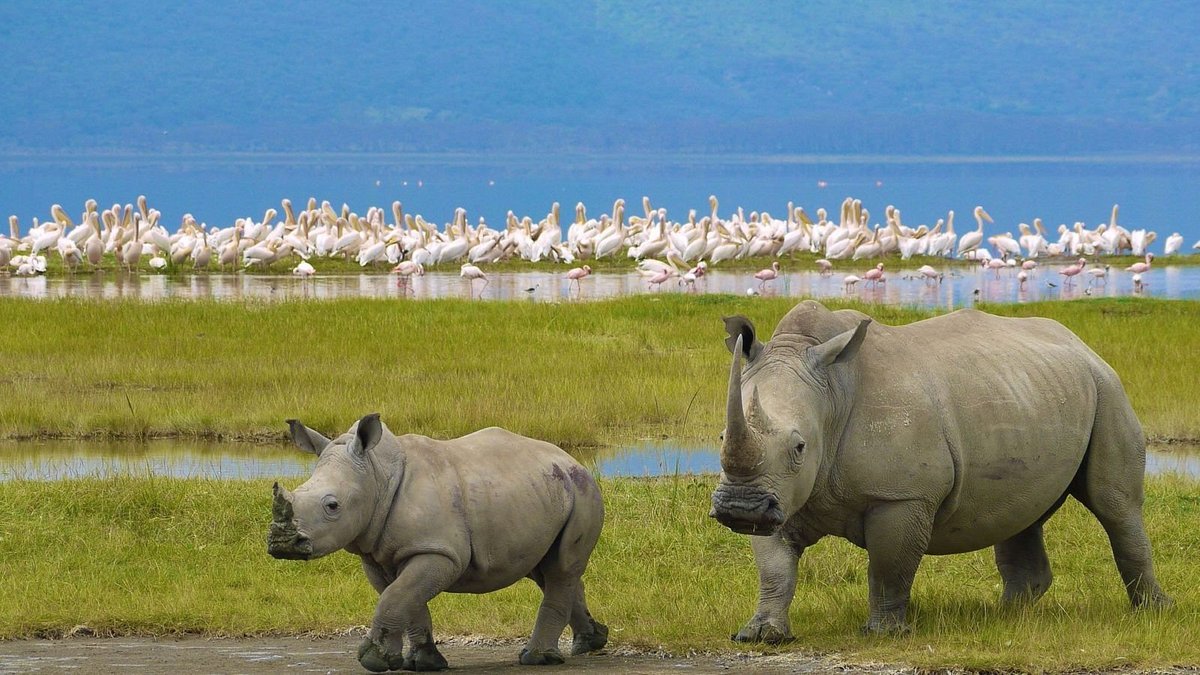
Yes, Lake Nakuru National Park is a fantastic, romantic Kenya honeymoon safari destination. It offers a perfect blend of high-end, intimate accommodation, stunning views of flamingos and rhinos, and romantic, picturesque scenery that is ideal for couples looking for both relaxation and wildlife adventure
29-days-kenya-birding-safari-extravaganza
2-days-lake-nakuru-national-park-and-lake-naivasha-combined-kenya-safari-tour
4-days-budget-masai-mara-safari-and-lake-nakuru-holiday-vacation
4-days-masai-mara-and-lake-nakuru-kenya-safari-tour-package
Why Lake Nakuru is Great for a Honeymoon
Romantic Setting
The true magic of Lake Nakuru lies in its ethereal atmosphere. Unlike the vast, golden plains of the Mara, Nakuru feels intimate and enclosed by the dramatic Rift Valley escarpment. For a honeymooning couple, the "soda lake" acts as a giant mirror, reflecting the changing colors of the sky. A sunrise here isn’t just a morning event; it is a transformation. As the mist rises off the water, the lake glows in hues of violet and soft gold, often framed by the silhouettes of acacia trees.
To maximize this romantic setting, plan for a private "bush breakfast" or a "sundowner." Most luxury camps will set up a private table overlooking the water just as the sun begins to dip behind the hills. The silence of the park, punctuated only by the distant calls of birds, creates a sense of being in a world built for two. This visual drama is why Nakuru is often cited as one of the most photogenic spots in East Africa, ensuring your honeymoon photos have a surreal, dreamlike quality that standard safari landscapes can’t quite replicate.
Rhino Sanctuary Highlights
There is something deeply moving about seeing one of the world’s most endangered and ancient-looking creatures in its natural habitat. Lake Nakuru National Park is a fortified sanctuary, making it one of the most reliable places in Kenya to spot both Black and White rhinos. For a honeymoon, this adds an element of "bucket list" excitement. Tracking these prehistoric giants through the fever tree forests provides a thrilling shared experience that bonds couples through a sense of wonder.
The White rhinos are typically easier to spot, often seen grazing in family groups on the open grassy floodplains near the lake shore. Their sheer size and calm demeanor make for incredible close-up viewing. The Black rhinos, more reclusive and temperamental, offer a rewarding challenge for couples who enjoy the "hunt" of the safari. Witnessing these animals—protected by dedicated rangers—offers a poignant reminder of the beauty of nature. It’s an educational and emotional highlight that adds depth to the trip, moving beyond simple sightseeing into true wildlife conservation appreciation.
Unique Biodiversity
While the flamingos are the "celebrities" of Lake Nakuru, the park’s biodiversity is surprisingly dense. Because the park is compact, you don’t have to drive for hours to see a wide variety of species. This "high-density" viewing is perfect for couples who want a relaxed pace without missing out on the Big Five action. You can watch a pride of lions resting in the shade of an acacia tree in the morning and find the rare Rothschild’s giraffe—distinguishable by its white "socks"—by the afternoon.
The birdlife is equally spectacular. Even when the flamingo populations fluctuate, the lake remains home to pelicans, African fish eagles, and over 400 other bird species. Seeing the "pink fringe" of flamingos along the shoreline is a classic romantic image, but watching a leopard descend from a yellow-backed fever tree is the kind of adrenaline-pumping moment that makes a safari memorable. The variety of habitats—from the alkaline lake to the rocky cliffs and dense forests—means every game drive feels like a new chapter in a nature documentary, keeping the experience fresh and engaging throughout the stay.
Luxury Accommodations
For a honeymoon, the "where" is just as important as the "what." Lake Nakuru’s high-end lodges are designed to blend seamless luxury with the raw beauty of the bush. The Cliff, for instance, is a boutique "tented" camp perched on the edge of a precipice. Each tent features floor-to-ceiling glass and a free-standing bathtub with a panoramic view of the lake, allowing couples to soak in luxury while watching the wildlife below. It offers a level of privacy and sophistication that feels more like a high-end spa than a campsite.
Sarova Lion Hill Game Lodge and Lake Nakuru Lodge offer a more classic safari feel with lush gardens and traditional architecture. These properties specialize in honeymoon touches: rose-petal turndowns, private candlelit dinners on your balcony, and secluded plunge pools. The service is typically "high-touch," with staff going out of their way to ensure couples feel celebrated. These accommodations provide a sanctuary within the sanctuary, where you can retreat after a dusty game drive to a world of fine dining, plush linens, and the soothing sounds of the African night.
Activities Beyond Driving
A common "safari fatigue" can set in if you spend all day in a vehicle. Lake Nakuru solves this by offering stunning viewpoints and walking opportunities that allow couples to stretch their legs and see the park from a different perspective. Baboon Cliff is a must-visit; it offers a literal bird’s-eye view of the entire lake and the surrounding escarpment. It’s the perfect place to stand together and take in the scale of the Great Rift Valley.
Another romantic detour is the Makalia Waterfall. Located at the southern end of the park, it’s a serene spot where the Makalia River drops over a sheer cliff. It’s an ideal location for a picnic, away from the more crowded lake-side tracks. These spots allow for quiet conversation and "off-camera" moments that are often missing from a standard safari itinerary. Being able to step out of the car, feel the breeze, and hear the rush of the water adds a tactile, grounded element to the honeymoon that makes the landscape feel personal and reachable.
Easily Combined
One of the logistical strengths of Lake Nakuru is its location. It serves as the perfect "middle chapter" of a Kenyan honeymoon. Many couples begin with a high-energy safari in the Masai Mara and then stop at Lake Nakuru for a few nights of specialized rhino viewing and luxury relaxation. Because it is only a few hours' drive from Nairobi, it is an easy addition to any itinerary.
Furthermore, it is often paired with Lake Naivasha, which is just an hour away. While Nakuru is about the "drive," Naivasha is about the "water." You can spend the morning looking for lions in Nakuru and the afternoon taking a romantic boat ride past pods of hippos in Naivasha or walking among zebras on Crescent Island. This "Lakes Circuit" offers a diverse range of environments—soda lake, freshwater lake, and savannah—without the need for long, exhausting domestic flights. It makes for a smooth, stress-free travel experience, which is exactly what most couples want for their first trip as a married pair.
1. Why is Lake Nakuru good for a honeymoon?
Lake Nakuru National Park is a masterclass in romance, offering a sensory experience that few other destinations can match. For couples, the primary draw is the "Pink Ribbon" effect—the breathtaking sight of thousands of flamingos lining the shore, creating a soft, ethereal landscape that feels plucked from a dream. Beyond the aesthetics, the park offers a rare sense of intimacy. Unlike the sprawling, dusty plains of the Maasai Mara, Nakuru’s geography is varied and lush, featuring acacia forests, rocky cliffs, and golden grasslands that wrap around the shimmering lake.
The ambiance is one of "adventure-meets-luxury." Honeymooners can spend their mornings on exhilarating game drives and their afternoons lounging by an infinity pool overlooking the Great Rift Valley. The park is compact enough that you aren't spending eight hours a day in a bumpy vehicle; instead, you get high-quality wildlife encounters followed by plenty of downtime. There is something profoundly romantic about the silence of the bush, interrupted only by the call of a fish eagle or the distant grunt of a hippo. As the sun sets over the Mau Escarpment, painting the sky in deep purples and oranges, couples can enjoy private sundowners—a classic Kenyan tradition—feeling like the only two people on earth. It’s a place that balances the adrenaline of the wild with the sophisticated comforts required for a post-wedding retreat.
2. What is the most iconic sight for couples here?
The most iconic sight—and the one that has graced countless postcards—is the shimmering mass of Lesser and Greater Flamingos. When the conditions are right, the alkaline waters of the lake disappear beneath a carpet of pink. For couples, this isn't just a birdwatching opportunity; it’s a cinematic backdrop. The sheer scale of the color is mesmerizing, especially during the "golden hour" when the rising or setting sun reflects off the water and the birds’ plumage simultaneously.
This sight creates what many call an "Out of Africa" moment. The sound is as impressive as the view—a constant, rhythmic chatter and the splashing of water as thousands of birds take flight in unison, turning the sky into a swirling cloud of rose and white. For a honeymoon photo, there is no better location. Beyond the flamingos, the sight of a prehistoric-looking rhino emerging from the yellow fever trees near the shore adds a layer of ancient majesty to the scenery. This juxtaposition of delicate, vibrant birds and powerful, rugged mammals creates a visual tension that is uniquely Nakuru. It symbolizes the duality of nature—its grace and its strength—making it a deeply resonant experience for a couple starting their life journey together.
3. Is it a good place to see the "Big Five"?
Lake Nakuru is an exceptional destination for wildlife, though it is technically a "Big Four" destination rather than "Big Five" because you won't find elephants here (the park is fenced to protect the rhino population and prevent human-wildlife conflict with the nearby city). However, what it lacks in elephants, it more than makes up for in rhino sightings. It is one of Kenya’s premier rhino sanctuaries, and it is almost guaranteed that you will see both the square-lipped White Rhino and the more reclusive, hooked-lipped Black Rhino.
For a honeymoon safari, the "quality" of sightings here is superb. The park is home to a healthy population of lions that are often found lounging in the acacia trees or patrolling the lake’s edge. Leopards, though notoriously shy, are frequently spotted on the rocky ridges of Lion Hill or resting in the massive fever trees. Buffalo are omnipresent, often seen in large, imposing herds near the water. Because the park is smaller and the vegetation is diverse, the animals are more concentrated, meaning you spend less time searching and more time observing. For a couple, this means the safari feels productive and exciting without being exhausting, allowing you to check off several "bucket list" animals in a single afternoon drive.
4. When is the best time to visit for a honeymoon?
Timing is everything when planning a honeymoon, and for Lake Nakuru, the dry seasons—July to October and January to February—are the "sweet spots." During these months, the weather is consistently pleasant, with clear blue skies and minimal rainfall. This is crucial for game viewing; as the bush thins out and smaller water holes dry up, animals are forced to congregate around the lake and permanent springs, making them much easier to spot.
The July to October window is particularly popular because it coincides with the cooler winter months in Kenya, where the days are warm (around 25°C) but the humidity is low. This makes for comfortable game drives where you won't feel drained by the heat. If you visit in the "short dry season" of January and February, you'll enjoy slightly warmer temperatures, which are perfect for enjoying the lodge swimming pools. While the "Green Season" (April to June) brings rain, it also brings lush, emerald-green landscapes and lower lodge prices. However, for a honeymoon, the dry season is usually preferred to avoid the logistics of muddy roads and to ensure those iconic sunset views aren't obscured by clouds. Regardless of when you go, the park’s fenced status means the wildlife stays put year-round, so you’re never at risk of a "empty" park.
5. What kind of romantic accommodation is available?
Accommodation in Lake Nakuru ranges from rustic-chic to high-end luxury, specifically designed to cater to the "romance" market. Iconic lodges like Sarova Lion Hill Game Lodge and Lake Nakuru Lodge are nestled into the hillsides, offering panoramic views of the lake. These establishments understand the honeymoon vibe; it is common to find your bed decorated with flower petals or to be surprised with a private candlelit dinner on your balcony.
For couples, the architecture of these lodges is part of the charm. Many utilize natural materials like stone and timber, featuring thatched roofs that blend into the environment. You can expect amenities like sprawling infinity pools that seem to overflow into the lake, spas offering couples’ massages with African essential oils, and cozy lounge areas with roaring fireplaces for the cooler evenings. Some more exclusive camps offer "tented luxury," where you stay in permanent, high-walled canvas suites that feature mahogany furniture, en-suite bathrooms with soaking tubs, and private decks. This allows you to hear the sounds of the night—the whoop of a hyena or the rustle of the wind—while remaining ensconced in total comfort. The service is typically warm and personalized, ensuring that your stay feels like a celebration rather than just a hotel booking.
6. Are there specific romantic spots in the park?
While the entire park is scenic, two spots stand out as essential for honeymooners: Baboon Cliff and Lion Hill. Baboon Cliff is perhaps the most famous viewpoint in the park. Located on a high ridge, it offers a literal bird’s-eye view of the entire lake and the surrounding escarpment. It is a popular spot for "sundowners." Imagine standing on the edge of the cliff, glass of chilled sparkling wine in hand, watching the lake turn from blue to gold as the sun dips behind the hills. It is a moment of profound quiet and beauty.
Lion Hill provides a different but equally stunning perspective, overlooking the eastern side of the lake. It’s a great spot for a morning picnic breakfast as the mist rises off the water. Beyond the high points, the Makalia Falls at the southern end of the park offer a secluded, lush retreat. The sight of water cascading over the rocks surrounded by green forest provides a refreshing change of pace from the lakeshore. These spots allow couples to get out of the vehicle (safely, in designated areas) and stretch their legs, taking in the vastness of the Great Rift Valley. These locations are the "quiet chapters" of the safari, providing the necessary space for reflection and connection amidst the excitement of wildlife spotting.
7. Is it suitable for birdwatching enthusiasts?
Even if you aren't a "birder" when you arrive, you likely will be by the time you leave. Lake Nakuru is an Important Bird Area (IBA) and is world-renowned for its avian diversity. While the flamingos are the stars of the show, they are supported by a cast of over 400 other species. For a honeymooning couple, the birds add a layer of color and "soundtrack" to the trip that makes the environment feel incredibly alive.
You will see Great White Pelicans floating like majestic warships on the water, and African Fish Eagles perched high in the yellow fever trees, emitting their haunting, iconic cry. The shores are often dotted with Marabou storks, herons, and various species of plovers. In the forested areas, you can spot the brilliant flashes of Narina Trogons or the iridescent plumes of various sunbirds. For a romantic experience, birdwatching is surprisingly meditative. It encourages you to slow down, use binoculars to see the intricate details of a bird's feathers, and appreciate the smaller wonders of the ecosystem. Many lodges provide expert resident naturalists who can help you identify species, turning a simple walk through the lodge gardens into a fascinating educational experience. The sheer abundance of life is a powerful reminder of nature's beauty, making the park feel like a vibrant, breathing Eden.
8. Can you do a game drive on your own?
Technically, Lake Nakuru is a "self-drive" friendly park. The roads are well-marked, and because the park is relatively compact and contained by a fence, it is difficult to get truly lost. However, for a honeymoon, hiring a professional guide and a private 4x4 is highly recommended. There are several reasons for this. First, a professional guide has "bush eyes." They can spot a leopard draped over a branch or a rhino hidden in the scrub from hundreds of yards away—sights an untrained eye would easily miss.
Second, hiring a guide removes the stress of navigation. Instead of squinting at a map or worrying about tire pressure, you and your partner can focus entirely on each other and the wildlife. A guide also provides a wealth of knowledge about animal behavior, local history, and conservation, making the experience much richer. Most honeymooners opt for a private vehicle so they don't have to share their "safari moments" with strangers. This allows you to stay at a sighting for as long as you want—whether that’s an hour watching a lion pride or twenty minutes photographing a specific bird. It turns a standard tour into a bespoke adventure tailored to your interests, ensuring the pace is exactly what you want it to be.
9. Are there endangered species in the park?
Lake Nakuru is one of the most important conservation hubs in East Africa. It was Kenya’s first officially designated Rhino Sanctuary, and it remains one of the best places on the continent to see these endangered giants. Seeing a Black Rhino—an animal that has been pushed to the brink of extinction—is a moving experience that adds a layer of depth to your honeymoon. Knowing that your visit contributes to the protection of these animals through park fees adds a sense of purpose to the trip.
In addition to rhinos, the park is a refuge for the Rothschild’s Giraffe. This subspecies was introduced to the park in the late 1970s for its protection and has since thrived. You can distinguish them from the more common Reticulated or Maasai giraffes by their white "stockings"—they have no markings below the knee. Watching these "tall towers" move gracefully through the acacia forests is a highlight of any visit. The park also protects the Colobus monkey and various rare succulents and flora. For a couple, there is a certain romance in visiting a "sanctuary"—a place dedicated to protection and thriving life. It reinforces the idea of the park as a precious, guarded jewel within the Rift Valley.
10. How far is Lake Nakuru from Nairobi?
One of the biggest practical advantages of Lake Nakuru for a honeymoon is its accessibility. It is located approximately 150-170 km (about 95-105 miles) northwest of Nairobi. The drive typically takes between 3 and 4 hours, depending on traffic leaving the city. The journey itself is part of the experience; as you leave the bustle of Nairobi, the road climbs the escarpment of the Great Rift Valley, offering several viewpoints where you can stop and look down into the vast chasm of the valley floor.
This proximity makes Nakuru an ideal "first stop" on a longer Kenyan itinerary. After a long international flight, the last thing many couples want is another small bush plane flight or an eight-hour drive on rough roads. The road to Nakuru is paved and relatively smooth, allowing you to transition from "travel mode" to "safari mode" quickly and comfortably. You can leave Nairobi after breakfast and be at your lodge in time for a gourmet lunch and an afternoon game drive. This ease of access also makes it a great "standalone" destination for couples who may only have a few days to spare but still want a high-quality, "Big Game" experience without the logistical hurdles of the more remote parks.
11. Is it safe to stay at lodges here?
Safety is a top priority at Lake Nakuru, and honeymooners can rest easy. The park itself is managed by the Kenya Wildlife Service (KWS), which maintains a visible and professional presence. The lodges are "islands of safety" within the wild. Most luxury lodges are unfenced or partially fenced to allow smaller wildlife to roam through, but they employ 24-hour security teams and "Askari" (traditional guards). These guards often escort guests to and from their rooms after dark, not just for security, but to ensure you don't accidentally bump into a grazing buffalo or a curious hippo.
Inside the lodges, the atmosphere is one of secluded tranquility. Rooms are equipped with modern locks, safes for valuables, and direct-dial phones to the reception. From a health perspective, Nakuru is at a higher altitude (about 1,754 meters), which means the mosquito population is generally lower than in coastal regions, though standard malaria precautions are still advised. The water in luxury lodges is treated, and the food is prepared to international standards. For a couple, this level of security allows for total relaxation. You can focus on the romance of the campfire and the stars, knowing that you are in a well-managed environment where your well-being is the staff's primary concern.
12. What other animals can be spotted?
While the rhinos and flamingos get the most press, the biodiversity of Lake Nakuru is staggering. The park is a haven for Waterbucks, easily identifiable by the white ring on their rumps; they are frequently seen grazing in the marshy areas near the lake. Large herds of Plains Zebras and Grant’s Gazelles provide constant activity on the grasslands, often accompanied by the prehistoric-looking Warthog, scurrying about with their tails held high like antennae.
Primate lovers will enjoy the antics of the Olive Baboons, which are quite bold and can be found near the viewpoints (keep your snacks tucked away!). In the more forested areas, you can see the beautiful Black-and-white Colobus monkeys leaping through the canopy and Vervet monkeys playing in the trees near the lodges. The lake itself is home to large numbers of Hippos, which can be seen wallowing in the shallows during the day and occasionally grazing on the banks in the early evening. If you are lucky, you might even spot the Side-striped Jackal or a Hyena slinking through the grass at dusk. This variety ensures that every game drive feels different; you aren't just looking for one or two "star" animals, but witnessing a complex, multi-layered ecosystem in action.
13. Is it worth visiting if flamingos are not at peak levels?
A common concern for travelers is the fluctuating water levels of Lake Nakuru, which can cause flamingos to migrate to other Rift Valley lakes like Bogoria or Elementaita. However, the answer is a resounding yes—it is still worth it. In fact, many regular safari-goers prefer the park when the bird numbers are lower because it shifts the focus to the incredible land mammals and the stunning topography.
Even without a million flamingos, the lake remains a focal point for thousands of other birds, including massive rafts of pelicans that are equally impressive. The Rhino Sanctuary is a year-round draw and remains one of the most reliable places in East Africa to see these animals. Furthermore, the park’s landscapes—from the fever tree forests to the dramatic cliffs—are among the most beautiful in Kenya. When the flamingos are fewer, the park often feels even more exclusive and quiet, allowing for a more intimate "private" safari feel. The "drama" of Nakuru isn't just in the pink birds; it's in the leopard in the tree, the lion on the hunt, and the golden light hitting the acacia leaves. It is a diverse, high-density wildlife park that stands on its own merits regardless of the migratory patterns of a single species.
14. What is the weather like for a romantic safari?
The weather in Lake Nakuru is one of its most "romantic" features. Because of its location in the highlands, the climate is generally temperate and pleasant. Daytime temperatures usually hover between 24°C and 28°C (75°F to 82°F), which is perfect for safari activities—warm enough to feel like a tropical holiday, but not so hot that you feel sluggish or uncomfortable.
The "romantic" part truly kicks in when the sun goes down. Temperatures can drop significantly at night, often reaching 12°C to 15°C (53°F to 59°F). This creates the perfect excuse to snuggle up. Most lodges take full advantage of this by lighting communal log fires in the bar area or even private fireplaces in the luxury suites. There is nothing quite like returning from a sunset game drive to a warm fire and a glass of red wine. The air is crisp and clear, making for incredible stargazing opportunities as the "African sky" opens up with a clarity you’ll never see in the city. Mornings are similarly brisk, meaning your sunrise game drive begins with a cozy blanket over your knees in the 4x4, sipping hot Kenyan coffee as the world wakes up. It’s a climate of contrasts that keeps you energized by day and cozy by night.
15. How long should we stay?
For a honeymoon, the "sweet spot" for a stay at Lake Nakuru is one to two nights. Because the park is relatively small (about 188 square km), you can cover the majority of the road circuits and see the main wildlife highlights in a couple of well-planned game drives. A two-night stay is ideal because it allows for a "slow" experience: you arrive on day one for an afternoon drive and a romantic dinner; day two is spent with a full morning drive, a leisurely lunch by the pool, and perhaps a sunset visit to Baboon Cliff; and you depart on day three after a final sunrise look at the lake.
Most couples use Lake Nakuru as a "bridge" between different experiences. It is frequently paired with Lake Naivasha (just an hour away), where you can do boat safaris and walking tours, or as the stopover before heading into the Maasai Mara. Staying longer than two nights might feel repetitive for some, as the geography is contained, but for those who truly want to "reset" and enjoy the luxury of the lodges, three nights can be very relaxing. By keeping the stay focused and high-impact, you ensure the "magic" of the flamingos and rhinos stays fresh, leaving you excited for the next leg of your Kenyan adventure.
Booking lake Nakuru a great Kenya honeymoon safari with us Roads of Adventure safaris
Booking a Kenya honeymoon safari to Lake Nakuru with Roads of Adventure Safaris offers a romantic blend of wildlife adventure, including black and white rhinos, Rothschild giraffes, and flamingo-filled lakeshore scenes
