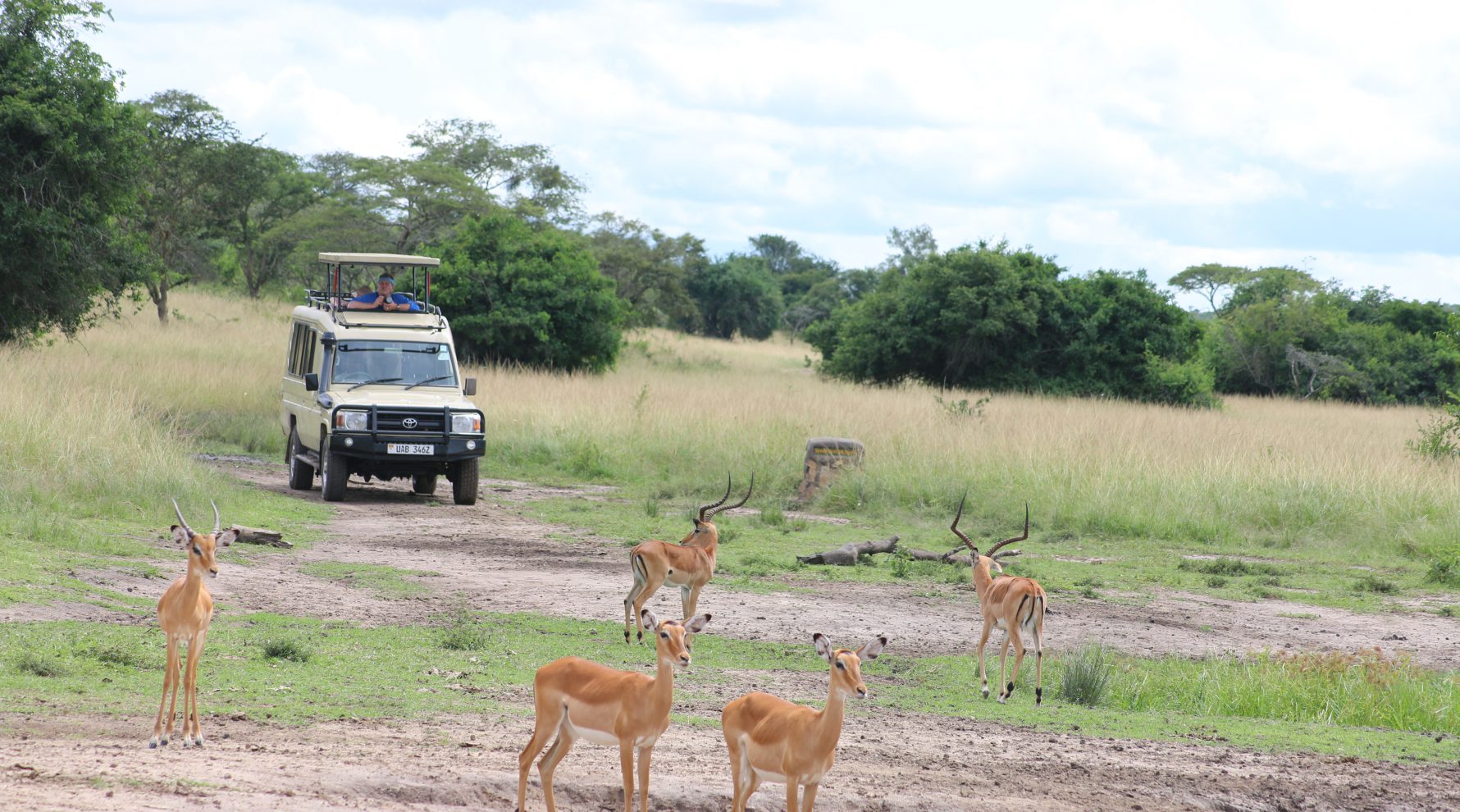
Yes, Akagera National Park is very safe for both solo travelers and families. Rwanda ranks among the most secure and well-ordered countries in Africa, and Akagera is managed with tight conservation and visitor protocols that keep everyone protected. Solo travelers can easily join group day trips or hire private guides, while families find the park welcoming and manageable with child-friendly lodges and structured game drives. Safety here relies on common-sense rules: you must stay inside your vehicle during wildlife drives, obey the 40 km/h speed limit, and exit the park before gates close at 6:00 PM. With professional rangers patrolling the savannah, emergency evacuation cover mandated for tours, and a calm, low-crowd atmosphere, you can focus entirely on enjoying the scenery without unnecessary worry.
3-days-rwanda-safari-to-akagera-national-park-combined-with-lake-ihema-boat-cruise
3-day-africa-big-five-safari-in-akagera-national-park-with-kigali-city-tour
3-days-safari-in-rwanda-akagera-national-park-game-drive-and-lake-ihema-boat-trip
4-days-akagera-safari-and-chimpanzee-tracking-rwanda-safari
4-days-volcanoes-national-park-and-akagera-rwanda-wildlife-safari
9-days-rwanda-gorilla-trekking-and-adventure-activities-and-relaxation
6-days-rwanda-safari-to-akagera-and-nyungwe-chimpanzee-tracking
Is Akagera National Park safe for families traveling with young children?
Akagera National Park is a fantastic, child-friendly safari destination. Unlike higher-risk wilderness regions, Akagera offers smooth park management, clear safety boundaries, and well-maintained tracks. Family-friendly lodges and tented camps feature enclosed perimeters, swimming pools, and dedicated family units to keep kids safe and entertained.
When visiting with children, safety revolves around following simple wildlife rules. Children must stay inside the vehicle during game drives and avoid leaning far out of windows or pop-up tops when near wild animals. Keep noise levels low so you don't startle wildlife. Around campsites or un-fenced lodges, keep children close—especially at dusk when hippos or grazers might move closer to water sources. Choosing a private vehicle drive gives your family the flexibility to take bathroom breaks at designated picnic sites and adjust schedule times around your children’s routines.
What are the essential safety rules for a game drive in Akagera?
Staying safe on an Akagera game drive comes down to respecting the park’s official rules and wild animals. The most crucial rule is remaining inside your vehicle at all times. You may only step out at designated, fenced picnic spots and official visitor areas.
Vehicles must observe the strict speed limit of 40 km/h. This protects crossing animals, prevents dust clouds, and gives you better stopping time if an elephant or buffalo steps onto the track. Always stay on marked roads; off-road driving damages fragile habitats and risks getting stuck. Keep a respectful distance from large animals like elephants, rhinos, and lone buffaloes. Never offer food to wildlife, as this disrupts their natural feeding habits and can cause aggressive behavior.
What are the park’s gate hours, and why is sticking to them important?
Akagera National Park gates open at 6:00 AM and close strictly at 6:00 PM for day visitors. Day guests must exit the park before 6:00 PM, while overnight guests must reach their lodge or campsite by dusk.
Respecting gate times is a vital safety standard. After dark, visibility drops dramatically, making it easy to lose your way along the winding tracks. Nocturnal animals—including predators like lions and leopards, as well as large grazers like hippos—become highly active on or near the roads after sunset. If a vehicle fails to sign out by 6:00 PM, park management initiates search protocols to ensure visitor safety, which can result in search fees or penalties if violated without an emergency reason.
Can solo travelers safely do a self-drive safari in Akagera?
Yes, solo self-drive safaris are popular and safe in Akagera. The park features clear signposts, well-marked main tracks, and accurate GPS maps on apps like Maps.me. When entering the park, reception hands you a detailed trail map to help navigate.
To ensure a smooth solo drive, hire a sturdy 4x4 vehicle with good ground clearance. Check that you have a fully inflated spare tire, a jack, extra fuel, and basic recovery gear before heading out. Mobile network coverage is available across most of the park, making it easy to call for help if needed. Hiring an official park ranger to ride along in your vehicle is strongly recommended; they offer local insight, help spot camouflaged wildlife, and handle unexpected trail situations.
What emergency support is available if a solo driver breaks down?
If your vehicle breaks down or gets stuck in mud inside Akagera National Park, safety systems are in place to help you. First, remain calm and stay inside your vehicle. Walking around on foot in search of assistance exposes you to wild animals.
Call the park's central emergency hotline printed on your entrance ticket or reception map. If you don't have mobile signal, wait inside the vehicle for a passing ranger patrol car or tourist vehicle. Akagera’s management team runs regular ranger patrols and offers official vehicle recovery services for a standard fee. Rangers will safely reach your location, assist with repairs, tow your vehicle, or arrange safe transport back to the park headquarters.
How can solo travelers find group safaris to reduce costs and boost safety?
Solo travel to Akagera doesn't mean you have to travel alone. Joining a group safari is a great way to split transport and guide costs while enjoying shared safety and companionship.
Many tour operators in Kigali offer daily join-in safari departures to Akagera. Solo travelers can easily book a seat in a shared 4x4 safari cruiser. Additionally, luxury and eco-lodges inside the park—such as Ruzizi Tented Lodge or Akagera Game Lodge—organize shared game drives and boat trips on Lake Ihema. Joining these organized excursions gives you access to professional driver-guides, reduces individual expenses, and connects you with fellow international wildlife enthusiasts.
What essential items should solo travelers carry in their daypack?
Packing wisely keeps your solo safari comfortable and safe. Essential items to include in your daypack are:
- Hydration & Snacks: Pack at least 2 to 3 liters of water and energy snacks (nuts, dried fruit, bar snacks).
- Sun & Bug Protection: Eco-friendly sunscreen, a wide-brimmed hat, sunglasses, and insect repellent containing DEET or Icaridin.
- First-Aid Kit: Basic supplies including band-aids, antiseptic wipes, pain relievers, anti-diarrheal medication, and any personal prescription drugs.
- Power Supply: Fully charged power bank and extra camera batteries, as mapping and photography drain power quickly.
- Communications & Documents: Physical park map, emergency phone numbers, cash in Rwandan Francs (RWF), driver's license, and passport copy.
- Layered Clothing: Lightweight jacket or windbreaker for cool early-morning game drives.
Which lodges in Akagera are best suited for families with kids?
Akagera offers excellent accommodations tailored to family needs:
Lodge
Best For
Key Features
Akagera Game Lodge
Families with young children & toddlers
Perimeter fencing, swimming pool, spacious interconnecting rooms, child-friendly menus
Ruzizi Tented Lodge
Families with older kids & teens
Eco-luxury wooden boardwalks, glamping experience, waterfront dining on Lake Ihema
Karenge Bush Camp
Families seeking a wilder eco-experience
Seasonal canvas tents, off-grid atmosphere, great outdoor educational setting
Booking family units or rooms with enclosed fencing gives parents peace of mind while enjoying the natural surroundings.
Is camping in Akagera safe for families?
Camping in Akagera is a thrilling, safe experience if you stay at designated public campsites like Muyumba, Shakani, or Mutumba. Wild "bush camping" outside designated zones is strictly prohibited for safety reasons.
Official campsites are positioned in scenic areas and feature clean running water, pit latrines, braai (barbecue) pits, and basic cooking facilities. Campgrounds are routinely monitored by park staff. To keep your family safe while camping, store all food securely inside your vehicle to avoid attracting baboons, vervet monkeys, or hyenas. Keep tents fully zipped up at night, carry flashlights, and supervise children closely around campfire areas and water edges.
What activities in Akagera are safe and fun for children?
Akagera provides several engaging, safe activities for young explorers beyond standard game drives:
- Lake Ihema Boat Safaris: A comfortable boat ride offering safe views of hippos, massive Nile crocodiles, and colorful waterbirds.
- Behind-the-Scenes Tour: A fascinating educational tour at park headquarters where kids learn about anti-poaching dogs, ranger tracking, and wildlife conservation work.
- Guided Nature Walks: Offered in select secure areas near reception, where kids can study animal tracks, insects, and indigenous flora under ranger supervision.
- Fishing Trips: Cultural catch-and-release fishing along designated shores of Lake Shakani.
How can parents handle long safari drives with young kids?
Long hours in a vehicle can tire young children, but a few simple planning adjustments make game drives smooth and fun:
- Book Private Safari Drives: This allows you to set your own pace, take flexible breaks, and stop whenever children need rest.
- Plan Morning & Late-Afternoon Drives: Animals are most active early and late in the day. Midday heat is perfect for relaxing back at the lodge or swimming pool.
- Bring Educational Toys & Games: Pack animal identification checklists, lightweight binoculars, drawing pads, and wildlife storybooks.
- Stock Up on Healthy Snacks: Keep re-sealable snacks and chilled drinks handy inside your vehicle to maintain energy levels.
Health, Hygiene & Wildlife Awareness
What health precautions, vaccinations, and malaria risks should you prepare for?
Proper health preparation ensures a smooth trip to Akagera National Park:
- Malaria: Akagera sits at a lower altitude than Kigali and is considered a moderate malaria zone. Consult your doctor for prophylaxis (e.g., Atovaquone-Proguanil or Doxycycline). Wear long sleeves and apply insect repellent in the evening.
- Vaccinations: Yellow Fever vaccination is required if traveling from endemic regions. Routine vaccines (Tetanus, Typhoid, Hepatitis A) should be up to date.
- Hydration: Drink bottled or purified water throughout the safari to avoid heat exhaustion.
- Sun Safety: Use high-SPF sunscreen and wear wide-brimmed hats to protect against strong equatorial sunlight.
What are the rules for encountering dangerous animals like lions, rhinos, or elephants?
Encountering big game is the highlight of an Akagera safari, but wild animals require respect and proper spatial boundaries:
- Maintain Distance: Stay at least 10–20 meters away from animals. Never block an elephant's path or approach herds with young calves.
- Drive Away Slowly from Agitated Wildlife: If an elephant flapping its ears, snorting, or kicking dust approaches, reverse smoothly without making sudden engine noises or revving.
- Never Leave the Car: Never step onto the roof or climb out of doors for photos. Predators and large mammals view vehicles as neutral non-threatening objects; once a human steps out, that perception changes immediately.
- Avoid Sudden Movements or Shouting: Keep voices low to prevent disturbing wildlife.
Are there tsetse flies or dangerous insects in Akagera, and how do you protect against them?
Tsetse flies are present in certain woodland and bush sectors of Akagera, particularly in the central and northern areas. While their bites can be sharp, they are generally more of an annoyance than a health hazard today, as sleeping sickness is effectively non-existent in the park.
To prevent fly bites:
- Avoid Wearing Dark Blue or Black: Tsetse flies are attracted to dark blue and black colors. Wear light neutral shades like khaki, beige, and olive green.
- Roll Up Car Windows in Dense Bush: Roll up windows when passing through heavily wooded areas.
- Use Insect Repellent: Apply insect sprays containing DEET or Picaridin to skin and clothing.
- Wear Long Pants and Sleeves: Lightweight, breathable long clothing keeps bugs off your skin.
Is it safe to walk around lodges or campsites at night?
Walking around un-fenced lodges or campsites at night requires extra caution. Herbivores like hippos, bushbucks, and warthogs often wander into grounds after dark to graze.
Always use a strong flashlight or headlamp when moving between rooms, tents, and dining areas. Most lodges provide security guards or staff escorts after dusk—always request an escort when walking back to your tent at night. Stick strictly to gravel paths, watch out for nocturnal wildlife, and never allow children to walk unaccompanied after dark.
When is the best time of year to visit Akagera for safety and game viewing?
The best time to visit Akagera National Park is during the dry seasons: June to September and December to February.
During dry months, dirt roads are dry and easier to navigate, reducing vehicle slide or breakdown risks. Wildlife gathers around permanent lakes and waterholes, providing outstanding game viewing.
The wet seasons (March to May and October to November) offer lush green scenery and excellent birding, but rain can turn dirt tracks muddy and challenging. If visiting during rainy months, hiring a high-clearance 4x4 with an experienced driver-guide ensures safe navigation across slick terrain.
What gear, clothing, and footwear should solo travelers and families pack?
Packing light, functional gear ensures comfort and safety on your Akagera safari:
- Clothing: Breathable safari shirts and long trousers in neutral colors (khaki, tan, soft green). Avoid bright colors, white (which gets dirty fast), blue, and black.
- Footwear: Sturdy, comfortable closed-toe walking shoes or light hiking boots for nature walks and campsite safety.
- Outerwear: A light windbreaker or fleece for chilly early morning drives.
- Gear: High-magnification binoculars, camera with zoom lens, high-lumen flashlights for evening safety, and reusable water bottles.
How much does an Akagera National Park safari cost, and how can solo travelers save?
Akagera uses a daily conservation fee structure that decreases for multi-day stays:
- International Visitors: Entry fees are charged per night spent in the park (e.g., around $100 USD for Day 1, with reduced rates for subsequent days).
- Vehicle Fees: Separate charges apply per vehicle depending on registration and weight.
- Guide Fees: Hiring a professional park guide costs roughly $25–$40 USD per half/full day.
Solo travelers can cut costs by joining group day tours from Kigali, camping at designated sites, or sharing guide fees with fellow travelers met at visitor centers.
How do you travel safely from Kigali to Akagera National Park?
The road journey from Kigali to Akagera National Park covers roughly 110 kilometers and takes approximately 2.5 to 3 hours. The route is paved, well-maintained, and safe for international drivers up to the park entrance gate at Kayonza.
To ensure a smooth drive:
- Start Early: Depart Kigali by 5:00 AM or 6:00 AM to arrive as park gates open.
- Obey Speed Limits: Rwanda strictly enforces road safety with speed cameras and police checkpoints. Observe posted limits (40–60 km/h in urban areas, 80 km/h on open highways).
- Use Reliable 4x4 Roads of Adventure safari Vehicle: While the road from Kigali is paved, the tracks inside Akagera require a tough 4x4 vehicle. Book rentals from trusted agencies offering full insurance and breakdown support.
Booking your solo Akagera safari with us Roads of Adventure safaris
Book your unforgettable solo safari to Akagera National Park with Roads of Adventure Safaris for the ultimate Rwandan wildlife experience. We specialize in tailoring solo journeys that blend safety, comfort, and thrilling wildlife encounters. You will explore diverse landscapes ranging from savannahs to wetlands, tracking Africa's iconic Big Five alongside an expert local guide. Our seamless packages handle every detail, including standard 4x4 transport, park permits, and top-tier lodge bookings, allowing you to immerse yourself fully in the adventure. Connect with us today to customize your itinerary and embark on the solo journey of a lifetime.