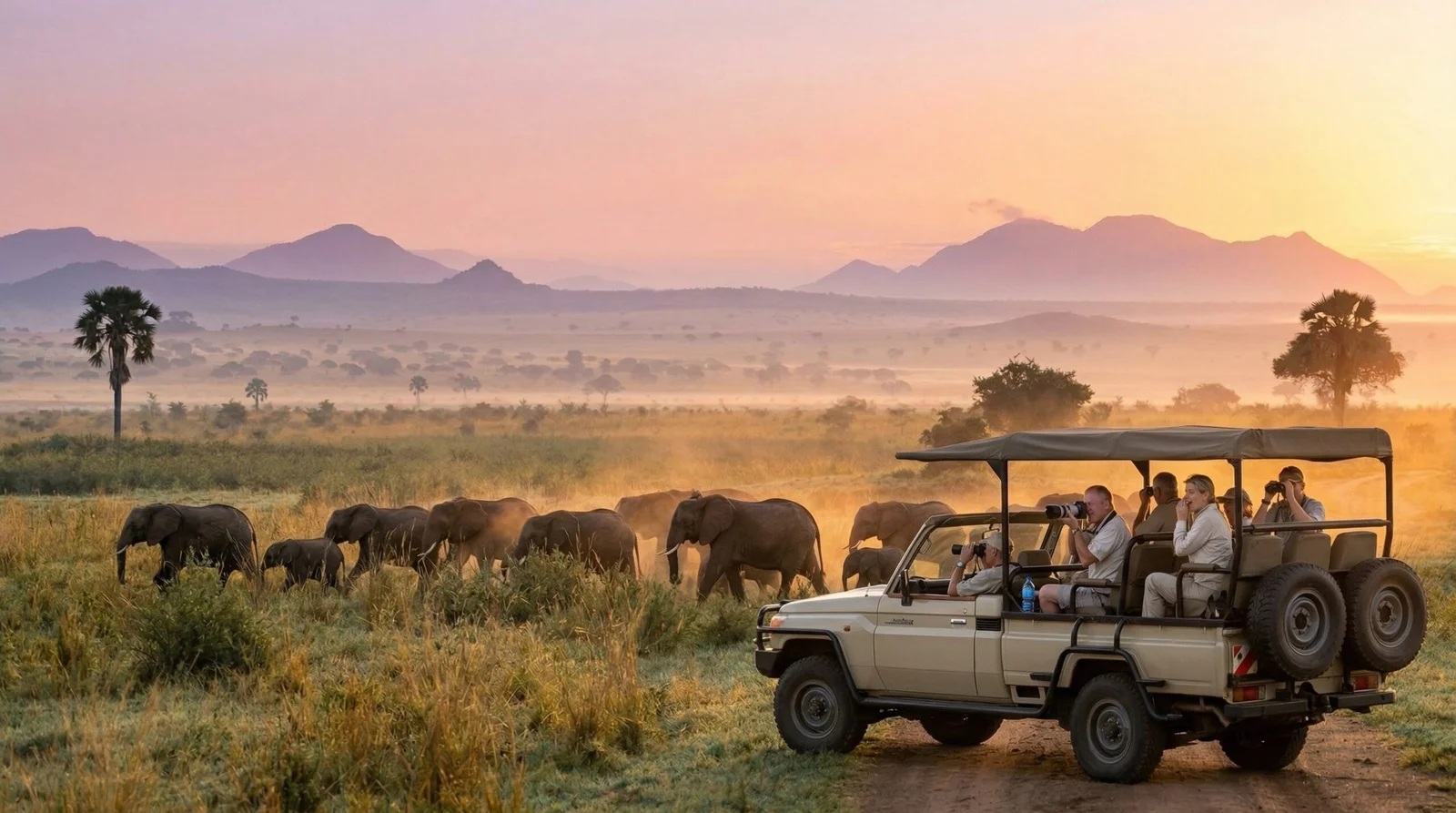
Kidepo Valley National Park: Is a 3-Day Weekend Enough, or Is 5 Days Better?
A three-day trip to Kidepo Valley National Park can work if you fly, but it’s too rushed for most road travellers. The drive from Kampala is long, and a quick weekend by road would leave little time to enjoy the park. With five days, you can break up the journey and spend more time on game drives in Narus Valley, explore the drier Kidepo Valley and, if you wish, arrange a visit to a local Karamojong community.
If you can spare an extra day, six days makes the road trip more comfortable still. Kidepo is remote, and getting there is part of the adventure—but it’s worth making room for the wildlife and wide-open landscapes once you arrive.
3-days-uganda-safari-itinerary-to-kidepo-valley-national-park
5-day-best-safaris-to-uganda-kidepo-and-murchison-falls-national-parks
5-days-kidepo-valley-uganda-safari-via-ziwa-rhino-sanctuary
6-days-best-of-murchison-and-kidepo-uganda-safari-via-ziwa
7-days-murchison-falls-uganda-safari-trip-via-ziwa-rhinos-kidepo-valley-and-jinja.
3-Day vs. 5-Day Kidepo Safari
Feature
3-Day Fly-In Safari
3-Day Road Trip
5-Day Road Trip
Transport
Scheduled or charter flight; check current routes and times
Long drive each way
Road journey with an overnight stop
Time in the park
Around two days, depending on flight times
Very limited
Usually two or more nights, depending on the itinerary
Pace
Busy, but manageable
Exhausting and rushed
More balanced, though still a substantial drive
Best for
Travellers short on time with a flexible budget
Not recommended for most visitors
Travellers who want to drive and spend time in the park
Flight schedules, fares and road conditions can change, so confirm them when booking. Kidepo’s park hub is Apoka, near the wildlife-rich Narus Valley.
Is a 3-day road trip to Kidepo really that exhausting?
It can be. The drive from Kampala to Kidepo is long, and the actual time depends on traffic, stops and road conditions. Trying to drive there and back over a three-day weekend means much of your trip is spent in the vehicle, with very little time left for game viewing.
You might arrive tired, miss the best hours for a morning drive and have to leave just as you’re settling into the park. If you only have three days, flying is a better fit. If you want to travel by road, allow at least five days—and consider six if you’d like the return journey to feel less demanding.
How much does a fly-in safari to Kidepo cost compared with driving?
Flying saves a great deal of travel time, but it usually costs more than driving, particularly if you’re travelling with family or a group. Your total will depend on the flight, lodge, park fees, transfers between the airstrip and lodge, and the cost of game drives. Ask your operator for a full quote rather than comparing airfare alone.
Driving lets you share the cost of a vehicle and guide among several travellers, but you’ll need to budget for fuel, accommodation en route and meals. Airfares and schedules change, so check directly with the airline or your safari operator before settling on your budget. Aerolink’s published timetable includes flights to Kidepo, but travellers should confirm the current operating days and timings.
What is the best route to drive from Kampala to Kidepo?
A common route goes north through Luweero, Nakasongola, Karuma, Gulu and Kitgum before continuing to the park. The main highway is paved for much of the journey; conditions can change on the final stretch, so a suitable 4x4 and a driver familiar with the route are helpful.
An alternative route through eastern Uganda offers different scenery but may involve rougher roads and longer travel times. Your guide can recommend the best option for your dates and the latest road conditions. Whichever way you go, plan for a full travel day rather than relying on a tight arrival schedule.
Where should I stop overnight on a 5-day Kidepo road trip?
Gulu is a practical overnight stop on the northern route, with accommodation, restaurants and places to refuel. Kitgum is another option if you’d like to travel farther north on your first day and shorten the next leg.
For many travellers, stopping in Gulu makes the drive easier to manage: leave Kampala in the morning, rest overnight, then continue towards Kidepo the following day. Your operator can help choose a suitable hotel and confirm the realistic drive time for your route.
Why is Kidepo worth the long journey?
Kidepo’s appeal is its sense of space. The park’s open valleys, rugged mountain backdrops and relative remoteness make for a different safari from Uganda’s more frequently visited parks. Narus Valley is the main area for game viewing, while a drive into Kidepo Valley offers striking scenery and the dry, sandy riverbed lined with Borassus palms.
That distance takes planning, but it also means you can spend time in a remarkable corner of Uganda. If you’re drawn to quiet game drives, big skies and a less crowded safari, Kidepo may be well worth the journey.
What animals am I likely to see in Kidepo?
Wildlife sightings are never guaranteed, but Narus Valley is usually the best place to start. Buffalo, elephants, zebras, giraffes and several antelope species are among the animals visitors may see. Lions are also seen in the park, often around rocky outcrops or areas where prey is present.
Cheetahs and leopards are more elusive, so treat them as a fortunate sighting rather than a promise. The dry Kidepo Valley is known for its scenery and birdlife, including ostriches in the wider area. A knowledgeable guide can help you spot animals and choose the right area for the conditions that day.
When is the best time to visit Kidepo?
Kidepo is a year-round destination, though conditions vary. In drier periods, wildlife can be easier to spot in open country, and animals may gather around the more reliable water sources. The landscape can also be hot and dusty, so bring sun protection and drink plenty of water.
The greener, wetter months can be lovely for scenery and birdwatching, but rain may affect unpaved tracks. Rather than relying on a single “best” month, ask your operator about conditions for your travel dates and pack for both sun and rain.
Can I do a self-drive safari to Kidepo safely?
A self-drive trip is possible, but Kidepo is remote and requires good preparation. Choose a reliable 4x4, check the vehicle carefully, carry water and essential supplies, and plan your fuel stops before leaving larger towns. Mobile coverage and services may be limited as you get closer to the park.
If you’re not experienced with remote-area driving, hiring a driver-guide is a sensible choice. A guide can handle navigation, keep up with changing road conditions and help locate wildlife. Inside the park, follow UWA rules and ranger instructions, and avoid driving after dark where visibility and road conditions make it unwise.
What accommodation is available in and around Kidepo?
Accommodation ranges from comfortable safari lodges to simpler park-run options and campsites. Apoka is the main tourism hub inside the park, while lodges outside the boundaries offer another choice for different budgets and preferences.
Availability and facilities vary, so check what’s included—especially meals, transfers and game drives—before booking. Kidepo is remote, and staying close to the park can make early starts easier. Book ahead if you have particular dates or a lodge in mind.
What cultural experiences can I have in Karamoja?
A community visit can offer a thoughtful introduction to Karamojong traditions, pastoral life and local craftsmanship. Depending on the community and the visit arranged, you may learn about homesteads, hear stories from local hosts or enjoy music and dance.
Choose a visit organised with the community, ask before taking photographs and follow your host’s guidance. A respectful encounter should give local people a say in how their culture is shared—and ensure that the visit brings a clear benefit to the community.
Is Kidepo safe for international visitors?
Avoid describing any destination as “completely safe.” Conditions can change, so check your government’s travel advice shortly before departure and follow guidance from local authorities and your tour operator. As of October 12, 2026, the U.S. Department of State’s Uganda advisory is Level 4: Do Not Travel, dated June 4, 2026. The UK’s advice, updated October 8, 2026, also notes increased security presence in parts of Karamoja due to cattle theft. Travellers should read the full, current guidance before making plans. (travel.state.gov)
If you travel, use a reputable operator, follow park and ranger instructions, and avoid unscheduled night driving on remote roads. Make sure your insurance covers your itinerary and any planned activities.
What should I pack for a Kidepo safari?
Pack light, breathable clothes for warm days, plus a fleece or light jacket for cool early-morning drives. Neutral colours are practical for game viewing. Bring a hat, sunglasses, sunscreen, insect repellent and comfortable walking shoes if you’ve booked a guided walk.
Binoculars are useful for spotting wildlife at a distance, and a camera with a zoom lens can help with photographs. A power bank, spare camera batteries and a small day bag are handy. If you’re camping, check what your campsite supplies before you leave town.
How many days do I need for a fly-in safari to Kidepo?
Three days can work for a fly-in safari, but flight times shape how much time you’ll actually have in the park. You might fit in a game drive on arrival, a full day of activities and another drive before departure, depending on the schedule.
Four days gives you more breathing room for game drives, a cultural visit or time at your lodge. It also makes the trip feel less like a checklist. Confirm the latest flight schedule and transfer arrangements before you book, as routes and operating days can affect the itinerary.
What is the difference between Narus Valley and Kidepo Valley?
Narus Valley is the park’s main game-viewing area. Wildlife often gathers there, and the valley has established game-drive tracks around Apoka. It’s usually the best place to spend time looking for larger mammals.
Kidepo Valley is drier and more open, with a wide sandy riverbed and Borassus palms. It may have fewer large-animal sightings, but the scenery alone makes the drive rewarding. Kanangorok Hot Springs are in the far north; access and ranger arrangements should be checked with your guide before setting out.
Are guided walking safaris available in Kidepo?
Yes. UWA describes nature walks in the park, including walks around Apoka and routes through parts of Narus Valley. Walks must be arranged with a ranger guide, and available routes depend on current conditions and park rules.
Walking gives you a different view of the landscape: you can notice tracks, plants and smaller wildlife that are easy to miss from a vehicle. It’s not the same as a game drive, and you’ll need to follow your ranger’s directions throughout. Ask your operator about availability, duration and what to wear.
How does Kidepo compare with Murchison Falls or Queen Elizabeth National Park?
Each park offers a different kind of trip. Murchison Falls is known for the Nile and its dramatic waterfall, while Queen Elizabeth offers varied habitats and popular boat trips. Kidepo stands out for its remote setting, broad valleys and mountain scenery.
That remoteness is both the attraction and the challenge: getting to Kidepo takes more planning, especially by road. If you want to include it in a wider Uganda itinerary, allow enough days rather than squeezing it between destinations.
Can I combine Kidepo with Ziwa Rhino Sanctuary?
Yes, Ziwa Rhino Sanctuary can be a useful stop on a northern road itinerary, depending on your route and schedule. Rhino tracking adds another wildlife experience and can break up the journey, but it does not make the long drive to Kidepo short.
A five-day itinerary that includes Ziwa is still busy, particularly on the return leg. If you want time for both rhino tracking and a more relaxed stay in Kidepo, consider adding a day. Confirm opening times, activity availability and your drive plan before booking.
What are the park entry fees and activity costs?
Fees depend on your residency category and the activities you choose. UWA’s current Kidepo page lists park entry at US$40 for foreign non-residents, US$30 for foreign residents and UGX 20,000 for East African citizens. Activities such as game drives, night drives and guided walks may have separate charges. Confirm the latest tariff directly with UWA or your safari operator, as fees can change.
Also ask whether your quote includes park fees, vehicle costs, ranger services, community visits and transfers. Clarifying what’s included makes it much easier to compare safari prices.
Are night game drives available in Kidepo?
Night game drives may be available when organised under current park rules and with the required ranger arrangements. They offer the chance to look for nocturnal animals, but sightings are never guaranteed, and availability can vary.
Ask your lodge or operator to confirm whether the activity is running on your dates, what it costs and what the drive involves. Don’t assume you can take a private vehicle out after dark without authorisation.
What does a sample 5-day Kidepo road itinerary look like?
Day 1: Kampala to Gulu
Drive north, with a stop at Ziwa Rhino Sanctuary if it fits your schedule. Continue to Gulu for the night.
Day 2: Gulu to Kidepo
Travel through Kitgum towards the park. Check in and, if you arrive in time, enjoy an afternoon game drive in Narus Valley.
Day 3: Explore Narus Valley
Set out for a morning game drive, return for a rest during the heat of the day, then head out again in the afternoon.
Day 4: Choose a park activity
Arrange another game drive, a guided walk or a visit to a local community. Ask your guide about road and activity conditions before you decide.
Day 5: Begin the return journey
Drive back towards Kampala with planned rest stops. This is a long day on the road, so an extra overnight stop can make the return trip more comfortable.
A five-day road safari is possible, but it’s still a quick visit. If you’d rather not spend Day 5 on a long drive, add another night en route or extend your trip to six days.
Book a Kidepo Safari with Roads of Adventure Safaris
Short on time? A three-day fly-in safari to Kidepo can give you more time in the park and less time on the road. If you’d like to drive, a five-day itinerary is a better starting point—and adding a sixth day makes the journey more comfortable.
Roads of Adventure Safaris can help plan your Kidepo Valley National Park trip, including transport, lodge stays, game drives and a community visit. Flight schedules, park fees and travel advice can change, so confirm the details before booking. Get in touch with the team to plan a Kidepo safari that fits your dates, budget and preferred pace