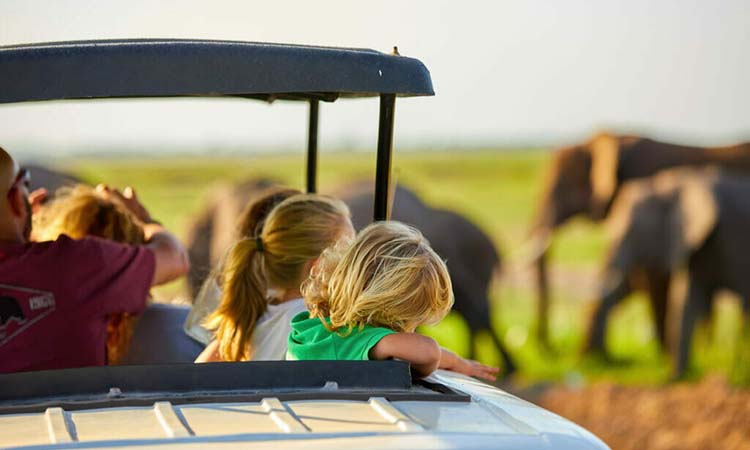
Yes, a 14-day Kenya wildlife safari is suitable for children, offering an enriching blend of education, adventure, and cultural interaction. Kenya is considered one of Africa’s most kid-friendly destinations, featuring well-established lodges with pools, shorter, engaging game drives, and activities like Maasai cultural visits. A 14-day trip allows for a balanced, leisurely pace suitable for families, blending safari time with relaxation
14-days-2-week-exclusive-kenya-tanzania-safari-tour-holiday-combined-vacation
14-days-ultimate-kenya-tanzania-safari-to-zanzibar-beach-beach-holidays
14-days-kenya-birding-safari-and-wildlife-watching
14-days-best-of-kenya-safari-holiday-2-weeks-africa-kenya-safari-vacation
Best Parks for Kids
Choosing the right ecosystem is the foundation of a successful family safari. In 2026, three destinations stand out for their "kid-friendly" mechanics. Amboseli National Park is a top choice due to its flat, open terrain and the massive, predictable presence of elephant herds. The ease of spotting wildlife here prevents the "boredom gap" that can occur in denser forests, and the iconic backdrop of Mount Kilimanjaro provides a literal "fairytale" setting for children.
The Maasai Mara remains the crown jewel, offering the highest density of large mammals; seeing a pride of lions within minutes of leaving camp keeps engagement high. For a change of pace, Lake Naivasha is essential. Unlike the vehicle-bound experience of most parks, Naivasha allows for boat safaris to see hippos and "walking safaris" on Crescent Island. This ability to stretch little legs and move freely among giraffes and zebras is a vital physical outlet that balances the sedentary nature of traditional game drives.
Pacing and Activities
The most common mistake on a 14-day family safari is over-scheduling. To avoid "safari burnout," the 2026 gold standard is the "Slow Safari" model. This involves spending at least 3 or 4 nights at each location and utilizing private vehicles. A private 4x4 allows you to dictate the schedule—if the children are tired, you can head back to the lodge early; if they are fascinated by a dung beetle, you can stay for twenty minutes without worrying about other guests.
Modern lodges have also pioneered the "Junior Ranger" program, which goes far beyond simple childcare. Children are paired with specialized "Kid-Guides" to learn animal tracking, traditional beadwork, and basic bush survival skills like fire-starting. These programs transform the trip into a "Bush School" where kids earn certifications, ensuring the experience is intellectually stimulating. Balancing a 6:00 AM game drive with an afternoon of swimming or a nature walk around the camp perimeter ensures that the pace remains joyful rather than exhausting.
Accommodations
In 2026, the variety of family-oriented accommodation is better than ever. For families with younger children, fenced lodges provide a critical layer of psychological and physical safety. While the "unfenced" experience is popular for adults, a fenced camp allows children to run on the lawns or play in the garden without constant 1:1 adult supervision against predators.
Choosing lodges with swimming pools is equally vital; the heat between 12:00 PM and 4:00 PM can be intense, and a pool is the ultimate "reset button" for kids after a dusty morning in the vehicle. Look for "family suites" or interconnecting tents, which are now standard in top-tier Kenyan camps. These allow parents to have a "grown-up" space while being just a zippered door away from the children. Many lodges, such as those in the Sarova or Serena collections, also offer dedicated children's menus and earlier dinner sittings to accommodate younger sleep schedules.
Logistics & Health
Health is the primary concern for any parent traveling to East Africa. While Kenya is a malaria-endemic region, a 14-day trip allows you to strategically navigate the risk. In 2026, many families opt for "Malaria-Light" itineraries, spending more time in high-altitude areas like the Laikipia Plateau or the central highlands (around Mount Kenya) where mosquito activity is significantly lower.
Before departure, a consultation with a travel clinic is essential to secure age-appropriate antimalarial prophylaxis (such as pediatric Malarone). On the ground, the "mechanical barrier" is your best friend: ensuring children wear long sleeves and trousers at dusk and always sleeping under the provided mosquito nets. Additionally, 14 days allows for a "buffer" to manage the common "safari tummy." By staying at reputable lodges that prioritize high-standard food hygiene and provide filtered water, you minimize risks. The longer duration also means you can include a "rest day" at a Nairobi hotel or a coastal resort to recover from the long international flights before hitting the bush.
Safety
Safari safety is built on a foundation of professional protocols and parental vigilance. While game drives are exceptionally safe, it is vital to brief children on the "Vehicle Rules": remain seated, keep voices low when near animals, and never extend limbs outside the vehicle frame. Animals in Kenya’s parks are habituated to the shape of the vehicle; any movement that breaks that silhouette (like a child standing up or waving) can startle a predator or a large herbivore like a buffalo.
Within the lodge, safety is managed through the use of Askari (Maasai guards) who escort guests after dark. Even in fenced camps, children should never walk unaccompanied between tents and the dining area. It is important to frame these rules as part of the "Safari Adventure" rather than a list of scary restrictions. In 2026, many camps provide "safety whistles" for each tent; teaching children how and when to use these adds an element of empowerment to their safety. By respecting the guide's instructions and maintaining a "safety-first" mindset, the savanna becomes a secure and awe-inspiring classroom for the whole family.
14-day Kenya Wildlife Safari
This 14-day Kenya Wildlife Safari is a definitive odyssey through the "Home of the Safari," offering a comprehensive traverse from the rugged Northern Frontier to the iconic southern savannas. Designed for the true wilderness enthusiast, this journey bridges the gap between diverse ecosystems, starting with the arid, red-earth landscapes of Samburu where specialized "Special Five" species thrive. You will then navigate the volcanic wonders of the Great Rift Valley, witnessing the rhino sanctuaries of Lake Nakuru and the freshwater serenity of Lake Naivasha. The heart of the adventure beats in the legendary Maasai Mara, home to the Great Migration and Africa’s densest predator populations. The expedition culminates in the shadow of Mount Kilimanjaro in Amboseli and the ancient, red-dust plains of Tsavo. This two-week narrative is a profound immersion into Kenya’s natural heritage, blending high-octane wildlife encounters with unhurried moments of reflection in the world’s most celebrated animal sanctuaries.
Day 1: Arrival in Nairobi
Your journey begins in Nairobi, a bustling metropolis where skyscrapers meet the savanna. Upon arrival at Jomo Kenyatta International Airport, you will be met by your guide and transferred to a boutique hotel. The afternoon is dedicated to the city’s renowned conservation landmarks: the David Sheldrick Elephant Orphanage and the Giraffe Centre. Here, you will witness the rehabilitation of orphaned calves and hand-feed endangered Rothschild’s giraffes, providing an intimate introduction to Kenya's wildlife protection efforts. Nairobi serves as the perfect staging ground, allowing you to acclimate to the altitude and enjoy a briefing on the upcoming circuit. As evening falls, a welcome dinner featuring local fusion cuisine sets the tone for your expedition. This first day is about grounding yourself in the East African atmosphere before heading into the rugged northern frontier tomorrow morning.
Day 2: Journey to Samburu Reserve
Heading north, the landscape transforms dramatically as you cross the Equator and watch the lush central highlands give way to the semi-arid plains of the Samburu National Reserve. This rugged wilderness is defined by the Ewaso Ng’iro River, a lifegiving artery lined with Doum palms. After a scenic drive, you will arrive at your riverfront lodge in time for an afternoon game drive. Samburu is famous for its "Special Five"—the reticulated giraffe, Grevy’s zebra, Somali ostrich, Beisa oryx, and the long-necked gerenuk—species specifically adapted to this parched environment. The harsh, red-earth beauty of the northern frontier provides a striking contrast to the parks you will visit later. As the sun sets over the Koitogor hills, you will enjoy a communal dinner, listening to the nocturnal calls of the wild.
Day 3: Samburu’s Unique Wildlife
A full day in Samburu allows for a deep exploration of its desert-adapted biodiversity. During early morning and late afternoon game drives, you will track the predators that thrive here, including lions, cheetahs, and the elusive leopards that frequent the riverine thickets. The riverbanks are a magnet for massive elephant herds, which are often seen bathing and playing in the water to escape the midday heat. Samburu is also an avian paradise, hosting over 450 bird species ranging from the vibrant vulturine guineafowl to various birds of prey. Between drives, you can relax at the lodge or visit a local Samburu village to learn about their traditions, which are closely linked to their northern heritage. This day emphasizes the remarkable evolutionary adaptations of animals in arid environments, a cornerstone of your Kenyan safari.
Day 4: Ol Pejeta Conservancy
Leaving the desert behind, you travel to the private Ol Pejeta Conservancy, a world-class sanctuary nestled between the Aberdare Range and Mount Kenya. Ol Pejeta is a global leader in rhino conservation and is home to the world’s last remaining northern white rhinos. Your game drives here offer a high probability of seeing both black and white rhinos, alongside the Big Five. A unique highlight is the Sweetwaters Chimpanzee Sanctuary, the only place in Kenya where you can see rescued primates. The conservancy’s focus on integrated wildlife management—where cattle and wildlife coexist—provides a fascinating look at modern conservation. The evening concludes with a night game drive, offering a rare opportunity to spot nocturnal species like aardvarks and bat-eared foxes before retreating to your luxury tented camp.
Day 5: Lake Nakuru Rhino Sanctuary
You descend into the Great Rift Valley to reach Lake Nakuru National Park, a stunning soda lake famous for its vibrant birdlife and specialized rhino sanctuary. The park’s acacia woodlands and grassy plains provide the perfect habitat for rhinos, which are frequently spotted grazing near the water. You will also search for the rare Rothschild’s giraffe and the famous tree-climbing lions that inhabit the park’s forest fringes. A drive to Baboon Cliff offers a panoramic view of the lake, which is often fringed with a pink hue from thousands of flamingos and pelicans. Lake Nakuru’s compact size ensures high-density wildlife viewing, making every game drive exceptionally productive. This stop is essential for checking off your "Big Five" list, particularly the elusive rhinos, in a setting of immense geological and avian beauty.
Day 6: Lake Naivasha and Crescent Island
The journey continues to Lake Naivasha, the highest freshwater lake in the Rift Valley. Here, the pace shifts to a more tranquil, water-based exploration. You will enjoy a private boat safari, gliding past massive pods of yawning hippos and spotting African fish eagles perched in the yellow-fever trees. The highlight is a walking safari on Crescent Island, a private sanctuary where you can walk among giraffes, zebras, and waterbucks without the confines of a vehicle. This intimate interaction with nature is a favorite for photographers, providing a tactile connection to the landscape. The lush, green surroundings and the absence of predator tension create a restorative atmosphere before you head into the high-adrenaline environment of the Maasai Mara tomorrow. It is a day of gentle exploration and profound peace.
Day 7: The Maasai Mara Arrival
Day seven marks your entry into the legendary Maasai Mara National Reserve, the crown jewel of African safaris. The drive across the Loita Plains brings you to the rolling, golden savannas that host the world’s most famous wildlife spectacle. You will arrive in time for a gourmet lunch and an afternoon game drive in search of the big cats. The Mara is where the "Kingdom of Lions" truly comes alive, and you are likely to encounter prides within your first few hours on the plains. You will check into a luxury tented camp, where the sounds of the African night provide a primal soundtrack to your evening. The sheer scale of the landscape and the abundance of herbivores create an atmosphere of primal energy that defines the heart of your safari.
Day 8: Big Cats and the Mara River
A full day in the Maasai Mara allows for an extensive exploration of the various sectors, including the banks of the Mara River. Your guide will track the "Big Five," with a special focus on the elusive leopards and cheetahs that dominate these plains. If visiting during the migration season, you will witness the dramatic movement of thousands of wildebeest and zebras risking crocodile-infested waters in their search for greener pastures. The Mara offers a front-row seat to the rawest forms of nature, from high-speed hunts to the complex social dynamics of the prides. Between drives, enjoy a luxury bush picnic under a lone acacia tree, fully immersed in the wilderness. This day represents the peak of predator viewing, delivering high-octane wildlife drama with the highest level of personal service.
Day 9: Mara Cultural Discovery
Today you explore the more exclusive Mara North Conservancy or revisit favorite spots in the main reserve. This allows for a more private wildlife experience, often resulting in spectacular sightings of cheetahs on the hunt. In the afternoon, you will visit a traditional Maasai Manyatta to learn about the ancient culture that has coexisted with these predators for centuries. You will witness their traditional jumping dance and gain insight into their warrior traditions, beadwork, and medicinal plants. This interaction provides a human dimension to the landscape, highlighting the delicate balance between ancient human traditions and modern wildlife conservation. The day ends with a sunset "sundowner" on a ridge overlooking the vast plains, a classic safari tradition that allows you to reflect on the immense beauty of the African savanna.
Day 10: Amboseli and Kilimanjaro Views
Your journey heads toward the border with Tanzania to Amboseli National Park, world-renowned for its large herds of free-ranging elephants and the iconic backdrop of Mount Kilimanjaro. As you enter the park, the snow-capped peak of Africa’s highest mountain provides a breathtaking silhouette against the dusty lakebeds. Your afternoon game drive focuses on the elephants that frequent the park’s permanent swamps, often seen wallowing in the water or walking in single-file lines across the plains. Amboseli’s open terrain makes wildlife spotting exceptionally easy, and you are likely to see buffaloes, hippos, and various bird species. The blend of massive tuskers and the majestic mountain creates a sensory experience that is unique to southern Kenya. You will stay at a lodge with panoramic views of the "Roof of Africa."
Day 11: Amboseli Elephant Plains
A full day in Amboseli allows you to explore the park’s diverse habitats, from the dried-up bed of Lake Amboseli to the lush Enkongo Narok swamp. You will witness the incredible intelligence and social bonds of the elephant families that have been studied here for decades. The park is also home to cheetahs and spotted hyenas, which are often spotted in the early morning light. For a panoramic perspective, you will visit Observation Hill, which offers views of the entire park and the towering mountain. This day is about the slow, deliberate pace of the elephants and the immense scale of the landscape. As part of your grand circuit, Amboseli provides the most "photogenic" wildlife encounters, where every frame is dominated by the presence of Kilimanjaro and the giant tuskers.
Day 12: Tsavo West Volcanic Wonders
Your safari enters its final chapter as you move into Tsavo West National Park, a rugged landscape of ancient lava flows and volcanic hills. You will visit Mzima Springs, where crystal-clear water gushes from underground, creating a sanctuary for hippos and crocodiles that can be viewed from an underwater observatory. The park’s geography is dramatic, featuring the Shetani lava flow and the "Roaring Rocks" vantage points. Tsavo West is also home to the Ngulia Rhino Sanctuary, providing another chance to see these rare creatures. The dense vegetation and hilly terrain make game spotting more of a challenge, but the rewards are sightings of "red elephants"—colored by the park's vibrant volcanic soil. The evening is spent at a lodge perched on a rocky outcrop, offering a bird's-eye view of the wilderness.
Day 13: Tsavo East Red Savanna
The penultimate day takes you across the highway into Tsavo East National Park, one of the largest and oldest parks in the world. Known for its flat, expansive plains and the Yatta Plateau, Tsavo East offers a sense of total isolation. You will search for the famous "man-eaters of Tsavo" lion prides and the large herds of buffalo that roam the Galana River banks. The park’s red earth provides a striking backdrop for photography, especially when capturing the elephants that have become synonymous with this region. You will visit Aruba Dam, a popular watering hole for a variety of game. This final savanna experience captures the raw, untamed spirit of the African bush, providing a rugged and authentic conclusion to your big-game viewing adventure before returning to the city.
Day 14: Return to Nairobi
On the final day, you will enjoy a final early morning game drive in Tsavo East, catching the last glimpses of the savanna’s inhabitants. After a hearty breakfast, you begin the drive back to Nairobi, or alternatively, board the Madaraka Express train for a scenic rail journey through the park. You will arrive in the capital by late afternoon, where a farewell dinner at a famous restaurant allows you to reminisce about the incredible journey through Kenya's premier parks. Your guide will provide a transfer to Jomo Kenyatta International Airport for your evening flight. You depart with a full camera, a deep appreciation for Kenya’s conservation efforts, and memories of the Big Five, the migration, and the majestic Kilimanjaro that will stay with you forever.
1. Is a 14-day Kenya wildlife safari suitable for young children?
A 14-day safari is not just suitable; it is arguably the most practical duration for young children. While a shorter trip often feels like a frantic race between parks, 14 days allow for a "slow-release" adventure. Children generally require a few days to acclimate to the altitude, the heat, and the rhythm of the savanna. By extending the trip, you avoid the "over-stimulation" that leads to meltdowns.
Most expert operators recommend children be at least 6 years old to fully appreciate the experience. At this age, they have the physical stamina for 4-hour game drives and the cognitive development to engage with conservation concepts. For families with toddlers, 14 days provide the flexibility to skip morning drives entirely, allowing for a standard sleep schedule while still seeing the "Big Five" during shorter, targeted afternoon outings.
2. What is the best age for children on a 14-day Kenya wildlife safari?
The "Golden Age" for a safari is between 8 and 12 years old. Children in this bracket are the ideal travelers: they are old enough to follow safety protocols (like remaining seated in an open-sided vehicle) but young enough to be completely enchanted by the "Lion King" reality of the Maasai Mara.
At this age, children become "Active Trackers." They can use binoculars effectively, maintain a wildlife journal, and participate in complex Junior Ranger programs. They also have the patience to sit quietly during a 20-minute leopard sighting, which is often the difference between a fleeting glimpse and a profound behavioral observation. For teenagers, a 14-day trip provides enough time to incorporate more physically demanding activities like mountain biking in Hell’s Gate or walking safaris, keeping them challenged and engaged.
3. Are 14-day Kenya wildlife safari itineraries too long for kids?
On the contrary, a 14-day itinerary is the solution to "safari fatigue." The primary cause of burnout in children is "The Great Rush"—moving to a new lodge every single day. A 14-day window allows for a "3-3-3-5" structure: three days in three different ecosystems (like Samburu, Ol Pejeta, and Nakuru) followed by a final five days in a single, high-density location like the Maasai Mara or a beach finale at Diani.
This pacing allows kids to form "home bases." They get to know the lodge staff, the location of the pool, and the resident lizards in the garden. By including "non-safari" days—where the only goal is swimming or visiting a local school—you maintain their enthusiasm. A 14-day trip is a marathon, not a sprint, and for kids, the extra time is what makes the experience feel like a holiday rather than an endurance test.
4. Is a 14-day Kenya wildlife safari safe for children?
Safari safety in 2026 is built on a foundation of professional guiding and structural security. In the vehicle, children are remarkably safe; predators view the 4x4 as a single, large entity rather than a collection of individuals. As long as children follow the "Golden Rule"—no standing and no loud noises near animals—the risk is negligible.
The primary safety consideration is the lodge environment. For families, fenced lodges are the safest option, providing a secure perimeter where children can play freely without the threat of wandering wildlife. Additionally, every reputable camp uses Askari (Maasai guards) to escort guests after dark. By choosing family-certified operators, you ensure that your guides are not only wildlife experts but also "child-whisperers" who understand how to manage safety without making the children feel fearful.
5. Which parks are best for kids on a 14-day Kenya wildlife safari?
The best parks for kids are those that offer "high-density rewards" and diverse activities. The Maasai Mara is essential because the sheer volume of animals keeps kids constantly spotting; there is rarely a "quiet" moment. Amboseli is equally popular for families because the terrain is flat and the elephants are numerous and calm, making them easy for kids to observe for long periods.
For a change of pace, Lake Naivasha is a family favorite. It offers a "safari on foot" at Crescent Island and boat rides to see hippos, which provides a vital break from being confined to a vehicle. Finally, Ol Pejeta Conservancy is a must-visit for its educational value; children can meet the world’s last northern white rhinos and visit the chimpanzee sanctuary, turning their 14-day journey into a living conservation classroom.
6. Do I need a private vehicle for a 14-day Kenya wildlife safari with kids?
A private vehicle is the single most important investment you can make for a family safari. Sharing a vehicle with other travelers often means adhering to a strict schedule that may not align with your children’s needs. If your toddler needs a bathroom break or your 8-year-old is suddenly "bored of lions" and wants to look at a dung beetle for 30 minutes, a private vehicle allows you that freedom.
Furthermore, a private guide can tailor their "storytelling" specifically to your children’s ages, using simpler language and focusing on "fun facts" (like why hippo sweat is pink). It also eliminates the stress of worrying about your children’s noise levels disturbing other guests. For a 14-day duration, the comfort and flexibility of a private vehicle turn a good trip into a perfect one.
7. What activities can kids do on a 14-day Kenya wildlife safari?
Beyond the traditional game drives, 2026 safaris offer a wealth of interactive experiences. Many lodges now feature Junior Ranger Programs, where kids learn animal tracking, how to identify "poo and spoor," and traditional Maasai survival skills like fire-starting with sticks.
Other activities include guided nature walks around the lodge (focusing on insects and plants), traditional beadwork classes with Maasai mamas, and soccer matches with local village children. Many camps also have specialized "bush kitchens" where kids can learn to bake bread in a tin over an open fire. These tactile, hands-on experiences are what children often remember most, providing a vital balance to the hours spent observing from the vehicle.
8. Are malaria tablets necessary for children on a 14-day Kenya wildlife safari?
Yes, malaria prophylaxis is a mandatory consideration for any 14-day Kenya safari. While you can choose "lower-risk" areas like the high-altitude Laikipia Plateau, most premier parks like the Mara and Amboseli are in malaria-endemic zones. You must consult a travel clinic at least 4-6 weeks before departure to secure age-appropriate medication (such as Malarone pediatric tablets).
Beyond medication, the "mechanical barrier" is your best defense. This means ensuring children wear long-sleeved shirts and trousers at dawn and dusk, applying high-DEET repellent to exposed skin, and always sleeping under the provided mosquito nets. Because a 14-day trip is a significant time commitment, staying healthy is paramount, and following a strict malaria prevention protocol ensures the trip isn't interrupted by illness.
9. What should we pack for kids on a 14-day Kenya wildlife safari?
Packing for kids requires a focus on layers and "the boredom-buster kit." For clothing, stick to the "Safari Neutral" palette (khaki, tan, olive) but ensure you have a very warm fleece or puffer jacket for pre-dawn starts. The temperature swing can be 20°C in a single day, so layering is the only way to keep them comfortable.
Crucially, you must pack a "Game Drive Bag" for each child. This should include a pair of lightweight binoculars, a wildlife checklist, a sun hat with a chin strap, and plenty of "familiar" snacks from home (like granola bars or dried fruit). In 2026, many parents also bring a tablet loaded with offline games or a "safari journal" for midday breaks. Don't forget a swimsuit; even in the middle of the savanna, the lodge pool is often the highlight of the day for many children.
10. Do kids pay full price on a 14-day Kenya wildlife safari?
Most lodges and tour operators offer significant discounts for children under 12, often ranging from 25% to 50% off the adult rate. These discounts usually apply when the child is sharing a room with two adults. In 2026, many "Family Safaris" also offer reduced rates for park entry fees, which can save a family hundreds of dollars over a 14-day period.
However, be aware that if your child is over 12, they are often classed as an "adult" in the eyes of the lodge. Additionally, if you require a private vehicle (which we highly recommend), the cost of the vehicle and guide is usually a fixed daily rate regardless of how many people are inside. It is essential to get a transparent breakdown of "Child Rates" from your operator early in the planning process to avoid budget surprises.
11. Are there child-friendly accommodations on a 14-day Kenya wildlife safari?
Kenya has some of the world’s most sophisticated family-friendly lodges. In 2026, look for accommodations that offer "Family Tents"—large, multi-bedroom units connected by a shared lounge, allowing for privacy while keeping the family together.
Top-tier lodges like the Sarova or Serena properties offer dedicated kids' clubs, specialized menus (with familiar options like pasta and burgers), and early dinner times. Many camps also feature "Eco-Playgrounds" and fenced gardens where kids can run safely. When booking your 14-day trip, prioritize lodges that specifically market to families; these properties often have staff who are trained in child engagement, ensuring that your children are treated as VIP guests rather than an afterthought.
12. When is the best time for a family 14-day Kenya wildlife safari?
The dry season from late June to October is the ultimate time for a family safari. Not only does this coincide with the Great Migration in the Maasai Mara, but the weather is predictable, and the animals congregate around water sources, making them much easier for children to find.
Alternatively, the "Short Dry Season" in January and February is another excellent window, offering lush landscapes and plenty of baby animals, which kids find particularly engaging. While the "Green Season" (April–May) offers lower prices and fewer crowds, the heavy rains can make some roads impassable and lead to long, muddy days in the vehicle—a scenario that can be challenging for younger travelers. For a 14-day commitment, the reliability of the dry season is worth the premium price.
13. Will children get bored on a 14-day Kenya wildlife safari?
Boredom is only a risk if the itinerary is "one-dimensional." If the plan is 14 days of only sitting in a vehicle, any child will eventually lose interest. The key to a boredom-free safari is "The Variety Rule." By mixing traditional game drives with boat trips, village visits, and Junior Ranger activities, you keep the "novelty factor" high. A 14-day trip also allows you to include "Low-Stake Sightings"—spending 30 minutes watching a family of mongooses or a dung beetle. For children, these "small" moments are often more engaging than a sleeping lion. In 2026, guides are masters at "gamifying" the safari, using animal-spotting competitions and "scavenger hunts" to keep young minds focused and excited.
14. How long are game drives on a 14-day Kenya wildlife safari?
A typical game drive lasts 3 to 4 hours, but on a 14-day trip with a private vehicle, the duration is entirely up to you. For families, the most successful model is the "Morning/Afternoon Split." You head out at 6:30 AM when the predators are active, returning by 10:30 AM for a late breakfast and a swim.
You then enjoy a relaxed lunch and "quiet time" during the heat of the day, heading out again at 4:00 PM for a 2-hour "sundowner" drive. This schedule respects children’s attention spans and prevents the fatigue that comes from an all-day drive. On a 14-day trip, you have enough total "hours in the field" that you don't feel pressured to stay out all day, ensuring every game drive remains a highlight rather than a chore.
15. Can I combine a 14-day Kenya wildlife safari with a beach holiday?
Absolutely. This is the most popular "grand finale" for families in 2026. A 14-day itinerary is perfectly suited to a "10-day Bush / 4-day Beach" split. After the early starts and dusty drives of the parks, flying down to Diani Beach on the Indian Ocean is the ultimate reward.
While parents relax on the white sands, kids can enjoy snorkeling, sandcastle building, and camel rides on the beach. Most Diani resorts are world-class in their family offerings, with dedicated kids' clubs and shallow pools. This "Bush-to-Beach" combination ensures that the family returns home not just with incredible wildlife memories, but also fully rested and rejuvenated. It is the perfect end to a comprehensive 14-day Kenyan adventure
Booking 14 Days Kenya wildlife safari with us Roads of Adventure safaris
Book a 14-day Kenya wildlife safari with Roads of Adventure Safaris to explore premier destinations like Masai Mara, Amboseli, and Lake Nakuru. Packages typically include 4WD transport, park fees, and full-board accommodation, specializing in Big Five sightings and customizable itineraries
