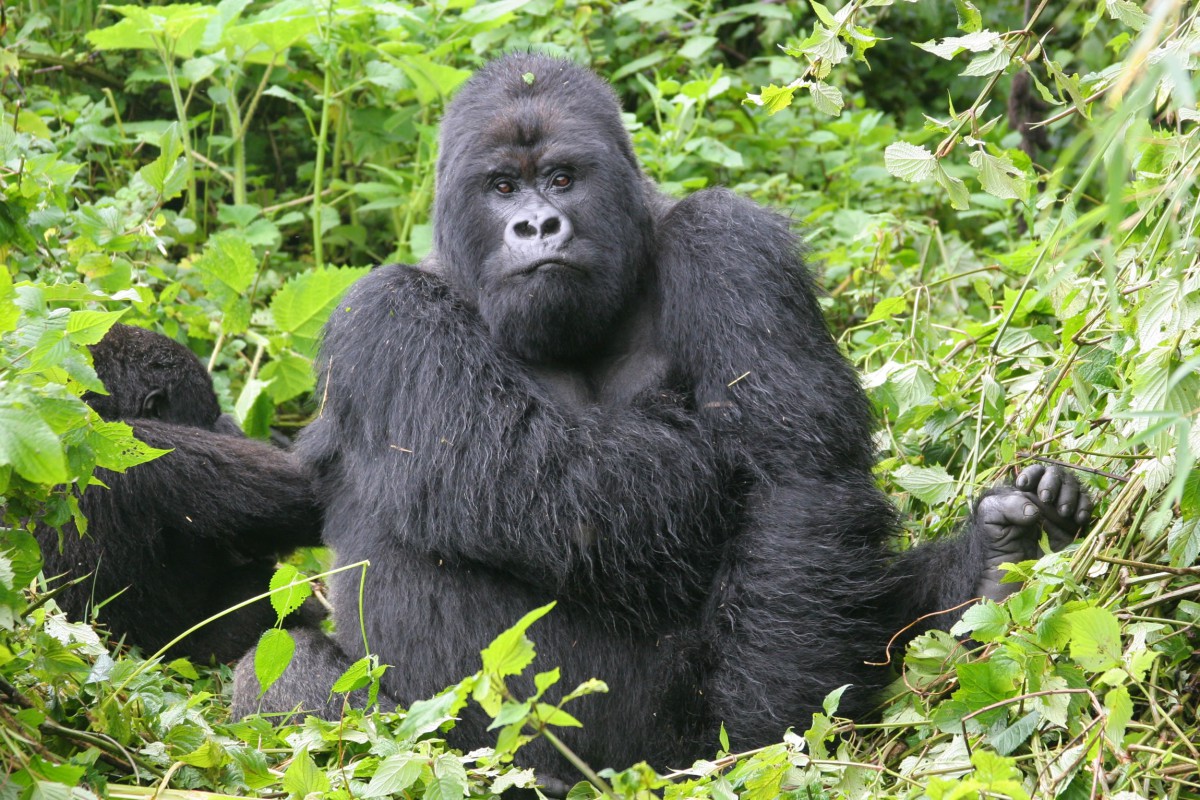
Yes, a 7-day safari is enough to experience both mountain gorillas and savanna wildlife in Uganda, making it a perfect duration for first-time visitors. A 7-day trip typically covers key highlights in the Western region, including gorilla trekking in Bwindi Impenetrable National Park, chimpanzee tracking, and savanna game drives in Queen Elizabeth National Park
7-days-safari-to-uganda-queen-elizabeth-park-gorillas-trekking-and-lake-mburo
7-days-perfect-uganda-primate-safari-itinerary
7-days-uganda-tour-to-murchison-falls-via-ziwa-kibale-and-queen-elizabeth-national-park
7-day-ultimate-uganda-primate-safari-chimpanzees-and-game-drives
7-days-best-uganda-safari-tour-to-popular-safari-parks
7-days-perfect-road-trip-uganda-safari-tour
7-days-best-uganda-birding-safari-tour
7-day-uganda-safari-to-kidepo-valley-via-jinja-and-sipi-falls
7-days-murchison-falls-uganda-safari-trip-via-ziwa-rhinos-kidepo-valley-and-jinja
7-day Uganda safari
This compact 7-day Uganda safari packs the country’s most unforgettable wildlife and cultural highlights into a single, well-paced week. Beginning with arrival in Entebbe or Kampala, you’ll head west into the lush Albertine Rift where primate-rich forests and dramatic crater lakes define the landscape. Kibale National Park offers a premier chimpanzee-tracking experience—close, animated encounters in an ancient rainforest—while Queen Elizabeth National Park delivers classic savanna spectacles: tree-climbing lions, elephant herds and a wildlife-rich boat cruise along the Kazinga Channel. The journey continues to the misty highlands of Bwindi Impenetrable National Park for the pinnacle of most Uganda trips: mountain gorilla trekking, an intimate, regulated experience that leaves a life-long impression. Alongside wildlife, the itinerary includes cultural connections—community visits and Batwa experiences—that illuminate how people and conservation intersect here. Thoughtfully scheduled transfers and a mix of guided walks, game drives and boat safaris give you variety without rushing. This seven-day loop is ideal for first-time visitors seeking maximum impact in minimal time, balancing adventure, comfort and meaningful encounters with Uganda’s natural heritage.
Day 1 — Arrival: Entebbe/Kampala to Kibale (140 words)
After arrival at Entebbe International Airport or a brief morning in Kampala, you begin the scenic drive west into the Albertine Rift toward Kibale National Park. The journey crosses farmland, tea and banana plantations, with views of rolling hills and crater lakes—an immediate introduction to Uganda’s varied landscapes. Arriving at your lodge, you’ll settle in, enjoy lunch, and receive an orientation from your guide about permits, the park’s primates, and the next day’s early start. In the late afternoon, choose a gentle forest walk or relax on the lodge veranda, scanning for birds and smaller mammals that inhabit the edge habitat. Your guide will brief you on trekking etiquette and what to expect during chimpanzee tracking—an early bedtime is recommended to prepare for the morning. Meals are typically hearty and locally inspired, and the lodge staff will ensure all practical details (permits, park fees, and equipment) are in order for Day 2’s chimpanzee adventure.
Day 2 — Chimpanzee Tracking in Kibale (140 words)
Rise early for a pre-dawn breakfast and transfer to Kanyanchu Visitor Centre, the staging point for chimpanzee tracking. Chimp treks vary in duration depending on troop movements; on average expect a 2–4 hour walk through moist evergreen forest, though encounters can be shorter or longer. Led by experienced trackers and a guide, you’ll move quietly along trails, listening for calls and watching for broken branches—signs of chimp activity. When your group finds the chimpanzees, you’ll have the regulated viewing time to observe feeding, grooming and social play, capturing vivid behavioral moments for photography. After the trek, return to the centre for insights from researchers and trackers about chimp habits and conservation efforts. Spend the afternoon at Bigodi Wetland Sanctuary for a guided birding and community walk, supporting local conservation and meeting community members. Evening at the lodge is a time to relax and review highlights with your guide, prepping for the Queen Elizabeth leg tomorrow.
Day 3 — Transfer to Queen Elizabeth National Park (140 words)
After breakfast, depart Kibale and travel southwest toward Queen Elizabeth National Park, crossing changing ecosystems from dense forest to expansive savanna. En route you can stop for scenic viewpoints or a quick visit to local markets to witness everyday life. Arriving in Queen Elizabeth, settle into your lodge near Mweya or Kasenyi and enjoy lunch before an afternoon game drive. The park’s varied habitats concentrate wildlife—drive through the Ishasha sector for the famed tree-climbing lions, or Kasenyi plains for herds of Uganda kobs and elephants. As late afternoon approaches, head to the Kazinga Channel for a sunset boat cruise: this is prime time for hippo schools, crocodiles, and dense birdlife flocking at the water’s edge. The cruise offers relaxed, close-up viewing and excellent photographic light. Return to your lodge for dinner; your guide will help you plan the following day’s activities, including an optional early-morning game drive or another boat trip to deepen wildlife viewing.
Day 4 — Game Drives and Kazinga Channel Boat Cruise (140 words)
Begin with an early morning game drive when predators and grazers are most active—sunrise is ideal for observing lions beginning their day and seeing elephant herds on the move. Your guide will navigate tracks that maximize sightings while explaining species behavior and park ecology. After the drive, enjoy a midday rest before a second boat cruise along the Kazinga Channel in the afternoon, when wildlife converges at the water. The channel connects Lakes Edward and George and is one of Africa’s richest wildlife corridors; expect close encounters with hippos, crocodiles, buffalo and large concentrations of waterbirds, including kingfishers and African fish eagles. Guided birding from the boat is rewarding for both beginners and experienced birders. Alongside wildlife, the area’s varied scenery—from papyrus fringes to open floodplains—creates striking photo opportunities. In the evening, consider a community walk or cultural visit near the lodge to learn about local fishing traditions and the park’s conservation partnerships before relaxing for the night.
Day 5 — Transfer to Bwindi Impenetrable National Park (140 words)
Depart Queen Elizabeth after breakfast and drive southwest toward Bwindi Impenetrable National Park, enjoying dramatic scenery changes as you climb into misty highlands. The route often passes through small towns, terraced farms and the western edge of the Rwenzori foothills, offering glimpses of rural Uganda. Arrive at your lodge in Buhoma or Nkuringo in time for lunch, then take an introductory nature walk to stretch legs and acclimatize to the forest environment—this also helps prepare for the physical demands of gorilla trekking. Your guide will cover gorilla trek rules, health precautions and what to expect the next day during your gorilla permit experience. Consider an optional Batwa cultural experience this afternoon to learn about forest-based livelihoods and traditional music and dance, which supports local communities. Meals at the lodge are nourishing and tailored to trekkers; rest early to be ready for an early start on Day 6.
Day 6 — Gorilla Trekking in Bwindi (140 words)
Today is the climax: gorilla trekking in Bwindi Impenetrable National Park. After an early breakfast you head to the park headquarters for a short briefing, then begin your trek with an armed ranger and guide. Trek times vary—some groups are found close to trailheads in under an hour, while others may require several hours of steep, muddy hiking and occasional scrambling. Porters can be hired locally to assist with luggage and ease the trek. When you locate the habituated gorilla family, you’ll have the allocated viewing hour to observe these remarkable animals—watch mothers with infants, silverbacks asserting leadership, and juveniles playing. Respect the strict hygiene and proximity rules to protect both visitors and gorillas. After the trek, return to the lodge for a celebratory lunch and relaxation; consider a complementary activity such as a village visit or a guided bird walk to round out the day. This unforgettable encounter is the emotional high point of most Uganda safaris.
Day 7 — Return to Entebbe and Departure (140 words)
On the final day, after breakfast, begin your return journey to Entebbe, with options depending on time and flight schedules: a full scenic road transfer through the highlands and local towns, or a domestic flight from Kisoro or Kihihi to Entebbe to save time. If your international flight is later in the day, you may stop en route at highlights—fort portal crater-lake viewpoints, a tea garden, or a cultural craft market for last-minute souvenirs. Arrive in Entebbe with time to relax, visit the Botanical Gardens if time allows, or enjoy a final lakeside lunch on Lake Victoria. Ensure you have all permits, photos and memories organized, then transfer to Entebbe International Airport for your outbound flight. Your guide or lodge will help with logistics and any final paperwork; depart with rich memories of primate encounters, savanna wildlife and cultural connections from an intense, rewarding seven-day Ugandan experience.
Is a 7 days safari in Uganda enough time for both gorillas and wildlife?
A well-planned seven-day Uganda safari can successfully combine mountain gorilla trekking with quality wildlife viewing, particularly if you focus on southwestern Uganda. The typical pattern that delivers both experiences is to center your trip around Bwindi Impenetrable National Park for the gorilla trek and Queen Elizabeth National Park for savannah wildlife and boat safaris; some itineraries also include a short stop at Lake Mburo or Kibale (for chimps) if logistics permit. Timing and logistics matter: Bwindi is in rugged terrain, and getting permits and organizing transfers takes time. With seven days, most itineraries allocate one full day to gorilla trekking (including the briefing and variability in trek duration), one or two days to Queen Elizabeth for game drives and the Kazinga Channel boat cruise, and one travel/transfer day between parks. This schedule gives you the high‑value wildlife encounters—close-up gorilla viewing, possible sightings of elephants, buffalo, lions, tree-climbing lions (in Ishasha), hippos, and the high density of waterbirds along the Kazinga Channel.
There are trade-offs: squeezing in additional activities (chimp trekking in Kibale, long cultural visits, extended walking safaris) will increase travel time and may feel rushed. Road transfers in Uganda can be long due to road conditions and distance, so many visitors choose to fly between Entebbe and Kihihi/Ishasha or Murchison to save time—this raises cost but preserves comfort. Overall, seven days is adequate for memorable gorilla and wildlife experiences if you accept a focused itinerary and book gorilla permits and key internal transfers well in advance.
Which parks are covered in a 7 days safari in Uganda?
A seven-day Uganda safari typically focuses on a compact combination of parks that maximize gorilla encounters and classic East African wildlife. The most common package includes Bwindi Impenetrable National Park (gorilla trekking) and Queen Elizabeth National Park (savannah game drives and Kazinga Channel boat cruise). This pairing is popular because both parks are in the southwest corridor and are reachable by road within a day’s travel, allowing you to spend quality time in each.
Alternative or extended versions sometimes include:
- Lake Mburo National Park: A good addition if you want a walking safari and to see zebras, impalas, and unique birdlife. It’s nearer to Kampala/Entebbe and often used as a shorter wildlife stop en route.
- Kibale Forest National Park: If you want chimps as well as gorillas, Kibale is Africa’s premier chimp-tracking site. Including Kibale is possible but requires tight timing or air transfers to avoid long road journeys.
- Ishasha sector (Queen Elizabeth): Famous for tree-climbing lions; often included as a day excursion from Queen Elizabeth lodges if you want this rare spectacle.
For first-timers with seven days, the Bwindi + Queen Elizabeth (with possible Lake Mburo) itinerary provides the best balance of gorilla trekking, game drives, boat safaris, and manageable travel. If you have specific wildlife priorities (e.g., seeing chimps too), consider shifting to a 8–9 day plan or factor in a domestic flight to keep the itinerary relaxed.
Is gorilla trekking guaranteed on a 7 days safari in Uganda?
Gorilla trekking relies on locating wild, habituated gorilla families—animals that roam freely in Bwindi and Mgahinga. Because they are wild, no one can offer an ironclad 100% guarantee. That said, the practical chance of a successful trek is very high for several reasons: habituated groups used for tourism are well monitored by rangers and trackers; gorilla trekking is a mature, tightly managed activity with permit limitations and trained staff; and many operators coordinate logistics carefully to maximize success. As a result, tour operators commonly report very high success rates—often cited as 95–99%—meaning most trekkers do see gorillas on their allocated day.
However, several factors can reduce the chance of success: extreme weather, temporary health closures (to prevent disease transmission), recent movements of a gorilla family outside normal ranges, or permit/scheduling problems. Trekking rules also limit the number of visitors per family per day and require adherence to strict health and proximity protocols, which helps maintain predictability and safety. To increase your chances, book standard gorilla permits well in advance (permits are limited and sell out, especially in high season), travel with experienced guides and operators who communicate with ranger teams, and allow buffer days in your itinerary if your schedule is tight. If seeing gorillas is your primary objective, consider staying near Bwindi for at least two nights so you can reassign your trek to the next available group if your original encounter is disrupted.
How much does a 7 days safari in Uganda usually cost?
Costs for a seven-day Uganda safari vary widely depending on choices for transportation (road vs. domestic flights), accommodation standard (budget, mid-range, luxury), group size, and included activities. A significant fixed cost is the gorilla permit: the official government fee for a gorilla trekking permit has historically been in the several hundreds to around US$700–800 per person (rates can change—always confirm current fees with Uganda Wildlife Authority or your operator). Chimpanzee permits in Kibale are additional (usually a much smaller fee, often under US$200). Other costs include park entrance fees, driver-guide and vehicle hire, fuel, accommodation (ranges from basic bandas to high-end lodges), meals, boat cruises, local guides, community fees, and optional extras such as domestic flights, tips, and travel insurance.
A rough breakdown:
- Budget group-style 7-day trip (basic lodges/camps, long road transfers): lower cost excluding permits may range modestly, but remember the gorilla permit is a large single cost.
- Mid-range (comfortable lodges, private vehicle, included activities): expect higher nightly rates but improved comfort and shorter travel stress.
- Luxury (top lodges, domestic flights, private services): substantially more expensive due to private charters, premium accommodation, and convenience.
Because the gorilla permit is the dominant single expense, the marginal difference between budget and comfortable tours narrows in percentage terms. Always confirm what’s included—meals, transfers, park fees, and permits—to avoid surprises. For exact budgeting, request tailored quotes from reputable operators; they’ll factor current permit fees, seasonal pricing, and any domestic flights.
Is a 7 days safari in Uganda suitable for first-time visitors?
Yes. A seven-day safari is often ideal for first-time visitors who want to experience Uganda’s headline wildlife—mountain gorillas and classic savannah species—without a very long trip. The itinerary is long enough to include at least one gorilla trek (the marquee experience) and several game-viewing activities, typically in Queen Elizabeth National Park, with optional short wildlife or cultural stops such as Lake Mburo or Batwa community visits. For first-timers, a 7-day program provides a balanced introduction: it’s short enough to fit into typical vacation windows yet long enough to absorb travel time, acclimatize, and enjoy meaningful encounters.
To make it comfortable for newcomers, choose a reputable operator, avoid over-cramming activities, and consider internal flights where available to reduce long road transfers. Inform the operator of fitness levels and mobility issues—gorilla trekking ranges from moderate to strenuous depending on the gorilla family’s location and the trail. For children or guests with limited mobility, alternative activities (boat cruises, cultural visits, guided walks) can still deliver memorable wildlife and cultural experiences. Overall, a well-organized seven-day safari delivers a high-impact, first-timer friendly taste of Uganda’s biodiversity and landscapes.
Can I see chimpanzees during a 7 days safari in Uganda?
Yes—seeing chimpanzees is feasible within a seven-day safari but requires careful routing. Kibale National Park is Uganda’s premier chimp-tracking destination, with high habituation levels and excellent success rates. To include chimps and gorillas in seven days, itineraries typically either: (a) concentrate on Bwindi and Queen Elizabeth and omit Kibale, or (b) route Entebbe → Kibale → Queen Elizabeth → Bwindi with tight transfers or one early domestic flight to reduce road time. The main constraint is road distance and the time you want to spend in each park. Chimp trekking in Kibale takes a half- to full-day activity (including briefing), and like gorilla permits, chimp permits are limited and should be booked in advance.
If seeing both chimps and gorillas in seven days is a priority, consider a flexible plan that uses one domestic flight or accepts early starts and longer road days. Another option is to combine chimp tracking with a shorter wildlife stop (e.g., Lake Mburo) instead of Queen Elizabeth, depending on which wildlife experiences you prioritize. Work with an experienced operator who can optimize permits and logistics: they’ll schedule treks to maximize success and ensure you have adequate rest between trekking days.
What is the best time for a 7 days safari in Uganda?
The best months for a seven-day Uganda safari are during the drier periods—typically June to August (the long dry season) and December to February (the short dry season). During these months, forest and savannah trails are generally firmer, visibility is better for game viewing and photography, and trekking conditions for gorillas and chimps are easier. Dry spells also increase the likelihood of wildlife congregating at predictable water sources, improving sightings on game drives and boat cruises.
However, Uganda is a year‑round destination with excellent wildlife and primate viewing even in wetter months. The shoulder rainy months (March–May and September–November) often bring fewer tourists, lower accommodation rates, and lush, green scenery with abundant birdlife. Rain can make certain forest trails muddier and drives slower, and some remote roads may become more challenging. If you prefer quieter parks and cost savings, consider traveling in the shoulder seasons—just be prepared for occasional rain and help from experienced drivers/guides.
For gorilla trekking specifically, rain does not prevent trekking (unless weather or safety concerns cause temporary closures), but muddy and slippery terrain can make treks more strenuous. Always pack appropriate waterproof and layering gear regardless of season.
Is a 7 days safari in Uganda safe?
Yes—Uganda is a generally safe destination for organized safaris and a 7-day itinerary is considered safe when you travel with experienced operators and follow guidance from rangers and guides. National parks and tourist activities are run by professional park authorities (Uganda Wildlife Authority) and trained guides who prioritize visitor safety, wildlife etiquette, and conservation rules. Practical safety measures include using reputable licensed operators, ensuring vehicles are well-maintained, following ranger instructions during treks and game drives, and keeping a safe distance from wildlife.
Standard precautions also apply: secure valuables, avoid walking alone in unknown areas at night, drink bottled or treated water if unsure of local supplies, and keep vaccinations and travel insurance current. Gorilla trekking has strict health and safety rules to reduce disease risk to gorillas and people (e.g., maintaining distance, not trekking if ill, and wearing masks if required); these rules enhance safety for both visitors and wildlife. Political stability is good in tourist areas; however, always check current travel advisories from your government and local operator before travel.
What wildlife can I expect to see besides gorillas on a 7 days safari in Uganda?
A seven-day safari focused on Bwindi and Queen Elizabeth (and possibly Lake Mburo) offers diverse wildlife beyond gorillas. In Queen Elizabeth, lakes and savannah support elephant herds, buffalo, Uganda kob (abundant and charismatic antelope), warthogs, hippos, crocodiles, and lions; Ishasha’s tree‑climbing lions are an iconic highlight if included. The Kazinga Channel boat cruise often provides close hippo and crocodile viewing and excellent waterbird concentrations—kingfishers, cormorants, herons, and African fish eagles.
Lake Mburo offers excellent walking safaris with impala, zebra, topi, eland, and a variety of bird species. Kibale (if included) delivers chimpanzees, red colobus, L'Hoest's monkey, and forest bird species. Bwindi itself is rich in forest birds, duikers, bushbucks, and smaller primates. Rarer sightings across Uganda’s parks can include leopards, hyenas, and cheetahs in northern parks (Kidepo) though these are outside a typical seven-day southwest-focused itinerary. Birders will especially enjoy Uganda’s mix of Albertine Rift endemics and widespread African species—Uganda is considered one of Africa’s top birding destinations.
Do I need to be fit for a 7 days safari in Uganda?
Fitness requirements depend on the activities you choose. Gorilla trekking can be strenuous: treks involve hiking through steep, muddy, and uneven forest terrain at varying altitudes and can last from one to several hours. Chimp trekking in Kibale is usually less demanding but still requires comfortable walking. Game drives and boat safaris are low‑effort and suitable for most fitness levels.
If you plan gorilla trekking, a moderate fitness level is recommended: good balance, stamina for uphill and downhill hiking, and the ability to walk on slippery trails. Many operators provide porters (strong local assistants) who can carry packs or help visitors who need support, which makes the trek accessible to less fit travelers. To prepare, do cardiovascular exercise, hiking on uneven terrain, and leg‑strength workouts in the weeks before travel. If you have mobility limitations, consult with your operator—some gorilla families have shorter approach trails, but safety rules and terrain mean certain limitations may apply.
How do I travel between parks on a 7 days safari in Uganda?
Most seven-day Uganda safaris use private 4x4 vehicles with experienced driver-guides for road transfers between parks. Driving allows scenic stops and flexibility, and many routes showcase Uganda’s rural life, tea estates, and dramatic landscapes. However, road transfers can be long (several hours to a full day) depending on distances and road conditions.
To save time, many travelers use scheduled or charter domestic flights between Entebbe and regional airstrips (e.g., Kihihi, Kisoro near Bwindi, or Kasese near Queen Elizabeth). Flights shorten travel and increase comfort at an additional cost. The choice between road and air depends on budget, time, comfort preferences, and how much of Uganda’s landscape you want to see en route. Whichever option you choose, use reputable operators who handle logistics, permits, and airport transfers.
Are children allowed on a 7 days safari in Uganda?
Children can join most elements of a seven-day Uganda safari, but there are important restrictions and considerations. For gorilla trekking, Uganda Wildlife Authority’s rule is that children must be at least 15 years old to participate in gorilla trekking (age limits can vary by park authority and country—always check current regulations). This restriction exists for the safety and health of both children and gorillas. Children under the age limit can still enjoy other activities: game drives, boat cruises, cultural visits, guided nature walks, and staying at family-friendly lodges.
When traveling with children, choose family-friendly accommodations, plan shorter daily activities, and ensure necessary vaccinations and travel health precautions are in place. Inform your operator beforehand—many will craft itineraries that include age-appropriate experiences, provide porters for younger travelers, and advise on packing and safety.
Is a 7 days safari in Uganda better than a 3-day trip?
A seven-day safari is markedly better than a three-day trip if you want a more rounded Ugandan experience. A 3-day trip is typically a focused gorilla trek package—fast, intense, and primarily suited for travelers whose sole goal is to see gorillas. The drawback of three days is minimal buffer time: if weather, logistics, or a late arrival disrupts your schedule, you may lose your gorilla opportunity.
Seven days give you breathing room to combine gorilla trekking with savannah game drives, a boat cruise, and cultural or walking activities—resulting in a fuller, less rushed trip that also provides acclimatization and recovery time. If budget and schedule allow, seven days are superior for variety and the reduced risk of missed experiences.
What should I pack for a 7 days safari in Uganda?
Pack for variable conditions—forest humidity, hot lowlands, cool highlands, and possible rain. Essentials:
- Sturdy hiking boots with ankle support and good grip (broken-in).
- Lightweight long-sleeve shirts and trousers for sun and insect protection.
- Waterproof jacket and lightweight layers for warmth at higher elevations.
- Hat, sunglasses, and high-SPF sunscreen.
- Insect repellent with DEET or alternative.
- Daypack with water, snacks, camera, extra batteries or power bank.
- Binoculars for wildlife and birding.
- Quick-dry clothing and a change of shoes for lodges.
- Personal medications, first-aid kit, and a copy of prescriptions.
- Travel documents, permits, and cash for tips and small purchases.
- For gorilla trekking: gloves (optional), gaiters, and walking pole if desired.
Check airline baggage limits if you plan domestic flights and label valuables. Many lodges provide laundry services and basic gear can be rented locally in some areas.
Can I see the Batwa people on a 7 days safari in Uganda?
Yes—many seven-day itineraries that include Bwindi offer community visits to Batwa (Twa) pygmy groups where you can learn about traditional forest skills, music, and dance. The Batwa are an Indigenous people historically linked to the forests and often provide cultural experiences that include storytelling, demonstrations of hunting techniques, and musical performances. Ethical considerations are important: choose operators who work with Batwa communities on fair‑trade, consented visits that support community development and do not exploit or commodify their culture.
Booking 7 days safari in Uganda with us Roads of Adventure safaris
Book a 7-day Uganda safari with Roads of Adventure Safaris for an unforgettable adventure. Experience premier wildlife viewing, including Queen Elizabeth National Park's boat cruises and game drives, plus breathtaking scenery. Our expert-guided, tailored itineraries ensure a comfortable journey, featuring top destinations like Lake Mburo or Murchison Falls. We prioritize safety and enriching experiences, providing a perfect blend of excitement and relaxation in the heart of Africa. Enjoy an immersive, memorable trip tailored to your preferences, from budget to luxury options. Contact Roads of Adventure Safaris today to start your adventure.
