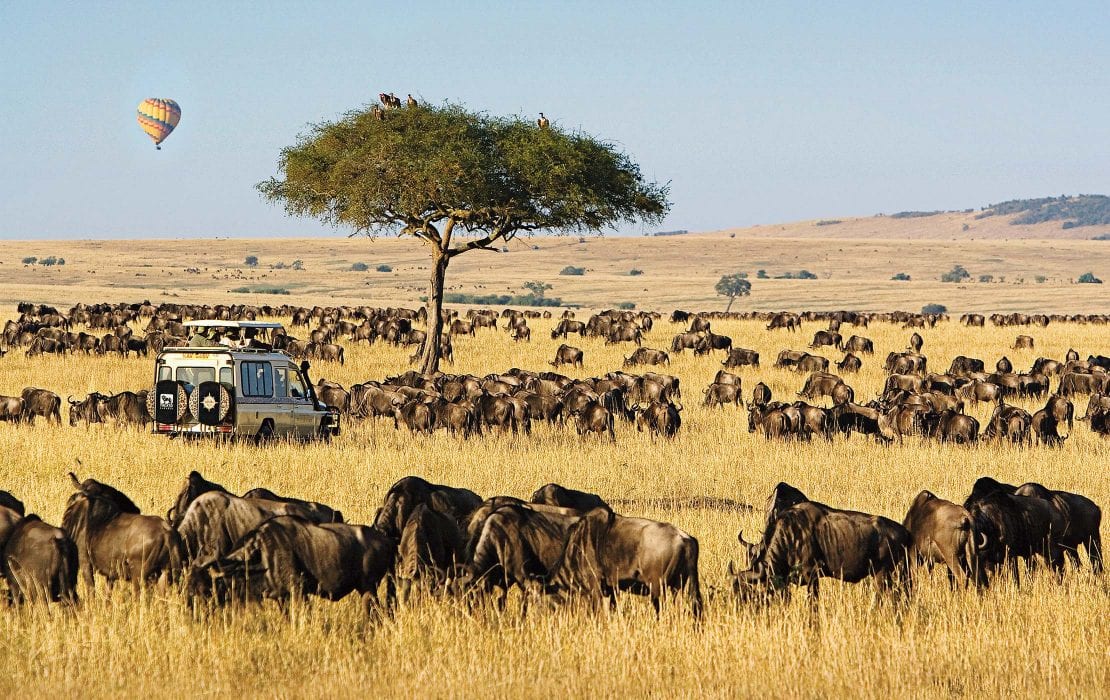
14 days is not too long for a Kenya safari; it is actually an ideal duration for an in-depth, relaxed, and comprehensive experience. While 5–7 days can cover major parks, a two-week trip allows you to explore diverse locations—such as the Masai Mara, Samburu, Amboseli, and Lake Nakuru—without rushing.
14-days-2-week-exclusive-kenya-tanzania-safari-tour-holiday-combined-vacation
14-days-ultimate-kenya-tanzania-safari-to-zanzibar-beach-beach-holidays
14-days-kenya-birding-safari-and-wildlife-watching
14-days-best-of-kenya-safari-holiday-2-weeks-africa-kenya-safari-vacation
Comprehensive Coverage: The Full Spectrum of Biodiversity
A 14-day window is the mechanical requirement for spanning the vast distances between Kenya’s disparate ecosystems. In a shorter trip, travelers are often forced to choose between the iconic southern parks or the rugged northern frontier. With 14 days, you can bridge this gap, experiencing the Southern Circuit (Amboseli and Tsavo) and the Northern Frontier (Samburu and Meru).
The contrast is staggering. In the south, you witness the "Land of Giants"—Amboseli’s massive elephant herds roaming beneath the snows of Kilimanjaro. By heading north to Samburu and Meru, the environment shifts to a parched, red-earth desert where you find the "Samburu Special Five" (the Grevy’s zebra, reticulated giraffe, gerenuk, Beisa oryx, and Somali ostrich). These species are physically adapted to the arid north and are rarely, if ever, seen in the southern savannas. Including both regions provides a complete narrative of African wildlife, from the lush wetlands and volcanic springs of the south to the palm-fringed rivers and jagged mountains of the north.
Unrushed Experience: Combatting "Safari Fatigue"
One of the most overlooked benefits of a 14-day itinerary is the psychological and physical comfort it provides. Safaris are exhilarating, but they are also demanding; they involve 5:30 AM wake-up calls, dusty roads, and long hours in a 4x4 vehicle—often referred to as the "African Massage." In a 7-day rush, you spend a significant percentage of your waking hours in transit between parks, which leads to "safari fatigue" and a feeling that you are merely checking boxes.
With 14 days, the pace slows down. You can afford to stay three or four nights in a single location rather than just two. This allows you to truly "settle in" to the rhythm of the bush. You can spend a midday afternoon napping in a hammock, reading a book by the pool, or enjoying a slow, multi-course lunch without feeling like you are missing a critical game drive. This unhurried pace ensures that you return from your vacation feeling rejuvenated rather than exhausted, with a deeper, more intimate connection to the landscapes you have traversed.
Greater Wildlife Opportunities: The Power of Patience
In the wild, there are no scripts. Wildlife viewing is a game of probability, and time is your greatest asset. A 14-day safari significantly skews the odds in your favor for witnessing rare events that "day-trippers" often miss. If you only have two days in the Maasai Mara, your chance of seeing a leopard hunt or a cheetah at full sprint is relatively low. With four or five days in the Mara, those odds increase exponentially.
This is particularly critical for the Great Wildebeest Migration. The iconic river crossings are entirely unpredictable; the herds may gather at the riverbank for hours—or even days—before a single wildebeest takes the plunge. A 14-day trip grants you the luxury of patience. You can spend an entire morning parked by the Mara River, waiting for that perfect "National Geographic" moment. Furthermore, extra time allows your guide to track elusive "Master of Disguise" species like the caracal, the serval, or the African wild dog, which require multiple drives and expert tracking to locate.
Variety of Activities: Beyond the Vehicle
When a safari is short, the schedule is usually dominated by traditional 4x4 game drives because they offer the highest density of animal sightings in the least amount of time. However, Kenya offers a wealth of "off-road" experiences that require a more flexible schedule. A 14-day itinerary allows you to intersperse your vehicle-based drives with a diverse range of active and cultural pursuits.
You can dedicate a day to a walking safari on Crescent Island or a guided bush walk with a Samburu tracker to learn about the "Little Five" (insects and small mammals). You can take a boat safari on Lake Naivasha to see hippos or spend a morning bird watching in the Rift Valley, where over 400 species can be spotted. Additionally, a longer trip facilitates more meaningful cultural visits. Instead of a quick, hour-long stop at a village, you can engage in community-run conservation projects or visit a local school, gaining a genuine understanding of how the Maasai and Samburu people live alongside the wildlife. This variety ensures the experience remains fresh and multi-dimensional throughout the entire two-week journey.
14 Days Kenya safari tour
This 14-day Kenya Safari Tour is a definitive odyssey through the "Home of the Safari," offering a comprehensive traverse from the rugged Northern Frontier to the iconic southern savannas. Designed for the true wilderness enthusiast, this journey bridges the gap between diverse ecosystems, starting with the arid, red-earth landscapes of Samburu where specialized "Special Five" species thrive. You will then navigate the volcanic wonders of the Great Rift Valley, witnessing the rhino sanctuaries of Lake Nakuru and the freshwater serenity of Lake Naivasha. The heart of the adventure beats in the legendary Maasai Mara, home to the Great Migration and Africa’s densest predator populations. The expedition culminates in the shadow of Mount Kilimanjaro in Amboseli and the ancient, red-dust plains of Tsavo. This two-week narrative is a profound immersion into Kenya’s natural heritage, blending high-octane wildlife encounters with unhurried moments of reflection in the world’s most celebrated animal sanctuaries.
Day 1: Arrival in Nairobi
Your journey begins in Nairobi, a bustling metropolis where skyscrapers meet the savanna. Upon arrival at Jomo Kenyatta International Airport, you will be met by your guide and transferred to a boutique hotel. The afternoon is dedicated to the city’s renowned conservation landmarks: the David Sheldrick Elephant Orphanage and the Giraffe Centre. Here, you will witness the rehabilitation of orphaned calves and hand-feed endangered Rothschild’s giraffes, providing an intimate introduction to Kenya's wildlife protection efforts. Nairobi serves as the perfect staging ground, allowing you to acclimate to the altitude and enjoy a briefing on the upcoming circuit. As evening falls, a welcome dinner featuring local fusion cuisine sets the tone for your expedition. This first day is about grounding yourself in the East African atmosphere before heading into the rugged northern frontier tomorrow morning.
Day 2: Journey to Samburu Reserve
Heading north, the landscape transforms dramatically as you cross the Equator and watch the lush central highlands give way to the semi-arid plains of the Samburu National Reserve. This rugged wilderness is defined by the Ewaso Ng’iro River, a lifegiving artery lined with Doum palms. After a scenic drive, you will arrive at your riverfront lodge in time for an afternoon game drive. Samburu is famous for its "Special Five"—the reticulated giraffe, Grevy’s zebra, Somali ostrich, Beisa oryx, and the long-necked gerenuk—species specifically adapted to this parched environment. The harsh, red-earth beauty of the northern frontier provides a striking contrast to the parks you will visit later. As the sun sets over the Koitogor hills, you will enjoy a communal dinner, listening to the nocturnal calls of the wild.
Day 3: Samburu’s Unique Wildlife
A full day in Samburu allows for a deep exploration of its desert-adapted biodiversity. During early morning and late afternoon game drives, you will track the predators that thrive here, including lions, cheetahs, and the elusive leopards that frequent the riverine thickets. The riverbanks are a magnet for massive elephant herds, which are often seen bathing and playing in the water to escape the midday heat. Samburu is also an avian paradise, hosting over 450 bird species ranging from the vibrant vulturine guineafowl to various birds of prey. Between drives, you can relax at the lodge or visit a local Samburu village to learn about their traditions, which are closely linked to their northern heritage. This day emphasizes the remarkable evolutionary adaptations of animals in arid environments, a cornerstone of your Kenyan safari.
Day 4: Ol Pejeta Conservancy
Leaving the desert behind, you travel to the private Ol Pejeta Conservancy, a world-class sanctuary nestled between the Aberdare Range and Mount Kenya. Ol Pejeta is a global leader in rhino conservation and is home to the world’s last remaining northern white rhinos. Your game drives here offer a high probability of seeing both black and white rhinos, alongside the Big Five. A unique highlight is the Sweetwaters Chimpanzee Sanctuary, the only place in Kenya where you can see rescued primates. The conservancy’s focus on integrated wildlife management—where cattle and wildlife coexist—provides a fascinating look at modern conservation. The evening concludes with a night game drive, offering a rare opportunity to spot nocturnal species like aardvarks and bat-eared foxes before retreating to your luxury tented camp.
Day 5: Lake Nakuru Rhino Sanctuary
You descend into the Great Rift Valley to reach Lake Nakuru National Park, a stunning soda lake famous for its vibrant birdlife and specialized rhino sanctuary. The park’s acacia woodlands and grassy plains provide the perfect habitat for rhinos, which are frequently spotted grazing near the water. You will also search for the rare Rothschild’s giraffe and the famous tree-climbing lions that inhabit the park’s forest fringes. A drive to Baboon Cliff offers a panoramic view of the lake, which is often fringed with a pink hue from thousands of flamingos and pelicans. Lake Nakuru’s compact size ensures high-density wildlife viewing, making every game drive exceptionally productive. This stop is essential for checking off your "Big Five" list, particularly the elusive rhinos, in a setting of immense geological and avian beauty.
Day 6: Lake Naivasha and Crescent Island
The journey continues to Lake Naivasha, the highest freshwater lake in the Rift Valley. Here, the pace shifts to a more tranquil, water-based exploration. You will enjoy a private boat safari, gliding past massive pods of yawning hippos and spotting African fish eagles perched in the yellow-fever trees. The highlight is a walking safari on Crescent Island, a private sanctuary where you can walk among giraffes, zebras, and waterbucks without the confines of a vehicle. This intimate interaction with nature is a favorite for photographers, providing a tactile connection to the landscape. The lush, green surroundings and the absence of predator tension create a restorative atmosphere before you head into the high-adrenaline environment of the Maasai Mara tomorrow. It is a day of gentle exploration and profound peace.
Day 7: The Maasai Mara Arrival
Day seven marks your entry into the legendary Maasai Mara National Reserve, the crown jewel of African safaris. The drive across the Loita Plains brings you to the rolling, golden savannas that host the world’s most famous wildlife spectacle. You will arrive in time for a gourmet lunch and an afternoon game drive in search of the big cats. The Mara is where the "Kingdom of Lions" truly comes alive, and you are likely to encounter prides within your first few hours on the plains. You will check into a luxury tented camp, where the sounds of the African night provide a primal soundtrack to your evening. The sheer scale of the landscape and the abundance of herbivores create an atmosphere of primal energy that defines the heart of your safari.
Day 8: Big Cats and the Mara River
A full day in the Maasai Mara allows for an extensive exploration of the various sectors, including the banks of the Mara River. Your guide will track the "Big Five," with a special focus on the elusive leopards and cheetahs that dominate these plains. If visiting during the migration season, you will witness the dramatic movement of thousands of wildebeest and zebras risking crocodile-infested waters in their search for greener pastures. The Mara offers a front-row seat to the rawest forms of nature, from high-speed hunts to the complex social dynamics of the prides. Between drives, enjoy a luxury bush picnic under a lone acacia tree, fully immersed in the wilderness. This day represents the peak of predator viewing, delivering high-octane wildlife drama with the highest level of personal service.
Day 9: Mara Cultural Discovery
Today you explore the more exclusive Mara North Conservancy or revisit favorite spots in the main reserve. This allows for a more private wildlife experience, often resulting in spectacular sightings of cheetahs on the hunt. In the afternoon, you will visit a traditional Maasai Manyatta to learn about the ancient culture that has coexisted with these predators for centuries. You will witness their traditional jumping dance and gain insight into their warrior traditions, beadwork, and medicinal plants. This interaction provides a human dimension to the landscape, highlighting the delicate balance between ancient human traditions and modern wildlife conservation. The day ends with a sunset "sundowner" on a ridge overlooking the vast plains, a classic safari tradition that allows you to reflect on the immense beauty of the African savanna.
Day 10: Amboseli and Kilimanjaro Views
Your journey heads toward the border with Tanzania to Amboseli National Park, world-renowned for its large herds of free-ranging elephants and the iconic backdrop of Mount Kilimanjaro. As you enter the park, the snow-capped peak of Africa’s highest mountain provides a breathtaking silhouette against the dusty lakebeds. Your afternoon game drive focuses on the elephants that frequent the park’s permanent swamps, often seen wallowing in the water or walking in single-file lines across the plains. Amboseli’s open terrain makes wildlife spotting exceptionally easy, and you are likely to see buffaloes, hippos, and various bird species. The blend of massive tuskers and the majestic mountain creates a sensory experience that is unique to southern Kenya. You will stay at a lodge with panoramic views of the "Roof of Africa."
Day 11: Amboseli Elephant Plains
A full day in Amboseli allows you to explore the park’s diverse habitats, from the dried-up bed of Lake Amboseli to the lush Enkongo Narok swamp. You will witness the incredible intelligence and social bonds of the elephant families that have been studied here for decades. The park is also home to cheetahs and spotted hyenas, which are often spotted in the early morning light. For a panoramic perspective, you will visit Observation Hill, which offers views of the entire park and the towering mountain. This day is about the slow, deliberate pace of the elephants and the immense scale of the landscape. As part of your grand circuit, Amboseli provides the most "photogenic" wildlife encounters, where every frame is dominated by the presence of Kilimanjaro and the giant tuskers.
Day 12: Tsavo West Volcanic Wonders
Your safari enters its final chapter as you move into Tsavo West National Park, a rugged landscape of ancient lava flows and volcanic hills. You will visit Mzima Springs, where crystal-clear water gushes from underground, creating a sanctuary for hippos and crocodiles that can be viewed from an underwater observatory. The park’s geography is dramatic, featuring the Shetani lava flow and the "Roaring Rocks" vantage points. Tsavo West is also home to the Ngulia Rhino Sanctuary, providing another chance to see these rare creatures. The dense vegetation and hilly terrain make game spotting more of a challenge, but the rewards are sightings of "red elephants"—colored by the park's vibrant volcanic soil. The evening is spent at a lodge perched on a rocky outcrop, offering a bird's-eye view of the wilderness.
Day 13: Tsavo East Red Savanna
The penultimate day takes you across the highway into Tsavo East National Park, one of the largest and oldest parks in the world. Known for its flat, expansive plains and the Yatta Plateau, Tsavo East offers a sense of total isolation. You will search for the famous "man-eaters of Tsavo" lion prides and the large herds of buffalo that roam the Galana River banks. The park’s red earth provides a striking backdrop for photography, especially when capturing the elephants that have become synonymous with this region. You will visit Aruba Dam, a popular watering hole for a variety of game. This final savanna experience captures the raw, untamed spirit of the African bush, providing a rugged and authentic conclusion to your big-game viewing adventure before returning to the city.
Day 14: Return to Nairobi
On the final day, you will enjoy a final early morning game drive in Tsavo East, catching the last glimpses of the savanna’s inhabitants. After a hearty breakfast, you begin the drive back to Nairobi, or alternatively, board the Madaraka Express train for a scenic rail journey through the park. You will arrive in the capital by late afternoon, where a farewell dinner at a famous restaurant allows you to reminisce about the incredible journey through Kenya's premier parks. Your guide will provide a transfer to Jomo Kenyatta International Airport for your evening flight. You depart with a full camera, a deep appreciation for Kenya’s conservation efforts, and memories of the Big Five, the migration, and the majestic Kilimanjaro that will stay with you forever.
Deciding on the duration of your African adventure is a critical step in the planning process. In 2026, the 14-day Kenya safari has emerged as the definitive "gold standard" for travelers seeking a profound connection with the wild. Here is a deep dive into why two weeks is the optimal timeframe for your journey.
1. Is 14 days too long for a Kenya safari?
Far from being too long, 14 days is the ideal duration for a truly comprehensive and immersive experience. In the world of safari, time is your most valuable asset. A two-week window allows you to move beyond the "highlight reel" and enter a state of "safari rhythm," where you are no longer rushing to check boxes but are instead deeply observing animal behavior.
It provides the mechanical time necessary to traverse the vast distances between Kenya's disparate ecosystems—from the arid northern frontier of Samburu to the lush Great Rift Valley and the southern savannas of the Mara and Amboseli. Most importantly, it accounts for the physical toll of travel. Shorter trips often leave guests exhausted due to the "African massage" (bumpy roads) and daily pack-and-move schedules. In 14 days, you can afford to spend three or even four nights in a single camp, allowing you to unpack, relax, and truly feel at home in the bush.
2. What can I see in 14 days that I can't in 7?
A 7-day safari is almost exclusively limited to one or two parks, usually the Maasai Mara and perhaps Lake Nakuru or Amboseli. In contrast, 14 days allows for a full circuit that encompasses the northern, central, and southern regions. You can include the Samburu Special Five (Grevy’s zebra, reticulated giraffe, Beisa oryx, gerenuk, and Somali ostrich), which are geographically restricted to the north and cannot be seen in the Mara.
Furthermore, you can explore the volcanic wonders of Tsavo West, the red-dust plains of Tsavo East, and the specialized rhino sanctuaries of Ol Pejeta. While a 7-day trip focuses on the "Big Five," a 14-day trip introduces you to the "Special Five," the "Little Five," and the incredible diversity of Kenya’s topography—from the shadows of Mount Kenya to the shimmering soda lakes of the Rift Valley.
3. Will I get bored of animals on a 14-day Kenya safari?
Safari fatigue is a common concern, but a 14-day itinerary is specifically designed to prevent it by providing ecological variety. Boredom usually stems from seeing the same landscape and the same species every day. In two weeks, your environment shifts every few days.
You go from the dry, red-earth riverbanks of Samburu to the mist-shrouded forests of the Aberdares, and then to the freshwater serenity of Lake Naivasha. Each ecosystem hosts different species and behaviors. Furthermore, a longer trip allows you to break up game drives with alternative activities—such as boat safaris, walking tours, or even a hot-air balloon ride—ensuring that your interaction with the wild remains fresh, multi-dimensional, and consistently surprising.
4. How does a 14-day itinerary split time between parks and the beach?
A common and highly recommended 14-day structure follows a "10+4" formula: ten days of intense wildlife viewing across three or four premier parks, followed by four days of relaxation on the Kenyan coast. This provides a perfect balance of adrenaline and rejuvenation.
You might start with a rugged circuit through Samburu, Lake Nakuru, and the Maasai Mara, and then take a domestic flight from the Mara directly to Diani Beach or Watamu. After the early 5:30 AM wake-up calls and dusty game drives, the tropical Indian Ocean offers a much-needed change of pace. You can spend your final days snorkeling, diving, or simply reflecting on your wildlife encounters while enjoying fresh seafood under a palm tree.
5. Is a 14-day Kenya safari too fast-paced?
Counter-intuitively, a 14-day safari is actually slower-paced than shorter options. On a 7-day trip, the pressure to see everything forces you into a "one-night-stand" lodge schedule, where you arrive late, sleep, do one game drive, and leave. This is physically and mentally taxing.
In a 14-day plan, you have the luxury of 3+ nights in key locations. This allows for "slow safari" moments—spending an entire morning watching a lion pride or an afternoon sitting by a watering hole waiting for a leopard. It eliminates the feeling of being "on the clock" and allows you to enjoy the amenities of your luxury lodges, such as the spas, swimming pools, and library lounges, which are often missed on faster trips.
6. Can I combine Tanzania with my 14-day Kenya safari?
Yes, 14 days is the perfect amount of time for a dual-country East African odyssey. Because the Maasai Mara and the Serengeti share a single ecosystem, combining them provides a holistic view of the Great Migration.
A typical 14-day cross-border route might include 6 days in Kenya (Nairobi and the Mara) and 8 days in Tanzania (Serengeti, Ngorongoro Crater, and Lake Manyara). While this involves a border crossing (usually at Isebania or via a flight), the two-week duration ensures you don't spend your whole vacation in transit. It allows you to compare the different conservation styles and landscapes of the two giants of African safari.
7. Is a 14-day Kenya safari suitable for families?
For families traveling with children, 14 days is significantly better than a shorter trip. Children can find the long drives and early starts of a safari exhausting. A longer itinerary allows for "rest days" where you can stay at the lodge, play in the pool, or engage in "Junior Ranger" programs.
It also permits a more flexible schedule where you don't have to be in the vehicle for 8 hours a day. You can do shorter, more frequent game drives and include child-friendly activities like the Sheldrick Elephant Orphanage in Nairobi or boat rides on Lake Naivasha. The slower pace reduces stress for parents and keeps the adventure exciting rather than draining for younger explorers.
8. What is the best route for a 14-day Kenya safari?
The most comprehensive route for a 14-day tour is the "Grand Kenyan Circuit." It traditionally flows as follows:
- Nairobi (1 Night): Acclimatization and Giraffe Centre.
- Samburu (3 Nights): The arid North and the "Special Five."
- Lake Nakuru/Ol Pejeta (2 Nights): Rhinos and Chimpanzees.
- Maasai Mara (4 Nights): The Big Cats and Great Migration.
- Amboseli (2 Nights): Large elephant herds and Kilimanjaro views.
- Coast/Diani (2 Nights): Tropical relaxation before flying home.
This route moves from the rugged desert to the lush lakes, the iconic savanna, and finally the ocean, providing the ultimate narrative of Kenya's diverse geography.
9. How does 14 days affect the budget?
While the total cost of a 14-day safari is higher than a 7-day trip, it often provides better value per day. Many of the high fixed costs—such as international flights, the Kenya eTA fee, and the initial 4x4 vehicle setup—are spread over 14 days instead of 7.
Additionally, many luxury lodges offer "Stay 4, Pay 3" or "Stay 3, Pay 2" deals during the shoulder seasons, which are only accessible on longer itineraries. You are also less likely to feel the need to pay for expensive "last-minute" local flights to save time, as your schedule allows for scenic road transfers. In short, your "cost-per-lion-sighting" is often lower on a two-week trip.
10. Is 14 days necessary to see the Great Migration?
While you can technically see the migration in 3 days, 14 days exponentially increases your probability of witnessing a river crossing. The herds are notoriously unpredictable; they may stand on the riverbank for 48 hours before crossing.
If you only have a few days, you might miss the event entirely. With a 14-day itinerary, you can spend 4 or 5 nights in the Mara, giving you the patience to wait for the "National Geographic" moment. Furthermore, 14 days allows you to visit different sectors of the Mara (such as the Mara Triangle and the private conservancies), giving you a much broader perspective on the sheer scale of the 1.5 million-strong herd.
11. Can I add cultural experiences to my 14-day safari?
Absolutely. A common regret on shorter safaris is that cultural visits feel "rushed" or "staged." With 14 days, you have the time for authentic cultural immersion. You can spend a full morning in a Maasai Manyatta or a Samburu village, participating in traditional activities like fire-starting, beadwork, or livestock herding.
Beyond the villages, you can visit local schools or community-led conservation projects (like the Reteti Elephant Sanctuary). This "human element" is often what travelers remember most vividly, and having an extra week ensures these interactions are respectful, unhurried, and deeply insightful rather than just a quick photo opportunity.
12. Is a 14-day Kenya safari good for birdwatchers?
Kenya is one of the world's top birding destinations, with over 1,100 species. For a birdwatcher, 14 days is the minimum requirement to see a meaningful portion of that diversity. Shorter trips focus on mammals, but a 14-day route can include specialized birding hotspots like Lake Baringo, Lake Bogoria, and the Kakamega Forest.
You can spend time tracking the elusive Shoebill or the vibrant Albertine Rift endemics. The slower pace of a 14-day trip is essential for birding, as it allows you to stop the vehicle for a "Little Brown Job" or wait for a Kingfisher to dive, moments that are often bypassed on "Big Five" focused tours.
13. What is the best time for a 14-day Kenya safari?
The best time is during the Dry Season (July to October), which coincides with the Great Migration. However, because you have 14 days, the "Green Season" (April to June) is also a fantastic option.
In the dry season, you get the highest concentration of animals around water holes. In the green season, you get fewer crowds, lower prices, and stunning emerald-green landscapes that are perfect for photography. A 14-day trip in the green season is particularly beautiful because the dust is settled, the air is clear, and you can see newborn animals everywhere. The duration gives you enough "buffer" time should a heavy rain shower occur.
14. Do I need to fly between parks on a 14-day Kenya safari?
With 14 days, you have the flexibility to mix driving and flying. In a shorter trip, you often must fly to see more than one park, which adds significant cost. In two weeks, you can drive the scenic routes (like Nairobi to Nakuru) to see the countryside and local life, but perhaps fly the longest leg (like Maasai Mara to Amboseli or the Coast).
This "hybrid" approach is the most popular in 2026. It allows you to see the "real Kenya" from the ground while using light aircraft to bypass the most exhausting road stretches, ensuring you arrive at your next destination fresh and ready for a game drive.
15. Is 14 days long enough to visit the coast?
Yes, 14 days is the perfect amount of time to include a legitimate beach holiday. On a 10-day trip, a trip to the coast feels like an afterthought—a quick 2-night stay that barely allows you to unpack.
In 14 days, you can enjoy a full 4 to 5 days at Diani Beach, Watamu, or Lamu. This is enough time to get into "island time," enjoy a dhow sailing trip, go deep-sea fishing, or simply recover from the physical intensity of the safari. It ensures that you return home not just with incredible wildlife photos, but with the genuine relaxation of a tropical beach vacation.
16. What should I pack for a 14-day Kenya safari?
Packing for two weeks in the bush requires a balance of utility and weight management. Most internal flights have a 15kg (33lb) limit in soft-sided bags.
- Clothing: Focus on neutral-colored, breathable layers. You need "Safari Greens/Tans" to blend in and avoid tsetse flies (who love blue/black).
- Temperature Prep: Pack a warm fleece or down jacket; pre-dawn game drives in open vehicles are freezing, even on the equator.
- Laundry: Almost all lodges offer daily laundry services, so you only need to pack enough for 4–5 days.
- Tech: Bring extra memory cards and a power bank. You will be taking thousands of photos over 14 days, and while most vehicles have charging ports, a backup is essential for long days in the field.
Booking 14 Days Kenya safari with us Roads of Adventure safaris
Book a 14-day Kenya safari with Roads of Adventure Safaris to explore iconic destinations like Maasai Mara, Lake Nakuru, and Amboseli. Their 2-week itineraries focus on immersive wildlife experiences, expert guiding, and customized 4x4 transport for an unforgettable adventure
