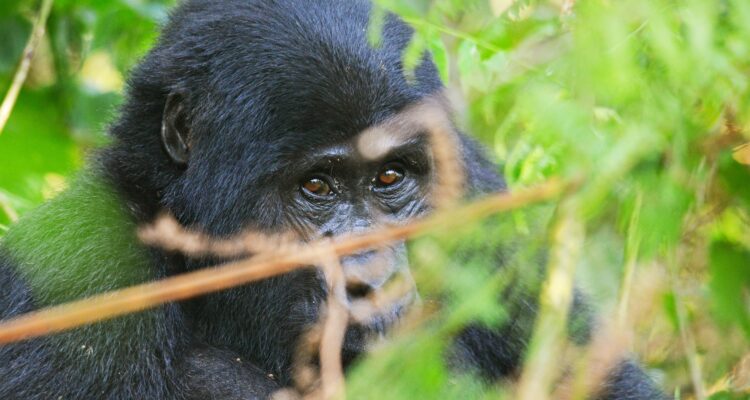
Yes, 12 days is considered an ideal, comfortable duration for a first-time safari in Uganda, allowing you to cover the "full circuit"—including gorillas, chimpanzees, and savannah game drives—without rushing. It provides enough time to visit top parks like Bwindi, Kibale, and Queen Elizabeth, offering a deep, immersive experience of the country's diverse ecosystems. 12-days-luxury-safari-in-uganda-parks
12-days-perfect-rwanda-uganda-gorilla-trekking-safari-holiday-vacation
12-days-uganda-wildlife-primate-experience-and-lake-mutanda-vacation
12-days-all-inclusive-uganda-wildlife-and-primate-safari
12-days-uganda-birding-tour-looking-for-rift-valley-endemic-birds-west-circuit
12-days-best-uganda-rwanda-primate-safaris-and-akagera-big-five-safaris
12-days-best-uganda-safari-big-five-and-uganda-primate-safari
12-days-uganda-safari-and-tours-combined-with-zanzibar-beach-vacation
Why 12 Days is Perfect for First-Timers
Comprehensive Coverage
For a first-time visitor to the "Pearl of Africa," a 12-day itinerary serves as the ultimate introduction because it bridges the gap between two vastly different ecosystems: the dense, ancient rainforests and the sprawling, golden savannas. Uganda is unique in that it offers both "Big Five" game viewing and world-class primate trekking, but these highlights are geographically dispersed. A shorter trip often forces travelers to choose one over the other, but 12 days provides the necessary "real estate" in the calendar to visit Murchison Falls for lions and elephants, Kibale for chimpanzees, and Bwindi for the mountain gorillas.
This duration ensures that your experience is balanced and multi-dimensional. You aren't just checking boxes; you are witnessing the full spectrum of African biodiversity. In the north and west, you experience the classic safari of open plains and acacia trees, while in the southwest, you enter a prehistoric world of mist-covered mountains and giant ferns. By including both environments, first-timers gain a deep understanding of why Uganda is considered a biological crossroads. Furthermore, a 12-day trip allows for the inclusion of specialized habitats like the Ziwa Rhino Sanctuary, ensuring that your "Big Five" list is completed in a single, cohesive journey. This comprehensive approach transforms a simple holiday into a definitive wildlife expedition.
Ideal Pace
One of the biggest mistakes first-time safari-goers make is underestimating the "African Mile." Distances in Uganda are not measured in kilometers, but in hours, due to the winding nature of the roads and the rugged terrain of the Albertine Rift. A 12-day itinerary is the "Goldilocks" of travel timing—it is just long enough to avoid the exhaustion of "marathon" driving. Instead of spending 8 hours in a vehicle every single day to rush between parks, a 12-day schedule allows for "double nights" at almost every major destination.
Staying two or three nights in a single lodge is a game-changer for the first-timer. it allows you to unpack, settle in, and truly absorb the atmosphere of the bush. It provides the flexibility to have a morning game drive and an afternoon of relaxation by the pool, rather than immediately loading back into the Land Cruiser for the next transit leg. This relaxed pace is also practical; it gives you a "buffer" in case of tropical downpours or slow-moving wildlife sightings. By reducing the pressure to move constantly, the 12-day pace ensures you return home feeling rejuvenated by nature rather than drained by the logistics of the journey itself.
Beyond the Basics
While the "Big Three"—gorillas, chimps, and lions—are the primary draws, Uganda’s true magic often lies in the experiences that happen in between. A 12-day window provides the luxury of time to explore activities that shorter itineraries are forced to cut. This includes iconic boat cruises on the Kazinga Channel or the base of Murchison Falls, which offer a completely different perspective on wildlife than a vehicle-based drive. You get to see hippos and crocodiles at eye level, a highlight that adds a nautical dimension to your adventure.
Furthermore, 12 days allows for meaningful cultural and landscape-focused detours. You can spend a full day at Lake Bunyonyi, the "Lake of a Thousand Islands," where the focus shifts from tracking animals to canoeing, birding, and enjoying some of the most beautiful vistas in East Africa. It also creates space for community tourism, such as visiting a coffee farm, a traditional homestead, or a Batwa forest experience. These interactions provide the cultural context that makes a trip significant, allowing first-timers to connect with the Ugandan people and their way of life. By going "beyond the basics," you ensure your first safari is a well-rounded immersion into the soul of the country, rather than just a photographic hunt for large mammals.
Recommended 12-Day Focus Areas
Primate Focus: Gorilla & Chimpanzee Trekking
The crown jewels of a Ugandan safari are undoubtedly the mountain gorillas and chimpanzees. Uganda is one of the few places on Earth where you can encounter both in their natural, ancient habitats. A 12-day journey typically centers on Bwindi Impenetrable National Park or Mgahinga Gorilla National Park for the gorilla experience. Here, the trek is a physical and spiritual pilgrimage through dense, prehistoric greenery. Standing just meters away from a $200\text{ kg}$ silverback as he calmly watches over his troop is a profound reminder of our shared lineage. The one hour permitted for observation is a silent, transformative window into a world that feels untouched by time.
Further north, the focus shifts to Kibale Forest National Park, famously known as the primate capital of the world. Kibale boasts the highest density and diversity of primates in Africa, with 13 species recorded. Tracking chimpanzees here is a high-energy contrast to the steady climb of a gorilla trek. Chimpanzees are vocal and highly mobile; you will likely hear their echoing "pant-hoots" before you see them. Watching them swing through the canopy or socialise on the forest floor offers a fascinating look at their complex, human-like behaviors. Together, these two encounters provide a comprehensive primate experience that is unmatched globally, combining the raw power of the mountain gorilla with the intelligent, frantic energy of the chimpanzee.
Wildlife & Scenery: Queen Elizabeth & Murchison Falls
While primates draw many to Uganda, the savanna parks offer classic African landscapes teeming with a different kind of drama. Murchison Falls National Park is defined by the mighty Nile River. Here, the world’s longest river is squeezed through a narrow $7\text{-meter} $ gap, creating a thunderous explosion of water. The surrounding plains are a haven for the rare Rothschild’s giraffe, massive herds of elephants, and lions. A boat cruise to the base of the falls provides a unique aquatic safari, where you can photograph hundreds of hippos and massive Nile crocodiles against the backdrop of the thundering falls.
South of Murchison lies Queen Elizabeth National Park, a landscape of volcanic craters, shimmering lakes, and the iconic Kazinga Channel. This park is most famous for the Ishasha sector, where a unique population of lions has developed the unusual habit of climbing ancient fig trees to escape the heat and tsetse flies. Seeing a pride of lions draped over heavy branches like leopards is one of the rarest sights in the safari world. The park's diverse ecosystems—ranging from savanna to humid forests and fertile wetlands—ensure that every game drive feels different, offering a visual feast of biodiversity that perfectly complements the mountain scenery of the primate forests.
Rhino Tracking: Ziwa Rhino Sanctuary
The Ziwa Rhino Sanctuary serves as a vital conservation bridge on the journey from Entebbe to the northern savanna. It is currently the only place in Uganda where you can see southern white rhinos in the wild. Following the tragic extinction of rhinos in Uganda due to poaching in the 1980s, Ziwa was established to reintroduce these magnificent "Big Five" members back into the ecosystem. The ultimate goal of the sanctuary is to breed enough rhinos to eventually release them into protected national parks like Murchison Falls and Kidepo Valley.
What makes Ziwa particularly special for the 12-day traveler is the opportunity for a walking safari. Unlike traditional game drives where you observe from a vehicle, at Ziwa, you head out on foot with an expert ranger. Walking through the acacia woodlands to find these $2,000\text{ kg}$ giants is a pulse-pounding experience. Because the rhinos are under 24-hour protection by armed guards, they are relatively habituated to the presence of humans on foot, allowing for incredible photographic opportunities at a safe but intimate distance. This stop not only completes the "Big Five" checklist but also offers a poignant look at the dedication required for wildlife conservation in the 21st century, providing a meaningful and educational start to any Ugandan adventure.
12-day safari in Uganda
A 12-day safari in Uganda offers an unparalleled immersion into the "Pearl of Africa," a land where the vast East African savanna meets the dense, misty jungles of Central Africa. This comprehensive journey is meticulously designed for those who seek to witness the full spectrum of Africa’s biodiversity, from the thundering Murchison Falls on the Victoria Nile to the ancient, high-altitude rainforests of Bwindi.
Throughout this 12-day safari in Uganda, you will cross the equator, navigate historic waterways, and traverse diverse national parks that are home to the "Big Five" and half of the world’s remaining mountain gorillas. This vacation is not just about wildlife sightings; it is an invitation to explore vibrant cultures, dramatic volcanic landscapes, and serene crater lakes. Whether you are tracking chimpanzees through the canopy or searching for tree-climbing lions in Ishasha, this extended itinerary ensures a balanced pace, allowing you to absorb the magic of Uganda in total comfort and depth.
Day 1: Arrival and Welcome to Entebbe
Your 12-day safari in Uganda begins at Entebbe International Airport, a gateway perched on the shores of Lake Victoria. Upon arrival, you will be greeted by your expert guide and transferred to your lodge for a briefing. If you arrive early, you can explore the Entebbe Botanical Gardens, where the lush canopy is filled with Great Blue Turacos and black-and-white colobus monkeys. Alternatively, take a boat trip to the Mabamba Swamp to search for the prehistoric-looking Shoebill stork. The evening is spent relaxing by the lakeside, enjoying a fresh tilapia dinner and the cooling breeze of Africa’s largest freshwater lake. This first night provides a gentle introduction to the tropical climate and the warm hospitality that will define your journey across the country over the coming days.
Day 2: Ziwa Rhino Tracking and Murchison Falls
Heading north, the second day of your 12-day safari in Uganda brings you to the Ziwa Rhino Sanctuary. This is the only place in the country where you can track southern white rhinos on foot. Walking through the savanna with armed rangers to find these massive, prehistoric giants is a heart-pounding experience and completes the first of your "Big Five" encounters. After a local lunch, you continue the drive into Murchison Falls National Park. You will visit the "Top of the Falls," where the mighty Nile River is forced through a narrow 7-meter gorge, creating a thunderous roar and a permanent rainbow. The raw power of the water crashing into the "Devil’s Cauldron" is a spectacular sight and a fitting introduction to the dramatic landscapes of Uganda’s oldest and largest protected wilderness area.
Day 3: Game Drives and the Victoria Nile Cruise
An early start on your 12-day safari in Uganda takes you across the Nile for a sunrise game drive. The northern savanna is home to Rothschild’s giraffes, elephants, lions, and the elegant Uganda kob. Your guide will track predators as they conclude their nocturnal hunts before the heat of the day sets in. In the afternoon, you will board a boat for a cruise toward the base of the falls. The riverbanks are a theater of wildlife; you will see hundreds of hippos, massive Nile crocodiles, and buffaloes wallowing in the shallows. The boat offers a unique perspective for photography, especially as elephants come down to the water’s edge to drink. The spray from the falls provides a cooling mist as you approach the base, capping off a day of classic African wildlife viewing.
Day 4: Travel to the Primate Capital, Kibale
On day four of your 12-day safari in Uganda, you leave the savanna behind and head southwest toward Kibale Forest National Park. This is a day of scenic transit, passing through the Albertine Rift escarpment and the lush "Green Land" of the Bunyoro kingdom. You will drive through sprawling tea plantations that carpet the rolling hills in vibrant green, arriving in the charming town of Fort Portal. Nestled under the shadow of the "Mountains of the Moon" (the Rwenzoris), this region feels like a different world. As you enter the Kibale area, the air becomes cooler and the vegetation denser. Your lodge, situated on the edge of the rainforest or overlooking a volcanic crater lake, provides the perfect base for your upcoming primate encounters in what is widely considered the primate capital of the world.
Day 5: Chimpanzee Tracking and Bigodi Wetland
Today focuses on primates during your 12-day safari in Uganda. After a briefing at the Kanyanchu Visitor Center, you head into the tropical rainforest of Kibale to track habituated chimpanzees. With over 1,500 individuals in the park, sightings are highly likely. Hearing their "pant-hoots" echoing through the trees is an electric experience. You will spend one hour observing their complex social lives, from grooming to acrobatic displays in the canopy. In the afternoon, you visit the Bigodi Wetland Sanctuary for a guided walk. This community-led project is a birdwatcher’s paradise and is home to eight different primate species, including the rare Red Colobus and L’Hoest’s monkey. The walk offers a chance to engage with local conservation efforts and learn about the medicinal plants used by the surrounding communities for generations.
Day 6: Queen Elizabeth National Park and Kazinga Channel
Your 12-day safari in Uganda continues south to Queen Elizabeth National Park. Along the way, you will cross the Equator, providing a classic photo opportunity. Upon entering the park, you’ll head to the Mweya Peninsula for an afternoon boat cruise on the Kazinga Channel. This 32-kilometer natural waterway connects Lake Edward and Lake George and boasts one of the world's highest concentrations of hippos. From the boat, you can observe elephants, buffaloes, and waterbucks cooling off at the water's edge, while the sky is filled with diverse birdlife, including kingfishers and fish eagles. The cruise offers a relaxed way to view wildlife without the dust of the road, set against the backdrop of the Rwenzori Mountains. The evening ends with a sunset drive back to your lodge, overlooking the vast Queen Elizabeth plains.
Day 7: Savanna Game Drives and Crater Explorations
Sunrise on day seven of your 12-day safari in Uganda finds you in the Kasenyi plains, a prime spot for spotting lions, leopards, and hyenas. The plains are a major breeding ground for Uganda kobs, which in turn attracts the park’s top predators. After a mid-morning break, you can explore the stunning explosion craters—a series of volcanic calderas that offer some of the most dramatic views in the park. You may also visit the Katwe Salt Works to see how local miners have extracted salt using traditional methods since the 16th century. This mix of high-action wildlife viewing and cultural geography provides a well-rounded understanding of the park's ecosystem. The afternoon is yours to relax at the lodge or take an optional nature walk in the Maramagambo Forest to visit the "Bat Cave."
Day 8: Tree-Climbing Lions of Ishasha
Today you move into the remote southern sector of Queen Elizabeth National Park, known as Ishasha. This region is the highlight of many a 12-day safari in Uganda because it is home to the famous tree-climbing lions. Unlike most lions, the prides here spend the heat of the afternoon lounging in the sturdy branches of ancient fig trees. Your guide will scan the canopy to spot these regal predators draped over the limbs—a sight found in only two places in Africa. The Ishasha sector is also famous for its large herds of buffalo, topis, and the elusive shoebill stork in the nearby swamps. This sector feels wild and untouched, providing a more private safari experience. After a game drive, you will continue south toward the high-altitude forests of Bwindi, watching the landscape shift into steep, terraced mountains.
Day 9: The Gorilla Trekking Experience
This is the most anticipated day of your 12-day safari in Uganda. After a morning briefing at the Bwindi Impenetrable National Park headquarters, you will be assigned a gorilla family and a team of rangers. The trek through the "impenetrable" forest can take anywhere from two to six hours, involving steep climbs and thick vegetation. However, the moment you come face-to-face with a mountain gorilla family, all fatigue vanishes. Standing just meters away from a 200kg silverback and watching the juveniles play is a soul-stirring, life-changing event. You have exactly one hour to observe and photograph these gentle giants in their natural home. This encounter is the pinnacle of wildlife conservation and adventure. The afternoon is spent resting or visiting the Batwa pygmy community to learn about their ancient forest-dwelling culture and traditions.
Day 10: Lake Bunyonyi Relaxation
After the physical demands of gorilla trekking, your 12-day safari in Uganda takes a tranquil turn at Lake Bunyonyi. Known as the "Lake of a Thousand Islands," this is one of the most beautiful spots in East Africa. The lake is bilharzia-free and safe for swimming, surrounded by terraced hills that resemble the Swiss Alps. You can spend the day canoeing in a traditional dugout, visiting various islands with unique histories—such as "Punishment Island"—or birdwatching. For those who prefer to stay on land, the hills offer spectacular hiking trails with panoramic views of the volcanoes in neighboring Rwanda. It is a perfect "buffer" day to reflect on your journey, process the emotions of the gorilla trek, and enjoy the serenity of the Ugandan highlands before heading back toward the savanna.
Day 11: Zebras and Impalas of Lake Mburo
The penultimate day of your 12-day safari in Uganda takes you to Lake Mburo National Park, the smallest savanna park in the country but one with its own unique charm. It is the only place in southern Uganda where you can see plains zebras and impalas. The park’s landscape is a mix of wetlands, grassy hills, and acacia woodlands. Upon arrival, you can choose between a late afternoon game drive or a boat trip on the lake. For a more immersive experience, Lake Mburo is one of the few parks that allows walking safaris or horseback safaris. This allows you to get incredibly close to zebras and elands without the noise of a car engine, providing a peaceful and intimate connection with the wild as your 12-day adventure nears its conclusion.
Day 12: Equator Crossing and Departure
On the final day of your 12-day safari in Uganda, you will enjoy a morning nature walk or a final game drive to say goodbye to the African bush. As you drive back toward Entebbe, you will stop at the Equator crossing in Kayabwe. Here, you can stand in both hemispheres simultaneously, watch water-drainage demonstrations, and browse the vibrant craft markets for last-minute souvenirs like hand-carved drums or colorful batiks. You will also pass through the Royal Drum Makers' village of Mpambire. Arriving in Entebbe in the late afternoon, your guide will transfer you to the airport for your flight home. You leave with a camera full of photos and a heart full of memories from a truly comprehensive exploration of the "Pearl of Africa."
Is a 12-day safari in Uganda enough for a first timer?
A 12-day safari in Uganda is widely considered the "Goldilocks" duration for first-time visitors—it is long enough to cover the country’s diverse highlights without being so long that it becomes exhausting. For someone who has never been to the "Pearl of Africa," the sheer variety of ecosystems can be overwhelming. A 12-day window allows for a perfectly balanced itinerary that transitions smoothly from the northern semi-arid savannas to the lush, temperate rainforests of the southwest. It provides enough time to see the "Big Five," track two different types of great apes (gorillas and chimpanzees), and experience the unique geography of the Nile River and the Great Rift Valley.
Furthermore, 12 days allows for "buffer time," which is essential for first-timers who may not be accustomed to the pace of African travel. Instead of a "hit-and-run" style of tourism where you spend just one night in each park, a 12-day trip allows for two or even three nights at key locations like Bwindi or Queen Elizabeth National Park. This slower pace is vital for absorbing the experience rather than just viewing it through a camera lens. It ensures you have time for elective activities, such as community walks or birding, which often provide the most lasting memories for first-time travelers.
What key highlights can I cover in a 12-day safari in Uganda?
A comprehensive 12-day safari in Uganda typically follows a "Western Circuit," which captures the most iconic landscapes in the country. The journey usually begins with Murchison Falls National Park, where the world's longest river explodes through a narrow gorge. From there, the route moves south to Kibale Forest, the primate capital of the world, specifically for chimpanzee tracking. The mid-section of the trip is anchored by Queen Elizabeth National Park, famous for its volcanic crater lakes, the Kazinga Channel boat cruise, and the unique tree-climbing lions of the Ishasha sector.
The undisputed climax of the trip is Bwindi Impenetrable National Park for mountain gorilla trekking. However, a 12-day itinerary adds depth by including "secondary" highlights that are often missed on shorter tours. This includes a stop at the Ziwa Rhino Sanctuary for on-foot rhino tracking and a visit to Lake Bunyonyi for a peaceful retreat after the physical demands of trekking. Many travelers also include Lake Mburo National Park on the return leg to Entebbe to see zebras and impalas, ensuring that every day of the twelve offers a distinct geographical or biological marvel.
Will I see the Big Five on a 12-day safari in Uganda?
Yes, a 12-day safari in Uganda is specifically designed to ensure you can check off the "Big Five" (lion, leopard, elephant, buffalo, and rhino). While Uganda is world-famous for its primates, its savanna parks are thriving. To see the rhinos, your itinerary will include a visit to the Ziwa Rhino Sanctuary located between Kampala and Murchison Falls. This is the only place in Uganda to see southern white rhinos, and because you track them on foot with a ranger, a sighting is nearly 100% guaranteed.
For the remaining four members of the Big Five, you will explore Murchison Falls and Queen Elizabeth National Park. Elephants and buffaloes are ubiquitous and seen in massive herds, often congregating at the water’s edge during boat cruises. Lions are common in the Kasenyi plains and Ishasha, while the leopard—the most elusive of the group—is frequently spotted during early morning game drives in the thickets of Murchison Falls. By spreading the search over 12 days and multiple parks, your chances of a "full house" are exceptionally high, all while enjoying the added bonus of seeing primates that other Big Five destinations simply cannot offer.
How much driving is involved in a 12-day safari in Uganda?
While a 12-day safari in Uganda involves a significant amount of "windshield time," the duration of the trip makes the travel manageable and even enjoyable. On a standard ground circuit, you can expect to cover roughly 1,200 to 1,500 kilometers. Some transit days, such as the drive from Murchison Falls to Kibale, can take 7 to 8 hours. However, unlike a 5-day rush, a 12-day itinerary breaks these long stretches with interesting stops at local markets, tea plantations, and the Equator.
The 12-day pace is designed to minimize "dashboard fatigue." By staying two nights at most lodges, you aren't loading and unloading the vehicle every single morning. The drives themselves are a core part of the experience—Uganda’s "roadside theater" is vibrant, offering a window into rural life, traditional agriculture, and the shifting topography of the Rift Valley escarpment. Most safari vehicles are equipped with pop-up roofs and 4x4 capabilities, ensuring that even the long transit days are comfortable. By the time you reach Lake Bunyonyi near the end of the trip, the driving legs become shorter, allowing you to wind down as you head back toward central Uganda.
Is a 12-day safari in Uganda suitable for senior travelers?
Absolutely, but it requires thoughtful planning. A 12-day safari in Uganda is actually better for seniors than a shorter trip because it allows for a "slow travel" approach that prioritizes comfort and rest. To make the trip senior-friendly, it is recommended to request "easy" or "medium" gorilla treks. The Uganda Wildlife Authority (UWA) rangers often group travelers by physical ability, and in sectors like Buhoma, the gorilla families are sometimes found closer to the park boundaries, reducing the hours of steep climbing.
Additionally, seniors should take advantage of local porters (available for about $20). Porters not only carry your daypack but provide a steady hand on slippery forest trails, making the trek much more accessible. Opting for a private safari rather than a group tour is also beneficial, as it allows the guide to adjust the daily schedule based on the travelers' energy levels. Many lodges used in 12-day itineraries are now built with accessibility in mind, offering ramps and rooms closer to the main dining areas. With these minor adjustments, seniors can fully enjoy the majesty of the Nile and the primates without feeling physically overwhelmed.
When is the best time to book a 12-day safari in Uganda?
The "Best" time is a balance between weather and cost. For the most comfortable experience, you should book your 12-day safari in Uganda during the dry seasons: June to August and December to February. During these months, the savanna grass is shorter, making it easier to spot lions and leopards. More importantly, the forest trails for gorilla and chimpanzee trekking are less muddy and slippery, which significantly reduces the physical difficulty of the treks. Animals also congregate around permanent water sources, making game drives more predictable.
However, if you are looking for a bargain and don't mind a bit of rain, the low seasons (March to May and October to November) offer massive discounts on luxury lodges. These "Green Seasons" are spectacular for photographers because the dust is gone and the landscape is vibrant. Note that regardless of when you want to travel, you should book 6 to 12 months in advance if your trip falls during the dry season. Gorilla permits are strictly limited, and the most popular family-friendly lodges fill up nearly a year ahead of time.
What should I pack for a 12-day safari in Uganda?
Packing for a 12-day safari in Uganda is all about layers and utility. Because you will be moving from the hot, humid savannas of Murchison Falls to the cool, misty highlands of Bwindi, you need a versatile wardrobe. Essential items include lightweight, long-sleeved shirts and trousers (in neutral colors like khaki or olive) to protect against tsetse flies and thorns. A pair of sturdy, waterproof hiking boots with good ankle support is non-negotiable for the forest treks, as is a high-quality, breathable raincoat.
For the gorilla trek, many travelers find gardening gloves useful for grabbing onto vines and branches for support. A wide-brimmed hat, high-SPF sunscreen, and effective insect repellent (with DEET) are daily essentials. Don't forget a warm fleece or light down jacket for the chilly mornings and evenings in the southwestern highlands. Since 12 days is a significant amount of time, check if your lodges offer laundry services—most do for a small fee—which allows you to pack lighter and keep your luggage manageable for the $4 \times 4$ vehicle.
Is 12-day safari in Uganda considered a "rush" trip?
Quite the opposite. While a 3-day or 5-day trip is a "sprint" focused solely on one park, a 12-day safari in Uganda is considered a "deep exploration" pace. It is specifically designed to eliminate the feeling of being rushed. On a 12-day route, you generally have the luxury of spending a minimum of two nights at each major national park. This means you have a "full day" in the middle of each stop where you don't have to pack your bags or travel between destinations.
This pace allows for a more immersive connection with the environment. You can take an afternoon nap, enjoy a sundowner by the river, or sit and watch birds from your lodge balcony without feeling like you are missing the next "must-see" highlight. For many, this is the difference between a stressful holiday and a true vacation. By spreading the activities over twelve days, you reduce the physical strain of the long drives and the intensity of the early morning starts, ensuring you return home with a sense of peace rather than exhaustion.
Can I include cultural experiences in a 12-day safari in Uganda?
Yes, and a 12-day duration makes these cultural encounters much more meaningful. Rather than a "token" stop by the roadside, you have time for authentic community engagement. A popular addition is the Batwa Forest Experience. The Batwa were the original inhabitants of the Bwindi forest before it became a national park; visiting them allows you to learn about their ancient hunting-gathering techniques, medicinal plants, and traditional dances.
You can also visit the Bigodi Wetland Sanctuary, a community-run project where a guided walk not only shows you birds and primates but also takes you through local villages to see how coffee is grown and processed or how traditional medicine is prepared. Many 12-day itineraries also include stops at local schools or women’s craft cooperatives. These experiences add a human element to the safari, providing context to the conservation efforts you are supporting and allowing you to see the vibrant, resilient spirit of the Ugandan people beyond the park boundaries.
Is 12-day safari in Uganda too long just for gorilla trekking?
If your only goal is to see mountain gorillas, 12 days would be considered excessive; a 3-day or 5-day "fly-in" safari would suffice for that single objective. However, a 12-day safari in Uganda is not just about the gorillas—it is about the "Uganda Experience." Most travelers find that while the gorillas are the emotional peak, the rest of the country’s diversity is what makes the trip truly unforgettable.
Uganda is a land of contrasts. Spending 12 days allows you to contrast the primates of the forest with the elephants of the Nile and the zebras of the savanna. It allows you to see the source of the Nile, the "Mountains of the Moon," and the unique tree-climbing lions. Most people who book a 12-day trip do so because they want a holistic African adventure. By the end of the twelve days, most travelers find that the gorillas were just one chapter in a much larger, more complex, and deeply rewarding story of African wildlife and culture.
Do I need to book my 12-day safari in Uganda in advance?
Advance booking is critical for a 12-day Uganda safari, primarily because of the mountain gorilla permits. The Uganda Wildlife Authority issues a strictly limited number of permits per day for each habituated gorilla family. During the peak dry seasons (June–August and December–February), these permits can sell out 6 to 12 months in advance. If you wait until the last minute, you may find that there are no permits available for the dates you are in Bwindi, which would effectively derail the central highlight of your trip.
Furthermore, because a 12-day safari requires a string of specific lodge bookings across the country, securing your "first choice" of accommodation requires early planning. The best family-friendly lodges and those with the most spectacular views have limited room counts and are often booked up by international tour operators a year ahead. By booking early, you also give your tour operator enough time to assign their best senior guides to your trip, ensuring that your 12-day journey is led by a true expert in Ugandan flora and fauna.
Can I fly between parks to reduce driving on a 12-day safari in Uganda?
Yes, "Fly-in" safaris are an increasingly popular way to experience a 12-day safari in Uganda for those with a higher budget. Uganda has a reliable network of domestic flight carriers (like Aerolink) that operate daily scheduled flights between Entebbe and small airstrips serving the national parks. For example, you can fly from Entebbe to Murchison Falls, then to Kibale (Kasese Airstrip), and finally to Bwindi (Kihihi or Kisoro Airstrip).
Flying can reduce a 9-hour drive to a 1-hour scenic flight, which is a major advantage for travelers who want to maximize their time in the parks rather than on the roads. However, there are trade-offs. Flights have strict luggage limits (usually 15kg in soft bags) and you miss the "roadside culture" and changing landscapes of the countryside. Many high-end 12-day itineraries use a "hybrid" model: driving through the scenic western circuit but taking a final flight from Bwindi back to Entebbe to avoid the long 9-hour return drive on the final day.
Is 12-day safari in Uganda suitable for families?
A 12-day safari in Uganda is ideal for families because the extended duration allows for a pace that keeps children (and parents) happy. It provides enough time for "pool days" or relaxed afternoons that prevent kids from getting "bored" of long game drives. However, parents must be aware of the strict age restrictions: 15 years old for gorilla trekking and 12 years old for chimpanzee tracking. If your children are younger, they cannot participate in these specific activities.
For families with younger children, many 12-day itineraries include "child-friendly" alternatives. While parents trek, children can engage in forest walks, birding, or community visits led by specialized child-minders at the lodges. Activities like the boat cruises on the Nile or Kazinga Channel and the rhino tracking at Ziwa (which is on flat ground) are generally very popular with kids. By choosing a 12-day duration, families can ensure there is a mix of high-action wildlife viewing and educational, cultural play, making it a well-rounded family expedition.
What is the average cost of a 12-day safari in Uganda?
The cost of a 12-day safari in Uganda varies significantly based on the level of luxury, but as a general guideline for 2026, you can expect to pay between $3,500 and $7,000 per person. This range usually covers all-inclusive costs: gorilla permits ($800), chimpanzee permits ($250), all park entry fees, mid-range to luxury accommodation (full board), a private $4 \times 4$ vehicle, fuel, and a professional driver-guide.
Budget-conscious travelers can aim for the lower end by choosing "low-season" dates or staying in budget-oriented lodges just outside the park gates. On the higher end ($7,000+), you are looking at "luxury fly-in" safaris with stays at world-class boutique lodges that offer high-end dining, private butlers, and internal flights. It is important to remember that a large chunk of the cost—the permits and park fees—is fixed by the government, so the "variability" in your budget primarily comes down to your choice of lodging and whether you choose to drive or fly.
Will I experience different ecosystems on a 12-day safari in Uganda?
One of the most remarkable aspects of a 12-day safari in Uganda is the sheer number of distinct biomes you will traverse. You begin in the Victoria Basin (Entebbe), then move into the Northern Savannas of Murchison Falls, characterized by borassus palms and tall grass. As you head south, you enter the Tropical Rainforests of Kibale, a dense, multi-canopy jungle that feels completely different from the open plains.
The journey continues into the Rift Valley Floor at Queen Elizabeth National Park, which features unique Volcanic Crater Lakes and wetlands. Finally, you ascend into the Afromontane Forests of Bwindi, an ancient "biological island" that survived the last ice age. On a single 12-day trip, you might find yourself in a hot, dry savanna in the morning and a cool, mist-covered mountain forest by the evening. This ecological diversity is exactly why Uganda is famous—it is a microcosm of the entire African continent’s landscapes packed into one accessible circuit.
Booking 12 Days safari in Uganda with us Roads of Adventure safaris
Book a 12-day Uganda safari with Roads of Adventure Safaris for a comprehensive experience covering gorilla trekking in Bwindi, chimpanzee tracking in Kibale, and wildlife viewing in Murchison Falls and Queen Elizabeth National Parks. Packages generally include accommodation, 4x4 transport, and meals, with costs ranging from to per person depending on luxury levels.
