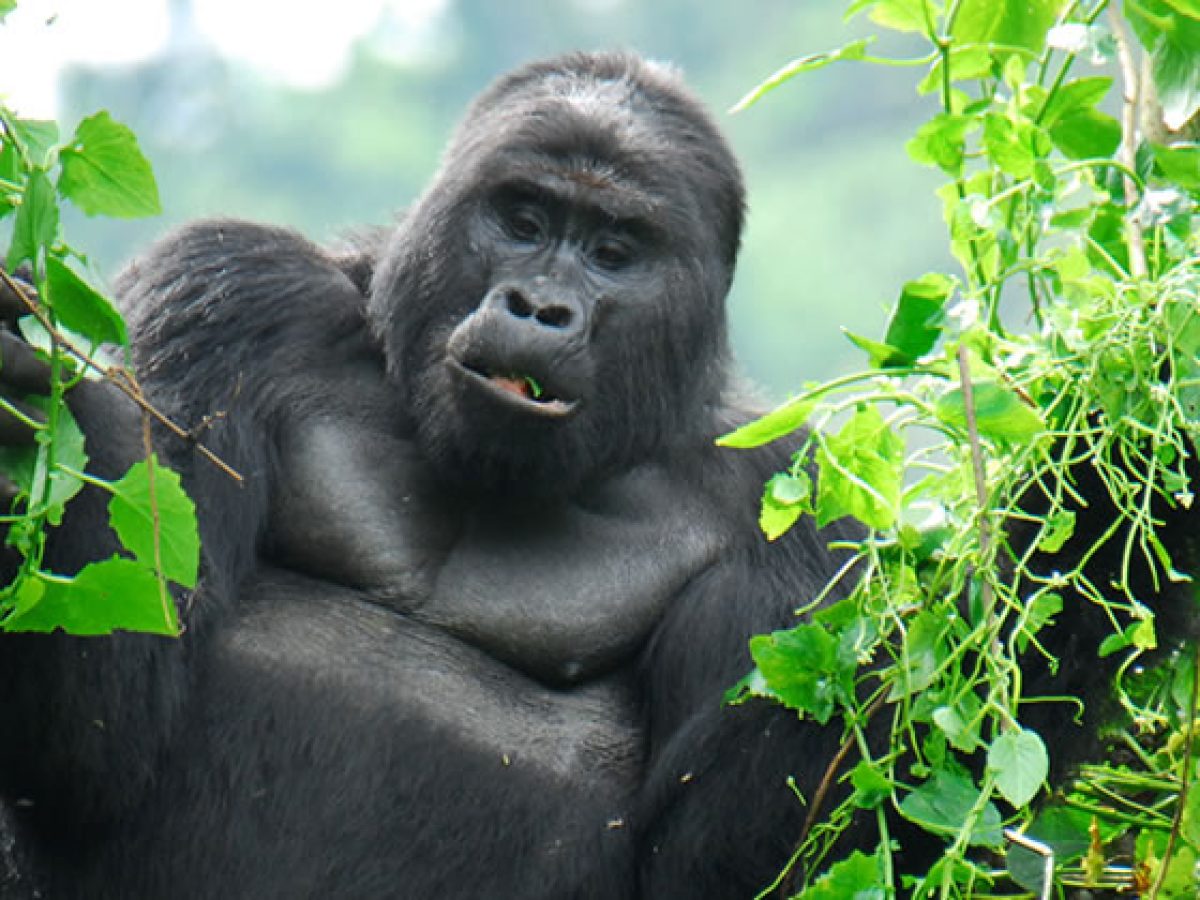
A 15-day Uganda-Rwanda safari combines gorilla trekking in Bwindi (Uganda) and Volcanoes National Park (Rwanda), chimpanzee tracking in Kibale, and wildlife viewing in Queen Elizabeth/Murchison Falls. Travelers fly into Entebbe (Uganda) and exit via Kigali (Rwanda), using 4x4 vehicles for travel
14-days-uganda-and-rwanda-safari-tour-itinerary
14-days-rwanda-uganda-birding-safari-extravaganza-focused-on-the-albertine-endemics
15 Day Uganda Rwanda safari itinerary
Begin an unforgettable 15-day journey from Entebbe to Kigali that threads together dramatic landscapes, rare wildlife encounters, and meaningful cultural experiences. Arrive into Uganda’s lake‑rim gateway and quickly sample Kampala’s lively streets before a road odyssey across savanna, wetlands, tea‑clad hills, and ancient forests. Witness the raw power of the Nile at Murchison Falls, track chimpanzees through the misty canopy of Kibale, and search for elephants, buffalo, lions, and leopards across Queen Elizabeth’s mosaic of habitats. Venture deeper to Bwindi Impenetrable Forest for a life‑changing hour with mountain gorillas, then restore body and mind beside the glassy islands of Lake Bunyonyi. Cross the Cyanika border into Rwanda’s volcanic highlands, where Volcanoes National Park offers golden monkeys and rugged volcano hikes, and Nyungwe’s vast rainforest delivers canopy thrills and chimp tracking. Conclude with a reflective Kigali city tour and the Genocide Memorial. This 15 day itinerary balances adventure, conservation insight, and restorative moments—crafted for travelers seeking authentic encounters, photographic highlights, and an emotionally rich East African travel experience.
Day 1 — Gateway to Uganda: Arrival and Kampala Welcome
Arrive at Entebbe International Airport and transfer to Kampala, a scenic 45–60 minute drive along Lake Victoria and through lively suburbs. After immigration and luggage retrieval, meet your driver-guide who will orient you to the trip and logistics. Settle into your hotel and take a gentle orientation walk in the city center—visit the Uganda Museum or stroll around the colonial-era architecture and market streets if time permits. Use the afternoon to rest, acclimatize, and check equipment: cameras, binoculars, permits, and health essentials. In the evening, enjoy a relaxed dinner featuring traditional Ugandan dishes—matooke, groundnut sauce, or fresh fish—while your guide briefs you on forthcoming travel days, expected wildlife, and safety protocols. Confirm permits and vehicle details, and ensure any last-minute purchases are completed. Overnight in Kampala provides a comfortable base and an early night before the road journey to Murchison Falls tomorrow.
Day 2 — Conservation Close‑Up: Ziwa Rhino Trek and Road to Murchison
Depart Kampala northwest toward Murchison Falls National Park, slicing through changing landscapes of farmland and woodlands. Pause at Ziwa Rhino Sanctuary for a guided rhino walk—an intimate, conservation-focused experience where trained guides lead small groups on foot to observe white rhinos and learn about breeding, anti‑poaching, and habitat restoration efforts. Continue the drive into Murchison Falls, arriving mid to late afternoon and checking into your lodge. Embark on an introductory game drive across open savanna where elephants, giraffes, buffalo, and a variety of antelope graze; birdlife is abundant and colorful. Return to your lodge for dinner and a safety briefing, then prepare for tomorrow’s highlight: a boat cruise along the Victoria Nile to the thunderous base of Murchison Falls. The evening offers an opportunity to review photographic tips, pack essential gear, and rest for a full day of wildlife viewing ahead.
Day 3 — The Nile’s Fury: Game Drive and Boat Cruise to Murchison Falls
Spend a full, activity‑filled day in Murchison Falls National Park with early and late wildlife outings. Begin before dawn with a game drive through the Kasenyi plains or other prime zones to maximize predator and ungulate sightings—lions, giraffes, elephants, buffalo, and various antelope species are often active at first light. Return midday to your lodge for lunch and warmth, then set out on the iconic afternoon boat cruise up the Victoria Nile. The cruise brings you close to hippos and crocodiles, through prolific bird habitats, and culminates at the thunderous gorge where the Nile is forced through a narrow cleft—an awe‑inspiring sight and excellent for dramatic photos. If time and energy allow, hike to the top of the falls for sweeping panoramas. After sunset, relax over dinner, or join a night drive (where available) to spot nocturnal species like civets, genets, and bushbucks. Overnight in Murchison Falls.
Day 4 — Rolling Hills to Primate Country: Journey to Kibale
Leave Murchison Falls and head south toward Kibale, traversing Uganda’s rural heart: rolling hills, mosaic farmland, and small villages. Expect a long but scenic drive with opportunities to stop for photographs, tea breaks, and brief community interactions. Arrive in the Fort Portal region or nearby lodgings by late afternoon; check in and stretch your legs with a visit to the crater lakes or the local market if time allows. The cooler, green landscape signals the change from savanna to tropical highland forest. Your guide will run through chimp trekking logistics—meeting time, physical demands, camera etiquette, and park rules—and confirm permits and group allocations. Enjoy dinner at your lodge and learn about regional culture and conservation efforts that support primate protection. Prepare hiking gear and rest well, as tomorrow’s chimp encounter in Kibale’s rich forest will be an immersive, unforgettable experience.
Day 5 — Into the Chimp Zone: Kibale Chimp Trek and Bigodi Wetland Walk
Devote today to chimpanzee tracking in Kibale National Park and an afternoon visit to Bigodi Wetland Sanctuary. After an early breakfast, arrive at Kanyanchu habituation camp for a briefing, safety rules, and group assignment. With park rangers and trackers you’ll enter diverse, ancient forest in search of habituated chimp groups; trekking time varies as chimps move, but sightings reward patience—watch social interactions, feeding, and acrobatics from a respectful distance. After the chimp encounter, return to the station and enjoy a debrief. In the afternoon, head to Bigodi Wetland for a community‑led guided walk highlighting birdlife, butterflies, and primates such as red‑tailed monkeys and mangabeys, while learning how the local community benefits from ecotourism. Return to your lodge for dinner and a conservation discussion. Overnight near Kibale with fresh memories of primate behavior and forest sounds.
Day 6 — Savanna Horizons: Travel to Queen Elizabeth National Park
Depart Kibale and journey southwest into Queen Elizabeth National Park, a diverse wildlife haven spanning savanna, wetlands, and crater lakes. En route, pass tea plantations and rural villages, arriving by midday in the Ishaka/Kazinga region. After checking into your lodge, set out for an afternoon game drive across the Kasenyi plains—prime habitat for buffalo, Uganda kob, elephants, and occasionally lions and leopards. The open vistas provide ideal photography conditions during golden hour as animals gather on grassy plains. Return to your lodge for dinner and consider an optional evening drive or spotlighting walk (where available) to glimpse nocturnal species. Your guide will brief you on tomorrow’s plans for Ishasha and the famed tree‑climbing lions in the southern sector. Immerse yourself in the rhythms of the bush while preparing for more extensive wildlife exploration in the coming days.
Day 7 — Lions in the Trees: Ishasha and Kazinga Wildlife Cruise
Explore Queen Elizabeth National Park focusing on Ishasha’s unique habitat and the Kazinga Channel’s aquatic life. Travel south to Ishasha, known for its tree‑climbing lions—search along fig‑lined riverine corridors and open savanna where lions commonly rest in acacia branches. Spend time photographing and observing behavior if you locate a pride. In the afternoon, return toward the Kazinga Channel for a boat cruise between Lake Edward and Lake George—this wildlife corridor offers exceptional close encounters with hippos, crocodiles, myriad waterbirds, and shore‑visiting mammals. The contrast between terrestrial predator searches and relaxed riverine cruising showcases the park’s biodiversity. After sunset, relax at your lodge and share highlights with your guide. Prepare for an early departure as you transfer south toward Bwindi Impenetrable Forest the next day, where gorilla trekking awaits.
Day 8 — Into Gorilla Country: Scenic Transfer to Bwindi
Transfer south to Bwindi Impenetrable National Park, a storied UNESCO World Heritage site and sanctuary for mountain gorillas. The drive passes terraced farmland, verdant tea plantations, and highland villages—expect winding, sometimes steep roads and spectacular valley views. Arrive at your forest‑edge lodge in the late afternoon, check in, and let your guide confirm gorilla trekking permits and briefing times. Use available time to visit nearby community projects or village markets to learn about local livelihoods supported by conservation tourism. Prepare essential trekking gear—sturdy boots, gaiters, gloves, quick‑dry clothing, rain layers, and insect repellent—since conditions under the canopy can be wet, muddy, and physically demanding. After dinner, enjoy an early night to conserve energy. The next morning’s gorilla trek will be an emotionally powerful highlight: close, respectful observation of one of the planet’s most threatened and charismatic species.
Day 9 — Face‑to‑Face with Giants: Mountain Gorilla Trekking in Bwindi
Today is dedicated to mountain gorilla trekking in Bwindi, a profound wildlife encounter few experiences rival. After an early breakfast and orientation at the park headquarters, trackers and rangers lead you into dense, mossy forest to locate a habituated gorilla family. Trekking times vary from short walks to strenuous hikes through steep, vine‑tangled terrain. Upon finding the gorillas, you’ll receive up to one hour to observe them—watch intimate behaviors: feeding, grooming, playing, and tender care of infants. Follow park rules closely: maintain distance unless a gorilla approaches, avoid sudden movements, refrain from flash photography, and heed ranger instructions to minimize disturbance and disease risk. After the encounter, return to your lodge to rest, reflect, and optionally visit a community conservation project to learn how tourism supports local schools, health care, and anti‑poaching efforts. Overnight in Bwindi with memories that will last a lifetime.
Day 10 — Lakeside Serenity: Relaxation and Canoeing on Lake Bunyonyi
After an emotional gorilla experience, journey to Lake Bunyonyi for relaxation amid one of East Africa’s most peaceful settings. The short drive traverses terraced hills and rural communities, arriving at a lakeside lodge nestled among green ridges. Spend the afternoon at an easy pace: swim in calm waters, wander the shoreline, or enjoy lodge amenities and sweeping vistas of countless forested islets. A guided dugout canoe trip is a gentle highlight—paddle between islands, visit artisans, and hear local legends about the lake’s history. Birdwatchers will enjoy sightings of kingfishers, herons, and endemic species, and the sunsets here are striking. Take time to stretch stiff muscles, enjoy fresh local produce at dinner, and savor the serene atmosphere. Prepare for tomorrow’s cross‑border transfer to Rwanda by confirming passport arrangements and any visa requirements with your guide.
Day 11 — Cross‑Border Highlands: Cyanika Passage to Volcanoes Park
Cross the Cyanika border into Rwanda and climb into the cool highlands surrounding Volcanoes National Park. Complete immigration formalities, then continue to your lodge near Musanze (Ruhengeri), passing panoramic views of the Virunga volcano chain and twin lakes. Settle in and, time permitting, visit the park visitor center or the nearby Burera and Ruhondo lakes for sweeping vistas. Your lodge can arrange a community visit to learn about local conservation initiatives tied to mountain gorilla protection. Confirm permits for the next day—golden monkey trekking or volcano hikes—and review logistics, fitness requirements, and photography etiquette. Enjoy a Rwandan dinner featuring local flavors like isombe or brochettes, and rest in cool, crisp mountain air. Tomorrow’s options range from rambunctious primate encounters to more strenuous volcanic ascents, so pack layers and ensure camera batteries and memory cards are charged.
Day 12 — Volcanic Primate Trails: Golden Monkeys or Volcano Hikes
Spend the day immersed in Volcanoes National Park with choices suited to varying energy levels and interests. Golden monkey trekking offers delightful encounters with vividly colored, agile primates that inhabit bamboo and montane forest—guided visits provide close observation and superb photographic opportunities. Alternatively, lace up for a guided hike on volcanic trails: gentle nature walks highlight flora and birdlife, while steeper ascents up Bisoke or Muhabura reward fit hikers with crater lakes and expansive views across the Virunga peaks. For wildlife and history buffs, visit the Dian Fossey Karisoke research center and memorial to learn about her work and legacy. Return to your lodge in the late afternoon to warm up and compare highlights with fellow travelers. Confirm next‑day transfers and rest well: the journey to Nyungwe’s dense rainforest and canopy walk awaits.
Day 13 — Above the Canopy: Nyungwe’s Canopy Walk and Forest Wonders
Transfer southwest to Nyungwe Forest National Park, Rwanda’s vast montane rainforest rich in biodiversity. Arrive at your forest-edge accommodation and prepare for the famed canopy walk—an elevated walkway suspended high among ancient trees that offers a thrilling vantage point for birdwatching and forest photography. The late afternoon is often ideal for the canopy walk when light softens and wildlife activity increases. Alternatively, take a guided forest trail to encounter black‑and‑white colobus monkeys, L’Hoest’s monkeys, and a dazzling variety of birds and orchids. The park’s cool, moist environment supports unique flora and fauna; guides help reveal hidden treasures like endemic butterflies and frogs. Evenings are quiet and restorative—enjoy local cuisine and the sounds of the rainforest. Your guide will finalize chimp trekking permits and timings for tomorrow’s early start into Nyungwe’s pristine interior.
Day 14 — Chimp Encounters and City Roads: Nyungwe Trek and Drive to Kigali
Begin early with chimpanzee trekking in Nyungwe Forest: after a briefing, trek into pristine montane habitat in search of habituated chimp groups. Trekking durations vary, but encounters reward you with close observations of social behaviors among towering trees and bamboo stands. Nyungwe also provides excellent birdwatching and chances to spot other primates like L’Hoest’s and colobus monkeys. After the chimp encounter and a return to base, collect your luggage and begin the scenic drive to Kigali, watching the landscape transition from rainforest to cultivated hills and urban edges. Arrive in Kigali by afternoon or evening, check into your hotel, and enjoy dinner at a local restaurant. Wind down with a brief market stroll or rooftop views, and review logistics for the next day’s reflective city tour and airport transfer. Overnight in Kigali prepares you for a thoughtful final day.
Day 15 — Reflection and Farewell: Kigali Genocide Memorial and Departure
On your final day, take a thoughtful Kigali city tour centered on history, reconciliation, and urban renewal. Begin at the Kigali Genocide Memorial where exhibitions, testimony, and memorial gardens provide a respectful, educational account of the 1994 genocide and Rwanda’s healing process—allow time to reflect at the tombs and visitor center. Continue with a drive past civic sites and residential neighborhoods showcasing Kigali’s cleanliness and vibrant redevelopment. If time allows, visit Kimironko Market for handicrafts, coffee, and last‑minute souvenirs. Enjoy a final Rwandan lunch featuring local specialties and flavors. Afterward, your driver will transfer you to Kigali International Airport with adequate time for check‑in and departure formalities. Use the journey home to reflect on the itinerary’s contrasts—from thunderous waterfalls to silent gorilla forests—and how conservation and community initiatives have shaped your experiences across Uganda and Rwanda. Safe travels.
What is the best time for a 15-day Uganda Rwanda safari?
The timing of your safari is the most critical factor for a comfortable and successful experience. The long dry season (June to September) and the short dry season (December to February) are widely considered the gold standard. During these months, the dense rainforests of Bwindi Impenetrable National Park and Volcanoes National Park are less slippery, making the strenuous hike to find mountain gorillas significantly more manageable. Wildlife viewing in savannah parks like Queen Elizabeth or Akagera is also superior, as animals congregate around dwindling water sources, and the thinned-out vegetation makes them easier to spot.
Conversely, the wet seasons (March to May and October to November) bring heavy rains that can turn forest trails into mudslides. However, for the intrepid traveler, this "emerald season" offers lush, vibrant scenery, lower accommodation rates, and fewer crowds. While rain is frequent, it rarely lasts all day. If your primary goal is photography or bird watching, the wet season provides stunning lighting and migratory species that aren't present during the drier months. For a 15-day trek, the dry season is safer for logistics, but the shoulder months (late May or early October) can offer a perfect balance of good weather and lower prices.
How much does a gorilla permit cost for a Uganda Rwanda safari?
Securing a gorilla permit is the financial cornerstone of your trip. In Uganda, a permit costs $800, while in Rwanda, it is $1,500. This price disparity often dictates where travelers choose to trek. Rwanda positions itself as a high-end, luxury ecotourism destination, justifying the higher cost with shorter driving distances from the airport and a more manicured trekking experience. Uganda offers a more rugged, "wild" adventure at a significantly lower price point, which is why many 15-day itineraries include trekking in Uganda while visiting Rwanda for its culture and history.
It is important to understand that these fees are not merely for park entry; they are vital for conservation. A large percentage of the permit cost goes directly toward the protection of the mountain gorillas, paying for 24-hour armed rangers, veterinary care, and community development projects that discourage poaching. By paying for a permit, you are directly contributing to the survival of a species that was once on the brink of extinction. Note that these permits are per person, per trek, and are non-refundable except in specific medical circumstances.
How far in advance should I book my 15-day Uganda Rwanda safari?
A 15-day safari is a complex logistical puzzle that requires booking 6 to 12 months in advance. The primary bottleneck is the availability of gorilla permits. Only a limited number of people are allowed to visit a specific gorilla family each day for exactly one hour. In peak season, these permits sell out nearly a year in advance. Furthermore, the best boutique lodges—often featuring only 6 to 10 rooms—fill up quickly, especially those located right at the national park gates.
Booking early also allows for better flight deals and ensures you get a top-tier driver-guide. Your guide is the person who will make or break your trip, and the most experienced ones are requested months ahead of time. If you attempt to book a last-minute safari, you may find yourself staying in lodges two hours away from the trekking start points or having to settle for "habituation" permits, which are more expensive and physically demanding. Early planning also provides a buffer to secure your East African Tourist Visa and complete your vaccination schedule.
Do I need a visa for a 15-day Uganda Rwanda safari?
For a dual-country itinerary, the East African Tourist Visa (EATV) is the most efficient and cost-effective option. Costing $100, this multi-entry visa allows you to travel between Uganda, Rwanda, and Kenya for up to 90 days. You must apply for this visa through the consulate or online portal of the country where you will begin your journey. For example, if you land in Entebbe, you apply via the Uganda E-Visa system; if you land in Kigali, you apply through Rwanda's Irembo portal.
Applying for individual visas for each country is more expensive and involves redundant paperwork. The EATV simplifies border crossings; instead of multiple forms and payments at the border, you simply present your pre-approved visa sticker or printout. Ensure your passport is valid for at least six months beyond your departure date and has at least two blank pages. Having this sorted beforehand prevents long delays at land borders like Katuna or Cyanika, ensuring your 15-day schedule remains on track.
Which vaccinations are required for a Uganda Rwanda safari?
Health safety is paramount when traveling to East Africa. A Yellow Fever vaccination certificate is a mandatory entry requirement for both Uganda and Rwanda. You will be asked to show your "Yellow Card" at the airport or land borders upon arrival. Beyond the legal requirements, medical professionals strongly advise getting vaccinated for Hepatitis A and B, Typhoid, and Tetanus. These protect you against waterborne and foodborne illnesses that can occur when exploring rural areas.
Given the proximity to primates, being in good health is also a conservation requirement. Gorillas and chimpanzees share about 98% of human DNA, making them highly susceptible to human respiratory infections. If you have a cold or flu on the day of your trek, you may be barred from joining to protect the animals. Carrying a supply of basic medications for stomach upsets and headaches is wise, but the foundation of your health prep should be a consultation with a travel clinic at least two months before departure to ensure all boosters are up to date.
What should I pack for my 15-day Uganda Rwanda safari?
Packing for a 15-day safari requires a "layering" strategy. You will experience everything from humid savannahs to chilly mountain mornings. Lightweight, neutral-colored clothing (khaki, green, or tan) is essential; avoid bright colors that startle animals and dark blue or black, which attracts tsetse flies. Long-sleeved shirts and trousers are necessary to protect against stinging nettles in the forest and mosquitoes at night.
Your most important piece of gear is a pair of sturdy, waterproof hiking boots with good ankle support. For gorilla trekking, many travelers also bring "gaiters" to keep ants out of their socks and garden gloves to help them grab onto vegetation while climbing. Don’t forget high-quality rain gear, even in the dry season, as these are rainforests. Finally, a high-SPF sunscreen and insect repellent with at least 30% DEET are non-negotiable for daily comfort. Since many lodges offer laundry services, you don't need 15 separate outfits; focus on quality, moisture-wicking fabrics instead.
Is it safe to travel on a 15-day Uganda Rwanda safari?
Both Uganda and Rwanda are remarkably safe for international tourists, often ranking among the most stable countries in Africa. The tourism industry is a major economic pillar, and both governments invest heavily in the safety of visitors. In national parks, you are always accompanied by armed park rangers, not because of "bad people," but to ensure safety from potentially aggressive wildlife. Rwanda is particularly known for its clean, orderly streets and low crime rates.
Standard travel precautions apply: avoid walking late at night in major cities like Kampala or Kigali, keep your valuables in a hotel safe, and don't flaunt expensive jewelry. The most common "danger" is actually the road conditions; African highways can be chaotic and road signs are sometimes sparse. This is why using a reputable tour operator with a professional driver-guide is so important. They know the local traffic laws, the best places to stop for a safe break, and can navigate the high-altitude mountain passes safely.
Can I see both gorillas and chimpanzees on a 15-day Uganda Rwanda safari?
A 15-day trip is the perfect duration to experience the "Primate Triple Crown": mountain gorillas, chimpanzees, and golden monkeys. While gorillas are the main attraction, chimpanzee trekking in Kibale Forest (Uganda) or Nyungwe Forest (Rwanda) offers a completely different energy. Chimps are louder, faster, and more active, often spending time high in the canopy or rushing through the undergrowth. A 15-day itinerary allows you to visit multiple parks without feeling rushed.
Planning an itinerary that includes both allows you to see the incredible diversity of primate behavior. Usually, you would spend 2–3 days in Kibale (the primate capital of the world) before heading south to the gorilla highlands of Bwindi or Volcanoes. This progression also allows your body to acclimate to the higher altitudes of the mountain forests. Seeing both species provides a profound understanding of our closest biological relatives and the varied ecosystems they inhabit, from the dense lowland forests to the misty bamboo zones.
What is the age limit for tracking on a 15-day Uganda Rwanda safari?
There are strict age restrictions for primate trekking to ensure the safety of both the children and the animals. The minimum age for gorilla trekking is 15 years, while for chimpanzee trekking, it is generally 12 to 15 years depending on the specific park. These rules are enforced because children may not have the immune system strength of adults, and they are more likely to react unpredictably (like screaming or running) if a large silverback makes a sudden movement or a "mock charge."
If you are traveling with younger children, many lodges offer "kids' clubs" or specialized nature walks with rangers while the adults are trekking. In some rare cases in Uganda, a "child's permit" can be sought if the child is nearing 15 and is physically fit, but this requires written permission from the Uganda Wildlife Authority and is never guaranteed. Always verify the current age policies with your tour operator before booking a family safari to avoid disappointment at the park gates.
How do I get between Uganda and Rwanda on a 15-day safari?
Most 15-day safaris are "loop" or "linear" journeys using a 4x4 Land Cruiser. The drive from Uganda’s Bwindi Forest into Rwanda’s Volcanoes National Park is one of the most scenic routes in Africa, known as the "Switzerland of Africa" due to its terraced hills and misty peaks. You will typically cross at the Cyanika or Katuna border posts. These crossings are well-established and used by thousands of tourists annually.
The process is straightforward: you exit one country, walk across a short "no-man's land," and enter the next. Your driver-guide handles the vehicle paperwork and road taxes, while you handle your passport and visa. The drive time between the two major trekking hubs is only about 3 to 4 hours, making it very easy to combine both countries. Some high-end travelers choose to fly between Entebbe and Kigali to save time, but the road trip offers a much deeper look at the local culture, rural markets, and changing landscapes.
Do I need to take malaria pills for a 15-day Uganda Rwanda safari?
Uganda and Rwanda are high-risk malaria zones. While the high-altitude areas like Bwindi and Volcanoes have fewer mosquitoes, the savannah parks (Queen Elizabeth, Murchison Falls, Akagera) and urban areas are prime habitats. It is strongly recommended to take malaria prophylactic medication such as Malarone, Doxycycline, or Lariam. You should consult your doctor weeks before the trip to see which medication suits you best, as some require you to start taking them before you arrive.
In addition to pills, "mechanical" prevention is key. Most lodges provide mosquito nets over the beds; use them religiously, even if you don't see insects. Apply insect repellent to exposed skin every evening, and wear long sleeves and trousers after dusk when the Anopheles mosquito is most active. While malaria is treatable, getting sick during your safari would be a significant disruption, so taking these precautions ensures you spend your time behind a camera rather than in a clinic.
What is the accommodation like on a 15-day Uganda Rwanda safari?
The accommodation on a 15-day safari is often a highlight of the trip. Options range from luxury "eco-lodges" that cost $1,000+ per night to comfortable mid-range tented camps. Luxury lodges often feature stunning views, private decks, and five-star dining, sometimes even providing personal butlers and complimentary massages after your trek. These lodges are designed to blend into the environment, offering a seamless connection with nature.
Mid-range options are excellent value, offering clean, en-suite rooms or permanent safari tents with hot showers and solid meals. Even at the budget or mid-range level, many lodges are situated in breathtaking locations overlooking craters, lakes, or forest borders. Most lodges operate on a full-board basis, meaning your breakfast, lunch, and dinner are included in the price. Because many lodges are remote, they often rely on solar power and generators, so expect a "digital detox" with limited Wi-Fi usually restricted to common areas only.
Is it possible to do a safari 15 days in Uganda and Rwanda as a solo traveler?
Traveling solo through Uganda and Rwanda is entirely possible and increasingly popular. The safest and most efficient way to do this is by joining a group tour or hiring a private vehicle and guide. Doing it completely "DIY" using public transport (matatus or buses) is very difficult for a 15-day itinerary because national parks are remote and not serviced by regular public lines. Furthermore, getting between parks without a private vehicle is time-consuming and often involves multiple transfers.
Solo travelers should be prepared for "single supplement" fees on accommodation, which can be pricey. However, safari lodges are very social places; you will likely share meals and stories with other travelers from around the world. Rwanda, in particular, is noted for being one of the safest countries in the world for solo female travelers. By using a reputable operator, you have a "friend on the ground" in your driver-guide, who ensures you are safe, informed, and never truly lost during your 15-day adventure.
What is the food like on a 15-day Uganda Rwanda safari?
The food on safari is a mix of international cuisine and local flavors. Most lodges serve "international buffet" style meals: think grilled meats, fresh pastas, and a wide array of salads. Because of the fertile volcanic soil, the fruits and vegetables (especially pineapples, avocados, and passion fruit) are incredibly flavorful and organic. You will often find that the "farm-to-table" concept is the standard here, with many lodges growing their own produce.
You should also try local staples like matooke (steamed green bananas), luwombo (stew steamed in banana leaves), and Rwandan brochettes (grilled meat skewers). Dietary restrictions like veganism or gluten-free diets can usually be accommodated, but you must inform your lodges in advance. Water safety is a priority; always drink bottled or filtered water provided by the lodge or your guide. Most lodges have highly trained chefs who understand the hygiene standards required for international travelers, and the food quality is generally very high.
What is the best way to pay for things on a 15-day Uganda Rwanda safari?
While both countries have their own currencies (Uganda Shilling and Rwanda Franc), the US Dollar is the preferred currency for the tourism industry. You will need USD for tipping your guides, trackers, and porters, as well as for buying high-end souvenirs. Crucially, your dollar bills must be printed after 2013, and they must be crisp, clean, and unmasked; banks in East Africa often reject older or worn notes due to counterfeiting concerns.
Credit cards (Visa and Mastercard) are widely accepted in luxury lodges and upscale shops in Kigali or Kampala, but they often carry a 3–5% surcharge. For small purchases like snacks, local crafts, or drinks in rural areas, you will need local currency, which your guide can help you exchange at a border or airport. ATMs are available in major towns, but they can be unreliable or run out of cash, so having a "cash cushion" in USD is the safest strategy for a smooth 15-day journey. Always carry small denominations ($1, $5, $10) for tips.
Booking 15 Day Uganda Rwanda safari with us Roads of Adventure safaris
Book a 15-day Uganda-Rwanda primate and wildlife safari with Roads of Adventure Safaris for an unforgettable East African journey. This comprehensive tour features gorilla trekking in Bwindi and Volcanoes National Park, chimpanzee tracking in Kibale, and exciting game drives in Queen Elizabeth National Park. Enjoy personalized service, expert guides, and tailored logistics including transport and accommodations. Experience the best of both nations—from Nile adventures to scenic Rwandan landscapes—by booking through our user-friendly platform. Explore Uganda and Rwanda's wonders with a trusted team.
