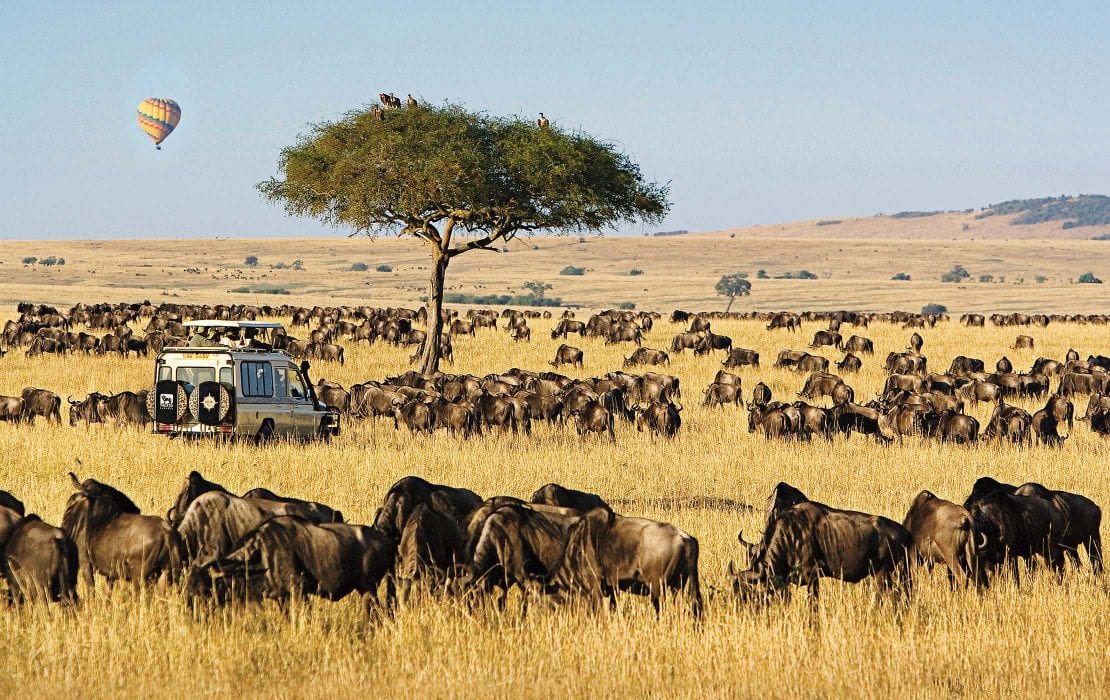
A 14-day luxury Tanzania and Zanzibar holiday combines exclusive Northern Circuit safari lodges with private air transfers to coastal luxury resorts. Key elements include game drives in Serengeti and Ngorongoro for the Big Five, followed by beach relaxation on Zanzibar. Opt for private 4x4 vehicles, professional guides, and tailored itineraries for maximum comfort.
14-days-luxury-rwanda-primate-safari-and-uganda-safari-tour-combo
14-days-magical-rwanda-photography-safari
14-days-uganda-and-rwanda-safari-tour-itinerary
14-days-of-rwanda-uganda-gorilla-safari-and-zanzibar-beach-holidays
14 Days luxury Tanzania Zanzibar beach holiday
This 14-day Luxury Tanzania and Zanzibar holiday is the ultimate "Bush and Beach" odyssey, offering a seamless blend of high-octane wildlife adventure and tranquil tropical relaxation. Your journey begins in the shadow of Mount Meru in Arusha, serving as the gateway to the legendary Northern Safari Circuit. Over the first week, you will traverse the iconic landscapes of Tarangire, Ngorongoro, and the vast Serengeti, witnessing the "Big Five" and the dramatic Great Migration. The second half of your expedition whisks you away to the "Spice Island" of Zanzibar, where the pace slows to the rhythm of the Indian Ocean. From the labyrinthine alleys of historic Stone Town to the powdery white sands of the northern beaches, this itinerary is designed for those seeking a comprehensive East African experience. It balances the rugged excitement of dawn game drives with the refined luxury of seaside resorts, ensuring you return home with a soul nourished by both the wild savanna and the serene sea.
Day 1: Arrival in Arusha
Your journey begins at Kilimanjaro International Airport, where the warm Tanzanian air and a private transfer await to whisk you to your lodge in Arusha. Nestled at the base of Mount Meru, Arusha is a vibrant hub surrounded by coffee plantations. After checking in, the day is yours to recover from your flight. You might stroll through the lush gardens of your lodge, take a short walk to a nearby coffee farm to learn about the "bean-to-cup" process, or explore the local Maasai markets for early souvenirs. Dinner is a relaxed affair, often featuring local ingredients like fresh tilapia or coconut-infused stews. This first night provides a gentle introduction to Tanzanian hospitality, allowing you to rest and acclimatize before the early morning start of your safari adventure into the legendary northern wilderness tomorrow.
Day 2: Tarangire National Park
After a hearty breakfast, you head southwest to Tarangire National Park, a hidden gem famous for its ancient, "upside-down" baobab trees and massive elephant herds. During the dry season, the Tarangire River becomes a magnet for wildlife, attracting thousands of zebras, wildebeest, and buffalo. Your first game drive will reveal a landscape dotted with giant trees and termite mounds, where lions often lounge in the shade. The park is also a haven for birdwatchers, with over 550 species recorded. You’ll enjoy a picnic lunch at a scenic viewpoint overlooking the river before continuing your exploration. As the golden hour approaches, you’ll head to your lodge, perhaps a tented camp that allows you to hear the nocturnal sounds of the bush. It is a day defined by the raw, untamed beauty of the African savanna and its gentlest giants.
Day 3: Lake Manyara National Park
Today you journey to Lake Manyara, a picturesque park nestled at the base of the Great Rift Valley escarpment. The park is famous for its unique tree-climbing lions and the vast soda lake that often shimmers pink with thousands of flamingos. Your drive takes you through a lush groundwater forest where troops of baboons and blue monkeys play in the canopy. As the forest opens up into floodplains, look for giraffes, hippos, and the park’s legendary tusked elephants. The afternoon features a drive along the lakeshore, offering spectacular views of the escarpment. For those seeking more than a drive, Manyara offers a canopy walkway—Tanzania's first—allowing you to walk among the treetops. You will spend the night in the nearby town of Karatu, a fertile highland area known for its red soil and vibrant agricultural communities.
Day 4: Ngorongoro Crater Descent
Often called the "Eighth Wonder of the World," the Ngorongoro Crater is a massive, intact volcanic caldera that hosts an incredible density of wildlife. You will descend 600 meters into the crater floor for a full-day game drive. This self-contained ecosystem is one of the best places in Africa to see the endangered black rhino alongside lions, hyenas, and golden jackals. The landscape shifts from soda lakes filled with flamingos to fever-tree forests and open grasslands. You’ll enjoy a picnic lunch by a hippo pool, watching these massive creatures submerge in the midday heat. Because the animals here are resident year-round, the viewing is consistently spectacular. In the late afternoon, you’ll ascend back to the crater rim or Karatu, witnessing a sunset that bathes the entire caldera in a dramatic, ethereal light, concluding one of the most iconic wildlife days in Africa.
Day 5: Serengeti Bound via Olduvai Gorge
Today you head toward the legendary Serengeti National Park, but not before a stop at Olduvai Gorge, the "Cradle of Mankind." Here, you’ll visit the museum to learn about the paleoanthropological discoveries of the Leakey family, including ancient hominid footprints. As you enter the Serengeti, the trees vanish, replaced by the "endless plains" that give the park its name. Your first afternoon game drive in the Seronera Valley is a masterclass in predator-prey dynamics; this area is world-renowned for its high density of leopards and lions. You’ll navigate around "kopjes"—ancient granite outcrops that serve as lookout points for cheetahs. As you reach your tented camp deep in the park, you’ll settle in for a night under a canopy of stars, accompanied by the distant whoop of hyenas and the roar of a lion, truly immersed in the wild heart of Tanzania.
Day 6: Central Serengeti Exploration
A full day in the Central Serengeti allows you to dive deep into the park's diverse habitats. You’ll start with a sunrise game drive, the best time to see predators on the move before the heat of the day sets in. You might witness a pride of lions stalking through the tall grass or a leopard dragging its kill into an acacia tree. The Seronera River is a focal point for wildlife, attracting thirsty herbivores and the predators that shadow them. Between game drives, you can return to camp for a "bush lunch" or stay out all day with a packed meal to cover more ground. The sheer scale of the landscape is humbling, offering a sense of prehistoric Africa that has remained unchanged for millennia. This day is about patience and observation, rewarding you with intimate glimpses into the lives of the world’s most iconic animals.
Day 7: Following the Great Migration
Depending on the time of year, your guide will move you toward the areas where the Great Migration is concentrated—whether it’s the southern calving grounds or the northern river crossings. Watching hundreds of thousands of wildebeest and zebras move in unison is a sensory experience like no other; the dust, the noise, and the constant movement are overwhelming. You’ll spend the day tracking these herds, looking for the dramatic interactions between the migrating animals and the crocodiles or lions that lie in wait. Even if the migration is in a transition phase, the Serengeti’s "resident" wildlife—including hippos, giraffes, and elephants—ensures that every turn of the track brings a new encounter. Your final night in the Serengeti is a time for reflection, sitting around a "bush TV" (the campfire) and sharing stories of the incredible sights witnessed over the past week.
Day 8: Fly to Zanzibar and Stone Town
After a final breakfast in the bush, you’ll board a small bush plane at a local airstrip for a scenic flight over the mainland and the turquoise waters of the Indian Ocean to Zanzibar. Upon arrival, you’ll be transferred to Stone Town, the island's historic and cultural heart. Stone Town is a UNESCO World Heritage site, a labyrinth of narrow alleys, carved wooden doors, and bustling spice markets. After checking into a converted merchant’s house or a boutique hotel, spend the afternoon lost in the winding streets. Visit the Old Fort and the House of Wonders, or simply watch the "Forodhani Gardens" come alive at sunset with local food stalls selling "Zanzibar pizzas" and grilled seafood. The air here is thick with the scent of cloves and cinnamon, marking a dramatic and beautiful shift from the dry savanna to the humid, exotic coast.
Day 10: Prison Island and Giant Tortoises
On your first full day in Zanzibar, you’ll take a short, 20-minute boat ride on a traditional wooden dhow to Changuu Island, commonly known as Prison Island. Originally intended as a prison for rebellious slaves, it later served as a quarantine station. Today, the island is most famous for its colony of giant Aldabra tortoises, some of which are over 150 years old. You can feed and photograph these gentle giants before taking a walk through the island’s forested interior. The surrounding coral reefs offer an excellent opportunity for an introductory snorkel in clear, shallow waters. After returning to Stone Town for lunch, the afternoon is free for you to visit the Anglican Cathedral (built on the site of the former slave market) or shop for intricate jewelry and textiles. It is a day that balances a somber look at history with the lighthearted joy of nature.
Day 9: The Spice Tour and North Coast
No visit to Zanzibar is complete without a Spice Tour. In the morning, you’ll head into the lush plantations of the island’s interior. Led by a local guide, you will see, smell, and taste spices in their raw form—cloves, nutmeg, cinnamon, vanilla, and lemongrass. You’ll learn about their medicinal uses and their historical role in Zanzibar's economy. After a traditional "spice lunch" featuring the very flavors you’ve just explored, you will be driven to the northern tip of the island, to Nungwi or Matemwe. This region is famous for having the most beautiful beaches on the island, unaffected by the dramatic tides of the east coast. You’ll check into your beachfront resort, where the white sand meets the sapphire sea. This afternoon marks the transition from exploration to pure relaxation, as you enjoy your first sunset over the Indian Ocean.
Day 11: Nungwi Beach and Dhow Sailing
Now fully ensconced in "island time," today is dedicated to the beach. Nungwi is known for its vibrant atmosphere and crystal-clear water. You can spend the morning lounging on a sunbed, swimming in the warm ocean, or visiting the Mnarani Marine Turtle Conservation Pond to see rescued sea turtles. In the afternoon, you will board a traditional dhow for a sunset cruise. As the crew hoists the triangular sail, you’ll glide along the coast with a drink in hand, accompanied by the sounds of traditional Taarab music or the gentle lapping of the waves. Watching the sky turn shades of pink and orange from the deck of a wooden boat is the quintessential Zanzibar experience. It’s a day of effortless beauty, allowing the dust of the safari to be completely washed away by the salt and the sun.
Day 12: Mnemba Atoll Snorkeling
For your penultimate day of adventure, you’ll take a boat trip to the Mnemba Atoll, a protected marine conservation area just off the northeast coast. This is widely considered the best snorkeling and diving spot in Zanzibar. The reef is a kaleidoscope of color, home to schools of tropical fish, moray eels, and occasionally, wild dolphins that frequent the area. You’ll spend the morning jumping off the boat into the turquoise "aquarium," exploring the vibrant coral gardens. Afterward, the boat will head to a secluded sandbank or a quiet beach for a seafood barbecue lunch under a temporary shade. The feeling of being on a tiny patch of white sand surrounded by nothing but blue water is the ultimate tropical fantasy. You’ll return to your resort in the late afternoon, salty and sun-kissed, for a quiet evening by the pool.
Day 13: Jozani Forest and Last Sunset
For your final full day, you can choose to visit the Jozani Chwaka Bay National Park, the last indigenous forest on Zanzibar. This is the only place in the world to see the endemic Red Colobus monkeys, which are surprisingly habituated to humans and easy to photograph. You’ll also walk through the prehistoric-looking mangrove boardwalks, learning about the vital role these trees play in protecting the coastline. Return to your resort for a final afternoon of "doing nothing"—perhaps a spa treatment or one last long walk along the beach as the tide goes out. Your farewell dinner is often served on the sand, under the stars, featuring a feast of lobster, prawns, and tropical fruits. It is a time to toast to a journey that has taken you from the heights of the Rift Valley to the depths of the Indian Ocean.
Day 14: Farewell to the Spice Island
On your final morning, you can enjoy a leisurely breakfast overlooking the ocean and perhaps a final dip in the sea. Depending on your flight schedule, you might have time for a last-minute stroll through the village or some final relaxation on the beach. Your private driver will then transfer you back to Zanzibar International Airport for your flight home or your onward connection. As the island fades into the distance from your plane window, you carry with you the memories of the Serengeti’s lions, the Ngorongoro’s vastness, and the gentle "pole pole" (slowly, slowly) pace of Zanzibar. You leave East Africa with a renewed sense of wonder, having experienced the perfect harmony of one of the world's greatest wildlife sanctuaries and its most enchanting tropical escape.
1. What is the best way to structure a 14-day luxury trip?
The golden rule of East African travel is "safari first, beach second." A luxury 14-day itinerary should be front-loaded with a 7–9 day Northern Circuit safari. This portion of the trip is exhilarating but physically demanding, involving early pre-dawn starts to catch predators on the move and long days in a 4x4. By starting in Tarangire, moving to the Ngorongoro Crater, and finishing with a multi-day residency in the Serengeti, you follow the natural crescendo of wildlife density.
The final 4–5 days should be reserved for Zanzibar. After a week of "safari dust" and early alarms, the transition to a luxury beach resort allows for physical and mental decompression. This structure ensures you return home feeling rejuvenated rather than exhausted. Ending at a high-end property in Nungwi or on a private island like Mnemba provides a refined "soft landing" where the only schedule is dictated by the tides and the sunset dhow cruises.
2. When is the best time for a luxury Tanzania-Zanzibar holiday?
Timing is everything for a luxury experience, as it dictates both wildlife visibility and beach conditions. The long dry season from June to October is widely considered the pinnacle. During these months, the savanna thins out and animals congregate around predictable water sources, making for "National Geographic" style sightings. This period also coincides with the cool, breezy, and bug-free weather on the coast, perfect for alfresco dining in Zanzibar.
Alternatively, January and February offer a different kind of luxury: the "calving season" in the southern Serengeti. Witnessing thousands of wildebeest calves taking their first steps under the watchful eyes of predators is a profound experience. The weather is warmer and more humid, which makes the ocean at Zanzibar feel like a warm bath. Avoid April and May, the "long rains," as many luxury lodges close for maintenance and the humidity on the coast can be overwhelming for those not used to tropical climates.
3. What are the best luxury accommodation options in Zanzibar?
Zanzibar has moved beyond simple beach huts to host some of the world’s most prestigious boutique hotels. Zuri Zanzibar in Kendwa is a masterpiece of sustainable design, offering a "private village" feel with a stunning spice garden and a beach that is swimmable even at low tide. For those seeking regal Omani-inspired architecture, Baraza Resort & Spa on the east coast features private villas with plunge pools and one of the most opulent spas in East Africa.
If total seclusion is the goal, The Residence Zanzibar offers 66 private villas tucked away in 32 hectares of tropical gardens. However, the ultimate luxury is Mnemba Island, an &Beyond property. This "barefoot luxury" private island limits guests to just 24, providing a "castaway" experience where you can snorkel directly from your beachfront banda. These properties prioritize privacy, personalized butler service, and world-class "sea-to-table" dining, ensuring your time on the island is entirely tailored to your preferences.
4. Where should I stay for the best beaches in Zanzibar?
While the entire island is beautiful, the northern beaches of Nungwi and Kendwa are the premier choices for luxury travelers who prioritize swimming. Unlike the east and south coasts, where the tide can retreat for over a mile—leaving behind coral flats and sea urchins—the northern tip has a much steeper drop-off. This means you can swim in the turquoise water at any time of day, a critical factor for a high-end beach holiday.
Kendwa is particularly famous for its "all-day" swimmability and its vibrant, upscale atmosphere. Nungwi offers a slightly more active environment with luxury resorts perched on low coral cliffs, providing dramatic ocean views. If you prefer the dramatic, changing landscapes of the east coast, lodges like The Palms or Xanadu Villas provide such high-level pool facilities that the extreme tides become a scenic backdrop rather than a logistical hurdle. For a 14-day trip, splitting your time between a Stone Town boutique hotel and a northern beach resort offers the perfect mix of culture and coastal relaxation.
5. How do I travel between the safari parks and Zanzibar?
In a luxury context, your time is your most valuable asset. The only way to travel between the Serengeti and Zanzibar is via small charter flights or "bush planes." Operators like Coastal Aviation or Regional Air offer direct flights from Seronera (central Serengeti) or Kogatende (northern Serengeti) straight to Zanzibar (ZNZ). This flight takes roughly 2–3 hours and provides a spectacular "aerial safari" over the Rift Valley and the coral reefs of the archipelago.
Using these internal flights eliminates two full days of arduous driving and commercial airport layovers in Arusha or Dar es Salaam. A private luxury safari usually includes a "meet and greet" at the bush airstrip, where you transition seamlessly from your safari vehicle to the aircraft. Upon landing in Zanzibar, a private chauffeur will be waiting to take you to your resort. This "wing-to-wing" service ensures that the transition from the lions of the Serengeti to the lobsters of Zanzibar is as smooth as possible.
6. Do I need a visa for Tanzania and Zanzibar?
Yes, most international visitors require a visa to enter the United Republic of Tanzania (which includes Zanzibar). For luxury travelers, the most efficient method is to apply for an e-Visa online at least three weeks before departure. This avoids the long, humid queues for "visa on arrival" at Kilimanjaro or Dar es Salaam airports, allowing you to breeze through immigration and meet your private guide.
The cost is typically $50 for most nationalities and $100 for US citizens (who are required to get a multiple-entry visa). It is important to ensure your passport is valid for at least six months from your date of entry and has at least two blank pages. While the process is straightforward, having your e-Visa confirmation printed and ready is a small logistical detail that ensures your first hour in the country is stress-free and aligned with the high-end nature of your trip.
7. Is a 14-day trip long enough for both safari and beach?
A 14-day duration is the "sweet spot" for a Tanzania-Zanzibar holiday. It allows for a pace that respects the luxury of time. A shorter trip, such as 10 days, often forces travelers to choose between skipping a major park like Tarangire or cutting their beach time down to a mere 48 hours. With 14 days, you can spend three nights in the Serengeti, which is the minimum required to truly "sink in" to the rhythm of the Great Migration.
This timeframe also allows for a two-night stay in Stone Town before heading to the beach, which is essential for understanding the island's complex history. You won't feel like you are constantly packing and unpacking. Instead, you can have "rest mornings" where you skip a game drive to enjoy the lodge's facilities, or spend an entire afternoon in Zanzibar doing nothing but reading under a palm tree. It turns a "trip" into a "vacation," providing a comprehensive East African experience without the rush.
8. What should I pack for a 14-day luxury safari?
Packing for a luxury safari is about "functional elegance." You need lightweight, breathable clothing in neutral tones (khaki, beige, olive) to blend into the environment and avoid attracting Tsetse flies (which are attracted to dark blue and black). Because bush planes have strict weight limits (usually 15kg/33lbs in soft-sided bags), "mix and match" is key. Most luxury lodges offer complimentary daily laundry, so you only need about three or four changes of clothes.
Do not forget a warm jacket or fleece; the Ngorongoro Crater rim sits at high altitude and can be surprisingly cold (10°C/50°F) during early morning game drives. For Zanzibar, pack lightweight linens and swimwear. While the resorts are relaxed, Stone Town requires modest dress (shoulders and knees covered). Finally, bring a pair of high-quality binoculars and a wide-brimmed hat. Most luxury lodges provide organic toiletries and insect repellent, so you can save space by leaving those at home and focusing on your camera gear and a good book.
9. Is Tanzania and Zanzibar safe for tourists?
Both mainland Tanzania and Zanzibar are considered highly safe for international tourists, particularly within the luxury tourism circuit. When you book a luxury package, you are essentially within a "secure bubble" of private transfers, gated lodges, and professional guides. These guides are not just experts in wildlife; they are trained in safety and etiquette, ensuring you are never in a position of vulnerability.
In Zanzibar, the resort areas are extremely safe and private. In Stone Town, as with any city, it is wise to be aware of your surroundings and avoid displaying expensive jewelry in crowded markets. However, the Tanzanian people are famously warm and hospitable, often greeting visitors with a genuine "Karibu" (Welcome). The primary "safety" focus for a luxury traveler is usually health-related (sunstroke or dehydration) rather than security, and your private guide will be constantly monitoring your comfort throughout the 14 days.
10. Do I need vaccinations for this trip?
Health preparation is vital for a smooth 14-day trip. Malaria prophylaxis is strongly recommended for both the safari parks and the coastal regions. Consult your doctor about the best option for you (Malarone is common). Regarding Yellow Fever, you only need proof of vaccination if you are entering Tanzania from a Yellow Fever-endemic country (like Kenya or Ethiopia). If you are flying directly from Europe or the US, it is generally not a legal requirement, but some travelers get it for peace of mind.
Other recommended vaccinations include Hepatitis A and B, Typhoid, and Tetanus. Because you will be in remote areas, many luxury lodges have on-call doctors or "Flying Doctor" insurance included in your package for emergencies. It is also wise to pack a personal "med-kit" with electrolytes, antihistamines, and any prescription medications. By handling these medical details a month before you fly, you ensure that the only "shocks" you experience are the sights of lions and the beauty of the coral reefs.
11. What is the "Safari Blue" experience in Zanzibar?
"Safari Blue" is the quintessential Zanzibar day trip, often upgraded to a private luxury experience for high-end travelers. You board a traditional, hand-crafted wooden dhow from the village of Fumba and sail into the Menai Bay Conservation Area. This area is a pristine marine playground filled with isolated sandbanks, rugged island outcrops, and ancient baobab trees.
The day involves snorkeling in translucent waters over vibrant coral reefs, searching for wild dolphins, and swimming in a hidden mangrove lagoon. The highlight is a "desert island" seafood feast—typically featuring grilled lobster, calamari, and snapper, served with tropical fruits and chilled drinks on a secluded sandbank. For a luxury 14-day trip, booking a private Safari Blue ensures you have your own crew and a personalized itinerary, allowing you to stay longer at the best snorkeling spots and avoid the larger tourist groups.
12. How much does a 14-day luxury safari cost?
A 14-day luxury safari is a "bucket list" investment. In 2026, prices typically range from $7,000 to $15,000+ per person, based on double occupancy. This price point covers stays at world-class lodges (like those from &Beyond, Singita, or Sanctuary), all-inclusive gourmet meals, private 4x4 vehicles with expert guides, internal bush flights, and park fees (which can be $70–$100 per person, per day).
The "ultra-luxury" end—which might include private island stays like Mnemba or helicopter transfers—can easily exceed $20,000. Factors that influence the price include the season (Peak vs. Green Season) and the "exclusivity" of the concessions. While the price tag is high, it reflects a seamless, "all-access" pass to some of the world's most protected wilderness areas and highest standards of service, ensuring that every detail is managed so you can focus entirely on the experience.
13. What is the dress code in Zanzibar?
Zanzibar is a culturally conservative, predominantly Muslim society, and the dress code reflects a balance between "holiday vibes" and cultural respect. Inside your luxury resort or on the private beaches of Nungwi, standard swimwear and summer attire are perfectly acceptable. However, when you step out of the resort—especially when visiting Stone Town or local villages—modesty is essential.
Both men and women should ensure their shoulders and knees are covered. For women, a lightweight pashmina or sarong is a versatile tool for quickly covering up. Wearing revealing clothing in public spaces is considered disrespectful and can lead to unwanted attention. In the evenings at luxury resorts, the dress code is typically "island chic"—think linen trousers, sundresses, and sandals. Adhering to these local norms not only shows respect for your hosts but also enriches your experience by allowing for more positive, open interactions with the local community.
14. What are the best activities in Stone Town?
Stone Town is a sensory overload in the best possible way. A luxury 14-day trip should include at least one full day here. Start with a guided walking tour to navigate the "Mze" (maze) of alleys. Visit the House of Wonders and the Sultan’s Palace to understand the island’s Omani and British colonial history. A visit to the Anglican Cathedral, built on the site of the former slave market, is a poignant and necessary historical lesson.
In the late afternoon, take a private boat to Prison Island to see the giant Aldabra tortoises, some of which have been there since the 19th century. End your day at the Forodhani Gardens night market to see the local food scene, or better yet, enjoy a sunset cocktail on the rooftop of the Emerson Spice Hotel, which offers 360-degree views of the minarets and the ocean. These activities provide a deep cultural "anchor" to your trip before you head to the total seclusion of the beach resorts.
15. Is it safe to drink tap water?
No, you should never drink tap water in Tanzania or Zanzibar. This includes using it to brush your teeth if you have a sensitive stomach. Luxury lodges and hotels are hyper-aware of this and will provide an unlimited supply of bottled or high-quality filtered water in your room, at the bar, and in the safari vehicle.
Most high-end lodges now use "glass-bottled" or on-site filtration systems to reduce plastic waste. When dining out, ensure your drinks do not have ice made from tap water (luxury resorts use purified ice). Also, be cautious with raw salads or unpeeled fruit in local markets. By sticking to the purified water provided by your luxury hosts, you avoid the "safari tummy" that can ruin a carefully planned 14-day holiday.
Booking 14 Days luxury Tanzania Zanzibar beach holiday with us Roads of Adventure safaris
Booking a 14-day luxury Tanzania and Zanzibar holiday with Roads of Adventure Safaris typically combines deep-bush exploration in world-famous national parks with high-end relaxation on the spice island's white-sand beaches.
