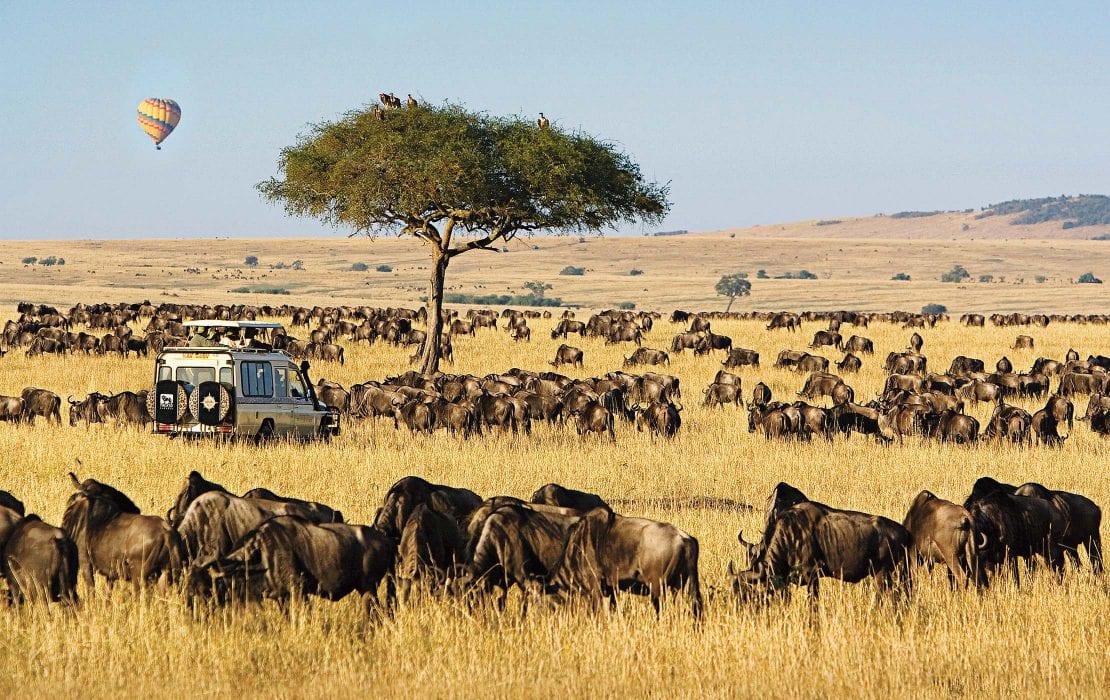
Planning a 14-day Kenya safari requires booking 6–12 months in advance, particularly for the July–October Great Migration. Focus on key hubs like Maasai Mara, Amboseli, Samburu, and Lake Nakuru, allowing 2-3 days per location to avoid rushing. Blend activities by ending with relaxation at the coast.
14-days-2-week-exclusive-kenya-tanzania-safari-tour-holiday-combined-vacation
14-days-ultimate-kenya-tanzania-safari-to-zanzibar-beach-beach-holidays
14-days-kenya-birding-safari-and-wildlife-watching
14-days-best-of-kenya-safari-holiday-2-weeks-africa-kenya-safari-vacation
Decide When to Go
Timing in 2026 is driven by two primary climate windows. The July to October peak season is defined by the Great Migration in the Maasai Mara. For 2026, experts predict the most dramatic Mara River crossings between early August and early September. This is the most expensive time to visit, with park fees for the Mara reaching $200 per adult per day during these peak months.
Alternatively, the January to March window—the "Green Season" or "Short Dry Season"—offers exceptional value. The weather is dry and hot, which thins the vegetation and forces animals toward permanent water sources, making spotting nearly as productive as the peak season but with fewer crowds and lower lodge rates. This is also the "Baby Boom" season in parks like Amboseli, where you can witness hundreds of newborn elephant calves learning to navigate the savanna.
Choose Key Locations
A 14-day trip allows for a "circuit" approach. The Maasai Mara remains the anchor, essential for predator sightings and the sheer volume of wildlife. To balance this, Amboseli National Park provides the world's best elephant viewing with the snow-capped Mount Kilimanjaro as a backdrop; in 2026, visibility is often best in the clear, early morning hours.
Heading north to Samburu adds a unique dimension, as it hosts the "Special Five"—species like the reticulated giraffe and Grevy's zebra that are found nowhere else. Integrating the Rift Valley lakes (Nakuru and Naivasha) provides a necessary shift toward birdlife and rhino conservation. Finally, Diani Beach is the logical conclusion. With its 2026 status as Africa's premier beach, it offers a necessary "decompression" period where you can swap the dusty 4x4 for a traditional wooden dhow on the Indian Ocean.
Select a Travel Style
In 2026, the choice between a Guided Tour and a Self-Drive Adventure often comes down to "Sightings vs. Sovereignty." A guided safari is recommended for first-time visitors; professional guides use radio networks to track elusive predators like leopards, ensuring you don't spend your 14 days looking at empty bushes. They also handle the complex 2026 park entry logistics, which now require specific digital pre-registrations.
A self-drive adventure offers unparalleled freedom but requires a high degree of "bush-mechanic" confidence. In 2026, renting a 4x4 with a rooftop tent is a popular budget-friendly middle ground. However, be aware that while self-driving saves on guide fees, you lose the "expert eye" that can distinguish a cheetah's tail in the tall grass from a hundred meters away. For a 14-day duration, most travelers find a "Private Guided" style offers the best balance of comfort and high-density wildlife viewing.
Budgeting
A realistic 2026 budget for a 14-day Kenya safari ranges from $3,500 (Budget Camping) to $12,000+ (Luxury Fly-in) per person. Park fees are a significant fixed cost, typically accounting for 30% of your total budget. For example, Amboseli and Lake Nakuru currently charge approximately $90 per adult, while the Maasai Mara peaks at $200.
Transportation is your second major variable. A Safari Land Cruiser hire typically costs $200–$250 per day, whereas internal "light aircraft" flights between parks cost between $200 and $450 per leg. Choosing a road-based safari in a Safari Van (Minibus) remains the most economical way to traverse the country, while flying saves you up to 6 hours of travel time per park transition. Always allocate an extra 10% for gratuities, as tipping your guide and lodge staff remains a cornerstone of the safari economy.
Health and Entry
In 2026, Kenya has fully transitioned to the Electronic Travel Authorization (eTA) system, which has replaced traditional visas. You must apply at least two weeks before travel via the official government portal. While some nationalities (like Singaporeans) are currently exempt, most travelers must secure this digital approval before boarding their flight.
Health-wise, Malaria precautions are non-negotiable for a 14-day trip that includes the coast and the Mara. Consult a doctor about prophylaxis like Malarone. Regarding vaccinations, a Yellow Fever certificate is mandatory if you are arriving from an endemic country (like a stopover in Ethiopia or Uganda). In 2026, it is also highly recommended to be up-to-date on Hepatitis A and Typhoid. Always carry a digital and physical copy of your vaccination records, as park authorities or airlines may request them during transit
14 Days Kenya safari vacation
This 14-day Kenyan safari is a masterclass in ecological diversity, designed to transition seamlessly from the rugged northern frontier to the iconic southern savannas and ending at the turquoise Indian Ocean. In 2026, Kenya’s tourism infrastructure has reached a new peak of sophistication, allowing for deep immersion in the "Big Five" territories while maintaining a pace that honors the spirit of a true vacation. From the snow-capped silhouette of Kilimanjaro to the red-dusted elephants of Tsavo, this two-week narrative captures the absolute essence of East Africa. It is an odyssey that balances high-octane predator tracking with serene moments on the coast, ensuring you return home with a comprehensive understanding of Kenya’s natural heritage and a soul restored by the rhythm of the wild.
Day 1: Arrival in Nairobi
Your journey begins in the "Green City in the Sun." Upon arrival at Jomo Kenyatta International Airport, you will be transferred to a luxury hotel nestled in the leafy suburbs of Karen. The afternoon is dedicated to Nairobi’s flagship conservation projects: the David Sheldrick Elephant Orphanage and the Giraffe Centre. Here, you will witness the rehabilitation of orphaned calves and hand-feed the endangered Rothschild’s giraffes, providing an intimate introduction to Kenya's wildlife protection efforts. Dinner at a renowned local restaurant sets the tone for the adventure ahead.
Day 2: Nairobi to Samburu National Reserve
Heading north, the landscape transforms as you cross the Equator and descend into the semi-arid plains of Samburu. This rugged wilderness is defined by the Ewaso Ng’iro River, where palms and acacia trees offer shade to a unique collection of wildlife. You will arrive at your riverfront lodge in time for an afternoon game drive. Samburu is the realm of the "Special Five"—the reticulated giraffe, Grevy’s zebra, Somali ostrich, Beisa oryx, and the gerenuk—species adapted specifically to this parched, beautiful northern frontier.
Day 3: Samburu’s Unique Biodiversity
A full day in Samburu allows for deep exploration. Morning and afternoon drives focus on the predators that thrive here, including lions and the elusive leopards that haunt the riverine thickets. The riverbanks are a magnet for massive elephant herds, often seen bathing to escape the midday heat. Samburu also offers a rich cultural dimension; an optional visit to a local village reveals the traditions of the Samburu people, whose vibrant attire and pastoralist lifestyle have remained unchanged for centuries in this harsh but majestic environment.
Day 4: Ol Pejeta Conservancy
Leaving the desert behind, you travel to Ol Pejeta, a world-class private sanctuary nestled between the Aberdare Range and Mount Kenya. Ol Pejeta is a global leader in rhino conservation and home to the world’s last remaining northern white rhinos. Your afternoon game drive offers a high probability of seeing both black and white rhinos alongside the Big Five. A unique highlight is the Sweetwaters Chimpanzee Sanctuary, the only place in Kenya where you can see rescued primates in a natural forest setting.
Day 5: Lake Nakuru Rhino Sanctuary
You descend into the Great Rift Valley to Lake Nakuru National Park, a stunning soda lake famous for its vibrant birdlife and specialized rhino sanctuary. The park’s acacia woodlands provide the perfect habitat for rhinos, which are frequently spotted grazing near the water’s edge. You will also search for the rare Rothschild’s giraffe and the famous tree-climbing lions. A drive to Baboon Cliff offers a panoramic view of the lake, often fringed with a pink hue from thousands of flamingos and pelicans gathered in the shallows.
Day 6: Lake Naivasha and Crescent Island
The journey continues to Lake Naivasha, the highest freshwater lake in the Rift Valley. Here, the pace shifts to a tranquil, water-based exploration. You will enjoy a private boat safari, gliding past pods of yawning hippos and spotting African fish eagles. The afternoon highlight is a walking safari on Crescent Island, a private sanctuary where you can walk among giraffes, zebras, and waterbucks without the confines of a vehicle—an intimate interaction with nature that is a favorite for photographers and families alike.
Day 7: The Maasai Mara Arrival
Day seven marks your entry into the legendary Maasai Mara, the crown jewel of African safaris. The drive across the Loita Plains brings you to the rolling, golden savannas that host the world’s most famous wildlife spectacle. You will arrive at your luxury tented camp in time for a gourmet lunch and an afternoon game drive. The Mara is where the "Kingdom of Lions" truly comes alive, and you are likely to encounter prides within your first few hours on these hallowed plains.
Day 8: Full Day in the Maasai Mara
A full day in the Mara allows for extensive exploration, including the banks of the Mara River. Your guide will track the "Big Five," with a focus on the big cats—lions, cheetahs, and leopards. If visiting during the migration season (July–October), you may witness the dramatic river crossings of thousands of wildebeest and zebras. Even outside these months, the Mara remains a year-round theater of life and death, offering unparalleled predator viewing and the quintessential African safari experience under a vast, endless sky.
Day 9: Mara Cultural and Bush Exploration
Today balances wildlife with culture. Start with an early morning game drive to catch predators while they are still active. In the afternoon, visit a traditional Maasai Manyatta to learn about the ancient culture that has coexisted with these predators for centuries. Witness their traditional dances and gain insight into their warrior traditions and medicinal plants. The day ends with a sunset "sundowner" on a ridge overlooking the plains, a classic safari tradition that allows you to reflect on the immense beauty of the savanna.
Day 10: Amboseli and Kilimanjaro
Your journey heads toward the Tanzania border to Amboseli National Park, world-renowned for its large herds of free-ranging elephants and the iconic backdrop of Mount Kilimanjaro. As you enter the park, the snow-capped peak of Africa’s highest mountain provides a breathtaking silhouette. Your afternoon game drive focuses on the elephants that frequent the park’s permanent swamps, often seen wallowing in the water or walking in single-file lines across the dusty pans, creating the most photogenic wildlife encounters in Africa.
Day 11: Amboseli Elephant Empire
A full day in Amboseli allows you to explore habitats ranging from dried-up lakebeds to lush Enkongo Narok swamps. You will witness the incredible intelligence and social bonds of the elephant families that have been studied here for decades. The park is also home to cheetahs and spotted hyenas, often spotted in the early morning light. A visit to Observation Hill offers a view of the entire park, where the scale of the landscape and the presence of the mountain create a truly spiritual connection.
Day 12: Tsavo West Volcanic Wonders
Your safari enters its final chapter as you move into Tsavo West, a rugged landscape of ancient lava flows and volcanic hills. You will visit Mzima Springs, where crystal-clear water gushes from underground, creating a sanctuary for hippos and crocodiles viewed from an underwater observatory. The park’s geography is dramatic, featuring the Shetani lava flow and the Ngulia Rhino Sanctuary. The red volcanic soil gives the resident "red elephants" their distinctive hue, providing a rugged and authentic conclusion to your big-game viewing adventure.
Day 13: Tsavo East to the Coast
After a final early morning game drive in Tsavo East—famous for its massive herds of buffalo and the "man-eaters of Tsavo" lion prides—you begin the transition to the coast. The red savanna gives way to tropical palms as you approach the Indian Ocean. You will arrive at Diani Beach by late afternoon, trading the 4x4 for the soft white sands of Africa’s premier beach. The evening is spent listening to the waves, marking the beginning of your coastal rejuvenation.
Day 14: Diani Beach and Departure
Your final day is spent at leisure on Diani Beach. Enjoy a morning of snorkeling at the Kisite-Mpunguti Marine Park, or simply relax at your resort. For a final Kenyan experience, a traditional dhow cruise on the turquoise waters offers a peaceful conclusion to your 14-day odyssey. In the late afternoon, you will be transferred to Mombasa or Ukunda Airstrip for your flight back to Nairobi or directly to your international connection, departing with a heart full of the wild spirit of Kenya.
1. When is the best time for a 14-day Kenya safari?
The peak window is July to October, coinciding with the Great Migration in the Maasai Mara. During these months, the weather is cool and dry, forcing wildlife toward permanent water sources for easy viewing. For budget-conscious travelers or birding enthusiasts, January to March is an excellent alternative; the landscapes are lush from the "short rains," and the "baby boom" season offers sightings of thousands of newborn herbivores.
2. How many days should I spend in the Masai Mara?
Plan for 3 to 4 days in the Mara. This allows you to explore different "sectors," such as the Mara Triangle or the banks of the Mara River. In a 14-day itinerary, this is your high-intensity wildlife core. Spending more than two nights here ensures you aren't just "checking off" sightings but actually witnessing complex animal behaviors, such as a cheetah hunt or a river crossing.
3. Should I visit other parks besides the Masai Mara?
Absolutely. To fully utilize 14 days, you should include Amboseli for its "big tuskers" and views of Kilimanjaro, Samburu for its unique "Special Five" species (like the Grevy’s zebra), and Lake Nakuru for rhino sightings. This diversity ensures your safari experience covers arid northern plains, lush Rift Valley lakes, and the classic southern savanna.
4. How do I travel between destinations in Kenya?
You have two main choices: Road Safaris or Fly-in Safaris. Road travel in a 4x4 Land Cruiser is the most immersive and cost-effective way to see the "real Kenya" between parks. However, for a 14-day trip, many travelers opt to fly between the Mara and the coast or from Northern Samburu back to Nairobi to save 6–8 hours of travel time per leg.
5. National Parks vs. Conservancies
National Parks (like the Maasai Mara National Reserve) are government-managed and open to the public, offering the most iconic landscapes. Private Conservancies are community-owned lands bordering the parks. They offer exclusivity with fewer vehicles, and because they are privately managed, they allow activities forbidden in the parks, such as night game drives and guided bush walks.
6. Do I need a visa for Kenya?
As of 2026, Kenya has fully transitioned to the Electronic Travel Authorization (eTA) system. Every visitor, including infants, must apply via the official government portal (etakenya.go.ke) at least 3 to 5 days before travel. You will need to upload your passport, flight itinerary, and hotel confirmations. The fee is approximately $30–$50 USD depending on your nationality.
7. Is a 14-day safari suitable for families?
Yes, but the key is pacing. A 14-day trip allows for a "Slow Safari" where you spend 3 nights in each lodge rather than one. Look for lodges in conservancies that offer "Warrior Schools" for kids or properties with swimming pools. Mixing in the beach at Diani for the final 4 days provides the perfect "active-to-relax" ratio for children.
8. How much does a 14-day safari cost?
In 2026, expect a daily rate of $250–$400 for mid-range and $700–$1,500+ for luxury. A total 14-day budget typically ranges from $4,500 to $9,000 per person, excluding international flights. Park fees alone now account for a significant portion, with the Maasai Mara charging up to $200 per day during peak season.
9. What should I pack?
The "Safari Uniform" is functional: lightweight, neutral-colored layers (khaki, olive, tan). Avoid dark blue or black, as they attract tsetse flies. Essential gear includes a high-quality wide-brimmed hat, polarized sunglasses, a 400mm+ lens for photographers, and a reliable power bank. Most bush flights have a strict 15kg (33lbs) limit for soft-sided bags.
10. Do I need vaccinations?
Consult a travel doctor 6 weeks before departure. Malaria prophylaxis is highly recommended for almost all safari and coastal regions. A Yellow Fever certificate is mandatory if you are arriving from an endemic country (like a layover in Ethiopia). Routine vaccines for Typhoid and Hepatitis A are also standard recommendations for East Africa in 2026.
11. Can I combine my safari with a beach vacation?
This is the most popular 14-day strategy. Usually, travelers spend 10 days in the bush followed by 4 days on the coast. Diani Beach is the top recommendation for its white sands and proximity to the Ukunda airstrip, allowing you to fly directly from the Maasai Mara to the ocean in under two hours.
12. What is the typical daily routine?
Safari life follows the sun. You will wake up at 5:30 AM for a "Dawn Drive" when predators are most active. You return for a late breakfast and spend the "heat of the day" relaxing or at the pool. At 4:00 PM, you head out for an "Evening Drive," usually concluding with a "Sundowner"—drinks in the bush as the sun sets.
13. How far in advance should I book?
For travel during the July–October migration, you should book 9 to 12 months in advance. The best boutique camps in the Maasai Mara and the premier lodges in Amboseli often sell out a year ahead. For the "low season" (April–June), you can often find availability with just 3 months' notice.
14. Guided Tours vs. Self-Drive?
While self-driving is possible, guided tours are strongly recommended. Professional Kenyan guides are trained in animal behavior and utilize radio networks to find elusive cats. In 2026, the complexity of park entry systems and the condition of some remote roads make having a local expert both a safer and more productive choice for a 14-day trip.
15. Is it safe to travel to Kenya?
Kenya’s safari circuit is very safe. Tour operators manage all logistics and security, and lodges are guarded by professional security (often local Maasai or Samburu warriors). Standard travel precautions apply in major cities like Nairobi, but once you are on the safari circuit, the biggest "risk" is usually a curious monkey stealing your snacks.
16. Currency and Tipping
The Kenyan Shilling (KES) is used for local purchases, but USD (bills dated 2013 or newer) is widely accepted for tips and larger lodge purchases. In 2026, tipping guidelines suggest $15–$25 per day for your driver-guide and $5–$10 per day for general lodge staff (usually placed in a communal tip box at checkout).
Booking 14 Day Kenya safari vacation with us Roads of Adventure safaris
Roads of Adventure Safaris offers a "14 Days Best of Kenya Safari Holiday" designed to showcase the top wildlife and scenic destinations in the country, featuring a blend of adventure and relaxation
