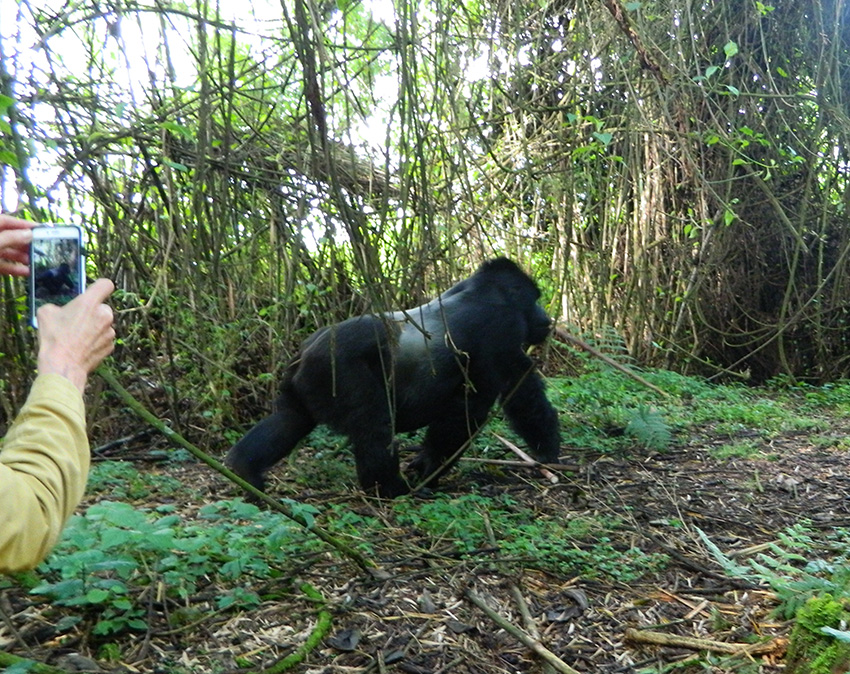
A 7-day Uganda safari typically focuses on a "best of" circuit, combining gorilla trekking in Bwindi, chimpanzee tracking in Kibale, and wildlife game drives in Queen Elizabeth or Murchison Falls. A popular itinerary includes Kibale chimps (Day 1-2), Queen Elizabeth's tree-climbing lions (Day 3-4), and Bwindi gorillas (Day 5-6), finishing with a return to Entebbe.
Popular tour packages for 7 days Uganda safari
7-days-safari-to-uganda-queen-elizabeth-park-gorillas-trekking-and-lake-mburo
7-days-perfect-uganda-primate-safari-itinerary
7-days-uganda-tour-to-murchison-falls-via-ziwa-kibale-and-queen-elizabeth-national-park
7-day-ultimate-uganda-primate-safari-chimpanzees-and-game-drives
7-days-best-uganda-safari-tour-to-popular-safari-parks
7-days-perfect-road-trip-uganda-safari-tour
7-days-murchison-falls-uganda-safari-trip-via-ziwa-rhinos-kidepo-valley-and-jinja
7-Day Safari in Uganda
A 7-day safari in Uganda offers an incredible opportunity to observe some of Africa's most diverse wildlife. This East African gem is home to various species, including elephants, lions, leopards, buffalo, giraffes, zebras, hippos, crocodiles, chimpanzees, mountain gorillas, and over 600 bird species. Uganda’s national parks provide unique habitats, from lush rainforests to open savannahs, supporting these rich animal populations.
You will explore Kibale National Park to track chimpanzees, Queen Elizabeth National Park for game drives and boat safaris, and Bwindi Impenetrable National Park for encounters with mountain gorillas. Along the way, you may also witness tree-climbing lions in the Ishasha sector and numerous bird species throughout your travels. This 7 day safari itinerary combines wildlife tracking with cultural experiences, allowing you to engage with local communities and enjoy the natural beauty of Uganda. Each day reveals the fascinating interactions of these animals in their habitats, offering memorable moments for all visitors.
Day 1: Arrival and Transfer to Kibale National Park
Upon your arrival at Entebbe International Airport, you will be transferred to Kibale National Park. The drive to Fort Portal takes about 5-6 hours, giving you a glimpse of Uganda's charming countryside. After checking into your lodge, visit the Bigodi Wetland Sanctuary for a swamp walk. This vibrant area is home to various wildlife, including monkeys, butterflies, and numerous bird species, such as the great blue turaco and elusive shoebill. While walking the trails, look for rare plants and enjoy the sounds of the wetland's inhabitants. You might spot red-tailed monkeys and black-and-white colobus monkeys swinging through the trees. The sanctuary is also an excellent spot for birdwatching, enhancing your first day in Uganda with its rich biodiversity. Afterward, you will return to your lodge for dinner, feeling excited about the adventures that lie ahead.
Day 2: Chimpanzee Tracking in Kibale Forest
Start your day with an early breakfast before heading into Kibale National Park for chimpanzee tracking. This park is home to one of the largest populations of chimpanzees in Africa, allowing for incredible primate encounters. As you track the chimps, you may also see other primates, including olive baboons and red-tailed monkeys, along with bushbucks and various bird species like the African grey parrot. Keep your eyes and ears open for the distinct calls of these intelligent creatures as they communicate within their social groups. After a morning filled with chimpanzee encounters, you will explore the crater lakes in the afternoon. These picturesque lakes, surrounded by lush greenery, offer a peaceful setting. Wildlife such as otters and various birds, including kingfishers, can often be spotted near the water's edge. Enjoy this tranquil experience before returning to your lodge for the evening.
Day 3: Transfer to Queen Elizabeth National Park
In the morning, leave Kibale National Park and drive to Queen Elizabeth National Park, which takes around 2-3 hours. The route to this park offers scenic views of the Rwenzori Mountains and may include a stop at the Ishasha sector, famous for its tree-climbing lions. These unique lions are often spotted lounging on branches, providing remarkable photo opportunities. Upon arriving at the park, you will check into your lodge before heading out for an afternoon of wildlife observation. While driving through the park, watch for elephants, buffalos, and various antelope species. Return to your lodge for dinner, where you can reflect on the day's wildlife sightings and prepare for the adventures that await in the park. The diversity of animals here is bound to captivate you, setting the stage for more exploration.
Day 4: Game Drive and Boat Cruise
On your fourth day, you will enjoy a morning game drive in the Kasenyi plains of Queen Elizabeth National Park. This park features a rich variety of wildlife, including elephants, lions, hippos, and numerous bird species. Look for pride of lions resting in the tall grass or leopards hiding in the trees. After exploring the plains, you will have a picnic lunch in the park surrounded by nature. In the afternoon, board a boat for a cruise on the Kazinga Channel, a prime location for observing wildlife along the water. The channel hosts vast pods of hippos and crocodiles basking in the sun, while the shore attracts birds such as African fish eagles and jacanas. This cruise provides a different perspective on the diverse wildlife in the area. Return to your lodge for the night, where you can share stories of your memorable observations from the day.
Day 5: Transfer to Bwindi Impenetrable National Park
After breakfast, start your drive to Bwindi Impenetrable National Park, a trip that takes approximately 3-4 hours. The route takes you through the scenic Kigezi Highlands, providing stunning views that highlight Uganda's natural beauty. Upon arrival at the park, check into your lodge and prepare for your gorilla trekking adventure. Bwindi is famous for its mountain gorillas, which inhabit this lush rainforest. During the afternoon, you can explore the surrounding area or attend a cultural experience featuring local communities. This will provide insight into the lives of the Batwa people, who have coexisted with the forest for generations. You may also learn about traditional music and dance. As evening approaches, relax at your lodge and ready yourself for the next day’s exciting gorilla trek.
Day 6: Gorilla Trekking in Bwindi
On your sixth day, you will track mountain gorillas in Bwindi Impenetrable National Park. After breakfast, your group will gather for a briefing and then set out with experienced guides. The trek can be physically demanding, but spotting the gorillas is incredibly rewarding. While tracking, you may also encounter other wildlife, including golden monkeys, forest elephants, and various bird species such as the Great Blue Turaco. Take your time to appreciate the flora and fauna of the area, while your guides share information about conservation efforts and gorilla behavior. After spending time with the gorillas, you might opt for a Batwa cultural experience to learn about their unique heritage. Return to your lodge for a well-deserved meal, sharing the day's adventures with your fellow travelers.
Day 7: Return to Kampala/Entebbe
On your final day, enjoy breakfast before traveling back to Kampala or Entebbe, a drive that will take approximately 8-10 hours. You may stop at the Equator to capture memorable photos and shop for souvenirs, such as artisan crafts or traditional Ugandan fabric. As you make your way back, take in the beautiful scenery and watch for wildlife, including various grazing animals along the roadside. When you arrive in Kampala, you can take a brief tour of the city or enjoy a traditional lunch at a local restaurant, savoring local flavors. Once your trip concludes, you’ll reflect on the diverse wildlife experiences and vibrant culture you’ve encountered throughout your 7-day safari in Uganda.
Best Route for a 7-Day Safari in Uganda
The optimal route for a 7-day safari in Uganda primarily focuses on the southwest quadrant of the country, which boasts an extraordinary variety of wildlife and breathtaking scenery. The itinerary typically begins in Kibale National Park, famous for its large populations of chimpanzees, making it an ideal starting point for primate encounters. The park’s rich flora and numerous bird species further enhance its appeal. Visitors can engage in tracking the chimps in their natural habitat, and the surrounding area is dotted with several picturesque crater lakes.
Following Kibale, the next stop is Queen Elizabeth National Park. This park is celebrated for its rolling savannahs and diverse wildlife, including elephants, buffalo, and various antelope species. Guests might also spot the rare tree-climbing lions in the Ishasha sector, an unforgettable sight. The park also offers boat safaris on the Kazinga Channel, where travelers can observe large populations of hippos and crocodiles.
The journey culminates at Bwindi Impenetrable Forest, renowned for its mountain gorillas. Trekking through this dense forest to observe these magnificent creatures is often the highlight of the safari. Whether you prefer primate tracking or game drives, this carefully curated route captures the essence of Uganda's wildlife diversity while maximizing encounters with iconic species.
This southwestern safari route not only offers opportunities for wildlife viewing but also allows for cultural interactions and appreciation of the nation’s rich heritage, creating a fulfilling adventure in the heart of Africa.
Best Time to Book a 7-Day Safari in Uganda
Planning your 7-day safari in Uganda requires consideration of the best time to visit for optimal wildlife viewing. The dry seasons from June to September and December to February are recognized as the most favorable months for safari adventures. During these periods, animals tend to congregate near water sources, making them easier to spot. The lesser rainfall keeps the jungle trails less muddy, which is crucial for trekking, especially in places like Bwindi Impenetrable Forest where gorilla and chimpanzee tracking takes place.
In contrast, the wet seasons might make certain trails challenging to navigate, potentially hindering wildlife sightings and outdoor activities. Although the rainy season, especially in April and November, can revitalise the landscape, it may also come with heavier downpours, leading to muddy conditions and fewer animal sightings.
Planning your safari during the dry season also enhances the overall experience, with clear skies providing excellent conditions for photography of the incredible wildlife and picturesque scenery. With the best chance of witnessing incredible animal interactions, including the famous gorilla treks, booking during these peak months is advisable. Whether you are tracking chimpanzees in Kibale or gazing at the majestic mountain gorillas, these months offer the best opportunities for unforgettable encounters with Uganda's wildlife.
Cost to Spend 7 Days Safari in Uganda
When planning a 7-day safari in Uganda in 2026, costs can vary greatly depending on the level of service and accommodations selected. For mid-range safari packages, prices typically fall between $4,500 and $6,500 per person. This estimate generally includes essentials such as lodging, meals, transportation in a private 4x4 vehicle, and the fees for a highly skilled guide. A significant additional expense is the $800 gorilla permit, which is essential for tracking mountain gorillas in Bwindi Impenetrable National Park and is often not included in basic package rates.
For those traveling on a budget, options are available starting from approximately $1,800 to $3,500. Budget itineraries might include shared accommodations or group transfers, allowing travelers to enjoy the wildlife without breaking the bank. However, these packages may also come with compromises on personal space or flexibility in scheduling activities.
To achieve the best value, it is advisable to compare various safari operators to find packages that suit your preferences and budget. Furthermore, confirming what is included in each package is crucial, as costs for excursions or specialty activities can add up quickly. Understanding these aspects will help ensure that your investment in the Ugandan safari provides maximum enjoyment and fulfillment.
Gorilla Permits for 7-Day Safari in Uganda
Gorilla permits are a fundamental aspect of planning a 7-day safari in Uganda, especially for those aiming to track and observe mountain gorillas in Bwindi Impenetrable National Park. Currently priced at $800, these permits allow you to spend limited but invaluable time with these magnificent creatures. Given their popularity and the limited number of visitors permitted each day, it is essential to confirm the inclusion of these permits with your safari operator.
Most organized safari packages usually include the gorilla permit in their pricing, but it’s always wise to verify this detail. Due to the high demand for gorilla tracking, it's recommended to book these permits 6 to 10 months in advance. This advance booking also applies to conservation fee regulations, which help fund the protection of these endangered species.
Once secured, your gorilla permit grants you access to one of the most unique wildlife experiences available. While tracking gorillas, you will be accompanied by experienced guides, ensuring not only your safety but also respect for the animals’ well-being. Whether you are an avid wildlife enthusiast or simply seeking a once-in-a-lifetime encounter, the gorilla permit is a crucial element of your Ugandan safari and should be prioritized in your planning.
Safety for 7-Day Safari in Uganda in 2026
Traveling in Uganda in 2026 is deemed safe, particularly in national parks where tourism has become a vital component of the economy. Following the January 2026 national elections, the country has maintained a “Status Green” designation, indicating heightened safety and stability across the nation. The Ugandan government has invested significantly in improving tourism security, ensuring that visitors can explore the country's beautiful landscapes and diverse wildlife with peace of mind.
Inside national parks like Kibale, Queen Elizabeth, and Bwindi, you will be accompanied by well-trained guides who prioritize visitor safety while providing insight into the wildlife and conservation efforts. These experienced professionals are knowledgeable about the local flora and fauna, allowing visitors to enjoy their adventures while remaining secure.
However, it is always wise to take standard travel precautions, such as avoiding isolated areas and securing personal belongings. Adhering to the advice of your safari guide is instrumental in ensuring a safe environment during wildlife activities, such as gorilla trekking and game drives. With these considerations in mind, a 7-day safari in Uganda is not only safe but also a rewarding opportunity to experience the country's rich wildlife and cultural heritage.
Packing for a 7-Day Safari in Uganda
Packing appropriately for your 7-day safari in Uganda is crucial for ensuring comfort and convenience throughout your travels. Essential gear will help you navigate the diverse environments while keeping you safe from elements and potential health concerns. Begin with sturdy hiking boots suited for both walking and trekking. These will provide the necessary support to keep your feet comfortable during activities like gorilla and chimpanzee tracking.
A rain jacket is highly recommended, as the weather can be unpredictable, especially during the wet seasons. Long-sleeved shirts and pants will protect you from insects and the sun, so opt for lightweight, breathable fabrics. Don’t forget to pack a wide-brimmed hat and high-SPF sunscreen to shield against the sun’s rays, especially during outdoor excursions.
For enhanced wildlife observation, include a pair of binoculars, which will prove invaluable while trekking in areas rich with birdlife and larger mammals. A day pack can also be useful for carrying personal items during outings. Lastly, considering a personal first-aid kit with essential medications and insect repellent will enhance your overall safari experience. With the right preparations, your Ugandan safari will be both enjoyable and safe.
Opportunity to See the Big Five on a 7-Day Safari in Uganda
While Uganda is not commonly known for the "Big Five," it is possible to see many of these iconic animals during a 7-day safari by incorporating a detour to Ziwa Rhino Sanctuary. This sanctuary, dedicated to rhino conservation, offers visitors the chance to track these magnificent creatures on foot before proceeding to Murchison Falls or Queen Elizabeth National Park. Here, travelers can encounter lions, leopards, elephants, and buffalo.
In Queen Elizabeth National Park, game drives through areas like the Kasenyi Plains allow you to observe a range of wildlife, including the formidable lions and elusive leopards. The park's biodiversity provides ample opportunities for spotting elephants and various species of antelope and numerous birds. Murchison Falls offers additional opportunities for wildlife sightings, including giraffes and hippos.
By planning your route carefully and making stops at the Ziwa Rhino Sanctuary and well-known national parks, you can certainly maximize your chances of encountering the Big Five during your Uganda safari. With its unique offerings, Uganda stands as a memorable destination for wildlife enthusiasts seeking diverse experiences.
Minimum Age for Primates on a 7-Day Safari in Uganda
When considering a 7-day safari focused on primate tracking in Uganda, it's essential to be aware of the age restrictions in place. For mountain gorilla trekking in Bwindi Impenetrable National Park, the official minimum age is 15 years. This age requirement ensures that participants are physically able to handle the rigors of the trek and can appreciate the significance of observing these endangered animals in their natural habitat.
For chimpanzee tracking, the minimum age is generally set at 12 years, which allows younger travelers to engage in this unique opportunity while still ensuring their safety and understanding of wildlife conservation. Children should be accompanied by an adult guide during these activities to promote responsible behavior around sensitive wildlife.
Being aware of these age restrictions is crucial for families planning their Uganda safari, as it may influence the itinerary and activities. Tour operators will typically clarify these guidelines, ensuring a safe and enjoyable experience in Uganda's rich biodiversity. By adhering to these regulations, families can create memorable wildlife adventures while prioritizing conservation ethics and the well-being of the animals.
Dining Options on a 7-Day Safari in Uganda
While on your 7-day safari in Uganda, you can expect a delightful variety of food options at the lodges and camps you will stay in. Most lodges cater to both local and international preferences, offering a range of dishes that include familiar favorites and traditional Ugandan cuisine. Breakfast often features items like eggs, toast, fruits, and freshly brewed coffee, setting you up for the day ahead.
Lunch typically includes a selection of light meals, such as sandwiches, pasta, salads, or grilled meats. Traditional Ugandan dishes you might encounter include matoke (steamed plantains) and posho (maize porridge), which provide a taste of local flavors and customs.
Dinner may vary by location, but you can typically expect a three-course meal featuring options such as grilled chicken, fish, beef stews, or vegetarian dishes, often served with rice or Ugandan staples. Some lodges might also provide themed nights that celebrate traditional music and dance, further enhancing your dining experience with a cultural touch.
If you have specific dietary restrictions or preferences, be sure to communicate these in advance, as most lodges are accommodating and can tailor their menus to suit individual needs. Overall, dining during your Ugandan safari not only satisfies hunger but also offers an opportunity to savor diverse culinary offerings in a unique setting.
Getting Around on a 7-Day Safari in Uganda
Navigating Uganda during your 7-day safari is typically done in a private 4x4 safari vehicle. This mode of transport is popular for several reasons: it provides the necessary clearance for rugged terrains found in national parks and allows for better visibility with a pop-up roof, enhancing wildlife viewing. The dynamic nature of Uganda's road conditions makes these vehicles a suitable choice to handle both paved and unpaved routes.
Expect your vehicle to come equipped with comfortable seating, ample space for gear, and all necessary amenities to ensure your travel is pleasant. Many operators also include guides who are well-versed in the local flora and fauna, making the journey informative as well as scenic.
If you prefer to save time, domestic flights are also available to connect major parks, such as from Entebbe to Bwindi or Queen Elizabeth National Park. These flights can reduce travel duration significantly but usually come at an additional cost.
Regardless of the method, secure transportation is vital for smooth transitions between activities, ensuring you maximize your safari experiences. Opting for a reputable safari operator will ensure all travel logistics are expertly managed throughout your Uganda adventure.
Internet Access during 7-Day Safari in Uganda
While traveling during your 7-day safari in Uganda, internet access can vary significantly depending on your location. Most lodges and camps provide Wi-Fi in common areas, allowing guests to stay connected during their stay. However, connectivity can be inconsistent, especially in more remote park settings like Bwindi Impenetrable National Park.
For consistent service, consider obtaining a local eSIM (MTN or Airtel) before or upon arrival. This option can give you better coverage and allow you to use mobile data for navigation, communication, and sharing experiences through social media. Additionally, local SIM cards are relatively affordable and easy to set up, ensuring you remain connected during your travels.
It's essential to manage your expectations regarding internet access during your safari. While some areas may have limited connectivity, the focus of your adventure is on immersing yourself in Uganda's rich wildlife and culture. The absence of internet can also serve as an opportunity to be present and fully engaged in your surroundings, enhancing your overall experience in this stunning country.
Health Precautions for a 7-Day Safari in Uganda
Understanding health precautions is crucial when planning your 7-day safari in Uganda. One of the primary requirements is a Yellow Fever vaccination, which is mandatory for entry into the country. Travelers are advised to carry a certification card as proof of vaccination upon arrival. This measure aims to mitigate the risks associated with the virus, especially in areas where outbreaks can occur.
In addition to Yellow Fever, consider malaria prophylaxis highly recommended for all visitors. Joining a safari in rural areas often exposes you to malaria-carrying mosquitoes, so taking preventive medication before, during, and after your trip is essential. Always consult your healthcare provider beforehand for personalized recommendations on medications suitable for your specific needs.
Bringing a small medical kit can also be beneficial during your travels. Items might include insect repellent, antiseptics, and personal medications. Staying hydrated and practicing good hygiene, such as using hand sanitizer, will further enhance your health and comfort while exploring Uganda's remarkable wildlife and sights. Being prepared will ensure a safe and enjoyable experience throughout your safari adventure.
Tree-Climbing Lions on a 7-Day Safari in Uganda
Tree-climbing lions are one of the unique highlights of a 7-day safari in Uganda, located primarily in the Ishasha sector of Queen Elizabeth National Park. These fascinating lions have adapted to climb trees, often found lounging on branches during the day. This behavior offers visitors rare opportunities for close-up viewing and photography that is not commonly found in other African nations.
When visiting this part of the park, keep your eyes peeled for these elusive cats resting comfortably among the branches. As you explore the Ishasha region, you might also encounter other wildlife, including buffalo, elephants, and a variety of birds.
Including Ishasha in your itinerary provides a richer wildlife experience, making the effort of tracking these unique lions worthwhile. It also exemplifies Uganda's diverse habitats, which facilitate interactions with a range of animal species. Witnessing tree-climbing lions is likely to be a memorable highlight, adding a special dimension to your overall exploration of Uganda.
Visa Requirements for a 7-Day Safari in Uganda
For travelers planning a 7-day safari in Uganda, it is essential to address visa requirements. As of 2026, Uganda has fully transitioned to an E-Visa system, which is user-friendly and efficient. Individuals planning to visit must apply online at least two weeks before their scheduled arrival. This process generally involves filling out a form, providing necessary documentation, and paying the visa fee.
Once approved, the E-Visa simplifies entry into Uganda, allowing travelers to focus on their safari experience rather than worrying about traditional paper visas. It is advisable to keep a printout of the E-Visa handy for presentation at customs upon arrival.
Ensure your passport is valid for at least six months beyond your planned departure date, and that you have at least one blank page for entry and exit stamps. Adhering to these requirements will facilitate a smooth and hassle-free entry into Uganda, enabling you to enjoy the diverse wildlife and rich culture of this captivating destination without delays.
Customizing a 7-Day Safari in Uganda for Adventure Sports
For those seeking an adventurous twist on a traditional safari, customizing a 7-day itinerary to include Eastern Uganda can provide an exciting blend of wildlife encounters and adventure sports. This alternative route allows you to explore thrilling activities such as white-water rafting on the Nile River in Jinja, known as the adventure capital of Uganda. Here, you can navigate the exciting rapids while soaking in the scenic beauty of the river.
Additionally, consider hiking in Sipi Falls, where you can conquer stunning trails that offer picturesque views of the waterfalls and opportunities for interaction with local communities. The region is also known for coffee farming, where you can learn about the process from bean to brew.
If you seek a more rigorous challenge, Mount Elgon provides diverse wildlife sightings and trekking opportunities. This lesser-explored area offers unique flora and fauna, making it an exciting addition to your safari.
By integrating these adventure sports into your itinerary, you can enjoy a well-rounded experience that combines the thrill of outdoor activities with the exploration of Uganda's rich wildlife and culture. Customize your safari to suit your adventurous spirit and create lasting memories in this captivating country.
Booking 7 Days safari in Uganda with us Roads of Adventure safaris
Book your 7-day Uganda safari with Roads of Adventure Safaris to explore top parks like Murchison Falls, Queen Elizabeth, and Bwindi. Enjoy thrilling chimpanzee tracking, gorilla trekking, and Big Five spotting in a private 4x4 with an expert guide. Packages include accommodation, park fees, and transport starting from budget to luxury. Experience the best of Uganda's wildlife and stunning landscapes on this unforgettable, customized adventure. Email or visit our website to secure your spot today.
