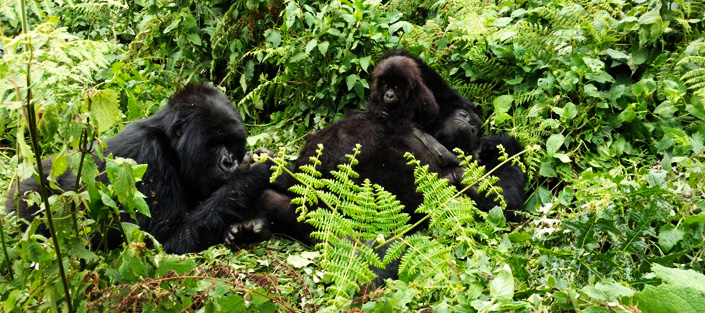
A 17-day safari in Rwanda allows for an in-depth exploration of the "Land of a Thousand Hills," combining premier primate trekking (Gorillas, Chimpanzees, Golden Monkeys) with cultural immersion, canopy walking in Nyungwe, and wildlife viewing in Akagera. Most 17-day itineraries often combine Rwanda with Uganda's Bwindi Impenetrable Forest and Queen Elizabeth National Park to maximize diversity, covering savannahs, lakes, and forests.
Key Highlights of a 17-Day Rwanda Safari
- Volcanoes National Park: Multiple days for Mountain Gorilla tracking, Golden Monkey tracking, and hiking Bisoke Mountain.
- Nyungwe Forest National Park: Chimpanzee trekking and the Canopy Walkway experience.
- Akagera National Park: Big Five game drives, including lions, rhinos, and elephants, plus boat trips on Lake Ihema.
- Lake Kivu: Relaxation in Gisenyi or Kibuye, featuring boat rides and island hopping.
- Kigali City: A visit to the Kigali Genocide Memorial Center for cultural and historical context.
- Cultural Experiences: Visits to the Iby’iwacu Cultural Village near Volcanoes National Park.
17 Days Safari in Rwanda Itinerary
Rwanda, often called the "Land of a Thousand Hills," is a remarkable destination known for its outstanding wildlife encounters and rich cultural heritage. Home to an impressive variety of species, the country supports populations of mountain gorillas, chimpanzees, golden monkeys, and several bird varieties, including the African fish eagle and the grey-crowned crane. Other wildlife includes elephants, buffalo, hippos, and various antelope species like the impala and topi. From the lofty peaks of Volcanoes National Park to the lush greenery of Nyungwe Forest and the savannas of Akagera National Park, Rwanda offers a unique combination of experiences for wildlife enthusiasts and cultural travelers alike. This 17-day itinerary is designed to explore diverse habitats, allowing visitors to witness remarkable interactions with primates, birds, and various other wildlife while also engaging with local communities. Whether trekking to see the majestic gorillas or enjoying a boat safari on Lake Kivu, Rwanda's natural beauty is truly captivating.
Day 1: Arrival in Kigali, City Tour, and Genocide Memorial
Upon arrival at Kigali International Airport, you will transfer to your hotel in Kigali. After settling in, the city tour begins, focusing on Rwanda's history and growth. A significant stop is the Kigali Genocide Memorial, where you will learn about the tragic events of 1994. This moving experience offers insights into the country's resilience and journey towards reconciliation.
The city is also home to various parks where you might spot local wildlife, including the African gray parrot and the Rwenzori colobus monkey. As you explore vibrant neighborhoods filled with markets and cafes, look for small animals like bushbucks or various bird species like sunbirds. The engagements with local artisans will deepen your understanding of Rwandan culture. With a mix of history, culture, and wildlife sightings, this first day lays an important foundation for the adventure ahead.
Days 2-4: Transfer to Volcanoes National Park
On day two, you will transfer to Volcanoes National Park, home to the majestic mountain gorillas. Once settled, prepare for an early rise the following day for the gorilla trekking experience. On day three, enjoy a guided trek through the dense forest, where you may encounter several wildlife species, including golden monkeys, red-tailed monkeys, and various bird species such as the Rwenzori turaco.
On day four, take part in either golden monkey tracking or a scenic hike in the park. Golden monkeys are playful and social, often found in bamboo forests. Hiking offers a chance to spot various butterfly species and listen to the sounds of the forest. Your time in Volcanoes National Park is packed with active encounters, deepening your appreciation for Rwanda's wildlife conservation efforts.
Day 5: Transfer to Lake Kivu for Relaxation
On day five, you will transfer to Lake Kivu, where you can unwind by the beautiful lakeside. The picturesque scenery is an ideal setting for relaxation and reflection after the intensive trek at Volcanoes National Park. In the afternoon, enjoy a boat ride on the lake, which allows for sightings of various bird species, including the African fish eagle and kingfishers perched on rocks.
You can also explore the vibrant fishing community along the shore, where fishermen often bring in their daily catch. This serene environment is perfect for indulging in local cuisine featuring freshly caught fish. Spend the night relaxing by the lake, soaking in the tranquil atmosphere, with the possibility of spotting monkeys in the distant hills or enjoying the sounds of crickets and birds as the sun sets.
Days 6-8: Drive to Nyungwe Forest National Park
On day six, travel to Nyungwe Forest National Park, known for its rich biodiversity. Upon arrival, prepare for an unforgettable experience of chimpanzee trekking on day seven. Chimpanzees, along with around 12 other primate species, inhabit the park, offering visitors remarkable wildlife interactions. Look out for local birds like the great blue turaco as you traverse various trails.
On day eight, enjoy a thrilling canopy walk that allows for an elevated view of the forest's flora and fauna. Keep an eye out for other wildlife, such as the L'Hoest's monkey and bush babies hidden in the trees. Bird-watchers will appreciate the diverse avian species inhabiting the area, including the handsome francolin and the blue-headed coucal. Each day in Nyungwe provides a deeper appreciation for Rwandan wildlife and offers unique opportunities for encounters with different species.
Days 9-11: Explore Southern Rwanda/Cultural Visits
Transitioning to southern Rwanda on day nine, you will explore the cultural richness of this fascinating region. Visits to local villages enable you to engage with communities, learning about traditional crafts, customs, and the local way of life. Expect to see a variety of local wildlife, including birds and smaller mammals, enriched by cultural histories.
Days ten and eleven offer additional opportunities for cultural experiences, such as attending traditional dances or exploring local markets. You may also visit impressive sites like the scenic hills and valleys, containing flora that attracts various butterfly species. Southern Rwanda's cultural richness, combined with wildlife sightings, ensures this segment of the safari is both educational and enjoyable.
Expect to learn about crop cultivation methods, local cuisines, and the importance of community engagement in conservation efforts, integrating wildlife awareness into cultural perspectives.
Days 12-14: Transfer to Akagera National Park
Days twelve through fourteen involve a transfer to Akagera National Park, known for its diversity of wildlife and savanna landscapes. On day twelve, enjoy a game drive in the park, where you might spot elephants, giraffes, and various antelope species like impala and topi.
On day thirteen, you will participate in a boat safari on Lake Ihema, providing an opportunity to observe hippos, crocodiles, and numerous bird species, including the endangered shoebill stork. This relaxing boat ride complements the earlier game drives, offering a different perspective of the park's wildlife.
Day fourteen allows for further exploration of Akagera, whether through more game drives or heading to areas with rich birdlife. The combination of larger mammals and aquatic wildlife emphasizes Rwanda's conservation efforts while providing a fulfilling safari experience.
Days 15-16: Further Exploration of Akagera or Return to Kigali
On day fifteen, you can choose to explore more of Akagera National Park or head back to Kigali for leisurely activities. If staying at Akagera, expect additional game drives that may reveal encounters with leopards or large herds of buffaloes. Take the time to appreciate the park's imposing landscapes and rich wildlife.
Should you opt to return to Kigali on day fifteen, you can enjoy the city's vibrant art scene and local markets. Discover shops that offer Rwandan handicrafts and artwork, respecting the beautiful cultural expressions found throughout the area.
On day sixteen, consider visiting sites that showcase Rwandan culture, such as local schools or craft centers. Engaging with communities fosters connections and understanding of cultural heritage. Through this final segment, you will solidify your appreciation for Rwanda's wildlife and humanity, creating lasting memories.
Day 17: Departure from Kigali
On day seventeen, prepare for your departure from Kigali. Depending on your flight schedule, you may have time for one last exploration of the city or a relaxed breakfast at your hotel. Reflect on the rich variety of wildlife you encountered, from the majestic mountain gorillas to the diverse birdlife of Akagera National Park.
Pack your souvenirs and remember the local crafts and gifts that represent Rwanda's culture. Make sure to check your belongings and ensure you have all necessary travel documents ready for a smooth departure. After transferring to Kigali International Airport, you will carry home not only memories of stunning wildlife encounters but also a deep appreciation for the culture and landscapes of this beautiful country. Your time in Rwanda will undoubtedly leave a lasting impression as you depart for your next adventure.
What is Included in a 17 Days Safari in Rwanda?
A 17-day safari in Rwanda typically includes a comprehensive range of services and experiences designed to maximize wildlife interactions and ensure a comfortable stay. One of the key inclusions is the gorilla permit, which allows you to track and spend time with the mountain gorillas in Volcanoes National Park. This permit is essential as it not only supports conservation efforts but also guarantees access to these magnificent creatures.
Chimpanzee tracking is another exciting aspect of the safari, featuring adventures in Nyungwe Forest National Park. The trip often includes golden monkey tracking as well, offering opportunities to observe these playful animals in their natural habitat. Park fees cover entrance to various national parks, ensuring that you can explore Rwanda's diverse wildlife safely and responsibly.
Transport is typically provided in 4x4 vehicles equipped for comfort and visibility during drives, ensuring safety on often rugged terrain. Experienced guide services come standard, providing insights into wildlife behavior, local culture, and conservation issues.
Accommodation options vary from luxury lodges to mid-range and budget hotels, usually situated near park entrances for easy access. Meals are included, ranging from local cuisine to international dishes, catering to various dietary preferences. This inclusive approach ensures a well-rounded safari that combines adventure, education, and relaxation, allowing you to fully engage with Rwanda's rich natural and cultural heritage.
Where Do I See Mountain Gorillas on This Trip?
Mountain gorillas are primarily seen during gorilla trekking in Volcanoes National Park, which is central to this 17-day safari itinerary. Volcanoes National Park is located in northwestern Rwanda and is renowned for its conservation efforts aimed at protecting these critically endangered animals. With approximately 800 mountain gorillas residing in Rwanda, this park plays a crucial role in the preservation of the species.
The gorilla trekking experience begins early in the morning, when you will meet your guide and join a small group, typically limited to eight people per gorilla family. This limitation not only ensures a more intimate experience but also helps reduce stress on the animals. The trek can vary in length, depending on the location of the gorilla group, ranging from a short hike to several hours.
Once you find the gorillas, you can spend a maximum of one hour observing them. This time is invaluable, allowing you to witness their behavior, social interactions, and the close bonds they share within their groups. The chance to see juvenile gorillas playing and adult males displaying their strength is often a highlight for visitors.
Before and after your trek, the park offers breathtaking views of the Virunga Mountains, which can enhance your appreciation of the natural beauty surrounding these magnificent creatures. Overall, Volcanoes National Park provides a unique chance to connect with Rwanda’s most iconic wildlife.
Can I Combine a 17 Days Safari in Rwanda with Other Countries?
Yes, it is quite common to combine a 17-day safari in Rwanda with visits to neighboring countries like Uganda or the Democratic Republic of Congo, enhancing your overall travel experience. Combining safaris offers you the opportunity to witness a wider variety of wildlife and landscapes, making for a richer adventure.
When combining your trip with Uganda, travelers often seek out the "Best of" experience, which typically includes gorilla trekking in both countries. Uganda's Bwindi Impenetrable National Park is another prime location for gorilla encounters, providing the chance to see different gorilla families and habitats. Incorporating Uganda into your travel plans will also allow you to explore other unique wildlife, such as the chimps in Kibale National Park.
If you choose to visit the Democratic Republic of Congo, your itinerary could include trekking in Virunga National Park, home to both mountain gorillas and a wealth of biodiversity. This cross-border adventure allows you to appreciate diverse cultures, flora, and fauna while enriching your understanding of the region's conservation efforts.
However, when planning such combinations, it's important to be aware of visa requirements and travel logistics, as well as to ensure safety and stability in those regions. Ultimately, combining your safari in Rwanda with visits to other countries can greatly enhance your wildlife experiences, making for an unforgettable trip through East Africa.
What is the Best Time for a 17 Days Safari in Rwanda?
The best time for a 17-day safari in Rwanda aligns with the country's dry seasons, which occur from June to September and December to February. These months provide the most favorable conditions for trekking and wildlife viewing, particularly in the dense forests and mountainous areas where gorillas and chimpanzees reside.
During these dry seasons, the trails in Volcanoes National Park and Nyungwe Forest National Park are typically more accessible, making treks more enjoyable and less strenuous. Conditions are also favorable for photography, as clearer skies and vibrant vegetation create ideal backdrops for capturing memories. Wildlife is easier to spot during these months since animals are more active and tend to gather around water sources.
The dry spells also coincide with the peak tourist season, resulting in higher demand for permits and accommodations. Therefore, travelers are advised to plan and book well in advance, especially for gorilla and chimpanzee permits, to secure their spots.
The wet seasons, particularly in March to May and October to November, can present challenges such as muddy trails, making trekking more difficult. However, these seasons can offer unique opportunities for birdwatching as migratory species are often present. Ultimately, visiting during the dry months allows for a more favorable and comfortable wildlife experience.
Is it Possible to Track Chimpanzees?
Yes, chimpanzee tracking is one of the exciting features of a 17-day safari in Rwanda, particularly in Nyungwe Forest National Park. This national park is renowned for its diverse primate species, with chimpanzees being one of the highlights.
Chimpanzee trekking typically begins early in the morning, with guides leading small groups through the lush forest to locate the chimps. Expect to navigate diverse terrain, which can range from flat paths to hilly areas. The trek can last anywhere from one hour to several hours, depending on the location of the chimpanzee groups.
While on your trek, you could also encounter other primate species, such as L’Hoest’s monkeys and blue monkeys, as well as various bird species, including the great blue turaco and several vibrant butterflies, enriching your nature walk. Once the chimps are located, you will have the opportunity to observe and take notes on their behavior as they play, feed, and socialize.
In addition to chimpanzee tracking, Nyungwe Forest features exhilarating canopy walks that allow you to enjoy a bird’s-eye view of the forest while providing additional chances to sight wildlife. The combination of chimpanzee trekking and other activities in Nyungwe offers a comprehensive overview of Rwanda’s rich biodiversity.
Are There Savannah Game Drives Available?
Yes, a 17-day safari in Rwanda typically includes savannah game drives, particularly in Akagera National Park. This park is situated in eastern Rwanda and is well-known for its open savannahs, wetlands, and diverse wildlife.
Game drives in Akagera provide the opportunity to spot various species, including elephants, lions, buffaloes, and giraffes. The park also hosts numerous antelope species such as the topi and impala, which are often seen grazing in groups across the savannah. These drives are usually conducted early in the morning or late in the afternoon, when animals are most active.
In addition to land-based wildlife, Akagera offers unique boat safaris on Lake Ihema. During these excursions, visitors can observe hippos basking in the water and Nile crocodiles sunbathing on the shores. The lakeside is also a haven for birdwatchers, with species like the shoebill stork and various herons frequently spotted.
Each game drive and boat safari is led by experienced guides who share valuable information about the wildlife and their habitats. This combination of activities not only enriches your understanding of Rwanda's diverse wildlife but also allows for memorable moments in some of the country's most beautiful environments.
What is the Age Limit for Gorilla Trekking?
The minimum age for gorilla trekking in Rwanda is 15 years old. This age restriction is in place to ensure the safety and well-being of both the visitors and the mountain gorillas. Trekking to see gorillas can be physically demanding, requiring participants to navigate rugged terrain and endure sometimes lengthy hikes to reach the gorilla groups.
Younger children are generally not permitted on these treks due to the potential risk of distressing the gorillas, which can be sensitive to noise and sudden movements. Adult supervision is crucial, and young trekkers must be able to follow instructions from guides to ensure safety protocols are adhered to.
Families with children aged 15 and older can enjoy this extraordinary wildlife experience together. It's advisable to prepare thoroughly for the trek, ensuring that all participants are physically ready to handle the challenges. With the minimum age set at 15, it opens the door for families to introduce their young teenagers to the wonders of wildlife conservation and the vital role these gorillas play in their habitats.
How Long Can I Spend with the Gorillas?
When you finally locate a mountain gorilla group during your trekking adventure in Volcanoes National Park, you are allowed a maximum of one hour with the gorillas. This hour is designed to be both memorable and respectful, providing visitors the chance to observe and photograph these incredible animals without causing them undue stress.
During this time, you may witness the gorillas as they interact, socialize, and groom one another. This social behavior is fascinating to observe, offering insights into the family dynamics within the groups. Spending time with these majestic creatures can be a life-changing experience, emphasizing the importance of wildlife conservation efforts.
The limited interaction time is a measure to protect both the gorillas and tourists. It ensures that the animals do not become habituated to human presence, which could lead to changes in their natural behaviors. Guides closely monitor the group during this hour to ensure that interactions remain protective and respectful of the gorillas’ well-being.
As you conclude your hour-long encounter, you will leave with a deeper appreciation for these magnificent animals and their conservation, often inspired to support ongoing efforts to protect their habitats.
Do I Need a Visa for Rwanda?
Yes, most visitors to Rwanda need a visa to enter the country, which can be obtained through several methods. For those visiting Rwanda only, a single-entry visa is available online or on arrival at the airport. The online application process is straightforward, requiring you to complete a form and pay a fee.
For travelers looking to explore multiple countries in East Africa, the East African Tourist Visa is an excellent option. This visa permits travel to Rwanda, Uganda, and Kenya, making it a convenient choice for those interested in exploring the region's diverse wildlife and landscapes.
When planning your trip, it is essential to check the latest visa requirements based on your nationality, as regulations may change. Ensure you have all necessary documents, including your passport with at least six months of validity, prior to your arrival.
Obtaining the right visa allows you to enjoy your 17-day safari without concern for legal issues upon arrival. It’s advisable to plan and apply well ahead of your travel dates, especially during peak tourist seasons, to ensure a smooth entry into this vibrant country.
What is the Accommodation Standard?
Accommodation standards during a 17-day safari in Rwanda can vary widely, catering to diverse budgets and preferences. Options typically range from luxury lodges to mid-range and budget hotels, offering travelers a variety of choices based on comfort and amenities.
Luxury lodges, often positioned near national parks, provide top-notch facilities, exquisite dining, and exceptional service. These establishments often feature stunning views, luxurious rooms, and a range of services such as spa treatments and guided activities. Staying at a luxury lodge can enhance your overall experience, creating a more comfortable base for your wildlife adventures.
Mid-range accommodations generally offer a balance between comfort and affordability, providing cozy rooms and decent amenities, including restaurant services. These places create a warm atmosphere, making them ideal for families and groups looking for value.
Budget options usually consist of guesthouses, hostels, or simpler lodgings. These may lack some amenities, but they typically offer friendly service and local interactions, making them a great choice for budget-conscious travelers.
Overall, regardless of the type of accommodation chosen, each option affords chances to experience the warmth of Rwandan hospitality while offering varying comforts throughout the safari adventure.
How Long Should I Book My 17 Days Safari in Rwanda in Advance?
Booking your 17-day safari in Rwanda well in advance is crucial, particularly to secure permits for gorilla and chimpanzee trekking, which are limited in number and can sell out quickly. It is highly recommended to book at least 6 months to a year in advance, especially if you plan to travel during peak seasons from June to September and December to February.
The early booking process allows you to have your choice of accommodations and the flexibility to customize your itinerary according to your preferences. This is especially important for safari activities that require precise scheduling, such as trekking permits for gorillas and chimpanzees. Delaying your reservation could result in limited options or unavailability close to your preferred travel dates.
Moreover, booking in advance allows for better planning and preparation regarding travel logistics, ensuring a smoother safari experience. This proactive approach helps you secure your desired travel dates and tour components while offering peace of mind as you prepare for your adventure in Rwanda.
Ultimately, early planning will ensure that you enjoy a well-organized safari experience, maximizing your time with wildlife and cultural encounters.
Is it Safe to Visit Rwanda?
Rwanda is considered one of the safest and most stable countries in Africa for travelers. The government places a strong emphasis on tourism safety, which is evident in the clean and well-organized urban settings, particularly in the capital, Kigali.
Crime rates are relatively low compared to many other destinations, and violent crime is rare. However, as in any travel destination, it's essential to follow standard safety precautions, such as avoiding poorly lit areas at night and securing valuables while on the move.
Local authorities and tourism organizations promote safety measures for visitors, especially during activities such as trekking in national parks. Guides are well-trained, ensuring that groups follow procedural guidelines to enhance both security and the overall experience.
Health safety is also a focal point in Rwanda, with health facilities available for travelers if needed. Travelers are advised to consult with health professionals before their trip to stay informed on necessary vaccinations and health precautions.
In summary, Rwanda is regarded as a welcoming and safe adventure destination, encouraging tourists to explore its unique landscapes and wildlife while enjoying cultural encounters that foster understanding and connection.
What is the Maximum Number of People per Trekking Group?
The maximum number of people allowed per trekking group for gorilla trekking in Rwanda is typically set at eight people per gorilla family per day. This limitation helps to ensure a more intimate and respectful interaction with the mountain gorillas, minimizing disturbances to their natural behaviors.
Keeping group sizes small is crucial not only for the comfort of the visitors but also for the conservation of the endangered species. Smaller groups allow for quieter approaches, which is less stressful for the gorillas and reduces the risk of accidental encounters with other wildlife.
Prior to the trek, visitors receive a briefing that covers safety protocols and guidelines for interacting with the gorillas. Guides are trained to manage groups effectively and to ensure that visitors adhere to regulations, including maintaining a safe distance from the animals.
As a result, this maximum of eight people allows all group members to have a meaningful and memorable encounter while promoting sustainable wildlife tourism practices. The limited group size helps foster deep respect for wildlife and the importance of conservation efforts in protecting these incredible creatures.
Is Cultural Experience Included?
Yes, cultural experiences are often included in a 17-day safari in Rwanda, enriching your understanding of the country's heritage and the daily lives of its people. Cultural experiences can encompass a variety of activities, enriching the overall safari itinerary.
A visit to the Kigali Genocide Memorial is typically included, providing insights into Rwanda’s history and resilience. This visit helps contextualize your understanding of the modern-day Rwandan society and its commitment to unity and reconciliation.
Community visits are also a popular component of cultural experiences. Travelers have the chance to engage with local artisans, farmers, and traditional dance groups, learning about their customs, crafts, and ways of life. These interactions can involve traditional food preparation, music performances, or craft workshops, allowing you to gain a deeper appreciation for Rwandan culture.
Such cultural activities complement the wildlife experiences, presenting a holistic view of Rwanda. Engaging with locals not only adds depth to your understanding but also fosters connections between travelers and the communities they visit. These cultural experiences contribute to a well-rounded safari that embodies both nature and the spirit of Rwandan heritage.
What Should I Pack for This Trip?
Packing appropriately for a 17-day safari in Rwanda is essential to ensure comfort and readiness for various activities. Start with sturdy hiking boots that provide good ankle support, as you will be trekking through diverse terrains, particularly in the national parks.
Long pants are advisable for protection against possible insect bites during treks, as well as for general comfort in forested areas. Lightweight, breathable long-sleeved shirts can also help protect against the sun and insects. Don’t forget to pack a waterproof jacket as weather conditions can change unexpectedly.
Insect repellent is another essential item to prevent mosquito bites, especially in areas where malaria is a concern. A good-quality camera (with the flash off to avoid startling wildlife) will help you capture the incredible moments you encounter, whether with gorillas, chimps, or beautiful landscapes.
Other useful items include a daypack for easy access to essentials while trekking, sunscreen, a reusable water bottle, and binoculars for wildlife viewing. By preparing thoughtfully, you'll be well-equipped to enjoy all the activities Rwanda has to offer, from gorilla trekking to cultural experiences.
Booking 17 Days Safari in Rwanda with us Roads of Adventure safaris
Book your unforgettable 17-day Rwanda and Uganda safari with Roads of Adventure Safaris. This comprehensive, tailor-made adventure includes gorilla trekking in Volcanoes National Park, chimpanzee tracking in Nyungwe, and wildlife viewing in Akagera. We handle all logistics, including 4x4 transport and permits. Enjoy a mix of primate tracking, boat cruises, and cultural experiences, creating a unique journey through Rwanda’s scenic landscapes and vibrant culture. Contact us via info@roadsofadventuresafaris.com or WhatsApp +256 701041637 for a, personalized, secure, and expert-guided 17-day East African experience.
