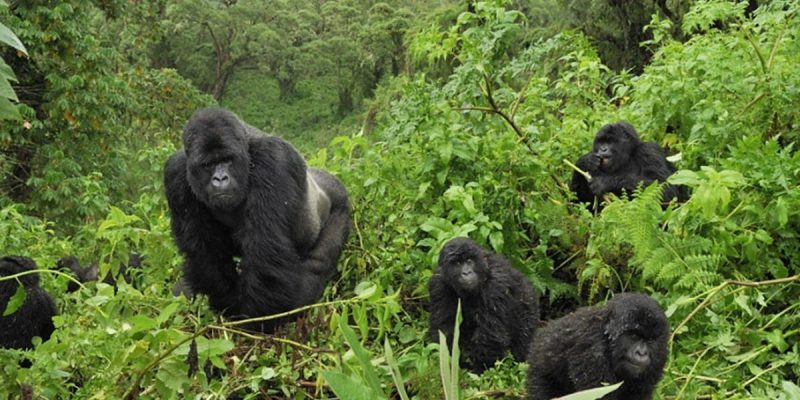
A 16-day Uganda safari offers a comprehensive "best of" experience, combining gorilla trekking in Bwindi with chimpanzee tracking in Kibale and savanna game drives in Murchison Falls and Queen Elizabeth NP. The itinerary typically covers the western circuit, starting in Entebbe, including scenic stops at Lake Bunyonyi and Lake Mburo for a well-rounded mix of primates, big game, and relaxation.
16-days-ultimate-uganda-safari-to-rwanda-safari-tour-package-combo
16-days-classic-uganda-wildlife-safari-and-gorilla-trekking-tour
16 Days Uganda safari tour and gorilla trekking
The 16-Day Itinerary Highlights (Western Circuit) provides an incredible mix of wildlife, culture, and adventure across Uganda. Travelers can expect to see a rich array of wildlife, including elephants, lions, hippos, crocodiles, giraffes, zebras, chimpanzees, mountain gorillas, rhinos, diverse bird species like the shoebill and African fish eagle, plus many more unique animals along the route. This itinerary combines visits to pristine national parks and cultural interactions, ensuring a holistic experience of Uganda’s natural beauty and vibrant traditions.
Starting in Entebbe, visitors can explore iconic locations like Jinja, the Source of the Nile, and Ziwa Rhino Sanctuary before heading to Murchison Falls National Park. The adventure continues with chimpanzee trekking in Kibale, game drives in Queen Elizabeth National Park to spot tree-climbing lions, and esteemed gorilla trekking in Bwindi Impenetrable National Park. The tour concludes with a cultural engagement in Lake Mburo, enhancing the connection to Uganda's diverse communities and wildlife.
Day 1-2: Arrival & Jinja/Ziwa
Upon arrival at Entebbe International Airport, your adventure begins. Optional activities include a trip to Jinja, famous for white-water rafting on the Nile and exploring the Source of the Nile. In Jinja, you can encounter various wildlife, including monitor lizards, baboons, and colorful bird species like the kingfisher.
Alternatively, head north to Ziwa Rhino Sanctuary, where you can see rhinos in their natural habitat. The sanctuary is a success story, with a focus on conservation and rehabilitation. You might spot other wildlife, such as bushbucks, oribi, and a variety of birds like the African grey parrot during your visit.
In both locations, you'll relish the rich diversity of Uganda's wildlife while enjoying unique activities before continuing your travels.
Day 3-4: Murchison Falls National Park
Travel to Murchison Falls National Park, a journey that takes about five hours from Entebbe. Upon arrival, settle into your lodge and prepare for upcoming wildlife encounters.
The following morning, embark on a game drive in the park, spotting a range of wildlife such as elephants, lions, giraffes, and cape buffalo. Murchison Falls is known for its biodiversity, making this an exciting day for wildlife photography and observation.
In the afternoon, take a boat cruise along the Nile River, allowing for close views of hippos, Nile crocodiles, and an array of birds, including the majestic African fish eagle and the rare shoebill stork. The view of Murchison Falls from the water is an unforgettable highlight. Return to your lodge for relaxation and dinner, reflecting on the day's wildlife sightings.
Day 5-6: Kibale National Park
After breakfast, travel to Kibale National Park, a trip that takes about two to three hours. Kibale is renowned for its high chimpanzee population and other primates. Your first activity here is chimpanzee trekking, where you can enjoy spotting these fascinating creatures in their natural setting.
With a 95% success rate, you are likely to witness exciting behaviors, including play and feeding. Besides chimpanzees, Kibale is home to red-tailed monkeys, blue monkeys, and numerous bird species, making it a prime location for wildlife lovers.
On Day 6, take a tranquil walk through Bigodi Wetland Sanctuary, where you can observe various other species such as Sitatunga antelope and a diverse array of birds. The rich biodiversity in both Kibale and Bigodi emphasizes the region's ecological significance while offering unique moments with nature.
Day 7-9: Queen Elizabeth National Park
Today, you will depart for Queen Elizabeth National Park, a drive lasting about two to three hours. Upon arrival, settle in and prepare for wildlife adventures over the next few days.
Enjoy game drives in the Kasenyi plains and the Ishasha sector, where you can spot tree-climbing lions resting in fig trees. Besides lions, expect to see hippos, elephants, and Uganda kobs, among other species.
On Day 9, take a boat cruise along the Kazinga Channel, which provides opportunities to see hippos, crocodiles, and various birds like the African jacana and grey-crowned cranes. This is an excellent opportunity for photography and observing wildlife behavior up close. Spend evenings at your lodge sharing your day’s highlights with fellow travelers.
Day 10-12: Bwindi Impenetrable National Park & Gorilla Trekking
Travel to Bwindi Impenetrable National Park, a trip that generally takes about four to five hours. This park is famous for its population of endangered mountain gorillas.
On Day 11, set out for your gorilla trekking adventure. Following a briefing, enter the forest to locate one of the gorilla families. Observing these incredible primates in their natural habitat is one of the tour's most memorable highlights. You're likely to encounter various other wildlife during the trek, such as duikers and numerous birds.
After your trek, relax with a boat ride on Lake Bunyonyi on Day 12. The tranquil waters are home to various birds, including cormorants and weaver birds. Enjoy the serene setting, reflecting on your encounters with the gorillas and the beauty of the region before heading to your next destination.
Day 13-15: Lake Mburo & Culture
After breakfast, travel to Lake Mburo National Park, which takes about four hours. Known for its variety of ecosystems, Lake Mburo is home to wildlife such as zebras, impalas, and elands.
On Day 14, consider a walking safari or a boat trip on the lake. The boat ride offers chances to see hippos and crocodiles while the walking safari provides a different perspective, allowing for closer interactions with the park's wildlife, including bird species like the African fish eagle and the beautiful blue swallow.
On Day 15, engage with the Banyankole community through a cultural tour. Here, you can learn about local customs and traditions and enjoy traditional dances and food. This cultural experience complements your wildlife encounters beautifully, providing depth to your understanding of Uganda's diverse heritage.
Day 16: Departure
On your final day, depart from Lake Mburo and travel back to Entebbe, approximately a four-hour drive. Before heading to the airport, consider a stop at the Equator for photos and perhaps some shopping for souvenirs.
Reflect on the myriad of wildlife you've encountered throughout your travels—the mountain gorillas, tree-climbing lions, and thousands of birds—each adding to your memories of Uganda. Arriving at Entebbe International Airport, you'll prepare for your flight home, carrying the richness of this incredible journey with you. This trip not only expands your understanding of Uganda but leaves you with cherished memories of its diverse wildlife and warm-hearted communities.
Best Route for a 16-Day Uganda Safari
The ideal route for a 16-day Uganda safari begins in Entebbe, where you can connect with the beautiful Lake Victoria. From Entebbe, head to Jinja, known as the adventure capital of Uganda, where you can raft the source of the Nile River. Next, your journey takes you to Murchison Falls National Park, where you can enjoy an impressive boat cruise and game drives.
Travel onward to Kibale National Park for exceptional chimpanzee trekking experiences. This park is famed for its dense forests and variety of primate species. Following Kibale, you will venture to Queen Elizabeth National Park, noted for its diverse wildlife and landscape. Don’t miss the chance to spot the unique tree-climbing lions in its Ishasha sector.
Your route continues to Bwindi Impenetrable National Park, a highlight for many due to the opportunity to trek mountain gorillas. After an exhilarating gorilla trekking experience, you can relax at Lake Bunyonyi, known for its serene waters and stunning scenery. Finally, experience the trails and wildlife at Lake Mburo National Park before returning to Entebbe, wrapping up an adventure filled with unforgettable moments and wildlife encounters.
Gorilla Trekking Duration in Bwindi
Gorilla trekking in Bwindi Impenetrable National Park typically lasts about 2 to 6 hours. This duration is variable and can depend on numerous factors, such as the specific gorilla family being visited and the terrain. Each trek begins with a guide briefing you on gorilla etiquette and safety before you start the hike through the forest.
While the trek itself may demand some physical effort, the experience of being in proximity to these magnificent creatures can be life-changing. For one hour after reaching the gorillas, you’ll have the chance to observe them as they interact, forage, and play. This time is deeply memorable, allowing visitors to connect with the gorillas in their natural habitat.
As you trek through the lush vegetation of Bwindi, you might also encounter a variety of other wildlife and plant species, making each trek a unique encounter. Proper preparation is key, so don't forget to wear sturdy hiking boots, bring a rain jacket, and keep your camera handy for those extraordinary moments.
Spotting Tree-Climbing Lions
Yes, one of the fascinating highlights of Queen Elizabeth National Park is the opportunity to spot the famous tree-climbing lions in the Ishasha sector. These lions are known for their unusual behavior of lounging in the branches of fig trees, a behavior that scientists believe may relate to avoiding ground-level insect pests, especially tsetse flies.
During your safari, guided game drives through Ishasha will increase your chances of witnessing these extraordinary lions in their unique resting spots. This area is also rich in various wildlife, including elephants, Uganda kobs, and buffaloes, offering a diverse experience as you drive through the expansive plains.
Photographers will enjoy ample opportunities for capturing wildlife in a natural context, especially with the picturesque backdrop of the park's vast landscapes. Engaging with local guides can greatly enhance your safari experience, as they share insights into the animal behaviors and habitats you encounter along the way.
Inclusion of Chimpanzee Trekking
Absolutely, chimpanzee trekking is typically included in most 16-day safari itineraries, particularly in Kibale National Park. Kibale is Africa's premier destination for chimpanzee tracking, often boasting a success rate of around 95%.
Your trek begins with a short briefing by knowledgeable park guides, who will share valuable information on how to behave around the chimpanzees to ensure both your safety and that of the animals. The guided trek through the lush green forest is often teeming with other primates, such as red-tailed monkeys and bush babies, adding to the excitement of your trek.
After your chimpanzee encounters, visitors often have the chance to explore the nearby Bigodi Wetland Sanctuary. This wetlands area offers a relaxing nature walk where birdwatchers can delight in spotting various bird species unique to Uganda, such as the Great Blue Turaco. This combination of activities not only enhances your primate experience but also offers insight into Uganda's broader biodiversity.
Cost of a 16-Day Safari
The cost for a 16-day safari varies depending on your choice of accommodation, vehicle type, and included activities. Budget options may start at approximately $150 to $250 per person, per day, while mid-range safari packages may range from $250 to $400. Luxury packages often exceed $400 per person, per day, providing premium lodges and exclusive experiences.
In addition to accommodation, other factors contributing to the total cost include transportation, guides, meal provisions, and entrance fees to national parks. Gorilla permits, which typically cost around $800 for Uganda and $1,500 for Rwanda, are often additional charges unless mentioned otherwise in your travel package.
When planning your budget, always confirm what is included in your itinerary with your tour operator. It’s wise to choose packages that fit your travel style while ensuring they cover key experiences such as gorilla trekking and park entrance fees.
Gorilla Permits Inclusion
Typically, gorilla permits are not included in the standard package price. Given their high cost—$800 in Uganda or $1,500 in Rwanda—it’s essential to verify their inclusion when booking the tour with your safari operator. Gorilla permits are a vital part of the safari experience, granting you access to the gorillas in their habitats, and are essential to conservation efforts in these regions.
To avoid surprises, always check with your operator regarding the specifics of what is included in your tour package. Most reputable operators like Roads of Adventure Safaris will provide clear details about the inclusion and processing of permits. If the permits are not covered in the package, they can often assist in organizing them to ensure a smooth and enjoyable trekking experience.
Best Time for a 16-Day Safari
The best time for a 16-day Uganda safari generally falls between June to October and December to February. These months represent the dry seasons, making it easier to navigate the national parks and engage in trekking activities with less rain.
During these months, wildlife is also more visible, as animals tend to congregate around water sources. This is particularly advantageous for photographers and wildlife enthusiasts seeking to capture animals in action.
However, Uganda can be unpredictable concerning weather. Rain can occur at any time, especially in forested regions, so it’s wise to prepare accordingly with waterproof clothing and gear. Opting to travel during the dry months will enhance your overall experience and increase the likelihood of successful wildlife sightings.
Source of the Nile
One of the initial highlights of your safari will be visiting Jinja, where you can explore the Source of the Nile. This location is significant both for its historical context and the wide array of activities available, including white-water rafting, kayaking, and boat cruises.
Taking a boat cruise allows for stunning views of the banks and the surrounding scenery. Along the way, you may spot various wildlife, such as monkeys, crocodiles, and tropical birds inviting you to appreciate the country’s natural beauty.
Your time in Jinja also provides an excellent opportunity to unwind and prepare for the more intensive wildlife aspects of the safari, giving you a chance to soak in the cultural and adventure-oriented atmosphere that characterizes this vibrant area.
Best Way to Travel Between Parks
For your 16-day safari, traveling between parks is best done using a 4x4 safari land cruiser. These vehicles are designed specifically for the rugged terrain you’ll encounter, ensuring a comfortable and safe ride.
The benefits of traveling in a 4x4 include high ground clearance to navigate rough roads, particularly during rainy seasons when muddy conditions can be challenging. Additionally, these vehicles often feature pop-up roofs, providing an excellent vantage point for wildlife viewing during game drives.
Your tour guide will not only drive you safely between parks but also share valuable insights, ensuring you don’t miss any wildlife or notable scenery along the way. The cost of a 4x4 vehicle may be slightly higher than basic transport options, but it’s well worth it for the comfort and enhanced wildlife viewing opportunities.
Driving Duration
On a 16-day Uganda safari, you might spend between 3 to 6 hours driving each day, depending on the distance between parks. Travel times can vary due to road conditions, wildlife sightings along the way, and scheduled stops for meals or photo opportunities.
Scenic views during these drives are captivating, making the time spent on the road an integral part of your safari experience. For example, driving through the rolling hills of Uganda offers panoramic views, and it’s common to spot small traditional villages and local farmers along the way.
To make the drive more enjoyable, plan for breaks at beautiful viewpoints and engage your guide in discussions about the surrounding landscapes and local culture. This will enhance your appreciation of Uganda’s rich biodiversity and cultural heritage.
Cultural Experiences
Cultural experiences are an important aspect of a 16-day Uganda safari. Many tours incorporate opportunities to connect with local communities, offering insight into their daily lives, traditions, and customs.
For instance, visits to the Batwa community allow you to learn about their lifestyles and unique customs. You may also visit Ankole long-horned cattle farms, where you can understand the significance of cattle in the culture and economy of Uganda.
Local markets are often included in itineraries as well, presenting visitors with a chance to shop for handmade crafts, clothing, and local produce. These cultural engagements make your safari feel complete, adding depth to your wildlife adventures by connecting you to the people and places you visit.
Packing for the Safari
When preparing for your 16-day safari, it's essential to pack appropriately to ensure comfort and safety. Key items to consider include sturdy hiking boots for trekking, long-sleeved shirts for protection against sun and insects, and rain jackets for unexpected showers.
Don’t forget to include garden gloves for handling rough terrain and sunscreen to protect against UV rays. Insect repellent is also crucial, especially in forested regions.
For capturing your journey, pack a quality camera and binoculars for observing wildlife. Layering your clothing is advisable, as temperatures can vary significantly throughout the day. Having the right gear will enhance your overall enjoyment and allow for a memorable adventure as you explore Uganda's remarkable parks.
Lake Bunyonyi Worth Visiting
Yes, Lake Bunyonyi is considered a highlight of many itineraries. Known for its tranquil waters and picturesque scenery, it is often labeled the best place to relax after trekking.
The lake is dotted with small islands, each with its unique charm. Visitors can take part in activities like boating, canoeing, or even swimming in its safe waters. Birdwatchers will especially appreciate the rich avian diversity, as the lake is home to numerous bird species.
After the intense trekking experiences in Bwindi, Lake Bunyonyi offers a peaceful retreat to unwind and reflect on your incredible encounters, making it a perfect stop on your safari path. The welcoming community traditions, surrounding hills, and calm atmosphere truly accentuate your Uganda experience.
Lake Mburo National Park Wildlife
In Lake Mburo National Park, expect to see a variety of wildlife, including zebras, impalas, giraffes, and buffaloes. The park is one of Uganda’s smallest national parks but is rich in diversity, showcasing unique savannah grasslands and wetlands.
A guided walking safari is a fantastic way to explore the park. It allows you to observe the wildlife up close in their natural habitat while experiencing the scenery on foot. You may encounter additional species such as elands and a range of birdlife, which adds to the park's appeal.
This park is also a great place for photography, offering expansive views and tranquil settings. Spend your visit experiencing the beauty of this lesser-known gem, which is often overlooked yet brimming with life and stunning vistas.
Combining the Tour with Rwanda
Yes, many 16-day safaris offer the option to combine Uganda with Rwanda for a truly enriching experience. Starting in Kigali, the capital of Rwanda, allows for easier access to Bwindi Impenetrable National Park for gorilla trekking, shortening the distance to your next destination.
This arrangement reduces driving times, making for a more enjoyable adventure. Following your time in Uganda, you can conclude your safari back in Entebbe or Kigali, depending on your travel preferences.
Working with reputable operators like Roads of Adventure Safaris can help you seamlessly blend both countries into your itinerary, ensuring you experience the best wildlife, culture, and scenery that East Africa has to offer. This option not only enriches the safari experience but also allows for memorable encounters with both Ugandan and Rwandan wildlife.
Booking Uganda safari with us Roads of Roads of Adventure safaris
Plan your Uganda safari with Roads of Adventure Safaris, specializing in gorilla trekking and wildlife adventures. They offer customized itineraries to destinations like Bwindi, Queen Elizabeth, and Murchison Falls. Services include lodge bookings, 4x4 transport, and experienced guides. A 30% deposit is required to secure your trip. They create tailored trips for various budgets. Contact them via email (info@roadsofadventuresafaris.com) or WhatsApp (+256 701041637).
