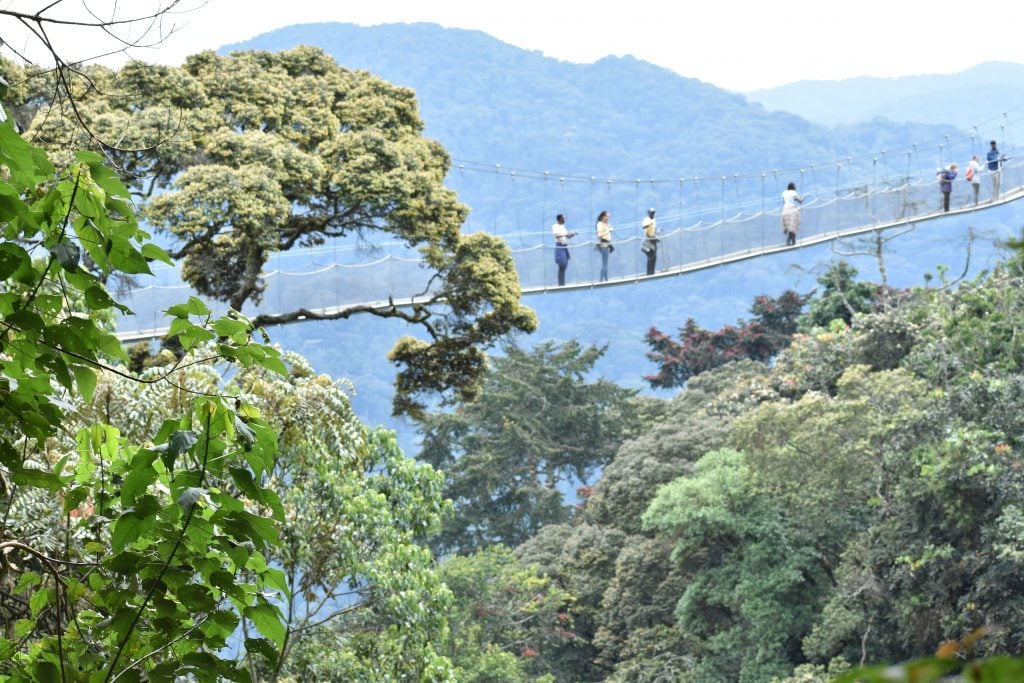
A 16-day Uganda and Rwanda primate safari combines top wildlife experiences, featuring gorilla tracking in Bwindi (Uganda) and Volcanoes NP (Rwanda), chimpanzee tracking in Kibale, and golden monkey trekking, alongside big game viewing in Queen Elizabeth and Murchison Falls. The journey starts in Entebbe, traverses Uganda's western circuit, crosses into Rwanda, and concludes in Kigali.
16-days-exclusive-rwanda-safari-tour-and-gorilla-trekking-tour-package
16-days-ultimate-uganda-safari-to-rwanda-safari-tour-package-combo
16-Day Uganda & Rwanda Itinerary Highlights
Uganda and Rwanda are renowned for their rich biodiversity, making them prime destinations for wildlife enthusiasts. In Uganda, the Big Five—elephant, lion, leopard, buffalo, and rhinoceros—can be found alongside numerous primates such as the endangered mountain gorilla and chimpanzees. Uganda is also home to the stunning shoebill stork, while other notable fauna includes the hippo, crocodile, various antelope species, and the elusive African golden cat. In Rwanda, visitors encounter the majestic mountain gorillas that inhabit Volcanoes National Park. The country also offers great opportunities to see golden monkeys, elephants, and diverse bird species in varied habitats. This 16-day itinerary encompasses some of the best wildlife and cultural experiences in both nations, from game drives in Murchison Falls National Park to gorilla trekking in Bwindi Impenetrable Forest, culminating in the vibrant city of Kigali. Each day is packed with activities allowing you to observe and interact with the incredible wildlife of this region.
Days 1-2: Arrival & Jinja/Rhino Tracking
Upon arrival at Entebbe International Airport, you will transfer to either Kampala or Entebbe for your first overnight stay. On Day 2, you’ll travel to Ziwa Rhino Sanctuary, where you’ll have the opportunity to track the endangered white rhinos. This sanctuary provides a safe environment to view these magnificent animals up close. Afterward, drive to Jinja, the adventure capital of Uganda. You will enjoy a scenic boat cruise on the Nile River, taking in views of the riverbanks and local wildlife. Keep an eye out for hippos and various bird species along the way, such as pelicans and kingfishers. After the cruise, visit the source of the Nile, an iconic landmark where the famous river begins. The day concludes with an overnight stay in Jinja, allowing you to relax and prepare for the days ahead.
Days 3-5: Murchison Falls & Cultural Experiences
On Day 3, depart for Murchison Falls National Park, which takes approximately 4-5 hours by road from Jinja. Once there, you can engage in morning game drives where wildlife such as elephants, lions, and giraffes are frequently spotted. The park is also known for its impressive birdlife, including the African fish eagle and the hornbill. On Day 4, enjoy a boat cruise to the base of Murchison Falls, where you might see crocodiles basking on the banks and hippos floating in the water. In the afternoon, take another boat ride to the Albert Delta for excellent birdwatching opportunities. On Day 5, visit Hoima town to participate in cultural walks. Interact with local communities to learn about their traditions and crafts, enriching your understanding of Ugandan culture before returning for an overnight stay in the area.
Days 6-7: Kibale Forest Chimpanzees
On Day 6, travel approximately 3-4 hours to Kibale Forest National Park, known for its primate population. Spend your first afternoon relaxing before preparing for the next day’s chimpanzee tracking. Early on Day 7, set off for a guided trek in search of chimpanzees, which are often seen swinging through the trees. Kibale boasts a variety of other primates, including blue monkeys and red-tailed monkeys. After the chimpanzee tracking session, visit the Bigodi Wetland Sanctuary, where you can spot various bird species, such as the Great Blue Turaco, and possibly see bushbucks roaming in the underbrush. The guided nature walks offer insights into the local ecosystem and conservation efforts. Following your visit, return to your accommodations for a well-deserved rest.
Days 8-10: Queen Elizabeth National Park
On Day 8, set out for Queen Elizabeth National Park, a drive of about 2-3 hours from Kibale Forest. This park is famous for its diverse wildlife, including the tree-climbing lions of Ishasha. Spend your days engaging in morning and afternoon game drives, where you may encounter elephants, warthogs, and cape buffalo. Day 9 includes a boat cruise on the Kazinga Channel, where you can see hippos, crocodiles, and various birdlife like the African skimmer. In the afternoon, track chimpanzees in Kyambura Gorge or visit Karinzu Forest for a chance to observe more primates. As part of your cultural enrichment, explore the Katwe salt mining site, which provides insights into the local salt extraction process and its impact on the community. Each day in this park promises memorable wildlife sightings and enriching experiences.
Days 11-13: Bwindi Impenetrable Forest
On Day 11, travel approximately 3-4 hours to Bwindi Impenetrable Forest, a UNESCO World Heritage site and home to a significant population of mountain gorillas. The afternoon is spent at leisure, allowing you to prepare for gorilla trekking the following day. On Day 12, you will participate in a guided trekking expedition to see the mountain gorillas. Depending on the gorilla group, this trek can take 1-6 hours. Observing these magnificent creatures in their natural habitat is a highlight of any visit to Uganda. You will also see other wildlife, such as bushpigs and various bird species. On Day 13, unwind by Lake Bunyonyi, engaging in canoeing or boat rides while enjoying the peaceful surroundings. This serene environment offers a chance for reflection and relaxation after your gorilla trekking adventure.
Days 14-15: Rwanda Primates & Culture
On Day 14, cross into Rwanda, traveling roughly 3-4 hours to Volcanoes National Park. Engage in golden monkey trekking, where you can see these engaging primates in action. This park is also home to wildlife like elephants and various bird species, enhancing your conservation education. In the afternoon, visit the Iby’iwacu Cultural Village to learn about traditional Rwandan lifestyles and participate in local crafts. On Day 15, you will have a chance to explore more of the park’s natural beauty or engage in additional activities, such as a guided nature walk that highlights local flora and fauna. Take time to appreciate Rwanda’s commitment to conservation and its impactful community-focused initiatives. These two days in Rwanda provide a blend of wildlife observation and cultural immersion.
Day 16: Kigali Departure
On the final day, take the 2-3 hour drive to Kigali, the capital of Rwanda. Once there, embark on a city tour that includes visits to key sites such as the vibrant local markets and the iconic Kimironko Market, where you can shop for local crafts and souvenirs. A significant highlight includes visiting the Kigali Genocide Memorial, where you'll gain insight into the country’s history and the resilience of its people. This visit promotes a deeper understanding of Rwanda’s journey and its commitment to unity and healing. After your city tour, prepare for your departure from Kigali International Airport, concluding your wildlife and cultural exploration in Uganda and Rwanda.
What does the 16 Days Uganda and Rwanda Primate Safari Vacation Include?
A 16-day Uganda and Rwanda primate safari vacation offers a rich itinerary focused on wildlife adventures, particularly around primates and diverse ecosystems. The trip encompasses several key activities. First and foremost, it includes gorilla tracking in Bwindi Impenetrable Forest, where participants get the opportunity to see the rare mountain gorillas in their natural habitat. This thrilling experience is often described as life-changing due to the intimate encounters with these gentle giants. Alongside gorilla tracking, the safari features chimpanzee trekking in Kibale National Park, another highlight that allows participants to observe and interact with our closest relatives in the wild. Additionally, golden monkey trekking in Volcanoes National Park provides a unique experience, bringing guests up close to these energetic and playful primates.
Game drives in various national parks, such as Queen Elizabeth National Park, offer opportunities to observe the Big Five and other wildlife species, including elephants, lions, and diverse bird species like the shoebill stork and the African fish eagle. Overall, this trip is meticulously planned to include both adventurous wildlife encounters and cultural experiences, such as community visits and traditional performances in local villages.
Is a 16 Days Uganda and Rwanda Primate Safari Vacation Safe?
Safety is a significant consideration for travelers planning a trip to Uganda and Rwanda. Both countries are regarded as safe for tourists, featuring relatively low crime rates and a welcoming culture. Major cities, such as Kampala and Kigali, maintain their security measures, making them comfortable for exploration. National parks, where most of the safari activities take place, are well-guarded and managed by professional rangers.
Tour operators often provide comprehensive safety briefings before trekking activities, ensuring that tourists are well-informed of safety protocols. While the areas are generally safe, it is still important for visitors to remain aware of their surroundings and follow local guidelines to ensure a secure experience. For added safety, health insurance and travel insurance that covers medical evacuation are highly recommended. The presence of established tourism infrastructures, such as accommodations and medical facilities, further enhances the safety of visitors. Given these factors, a 16-day primate safari in Uganda and Rwanda promises a secure and enjoyable adventure for all participants.
What is the Best Time for a Uganda and Rwanda Primate Safari Vacation?
The best time for a Uganda and Rwanda primate safari vacation is during the dry seasons, which typically run from June to September and December to February. These periods are ideal for various reasons, particularly for trekking and travel. During the dry months, trails in national parks are less muddy and easier to navigate, resulting in a more comfortable trekking experience. This is crucial for activities like gorilla and chimpanzee trekking, where muddy conditions can make the hikes more challenging and less enjoyable.
In addition to better trekking conditions, the dry season also facilitates wildlife sightings. Animals tend to congregate around water sources, making game drives more fruitful. Visitors have a higher chance of seeing diverse wildlife, from elephants and buffaloes to various bird species.
However, while dry seasons are generally considered the best times to visit, Uganda and Rwanda can still be attractive during the wet season. The rains promote lush vegetation, enhancing the beauty of the landscapes, and some travelers enjoy fewer crowds. Overall, careful planning around these seasonal variations can help ensure successful wildlife encounters and enjoyable experiences during your safari vacation.
Can I See Both Mountain Gorillas and Chimps on this Trip?
Yes, a 16-day Uganda and Rwanda primate safari vacation is designed to accommodate the viewing of both mountain gorillas and chimpanzees, maximizing wildlife opportunities for participants. The itinerary typically includes multiple visits to key locations known for their primate populations. Bwindi Impenetrable Forest, a UNESCO World Heritage site in Uganda, is a primary destination for gorilla trekking, allowing visitors to observe these majestic creatures in their natural habitat. This particular park boasts a high density of mountain gorillas, making it one of the best locations in the world for such interactions.
Additionally, chimpanzee trekking is included in Kibale National Park, renowned for having one of the highest concentrations of chimpanzees in Africa. Here tourists can view these fascinating animals as they engage in their daily activities within the rainforest. The trip may also extend to Nyungwe Forest in Rwanda, where visitors can witness various primates, including lesser-known species such as the gray-cheeked mangabey and the L'Hoest's monkey.
This combination of experiences enriches the adventure, allowing for encounters with more than just the famed mountain gorillas, offering a broader understanding of primate behavior and ecology in Eastern Africa.
How Much Does a 16 Days Uganda and Rwanda Primate Safari Vacation Cost?
The cost of a 16-day Uganda and Rwanda primate safari vacation varies significantly, primarily based on the level of luxury sought and additional experiences included in the itinerary. Permits for gorilla and chimpanzee trekking are a major portion of the total expenses and can be quite high. For 2025, gorilla trekking permits in Uganda are approximately $700 per person, while in Rwanda, they can go up to $1,500. It's important to factor in these costs when budgeting for the trip.
Accommodation varies widely from mid-range lodges to luxury hotels, which will also affect the overall price. A mid-range option may cost around $150 to $400 per night, while upscale accommodations can exceed $600 per night. Additionally, consider costs for meals, park fees, transportation, and any optional activities you may wish to add.
Overall, depending on your choices regarding accommodation and activities, a comprehensive budget for a 16-day primate safari can range from $4,000 to over $10,000 per person. Thus, proper planning is crucial to align your safari experience with your financial expectations.
Do I Need a Visa for this Uganda and Rwanda Primate Safari Vacation?
Yes, travelers typically require a visa for a 16-day Uganda and Rwanda primate safari vacation. Fortunately, the East African Tourist Visa is an advantageous option. This visa allows entry into Uganda, Rwanda, and Kenya for a single fee, making it a convenient choice for those planning to visit multiple countries within the region.
For most nationalities, the East African Tourist Visa can be applied for online, which simplifies the process before arrival. Alternatively, travelers can obtain visas on arrival, but this approach may involve longer wait times. It is important to verify specific entry requirements based on your nationality, as regulations can change.
Additionally, travelers should ensure that their passports are valid for at least six months beyond their intended stay and have at least one blank page for visa stamps. Checking for any additional health requirements, such as vaccinations, is also essential for a seamless entry into both countries.
In summary, securing the proper visas in advance will facilitate a more streamlined and enjoyable experience during your Uganda and Rwanda primate safari vacation.
What is the Age Limit for the Uganda and Rwanda Primate Safari Vacation?
The age limit for participating in gorilla tracking during a 16-day Uganda and Rwanda primate safari vacation is typically set at 15 years old. This age restriction is in place to ensure that participants are physically and mentally prepared for the demands of the trek, which can be physically rigorous. The trekking involved may include steep and uneven terrain, requiring a certain level of stamina and fitness.
For chimpanzee tracking, the age limit is often lower, with many parks allowing younger participants to join. However, it’s always advisable to check with your tour operator for specific age policies, as these can vary by location and may change over time.
Families traveling with younger children should also consider the additional logistics involved, such as trekking conditions and child-centered activities. This thoughtful planning ensures that younger travelers can still enjoy the experience through alternative or modified activities while ensuring their safety and comfort.
Before embarking on the trip, families should communicate with their tour operator to tailor the itinerary to accommodate younger adventurers and allow everyone to enjoy their adventure fully.
What Should I Pack for a Uganda and Rwanda Primate Safari Vacation?
Packing for a Uganda and Rwanda primate safari vacation requires careful consideration of the varied activities involved, particularly trekking through forests and engaging in potentially wet conditions. Start with sturdy hiking boots designed for uneven and muddy terrain, ensuring optimal comfort and support during treks. Waterproof rain gear is essential, as weather can be unpredictable, especially during the wet season.
Long-sleeved clothing and long pants are recommended to protect against insect bites and scrapes from thorny vegetation. Light, breathable fabrics work best for hot, humid conditions while providing protection against the elements. Insect repellent containing DEET or natural alternatives can also help ward off mosquitoes, especially in forested areas.
Additionally, bring a pair of binoculars for wildlife viewing and a good camera to capture memorable moments. Don’t forget sunscreen, a hat, and sunglasses to protect against sun exposure during outdoor activities. A small daypack can be handy for carrying snacks, water, and personal items while hiking.
Always consider the altitude when packing; layers can help you adjust to changing temperatures as you move from lower elevations to higher altitudes in the mountains. Overall, thoughtful packing will enhance your comfort and safety during this exciting primate safari vacation.
How Strenuous is the Trekking on this Uganda and Rwanda Primate Safari Vacation?
The trekking involved in a Uganda and Rwanda primate safari vacation can vary in difficulty but is generally considered to be moderately challenging. Trekking to see mountain gorillas in Bwindi Impenetrable Forest often involves steep inclines and can take anywhere from 1 to 6 hours, depending on the location of the gorilla group you are tracking. Be prepared for rugged terrain as you navigate through the thick vegetation and occasionally muddy paths.
Chimpanzee trekking in Kibale Forest also presents some physical demands, though trails are typically more defined and manageable. Good physical fitness is important, but those who are reasonably active can often handle the trek successfully.
It’s important to listen to the guidance of your tour guides, who will assist in maintaining a safe trekking pace and ensuring that all participants are comfortable throughout the experience. Moderate fitness levels will enhance your enjoyment of the trek, minimizing fatigue and allowing you to fully engage with the remarkable wildlife encountered along the way.
Both trekking experiences are designed to promote conservation and protect the habitats of these primates, emphasizing the importance of responsible wildlife observation.
What is the Difference Between Rwanda and Uganda in this Safari?
Rwanda and Uganda offer distinct experiences for travelers on a primate safari while showcasing their respective natural wonders and cultural attributes. Rwanda is often perceived as the more luxurious option, featuring high-end lodges and exclusive tours, particularly in Volcanoes National Park, where mountain gorilla trekking is a major draw. The country’s commitment to conservation and eco-tourism is reflected in its infrastructure and service quality, but this comes with a higher price tag for visitors.
On the other hand, Uganda is characterized by a rugged charm and an array of diverse adventures. It incorporates a wide variety of ecosystems, from savannahs to rainforests, allowing deeper wildlife encounters in various settings. Uganda offers options for trekking both gorillas and chimps in different parks, including Bwindi Impenetrable Forest and Kibale National Park. Uganda's more adventurous settings appeal to travelers looking for a varied itinerary that includes game drives and cultural experiences.
Both countries share the goal of primate conservation, but they approach it with different styles. Rwanda’s emphasis is on an upscale experience, while Uganda focuses on offering breadth and depth in wildlife discoveries, making each destination valuable in its own right. Ultimately, choosing between the two depends on travelers' preferences for adventure styles and accommodation experiences.
Are Vaccinations Required for a Uganda and Rwanda Primate Safari Vacation?
Yes, vaccinations are generally required for those planning a Uganda and Rwanda primate safari vacation. The most important vaccination is the yellow fever vaccine, which is typically mandatory for entry into both countries. Travelers should receive the vaccine at least 10 days before departure to comply with entry regulations. A yellow fever certificate may be requested upon arrival, so carrying this documentation is advisable.
Additional vaccinations that are recommended include those for typhoid, hepatitis A, hepatitis B, and rabies. Depending on individual health conditions and local recommendations, travelers might want to discuss their vaccine history with a healthcare provider, especially regarding personal health concerns before the trip.
Apart from vaccinations, it’s advisable to take precautions such as malaria prophylaxis, particularly in rural and forested areas where exposure to mosquitoes is possible. Preparing health-wise before your trip will help you enjoy the wildlife encounters in Uganda and Rwanda with peace of mind.
Checking for any updated vaccination requirements is also crucial, as regulations and recommendations can change over time, ensuring that travelers are well-informed for their upcoming safari adventure.
Can I Combine Other Wildlife with this Uganda and Rwanda Primate Safari Vacation?
Yes, a 16-day Uganda and Rwanda primate safari vacation can certainly include additional wildlife experiences. One of the most popular additions is the opportunity for savannah game drives in Queen Elizabeth National Park. This park is known for its diverse wildlife, where visitors can see elephants, lions, buffalo, and various antelope species roaming the savannah areas.
Incorporating multiple national parks during this safari not only enriches the wildlife experience but also allows for different ecological encounters. For example, Lake Mburo National Park, known for its unique walking safaris, is another option, often teeming with zebras and elands, presenting an opportunity to see wildlife without the confines of a vehicle.
In Rwanda, extending your visit to Akagera National Park allows tourists to experience a different environment, home to crocodiles, hippos, and numerous bird species. This park is notable for its stunning landscapes and offers the chance for boat rides on Lake Ihema.
Combining primate tracking with diverse wildlife experiences provides a comprehensive safari experience, allowing visitors to enjoy the varied fauna and landscapes of both Uganda and Rwanda, making it a fulfilling vacation immersed in nature.
What Happens If I Get Sick During the Uganda and Rwanda Primate Safari Vacation?
If a participant feels unwell during the Uganda and Rwanda primate safari vacation, the situation is handled with care and has specific protocols in place. Each tour operator typically includes health and safety briefings at the start of the trip, outlining steps to take if someone becomes ill.
In terms of trekking, if someone is unable to participate due to health reasons, they will not be allowed to go on the tracking excursions, especially with gorilla and chimp trekking, as both require physical fitness to ensure safety and effectiveness during the trek. In Rwanda, there are provisions in place for partial refunds on permits if a participant cannot track due to illness; however, exact terms may vary by operator.
It's essential to have travel insurance that covers medical emergencies and evacuation, as this can provide peace of mind and support in case of health issues. Ensure that all travelers are familiar with their coverage and know how to access medical care in the area, as well as the nearest hospitals or clinics.
Ensuring good health through preventive measures—such as staying hydrated, using insect repellent, and following hygiene practices—will help minimize the risks and allow participants to enjoy their safari vacation fully.
Is Tipping Expected on a Uganda and Rwanda Primate Safari Vacation?
Yes, tipping is generally expected during a Uganda and Rwanda primate safari vacation, especially as a means to acknowledge the excellent service provided by guides, rangers, and staff at accommodations. Tips are a customary practice in the tourism industry across most African nations, including Uganda and Rwanda, and are appreciated as a gesture of gratitude for service rendered.
For safari guides and rangers, a common guideline suggests tipping about $10 to $15 per person per day, contrasting with a higher range for exceptional service. It’s also customary to tip local staff, such as those in hotels and restaurants, typically rounding up the bill or providing small amounts based on the quality of service.
Although tipping isn’t mandatory, it’s a significant way to show appreciation, especially in environments where workers rely on tourism for their livelihoods. Tourists should be mindful of local customs related to tipping and consider engaging their guides on how much is generally considered appropriate, depending on the context of the safari, to ensure a respectful and thoughtful approach to gratuity.
What is the Accommodation Like on this Uganda and Rwanda Primate Safari Vacation?
Accommodation during a 16-day Uganda and Rwanda primate safari vacation ranges from mid-range lodges to luxury hotels, offering something for every travel preference and budget. Throughout the trip, you can expect to stay in various lodges and camps near key national parks.
In Uganda, accommodations near Murchison Falls and Kibale National Parks often feature comfortable rooms with essential amenities, including private bathrooms and meals prepared with fresh, local ingredients. Many lodges provide outdoor dining options that allow guests to enjoy views of the surrounding nature.
For the gorilla trekking experience in Bwindi, some lodges are situated on the edge of the park, offering stunning views and easy access to the trekking starting points. Similarly, in Rwanda, luxury lodges near Volcanoes National Park often combine modern comfort with stunning views, featuring en-suite facilities, gourmet meals, and top-notch service.
In both countries, eco-friendly lodges emphasize sustainability and conservation, allowing guests to enjoy wildlife while being mindful of their environmental impact. Overall, the accommodations chosen for this safari vacation ensure you have a comfortable base to return to after exciting days of wildlife interactions and explorations.
Booking Uganda Rwanda primate safari with us Roads of Adventure safaris
Book your unforgettable Uganda-Rwanda primate safari with Roads of Adventure Safaris, a premier operator specializing in tailored, high-quality adventures. Experience thrilling gorilla trekking in Bwindi Impenetrable National Park and Volcanoes National Park, along with chimpanzee tracking in Kibale and golden monkey adventures. Our expert, professional guides ensure seamless, safe, and memorable experiences across both countries. We customize every detail—from comfortable, top-notch lodges to 4x4 land cruiser transport—to exceed your expectations. Whether it's a short gorilla tour or a comprehensive 15-day wildlife adventure, we are dedicated to delivering an unparalleled, magical journey into the heart of African nature.
