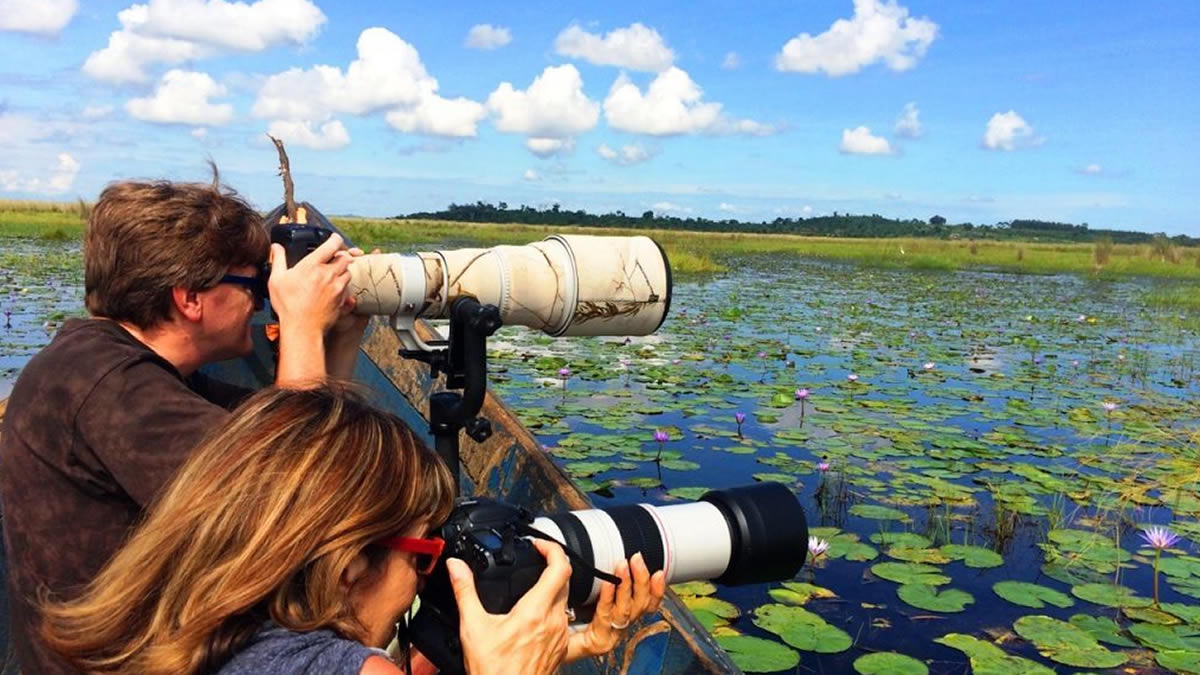
A 14-day Uganda photography safari is best structured to cover the "Big Five" and primates by visiting Murchison Falls (wildlife/waterfalls), Kibale (chimpanzees), Queen Elizabeth (tree-climbing lions/Kazinga Channel), and Bwindi Impenetrable Forest (mountain gorillas). Key photographic opportunities include dramatic savannah landscapes, dense jungle, and rich birdlife, requiring fast lenses and sturdy, dust-proof gear
Popular 14 Day tour packages that can be customized for your photography safari
14-days-complete-uganda-safari-tour-and-primate-safari-experience
14-days-uganda-primate-safari-and-jinja-white-water-rafting
14-days-family-uganda-safari-holiday-vacation-escape
14-days-best-africa-big-five-safari-in-uganda-and-best-gorilla-trekking-adventure
14-days-classic-uganda-birding-safari-expedition
14-days-uganda-and-rwanda-safari-tour-itinerary
14-Day Uganda Photography Safari Itinerary Highlights
The 14-Day Uganda Photography Safari provides an opportunity to capture the rich wildlife and cultural diversity of Uganda. From the iconic Ziwa Rhino Sanctuary to the verdant forests of Kibale and the magnificent Murchison Falls, participants will encounter remarkable wildlife such as elephants, lions, zebras, and mountain gorillas. This itinerary offers ample chances to photograph birds including the African Fish Eagle, shoebill, and various kingfishers, alongside primates like chimpanzees and red-tailed monkeys.
Throughout this safari, photographers can capture a variety of landscapes, from lush wetlands to dramatic river gorges, enhancing their portfolios with both wildlife and environmental shots. The safari includes experiences within national parks renowned for their biodiversity, blending adventure with the art of photography. By the end of the trip, travelers will have a comprehensive collection of images, reflecting the beauty and vibrancy of Uganda's wildlife and communities. This itinerary is designed for those passionate about photography and those eager to witness Uganda's unparalleled natural treasures.
Day 1: Arrival in Entebbe
Upon arrival in Entebbe, you will be greeted at the airport and transferred to your hotel for a well-deserved rest after your travels. This day serves as an opportunity to acclimatize and prepare for the adventure ahead. You have the chance to explore the hotel's surroundings, perhaps visiting the nearby Entebbe Botanical Gardens, where you can spot various bird species including the African Grey Parrot and Great Blue Turaco amid lush greenery.
Wildlife enthusiasts can also keep an eye out for monkeys and numerous butterfly species flitting around the gardens. Photographing the local flora and fauna in the early evening light provides excellent practice before diving into the itinerary. With a good night’s sleep, participants will be energized for the days of wildlife photography that lie ahead. This day prepares you for the following travels, offering a comfortable start to the 14-Day Uganda Photography Safari.
Day 2: Ziwa Rhino Sanctuary to Murchison Falls
On Day 2, the safari kicks off with a visit to Ziwa Rhino Sanctuary, the only place in Uganda where you can see southern white rhinos in their natural habitat. You'll have a chance to photograph these magnificent creatures as they wander freely. The sanctuary is also home to other wildlife, including the Waterbuck, Warthog, and various bird species such as the African Fish Eagle and Scarlet-chested Sunbird.
After the visit, you will transfer to Murchison Falls National Park. Upon arrival, you will have the opportunity to photograph the incredible Murchison Falls, where the Nile River squeezes through a narrow gorge, creating a spectacular waterfall. This sight is ideal for capturing dynamic shots of the water cascading down the rocks. The combination of rhinos and the majestic falls sets the tone for the photography adventures to come, marking this day as a highlight of the 14-Day Uganda Photography Safari.
Day 3: Murchison Falls National Park
Day 3 will be spent in Murchison Falls National Park, known for its diverse wildlife and dramatic scenery. The morning starts with a game drive, offering fantastic opportunities to photograph various animals, including Lions, Giraffes, Elephants, and Cape Buffalo. The park's open grasslands and woodlands provide a perfect backdrop for capturing wildlife interactions and the beauty of the African savannah.
In the afternoon, join a boat cruise on the Nile to explore the base of the falls. This is an ideal opportunity to photograph hippos, crocodiles, and an array of bird species, such as the Shoebill, Pel’s Fishing Owl, and Great Egret. The juxtaposition of wildlife and water makes for striking images. The dynamic scenes presented here enrich the photographic collection further, illustrating the diversity of the park. This day is vital in showcasing some of Uganda's most extraordinary wildlife and natural beauty during the 14-Day Uganda Photography Safari.
Day 4: Top of the Falls & Drive to Kibale
On Day 4, you'll have a chance to visit the Top of the Falls, where the Nile River culminates its journey through the narrow gorge. Capturing images of the forceful water and the stunning views provides a memorable experience. The powerful cascades create a mesmerizing atmosphere, perfect for landscape photography, alongside opportunities to capture birds such as the African Collared Dove and Yellow-billed Barbet.
Following this, you will drive to Kibale National Park, renowned for its lush rainforests and diverse wildlife. As you make your way to Fort Portal, enjoy the scenic views of the rolling hills that define this region. This drive is punctuated by encounters with various wildlife along the route, including Baboons and various antelope species. The vibrant surroundings set the mood for the upcoming days of primate and bird photography in Kibale. This day emphasizes both impressive landscapes and wildlife interactions during the 14-Day Uganda Photography Safari.
Day 5: Chimpanzee Trekking in Kibale
Day 5 is dedicated to chimpanzee trekking in Kibale National Park, one of Uganda's most prominent primate reserves. Early morning is the best time to capture photographs of these lively primates as they engage in social interactions and foraging. You will be able to photograph Chimpanzees, alongside other species such as the Red-tailed Monkey, Blue Monkey, and L’Hoest’s Monkey.
The dappled light filtering through the forest canopy provides excellent conditions for capturing the vibrant colors associated with forest wildlife. Be sure to have your camera ready for moments of action, as chimps are known for their energetic movements. The diverse flora of the forest offers additional opportunities for botanical photography, complementing the wildlife shots. After a rewarding morning, you can reflect on the wildlife encounters and thrilling viewpoints captured throughout the day. This portion of the safari serves to highlight Kibale's rich biodiversity during the 14-Day Uganda Photography Safari.
Day 6: Bigodi Wetland & Transfer to Queen Elizabeth
Day 6 initiates with a visit to Bigodi Wetland, known for its diverse birdlife and primates. Spend the morning exploring this vibrant ecosystem, capturing photographs of birds such as the Great Blue Turaco, Papyrus Gonolek, and African Pygmy Kingfisher. The wetland is also home to several monkey species, including the Black-and-white Colobus.
As you enjoy walks through the wetland, you will have numerous chances to document various species interacting in their natural habitat. After capturing the wildlife and the serene landscape of Bigodi, you will transfer to Queen Elizabeth National Park for the evening. Upon arrival, you can relax and prepare for the exciting wildlife opportunities in this region. The transfers during the day provide opportunities for wildlife spotting along the way, enabling photographers to capture sights of animals like Zebras and Warthogs. This day highlights the rich avian diversity present in Bigodi while marking a transition into the remarkable Queen Elizabeth.
Day 7: Queen Elizabeth National Park
On Day 7, you will delves deeper into Queen Elizabeth National Park. Start the day with a morning game drive, where you can photograph wildlife like Lions, Elephants, Buffalo, and Hyenas. The diverse terrain provides ample opportunities to capture dynamics within these habitats, from savannahs to wetlands.
In the afternoon, enjoy a boat cruise on the Kazinga Channel, providing a unique perspective for wildlife photography. This cruise is ideal for capturing images of Hippos, Crocodiles, and various water birds including the Malachite Kingfisher and African Sacred Ibis. Shots of animals in their natural settings beside the tranquil waters create a myriad of photographic possibilities.
The abundant wildlife present in Queen Elizabeth National Park highlights Uganda’s ecological richness. The array of capturing opportunities encourages creativity and focuses on different aspects of wildlife during this particular day of the 14-Day Uganda Photography Safari.
Day 8: Ishasha Sector
On Day 8, you will travel to the Ishasha Sector of Queen Elizabeth National Park, known for its remarkable tree-climbing lions. This area provides a fantastic opportunity to photograph these unique lions as they lounge in fig trees or roam the grassy plains. Witnessing them in this unusual behavior is a rarity that adds a fascinating element to your photography collection.
During this visit, keep cameras well-prepared for spontaneous wildlife encounters, including Buffalo, Ugandan Kob, and various bird species such as the African Fish Eagle and Red-chested Cuckoo. The combination of both wildlife and their interactions in the grasslands allows for diverse photographic scenarios.
Photographing the iconic tree-climbing lions against the backdrop of the setting sun can produce striking compositions. This day promises memorable images that capture the essence of Uganda’s unique wildlife, marking a significant highlight in the 14-Day Uganda Photography Safari.
Day 9: Transfer to Bwindi Impenetrable National Park
Day 9 is focused on the scenic transfer to Bwindi Impenetrable National Park. As you travel through the rolling hills of Kigezi, the picturesque views offer numerous opportunities for capturing landscapes and local life. Keep an eye out for animals such as Goats, Cattle, and various bird species including the Yellow-whiskered Greenbul.
Upon arrival at Bwindi, you’ll notice the dense forest and rich biodiversity that are signature features of this region. This national park is famous for its mountain gorilla population, adding an excitement to the anticipated photography opportunities ahead.
During the transfer, wildlife sightings along the way can include Bushbucks and other diverse species inhabiting the area. This day sets the stage for the upcoming experiences in Bwindi, reflecting on the interplay between local culture and wildlife that is inherent in the 14-Day Uganda Photography Safari.
Day 10: Gorilla Trekking in Bwindi
Day 10 is dedicated to a once-in-a-lifetime opportunity: gorilla trekking in Bwindi Impenetrable National Park. This early morning venture focuses on tracking a gorilla family, where you will have the chance to photograph them from a respectful distance. Remember to bring a zoom lens, such as a 70-200mm, to capture intimate moments without disturbing the animals.
As you trek through the dense forest, expect to encounter various wildlife, such as Colobus Monkeys, Golden Monkeys, and abundant bird species like the Rwenzori Nightjar. The low light filtering through the trees presents unique challenges and opportunities for dynamic wildlife photography.
The experience of observing mountain gorillas in their natural habitat is incredibly impactful, creating memories that are invaluable. Capturing these moments will enrich your photographic collection, making Day 10 a truly significant highlight of the 14-Day Uganda Photography Safari.
Day 11: Batwa Cultural Experience & Lake Bunyonyi
On Day 11, you will engage in a Batwa Cultural Experience. Here, you can photograph the Batwa people and learn about their traditional ways of life, which enriches your understanding of the local culture. This unique opportunity allows for capturing the vibrancy of local customs, dances, and crafts.
Following this cultural immersion, you will head to Lake Bunyonyi for scenic photography. The lake, dotted with islands and surrounded by lush greenery, provides a stunning backdrop for landscape photography. As you explore the area, capture boats and local communities engaging in fishing and daily activities.
Wildlife around the lake includes various bird species such as the African Jacana and Malachite Kingfisher. This day blends cultural photography with natural beauty, further diversifying the photographic opportunities available during the 14-Day Uganda Photography Safari.
Day 12: Lake Bunyonyi
Day 12 is dedicated to leisurely exploration of Lake Bunyonyi, often referred to as the "Switzerland of Africa." This day provides ample opportunities for landscape photography, boating, and capturing daily life along the shores. The serene waters reflect the surrounding hills, creating ideal conditions for stunning images.
While exploring the area, look out for birds such as the African Openbill, Speckled Mousebird, and Wattled Crane. The variety of bird species present around the lake enhances the photographic experience.
Engaging with the local communities during boat rides also adds richness to your photographs, highlighting the interactions between people and their environment. This day provides an excellent chance to capture the natural beauty and vibrant life surrounding Lake Bunyonyi, further enriching the portfolio throughout the 14-Day Uganda Photography Safari.
Day 13: Transfer to Lake Mburo National Park
On Day 13, you will transfer to Lake Mburo National Park. The drive is an opportunity to appreciate Uganda’s varied terrain and spot wildlife such as Zebras, Warthogs, and Topis along the way. These animals are signature features of Lake Mburo, making photography opportunities abundant.
Upon arrival, settle into your lodge and prepare for an evening game drive. This drive focuses on zebras and impalas, species that are not commonly found in other parts of Uganda. As evening light begins to fade, capture images of these animals in their natural habitat until sundown.
The diversity within Lake Mburo lends itself to various photography styles, from wildlife action shots to serene moments with the setting sun. This day enhances the wildlife narrative of the 14-Day Uganda Photography Safari, emphasizing a diverse array of species and experiences.
Day 14: Equator Experience & Departure
On the final day of the 14-Day Uganda Photography Safari, you will have a chance to visit the Equator at Kayabwe. This unique site allows you to capture memorable photographs at this geographic landmark and explore the markets for souvenir shopping. You will also observe the demonstration of the Coriolis effect, which provides an interesting context for your photography.
Afterward, travel back to Entebbe for your departure. This day provides a wonderful opportunity to reflect on the adventures shared and the diverse wildlife captured throughout the entire journey. As the trip concludes, take time to review photographs and share experiences while appreciating Uganda's beauty and wildlife diversity.
The culmination of this tour leaves you with unforgettable memories, extraordinary photographs, and a deeper understanding of Uganda’s remarkable wildlife and culture.
Key Photography Tips for Uganda
Gear
When embarking on a photography safari in Uganda, your gear selection plays a crucial role in capturing the rich biodiversity and dynamic landscapes. A telephoto lens, ideally ranging from 300mm to 600mm, is essential for photographing wildlife, particularly for distant subjects such as elephants, lions, and birds in flight. This type of lens allows you to zoom in on animals without disturbing their natural behavior, ensuring more intimate and impactful shots.
For photographing gorillas and chimpanzees, a 70-200mm lens is ideal. This zoom range offers versatility, helping you capture the primates at a safe distance while providing the ability to zoom in on their face and expressions. A fast lens (with a wide aperture of f/2.8 or wider) will also help in low-light scenarios, such as when navigating the dense forests.
Lastly, a wide-angle lens is essential for landscape photography, allowing you to capture the expansive beauty of Uganda’s diverse environments—from misty rainforests to scenic lakes. Ensure you have a sturdy camera bag with padding to protect your gear during the journey, along with necessary accessories like spare batteries and memory cards.
By bringing the right gear, you'll be well-equipped to document the stunning wildlife and environments that Uganda has to offer.
Stability
Stability is key when capturing wildlife photography in Uganda, as even the slightest movement can lead to blurred images. A beanbag is an essential accessory that provides a stable resting point for your camera during game drives. This flexible tool allows you to secure your camera on the edge of the vehicle or on uneven terrain, especially when shooting in a moving vehicle.
By resting your camera on a beanbag, you can eliminate camera shake while maintaining composure in various positions. It’s particularly useful when photographing smaller subjects or details that require precision. Additionally, you can easily adjust the angle of your lens to focus on specific wildlife without compromising stability.
If you prefer not to use a beanbag, consider a sturdy tripod or monopod for stationary shots during walks or treks. However, on safari vehicles, a beanbag often provides more flexibility and adaptability, allowing for quick adjustments as wildlife appears.
Being mindful of stability will greatly enhance the quality of your photographs and minimize the need for extensive post-processing corrections. With proper support, you can seize fleeting moments of wildlife action with confidence during your Uganda photography adventure.
Lighting
Lighting plays an essential role in photography, especially in Uganda's varied environments. The dense rainforests and shaded areas can present challenges due to low light conditions. To tackle this, it's important to work with higher ISO settings. An ISO range of 1600 to 3200+ will help you capture well-exposed images without excessive noise, even in dim settings.
Using fast lenses with wide apertures—ideally f/2.8 or f/4—will also aid in maximizing light capture. This combination allows for clearer images and better subject isolation, essential for creating impactful wildlife portraits. In challenging lighting situations, you may want to shoot in RAW format. This enables greater flexibility during post-processing for adjusting exposure and correcting any lighting inconsistencies.
In open environments like savannas, golden hour—during sunrise and sunset—offers soft, warm light that enhances colors and adds depth to your images. These natural light conditions lend themselves beautifully to landscape photography, with the added benefit of creating aesthetically pleasing wildlife images, as animals can be seen basking in the gentle light.
Being strategic about lighting conditions will greatly enhance the quality of your photographs during your time in Uganda. Adapting to the available light will empower you to capture the full beauty of the wildlife and natural surroundings.
Protection
Protection for your camera gear is vital when photographing in Uganda, where weather conditions can be unpredictable. Start by packing rain covers specifically designed to shield your camera and lens from sudden rain showers. These covers are lightweight and easy to deploy, ensuring you can quickly protect your gear without losing valuable moments.
Additionally, consider packing silica gel packs in your camera bag to absorb moisture. Uganda's humid climate can lead to condensation, which might cause damage to your equipment. Keeping these packs in your camera bag helps maintain a dry environment, safeguarding sensitive electronics.
If you’re traveling to areas with particularly dusty conditions or extensive hiking involved, consider using protective filters on your lenses. UV filters will protect the glass from scratches and environmental factors while maintaining image quality.
Keeping your gear safe also includes being mindful of how you transport it. Use padded cases or bags to minimize the risk associated with impacts while moving from location to location. By taking these precautions, you’ll ensure that your gear remains in excellent condition throughout your Uganda photography safari, allowing you to focus on capturing beautiful images of wildlife and nature.
Perspective
Perspective is a powerful tool in photography that can transform the way you represent wildlife and their habitats. In Uganda, getting low to the ground can create a dramatic portrait of the subject, emphasizing the animal's size and relationship to its environment. This technique adds depth and context to your images, allowing viewers to connect more intimately with the wildlife.
Notably, when photographing animals like elephants or giraffes, crouching or lying down can lead to more compelling compositions that highlight their features. Utilizing the foreground creatively can also enhance your images by framing subjects or adding layers that provide context about their surroundings.
Additionally, when photographing landscapes, consider how elements like trees or water bodies can be used to tell a story about the habitat. Implementing leading lines or natural frames in your shot can guide the viewer's eye and create a sense of place.
By experimenting with different angles and perspectives, you can capture the essence of Uganda’s wildlife while conveying stories of their habitats. This approach will enrich your photographic collection, allowing you to present a more comprehensive view of the diverse living landscapes of Uganda.
When is the Best Time for 14 Days Uganda Photography Safari
The best time for a 14 Days Uganda Photography Safari is during the dry seasons, which are typically from June to August and December to February. During these months, wildlife is more active, and animals gather around water sources, making it easier to spot them. Additionally, the open vegetation allows for clearer views and better photographic conditions.
The dry season also offers optimal weather for photography, as there is less rain and more sunshine. However, the rainy seasons, from March to May and September to November, can also be favorable for lush landscapes and vibrant colors, but expect muddy trails and occasional disruptions. Therefore, the choice depends on your preferred photographic subject—wildlife or landscapes—making it essential to consider the timing of your visit carefully.
Where to Stay on 14 Days Uganda Photography Safari
Accommodations during the 14 Days Uganda Photography Safari are designed to enhance your experience while providing comfort and proximity to wildlife. Options range from luxury lodges to tented camps in and around national parks.
In Murchison Falls National Park, lodges like Baker's Lodge or Paraa Safari Lodge offer stunning views and easy access to game drives. In Kibale, Kibale Forest Lodge provides cozy comfort close to chimpanzees.
In Queen Elizabeth National Park, Mweya Safari Lodge offers premium amenities along the Kazinga Channel. For an immersive experience, consider staying at Pakuba Safari Lodge in Ishasha for spotting tree-climbing lions. These accommodations ensure a delightful stay, complementing the adventure of your Uganda photography safari.
Booking 14 Days Uganda Photography Safari with Us: Roads of Adventure Safaris
Booking your 14 Days Uganda Photography Safari with Roads of Adventure Safaris guarantees a personalized and unforgettable experience. Our expert team is dedicated to providing tailored itineraries that focus on your photography interests, ensuring you capture stunning wildlife images and breathtaking landscapes.
With in-depth knowledge of Uganda'snational parks and hidden gems, our guides will lead you to the best spots for photography during optimal times. We handle all logistics, from accommodations to transportation, allowing you to concentrate solely on capturing the beauty of Uganda.
Additionally, we emphasize sustainable tourism, ensuring that your adventure benefits the local communities and wildlife conservation efforts. Let us help you create lasting memories and magnificent photographs during your unforgettable journey across Uganda!
