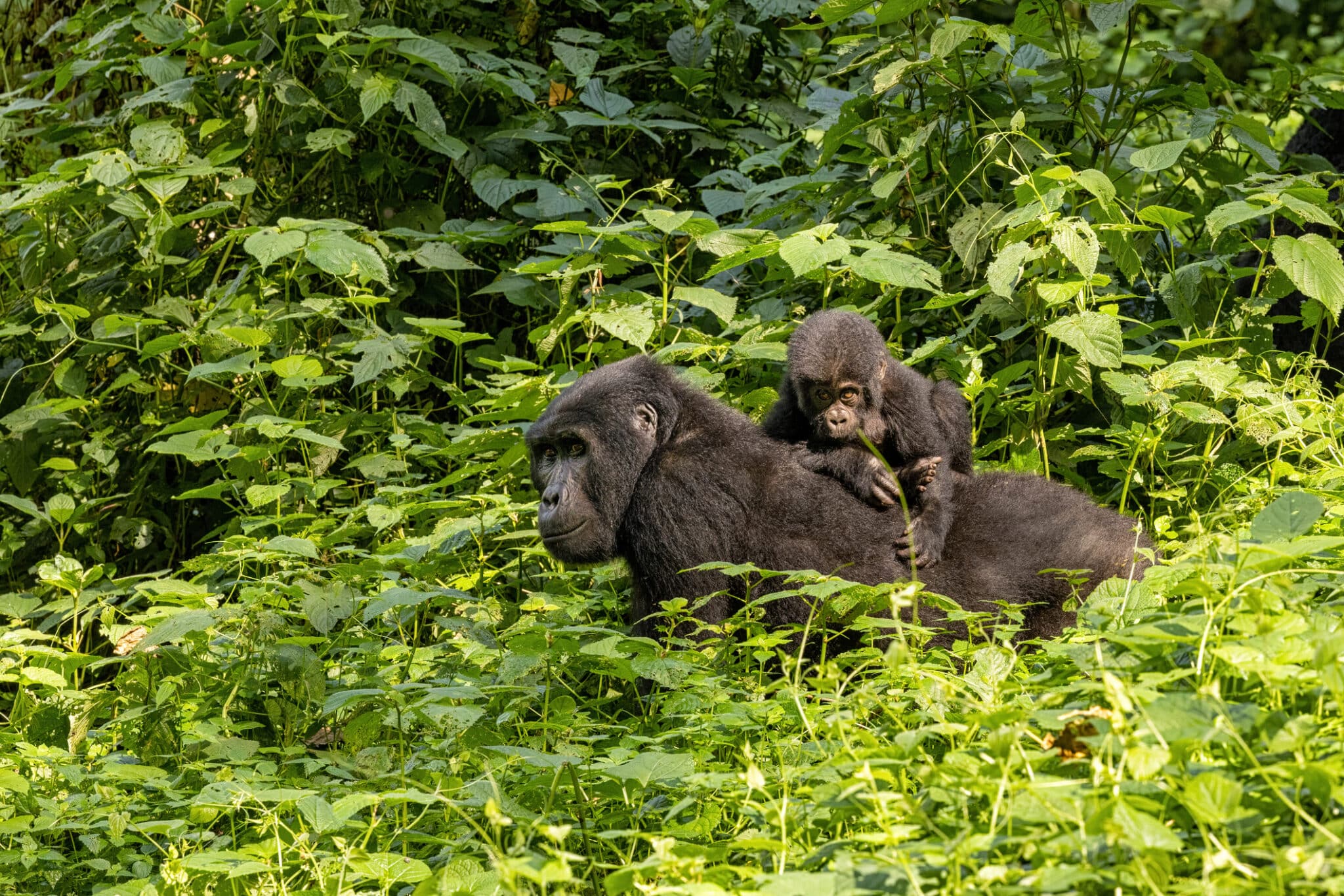
The 13-day Uganda gorilla trekking and wildlife safari typically combines primate tracking in Bwindi Impenetrable National Park and Kibale Forest with big game viewing in Murchison Falls, Queen Elizabeth, and Lake Mburo national parks. This comprehensive itinerary usually features chimpanzee trekking, boat cruises, tree-climbing lions, rhino tracking, and cultural tours.
13-days-best-uganda-safari-holiday-vacation-all-inclusive-tour-package
13-days-uganda-safari-and-rwanda-safari-tour-holiday-combo
13-days-best-rwanda-uganda-wildlife-safari-and-primate-experience
13 Days Uganda Gorilla Trekking and Wildlife Safari Tour
Uganda is one of Africa's top destinations for wildlife enthusiasts, with rich biodiversity that includes iconic species such as elephants, lions, leopards, giraffes, hippos, crocodiles, mountain gorillas, chimpanzees, buffalo, golden monkeys, and various bird species. A 13 Days Uganda Gorilla Trekking and Uganda Wildlife Safari Tour combines gorilla tracking in Bwindi, chimpanzee trekking in Kibale, and multiple game drives in national parks like Queen Elizabeth, Murchison Falls, and Kidepo Valley. This tour balances adventure and relaxation while navigating through Uganda’s varied terrains. The itinerary is designed to optimize wildlife sightings and cultural encounters, making it an exceptional choice for travelers who wish to witness the diversity of Uganda’s fauna. With guided treks, boat rides, and engaging interactions with local communities, this 13-day tour promises both wildlife observations and cultural insights, ensuring an enriching visit to Uganda’s remarkable natural heritage.
Day 1: Arrival in Entebbe
Arrive at Entebbe International Airport, where you will be welcomed and transferred to your accommodation for the night. Take some time to relax after your travels. Depending on your arrival time, you can explore nearby attractions, such as the Uganda Wildlife Education Centre, which hosts animals like lions, rhinos, and birds. A leisurely stroll along the shores of Lake Victoria offers sightings of various birds, including the African Fish Eagle. Enjoy dinner at your hotel, preparing for the adventure ahead. Ensure you rest well, as the next days will be filled with wildlife tracking and safaris through some of Uganda's incredible national parks. The rich fauna you will encounter includes elephants, zebras, and various primates, laying the foundation for what promises to be an exciting journey through Uganda's wildlife.
Day 2: Transfer to Bwindi Impenetrable National Park
After breakfast, set off for Bwindi Impenetrable National Park, home to half of the world’s mountain gorilla population. The drive takes approximately 8-10 hours, with stunning views along the way. Stop for lunch in Kabale, enjoying the local cuisine. Upon arrival in Bwindi, check into your lodge, where you'll be surrounded by the lush rainforest. In the afternoon, take a guided nature walk to get acclimated to the area. Look out for various bird species, including the African Green Broadbill and numerous butterflies. As dusk approaches, enjoy the sounds of the forest coming to life, and keep an eye out for primates like the blue monkey and red-tailed monkey. Dinner at your lodge sets the stage for the exciting gorilla trekking planned for the next day.
Day 3: Gorilla Trekking in Bwindi
This morning, after an early breakfast, prepare for the much-anticipated gorilla trekking adventure. Gather at the park headquarters for a briefing, where you'll be divided into groups. The trek can vary from one to eight hours, depending on the gorilla family you are assigned to. As you navigate through the thick forest, keep an eye out for other wildlife, such as bushbucks and various bird species. Upon encountering the mountain gorillas, enjoy a memorable hour observing their behaviors, interactions, and how they relax. Capture these moments with your camera while ensuring not to disturb them. After the trekking, return to your lodge, reflecting on this unforgettable wildlife encounter. Dinner will be served at the lodge, giving you a chance to share stories with fellow travelers about this unique experience with one of nature’s most majestic animals.
Day 4: Cultural Experience and Transfer to Lake Bunyonyi
Following breakfast, engage with the Batwa community, learning about their unique way of life and how they coexist with the forest. Witness traditional dances and listen to stories passed down through generations. Afterward, transfer to Lake Bunyonyi, a picturesque lake famous for its many islands. The drive takes about 2-3 hours. Upon arrival, check into your accommodation and enjoy lunch. This afternoon, consider a boat ride to explore the lake, where you can spot various bird species like the Great Cormorant and African Jacana. Relax and take in the serene environment, appreciating the calm waters and beautiful surroundings. Dinner will be served at your lodge, providing a perfect opportunity to unwind in this tranquil setting.
Day 5: Chimpanzee Tracking in Kibale National Park
After breakfast, depart for Kibale National Park, renowned for its chimpanzee population. Check into your lodge upon arrival and have lunch. In the afternoon, join a guided chimpanzee tracking experience. Kibale is home to over 1,500 chimps as well as other primates like red colobus, black-and-white colobus, and grey-cheeked mangabey. During the trek, listen for the distinct calls of chimpanzees. Once you locate a group, spend an hour observing their social behaviors. Return to your lodge in the late afternoon, where you can relax before dinner. Take time to discuss today's sightings, or enjoy a nature walk around the lodge grounds, keeping an eye out for birds in the area.
Day 6: Nature Walk in Kibale and Transfer to Queen Elizabeth National Park
This morning, enjoy a guided nature walk through Kibale National Park, allowing for more wildlife spotting opportunities. In addition to birds like the Black Bishop and various butterflies, you may encounter animals such as bush pigs and forest duikers. After completing the nature walk, return to your lodge for lunch. Following lunch, prepare for a transfer to Queen Elizabeth National Park, which will take approximately 2-3 hours. The park is known for its diverse habitats and plethora of wildlife. Upon arrival, check in and relax at your lodge. Later, if time permits, enjoy an evening game drive where you can look for animals such as elephants, buffalo, and some of the park's famous tree-climbing lions. Dinner at the lodge rounds out the day.
Day 7: Game Drive and Boat Cruise in Queen Elizabeth National Park
Today begins with an early breakfast before heading out for a morning game drive in Queen Elizabeth National Park. Look for wildlife, including elephants, lions, and various antelope species. The park is also home to a rich birdlife, with opportunities to see the Grey Crowned Crane and various raptors. After several hours of wildlife viewing, return to the lodge for lunch. In the afternoon, take a boat cruise along the Kazinga Channel. This waterway is teeming with biodiversity; watch for hippos, crocodiles, and numerous bird species. The combination of water and wildlife creates a unique perspective on the park's ecology. After the cruise, return to your lodge for dinner, sharing your day’s encounters with fellow travelers.
Day 8: Transfer to Bwindi via Ishasha
After an early breakfast, travel to Bwindi Impenetrable National Park via the Ishasha sector. This route offers chances to spot the famous tree-climbing lions and herds of buffalo grazing in open savannahs. The drive takes around 4-5 hours, with scenic views and wildlife spotting opportunities along the way. Arriving in Bwindi, check into your lodge for lunch. In the afternoon, take a guided nature walk in the vicinity, seeking out local wildlife like bushbucks and various birds. The rich flora of the area provides a picturesque backdrop as you explore. Return for dinner at your lodge, resting up for more adventures ahead.
Day 9: Additional Gorilla Trekking in Bwindi
On this day, prepare for another gorilla trekking adventure in Bwindi Impenetrable National Park. After breakfast, gather at the park headquarters for your briefing. This trek may lead you to a different gorilla family than before, offering more chances for memorable encounters. Spend another hour observing the gorillas interacting and feeding in their natural habitat. Keep an eye out for other wildlife, such as forest elephants and multiple bird species, during the trek. Once your trek concludes, return to your lodge for lunch and some leisure time. Reflect on your interactions with these magnificent creatures over dinner, sharing insights with fellow travelers.
Day 10: Transfer to Murchison Falls National Park
Depart from Bwindi after breakfast, making your way to Murchison Falls National Park. The journey takes approximately 8-9 hours, with stops along the way for refreshments. Arriving in Murchison Falls, check into your lodge and enjoy a leisurely lunch. Later in the afternoon, take a guided nature walk to explore the area and look for wildlife, including giraffes and various birds. The diverse habitats provide ample opportunity for wildlife viewing. After the walk, return to your lodge for dinner and relax as you prepare for the exciting activities planned for the following days.
Day 11: Game Drive and Boat Cruise in Murchison Falls National Park
Begin your day with an early breakfast before heading out for a game drive in Murchison Falls National Park. Look for a variety of animals, including elephants, lions, giraffes, and various antelopes. The park’s open savannahs provide excellent visibility for spotting wildlife. After the drive, return to the lodge for lunch. In the afternoon, enjoy a boat cruise on the Nile River. This cruise takes you to the base of Murchison Falls, where you'll see hippos basking in the sun and crocodiles along the banks. Birdwatchers will have opportunities to see species like the Shoe-billed Stork. After the cruise, return to your lodge for dinner and rest.
Day 12: Transfer to Kidepo Valley National Park
Depart from Murchison Falls in the morning for Kidepo Valley National Park, a remote but rewarding destination. The drive takes about 9-10 hours, passing through various landscapes and rural communities. Arrive in Kidepo Valley and check into your lodge, where you can enjoy lunch and take in the view. This afternoon, venture out for a short game drive to spot wildlife such as buffalo, elephants, and different antelope species. The park's unique terrain includes plains and rocky hills, which contribute to its rich biodiversity. Return to your lodge for dinner and discuss the day's findings with fellow travelers.
Day 13: Game Drive in Kidepo Valley and Departure
On your final day, set off early for a game drive in Kidepo Valley National Park. This park is known for its stunning wildlife diversity, including lions, cheetahs, and various bird species, including the formidable Secretary Bird. Take your time observing the animals in their natural habitats, while enjoying the distinct scenery. After the morning drive, return to your lodge for breakfast and then prepare for the return trip to Entebbe. Depending on your flight schedule, you may have a chance for last-minute shopping or exploration in the city. Arrive at Entebbe International Airport for your departure, reflecting on the rich wildlife and cultural encounters that defined your time in Uganda.
What is the best itinerary for a 13 Days Uganda gorilla trekking and Uganda wildlife safari tour?
A well-structured 13-day itinerary for a Uganda safari typically begins in Entebbe and moves to Murchison Falls National Park, where you can encounter the Big Five: lions, leopards, elephants, buffalos, and rhinos. Murchison Falls is known for its striking waterfall and rich wildlife, making it a suitable starting point.
From Murchison, the next stop is Kibale Forest to see chimpanzees. This park hosts a significant number of chimps and other primates, allowing unique tracking experiences. Following Kibale, head to Queen Elizabeth National Park. Here, look out for the famous tree-climbing lions and various other species like elephants and hippos.
The tour culminates in Bwindi Impenetrable National Park, renowned for its unique gorilla tracking opportunities. Spend time observing the endangered mountain gorillas in their habitat. Optionally, you can conclude your safari at Lake Mburo National Park or return to Kampala for the journey home. This comprehensive itinerary ensures that you experience Uganda’s incredible wildlife and natural beauty.
When is the best time to book a 13 Days Uganda gorilla trekking and Uganda wildlife safari tour?
The ideal time to plan a 13-day Uganda safari is during the dry seasons from June to September and December to February. These months provide the best conditions for wildlife observation, as trails are less muddy and animals are more easily spotted near water sources.
During the dry seasons, the flora is not as dense, making it easier to navigate through the national parks. Wildlife tends to gather around rivers and watering holes, increasing the chances of successful sightings. This is particularly beneficial for gorilla trekking, as trekking conditions are improved and the likelihood of encountering gorillas is higher.
Booking your safari during these months also enhances the experience, as you can comfortably explore various parks and engage in diverse activities without worrying about the inconveniences of heavy rains. Overall, the dry seasons ensure you maximize both your time and wildlife encounters during your 13-day adventure in Uganda.
How much does a 13 Days Uganda gorilla trekking and Uganda wildlife safari tour cost?
The cost for a 13-day mid-range private tour in Uganda typically ranges from $4,300 to $5,600 per person. Pricing may fluctuate based on accommodation choices, seasonal rates, and included activities.
For mid-range accommodations, expect comfortable lodges or tented camps with essential amenities. Upgrading to luxury options can raise the price but offers enhanced comfort and service. Tour operators often bundle costs, including gorilla permits, which are around $800 USD each for foreign non-residents, lodging, meals, and transportation.
It’s advisable to compare different tour operators, as packages can vary widely. Some may offer additional perks such as a cultural visit or extra activities, making the package more appealing. Understanding the inclusions and exclusions is crucial to ensure a seamless financial planning process as you prepare for your adventure.
Are gorilla permits included in the 13 Days Uganda gorilla trekking and Uganda wildlife safari tour?
Yes, most tour operators include the gorilla permit as part of the overall package price for the 13-day Uganda safari. The cost of the permit, which is approximately $800 USD for foreign non-residents, is typically secured in advance to ensure your spot for gorilla trekking.
Including the gorilla permit in the package is beneficial, as it simplifies your planning and guarantees your opportunity to track these incredible creatures in Bwindi Impenetrable National Park. The permits are limited and in high demand, especially during peak seasons, making early bookings essential.
Operators also take care of the logistics, ensuring that all necessary documentation is in place. This attention to detail allows you to focus on enjoying your safari experience without additional stress. Confirming the inclusion of the permit when booking is crucial for a well-organized trip.
Which parks are visited during a 13 Days Uganda gorilla trekking and Uganda wildlife safari tour?
A 13-day Uganda safari typically includes visits to several key national parks that highlight the richness of Uganda’s wildlife and landscapes. The itinerary usually covers:
- Murchison Falls National Park: Known for its stunning waterfall and diverse wildlife, including top game like elephants and lions.
- Kibale Forest National Park: Home to a large chimpanzee population, offering unforgettable tracking experiences.
- Queen Elizabeth National Park: Famous for its tree-climbing lions, various bird species, and unique ecosystems.
- Bwindi Impenetrable National Park: Renowned for the world’s remaining mountain gorillas, where trekking offers direct encounters with these primates.
- Lake Mburo National Park: A smaller park known for its diverse wildlife and opportunities for boat trips and walking safaris.
Tour operators may also include a visit to Ziwa Rhino Sanctuary, where you can see rhinos up close. Each park presents distinct opportunities for wildlife observation, making this itinerary diverse and fulfilling.
What wildlife can I see on a 13 Days Uganda gorilla trekking and Uganda wildlife safari tour?
During a 13-day Uganda safari, you can expect to see an array of wildlife across different national parks. Key species include:
- Mountain Gorillas: Found in Bwindi Impenetrable National Park.
- Chimpanzees: Commonly tracked in Kibale Forest.
- Lions: Including tree-climbing lions in Queen Elizabeth National Park.
- Elephants: Widely seen in Murchison Falls and Queen Elizabeth National Parks.
- Buffalos: Often spotted in various parks, especially near water sources.
- Leopards: Elusive but occasionally seen on night drives or during game drives.
- Giraffes: Typically seen in Murchison Falls National Park.
- Hippos: Commonly observed in water bodies, especially during boat trips.
- Various Antelope Species: Such as Uganda kobs and topis, primarily in open savannahs.
- Birds: An impressive range, including the Shoebill, African Fish Eagle, and several vibrant species.
This diverse array of wildlife enriches your safari experience, providing numerous opportunities for observation and photography throughout your travels in Uganda.
What should I pack for a 13 Days Uganda gorilla trekking and Uganda wildlife safari tour?
Packing wisely is crucial for a successful 13-day Uganda safari. Essential items to consider include:
- Sturdy Waterproof Hiking Boots: Needed for rough terrain during treks.
- Long-Sleeved Shirts and Trousers: Protect from sun exposure and insect bites.
- Gardening Gloves: Helpful for navigating dense areas while trekking.
- Rain Jacket: Essential, as weather can change rapidly, especially in forest areas.
- Insect Repellent: To ward off mosquitoes and other insects, particularly in warmer regions.
- A Good Camera: To capture wildlife and scenic views, along with spare batteries.
- Binoculars: Useful for birdwatching and spotting distant wildlife.
- Daypack: To carry personal items during hikes.
Consider packing lightweight clothing that dries quickly, as well as a hat and sunglasses for sun protection. It’s also advisable to include any personal medications or items you may need during the trip to ensure comfort and convenience throughout your adventure.
Is a 13 Days Uganda gorilla trekking and Uganda wildlife safari tour physically demanding?
A 13-day Uganda safari has varying physical demands based on activities. Wildlife drives are generally relaxed, allowing ample viewing time. However, gorilla and chimpanzee tracking can be physically demanding.
These treks may require hiking through steep, dense terrain that can last from 2 to 8 hours, depending on the location of the gorilla or chimp family. The trek can be strenuous, requiring a moderate level of fitness for navigating rugged paths.
Preparation is key; it's beneficial to stay active before the trek to build stamina. Supportive footwear, appropriate clothing, and plenty of water are vital during the hiking portions. Guides are experienced in managing group pace, ensuring that everyone remains safe and comfortable while enjoying these remarkable wildlife encounters.
Can I see the "Big Five" on a 13 Days Uganda gorilla trekking and Uganda wildlife safari tour?
Yes, you can see the Big Five during a 13-day Uganda safari. This renowned group includes lions, leopards, elephants, buffalos, and rhinos.
Rhinos are typically observed at the Ziwa Rhino Sanctuary, which is a key stopover for many safari itineraries. Murchison Falls and Queen Elizabeth National Parks both provide opportunities to spot lions and leopards, as well as large herds of elephants and buffalos.
The diverse wildlife and variety of habitats in Uganda make it possible to encounter these iconic animals, thus fulfilling the Big Five checklist within your travels. Observing these animals in their natural settings is a significant aspect of the Ugandan safari, enriching your overall wildlife experience.
What type of vehicle is used for a 13 Days Uganda gorilla trekking and Uganda wildlife safari tour?
During a 13-day Uganda safari, tours are conducted in specialized 4x4 safari vehicles. Options typically include Land Cruisers or safari vans that are designed for wildlife viewing.
These vehicles are equipped with pop-up roofs, providing optimal visibility for spotting wildlife and taking photographs. Comfortable seating and ample space are also important for ensuring that travelers enjoy long drives through varied terrains.
The vehicles are well-maintained for safety and reliability, enabling smooth travel across Uganda's diverse parks and roads. Experienced driver-guides accompany the tours, ensuring that you receive knowledgeable commentary and assistance during your safari experience.
Are meals and accommodation included in a 13 Days Uganda gorilla trekking and Uganda wildlife safari tour?
Yes, most packages for a 13-day Uganda safari are full-board, which typically includes 12 nights of accommodation at various lodges or camps, along with daily meals during the trip.
Accommodations can range from mid-range lodges to luxury camps, depending on your preferences and the tour operator. Breakfast, lunch, and dinner are provided as part of the package, often featuring local cuisine and accommodations that showcase Ugandan hospitality.
By including meals and lodgings in the tour package, you can focus on your safari activities without worrying about dining arrangements or travel itineraries. It’s essential to confirm exactly what is included when booking to ensure a seamless adventure.
Do I need a visa for a 13 Days Uganda gorilla trekking and Uganda wildlife safari tour?
Yes, most travelers will need a visa to enter Uganda for a 13-day safari. The East Africa Tourist Visa, priced at $100 USD, is a recommended option if you plan to cross into Rwanda or Kenya during your trip.
This visa allows multiple entries into all three countries for a duration of up to 90 days, which is convenient for travelers looking to explore more of the region.
The application can often be completed online or upon arrival, but applying in advance is advisable to minimize any delays or issues. It’s important to check the specific visa requirements based on your nationality to ensure a smooth entry into Uganda for your safari adventure.
Is it safe to go on a 13 Days Uganda gorilla trekking and Uganda wildlife safari tour?
Uganda is generally safe for tourists, and a 13-day safari is considered secure. National parks are routinely patrolled by armed rangers, and experienced guides accompany you throughout the journey.
Safety protocols are in place in the parks, particularly during wildlife tracking and encounters. Guides are knowledgeable about the behaviors of animals and provide essential safety guidelines when tracking gorillas or chimpanzees.
Travelers should always remain aware of their surroundings and follow the instructions given by guides. Proper precautions, such as securing personal belongings and avoiding risky areas, help ensure a safe and enjoyable safari experience in Uganda.
How long do I spend with gorillas on a 13 Days Uganda gorilla trekking and Uganda wildlife safari tour?
When tracking gorillas, once you locate a gorilla family, you are allowed a maximum of one hour to observe and photograph them. This timeframe is intended to minimize human impact on the gorillas and their natural behaviors.
During this hour, you can witness fascinating interactions among the gorillas, from mothers caring for their young to playful youngsters displaying their strength. The hour is often filled with unforgettable moments as you watch these magnificent creatures interact in their natural habitat.
After your allotted time is up, you must promptly return to the starting point of your trek, ensuring both the safety of the gorillas and the integrity of the natural environment.
Can the 13 Days Uganda gorilla trekking and Uganda wildlife safari tour be customized?
Yes, many tour operators offer customization options for the 13-day itinerary. Depending on your interests, you can tailor the tour to include specific activities such as birdwatching, cultural visits to communities like the Batwa people, or extra days for gorilla habituation.
Customizing your tour allows you to focus on specific experiences that matter most to you. Options might include adding relaxation days, specialized wildlife viewing, or exploring further into less-visited parks.
Discussing your preferences with tour operators can lead to a personalized itinerary that best captures what you hope to gain from your Uganda adventure, ensuring that your safari is as unique as your interests.
Booking Uganda safari with us Roads of Adventure safaris
Booking a Uganda safari with Roads of Adventure Safaris offers a seamless, tailored experience, specializing in gorilla trekking, chimpanzee tracking, and wildlife tours across Uganda and Rwanda. They handle all logistics, including permits, private 4x4 transport, and comfortable, mid-range to luxury lodges. To book, contact them via their website to customize your itinerary and pay a 30% deposit. With expert guides and personalized service, they ensure a memorable, secure, and well-organized adventure focusing on Uganda’s biodiversity and culture.
