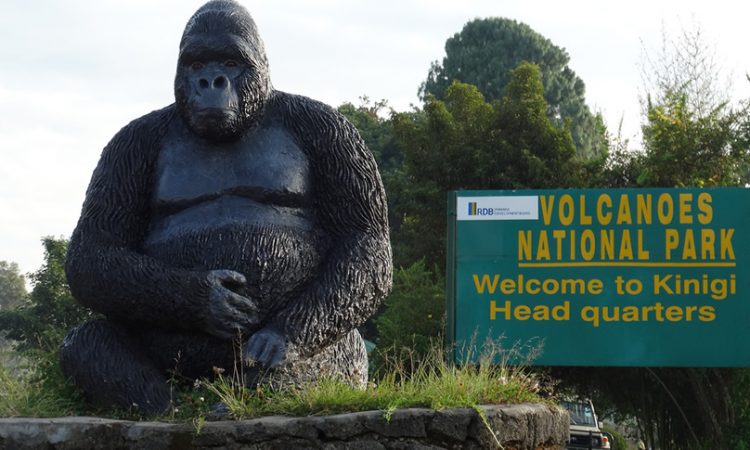
A 13-day Rwanda and Uganda safari combines gorilla trekking in Bwindi (Uganda) and Volcanoes National Park (Rwanda), chimpanzee tracking in Kibale, and wildlife viewing in Murchison Falls and Queen Elizabeth National Parks. The itinerary typically spans 6-7 days in Uganda and 5-6 days in Rwanda, covering primate tracking, boat cruises, and cultural experiences, usually starting in Entebbe and ending in Kigali.
12-days-uganda-safari-and-tours-combined-with-zanzibar-beach-vacation
12-days-best-uganda-rwanda-primate-safaris-and-akagera-big-five-safaris
13-days-best-uganda-safari-holiday-vacation-all-inclusive-tour-package
14-days-complete-uganda-safari-tour-and-primate-safari-experience
13 Days Safari in Rwanda and Uganda tour trip
A 13-day combined Uganda-Rwanda itinerary provides a diverse array of wildlife viewing and cultural encounters. You’ll find unforgettable moments with animals such as white rhinos, elephants, lions, mountain gorillas, golden monkeys, chimpanzees, hippos, crocodiles, buffaloes, bushbucks, and various bird species. The tour begins in Uganda, where Murchison Falls National Park awaits with its unique combination of a powerful waterfall and rich wildlife. Kibale National Park is next, boasting the highest concentration of primates in Africa, providing engaging encounters with chimpanzees. The visit to Queen Elizabeth National Park presents opportunities to see tree-climbing lions and hippos along the Kazinga Channel. Crossing into Rwanda brings new adventures to Volcanoes National Park, where mountain gorillas and golden monkeys roam. The journey wraps up with a cultural visit to Kigali, educating travelers about Rwanda’s history. Each day is designed for easy travel, enriched with remarkable wildlife experiences, and engaging cultural interactions, ensuring a comprehensive view of both countries' offerings.
Day 1: Arrival in Uganda
Upon arrival at Entebbe International Airport, you will meet your guide and be transferred to a comfortable hotel for the night. After settling in, take the time to rest and recover from your travel. Depending on your arrival time, you may have the opportunity to enjoy a brief city tour or visit the nearby Entebbe Botanical Gardens, where you can find various bird species and unique plant life. Common sightings include the African grey parrot and the Great Blue Turaco. This relaxed first day prepares you for the adventures ahead. The guide will also provide important insights into the itinerary, ensuring that you are well-informed about what to expect during the tour. You'll gain insights into local customs and wildlife conservation efforts, setting the stage for the exciting wildlife encounters to come.
Day 2: Transfer to Murchison Falls National Park
On Day 2, you will depart for Murchison Falls National Park, a drive taking approximately 5 hours from Entebbe. En route, stop at Ziwa Rhino Sanctuary, where you will track white rhinos in their natural habitat. The sanctuary is home to other species, such as waterbucks and various bird species. After interacting with the rhinos, continue your journey to Murchison Falls, where you'll marvel at the spectacular waterfall as the Nile River squeezes through a narrow gorge before cascading down. This area is crucial for watching wildlife such as elephants, giraffes, and buffaloes, as they often gather near the river banks. You'll arrive at the park in the afternoon, allowing time to settle in at your lodge and prepare for the game drives and boat cruises planned for the following days.
Day 3: Game Drive & Boat Cruise
On your third day, start with a morning game drive in Murchison Falls National Park, seeking wildlife such as lions, elephants, and various antelope species. The park's diverse habitat offers opportunities to spot birds like the shoebill and African fish eagle. This drive provides excellent wildlife viewing, especially near watering holes where animals congregate. After lunch, you will take an afternoon boat cruise along the Nile River to the base of Murchison Falls. This ride allows for close-up views of hippos frolicking in the water and crocodiles basking on the banks. Keep an eye out for more birds, including the kingfisher and the pelican. The boat cruise concludes with breathtaking views of the falls from below, enhancing appreciation for this natural wonder and the vibrant wildlife surrounding it.
Day 4: Transfer to Kibale National Park
Day 4 involves a scenic drive from Murchison Falls to Kibale National Park, taking around 6 to 7 hours. As you travel, take in the beautiful countryside, characterized by rolling hills and lush plantations. Kibale National Park is often referred to as the primate capital of the world, home to a variety of species, including red-tailed monkeys, black-and-white colobus monkeys, and over 350 bird species. Arriving in the early afternoon, check into your accommodation. Take some time to relax and prepare for the invigorating activities ahead. In the evening, enjoy a local meal and reflect on the wildlife you might encounter during the chimpanzee tracking planned for the following day, deepening your anticipation for the adventure awaiting you in this rich forest.
Day 5: Chimpanzee Tracking & Bigodi Wetland
On Day 5, you will embark on a morning chimpanzee tracking adventure in Kibale Forest. This activity typically takes several hours and includes trekking through the dense forest in search of chimpanzees. Be on the lookout for various wildlife, including bushbucks and different bird species. Later, you’ll enjoy a guided nature walk in the Bigodi Wetland Sanctuary, where the vibrant flora attracts numerous birds, including the Great Blue Turaco and vibrant butterflies. This side excursion provides an excellent opportunity to observe the swamp's unique biodiversity, including various monkey species like the red-tailed monkey. During this day, you will gain a deeper appreciation for the wildlife and ecosystems found in the Kibale region, completing an enriching day filled with primate encounters and serene natural beauty.
Day 6: Queen Elizabeth National Park
After breakfast, you will drive from Kibale to Queen Elizabeth National Park, taking around 2 to 3 hours. Once you arrive, you will enjoy a morning game drive through the park, where wildlife such as elephants, buffaloes, and various antelope species are typically seen. The park is also famous for its broad range of birds, including the iconic African fish eagle. Following the game drive, embark on an afternoon boat cruise along the Kazinga Channel. This leisurely ride offers sightings of hippos and crocodiles, while also serving as a great platform for birdwatching. Species such as the pink-backed pelican and a variety of shorebirds can be observed. This day culminates with encounters that highlight the remarkable biodiversity within Queen Elizabeth National Park.
Day 7: Ishasha Sector & Transfer to Bwindi
On Day 7, you will travel approximately 3 to 4 hours to Bwindi Impenetrable National Park, driving through the Ishasha sector. This region is particularly noteworthy for its tree-climbing lions, which can often be spotted resting in the fig trees, surrounded by other wildlife such as Uganda kobs and warthogs. After enjoying some time in Ishasha, where you might capture photos of these unique lions, continue your journey to Bwindi. Upon arrival, check into your accommodation and prepare for the next day's gorilla trekking. Spend the evening discussing the trekking strategies with the guide and reflecting on the wildlife seen, filled with anticipation and readiness for the close encounters with the mountain gorillas that await you.
Day 8: Gorilla Trekking in Bwindi
Day 8 focuses on an unforgettable gorilla trekking experience in Bwindi Impenetrable National Park. Your group will track a designated gorilla family, beginning with a briefing from the park rangers. The trek can last from a few hours to a full-day adventure, depending on the location of the gorillas. On the way, you may also spot various wildlife, including forest elephants and duikers, while enjoying the sights and sounds of the rainforest. Meeting the mountain gorillas in their natural habitat is a highlight of the tour, allowing for close observation of their behavior and interactions. After the trek, you may have the option of participating in a Batwa cultural experience to learn about the traditional lifestyles of these indigenous people. This day encapsulates a profound engagement with the wildlife of Uganda.
Day 9: Transfer to Rwanda (Volcanoes National Park)
On Day 9, you'll cross into Rwanda, traveling toward Volcanoes National Park, which takes approximately 2 to 3 hours. From your accommodation in Bwindi, the journey offers scenic views of the landscapes, showcasing the transition from Uganda’s forest to Rwanda’s mountainous terrain. Upon reaching Kinigi, near Volcanoes National Park, take some time to settle into your accommodations. The evening provides an excellent chance to prepare for the next day’s gorilla trekking in this extraordinary park. As you explore the area, you’ll also learn about the local environment and the conservation efforts dedicated to safeguarding mountain gorillas in Rwanda. Get ready for another opportunity to engage with these magnificent creatures within their natural habitat, building on the memories of your previous trek.
Day 10: Gorilla Trekking in Rwanda
Day 10 focuses on another gorilla trekking experience, this time in Volcanoes National Park. Following an early breakfast, you will join a group of trekkers and head out into the forest with trained guides. As with the previous trek, each group will track a specific gorilla family, providing an intimate encounter with these magnificent animals. The terrain in Volcanoes National Park can be challenging, but it's well worth the effort to witness the gorillas in their natural setting. Along the way, you may spot additional wildlife, such as golden monkeys and various birds. After your trek, you will return to your accommodations to relax and reflect on the impactful experiences of the day. The evening provides an opportunity to discuss conservation efforts and the ongoing importance of protecting mountain gorillas.
Day 11: Golden Monkey Tracking & Cultural Tour
On Day 11, engage in golden monkey tracking in Volcanoes National Park, where you’ll seek out these endangered primates known for their playful behaviors. This activity typically takes several hours and often results in sightings of golden monkeys frolicking through the trees. Beyond primate tracking, the afternoon is reserved for a cultural tour at the Iby'iwacu Cultural Village. This visit allows you to interact with local communities, experiencing traditional customs, crafts, and music. Engaging with the Rwandan culture provides deeper insights into the values and history of the regions you are exploring. By participating in these activities, you'll gain a holistic view of both the wildlife and the rich cultural fabric that defines Rwanda, making for a fulfilling day.
Day 12: Dian Fossey Hike or Lake Kivu
Day 12 offers two unique options: a hike to the Dian Fossey grave site or a relaxing day by Lake Kivu. If choosing the hike, you will follow nature trails leading to the burial site of the renowned primatologist. Along the way, you’ll learn about her conservation efforts and the impact she had on gorilla protection. This hike can reveal additional wildlife along the trails, including various bird species and monkeys. Alternatively, relaxing by Lake Kivu provides an opportunity to unwind and enjoy the serene waters and beautiful surroundings. Regardless of the choice, the day culminates in various options for entertainment and reflection, allowing you to soak in the charm of Rwanda, bringing the adventure to a memorable close.
Day 13: Kigali City Tour & Departure
On the final day, travel to Kigali for a city tour. The drive takes about 2 to 3 hours. Start by visiting the Kigali Genocide Memorial Center, a poignant site that educates visitors about Rwanda’s history and the resilience of its people. Explore exhibits that provide deep insights into the country’s past, highlighting the importance of peace and coexistence. Following the memorial visit, you will have time to explore local markets or shops for souvenirs before your departure. The familiarity of the city and its welcoming atmosphere leaves travelers feeling enriched and connected. After completing the city tour, transfer to Kigali International Airport for your departure flight, concluding your remarkable itinerary in Uganda and Rwanda.
1. What is the Best Time for a 13-Day Rwanda-Uganda Safari?
The ideal time for a 13-day Rwanda-Uganda safari is during the dry seasons, which fall between June to September and December to February. These months provide the best conditions for both hiking and wildlife viewing. During the dry seasons, the likelihood of rain decreases significantly, resulting in drier trails for gorilla trekking and enhanced visibility of wildlife. The conditions are especially favorable for navigating through the dense forests of Bwindi and the mountainous terrain of Volcanoes National Park, as trekking becomes more accessible and less strenuous.
Wildlife behavior also changes during these months, with many animals being more active and easier to spot as they congregate around dwindling water sources. This includes species like elephants, giraffes, and various antelopes in the national parks. Additionally, September and February mark the shoulder months, often providing a balance of good weather and fewer crowds, allowing for a more intimate safari experience.
Travelers also benefit from experiencing vibrant surroundings as flora is often in bloom, enhancing the natural beauty of the parks. These seasons are therefore not only about optimal wildlife encounters but also about enjoying the captivating scenery unique to East Africa. Proper planning around these peak periods ensures travelers get the most out of their safari adventure and ontains opportunities to engage with both wildlife and the diverse ecosystems in Rwanda and Uganda.
2. What are the Top Highlights of this 13-Day Tour?
This 13-day tour of Uganda and Rwanda encompasses some of the most remarkable wildlife experiences and cultural encounters. Key highlights include trekking mountain gorillas in Bwindi Impenetrable National Park and Volcanoes National Park. These trekking experiences allow travelers to encounter these magnificent and endangered animals in their natural habitats, offering a profound connection to conservation.
Chimpanzee tracking in Kibale Forest is another centerpiece of the tour, where visitors can observe these intelligent primates in their daily activities. It’s a thrilling opportunity to see them in a diverse ecosystem rich with other wildlife like red-tailed monkeys, elephants, and various birds.
Game drives in Queen Elizabeth National Park highlight the chance to see the famous tree-climbing lions, as well as hippos and crocodiles during a boat cruise on the Kazinga Channel. A visit to Murchison Falls National Park reveals the power of nature, where the Nile River dramatically cascades through rocks.
Cultural exploration in Kigali, including visits to the Kigali Genocide Memorial, adds depth by providing insights into Rwanda’s history. The combination of wildlife experiences and informative cultural visits makes this tour a comprehensive showcase of East Africa’s natural heritage and rich history, ensuring travelers leave with unforgettable memories.
3. Do I Need Two Separate Gorilla Permits for This Trip?
While participating in a 13-day safari to both Uganda and Rwanda, it is not mandatory to acquire two separate gorilla permits, but it can enrich your experience. Most itineraries typically include one gorilla permit for one of the parks—either Bwindi Impenetrable National Park in Uganda or Volcanoes National Park in Rwanda. This single permit generally costs around $700 to $800 USD in Uganda and $1,500 USD in Rwanda.
For those interested in maximizing their wildlife encounters, an option exists to arrange for a second gorilla trekking permit, allowing participation in both countries. This is particularly appealing for wildlife enthusiasts eager to see varying behaviors among different habituated gorilla families and species in diverse settings.
Additionally, some itineraries may offer the opportunity for golden monkey tracking in Rwanda, providing an excellent alternative if a second gorilla trek does not appeal. Ultimately, whether you choose to obtain one or two permits depends on your specific interests, budget, and the time available during your safari. Either choice guarantees a remarkable encounter with these extraordinary animals while supporting vital conservation efforts.
4. How Much Does a 13-Day Uganda-Rwanda Safari Cost?
The cost of a 13-day Uganda-Rwanda safari can vary widely, typically ranging from $4,300 to $5,600 per person for a mid-range private tour designed for two travelers. This price depends on several factors, including accommodation tier, location, and specific activities included in the package. Luxury tours will generally be priced higher, offering upscale lodges and exclusive experiences.
The safari package generally covers several key components: transportation via a 4x4 vehicle, the expertise of licensed guides, meals, park entry fees, gorilla permits, and chimpanzee tracking fees. The prices can fluctuate based on availability, time of year, and the specific services selected.
For those seeking budget-conscious options, there are affordable accommodations available that still provide a comfortable safari experience. It’s advisable to clearly communicate your preferences when booking, as tour operators often tailor experiences according to your financial and circumstantial needs. Keeping in mind the varied costs associated with this once-in-a-lifetime safari adventure will ensure you allocate your budget effectively for an enriching exploration of Uganda and Rwanda.
5. What is the Cost of a Rwanda Gorilla Trekking Permit?
As of 2024, a single gorilla trekking permit in Rwanda is priced at $1,500 USD for foreign non-residents. This permit is essential for participating in the trekking experience in Volcanoes National Park, renowned for its conservation efforts and the opportunity to observe the majestic mountain gorillas in their natural habitat.
The cost of the permit is directed toward the upkeep of conservation programs, ranger salaries, and efforts to support local communities living near the national park. This financial contribution ensures the continued protection of gorilla populations and their habitats, allowing travelers to appreciate these endangered species while actively participating in their conservation.
It is advisable for travelers to secure their gorilla permits in advance, as demand can often exceed availability, particularly during peak tourist seasons. Booking through a reputable tour operator can simplify the process, helping ensure that all necessary permits are obtained. Ultimately, while the permit cost might seem steep, it provides unparalleled access to one of the most unforgettable wildlife encounters available on the African continent.
6. Are the Park Entry Fees Included in the Safari Package?
Yes, most comprehensive 13-day safari packages to Uganda and Rwanda typically include park entry fees as part of the overall cost. These fees grant access to a range of activities within the parks, such as gorilla trekking, chimpanzee tracking, and game drives. The inclusion of park fees is crucial, as it contributes to the ongoing conservation efforts and maintenance of the parks, ensuring that wildlife habitats remain protected.
In addition to the fees for accessing the parks themselves, most packages also encompass permits related to gorilla and chimpanzee tracking, which are often the primary focuses of the itinerary. This approach allows travelers to have a seamless experience without unexpected costs arising during their trip.
When considering a safari package, it is advisable to confirm the details with your chosen tour operator to ensure a clear understanding of what is covered. This transparency helps travelers prepare financially while also giving them insight into how their contributions aid conservation efforts in these remarkable countries.
7. Do I Need a Visa for Both Uganda and Rwanda?
Travelers planning to visit both Uganda and Rwanda are required to obtain a visa for each country; however, the East Africa Tourist Visa offers a convenient alternative. This visa covers entry into Uganda, Rwanda, and Kenya for $100 USD, simplifying the visa process for those intending to travel across these nations.
Acquiring the East Africa Tourist Visa is a practical choice for tourists looking to explore the region comprehensively. It allows for multiple entries within a 90-day validity period, making it easier for travelers to navigate between countries while experiencing the diverse cultures and wildlife each has to offer.
Travelers should apply for the visa online before departure to ensure a smooth entry into the countries. While preparing your travel documents, it’s important to check for any additional health requirements such as vaccinations. Overall, planning ahead regarding visa needs enhances your travel experience, allowing you to focus on the adventure ahead rather than logistical hurdles.
8. Is it Safe to Travel to Rwanda and Uganda?
Both Rwanda and Uganda are generally considered safe destinations for travelers. Each country has made strides in improving security measures, particularly in tourist areas and national parks. Increased vigilance by local authorities, along with engagement with communities, focuses on providing a safe and welcoming environment for visitors.
Travelers are advised to take standard safety precautions, similar to those they would follow in any unfamiliar environment. It is wise to adhere to local guidelines, follow the instructions of park rangers during wildlife excursions, and maintain a vigilant awareness of surroundings, particularly in busy urban areas.
Tour guides and operators typically have an extensive understanding of the local areas, and they contribute to maintaining visitor safety throughout the safari experience. The focus on security within both nations enhances the overall travel experience, allowing visitors to enjoy stunning wildlife encounters and cultural insights with peace of mind.
9. What Kind of Vehicle is Used for the Safari?
During a 13-day safari in Uganda and Rwanda, a 4x4 safari vehicle—such as a Land Cruiser or a safari van—will be utilized for transportation throughout the trip. These vehicles are specifically designed for comfort and durability, making them well-suited for traversing the varied terrain found in both countries.
The 4x4 vehicles typically come equipped with a pop-up roof, which enables excellent visibility during game drives—a key component of the safari experience. With this setup, travelers can easily spot wildlife while maintaining comfort inside the vehicle, even during extended travel times.
The vehicle is maintained to ensure it can handle both asphalt and rough roads, ensuring smooth travels across diverse landscapes. Having reliable transport adds to the overall enjoyment of the safari, allowing participants to focus on wildlife encounters and cultural experiences without concerns regarding travel logistics.
10. What Should I Pack for This Safari?
Packing appropriately is essential for a successful safari adventure in Uganda and Rwanda. Start with lightweight, sturdy hiking boots, which are critical for trekking through forests and varied terrains. Long-sleeved shirts and trousers will protect against insect bites and thorny foliage, while a rain jacket is advisable to prepare for unpredictable showers.
Additionally, bringing a wide-brimmed hat and sunscreen will help shield you from the sun’s rays during outdoor activities. Insect repellent is also an essential item, as mosquitos and other insects can be prevalent in some areas.
It’s useful to carry a refillable water bottle to stay hydrated while exploring. A camera or smartphone for capturing the incredible wildlife and scenery is recommended, alongside binoculars for closer wildlife observation. Proper packing ensures that your safari is comfortable and enjoyable, enhancing the opportunities for wildlife viewing and cultural engagement throughout your travels.
11. What is the Difference Between Gorilla Trekking in Bwindi and Volcanoes?
Gorilla trekking in Bwindi Impenetrable National Park in Uganda and Volcanoes National Park in Rwanda offers distinct experiences due to differences in terrain and trekking conditions. Bwindi is characterized by its dense forest, renowned for its astonishing biodiversity and the rich variety of wildlife, including a range of primates and birds. The trekking here can be demanding, featuring steep and muddy trails that need physical endurance and preparation.
In contrast, Volcanoes National Park boasts higher altitudes, with treks that may involve sharper ascents and descents. The gorilla families encountered may differ as well, each offering unique traits and behaviors. While both parks provide remarkable opportunities to observe mountain gorillas, the hiking experience varies, with Rwanda often having a higher concentration of tourists.
Ultimately, each trekking experience brings its own charm, and participating in both can provide invaluable insights into gorilla behavior, contributing to a broader understanding of conservation efforts across the two countries.
12. Can I Do a Rwanda-Uganda Safari if I Am Not Very Fit?
Traveling on a Rwanda-Uganda safari is possible even if you are not very fit, but communication with your guides is essential. Trekking can be physically demanding, and certain routes may not be suitable for everyone. However, guides often can assign shorter, easier treks for those requiring less challenging options.
Both Uganda and Rwanda offer different levels of trekking difficulty that cater to varying fitness levels. Many itineraries allow for this flexibility, ensuring that you can still enjoy encounters with mountain gorillas or chimpanzees, regardless of fitness level.
While a moderate fitness level is generally recommended, particularly for activities like hiking Mount Bisoke, participatory options are available that make trekking more accessible. Doing a pre-trip health assessment and discussing any concerns with your guide ensures a safe and enjoyable experience, allowing you to appreciate the incredible wildlife and scenery without undue strain.
13. What is the Chimpanzee Habituation Experience?
The chimpanzee habituation experience in Kibale National Park allows visitors to engage closely with chimpanzees over an extended period. Unlike traditional tracking, which typically permits only a one-hour observation, this unique experience enables you to spend an entire day with researchers and the chimpanzees.
During this time, you’ll observe their natural behaviors and social interactions more intimately, gaining a deeper understanding of their intelligence and lifestyle. This includes witnessing how they find food, communicate, and interact with each other within their groups.
Taking part in the chimpanzee habituation experience also supports ongoing conservation efforts as it contributes to research aimed at understanding how to protect these primates and their habitats effectively. This interaction has an educational component, emphasizing the importance of wildlife conservation, and visitors typically leave with a rewarding feeling of having influenced positive impacts on chimpanzee preservation.
14. Are There Any Restrictions on Gorilla Trekking?
Gorilla trekking comes with specific restrictions designed to protect both the gorillas and visitors. The minimum age to participate in gorilla trekking is 15 years; this restriction ensures that trekkers are old enough to understand protocols required during gorilla encounters.
Visitors are also required not to have any contagious diseases, such as the flu, to minimize the risk of transmitting infections to these vulnerable animals. Maintaining a distance of at least 7 meters (about 23 feet) from the gorillas is another strict guideline, ensuring their comfort and safety while allowing for close observation.
Following these regulations not only safeguards the health of the gorillas but also ensures that visitors can engage with these incredible animals while respecting their environment and natural behaviors. Observing the rules contributes to the ongoing conservation efforts that support the future of mountain gorillas in the wild.
15. What is Included in the Cost of a 13-Day Safari?
The cost of a 13-day safari typically covers a wide array of essential components designed to enhance the overall experience. Key inclusions usually consist of 4x4 transport throughout the trip, allowing for comfortable travel across diverse terrains. Alongside transport, guide services by knowledgeable and trained professionals are a significant part of most packages, providing insights into local wildlife and cultural practices.
Accommodation is generally included, with options ranging from budget to mid-range or luxury lodges, depending on personal preferences. Meals are usually also part of the itinerary, enabling travelers to experience local cuisine while on safari.
Crucially, the package encompasses park entry fees alongside permits for gorilla and chimpanzee tracking. Activities like boat cruises and game drives are also included, providing a comprehensive experience of the incredible wildlife and landscapes found in Uganda and Rwanda. Understanding what is included in the package allows for better preparation and ensures an enjoyable travel experience filled with unforgettable memories.
Booking Rwanda Uganda safari with us Roads of Adventure safaris
Book your unforgettable Rwanda-Uganda safari with Roads of Adventure Safaris for expert-guided, tailor-made adventures. Specializing in gorilla trekking in Bwindi and Volcanoes National Park, chimpanzee tracking, and savanna game drives, they offer secure,Mid-range to luxury itineraries. Enjoy private, comfortable transport, and expert logistics handling for a seamless East African experience. Book 6-12 months in advance for the best experience.
