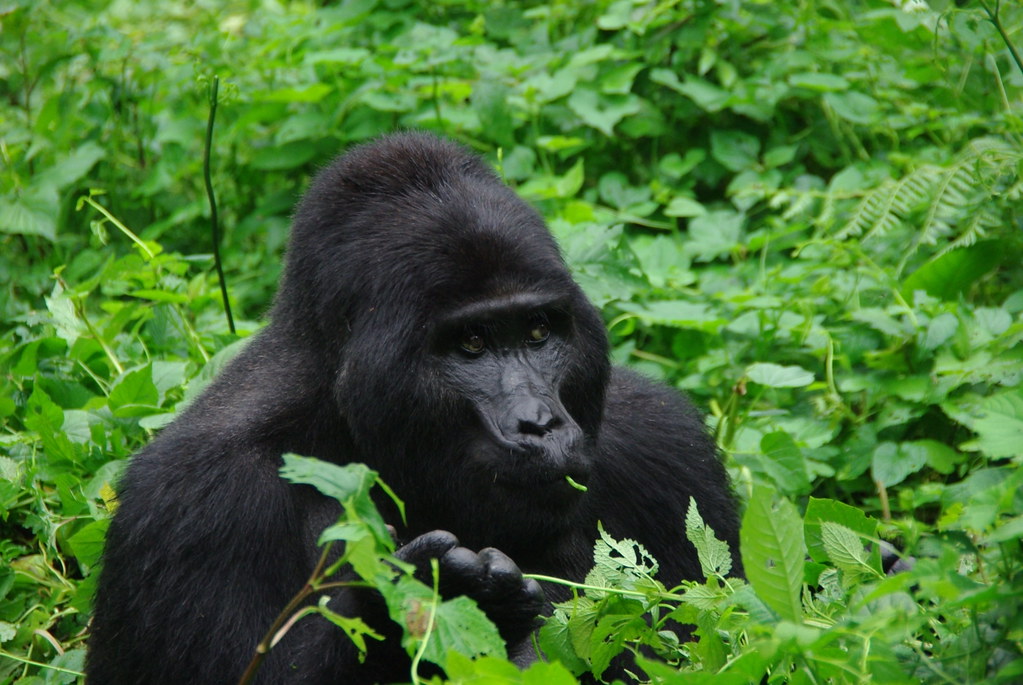
A 12-day Uganda safari typically covers the "big five" (rhinos, lions, leopards, elephants, buffaloes), gorillas, and chimpanzees by traveling from Kampala to Murchison Falls, Kibale Forest, Queen Elizabeth, Bwindi Impenetrable National Park, and Lake Mburo. Key activities include gorilla trekking, chimp tracking, Nile boat cruises, and game drives.
12-days-best-uganda-safari-big-five-and-uganda-primate-safari
12-days-best-uganda-rwanda-primate-safaris-and-akagera-big-five-safaris
12-days-all-inclusive-uganda-wildlife-and-primate-safari
12-days-perfect-rwanda-uganda-gorilla-trekking-safari-holiday-vacation
12-days-uganda-wildlife-primate-experience-and-lake-mutanda-vacation
12 Days Uganda Gorilla Trekking and Wildlife Safari
A 12-day Uganda gorilla trekking and wildlife safari offers a remarkable opportunity to encounter some of Africa's most captivating wildlife, including the mountain gorilla, African elephant, Nile crocodile, yellow-backed duiker, and various primate species like chimpanzees and colobus monkeys. Uganda is renowned for its biodiversity, with over 1,000 bird species, including the shoebill and the great blue turaco, as well as large mammals such as the Cape buffalo and hippo.
The country's national parks, including Murchison Falls and Queen Elizabeth, provide habitats for lions, leopards, and numerous antelope species like Uganda kob and topi. The Bwindi Impenetrable Forest is the highlight, home to more than half of the world’s mountain gorilla population. This adventure allows travelers to engage in thrilling activities like tracking and observing these gentle giants in their natural environment while discovering Uganda's rich culture and stunning scenery. Enjoy a mixture of wildlife encounters, scenic landscapes, and cultural interactions throughout this unforgettable adventure.
Day 1: Arrival at Entebbe
On your arrival at Entebbe International Airport, your guide will be waiting to transfer you to your hotel in Entebbe. Depending on your arrival time, you might visit the Entebbe Botanical Gardens. Here, you can see various bird species, including the African Grey Parrot and the Black and White Colobus Monkeys. The gardens provide a great introduction to Uganda's diverse wildlife. Alternatively, you can explore the Uganda Wildlife Education Centre, which houses rescued animals like lions, crocodiles, and various species of birds.
After checking in at your accommodation, unwind and enjoy dinner while discussing the exciting itinerary with your guide. This first evening serves as a relaxation period before starting your adventure in Uganda’s national parks.
Day 2: Ziwa Rhino Sanctuary & Murchison Falls
On Day 2, depart for Murchison Falls National Park, making a stop at Ziwa Rhino Sanctuary for on-foot white rhino tracking. This sanctuary is home to several white rhinos and offers a unique opportunity to observe them up close. Look out for other wildlife, such as bushbuck and various bird species, including the elusive Shoebill.
After your rhino excursion, continue your journey to Murchison Falls, which takes about 2 hours. Upon arriving, check in at your lodge and enjoy lunch. In the evening, take a relaxing walk along the Nile River, where you may spot hippos and more bird species, such as the African Fish Eagle. Rest well, as the coming days will be filled with exhilarating wildlife adventures.
Day 3: Murchison Falls Adventures
Day 3 begins with an early morning game drive in Murchison Falls National Park. The early hours are prime for spotting wildlife, including lions, elephants, zebras, and giraffes bustling across the savanna. Look for other animals like the warthog and various antelope species, including the Uganda kob.
After the drive, return to your lodge for breakfast. In the afternoon, enjoy a boat cruise on the Nile River to the base of Murchison Falls. As you glide along, watch for massive hippos, crocodiles basking on the banks, and numerous bird species, such as kingfishers. For those inclined, an optional hike to the top of the falls offers stunning views. After a day full of wildlife encounters, enjoy dinner and relax at your lodge.
Day 4: Drive to Kibale Forest
On Day 4, prepare for a scenic drive to Kibale Forest National Park, which takes approximately 7-8 hours. As you navigate through lush tea plantations and captivating countryside, keep an eye out for wildlife along the road, such as monkeys and various bird species.
Upon arrival at Kibale, check into your lodge and savor lunch. In the afternoon, explore the nearby Bigodi Wetlands Sanctuary. This area is known for its abundant birdlife, including the Great Blue Turaco, and various primates like the black-and-white colobus and red-tailed monkeys. You may also encounter unique plant species during your nature walk. After a day filled with new discoveries, return to the lodge for dinner and relaxation.
Day 5: Chimpanzee Trekking
Day 5 centers around chimpanzee trekking in Kibale Forest National Park. After breakfast, prepare for an informative briefing by park rangers about trekking protocols and safety guidelines. Trekking through the lush forest, you'll have the opportunity to see several primate species, including colobus monkeys and baboons, before locating the habituated chimpanzees.
Once found, you’ll spend an hour observing these fascinating animals and their interactions. After the trek, enjoy lunch at your lodge and spend the afternoon at leisure. For those interested, an optional visit to nearby tea plantations can add another layer of immersion into Uganda’s vibrant culture. Evening views of the forest provide a soothing end to an active day.
Day 6: Transfer to Queen Elizabeth National Park
After breakfast, set out for Queen Elizabeth National Park, a drive that typically takes around 2-3 hours. Along the way, take in the views of the majestic Rwenzori Mountains. Upon arrival, settle into your accommodation and enjoy lunch.
In the afternoon, take a short game drive. Look for wildlife such as elephants, buffaloes, and various bird species, including the African Fish Eagle and the ground hornbill. You may also spot the iconic tree-climbing lions lounging in fig trees in the Ishasha sector. As the day winds down, return to your lodge for dinner and reflect on the diverse wildlife encountered.
Day 7: Game Drive & Kazinga Channel Boat Safari
Day 7 starts with an early morning game drive in the well-known Kasenyi Plains of Queen Elizabeth National Park. This area provides excellent opportunities to spot various wildlife, including Uganda kobs, elephants, and hippos. Be on the lookout for leopards hiding in the trees or lions resting in the sun.
After your morning drive, return to the lodge for breakfast. In the afternoon, enjoy a boat safari on the famous Kazinga Channel. This cruise offers a chance to see massive hippo pods and Nile crocodiles basking on the banks. Additionally, the channel is a haven for numerous birds, including pelicans and several migratory species. Wrap up the day with dinner at your lodge, sharing stories of the day’s encounters with fellow adventurers.
Day 8: Ishasha Sector & Bwindi
On Day 8, journey south to Ishasha to search for the famous tree-climbing lions. This region is noted for its unique tree-climbing lion behavior, adding a thrilling aspect to your wildlife safari. While in Ishasha, look for other wildlife, including Uganda kobs and various bird species.
After wildlife viewing, continue to Bwindi Impenetrable National Park, which usually takes about 2-3 hours. Upon checking into your lodge, relax and enjoy the natural ambiance of your surroundings. Prepare for the gorilla trekking experience that awaits, knowing that towering mountains and lush forests hold the secrets of the mountain gorillas.
Day 9: Gorilla Trekking
Day 9 is the highlight of your trip: gorilla trekking in Bwindi Impenetrable National Park. After an early breakfast, you’ll receive a briefing from park rangers before being divided into trekking groups. As you trek through the forest, you might also spot other primates like the black-and-white colobus and various birds.
The trek can vary in duration depending on the gorilla family’s location, but you’ll be rewarded once you find them. Spend an hour observing their behaviors, which may include feeding, grooming, and interacting playfully. After this unforgettable encounter, return to your lodge for lunch and relish the memories created during your time with these gentle giants.
Day 10: Lake Bunyonyi
After breakfast, head to Lake Bunyonyi, one of Africa’s deepest lakes, which takes roughly 2 hours. Upon arrival, check in to your accommodation and have lunch. This afternoon, spend time relaxing by the lakeside or consider renting a canoe to explore the various islands.
As you paddle, keep an eye out for water birds like the African Jacana and the Red-throated Alethe. Listen to the sounds of nature and enjoy the tranquility of your surroundings. You may also explore the nearby Batwa community, learning about their traditional lifestyle and rich cultural heritage. Conclude the day with a delicious dinner and take in the beautiful sunset over the lake.
Day 11: Lake Mburo National Park
On Day 11, transfer to Lake Mburo National Park (approximately 4 hours by road). Upon arrival, enjoy lunch and prepare for an afternoon safari. Lake Mburo is known for its unique wildlife, including zebras, impalas, and elands.
During your game drive, keep an eye out for other animals such as buffaloes and various bird species like the Crested Crane. In the late afternoon, enjoy a boat cruise on Lake Mburo, where you might see hippos and crocodiles. The serene waters provide an excellent backdrop for birdwatching, so bring your binoculars. Return to your lodge in the evening for dinner, reflecting on the diverse wildlife seen throughout the day.
Day 12: Equator Stop & Departure
On your final day, begin with a leisurely breakfast before taking part in a morning nature walk or game drive in Lake Mburo National Park, enhancing your opportunity to spot any wildlife you may have missed. Afterward, prepare for your drive back to Entebbe, which takes approximately 4-5 hours.
Make a stop at the Equator for photo opportunities and a chance to purchase souvenirs. Arrive in Entebbe in time for your evening flight. You’ll leave with cherished memories of Ugandan wildlife, rich culture, and the natural beauty encountered during your stay
1. What is the best route for a 12 days Uganda gorilla trekking and wildlife safari?
A typical route for a 12-day Uganda gorilla trekking and wildlife safari begins in Entebbe, where you arrive and make your way to your accommodation. Here, you will be introduced to the rich biodiversity that defines Uganda. From Entebbe, the journey heads north to Murchison Falls National Park, a renowned park where the Nile River surges through a narrow gorge, creating stunning waterfalls. This park is famous for its diverse wildlife, including elephants, giraffes, lions, and a multitude of bird species.
After exploring Murchison, the route moves westward to Kibale Forest National Park, the "Primate Capital of the World." This section of the trip focuses on the incredible variety of primates, notably chimpanzees. The journey continues to Queen Elizabeth National Park, known for its impressive wildlife and the possibility of spotting tree-climbing lions in the Ishasha sector.
Finally, the itinerary culminates in Bwindi Impenetrable National Park for the highlight: gorilla trekking. This park harbors more than half of the world's remaining mountain gorilla population. Overall, this route encompasses various ecosystems, enabling travelers to witness different species in their natural habitats while immersing themselves in Uganda's stunning natural beauty.
2. What are the key highlights included in a 12 days Uganda gorilla trekking and wildlife safari?
A 12-day Uganda gorilla trekking and wildlife safari features numerous highlights that make it an unforgettable adventure. One of the primary attractions is gorilla trekking in Bwindi Impenetrable National Park, where you have the opportunity to observe these majestic creatures in their natural habitat. This trek allows for one hour of close observation, giving participants a rare glimpse into the lives of mountain gorillas.
In addition to gorilla trekking, the safari includes chimpanzee tracking in Kibale Forest National Park, home to a diverse range of primate species. The park's lush environment offers exceptional opportunities for spotting other wildlife, enhancing the primate experience.
Game drives in Murchison Falls and Queen Elizabeth National Parks provide further excitement. These drives allow you to spot iconic animals like African elephants, lions, leopards, rhinos, and buffaloes. Optional boat cruises along the Nile and the Kazinga Channel reveal even more wildlife, including hippos and varied bird species.
The tour may also incorporate cultural encounters, such as visiting local communities, educational encounters with the Batwa pygmies, and leisurely lake activities on Lake Bunyonyi. Each aspect highlights Uganda's unique natural and cultural heritage, ensuring an enriching experience for wildlife enthusiasts.
3. When is the best time to book a 12 days Uganda gorilla trekking and wildlife safari?
The best time to book a 12-day Uganda gorilla trekking and wildlife safari falls during the dry seasons, which typically occur from June to August and December to February. These months are ideal for trekking as the trails are less muddy and more accessible. The dry season also increases the likelihood of encountering wildlife near water sources, enhancing the chances of spotting various species during game drives.
Given the popularity of gorilla trekking, it is essential to secure your gorilla trekking permits well in advance. Booking 4 to 6 months before your planned journey is highly recommended to ensure availability, as permits are limited to eight individuals per group per day. This advance planning is crucial, especially during peak tourist seasons when permits can sell out quickly.
In contrast, the wet seasons from March to May and September to November present unique challenges. While trekking can still be conducted, muddy trails may hinder progress, and heavy rains may affect wildlife visibility. However, if you enjoy birdwatching, these wet months often attract migratory species, making them worthwhile for avid birders. Ultimately, aligning your trip with the dry seasons will provide the most enjoyable trekking and wildlife-viewing experiences.
4. How much does a 12 days Uganda gorilla trekking and wildlife safari cost?
The cost of a 12-day Uganda gorilla trekking and wildlife safari can vary significantly based on several factors, including accommodation preferences, transportation, and specific activities included in the itinerary. Generally, prices for a mid-range private tour range from $3,800 to $5,300 per person.
A significant portion of this cost is attributed to the gorilla trekking permits, which currently amount to $700 to $800 for foreign non-residents. These permits are essential for accessing the gorillas in their natural habitat. Additional costs include park entry fees, accommodations (which can range from budget to luxury), meals, and transport expenses.
When budgeting, consider the full package inclusive of guide services, transportation, and lodging. Some tour operators offer all-inclusive packages, which can be more convenient and offer a better idea of the total cost upfront. It’s advisable to research and compare various tour operators to find a package that aligns with your budget and interests, ensuring a comprehensive and enjoyable experience.
5. What is the difference between gorilla trekking and habituation on a 12 days Uganda gorilla trekking and wildlife safari?
The difference between gorilla trekking and habituation is significant and caters to varying levels of interest and engagement with these magnificent primates. Gorilla trekking allows visitors to spend one hour with a habituated gorilla family. During this time, participants can observe the gorillas’ interactions, feeding, and behaviors while maintaining a safe distance, typically six meters away.
On the other hand, the gorilla habituation experience provides a more immersive encounter, allowing guests to spend up to four hours with a semi-habituated gorilla family. This experience involves a closer connection with the gorillas and deeper interactions, often enabling you to witness behaviors not commonly seen during short treks.
The habituation experience is designed for small groups and offers a rare chance to engage with researchers and learn about the ongoing process of acclimating gorillas to human presence. This option is particularly appealing to those seeking a deeper understanding of gorillas and conservation efforts. It’s essential to check availability for both experiences, as permits for habituation tend to be even more limited.
6. Do I need to book my 12 days Uganda gorilla trekking and wildlife safari in advance?
Yes, it is highly recommended to book your 12-day Uganda gorilla trekking and wildlife safari in advance. The gorilla trekking permits are limited and in high demand, so securing them at least 4 to 6 months before your travel date is advisable. This advance booking gives you the best chance of obtaining permits for your preferred trekking dates and locations.
Many travelers choose to arrange their safari through local tour operators, who can assist in obtaining permits and managing logistics, which further eases the planning process. Given the limited number of permits available for gorilla trekking—only eight trekkers per group—it’s prudent to act quickly, especially during peak travel seasons.
Booking in advance also allows for better accommodation options. High-quality lodges and camps may fill up quickly, so early reservations ensure you secure your desired lodging. Ultimately, early planning helps facilitate a smoother and more enjoyable safari experience.
7. Is a 12 days Uganda gorilla trekking and wildlife safari suitable for seniors?
A 12-day Uganda gorilla trekking and wildlife safari can indeed be suitable for seniors, but certain considerations may be necessary. The fitness level required for trekking can vary significantly based on the location and trail conditions. For seniors or those with mobility concerns, request easier and shorter treks, such as those in the Buhoma or Ruhija sectors of Bwindi, which are known for having less strenuous paths.
While gorilla trekking typically requires moderate physical fitness, the terrain can be steep and muddy, making appropriate footwear essential. Porters are often available to assist with carrying gear and offering support during treks, making the experience more accessible.
Be aware that treks can last anywhere from 2 to 8 hours, depending on the gorillas' location and movement, so having the right expectations and preparation is crucial. Additionally, it’s advisable to consult with a doctor before the trip, especially if there are underlying health issues.
8. What wildlife will I see on a 12 days Uganda gorilla trekking and wildlife safari besides gorillas?
On a 12-day Uganda gorilla trekking and wildlife safari, various wildlife encounters await you beyond just gorillas. In Murchison Falls National Park, you may see large herds of elephants, buffalo, and giraffes as you traverse the park on game drives. Keep an eye out for predators like lions and leopards that roam the region.
Kibale Forest offers a rich primate experience, allowing you to track chimpanzees as well as over a dozen other primate species, including black-and-white colobus monkeys and vervet monkeys.
While at Queen Elizabeth National Park, experience the unique sight of tree-climbing lions in the Ishasha sector. The park also hosts various antelopes, such as Uganda kobs and waterbucks, as well as hippos and numerous bird species along the Kazinga Channel.
Your explorations may also introduce you to more elusive species like the bushpig or the giant forest hog. This tour allows for a well-rounded view of Uganda’s remarkable biodiversity.
9. What should I pack for a 12 days Uganda gorilla trekking and wildlife safari?
When packing for a 12-day Uganda gorilla trekking and wildlife safari, it’s essential to prepare for various activities and weather conditions. Start with sturdy, waterproof hiking boots, as you will trek through muddy and uneven terrain. Consider packing long-sleeved shirts and long trousers for protection against insects and the elements.
A light raincoat is vital, as rain can occur unexpectedly, especially in forested or mountainous areas. Don’t forget a warm sweater or fleece for cooler mornings and evenings. Gardening gloves can help during treks, especially when navigating through thick brush.
Other essential items include insect repellent, a sun hat, sunglasses, and a small daypack for carrying personal belongings. Binoculars for wildlife spotting, along with a camera for capturing moments, will enhance your experience. Hydration is crucial, so bring a reusable water bottle. Lastly, consider including snacks for energy during longer activities.
10. What is the fitness level required for a 12 days Uganda gorilla trekking and wildlife safari?
Engaging in a 12-day Uganda gorilla trekking and wildlife safari typically requires a moderate fitness level. Gorilla trekking sessions can be physically demanding, with treks lasting from 2 to 8 hours, depending on the gorillas’ movements. The trails can be steep and muddy, especially during wet seasons, so being in reasonable shape is advisable.
While rangers assist in finding easier pathways, good stamina will enhance your enjoyment of the trek. Preparing by walking or hiking regularly prior to your trip can significantly improve your experience.
For seniors or those with limited mobility, it's essential to communicate with your guide or tour operator. Opt for trekking sectors known for being less challenging, like the Buhoma sector, where paths tend to be easier to navigate. Ultimately, the right preparation will help ensure that each participant can participate comfortably and safely.
11. Can I combine a 12 days Uganda gorilla trekking and wildlife safari with cultural tours?
Yes, you can easily combine a 12-day Uganda gorilla trekking and wildlife safari with cultural tours. Many itineraries include opportunities to engage with local communities, offering insightful interactions with the rich Ugandan culture. One highlight is visiting the Batwa pygmies, who share their traditional lifestyle and history with visitors, illustrating how they've lived harmoniously with the forest.
Cultural visits can also involve exploring local markets or schools, where you can learn about daily life and traditions. The Bigodi Wetland Sanctuary often features cultural components as well, showcasing local heritage through guided tours.
From engaging with craftspeople to enjoying local foods and performances, these cultural experiences enrich your Uganda safari. Combining adventure with cultural discovery deepens your appreciation of Uganda's diversity, adding a meaningful dimension to your trip.
12. What are the accommodation options during a 12 days Uganda gorilla trekking and wildlife safari?
During a 12-day Uganda gorilla trekking and wildlife safari, you'll find various accommodation options tailored to fit different preferences and budgets. In Murchison Falls National Park, choices range from luxury lodges like Paraa Safari Lodge to mid-range options such as Murchison River Lodge, catering to all levels of comfort.
In Kibale Forest, accommodations include Kibale Forest Camp for mid-range and budget-conscious travelers, while luxury lodges, such as Primate Lodge, offer a more opulent experience.
For Queen Elizabeth National Park, Mweya Safari Lodge offers stunning views and top-notch amenities. In Bwindi, options vary from luxury lodges like Buhoma Lodge to budget-friendly choices such as Buhoma Community Rest Camp.
It's important to book accommodation in advance, especially during peak tourist seasons, to secure the desired lodging that fits your travel style. Overall, the diversity in accommodation ensures a comfortable stay throughout your wildlife adventure.
13. How long does the trekking take on a 12 days Uganda gorilla trekking and wildlife safari?
Trekking during a 12-day Uganda gorilla trekking and wildlife safari can vary significantly in duration depending on several factors, including the movement of the gorillas and the trail conditions. On average, trekking can take anywhere from 2 to 8 hours.
Typically, participants start the trekking early in the morning after receiving a briefing at the park entrance. Rangers often have an idea of where the gorilla families were located the night before, providing some guidance on where to trek.
Once you are in the forest, conditions may dictate the speed and length of the trek. If the gorillas are located closer, the trek can be shorter; if they have moved further away, it may take longer. Often, trekkers spend up to one hour observing the gorillas once located. Thus, preparing for a longer trek, both physically and mentally, is advisable to ensure an enjoyable experience.
Booking Uganda safari with us Roads of Adventure safaris
Book your unforgettable Uganda safari with Roads of Adventure Safaris, experts in tailored mid-range to luxury, adventures. We specialize in gorilla trekking, chimpanzee tracking, and scenic game drives. Enjoy personalized, secure itineraries with private transport, expert guides, and pre-booked permits. Covering Bwindi, Queen Elizabeth, and more, we ensure a seamless, memorable, and adventurous journey. Contact us at info@roadsofadventuresafaris.com or call +256 701041637 for customized, high-quality, and sustainable travel experiences. Secure your dream African holiday today.
.
