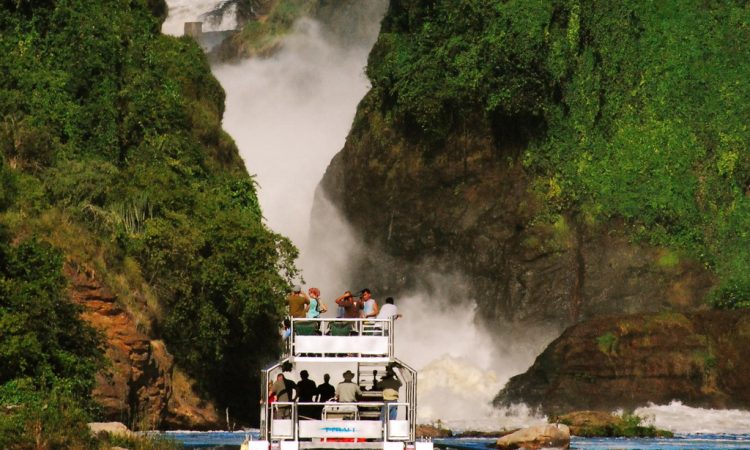
A 10-day family safari in Uganda can be best spent traversing the country's top national parks to experience diverse wildlife, including gorillas, chimpanzees, and the "Big Five." Key destinations include Murchison Falls National Park, Kibale National Park (for chimpanzees), Queen Elizabeth National Park (for boat cruises and tree-climbing lions), and Bwindi Impenetrable National Park for gorilla trekking.
10-days-best-uganda-big-five-safaris-and-primate-experience
10-days-uganda-rwanda-primate-safari-vacation-and-game-drive-safari
10-days-uganda-safari-all-big-five-gorilla-and-chimpanzee-tracking-adventure
10-days-best-photography-uganda-wildlife-safari-holiday-and-gorilla-trekking
10-days-best-honeymoon-uganda-safari-tour-vacation-holiday
10-Day Sample Family Safari in Uganda
This 10-day family safari in Uganda offers an exciting opportunity to explore diverse wildlife and breathtaking nature. With destinations that include Murchison Falls, Kibale National Park, and Bwindi Impenetrable National Park, this safari is perfect for wildlife enthusiasts of all ages. Throughout the trip, families will encounter various species such as lions, buffalo, elephants, hippos, giraffes, chimpanzees, and mountain gorillas, as well as numerous bird species like the shoebill stork, crowned crane, and African fish eagle. The itinerary balances adventure with relaxation, allowing both adults and children to engage with Uganda’s rich flora and fauna. Daily activities include game drives, boat safaris, and community visits, ensuring a well-rounded safari filled with opportunities for family bonding and learning about conservation. From tracking rhinos to witnessing tree-climbing lions and participating in chimpanzee tracking, this safari highlights Uganda's unique biodiversity while catering to families' diverse interests and schedules.
Day 1: Arrival in Entebbe
On Day 1, arrive at Entebbe International Airport and be greeted by your safari team. After settling in, transfer to a comfortable lodge located on the serene shores of Lake Victoria, where you can relax and catch your breath after the journey. Take time to enjoy the beautiful views of the lake and its surroundings. In the afternoon, you might spot various bird species like the African fish eagle and stunning waterfowl, adding to the vibrant atmosphere. Depending on your arrival time, consider taking a short walk along the lakeside to absorb the local culture. The lodge staff will provide an orientation and brief you on the upcoming days filled with adventure. Enjoy a family dinner featuring local flavors, preparing everyone for the exciting experiences that lie ahead on this memorable safari.
Day 2: Ziwa Rhino Sanctuary & Murchison Falls
On Day 2, head north to the Ziwa Rhino Sanctuary, which is about a 3-hour drive from your lodge. Once there, take a guided walk to track the white rhinos, an incredible opportunity for the family to learn about these magnificent creatures while observing them in their natural habitat. Expect to see various wildlife, including birds like the grey-crowned crane and the great blue turaco during the walk. After tracking rhinos, continue your journey to Murchison Falls National Park, which will take an additional 2 hours. Upon arrival, check into your lodge for the night. In the evening, enjoy family time while discussing the day’s encounters and preparing for the thrilling activities in Murchison Falls, which symbolizes the beauty of Ugandan wildlife.
Day 3: Murchison Falls Safari
Day 3 begins with an early morning game drive in Murchison Falls National Park. The family will have opportunities to spot lions, giraffes, elephants, and various antelope species such as Uganda kobs and topis. This wildlife-rich area is known for its diverse fauna, and the guide will share interesting facts about the animals and their behaviors. After the morning drive, return to your lodge for lunch. In the afternoon, board a boat for a cruise on the Nile River to the base of Murchison Falls. From the boat, you can see hippos, crocodiles, and plenty of bird species like the malachite kingfisher. Witnessing the river’s powerful flow over the rocks promises to be memorable. Conclude the day with a restful evening at your lodge, reflecting on the animals seen throughout the day.
Day 4: Travel to Kibale National Park
On Day 4, depart Murchison Falls and take a scenic drive to Kibale National Park, known as the primate capital of the world. The drive takes around 6 to 7 hours, providing opportunities to experience rural Ugandan culture and picturesque farmland along the way. You may spot herds of cattle and various bird species such as red-tailed monkeys in the trees. Upon arrival, check into your lodge and enjoy a peaceful environment, ideally suited for families to unwind. In the late afternoon, consider taking a guided nature walk in the nearby Bigodi Wetland, where you can see species like the grey-cheeked mangabey and numerous birds. This initial introduction prepares the family for the exciting primate tracking adventures ahead. Enjoy a hearty dinner at the lodge, sharing highlights from the day to strengthen family bonds.
Day 5: Chimpanzee Tracking & Bigodi Wetland
Day 5 is dedicated to chimpanzee tracking in Kibale National Park. After breakfast, meet your guide for a briefing before setting out to find the chimps. The tracking typically lasts between 2 to 5 hours, depending on the monkeys’ location. As you walk through the forest, be on the lookout for other wildlife such as colobus monkeys, bushbucks, and various bird species. Children will enjoy the chance to observe the playful chimps swinging through the trees. After spending time with the chimps, return to your lodge for lunch. In the afternoon, enjoy a community walk in Bigodi, where you will engage with locals and learn about their traditions. This interaction will be a wonderful way for your family to gain insights into Ugandan culture. Wrap up the day with a relaxing dinner and stories shared among family members.
Day 6: Queen Elizabeth National Park
On Day 6, leave Kibale National Park and head to Queen Elizabeth National Park, approximately a 2- to 3-hour drive away. Once you arrive, enjoy a game drive in the Kasenyi plains, where you will have the chance to spot elephants, lions, and the unique tree-climbing lions in Ishasha. The park is also home to a wide variety of bird species, including the majestic African fish eagle and the vibrant shoebill. Lunch will be served at a lodge or picnic spot in the park. In the afternoon, continue your exploration with another game drive or relax as a family at your lodge. As the day draws to a close, share your wildlife encounters over dinner and prepare for the next day’s adventures in Queen Elizabeth National Park.
Day 7: Boat Safari & Ishasha
On Day 7, begin with an early morning game drive to maximize wildlife sightings. In addition to the impressive elephants and buffalo, keep an eye out for leopards lounging in trees and various antelope grazing. After a morning filled with excitement, have breakfast at the lodge. Following breakfast, take a boat safari on the Kazinga Channel, where you will observe hippos and crocodiles up close. The boat ride is also an excellent opportunity for birdwatching, featuring species such as the African jacana and various herons. After your boat safari, drive to Ishasha, which takes about 1.5 to 2 hours. Once in Ishasha, look for the park's famous tree-climbing lions resting on branches. These incredible sightings will create lasting family memories. Afterward, settle into your accommodation for a well-deserved dinner.
Day 8: Bwindi Impenetrable National Park
Day 8 begins with breakfast at your lodge before heading to Bwindi Impenetrable National Park, a journey of approximately 2.5 to 3 hours. Upon arrival, check into your accommodation and prepare for tomorrow’s gorilla trekking activity. Take the day to relax or engage in a community visit to learn about local cultures and conservation efforts. Children will enjoy interacting with their peers and discovering the significance of gorillas to the local community. As the evening approaches, have dinner at your lodge, finalizing preparations for your much-anticipated gorilla trek. The family will feel a mix of excitement and anticipation for the next day as they prepare to discover one of Africa's most incredible wildlife experiences.
Day 9: Gorilla Trekking/Lake Bunyonyi
On Day 9, the family will wake early for gorilla trekking in Bwindi Impenetrable National Park. After breakfast, attend a briefing at the park headquarters before setting off. Minimum age for trekking is 15 years; younger children can relax at nearby Lake Bunyonyi. The trek to find gorillas may take 2-8 hours depending on their movements. As you track the majestic mountain gorillas, look for other wildlife such as golden monkeys and various bird species along the trail. Spending time with the gorillas is a unique opportunity, allowing the family to observe their behavior and learn from your knowledgeable guide. After the trek, return to your lodge (or Lake Bunyonyi for younger children) to relax and share stories about the day’s encounters. Enjoy a hearty dinner at your accommodation, celebrating the remarkable wildlife sighting.
Day 10: Lake Mburo & Departure
On the final day, depart Bwindi and head to Lake Mburo National Park, with a travel time of around 4 to 5 hours. Arrive at Lake Mburo and enjoy a morning game drive. This park provides the chance to see zebras, giraffes, and various antelopes like elands and impalas. Keep your eyes peeled for birds like the African grey hornbill and the white-tailed lark during your drive. After the safari, enjoy lunch at a lodge near the park. Once fed, continue the drive back to Entebbe, allowing time for reminiscing about the adventure. After arriving at Entebbe International Airport, prepare for your departure, grateful for the wildlife encounters and memories made during this unforgettable family safari in Uganda.
Best Itinerary for a 10-Day Family Safari in Uganda
A well-planned 10-day family safari in Uganda can be a memorable adventure, combining wildlife experiences, primate tracking, and relaxing boat safaris. The itinerary could start with a brief stay in Entebbe for acclimatization before heading to Queen Elizabeth National Park. In Queen Elizabeth, families can enjoy game drives that offer sightings of elephants, lions, and various antelope species, along with the chance to experience a boat safari on the Kazinga Channel, where you can see hippos and crocodiles. Afterward, travel to Kibale National Park for an unforgettable chimpanzee trekking experience. Here, families can track these playful primates in their natural habitat while learning about their behavior and conservation efforts.
Next, consider visiting Lake Mburo National Park for a more relaxed atmosphere, ideal for unwinding after several days of adventure. This park features shorter game drives and beautiful landscapes, making it perfect for families. Lodges often offer swimming pools and amenities tailored for children, creating a comfortable environment after busy days. Throughout the trip, allocate time for community visits and cultural interactions, enriching the overall experience. The itinerary allows for some flexibility, especially for younger children, ensuring they're engaged without feeling rushed. This well-rounded approach guarantees a mix of excitement and relaxation, perfect for family bonding.
Safety for Young Children on a Family Safari in Uganda
Uganda is generally considered a safe destination for families, including those traveling with young children. Stability in the country has improved, making tourism a significant part of the economy. However, travelers should take appropriate precautions, particularly regarding health. Malaria prevention is essential, and families are advised to consult healthcare professionals before travel to ensure appropriate vaccinations and medication.
When planning a safari, it’s crucial to choose reputable tour operators that provide private vehicles. This not only enhances safety but also allows for a more personalized experience tailored to family needs. Private vehicles enable families to set their own pace, take breaks as needed, and navigate through parks comfortably.
Beyond safety, consider the types of activities offered during your safari. Ensure that the safari itinerary includes family-friendly options like short game drives, nature walks, and educational visits to local communities. You can also look for lodges that cater specifically to families, offering amenities like child-friendly meals and swimming pools. With proper planning, a family safari in Uganda can be an enriching and enjoyable experience.
Minimum Age for Gorilla Trekking on a Family Safari in Uganda
For families interested in gorilla trekking in Uganda, it is essential to note that the minimum age for trekking is 15 years old. This policy is implemented to ensure the safety and well-being of both the gorillas and the trekkers. Gorillas are sensitive animals, and maintaining a respectful distance is crucial for their protection and survival.
For younger children or those not meeting the age requirement, alternative activities are available. Families can consider enjoying community visits, nature walks, or boat safaris in nearby lakes or rivers, which provide engaging alternatives without the physical demands of trekking. These activities allow younger family members to enjoy the beauty of Uganda without the risks associated with tracking mountain gorillas.
When planning a family safari, it’s important to consider the needs of all family members and enrich the experience for everyone involved. Families should consult with tour operators to create an itinerary that includes age-appropriate activities while providing ample opportunities for learning about conservation and Uganda’s rich biodiversity.
Alternative Activities for Young Children on a Family Safari in Uganda
While Uganda is renowned for its wildlife safari experiences, alternative activities for young children can enrich the family safari. Recognizing the challenges of keeping younger family members engaged, many lodges and tour operators offer varied options that cater to all ages.
Nature walks, often guided by knowledgeable local guides, allow children to explore the flora and fauna at a pace suited to their abilities. These walks can incorporate fun educational elements, teaching kids about the importance of conservation, animal tracks, and local plants.
Boat rides provide an enjoyable way to see wildlife from a different perspective. For instance, on Lake Bunyonyi or the Kazinga Channel, families can spot hippos and a variety of bird species while relaxing on the water.
Community visits offer a cultural exchange, allowing children to interact with local families and learn about traditional Ugandan lifestyles. Some lodges even have swimming pools, providing a perfect place for young travelers to unwind after the day’s activities. With a mix of these alternatives, families can ensure that children stay engaged, learn, and enjoy the beauty of Uganda safely.
Best Time to Visit for a Family Safari in Uganda
The best time to visit Uganda for a family safari is during the dry seasons, which are from June to August and December to February. These months typically offer pleasant weather conditions that make outdoor activities more enjoyable. During these periods, wildlife is easier to spot since animals tend to gather around water sources, and the lack of rain means easier navigation through the parks.
However, Uganda’s climate is relatively mild throughout the year, allowing for year-round travel. Even during the wet season, many parks remain operational, and the lush greenery can enhance wildlife viewing.
If traveling with children, dry months are preferable not only for comfort but also to avoid lengthy delays due to muddy roads. Planning a safari during these peak months can also provide additional activities, such as cultural festivals and events that might coincide with your visit.
Ultimately, scheduling the trip according to your family’s needs and preferences will contribute significantly to creating lasting memories, ensuring that every member discovers the beauty and magic of Uganda.
Recommended Duration for a Family Safari in Uganda
For families considering a safari in Uganda, a duration of 7 to 10 days is ideal. This range allows for a well-paced exploration of various parks and wildlife encounters while providing sufficient time for relaxation. A shorter itinerary might rush through key highlights, potentially leading to fatigue and less enjoyment.
With a week-long trip, families can visit prominent destinations such as Queen Elizabeth National Park, Kibale National Park, and Bwindi Impenetrable National Park without feeling pressed for time. Families will value the opportunity to spend quality moments together, sharing activities like game drives, boat safaris, and community visits.
Choosing lodges that cater to families with amenities like swimming pools can provide relaxing downtime after busy days in the bush.
Ultimately, planning a flexible itinerary that considers travel times, activities, and family preferences contributes significantly to avoiding exhaustion and ensuring an enjoyable safari for everyone involved. A well-structured trip will help create memories that will linger long after returning home.
Packing Essentials for a Family Safari in Uganda
When preparing for a family safari in Uganda, careful packing is crucial to ensure comfort and safety. Start with clothing: opt for neutral-colored, lightweight clothes, as these are practical for both sun protection and camouflage in the wild. Long-sleeved shirts and trousers can safeguard against sunburn and insects.
Accessories like hats and sunglasses are vital for protection against the sun during midday excursions. Footwear should consist of sturdy shoes for walks and comfortable sandals for downtime at lodges.
Don’t forget to pack essential medications, including malaria prophylaxis, which is recommended for travelers in Uganda. First aid kits should include basic supplies for minor injuries and common ailments.
Binoculars are great for children, enhancing their engagement with wildlife by providing intimate viewing opportunities. Water bottles are essential to stay hydrated during outdoor activities.
Kids may appreciate a few snacks for longer drives or less familiar meal options. Planning ahead on these essentials can enhance the overall family safari experience while ensuring everyone’s comfort and safety.
Family-Friendly Accommodation Options for a Safari in Uganda
When planning a family safari in Uganda, selecting the right accommodation is vital to make your experience enjoyable. Many lodges and camps offer family-friendly options tailored to the needs of traveling families. These lodges typically provide spacious family suites, which are equipped with multiple beds or interconnected rooms for privacy and convenience.
Swimming pools are common amenities, allowing children to relax after a day of adventure. Many lodges also offer kid-friendly meals, ensuring that there’s a variety of familiar dishes that cater to picky eaters.
In some places, guides may offer educational activities, such as nature walks or cultural experiences, that provide engaging learning opportunities for children.
Staying at family-oriented lodges fosters a welcoming and safe atmosphere for both parents and children, ensuring that families can bond over shared experiences. By focusing on the specific needs of your family, you can choose accommodations that enhance your safari adventure in Uganda while making it enjoyable for all ages.
Self-Drive for a Family Safari in Uganda
While a self-drive option for a family safari in Uganda is possible, it’s generally recommended to hire a private driver or guide for safety and ease of navigation. The roads in Uganda can be challenging, with varying conditions that may not be suited for inexperienced drivers, especially with small children on board. Hiring a driver can significantly improve safety and remove the stress of navigating unfamiliar routes.
A knowledgeable guide can provide invaluable insights into the wildlife and local culture, enriching your family’s experience. They can also tailor the itinerary to fit your family’s needs, ensuring that you enjoy a balanced mix of activities without feeling rushed.
While self-driving might appeal to some families looking for independence, it’s essential to weigh the benefits of convenience, safety, and local knowledge that comes with hiring a driver. Ultimately, a guided experience provides a more enriching safari while ensuring the family’s safety and comfort throughout the trip.
Best Way to See Rhinos on a Family Safari in Uganda
To see rhinos safely during a family safari in Uganda, visiting the Ziwa Rhino Sanctuary is highly recommended. Located approximately halfway between Entebbe and Murchison Falls National Park, Ziwa offers a safe and educational environment for families to track white rhinos on foot. The sanctuary plays a crucial role in the conservation of rhinos, which adds an educational component to the visit.
Guided walks provide excellent opportunities for family members to learn more about rhino conservation and the significance of these animals in the ecosystem. Children will appreciate getting up close to such magnificent creatures, while parents can feel confident in the experienced ranger leading the trek.
The sanctuary serves as a family-friendly stopover that breaks up travel times while introducing young explorers to Uganda’s wildlife. A visit to Ziwa combines entertainment with education, enriching the overall safari experience and creating lasting memories for the entire family.
Game Drive Duration During a Family Safari in Uganda
When planning game drives during a family safari in Uganda, it’s essential to keep the duration suitable for children. Shorter drives, typically around 1 to 2 hours, are recommended to maintain engagement and reduce fatigue, allowing families to enjoy wildlife sightings without feeling rushed or overwhelmed.
These shorter drives can be complemented with breaks for snacks, restroom stops, or fun discussions about the animals spotted along the way. Many lodges are aware of the need to keep younger travelers entertained and will accommodate requests for more frequent breaks.
Overall, scheduling game drives at a manageable pace helps create an enjoyable atmosphere for the whole family. Providing flexibility within the itinerary ensures that children remain engaged and excited about wildlife encounters, enhancing their appreciation for Uganda's diverse fauna.
Child-Friendly Meals Available During a Family Safari in Uganda
Child-friendly meals are often readily available during a family safari in Uganda, ensuring that even picky eaters find something they enjoy. Many lodges and tented camps are conscious of the needs of families and typically offer varied menus that cater to children.
Breakfast often includes familiar options like fruit, bread, eggs, and cereals, while lunches and dinners may feature pasta, rice, grilled meats, or vegetable dishes. Some lodges even provide options for special dietary requirements, ensuring that all family members feel accommodated.
Furthermore, children’s portions can often be adjusted to suit younger appetites. Families can request meals that are less spicy or have ingredients that children recognize. The hospitality staff frequently engage with families to customize meal options, ensuring that children's preferences are met while also offering opportunities to try local Ugandan flavors.
This emphasis on catering to families not only supports children’s enjoyment but encourages them to be open to new culinary experiences during their adventure in Uganda.
Boat Safari Opportunities During a Family Safari in Uganda
Boat safaris provide a fantastic way for families to enjoy Uganda’s waterways and observe wildlife from a different perspective. Queen Elizabeth National Park is renowned for its boat rides on the Kazinga Channel, which connects Lake Edward and Lake George. This area offers excellent opportunities to spot wildlife such as hippos, crocodiles, and elephants along the banks.
On a boat safari, children will enjoy the thrill of spotting animals while learning about the importance of wetland habitats. Birdwatching is also a highlight, as the channel hosts numerous bird species, including the African fish eagle and kingfishers, providing engaging moments for young explorers.
These boat rides are generally safe and can be tailored to the ages and interests of the family, making them an excellent addition to the safari itinerary. They allow the family to take a break from land-based activities while continuing to enjoy wildlife viewing and enhancing the overall safari experience.
Engaging Kids on a Family Safari in Uganda
Engaging children during a family safari in Uganda can significantly enhance their enjoyment and appreciation for the unique wildlife and landscapes. One effective way to keep kids excited is by providing them with binoculars. This not only allows them to observe wildlife up close but also cultivates a sense of adventure and curiosity. Children will feel like little explorers as they scan the horizon for animals, fostering a more dynamic way of engaging with nature.
Incorporating a journal can further enhance their experience. Encourage kids to document their daily sightings, including sketches of the animals they observe and notes about their behaviors. This practice promotes both creativity and educational value, as they learn to pay attention to details while recording their experiences.
Creating a wildlife checklist is another fun activity that turns animal spotting into an exciting game. Children can check off animals as they see them, fostering a competitive spirit and encouraging teamwork. Families can challenge each other to spot specific animals, making it a collective effort.
Furthermore, guides can integrate fun facts and challenges related to wildlife, keeping the learning environment active and engaging. These strategies can turn a conventional safari into an interactive adventure that nurtures a love for wildlife and nature in children.
Booking Your Family Safari in Uganda
To ensure a smooth and enjoyable family safari in Uganda, planning and booking at least six months in advance is advisable. This timeline is especially crucial for peak seasons, including the dry months from June to August and December to February, when demand for accommodations and activities is at its highest. High demand can often make it difficult to secure gorilla trekking permits, which are a highlight of many safaris in Uganda. These permits, limited in number, should be booked early to guarantee availability for your family.
In addition to gorilla permits, booking in advance allows you to select family-friendly accommodations that cater to all ages. Many lodges fill up quickly, especially those with amenities like swimming pools and family suites. By planning ahead, you can maximize your options and ensure that your family stays in the most suitable lodges for comfort and engagement.
Early booking also offers the opportunity to tailor your itinerary more specifically to your family’s interests, such as including cultural experiences or particular wildlife activities. Overall, taking the time to plan ahead eliminates stress and allows your family to focus on enjoying the adventure.
Health Precautions for a Family Safari in Uganda
Ensuring the health and safety of your family during a safari in Uganda is paramount. A vital step is consulting a healthcare provider to discuss malaria prophylaxis. Uganda is a malaria-endemic area, and children are particularly vulnerable. Following a healthcare professional's recommendations will help your family take the necessary precautions effectively.
Additionally, ensure that all vaccinations are up-to-date before travel. While there is no mandatory vaccination for entry into Uganda, vaccinations for diseases such as yellow fever, hepatitis A and B, and typhoid are generally recommended. Check with your doctor for personalized advice tailored to your family’s needs.
Packing a travel health kit can also be beneficial. Include common over-the-counter medications, insect repellent, sunscreen, first aid supplies, and any prescription medications needed. Familiarizing your children with these items can make them feel more secure and prepared.
Staying hydrated is crucial, too, especially in the warmer months. Encouraging kids to drink plenty of water throughout the day will help maintain their energy levels. Ultimately, focusing on health precautions ensures that your family can enjoy their safari in safety and comfort.
Including Cultural Experiences in a Family Safari in Uganda
A family safari in Uganda offers more than just wildlife; it also presents valuable opportunities to engage with local cultures. Including cultural experiences in your itinerary can enrich your safari, providing deeper insights into Ugandan life and traditions. One of the most engaging options is visiting the Batwa Pygmy community, known for their rich cultural heritage and unique way of life. Participating in their traditional dances, music, and storytelling can provide captivating experiences for children and adults alike.
Visiting local schools can also be a rewarding experience. Your family could engage with students, share stories, and learn about their daily lives. This interaction fosters cultural appreciation and can create connections that transcend geographical boundaries. Children often find it enlightening to see how peers their age live in different parts of the world.
Other cultural experiences could involve participating in local crafts or cooking classes, offering hands-on learning opportunities. These activities not only contribute to a more holistic understanding of Uganda but also encourage empathy and awareness of different lifestyles.
Overall, integrating cultural experiences into your safari itinerary can create meaningful memories and foster a sense of connection to the people and places you encounter along the way.
Visa Requirements for a Family Safari in Uganda
When planning a family safari in Uganda, it is crucial to be aware of the visa requirements. A visa is required for most foreign nationals entering Uganda, and it typically costs around $50 for a single-entry visa. This visa is valid for up to 90 days. Alternatively, families traveling to multiple countries in East Africa might consider the East African Tourist Visa, which costs approximately $100. This visa allows entry into Uganda, Kenya, and Rwanda, making it ideal for those looking to explore more than one destination within the region.
To obtain a visa, travelers can apply online through the Uganda Electronic Visa/Permit Application System or get a visa upon arrival at the airport. Ensuring all family members have the necessary documentation before travel is essential to avoid delays.
It’s wise to check for any changes in visa regulations or requirements well in advance of your trip. Having all necessary paperwork in order can prevent stress and ensure a smooth entry into Uganda, allowing your family to focus on enjoying the safari adventure ahead.
Cost of a 10-Day Family Safari in Uganda
The cost of a 10-day family safari in Uganda can vary significantly depending on various factors, including the level of luxury you choose, accommodation types, and the specific activities included in your itinerary. Generally, family safaris may range from budget options starting at around $3,000 per person to higher-end experiences that may exceed $7,000 per person.
Costs typically cover essential elements such as transportation, guiding services, and park fees. Accommodations play a significant role in the overall cost; family-friendly lodges with amenities tailored to children, such as swimming pools, meals, and family suites, usually charge more than basic campsites.
Other activities, like gorilla trekking permits (which can be around $700 per person), boat safaris, and cultural experiences also contribute to the total cost. It’s beneficial to work closely with a reputable tour operator who can help tailor an itinerary that fits your family’s budget while ensuring a memorable and fulfilling experience.
Ultimately, understanding what elements are included in the price and finding balance in comfort, safety, and memorable activities will help your family get the best value for your safari adventure.
Internet Access During a Family Safari in Uganda
During a family safari in Uganda, internet access can vary widely depending on your location and the type of accommodation. While most lodges and hotels in major tourist areas have Wi-Fi, connectivity tends to be less reliable in remote regions or national parks. Therefore, families may find that service can be spotty or slow, especially in the more secluded lodges situated within wildlife areas.
It's essential to manage expectations when it comes to internet access. Many families find that disconnecting from the digital world enhances their safari experience, allowing everyone to engage more deeply with nature and each other. However, for those who need to stay connected for work or personal reasons, it is advisable to confirm in advance what level of internet service will be available at your chosen accommodations.
For families particularly keen on staying updated, consider planning designated “internet times” to catch up with communications, while also ensuring enough time to enjoy the wildlife and experiences around you. Overall, while some connectivity is generally available, the focus during the safari will ideally be on engaging with Uganda’s remarkable natural and cultural offerings.
Booking 10 Days on a Family safari in Uganda with us Roads of Adventure safaris
Book your unforgettable 10-day family safari with Roads of Adventure Safaris, specializing in safe, tailor-made adventures through the Pearl of Africa. Enjoy child-friendly itineraries, including gorilla trekking, chimpanzee tracking, and wildlife viewing in Queen Elizabeth and Murchison Falls. We provide expert guides, 4x4 transport, and comfortable lodges. Contact us via info@roadsofadventuresafaris.com or +256 701041637 to plan your trip, requiring a 30% deposit. Experience breathtaking landscapes, cultural encounters, and memorable wildlife moments. Book now for an immersive, stress-free family adventure.
