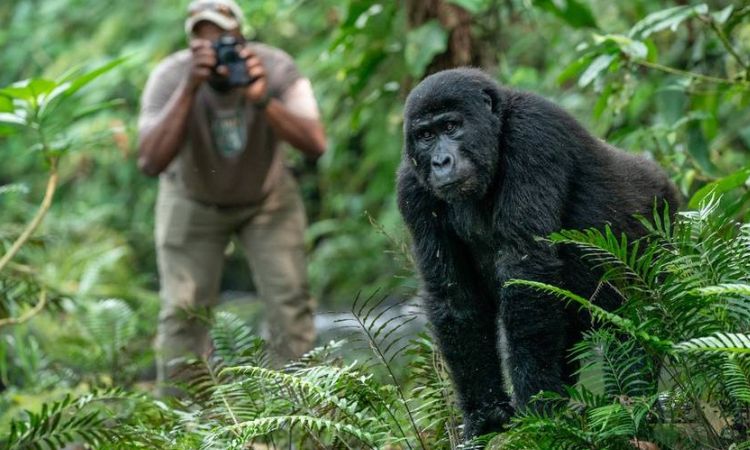
Planning a gorilla trek in Uganda from Kigali, Rwanda, is a popular strategy to save both money and travel time. While a Rwanda gorilla permit costs $1,500, a Uganda permit is $800. Additionally, the drive from Kigali to Uganda’s gorilla sectors takes only 4–5 hours, compared to 9–10 hours from Uganda's Entebbe Airport
15-days-best-uganda-to-rwanda-combined-primate-and-wildlife-safari
14-days-uganda-and-rwanda-safari-tour-itinerary
12-days-best-uganda-rwanda-primate-safaris-and-akagera-big-five-safaris
8-days-best-of-uganda-rwanda-tour-holiday-vacation-combo
5-days-gorilla-and-uganda-safari-and-golden-monkey-trekking-tour-from-kigali
1. Secure an East African Tourist Visa
Securing an East African Tourist Visa is one of the first essential steps in planning your gorilla trekking adventure in Uganda and Rwanda. This visa, costing $100, allows for multiple entries between the two countries, making cross-border travel seamless and hassle-free. For travelers planning to explore both Uganda and Rwanda, this visa simplifies the logistics, providing a cost-effective solution for multi-destination itineraries.
The application process for this visa is relatively straightforward. It can be obtained online through the respective country’s immigration services or upon arrival at key entry points. It lasts for 90 days, granting the holder access to a variety of attractions across Uganda, Rwanda, and even Kenya. This flexibility is particularly appealing for those wishing to combine gorilla trekking with other activities, such as visiting national parks or experiencing local cultures.
Travelers should also keep in mind that certain health documents, like a Yellow Fever vaccination certificate, may be required for entry. Ensuring that you secure this visa well in advance will streamline your travel plans, allowing you to focus on the adventure ahead. Additionally, be sure your passport is valid for at least six months beyond your intended departure date. By taking care of this crucial step early, you can ensure a smooth integration into your exciting journey exploring East Africa’s unique wildlife.
2. Book Your Gorilla Permit Early
Booking your gorilla trekking permit early is perhaps the most critical step in preparing for your adventure. Given the high demand for these unique experiences, especially during peak seasons (June-August and December-February), it's advisable to secure your permits at least six months in advance. In Uganda, the cost for a trekking permit is $800, while in Rwanda, it rises to $1,500.
This early booking not only ensures availability but also grants you the opportunity to choose specific trekking dates that best suit your travel itinerary. With permits limited to a maximum of eight people per gorilla family per day, securing your spot early allows you to enjoy an intimate experience with these magnificent creatures without worrying about last-minute unavailability.
Permit prices are directly linked to the conservation efforts that protect these endangered mountain gorillas, making the purchase both a contribution to their survival and a ticket to an unparalleled wildlife experience. Additional benefits of early booking include the ability to plan surrounding activities like chimpanzee tracking or wildlife safaris in neighboring parks.
Don't forget that once permits are purchased, they are generally non-refundable, so it’s vital to confirm your travel plans before making the purchase. With early planning, you can look forward to an unforgettable encounter with Uganda and Rwanda’s extraordinary mountain gorillas, knowing you have ensured your place in this exclusive trekking adventure.
3. Choose the Right Trekking Sector
Choosing the right trekking sector is a key step that can greatly influence your gorilla trekking experience in Uganda. Bwindi Impenetrable National Park is divided into four primary trekking sectors: Buhoma, Ruhija, Rushaga, and Nkuringo. Each sector offers its unique advantages, and selecting one that best fits your logistical needs will enhance your adventure.
For instance, if you are arriving from Rwanda, the Rushaga and Nkuringo sectors are often the most accessible via the Cyanika border, making them ideal choices for those looking to maximize their time. These sectors are known for their stunning scenery and higher chances of encountering gorilla families. On the other hand, Buhoma, located in the northern part of the park, is more accessible from Kampala but requires longer driving times.
The choice of sector also affects your trekking experience, as different groups inhabit different communities, each displaying unique behaviors. Researching and consulting with tour operators about the characteristics of each sector can aid in making an informed decision. Some sectors may also offer alternative activities like nature walks or cultural village visits, adding variety to your overall itinerary.
Ultimately, selecting the right trekking sector ensures that you are well-prepared for the experience, with convenient access and optimal opportunities for memorable encounters with Uganda’s endangered mountain gorillas.
4. Decide Between Trekking and Habituation
When planning your gorilla encounter in Uganda or Rwanda, one crucial decision revolves around whether to opt for regular trekking or the Gorilla Habituation Experience. Each option offers distinct advantages, catering to different preferences and expectations for wildlife interactions.
Regular trekking typically allows participants to spend one hour with a gorilla family in their natural habitat, which is usually an exhilarating experience. The cost for this standard trekking permit in Uganda is $800, providing a solid opportunity to observe the magnificent creatures while learning about their behaviors and habitat. This option is ideal for those on tighter schedules or those who wish to enjoy a more traditional trekking experience.
Conversely, the Gorilla Habituation Experience is a premium option that grants trekkers a remarkable four hours with gorillas for a fee of $1,500. This intimate interaction not only allows for deeper observation but also includes the chance to understand the gorillas' daily habits and interactions up close. Ideal for wildlife enthusiasts and serious photographers, this experience offers a richer understanding of these endangered creatures, emphasizing conservation education.
Ultimately, your choice will depend on your interests, budget, and travel plans. Both options promise unforgettable moments, but carefully considering the differences will help you craft an experience tailored to your expectations and connection with these incredible animals.
5. Select Your Border Crossing
Choosing the right border crossing for your gorilla trekking tour in Uganda and Rwanda is an essential planning step. Your options primarily include the Cyanika border for those heading to the Kisoro/Rushaga region and the Gatuna (Katuna) border for the Kabale/Ruhija area. Each crossing provides unique logistical advantages depending on your travel plans.
The Cyanika border is particularly convenient for travelers flying into Kigali, Rwanda, making it an ideal choice for those looking to visit the Rushaga or Nkuringo sectors of Bwindi Impenetrable National Park. This crossing typically offers a more scenic route to the park and can significantly reduce travel time, allowing for a more relaxed journey.
On the other hand, the Gatuna border is well-suited for those headed to the Ruhija sector. While primarily more accessible from Uganda, this crossing allows for a smooth transition if you happen to be traveling from the Kabale region or elsewhere in Uganda.
When planning your route, consider factors like road conditions, travel time, and any additional activities you may wish to engage in before or after your trekking. Partnering with experienced local guides and tour operators will facilitate a seamless crossing process, ensuring you receive the necessary documentation and guidance.
Ultimately, selecting the right border crossing aligns your travel plans with the schedule and experience you desire, paving the way for a successful gorilla trekking adventure in East Africa.
6. Plan Your Transport
Planning your transport is a vital step that can significantly enhance your gorilla trekking experience in Uganda and Rwanda. The rugged terrain and sometimes challenging road conditions necessitate careful consideration of how you will travel to and from trekking locations. Hiring a private 4x4 safari vehicle is often the best choice, offering the comfort and capability needed for navigating rugged park roads and steep inclines.
While self-driving is possible, local drivers are highly recommended for several reasons. They are familiar with the terrain, local traffic regulations, and the conditions of the roads, providing a safer and smoother experience. Moreover, local drivers can offer insights into the culture and environment, making the journey informative and engaging.
If you opt for a guided tour package, transportation is typically included, and experienced guides will be responsible for navigating the routes based on the itinerary. This approach reduces stress and allows you to focus on enjoying the journey and the stunning scenery.
Regardless of the transport method, ensure that your vehicle is equipped with necessary amenities such as GPS for navigation, comfortable seating, and air conditioning. Planning your transport options well in advance enables you to tailor your travel experience, ensuring it aligns seamlessly with your gorilla trekking adventure and other activities you have in mind.
7. Arrive in Kigali Early
Arriving in Kigali, Rwanda, at least a day before your planned transfer to the gorilla trekking area is a key strategy in ensuring a smooth and stress-free start to your adventure. This early arrival provides the opportunity for a leisurely experience, allowing you to rest and acclimate before embarking on the next leg of your journey.
Kigali International Airport serves as the primary gateway for travelers heading to Rwanda's natural attractions. By arriving the day before your transfer, you can avoid potential travel complications like delayed flights or long customs lines, which could disrupt your plans. This buffer time mitigates stress, allowing for a more enjoyable experience.
While in Kigali, you might also consider taking advantage of local attractions. The city is known for its cleanliness and orderliness and offers compelling sights such as the Genocide Memorial, vibrant markets, and cultural sites. Engaging with the local culture can enrich your travel experience and provide context for your upcoming trekking adventure.
Furthermore, an early arrival allows you to meet with your tour guides or operators to finalize any logistics, go over your trekking itineraries, or discuss additional activities you might want to include. This preparation paves the way for a well-organized trip into the rainforest, maximizing your chances of encountering Uganda and Rwanda’s extraordinary mountain gorillas.
8. Book Accommodation Near Your Sector
When planning your gorilla trekking experience, securing accommodation near your selected trekking sector is a critical step. The proximity of your lodge to the sector, be it Buhoma, Ruhija, Rushaga, or Nkuringo, can significantly impact your overall experience, especially on trek day.
Staying in closer proximity allows you to avoid long travel times on the day of the trek, ensuring you arrive at the starting point refreshed and ready for the day's adventure. Early morning departures are often required to maximize the chance of spotting the gorillas, and having accommodation nearby means you can rest comfortably the night before without the stress of early commuting.
In terms of options, the lodges near the sectors range from budget-friendly accommodations to luxury options that offer amenities like spa services, fine dining, and breath-taking views of the surrounding landscapes. This variety allows you to choose a place that fits your budget and enhances your trekking experience.
In addition, staying close to the trekking sector provides opportunities to engage in supplementary activities, such as community visits or nature walks, further enriching your experience. By securing accommodation in advance, you can rest assured that you have a convenient base for your gorilla trekking adventure while immersing yourself in the unique beauty of Uganda's landscapes.
9. Prepare Your Health Documents
Preparing your health documents is an essential step in planning your gorilla trekking tour in Uganda and Rwanda. One of the most important documents is the Yellow Fever vaccination certificate, which is mandatory for entry into both countries. Travelers must ensure they are vaccinated at least ten days before their trip to receive the necessary documentation, allowing for smooth passage at border crossings.
In addition to the Yellow Fever certificate, it is advisable to have personal health insurance that covers medical evacuation or treatment during your stay. Ensuring you have adequate coverage will provide peace of mind and financial protection in case of unexpected health issues during your adventure.
As part of your health preparation, it’s also wise to pack a basic first aid kit with necessities like band-aids, pain relievers, and any personal medications you might need. The remote locations often mean that immediate medical assistance may not be readily available, so having essentials on hand can be beneficial.
To further prepare for your trip, consult with a travel medical professional who can provide tailored recommendations based on your health history and planned activities. By taking these proactive steps to prepare your health documents and supplies, you can ensure a safe and enjoyable trekking experience, focusing on the excitement of your encounter with Uganda and Rwanda's mountain gorillas.
10. Build Your Physical Fitness
Embarking on a gorilla trekking adventure in Uganda and Rwanda requires a certain level of physical fitness, given the challenging terrain and often lengthy treks ranging from 2 to 8 hours. Building your physical fitness in advance will positively impact your trekking experience, allowing you to enjoy the journey and maximize the opportunity to encounter the magnificent mountain gorillas.
To prepare, initiate a cardio routine that includes activities like walking, running, or cycling at least 6 to 8 weeks before your departure. This will enhance your cardiovascular stamina, which is essential for enduring the exertion of hiking in steep and often muddy conditions. Pairing cardio with leg-strengthening exercises, such as squats and lunges, will help improve your endurance and core strength, making traverse through the dense forest trails more manageable.
Flexibility and balance are also important, so consider incorporating yoga or stretching exercises into your routine. These practices can improve your ability to navigate variable terrains and reduce the risk of injury during your trek.
Lastly, be realistic about your physical limits; assess your capabilities and adjust your preparations accordingly. Communicating with your travel companions and guides about your fitness level can help ensure a comfortable and enjoyable trekking experience. By proactively building your fitness, you'll be better equipped for the adventures ahead and fully able to immerse yourself in the beauty of the African wilderness.
11. Pack Proper Footwear
Investing in sturdy, waterproof hiking boots is one of the most crucial elements of preparing for your gorilla trekking experience. The terrain in Uganda and Rwanda's national parks can be challenging, including muddy paths, steep inclines, and dense foliage. Proper footwear not only enhances your comfort but significantly increases your safety on the trails.
When selecting hiking boots, look for those with good ankle support, as this helps prevent twisting or injuring your ankles on uneven ground. Waterproof boots are essential because the weather can be unpredictable, and the damp forest conditions can quickly soak your footwear, leading to blisters and discomfort. Breathable materials are also beneficial, as they help manage moisture inside the boots.
Break in your boots before your trip by wearing them on shorter hikes or walks, allowing you to identify any areas that might chafe or cause discomfort. A proper fit is vital; ensure there is enough room for your toes to move slightly and that your heel doesn't lift excessively while walking.
Lastly, consider carrying an extra pair of footwear for relaxing at your lodge after a long day of trekking. Ensuring your feet are well cared for and protected will make your gorilla trekking adventure not only more enjoyable but also safer, allowing you to focus entirely on the breathtaking experience of observing mountain gorillas in their natural habitat.
12. Bring Protection Against Vegetation
When preparing for your gorilla trekking adventure in Uganda and Rwanda, it's essential to bring adequate protection against the vegetation you'll encounter. Trekking through dense forests often means navigating areas filled with stinging nettles, thorny branches, and potential insect nuisances. Having the right clothing and gear can significantly enhance your comfort and safety.
Packing long-sleeved shirts and long trousers is crucial for shielding your skin from harmful plants and insects. Opt for lightweight, breathable fabrics that wick moisture and provide comfort throughout your trek. Additionally, wearing gardening gloves can help protect your hands while maneuvering through thick underbrush and handling any prickly branches.
Investing in high-quality insect repellent, preferably one containing DEET, is also advisable. Applying this to exposed skin will help deter mosquitoes and other biting insects, which can carry diseases. Remember to reapply as needed, particularly in areas where you're likely to sweat or encounter heavy vegetation.
In preparation for sudden weather changes, pack a lightweight rain jacket or poncho to keep yourself dry during unexpected downpours. Staying dry will help you remain comfortable, allowing you to focus on the incredible experience of encountering mountain gorillas. By taking the necessary precautions against vegetation and potential nuisances, you'll be well-prepared for your trekking adventure in the lush forests of East Africa.
13. Include Essential Accessories
Packing the right accessories for your gorilla trekking adventure is vital to ensure a comfortable and enjoyable experience. Essential accessories not only enhance your trek but also prepare you for the unpredictable weather and rugged terrain encountered in the forests of Uganda and Rwanda.
A lightweight rain jacket is one of the most crucial items to include in your gear. These regions can experience sudden rain showers, and being caught unprepared can lead to discomfort and hinder your trekking experience. Opt for a breathable, waterproof jacket that allows you to stay dry without overheating during your hike.
In addition, a waterproof daypack is essential for carrying your gear, including snacks, water, and personal items. This will keep your essentials dry, especially in wet conditions. Ensure the pack has comfortable straps and enough capacity to fit all necessary items without being cumbersome while trekking.
Insect repellent with DEET is another must-have accessory to keep annoying mosquitoes and other biting insects at bay, especially in the dense forest areas known for their insect activity. Lastly, consider packing a small pair of binoculars. They'll enhance your ability to spot wildlife in the environment, offering a closer view without intruding too closely into the habitats of other species.
By including these essential accessories in your packing list, you’ll be better prepared for your gorilla trekking adventure, ensuring that you can fully enjoy the experience while staying comfortable and safe in the wilderness.
14. Understand the Rules
When embarking on a gorilla trekking tour in Uganda or Rwanda, understanding and adhering to the established rules is crucial for a successful and ethical experience. These guidelines not only ensure the safety of both trekkers and gorillas but also contribute to ongoing conservation efforts in these regions.
One of the primary rules is to maintain a distance of at least 7 meters (approximately 23 feet) from the gorillas during your encounter. This distance helps prevent the transmission of diseases between humans and these endangered animals, fostering a respectful approach to wildlife interactions. Getting too close can stress the gorillas, potentially altering their natural behaviors.
Additionally, flash photography is strictly prohibited. The sudden light can startle the gorillas and disrupt their social interactions. Instead, opt for natural light and avoid intrusive gestures that could upset their natural environment. Visitors are encouraged to be mindful and quiet during their time with the gorillas, as this respectful demeanor allows for a more genuine and enjoyable experience.
Guides will provide a thorough briefing before the trek, covering the essential rules and protocols. It's best to actively listen and be prepared to follow these instructions for an enjoyable and responsible trekking experience. By understanding and adhering to the rules, trekkers contribute to the conservation of gorillas and help foster positive wildlife tourism experiences for future generations.
15. Budget for Extras
When planning your gorilla trekking adventure in Uganda and Rwanda, it's important to budget for extras beyond the core expenses of permits and accommodations. Setting aside cash for additional expenses can enhance your experience significantly and ensure smooth logistics during your trip.
One essential extra to budget for is tipping. It is customary to tip the rangers and guides who accompany you on your trek, typically ranging from $10 to $15 per person per day, depending on the level of service provided. This gesture not only expresses gratitude for their knowledge and expertise but also supports the local economy, encouraging continued conservation efforts.
Hiring a porter is another expense worth considering, often priced between $15 and $20. Porters assist trekkers with their gear, help navigate challenging terrains, and provide additional support, particularly for those who may find the trek physically demanding. Having a porter can significantly improve your overall trekking experience.
Set aside additional funds for any optional activities you might wish to participate in during your visit, such as cultural experiences, village tours, or other local attractions. Additionally, plan for costs related to food, souvenirs, or entrance fees for activities outside of your main itinerary.
By budgeting for these extras, you can enhance your gorilla trekking experience, enjoy local interactions, and create lasting memories, all while supporting the communities and conservation initiatives in Uganda and Rwanda.
10 Days Uganda gorilla trekking from Rwanda Kigali
Uganda gorilla trekking from Rwanda Kigali is a unique adventure that provides opportunities to observe incredible wildlife in their natural habitats. During your trek, you may encounter species such as the mountain gorilla, chimpanzees, olive baboons, hippos, elephants, leopards, lions, and various antelope species like the Uganda kobs. The diverse birds of the region, including the African fish eagle and the shoebill, will also capture your attention. This itinerary includes visits to several national parks, including Bwindi Impenetrable National Park, Queen Elizabeth National Park, and Kibale Forest.
Travelers will begin in Kigali, Rwanda, and cross the border into Uganda. With a well-structured plan, this tour allows for both gorilla trekking and other wildlife activities, providing a comprehensive view of the vibrant ecosystems of both countries. Get ready for a remarkable adventure filled with remarkable interactions with some of the world's most endangered species.
Day 1: Arrival in Kigali
Upon arrival in Kigali, you will be welcomed warmly at the international airport. Begin your visit with a city tour that includes the Kigali Genocide Memorial, which offers insights into the country's history and resilience. You can also explore local markets to enjoy the rich culture of Rwanda. Look for wildlife in the urban green spaces, where you might spot birds like the Rwenzori turaco and various butterflies. After your explorations, you will check into your hotel for a restful evening. Prepare your gear for the next day's journey into Uganda, ensuring that your gorilla trekking permits and health documents are ready.
Day 2: Transfer to Bwindi Impenetrable National Park
After breakfast, travel to Bwindi Impenetrable National Park, which will take approximately 4-5 hours. The route presents beautiful views and chances to observe wildlife along the way, including vervet monkeys and diverse bird species. Stop for lunch en route and enjoy the local cuisine. You’ll cross the Cyanika border, where you’ll complete entry formalities. Upon reaching the park, check into your lodge and take some time to relax. If time allows, join an evening guided nature walk in the nearby area. Observe smaller mammals and birds, such as the great blue turaco and the black-and-white colobus monkey. Settle in for the night, excited for the gorilla trekking that awaits.
Day 3: Gorilla Trekking in Bwindi
Today is the day for your gorilla trekking in Bwindi Impenetrable National Park. After an early breakfast, you’ll attend a briefing by park rangers, providing guidelines and expectations. Then you will begin your trek, which can take anywhere from 2 to 8 hours, depending on the gorillas' location. During the trek, keep an eye out for other wildlife, such as bushbucks, golden monkeys, and various bird species, including the giant kingfisher. When you locate a habituated gorilla family, you will spend one hour observing them. Take in their behaviors, family dynamics, and unique personalities. After the trek, return to your lodge for dinner and reflect on the wonderful moments you've just had with the gorillas.
Day 4: Exploring Bwindi National Park
On the fourth day, opt for a guided nature walk in Bwindi or visit a local community. Engage with local people in their daily lives, learning about their culture, crafts, and traditions. If you choose the nature walk, you'll have opportunities to spot wildlife such as duikers and bush pigs. The forests are also home to fascinating bird species, including the African green pigeon and the red-faced woodland warbler. Afterward, return to your lodge for lunch and relax for the afternoon. Enjoy the tranquility of the park, perhaps spotting monkeys or birds around the lodge. In the evening, share your experiences with fellow travelers and enjoy a hearty meal.
Day 5: Transfer to Lake Bunyonyi
After breakfast, transfer to Lake Bunyonyi, which is about a 1.5-hour drive from Bwindi. Enjoy the scenic drive, where you might see local wildlife such as goats and birds fluttering about. Upon reaching Lake Bunyonyi, known for its particulate beautiful landscapes, you can check in to your accommodation before heading out for lunch. Spend the afternoon engaging in activities like canoeing or birdwatching. Keep an eye out for species like the heron and the vibrant kingfisher. The lake offers a relaxing atmosphere, making it a perfect place to enjoy nature. In the evening, consider a sunset boat ride, appreciating the tranquil environment.
Day 6: Transfer to Queen Elizabeth National Park
After breakfast, drive to Queen Elizabeth National Park, taking around 2-3 hours. On the way, you may see wildlife grazing in the fields or crossing the road, including cattle and various antelope species. Arriving at the park, check in and prepare for an afternoon game drive. Explore the savannah and keep a lookout for lions, elephants, and Waterbucks. The park’s diverse habitats provide ample opportunities for observation, including numerous bird species like the African jacana. After the game drive, return to your lodge for dinner and discuss the day's findings with fellow travelers.
Day 7: Chimpanzee Tracking in Kibale Forest
After an early breakfast, travel to Kibale Forest National Park, which will take about 2 hours. This park is known for its high population of chimpanzees and other primate species. Once you arrive, you’ll have a briefing before starting your chimpanzee tracking. During the trek, observe not only chimpanzees but also various other primates like red-tailed monkeys and grey-cheeked mangabeys. You might hear the calls of birds like the hornbill or spot elephants in the distance. After spending time with the chimpanzees, return to your lodge in Queen Elizabeth for the night or stay in Kibale for additional activities.
Day 8: Return to Kigali
Today, you will travel back to Kigali, passing through the Cyanika border again, which will take approximately 4-5 hours. As you drive, take in the beautiful views and keep an eye out for wildlife, including grazing cattle and various birds. Arriving in Kigali, check in to your hotel and relax. If you have time, consider visiting a local market for last-minute souvenirs or enjoy a leisurely meal at a restaurant. Spend the evening reflecting on your adventure and sharing stories with fellow travelers, delighted by the wildlife encounters you’ve had over the past week.
Day 9: Optional Activities in Kigali
This day is open for optional activities in Kigali. After breakfast, you could visit local attractions like the Campaign Against Genocide Museum and sample Rwandan cuisine at a local restaurant. You might also explore artisanal shops or cafes. As you wander through the city, you may encounter colorful birds and street wildlife. If interested in nature, consider a short trip to the nearby Nyungwe Forest National Park for more birdwatching or trails. After a day of exploration, return to your hotel and enjoy dinner while reflecting on your adventure in Uganda and Rwanda.
Day 10: Departure
On the final day of your trip, have breakfast and prepare for departure. Depending on your flight schedule, you may have time for last-minute shopping or site visits in Kigali. Ensure you have all your belongings packed. A driver will transfer you to Kigali International Airport for your flight home. As you leave, think back on the incredible wildlife seen during your time in Uganda and Rwanda, from gorillas to chimpanzees, birdlife, and various mammals. With fond memories and photographs, you’ll return enriched by the vast natural beauty and wildlife encounters of East Africa.
When is the Best Time for Uganda Gorilla Trekking from Rwanda Kigali?
The best time for Uganda gorilla trekking from Rwanda Kigali largely depends on weather conditions and the behavior of the gorillas. Generally, the peak trekking season runs from June to August and December to February. During these months, the weather is relatively drier, making the trekking paths more manageable and the visibility clearer. The dry seasons also coincide with the time when gorillas are more active and feeding, increasing the chances of successful wildlife encounters.
While trekking during the dry season is highly recommended, the months of March to May and September to November are also worth considering for those looking to avoid the crowds. Although these are the rainy seasons, the lush foliage and vibrant flora can create a different, enchanting atmosphere in the national parks. Early morning treks during these months can still yield good visibility, although rain gear will be essential.
Additionally, wildlife is consistently present throughout the year, with gorillas available for trekking regardless of the season. Consider that permits for trekking can sell out quickly, especially during peak times, so booking in advance is wise. Ultimately, the best period for trekking will depend on your personal preferences for weather, crowd levels, and wildlife behavior. Whichever time you choose, gorilla trekking is an unforgettable adventure.
Where to Stay on Uganda Gorilla Trekking from Rwanda Kigali
Finding suitable accommodation is an essential part of planning your Uganda gorilla trekking adventure from Rwanda Kigali. There are various options available near the gorilla trekking sectors in Bwindi Impenetrable National Park and the surrounding areas that cater to different budgets and preferences.
For luxury travelers, lodges like the Gorilla Forest Camp or Clouds Mountain Gorilla Lodge provide lavish amenities, gourmet dining, and stunning views of the surrounding forests. These lodges offer top-notch service and often include guiding services, making your stay comfortable and convenient.
Mid-range accommodations may include places like Silverback Lodge or Buhoma Community Rest Camp, which offer a good balance of comfort and affordability. These lodges usually provide cozy rooms and access to local culture, allowing you to learn more about the communities living near the national parks.
For budget travelers, options like Bwindi View Lodge or various guesthouses are available, providing basic comfort at reasonable rates. These accommodations still offer the chance to explore local culture and engage with friendly residents in the area.
Regardless of your budget, it’s advisable to book your accommodations early—especially during the peak trekking seasons—as they fill up quickly. Many lodges also provide package deals that include meals, transport, and guided treks, contributing to a well-rounded experience.
Booking Uganda Gorilla Trekking from Rwanda Kigali with Roads of Adventure Safaris
Booking your Uganda gorilla trekking adventure from Rwanda Kigali with Roads of Adventure Safaris ensures a well-organized and enriching experience. As a reputable tour company, we specialize in creating bespoke itineraries that cater to individual preferences and needs. Our team of knowledgeable guides is dedicated to providing you with an unforgettable experience, guided by their deep understanding of the wildlife and landscapes you will encounter.
When booking with us, you can expect transparency and customization in your itinerary. Our packages include all necessary permits for gorilla trekking, accommodations tailored to your budget, and transportation throughout your trip. We understand that each traveler's priorities are different, so we work closely with you to include optional activities like chimpanzee tracking, cultural experiences, and scenic views of lakes and parks, facilitating a holistic adventure.
We handle all logistical details, from hotel reservations to border crossing assistance, allowing you to focus on the excitement of the experience rather than the stress of planning. Safety is also a top priority— our vehicles are well-maintained, and our guides are trained in first aid and emergency protocols.
By choosing Roads of Adventure Safaris, you’re not only securing a memorable trip filled with breathtaking wildlife encounters, but you’re also supporting responsible tourism practices that benefit local communities and conservation efforts. Join us for an adventure of a lifetime in Uganda!
