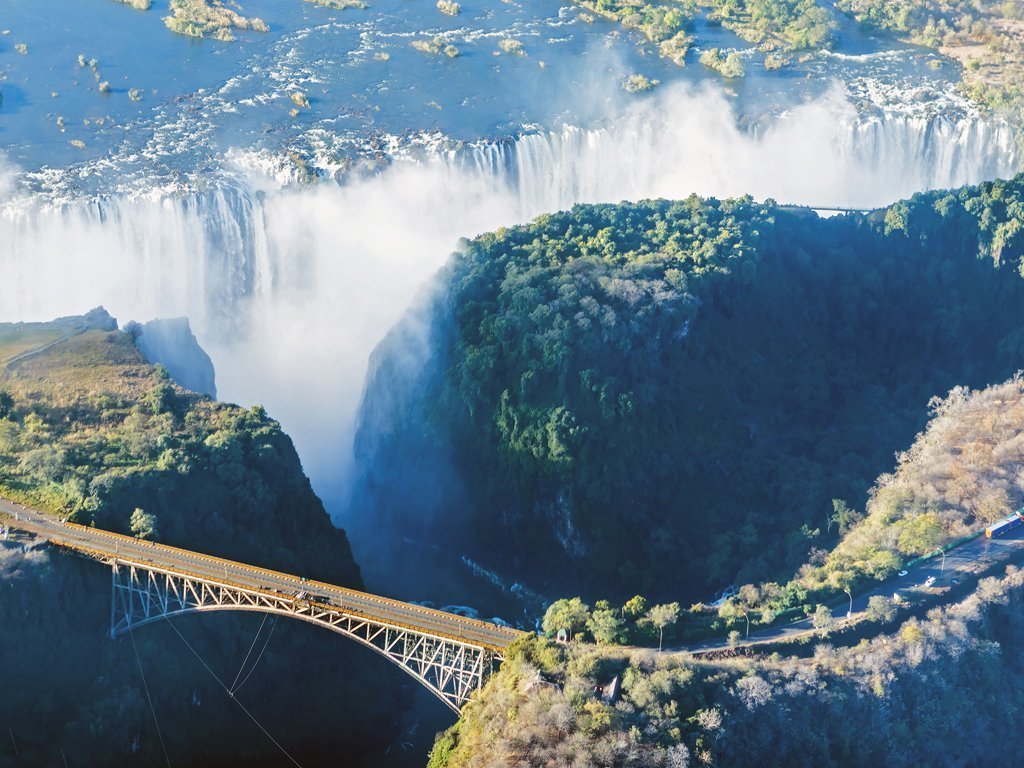
Planning a Botswana safari from Victoria Falls is popular due to their close proximity. You can either book a guided day trip to Chobe National Park, or take a short flight (approx. 1 hour) from Victoria Falls Airport to Kasane or Maun for a multi-day lodge or camping experience.
3-days-chobe-national-park-botswana-safari-tour-package-from-victoria-falls-town
6-day-best-victoria-falls-tour-chobe-and-hwange-zambia-wildlife-safari-holiday
8-days-best-zimbabwe-botswana-safari-all-inclusive-tour-package-from-victoria-falls
9-days-okavango-delta-moremi-game-reserve-chobe-river-front-and-victoria-falls-tour-package
11-days-un-comparable-best-botswana-safari-itinerary-and-optional-victoria-falls-tour
Key Destinations
Chobe National Park (about 80 km from Victoria Falls)
Chobe National Park sits in northern Botswana along the Chobe River, directly across from Namibia and near the border area that connects with Victoria Falls. In many trip routings, the park is roughly 80 km from Victoria Falls (about 1.5 hours by road), but the exact distance depends on which Victoria Falls viewpoint/entry point you start from and where in Chobe you lodge. Chobe is best known for its very large elephant populations, particularly around the riverfront where herds move to drink and feed. The park is also famous for high-quality Chobe River boat cruises, which are timed to match animal activity. On the water, you can often see elephants at the edge of the river, plus crocodiles, hippos, and frequent bird sightings (kingfishers and eagles are common). For land-based viewing, game drives focus on woodland and floodplain edges where animals gather during peak watering times. As an example, a typical day might include a morning game drive followed by an afternoon river cruise, then a return drive before sunset for additional sightings.
Okavango Delta (access by light aircraft; explored by mokoro and 4x4)
The Okavango Delta is Botswana’s world-famous inland wetland system and one of Africa’s most distinctive safari destinations. Unlike many parks that are “open wilderness,” the Delta is a shifting landscape of channels, lagoons, floodplains, and islands, created by water flowing from the Okavango River. Access is usually via light aircraft transfers from Maun (commonly for the central and western Delta areas) or Kasane (often used when linking with Chobe/Victoria Falls routes). From the airstrip, camps are reached by short road transfers, boat transfers, or further charter flights depending on how remote the lodge is. Inside the Delta, safari styles commonly include mokoro safaris, where a guide uses a traditional canoe to move slowly through channels—ideal for quiet wildlife viewing and close channel panoramas. Many areas also support boat cruising, which covers more water faster and can be great for spotting hippos and crocodiles near edges. Where vehicles can access land, 4x4 game drives (in specific lodge-concession areas) complement water travel. For example, a traveler might do a mokoro ride at first light, then return for a midday break, and finish with a sunset boat cruise when animals often approach water margins.
Moremi Game Reserve (predators along Delta edge; strong lion and leopard chances)
Moremi Game Reserve is located on the eastern side of the Okavango Delta and is widely regarded for its balance of wilderness beauty and strong predator opportunities. The reserve includes a mix of woodland, grassland, and shoreline habitats that benefit from the Delta’s water influence, which concentrates prey and attracts predators. Predator sightings often include lions and leopards, and depending on season and prey movements, you may also see cheetahs—particularly when guides find open areas with good visibility. Because Moremi covers different habitat types, the guide’s planning matters: they will position you where prey is likely to travel between cover and watering points, and where predator patrol routes intersect. Game drives are generally the primary activity, and the best routes shift with water levels and recent rainfall. For example, during periods when channels and floodplain edges are active, guides often focus on the boundary areas between dry land and wetland, where animals move for cover and food. In practice, a day might include early and late drives for higher predator activity windows, with midday rest while wildlife activity naturally slows. With good guidance and patience, Moremi is one of the strongest areas in Botswana for high-frequency predator encounters.
Modes of Transport
Road Transfer (Ideal for Chobe)
A road transfer is usually the most straightforward way to reach Chobe after arriving in Zimbabwe (often via Victoria Falls). With a private transfer arranged through your safari team, you typically cross at a land border into Botswana and continue to Kasane, where many Chobe lodges and operators are based. For many routings, the drive time from the Victoria Falls area to Kasane is around 1.5 hours, but this can vary depending on border procedures, traffic, and where exactly you start from within Victoria Falls. Road travel is also convenient because it allows you to stop briefly for essentials and it avoids the added coordination that comes with internal flights. A key example: travelers landing in Victoria Falls in the morning can often be checked into a lodge or scheduled for an afternoon game activity soon after arrival in Kasane. For comfort and reliability, ensure your transfer includes assistance with luggage and border formalities. If you are bringing specialized equipment, confirm how it will be secured in the vehicle.
Charter Flights (Ideal for the Delta)
For the Okavango Delta, charter flights are commonly the best option because the Delta’s most desirable camps are remote and water-focused. Operators often run scheduled light-aircraft connections from Victoria Falls into Botswana areas such as Kasane and onward to connections that work for Maun and Delta airstrips. From there, camps are reached via short road transfers, boat transfers, or additional charters depending on lodge location. Charter flights reduce long overland distances and significantly cut travel time, which means more hours for safari activities once you arrive. A practical example: a traveler can take an early flight from the Victoria Falls region to a Delta airstrip, then be transferred to camp in time for an afternoon activity such as a mokoro session or a boat cruise. This is especially helpful during seasons when roads can become less comfortable due to weather conditions. When booking, confirm flight timings, luggage limits, and whether your operator coordinates transfers between airstrip and lodge. Also ensure your schedule allows for weather-related flight adjustments, since Delta flights can be sensitive to visibility.
Self-Drive (Not recommended for most travelers)
Self-drive is generally not recommended for reaching Botswana safari areas unless you are confident with long distances, border driving, and off-road conditions. Overland routes to safari regions—especially those that support access near Chobe and any onward links toward the Delta—can involve uneven surfaces, variable signage, and stretches where navigation is harder than it looks on maps. In addition, many lodges and wildlife concessions are best accessed via controlled transfer routes; arriving independently can reduce flexibility for last-minute changes due to weather or wildlife conditions. Self-drive can also be time-heavy, because it often requires a multi-day plan, careful fuel planning, and realistic buffer time for border formalities. A key example: instead of arriving for a sunset cruise, an underestimated drive can push you into late check-in, which means missing optimal viewing windows. If you still want to self-drive, only do it if you have a reliable 4x4, experience driving in remote areas, and a clear route plan with verified road conditions. Even then, it’s smart to book a professional route review or local guidance before departure.
Top Itinerary Options
The Chobe Day Trip
A Chobe Day Trip is a convenient option if you want strong wildlife viewing without committing to multiple nights away from Victoria Falls. The route typically involves crossing the border from Zimbabwe to Botswana into the Chobe area (often around Kasane), then focusing on two viewing formats in one day. In the morning, you’ll usually start with a game drive designed around animals that move between woodland edges and riverfront zones. Chobe is well known for its large elephant populations, so your guide will aim for locations where herds may appear and where visibility is good for spotting other wildlife like buffalo, giraffe, and antelope.
After lunch or a short break, the afternoon shifts to a Chobe River cruise, one of the most popular safari activities in the region. The riverfront viewing often delivers frequent elephant sightings at the waterline, along with crocodiles and hippos in suitable conditions. Birdlife is also a highlight, especially during calmer water periods. Timing matters on a day trip: guides often plan the schedule to match animal movement and lighting changes as the day progresses.
In the evening, you return to your Victoria Falls hotel, allowing you to enjoy dinner and any optional falls activities that night. This option suits travelers who prefer a compact safari experience, have limited time, and want a reliable, guided day that handles border logistics and transport.
Important Considerations
Visas: Check Zimbabwe and Botswana visa requirements in advance based on your nationality.
Before you travel, confirm the visa requirements for both Zimbabwe and Botswana based on your passport nationality—because rules vary significantly by country, and they can also change with little notice. Start by checking the official government or embassy sources, since some travel agencies provide general guidance but may not reflect the newest entry rules. Pay close attention to whether you need a visa before arrival or whether you can get one on arrival (if offered). Also verify the allowed length of stay, the number of entries permitted (single vs. multiple), and whether your passport must have a minimum validity period (commonly 6 months) and blank pages.
Next, consider how your itinerary affects your entry status. If you enter Zimbabwe and then cross into Botswana (or vice versa), make sure you have the correct travel documents for each border crossing, not just for the first country. If your trip includes multiple stops, check if you need additional documentation such as proof of onward travel, hotel reservations, safari booking confirmations, or letters from tour operators.
Finally, allow enough time to process visas if they are required in advance. If you’re traveling during peak seasons or close to your departure date, delays are more likely. Planning early helps you avoid last-minute refusals at the border and ensures a smoother safari experience from day one.
Baggage limits: If you are utilizing light aircraft charter flights within the Delta, you will be restricted to strict luggage weight limits (usually 20kg in a soft duffel bag).
When your safari involves light aircraft charter flights within a delta or remote conservation area, baggage rules become far stricter than on normal commercial airlines. Small planes must operate with precise weight calculations for safety and performance, so the airline or charter operator typically sets a fixed maximum total luggage weight per passenger. In many itineraries, this is often around 20kg, and it may be enforced regardless of whether the items are essential or not.
Just as important as total weight is how the luggage is packed. Many operators require passengers to carry their items in a soft duffel bag rather than a hard suitcase, because duffels fit better into the aircraft hold and simplify loading/unloading in remote airstrips. Using the wrong type of bag can lead to extra fees, repacking at the airstrip, or—worst case—items being left behind. Also watch for additional items like laptops, cameras, batteries, or waterproof bags: some operators count these as part of your allowance, while others allow a small personal item separately. Confirm this in writing before departure.
To avoid problems, pack strategically: bring a lightweight day bag for excursions, keep clothing layers for changing weather, and prioritize essentials for game drives and walks. If you tend to overpack, weigh your duffel at home. If it’s over the limit, redistribute weight early by sending items ahead (where possible) or leaving non-essential gear behind. Following these rules ensures you stay comfortable, travel smoothly between airstrips, and avoid delays caused by baggage restrictions.
The 3 to 4-Day Lodge Fly-In
The 3 to 4-Day Lodge Fly-In option is ideal for travelers who want a premium safari experience with less time spent on long transfers. The typical approach is to fly from Victoria Falls to Kasane, spend a few nights at a luxury lodge in the Chobe region, and then continue by flight into the Okavango Delta for a more intimate bush experience. This structure gives you a strong mix of riverfront wildlife and Delta wilderness scenery without doing extended overland travel.
During the Chobe nights, expect activities such as a morning game drive and an afternoon river cruise, timed for animal concentration around watering and feeding areas. Lodges in the region often provide comfortable viewing breaks and repeat viewing opportunities, which can improve sighting quality even during short stays.
Then comes the Delta segment. After flying into the Delta area (often via airstrip-to-camp connections), you spend time at a small, highly located camp where the focus shifts to water-based safari styles. Many itineraries include mokoro outings for quiet channel travel, plus boat cruises for wider coverage and strong opportunities to see hippos, crocodiles, and diverse birdlife. Depending on the camp’s location and water levels, you may also do short walking safaris where allowed.
This 3 to 4-Day Lodge Fly-In plan suits honeymooners and couples, or anyone who wants a curated safari route with high comfort and efficient routing—maximizing real safari hours while keeping travel stress low.
The 7 to 10-Day Overland Camping Safari
A 7 to 10-Day Overland Camping Safari offers a more adventurous, budget-friendly way to experience Botswana’s major wildlife landscapes—while enjoying the flexibility of moving slowly through different ecosystems. A common route begins in Victoria Falls, then moves into the Chobe region for classic riverfront and woodland viewing. Over several days, you can balance game drives with water-based activities (such as river cruising where included), giving you time to build momentum for sightings—especially around elephants and predator-rich habitats where seasonal movement brings animals closer.
From Chobe, the itinerary continues toward the Okavango Delta, where the safari transitions from “standard” bush driving to a wetter, more complex environment. Overland camping in this region often includes a mix of drives, lodge/camp stays, and onward water travel depending on where you’re camping and how your route is structured. Delta days are frequently built around quieter wildlife viewing, including mokoro time and boat-based scouting in channels and lagoons. Guides also use the landscape’s seasonal rhythm—water levels, channel access, and prey movement—to plan the best activities.
Many itineraries also include the Makgadikgadi Pans, adding a different character to the trip: vast open salt pans and seasonal wildlife patterns that differ from the river and Delta systems. Depending on timing, you may see large numbers of grazers and visiting wildlife that concentrate around water in drier periods.
Finally, the trip typically ends in Maun, where flights can connect travelers’ home. This type of safari is best for experienced travelers who enjoy outdoors living, are comfortable with variable driving conditions, and want a full-route experience across Botswana’s ecosystems rather than only “highlight stops.”
When is the best time for Botswana wildlife safari?
The best time for a Botswana wildlife safari depends on what you want most—great animal viewing, comfortable weather, or fewer crowds. In general, Botswana’s dry season (roughly May to October) is considered peak for wildlife because water is limited, so animals gather around rivers and waterholes, making sightings easier. During these months, days are usually sunny and warm, while nights can be cool, especially in winter. This is also a strong period for predators, as visibility is good and vegetation is thinner.
If you prefer warmer temperatures and lush landscapes, the green season (roughly November to April) can be excellent too. You’ll see more vegetation, more insects and bird activity, and fewer crowds. Some areas may have more challenging driving conditions due to rains, but wildlife is still abundant, and the parks can feel more “alive.” Water levels can also influence river activities in places like the Chobe and Okavango regions. The best choice is to match your travel priorities with seasonal conditions, and to book early for the most popular months.
What activities can I expect in Chobe Park on Botswana wildlife safari?
In Chobe National Park, you can enjoy classic Botswana wildlife experiences with a strong emphasis on elephants, river ecology, and big-game sightings. A typical safari day often starts with an early-morning boat or land excursion, designed to catch animals when they are most active. Chobe’s Chobe River is famous for elephant herds coming to drink, and you may also spot hippos, crocodiles, buffalo, and a wide variety of birdlife along the water.
Game drives are a key activity, offering chances to see predators like lions and hyenas, especially when visibility is better in the dry season. If your itinerary includes guided bush walks, you’ll get a different perspective on tracking, smaller wildlife, and learning about plants and animal behavior with an expert guide. Many safaris also include sunset cruises, which are ideal for photography due to softer light and frequent wildlife appearances near the riverbanks. Your exact activities will depend on your lodge location, season, and the pace of your itinerary, but Chobe usually delivers a mix of river and land experiences with excellent wildlife density.
Booking Botswana wildlife safari with us Roads of Adventure safaris
Booking your Botswana wildlife safari with Roads of Adventure Safaris is designed to make the planning process simple, clear, and stress-free—while still delivering a memorable experience on the ground. We help you choose the right season and itinerary based on your interests, whether you want maximum wildlife viewing, budget-friendly options, or a more premium comfort level. We guide you in selecting suitable park areas and routes, because in Botswana, location matters as much as the dates.
We also handle the important logistics: reservations, transport planning, lodge or camp bookings, and coordinating activities like game drives and river cruises. Our team focuses on matching you with the right experiences—so you don’t waste time on unclear schedules or last-minute changes. Expect professional support from booking to departure, plus help with travel preparation and what to pack for Botswana conditions. If you’re traveling with family, a group, or couples, we can tailor the safari style to fit your pace. With Roads of Adventure Safaris, you get organized planning, responsible guiding, and an itinerary built around great wildlife moments.
