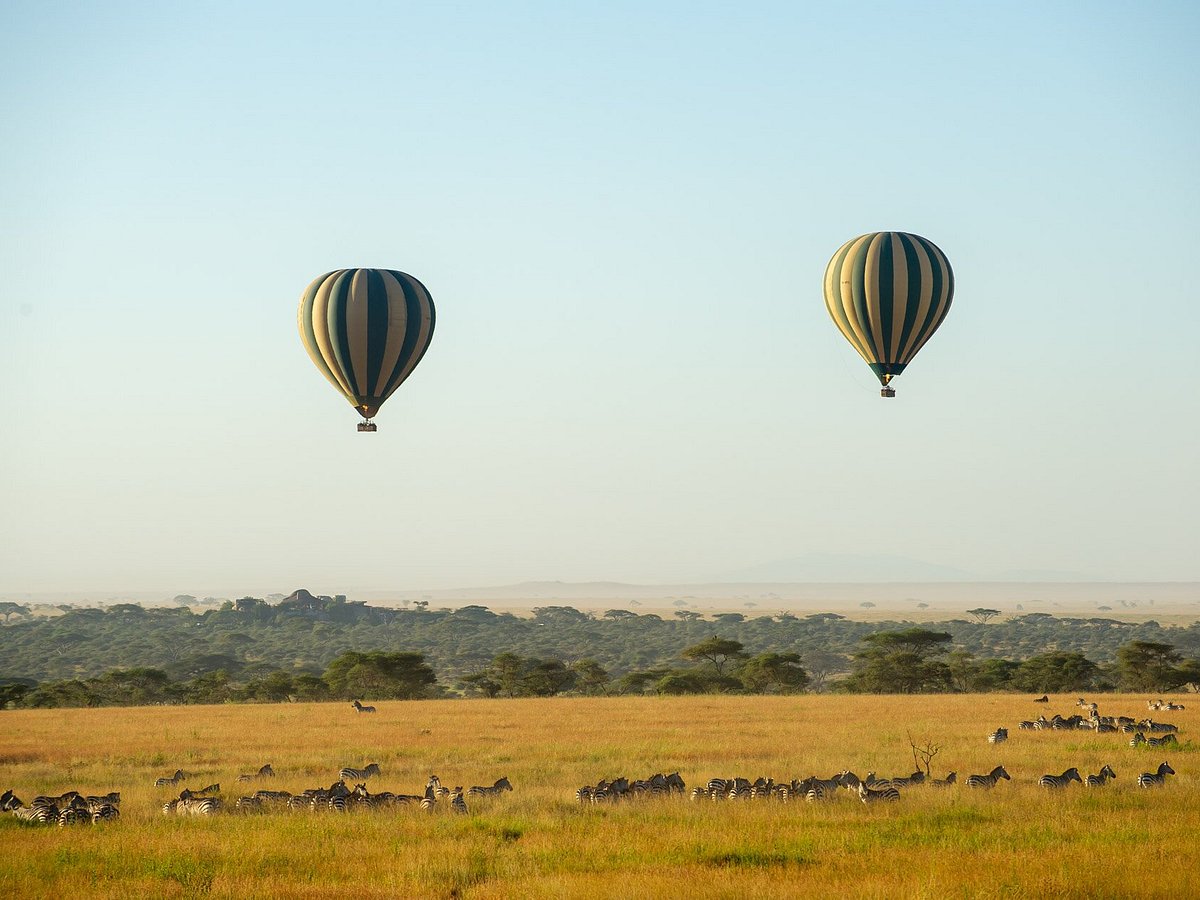
To lower costs on a 5-day Kenya safari, travel in the shoulder seasons (April-June, Nov), join group tours for shared vehicle/guide costs, choose camping or budget lodges over luxury camps, book direct with local operators, pack snacks/water, and consider budget-friendly parks or self-driving for maximum savings. Skipping extras like balloon rides also significantly reduces expenses.
5-days-masai-mara-safari-lake-nakuru-and-hells-gate-national-park-kenya-tour
5-days-best-northern-circuit-kenya-wildlife-safari-less-explored-destinations
5-day-kenya-tanzania-safari-tour-from-masai-mara-to-serengeti-and-ngorongoro-crater
5-days-mombasa-beach-holidays-and-zanzibar-beach-holiday-tour-combo
5-days-kenya-safari-holiday-to-diani-beach-kenya-beach-holiday
5-day-best-luxury-kenya-safari-to-amboseli-lake-nakuru-and-maasai-mara-safari-tour
5-days-best-of-kenya-wildlife-safari-to-masai-mara-lake-nakuru-and-amboseli-national-park
5-days-best-of-amboseli-tsavo-and-mombasa-beach-holidays
5-days-masai-mara-safari-tour-to-zanzibar-beach-vacation-tour
5 Days Budget Kenya safari tour
A 5-Day Budget Kenya Safari Itinerary offers a fantastic opportunity to explore two of Kenya’s premier wildlife destinations: the Maasai Mara and Lake Nakuru. This adventure will allow you to witness an array of wildlife, including the Big Five—lions, elephants, leopards, buffalos, and rhinos. You’ll also have the chance to see cheetahs, giraffes, zebras, hippos, and diverse bird species such as flamingos and pelicans. Starting from Nairobi, you will travel through the scenic Great Rift Valley, which provides beautiful views and a glimpse of rural life. The itinerary includes game drives that maximize your chances of spotting wildlife in their natural habitats. Along with exciting wildlife sightings, this safari includes opportunities for cultural interactions with local Maasai communities. Whether you’re an avid photographer or simply enjoy nature, this well-rounded 5-day itinerary ensures ample time to appreciate the beauty and diversity of Kenya's wildlife and natural settings, making it ideal for budget travelers seeking adventure.
Day 1: Nairobi to Masai Mara
On Day 1, the adventure begins with a morning pickup from your Nairobi hotel. You will drive for about 5 to 6 hours, taking in beautiful views of the Great Rift Valley along the way. This route offers scenic stops where you can take photos and appreciate the vibrant culture of Kenya's rural communities. Upon arrival at the Masai Mara, settle into your budget camp or lodge and enjoy a delicious lunch. Afterward, set out for your first afternoon game drive, where you have the chance to see lions lounging under acacia trees, elephants roaming in herds, and giraffes grazing on treetops. Keep watch for elusive leopards and playful cheetah cubs. As the sun sets, head back to your camp for dinner and reflect on your first encounters with the Maasai Mara's rich wildlife. Overnight in the comfort of your camp lays ahead, setting the scene for further exploration in the following days.
Day 2: Full Day Masai Mara
Day 2 is dedicated to an immersive exploration of the Masai Mara. Early in the morning, before the heat rises, head out for a game drive when predators are most active. Witness lions and cheetahs hunting at dawn, providing excellent photography opportunities. After several hours in the field, return to your lodge for a hearty breakfast. Enjoy some leisure time to relax and absorb the beautiful surroundings. In the afternoon, prepare for another game drive, where you're likely to observe more wildlife, such as zebras, wildebeests, and elusive hyenas. Depending on your interests, you may have the option to visit a nearby Maasai village to learn about their culture and traditions. After a fulfilling day, return to your lodge for dinner. Share stories with fellow travelers about the day’s wildlife sightings and enjoy another restful night in the heart of the Mara.
Day 3: Masai Mara to Lake Nakuru
On Day 3, you will travel approximately 5 to 6 hours from Masai Mara to Lake Nakuru National Park. After breakfast, depart early to maximize your wildlife spotting opportunities along the way. During the drive, look out for various animals such as baboons playing by the roadside and impalas grazing in the fields. Upon arrival at Lake Nakuru, check into your lodge or camp and enjoy lunch. In the afternoon, head out for a game drive in the park, which is renowned for its population of black and white rhinos. As you explore, you may also see flamingos lining the shores, along with pelicans and various other bird species. Lake Nakuru’s unique wildlife offers a different perspective compared to the Maasai Mara. After an exciting day of wildlife observation, return to your accommodation for dinner. Rest well, as you'll be heading to Lake Naivasha the next day to continue your adventure.
Day 4: Lake Nakuru to Lake Naivasha/Nakuru
On Day 4, start with a morning game drive in Lake Nakuru National Park. The cooler temperatures often bring wildlife activity, so look for rhinos, buffaloes, and various bird species as you traverse the park. After observing the unique wildlife, return to your lodge for breakfast. Following your meal, check out and prepare for the drive to Lake Naivasha, which takes about 1 to 2 hours. Upon arrival, you have the option to take a boat ride on the lake, where you can spot hippos swimming and numerous birds including herons and kingfishers. Alternatively, opt for a guided walk on Crescent Island, where you can see wildlife like gazelles and wildebeests up close. Following your activity, return to your accommodation near Naivasha or Nakuru for dinner. Wind down as you reflect on the day’s sightings and prepare for your return to Nairobi the next day.
Day 5: Lake Naivasha/Nakuru to Nairobi
On your final day, enjoy a leisurely breakfast before departing for Nairobi. The drive will take approximately 1.5 to 2 hours, during which you can take in the scenic views of the Kenyan countryside. Arrive in Nairobi by early afternoon, where you may have time for last-minute visits to local markets or attractions. Consider stopping by the David Sheldrick Wildlife Trust to see orphaned elephants or the Giraffe Centre to feed the endangered Rothschild giraffes. However, if your schedule is tight, you can head straight to your hotel or the airport for your departure. Reflect on the variety of wildlife you’ve encountered over the past five days, including elephants, lions, rhinos, and the many creatures you’ve observed in their natural habitats. This 5-Day Budget Kenya Safari ultimately combines adventure with unforgettable connections to nature and wildlife.
costs breakdown for 5 Days Budget Kenya safari tour
1. Accommodation
Selecting budget accommodations for your safari is crucial for maximizing your experience while managing costs. In Kenya, options range from tented camps to budget lodges, typically costing between $50 and $100 per night. These accommodations often provide basic amenities such as comfortable beds, communal dining areas, and opportunities for wildlife viewing right from your doorstep. For a 5-night stay, you might spend between $250 and $500. Some camps may also include meals in their pricing, which can save you additional expenses.
However, it's essential to consider the location of your accommodation. Staying close to parks like Masai Mara or Lake Nakuru can enhance your wildlife viewing opportunities and reduce travel time. Ensure to check reviews and amenities offered at each place; look for facilities such as clean restrooms, hot showers, and meal options. Additionally, some lodges provide guided activities and transport as part of their package, granting you better value for your money. If you prefer a more comfortable experience, consider splitting your time between budget lodges and mid-range accommodations for a better experience without significantly increasing your overall budget. Booking in advance, especially during peak seasons, can also ensure better rates and choices.
2. Transport
Transport costs account for a significant portion of your budget during the safari. A comfortable, well-maintained safari vehicle or minibus typically costs between $80 and $150 per day, including fuel, driver costs, and vehicle maintenance. For a 5-day safari, anticipate spending about $400 to $750. The type of vehicle you choose can also impact the cost; a customized safari van with pop-up roofs for better viewing could be slightly more expensive but may enhance your wildlife viewing experience.
Your driver plays a crucial role, as they not only transport you but also serve as your guide, sharing insights about the wildlife and areas you visit. Hiring a knowledgeable driver can significantly elevate your safari experience. To save costs, consider joining a group tour where transport expenses are shared among participants.
Additionally, it's important to budget for potential additional transport costs. Be prepared for any unexpected expenses, such as fuel surcharges or special permits for certain routes. If you plan to engage in optional activities that require additional travel, factor those costs into your transport budget. Regular maintenance of the vehicle is essential for safety; thus, choosing a reputable tour operator that prioritizes vehicle upkeep will provide peace of mind.
3. Park Fees
Park fees are crucial when budgeting for your 5-Day Kenya safari. Each national park you plan to visit, such as Masai Mara or Lake Nakuru, charges daily entrance fees that generally range from $50 to $80 per person. Therefore, for a 5-day safari involving several parks, you should budget between $250 and $400 for park fees alone.
These fees go directly toward wildlife conservation and park maintenance, making your contributions vital for preserving Kenya's rich biodiversity. Each park’s fees may vary based on its popularity, season, or whether you’re entering as a resident or a foreign visitor. Some parks, like Masai Mara, are known for richer wildlife encounters and often have higher fees, whereas others may offer lower rates with different attractions.
Additionally, ensure that your safari itinerary includes planned visits to multiple parks to optimize wildlife sightings and experiences. Some tour operators might bundle park fees into their packages, providing transparency and simplifying your budgeting needs. It’s advisable to clarify all costs upfront. Remember that age discounts or family packages may be available, further reducing your expenses. Overall, understanding the park fee structure is essential for effective budgeting, allowing you to allocate funds accordingly while still enjoying the beauty of Kenya’s national parks.
4. Meals
When budgeting for meals during your safari, anticipate spending approximately $10 to $30 per day. These costs can fluctuate depending on whether meals are included in your accommodation or dining out at local restaurants. Over a 5-day stay, this can range from $50 to $150, depending on your choices and dining experiences.
If you select budget accommodations, they often provide meal packages that cover breakfast, lunch, and dinner. This is usually the most economical option, allowing you to enjoy local cuisine without overspending. Expect to savor traditional Kenyan dishes, such as ugali, sukuma wiki, and fresh grilled meats.
When planning your meals, consider the dining options available in your accommodations. Some lodges may also offer al fresco dining with local ingredients, enhancing your experience. If you eat at local eateries during excursions, you can expect to pay less while enjoying authentic flavors. Just be cautious; drinking bottled water is recommended to avoid any health issues.
For those who enjoy experiencing local culture, try sampling dishes from street vendors or joining a cooking class if available. This can offer a more educational aspect to your trip while enabling you to taste a variety of local ingredients. Ultimately, planning your meals effectively will ensure delicious sustenance throughout your adventure.
5. Guide Fees
Hiring a professional safari guide is an investment that greatly enhances your safari experience. Guide fees generally range from $20 to $50 per day, accumulating to around $100 to $250 for five days. A knowledgeable guide is invaluable; they not only transport you but also share insights about the local wildlife, habitats, and conservation efforts.
An experienced guide can help you identify various animal species, explain their behaviors, and enhance your overall understanding of the ecosystem. This expertise can lead to more fulfilling wildlife encounters, increasing your chances of spotting elusive animals like leopards or rare birds.
If you're traveling as part of a group, you might consider splitting the guide fees, making this aspect of the safari more affordable. Some tour operators include guide services in their packages, ensuring a seamless experience.
When choosing a tour operator, prioritize those with certified guides recognized for their knowledge and professionalism. Reading reviews online can assist in making this decision. A good guide can not only elevate your wildlife encounters but also address any concerns that may arise during your safari, ultimately making your adventure more enjoyable and insightful.
6. Activities
While a safari primarily focuses on wildlife viewing, optional activities can be a fantastic way to enhance your experience. Budget for these activities, which usually range from $20 to $100 each. Overall, consider allocating approximately $100 to $250 for various optional experiences spread out over your 5-day itinerary.
For instance, a boat ride on Lake Naivasha offers the chance to spot hippos and a diverse range of birdlife. Such activities often provide different perspectives on wildlife and connect you to the environment in unique ways. Another compelling option could include a guided visit to a Maasai village, offering insights into the cultural traditions and lifestyles of local communities.
When planning your budget, remember to factor in any entrance fees that may be associated with these activities. While they can add to your overall cost, the education and enjoyment they provide are well worth it. Often, these activities can be arranged through your accommodation or tour operator for convenience.
Lastly, having a well-rounded safari means making choices about how to engage with the local environment. While some may prefer focused game drives, others will find great satisfaction in broader cultural or immersive activities. Balancing these options will enrich your overall journey.
7. Travel Insurance
Travel insurance is an essential component of your budget for a 5-Day budget Kenya safari, as it offers financial protection against unexpected events. Typically, a basic travel insurance policy costs between $40 and $100 for the duration of your trip. This investment is wise, especially when traveling internationally, as it covers circumstances such as trip cancellations, medical emergencies, or lost luggage.
Before purchasing travel insurance, it's essential to review the policy details. Look for coverage options that include medical emergencies, trip interruptions, and personal liability. If you plan to partake in activities like hiking or water sports, ensure those are included as well. Some insurance plans may even cover emergency evacuation, which can be crucial given the remote nature of some safari locations.
While it may seem like an additional expense, having travel insurance provides peace of mind, allowing you to enjoy your safari without concerns about potential risks. It’s also worth comparing policies to find one that best suits your needs and travel style. In the event of an unforeseen issue, the right travel insurance can save you significant costs, making it a vital part of your safari planning.
8. Airport Transfers
Airport transfers can be an often-overlooked cost but are vital for smooth travel. The cost for transport to and from the airport generally falls between $30 and $70 each way, so plan for approximately $60 to $140 for round-trip transfers.
Opting for shared shuttles or private transfers depends on your budget and preference. Shared shuttles are more economical and ideal for solo travelers or budget-conscious groups, while private transfers may offer added convenience and comfort. If your budget allows, a private transfer is a good way to ensure that you travel at your own pace without waiting for others.
Discussing transfer options with your tour operator can help you find solutions that align with your plans, especially if you arrive or depart during odd hours. Some budget accommodations might also offer complimentary airport transfers, so be sure to inquire.
Regardless of your choice, planning for airport transfers in advance ensures a hassle-free start and conclusion to your safari adventure. Having this aspect organized means you can focus on every moment of your exciting safari without the stress of last-minute logistics.
9. Tips
Tipping is a customary practice during safari and serves to acknowledge the hard work of your guides and accommodation staff. Budgeting for tips is essential; typically, you should plan to tip between $5 and $10 per day for guides, totaling approximately $25 to $50 for the five-day trip.
When it comes to tipping lodge staff, consider tipping them according to the services provided. If you receive exceptional service or unique experiences, feel free to tip more. Many travelers choose to tip in cash, as it allows staff to receive the full amount immediately.
Before your trip, research the tipping customs in Kenya to familiarize yourself with expectations and norms. This preparation ensures your gratitude is well-received. While tipping is customary, it’s also about recognizing the service you receive, so feel free to adjust the amounts based on the quality of service.
Engaging in this practice not only appreciates the efforts of your service providers but also promotes goodwill. Tipping is a crucial part of the local economy, supporting livelihoods where tourism provides an essential source of income.
10. Contingency Fund
Having a contingency fund is a smart decision for any traveler, particularly on a safari where unexpected expenses can arise. Planning for a small buffer of about $100 to $200 can help you navigate unforeseen costs, ensuring you enjoy your trip without financial stress.
This fund can cover a variety of unexpected expenses, such as additional meals, extra activities not included in your itinerary, or incidentals like lost items. Occasionally, emergencies may occur that may require additional funds, whether it’s purchasing a souvenir, additional transport costs, or even a last-minute activity that catches your interest. It’s advisable to have this fund in cash, especially in remote areas where card payments might not be accepted widely. Keeping your cash safe and accessible is essential, so consider using a secure travel wallet. Well-prepared travelers understand the importance of securing a buffer fund, allowing for flexibility and responsiveness to opportunities that arise during the trip. This mindset can enhance the overall enjoyment of your safari, making it a more enriching and manageable adventure."
When is the Best Time for a 5 Days Budget Kenya Safari Tour
The ideal time for a 5 Days Budget Kenya safari tour typically falls between late June and October, coinciding with the dry season. This period not only offers pleasant weather but also enhances wildlife visibility, as animals tend to gather around water sources. This is especially true in the Maasai Mara, where the Great Migration occurs from July to September, attracting thousands of wildebeests and zebras. Additionally, the dry season makes roads more passable, facilitating easier travel between parks.
Alternatively, the shoulder seasons—late January to March—can also be a great time for budget travelers. During these months, the parks are less crowded, and while some areas may be green, wildlife is still active and more visible. Off-peak periods may offer more affordable rates for accommodation and tours, making it a budget-friendly choice. Ultimately, choosing the best time for your safari can significantly enhance your wildlife viewing opportunities and overall experience.
Where to Stay on a 5 Days Budget Kenya Safari Tour
When considering accommodations for your 5 Days Budget Kenya safari tour, options vary from budget-friendly lodges to tented camps. Budget camps or lodges typically offer comfortable yet basic amenities, costing between $50 and $100 per night. These accommodations often provide shared facilities, communal dining, and opportunities for wildlife viewing right from your camp. Locations near parks such as Maasai Mara and Lake Nakuru are ideal, allowing for easy access and maximizing your safari experience.
Some lodges also offer meal packages, which can help keep costs down while allowing you to enjoy local cuisine. If you're up for a unique experience, tented camps provide a closer connection to nature. Be sure to read reviews to ensure quality and safety. Early bookings can secure better rates and availability, especially during peak seasons. Selecting the right accommodation enhances your comfort and enriches your overall safari adventure, making it a memorable experience within your budget.
Booking a 5 Days Budget Kenya Safari Tour with Roads of Adventure Safaris
Booking your 5 Days Budget Kenya safari tour with Roads of Adventure Safaris ensures a well-organized and enjoyable experience from start to finish. Our dedicated team specializes in creating customizable itineraries that balance adventure, wildlife viewing, and cultural interactions while respecting your budget constraints. From the moment you inquire, we guide you through the booking process, providing expert advice on accommodations, transport, and must-see attractions.
We prioritize responsible tourism, ensuring that your journey positively impacts local communities and wildlife conservation efforts. Our experienced guides are well-versed in the region's flora and fauna, enriching your adventure with valuable insights and ensuring optimal wildlife encounters. We handle all logistics, including park permits and transfers, so you can focus on the excitement of your safari. By choosing Roads of Adventure Safaris, you can look forward to an unforgettable exploration filled with wildlife and cultural wonders, all while enjoying exceptional service and attention to detail.
