To lower costs on a 3-day Kenya safari to Masai Mara, book a group-joining safari during the low season (April to mid-June) and stay in budget-friendly tented camps outside the main reserve gates. Choose road transport over flights, aim for 6+ people to share vehicle costs, and book with local tour operators to avoid high markups.
3-days-budget-masai-mara-safari-tour-package-itinerary
3-days-masai-mara-national-reserve-kenya-safari-tour-package
3-days-fly-in-masai-mara-safari-tour-package
3-days-luxury-masai-mara-kenya-honeymoon-safari-vacation
3 Days Kenaya wildlife safari to Masai mara national reserve
Embark on an unforgettable journey through Kenya’s crown jewel, the Masai Mara National Reserve. This 3-day wildlife safari is meticulously designed for those who want to immerse themselves in the raw, untamed beauty of the African savannah without needing a weeks-long commitment. Known globally for the "Great Migration" and its staggering concentration of predators, the Mara offers a theatrical display of nature’s most dramatic moments. Over three days, you will traverse vast golden plains, navigate acacia-dotted ridges, and witness the "Big Five" in their natural habitat. Beyond the wildlife, this safari provides a soulful connection to the land and the vibrant Maasai culture, whose people have lived in harmony with these wild spaces for centuries. From the breathtaking descent of the Great Rift Valley to the rhythmic heartbeat of the Mara’s lion prides, this compact adventure delivers the quintessential African experience, blending heart-pounding game drives with the tranquil serenity of the bush.
Day 1: The Journey to the Golden Plains
Your adventure begins with a scenic drive from Nairobi, descending the dramatic escarpment of the Great Rift Valley. After a brief stop to photograph the sprawling valley floor, you continue toward the Masai Mara, arriving at your lodge or tented camp in time for a warm Kenyan lunch. The real magic starts in the late afternoon during your first game drive. As the midday heat fades, the reserve’s inhabitants become active. You might spot herds of elephants moving majestically toward waterholes or giraffes silhouetted against the horizon. This introductory drive offers a taste of the Mara’s incredible biodiversity, focusing on the "Big Five": lions, leopards, buffaloes, elephants, and the elusive rhino. As the sun dips below the acacia trees, painting the sky in hues of violet and orange, you return to camp for a delicious dinner under the stars, falling asleep to the distant calls of hyenas.
Day 2: Full-Day Immersion in the Wild
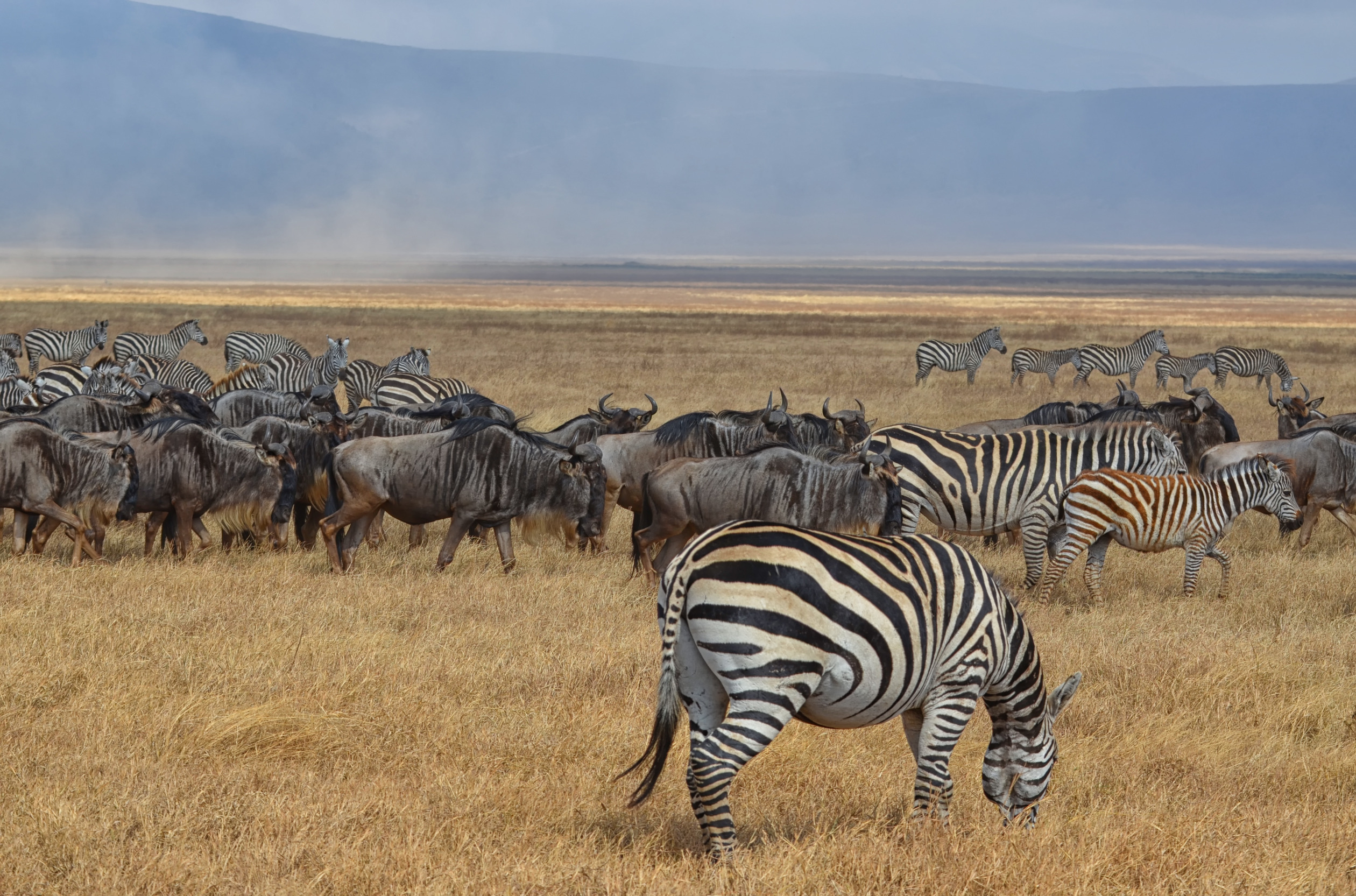
Today is dedicated to a deep exploration of the reserve’s diverse ecosystems. With a packed picnic lunch, you head out for a full-day game drive that takes you toward the Mara River, the site of the legendary Great Migration crossings. Here, you can observe pods of hippos and enormous Nile crocodiles basking on the banks. The vast grasslands are teeming with life; you’ll likely encounter massive herds of wildebeest, zebras, and Thompson’s gazelles. This high density of prey attracts the Mara’s famous predators, and it is not uncommon to witness a cheetah on a high-speed hunt or a pride of lions resting after a meal. In the late afternoon, you have the option to visit a Maasai village. This cultural exchange allows you to meet the local community, learn about their traditional pastoralist lifestyle, and witness the iconic adumu (jumping dance), adding a profound human element to your wildlife journey.
Day 3: Sunrise Serenity and Return to Nairobi
The final day begins at dawn, the most magical time in the bush. An early morning game drive provides the best opportunity to see cats—leopards and lions—finishing their nocturnal hunts before the sun gets too high. The air is crisp, and the soft morning light is a photographer’s dream, illuminating the dew on the grass and the vibrant birdlife waking up in the canopy. Alternatively, you might opt for a bucket-list hot air balloon safari to float silently over the plains as the sun rises. After a hearty "bush breakfast" or a final meal at the lodge, you begin your journey back to Nairobi. The drive back offers one last look at the rolling hills and local markets along the way. You arrive in the city by late afternoon, carrying with you a gallery of stunning photographs and the lingering spirit of the wild Masai Mara.
Top Ways to Reduce Costs for Your Safari
Join a Group Safari
One of the most effective strategies for slashing the cost of a Masai Mara adventure is opting for a group joining safari. In a private safari, you shoulder the entire cost of the vehicle, fuel, and the professional driver-guide’s fees. By joining a group—typically capped at six or seven travelers to ensure everyone has a window seat—those fixed costs are divided among the participants. This can bring the price point down to a manageable $280–$493 per person for a standard three-day trip. Beyond the financial savings, group safaris offer a unique social element, allowing you to meet like-minded travelers from around the world. These tours usually utilize custom-built safari minivans with pop-up roofs, which are highly efficient for game viewing while keeping overheads low. It is an ideal choice for solo travelers or couples who want the full "Big Five" experience without the premium price tag of a private 4x4 cruiser.
Travel in the Low or Shoulder Season
Timing is everything when it comes to safari budgeting. While the "Great Migration" from July to September is spectacular, it also commands the highest prices and the largest crowds. By traveling during the Low Season (April to June) or the Shoulder Season (November to early December), you can access luxury at a fraction of the cost. During these months, many high-end lodges drop their rates by 30% to 50% to attract visitors. While April and May are the "long rains" season, the Mara remains accessible; the landscape turns a vibrant, lush green, and the dust of the dry season is washed away, making for stunning photography. Furthermore, wildlife viewing remains excellent year-round. Because there are fewer vehicles in the reserve, you often enjoy more intimate, private sightings of lions or leopards without the "traffic jams" common in August.
Stay in Budget Tented Camps
Accommodation is often the most expensive variable in a safari itinerary. To save significantly, look for budget-friendly tented camps located just outside the main reserve gates, particularly near the Sekenani, Talek, or Ololaimutiek entries. These camps offer a "semi-permanent" setup—think canvas tents with solid floors, proper beds, and en-suite bathrooms. They provide an authentic "sleeping in the wild" atmosphere, where you can still hear the nocturnal sounds of the bush, but at a fraction of the price of the $500-a-night luxury lodges found inside the park. Staying outside the gates doesn’t mean missing out; you can be at the park entrance within minutes of sunrise. Many of these camps are locally owned and eco-conscious, providing a comfortable, clean, and culturally grounded base for your daily explorations.
Book Locally
Cutting out the middleman is a golden rule for budget travel. Booking through international travel agents often adds layers of commission and administrative fees. Instead, utilize Kenyan-based tour operators. Local companies have direct relationships with lodge owners and ground transport providers, allowing them to pass those savings on to you. They have the "boots on the ground" knowledge to suggest hidden gems or newer camps that haven't yet reached the international brochures. Furthermore, local operators are often more flexible with tailoring itineraries and can provide real-time updates on road conditions or wildlife movements. By booking locally, you also ensure that a larger portion of your travel spend stays within the Kenyan economy, supporting local guides, chefs, and conservation efforts directly.
Use Road Transport
While "fly-in" safaris save time, they are the most expensive way to visit the Mara, with bush flights often costing hundreds of dollars for a short hop. Choosing road transport from Nairobi is a significantly more affordable alternative. The drive takes approximately five to six hours, and while the road can be bumpy in sections, it is an adventure in itself. The journey takes you down the spectacular Great Rift Valley escarpment, offering breathtaking views and a glimpse into Kenyan rural life that you would miss from the air. Using a dedicated safari vehicle for the drive also means you have your own transport ready for game drives once you arrive, eliminating the need to pay for additional vehicle hire or camp-facilitated drives at your destination.
Maximize Game Drives
Park entry fees are typically charged on a per-24-hour basis. To get the most value for your money, you should opt for full-day game drives. Instead of doing a short morning drive and a short afternoon drive with a long break at the camp in between, take a packed picnic lunch and stay out in the reserve from sunrise to sunset. This approach maximizes your "viewing time" per dollar spent on entry fees. It also allows you to venture deeper into the reserve—perhaps reaching the Mara River or the more remote corners of the park—where fewer tourists go. Spending the entire day in the wild increases your chances of witnessing rare behaviors, such as a cheetah hunt or a pride of lions socialising, ensuring that every cent of your park fee is utilized to its full potential.
1. When is the cheapest time to visit the Masai Mara?
The most budget-friendly window for a Masai Mara expedition is the low or "green" season, which typically spans from April to June. During these months, Kenya experiences its "long rains," which transforms the savannah into a lush, emerald-green paradise. Because this period falls outside the famous Great Migration (July–October), demand for tourism drops significantly. Consequently, luxury lodges and tented camps slash their prices—sometimes by as much as 50%—to fill rooms.
Furthermore, as of 2026, the Masai Mara National Reserve has implemented a tiered pricing structure where park entry fees are significantly lower during this period compared to the peak season. While you may encounter afternoon rain showers, they are often short-lived and followed by clear skies, providing excellent light for photography. Wildlife viewing remains productive because the animals do not migrate out of the Mara; they simply disperse through the taller grass. For a traveler looking to maximize luxury on a shoestring budget, the green season offers a "private" feel to the reserve, as the overcrowding of the migration months is entirely absent.
2. How much does a budget 3-day safari cost?
A standard budget-conscious safari generally ranges between $200 and $400 per person, per day. For a 3-day itinerary, this brings the total to roughly $600 to $1,200, depending on the level of comfort and the size of your group. This daily rate typically covers your accommodation in a budget tented camp, three meals a day (full board), the services of a professional driver-guide, and ground transportation in a customized safari minivan with a pop-up roof.
However, it is crucial to clarify what is excluded. Most budget quotes do not include park entry fees, which are paid separately at the gate or through your operator. In 2026, these fees add a substantial amount to your daily spend ($100–$200 per day). Other exclusions often include mandatory tips for your guide, alcoholic beverages, and any optional activities like hot air ballooning or Masai village visits. To stay at the lower end of the $200 range, you would likely be joining a group tour rather than booking a private vehicle, which allows you to split the high costs of fuel and vehicle maintenance with other travelers.
3. Is it cheaper to fly or drive to the Masai Mara?
From a purely financial perspective, driving from Nairobi is significantly cheaper than flying. A private taxi or a dedicated safari vehicle for the trip typically costs around $230 to $300 for the entire journey. When split between a group of four, the cost per person is negligible. In contrast, domestic flights from Wilson Airport to the Mara’s various airstrips (like Keekorok or Musiara) generally cost between $150 and $250 one way. For a round trip, a single traveler could spend $500 just on airfare—nearly the cost of an entire budget safari.
While driving takes between 5 and 6 hours, it offers several advantages beyond cost. You get to witness the changing Kenyan landscape, stop at the Great Rift Valley viewpoint for stunning photos, and experience the local culture in transit towns like Narok. Furthermore, when you drive, you have your vehicle ready for game drives immediately upon arrival. Fly-in passengers often have to rely on the camp's shared vehicles, which can sometimes be more expensive or less flexible than having a dedicated driver who accompanied you from the city.
4. What are the cheapest accommodation options?
The most affordable way to stay near the Mara is by choosing budget tented camps or public campsites. Camps such as Enchoro Wildlife Camp, Ol Moran Tented Camp, and Mara Sidai Camp are staples for budget travelers. These are typically located just outside the reserve boundaries (around the Sekenani or Talek gates). These "permanent tents" are far more comfortable than traditional camping; they feature concrete floors, proper beds with mosquito nets, and en-suite bathrooms with hot showers.
Prices at these establishments are low because they do not pay the high "concession fees" required of lodges located inside the reserve. Despite being outside the gates, the experience remains immersive. You are often just a few hundred meters from the park boundary, meaning you can still hear the distant roar of lions at night. For the truly adventurous, "pitch-your-own-tent" camping is available at designated public campsites inside the reserve, though this requires you to bring all your own gear, food, and cooking supplies, which can be logistically challenging for international visitors.
5. How much are the Maasai Mara park fees?
As of July 2026, the Masai Mara has updated its fee structure to better manage tourist numbers and support conservation. For non-residents, the entry fees are now $200 per day during the peak season (July 1st to October 31st). This reflects the high demand during the Great Migration. However, during the low season (January to June and November to December), the fee drops to $100 per day. These fees are charged per 24-hour period.
It is important to note that these fees are non-negotiable and must be paid in advance via the e-citizen portal or at the gate using a credit/debit card (cash is often not accepted for security reasons). If you stay at a camp located outside the reserve, you pay this fee every time you enter for a game drive. If you stay inside the reserve, the fee is usually added to your accommodation bill as a daily "concession" or "conservation" fee. Always verify with your tour operator whether the quote they provided is "inclusive" or "exclusive" of these fees, as they can represent nearly 50% of your total daily budget.
6. Should I book a private or group safari?
For the budget traveler, a group safari is almost always the better choice. In a group tour, the substantial "fixed costs"—which include the driver’s salary, vehicle insurance, maintenance, and the high cost of fuel—are shared among five to seven people. This brings the transport component of your trip down to roughly $40–$70 per person per day. In a private safari, you would be paying the full daily rate for the vehicle (often $200–$250) regardless of whether you are one person or four.
The trade-off for a group safari is a lack of flexibility. The group decides when to start the game drive and when to return. However, most operators ensure that every passenger has a window seat and access to the pop-up roof for unobstructed viewing. If you are a solo traveler, a group safari is the only way to make the trip affordable. If you are traveling as a family or a group of four or more, the cost of a private vehicle becomes comparable to the per-person cost of a group tour, in which case the private option becomes the superior choice for its tailored itinerary.
7. How can I avoid high accommodation fees?
The "golden rule" for avoiding the astronomical prices of the Masai Mara is to stay outside the main reserve gates. Lodges built inside the reserve (like those in the Mara Triangle or the central plains) have to pay massive annual fees to the county government, costs which they pass directly to the guest. By choosing a camp located in the Talek or Sekenani market areas, you are staying on communal land owned by the local Maasai.
These "buffer zone" camps are significantly cheaper but offer nearly the same wildlife access. In many cases, you can be through the gate and starting your game drive within five minutes of leaving your tent. Another way to save is to look for "Last Minute" deals on booking platforms, though this is risky during the migration. Additionally, staying in the Mara North or Ol Kinyei conservancies can sometimes be cheaper in the low season; while these are private areas, they offer a very high standard of wildlife viewing with fewer vehicles, providing better value for money than the crowded public reserve.
8. Is a self-drive safari cheaper?
A self-drive safari can be a very cheap alternative, but it is only recommended for experienced, self-sufficient travelers. Renting a rugged 4x4 vehicle (like a Toyota Land Cruiser or a modified Hilux) in Nairobi costs between $50 and $120 per day, depending on the rental duration and the age of the vehicle. If you are traveling in a group of four, this is incredibly cost-effective. You can also save on food by stocking up at a supermarket in Nairobi and cooking your own meals at a public campsite.
However, the "hidden costs" of self-driving can add up. You are responsible for your own navigation in a reserve with no paved roads and very few signs. Getting stuck in the mud or getting lost can lead to expensive recovery fees. Furthermore, you miss out on the expertise of a professional guide. Guides communicate with each other via radio to track lions and leopards; without this "bush telegraph," you may spend hours driving through empty plains while a leopard sighting is happening just a ridge away. For those who prioritize the "experience" over just the "entry," a guided tour often provides more value.
9. Can I save money by booking locally?
Yes, booking directly with local Kenyan tour operators is one of the most effective ways to lower your costs. International travel agents based in Europe or North America act as wholesalers; they take your booking and then sub-contract the actual work to a Kenyan company, adding a 15% to 30% commission on top. By searching for operators registered with the Kenya Association of Tour Operators (KATO), you can deal directly with the people who own the vehicles and employ the guides.
Local operators are also more likely to offer "package prices" that include everything from airport transfers to binoculars. Because they are based in Nairobi or near the Mara, they have the most up-to-date information on which camps are running promotions or which roads are currently impassable. They can also offer more flexible payment terms and are generally more open to negotiation, especially if you are booking for a group or during the shoulder season. Always ensure the operator has good reviews on independent platforms to ensure reliability.
10. What food and drink expenses should I expect?
When booking your safari, you should almost always opt for a "full-board" package. This means your breakfast, lunch, and dinner are included in the price of your stay. Because most camps are located in remote areas, there are no "local restaurants" or fast-food joints nearby. If you don't book full-board, the camp will charge you "walk-in" rates for meals, which are notoriously expensive—sometimes $20 to $30 for a simple lunch.
In terms of drinks, most budget packages include filtered water, tea, and coffee. However, sodas, bottled water, and alcoholic beverages are usually extra. To save money, buy a few large crates of bottled water and your preferred snacks in Nairobi before you depart. Prices for a bottle of water or a beer inside the Mara can be triple what they are in a city supermarket. Having your own stash of snacks is also vital for those long, full-day game drives where lunch might be delayed until you find that one elusive cheetah you’ve been tracking.
11. How can I save on park entry fees?
The most direct way to save on park fees is to schedule your visit between January and June. During these months, the fees are $100 per day, compared to $200 in the peak season. If you are planning a 3-day safari, this timing alone saves a single traveler $300 in entry costs. Another strategy is to be very precise with your timing. Park fees are valid for 24 hours. If you enter the park at 2:00 PM on Day 1, your ticket is valid until 2:00 PM on Day 2.
By planning your game drives strategically—for example, doing an afternoon drive on Day 1 and a morning drive on Day 2—you can see a vast amount of wildlife using only one "day" of park fees. If you enter early in the morning and leave late the next day, you will be charged for two days. Discussing your "entry and exit" times with your guide can help you avoid being charged for an extra day just because you stayed 30 minutes past the 24-hour mark.
12. Are there any free activities in the Mara?
While the primary draw of the Mara—the game drives—requires a park fee, there are ways to enjoy the atmosphere for "free" (or at least included in your accommodation). Many budget camps are located along the banks of the Talek River, where you can sit on a deck and watch animals come down to drink without ever entering the park gates. Walking around the camp grounds is a great way to spot birds, monkeys, and smaller mammals like mongooses or dik-diks at no extra cost.
Furthermore, some camps offer informal cultural talks around the campfire at night, where Maasai staff members share stories about their heritage and the history of the land. While "Guided Nature Walks" usually carry a fee because they require an armed ranger, many camps allow you to walk with a Maasai moran (warrior) in the immediate vicinity of the camp for a small tip or as part of the hospitality. These moments often provide a deeper connection to the landscape than a standard game drive.
13. Do I need to tip?
Tipping is an integral part of the safari industry in Kenya, but it can be managed efficiently to avoid overspending. The general guideline is $10–$20 per day for your driver-guide, usually given at the end of the safari. This is per group, not per person, so if you are in a group of four, your individual contribution is quite small. For camp staff (waiters, housekeepers, and chefs), most lodges have a "General Tip Box" located in the reception or dining area.
Using the general tip box is much more cost-effective than tipping every individual who carries a bag or serves a coffee. It ensures that the "behind-the-scenes" staff, like the laundry team and kitchen help, receive a fair share of the gratuities. By contributing a lump sum (e.g., $10–$15 per night of stay) to the box at the end of your trip, you fulfill your social obligation while keeping your budget predictable. It also removes the stress of constantly reaching for small change throughout your stay.
14. What should I bring to avoid extra costs?
To avoid "tourist tax" prices inside the reserve, you should pack a comprehensive "safari kit." Essential items include high-SPF sunscreen, insect repellent, and basic medication (antihistamines, painkillers, and rehydration salts). These items are often sold in lodge gift shops at a massive markup. You should also bring a power bank for your devices, as budget camps sometimes rely on solar power and may turn off the electricity in the tents during the middle of the night.
Regarding clothing, bring a warm fleece or light jacket. Many travelers are surprised by how cold the Mara can be at dawn and dusk; if you aren't prepared, you might be tempted to buy an expensive "safari blanket" or branded sweatshirt at the camp. Finally, bring a good pair of binoculars. While your guide will have a pair, having your own means you won't miss a second of the action while waiting for your turn, and renting them can cost $10–$15 a day.
15. Is a 3-day safari worth it for the price?
Absolutely. While more time is always better, a 3-day safari is the perfect "introduction" to the African wild. Because the Masai Mara has one of the highest densities of wildlife in the world, you don't need a week to see the "Big Five." With two late-afternoon drives and one full-day drive, you are almost guaranteed to see lions, elephants, and buffaloes, with very high chances for cheetahs and leopards.
The key to making a 3-day trip "worth it" is efficiency. By choosing road transport that leaves Nairobi early (6:00 AM), you arrive in the Mara by lunchtime, giving you a full afternoon for your first game drive. A 3-day trip minimizes your accommodation and food costs while maximizing the "wow" factor of your sightings. It is the most cost-effective way to tick off a major bucket-list item without the diminishing returns of a longer, more expensive itinerary. For many, those three days of seeing the sunrise over the savannah are a life-changing experience that feels priceless regardless of the budget.
Booking 3 days budget Masai mara with us Roads of Adventure safaris
Book a 3-day budget Masai Mara safari with Roads of Adventure Safaris for an affordable, adventure-focused trip. Packages typically include 4x4 transport, accommodation in budget camps (e.g., Fisi Camp or Lenchada), meals, and expert-guided game drives aimed at seeing the Big Five, usually priced from around $300-$493+ USD.
