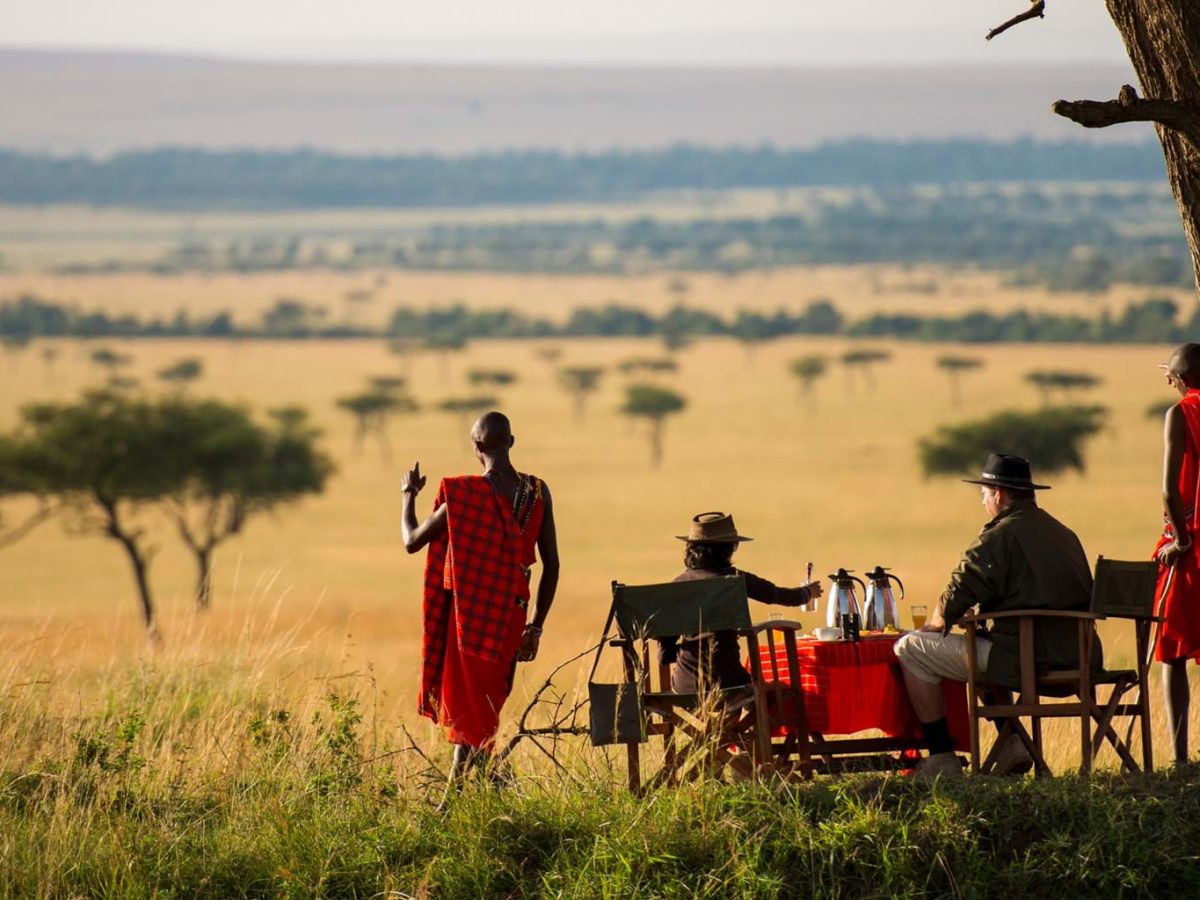
Discovering the Masai Mara on a Kenya wildlife safari involves flying from Nairobi’s Wilson Airport to a Mara airstrip, or driving via 4x4. Spend mornings and late afternoons on game drives to spot the Big Five, visit a traditional Maasai village, and book a hot-air balloon flight for an aerial savannah view
Most Popular Masai Mara tour packages
2-days-masai-mara-safari-africa-big-cats-safaris
3-days-luxury-masai-mara-kenya-honeymoon-safari-vacation
4-days-budget-masai-mara-safari-and-lake-nakuru
5-days-best-of-kenya-wildlife-safari-to-masai-mara-lake-nakuru-and-amboseli-national-park
7-days-incredible-africa-big-five-kenya-tanzania-combined-tour
Planning Your Itinerary and Logistics
Fly-in Safaris: Maximizing Time in the Bush
For travelers looking to maximize their time among Africa’s iconic wildlife while skipping the bumps along the way, a fly-in safari is the ultimate luxury. Your journey begins with a brief transfer from Nairobi’s Jomo Kenyatta International Airport to Wilson Airport, the regional hub for domestic bush flights. From there, a light aircraft whisks you away on a scenic, 45-minute flight, offering a spectacular bird’s-eye view of Kenya’s changing landscapes before touching down directly on a remote bush airstrip like Keekorok, Musiara, or Olkiombo. By trading a grueling six-hour road trip for a swift flight, you can easily transition from a bustling metropolis to a luxury tented camp by mid-morning. This efficiency is a total game-changer for those with limited vacation days, families with young children, or anyone looking to avoid long transit times. Once on the ground, you are paired with the camp’s expert local guides who possess an intimate, deep knowledge of the specific resident pride’s movements and regional terrain. Just keep in mind that light aircraft have strict luggage weight limits (usually 15kg/33lbs) and require soft-sided duffel bags to fit into the plane's compact cargo pod.
Drive-in Safaris: The Classic African Road Trip
For adventurers who believe the journey is just as important as the destination, a drive-in safari offers an authentic, immersive introduction to East Africa. Departing from Nairobi in a custom-built, pop-roof  safari land cruiser or an overland vehicle, this 5-to-6-hour road trip transitions you from vibrant city suburbs into the rural heart of Kenya. It functions as a visual narrative of the country, where the landscape dramatically drops away as you descend into the breathtaking expanse of the Great Rift Valley, offering panoramic views that flying simply cannot match. Along the route, you have the total flexibility to stop at local roadside curio markets, stretch your legs at dramatic valley viewpoints, and witness everyday Kenyan life. Furthermore, the dedicated driver-guide who picks you up in Nairobi remains with you for your entire itinerary, building a fantastic rapport and tailoring the trip's rhythm to your personal interests. Beyond the cultural connection, road safaris are highly cost-effective for families or small groups compared to booking multiple domestic flights, and they come with the added bonus of zero strict baggage restrictions for your heavy camera gear.
Timing Your Visit for the Best Wildlife
1. The Great Migration (July to October)
This is the Masai Mara’s headline act and the ultimate bucket-list experience for African wildlife safaris. During these months, the quiet golden plains erupt into a moving sea of over two million wildebeest, zebras, and gazelles making their treacherous journey north from Tanzania’s Serengeti. The atmosphere is charged with anticipation, especially near the winding loops of the Mara River. Here, herds gather on the banks, nervously building the courage to plunge into the brown waters where massive Nile crocodiles lie in wait.
For travelers, this season delivers unmatched, high-octane wildlife viewing. Because a moving buffet of millions of prey animals has arrived, the Mara’s famous resident predators—lions, leopards, and cheetahs—are highly active and exceptionally well-fed. You are highly likely to witness intense hunting action right from your open-top safari vehicle. It is important to note that because this is the most famous wildlife spectacle on earth, it coincides with the peak travel season. The park is lively, popular viewpoints near river crossings can get busy with other vehicles, and the premier luxury camps book out up to a year in advance.
2. The Green Season (November to December)
Often referred to by safari insiders as the "secret season," the short rains of November and December transform the Masai Mara into a spectacular, vibrant paradise. The dusty gold of the dry season quickly gives way to rich, emerald-green grasses, and the air becomes crisp and exceptionally clear. This stunning clarity, combined with dramatic afternoon storm clouds building on the horizon, creates a dream landscape for photography enthusiasts looking to capture wildlife against vivid, high-contrast backdrops.
While the massive mega-herds of the Great Migration have generally filtered back south, the Mara’s resident wildlife remains incredibly abundant. Lions, elephants, and giraffes are all easily spotted against the fresh pastures. This period also marks the arrival of thousands of migratory birds from Europe and Northern Africa, turning the savannah into an active, colorful haven for birdwatchers. The biggest luxury of a Green Season safari is the exclusivity; the heavy crowds of the summer vanish, allowing you to enjoy intimate wildlife encounters with very few other vehicles around. Furthermore, many high-end lodges offer lower rates and more flexible booking conditions during this peaceful window.
3. The Calving Season (January to March)
The start of the year ushers in a beautiful period of renewal across the Masai Mara. Following the brief rains, the plains are covered in sweet, nutrient-rich grasses, providing the perfect environment for the Mara's resident herbivores to give birth. Over a short span of a few weeks, thousands of newborn wildebeest calves, zebra foals, and gazelle fawns take their first wobbly steps on the savannah. It is an incredibly heartwarming sight that shows a softer, more intimate side of the wilderness.
However, where there are vulnerable newborns, the Mara's apex predators are never far behind. The calving season is famous for delivering tactical, fast-paced predator action. Lions, leopards, spotted hyenas, and cheetah families deliberately position themselves near the nurseries, utilizing the mid-length green grass for cover. Travelers during these months get a front-row seat to the raw, unfiltered circle of life—from the tender moments of a mother grooming her newborn to the intense strategy of a pride on a midday hunt. The weather is generally warm and pleasant, and because it sits comfortably between the main peak seasons, you get excellent wildlife tracking without the crowds.
Experiencing the Mara
Classic 4x4 Game Drives: The Heartbeat of the Savannah
The quintessential safari experience relies on the classic game drive, a thrilling exploration that brings you eye-to-eye with the wild. Conducted in custom-designed land cruisers with open roofs, these drives are meticulously timed to match the rhythms of nature. You will set out at the crisp break of dawn, when predators like lions and leopards are wrapping up their night hunts, and again in the golden warmth of the late afternoon as the plains come alive before dusk. Navigating this vast landscape requires an expert eye, which is where your local Maasai or Samburu guide becomes indispensable. They read the savannah like a book, tracking subtle pugmarks in the dirt, interpreting the frantic warning calls of baboons, and steering you safely toward the path of a migrating herd or a hidden cheetah cub. Between the dramatic wildlife encounters, these drives offer quiet, unforgettable moments, like pausing under an acacia tree to watch a giraffe graze against a dramatic horizon, or enjoying a traditional "sundowner" drink as the African sun dips below the earth.
Hot-Air Balloon Safaris: A Majestic Bird’s-Eye View
For an unforgettable perspective that a ground vehicle simply cannot match, a hot-air balloon safari offers a majestic, serene escape into the skies. Your adventure begins in the chilly, pre-dawn darkness as you watch the massive balloon inflate under the roar of powerful burners. Taking off just as the first light breaks, you will glide silently over the plains, completely untethered, moving wherever the gentle morning breeze dictates. From hundreds of feet up, the true scale of the Mara reveals itself: winding river systems, vast emerald grasslands, and the endless, dotted lines of thousands of migrating wildebeest and zebras tracing paths across the earth below. The silence is profound, interrupted only by the occasional blast of the burner, allowing you to witness wildlife completely undisturbed by human presence. After a smooth touchdown back on solid ground, the experience concludes with a celebrated safari tradition: a decadent, white-tablecloth champagne bush breakfast cooked right where you land, surrounded by the wild beauty of the open savannah.
Cultural Tours: Connecting with the Maasai Heritage
A wildlife safari in Kenya is only half the story; the other half is deeply rooted in the vibrant history of its people. A cultural visit to a traditional Maasai Manyatta (homestead) provides a meaningful opportunity to connect with the iconic, semi-nomadic pastoralists who have lived in perfect harmony with this ecosystem for centuries. Upon arriving, you are warmly welcomed into the village with vibrant, rhythmic singing and the famous Adumu (the traditional Maasai jumping dance), where young warriors showcase their incredible strength. Walking through the circular enclosure made of thorny brushwood to keep predators out, a local resident will guide you through their daily lives, showing you how their eco-friendly homes are constructed from mud and thatch. You will learn about their deep, spiritual connection to their livestock, discover ancient medicinal uses for local plants, and witness the intricate artistry behind their colorful beadwork. This eye-opening encounter goes beyond typical sightseeing, offering an authentic, personal exchange that fosters a profound respect for a community dedicated to preserving its ancient heritage in a modernizing world.
When is the best time of year to witness the Great Wildebeest Migration in the Mara?
The best time of year to witness the Great Wildebeest Migration in the Maasai Mara is typically from mid-July through October. By July, the vanguard of the massive herds begins moving north from Tanzania’s Serengeti, facing their greatest challenge: crossing the treacherous, crocodile-infested waters of the Mara River. August delivers the absolute peak of the spectacle, offering the highest density of wildebeest and zebras in Kenya, alongside the most dramatic, high-stakes river crossings. By September, the survivors spread across the rolling northern grasslands, which triggers intense predator-prey drama as the Mara’s resident lion prides, leopards, and cheetahs capitalize on the abundant prey. October brings casual grazing across the plains before the arrival of the short rains late in the month prompts the herds to begin their slow, southward return journey toward the Serengeti. While nature’s exact timeline shifts slightly each year based on rainfall patterns, booking your safari between August and September provides the most reliable window to witness the ultimate raw energy of the migration, though it also coincides with the region's busiest high season.
What are the differences between staying in the main National Reserve versus a private Maasai Mara Conservancies?
Choosing between the main National Reserve and a private Maasai Mara Conservancy comes down to balancing classic landmarks against exclusive flexibility. The National Reserve is the public heart of the ecosystem, encompassing iconic landscapes, major river crossing points, and a high concentration of wildlife. However, it can feel crowded during peak migration months, and vehicles must strictly stick to designated tracks and follow a firm 6:00 AM to 6:30 PM curfew. In contrast, the surrounding private conservancies—which are leased from local Maasai landowners—offer an exclusive, low-density alternative with a restricted number of guest beds per acre. Guests staying in a conservancy enjoy unparalleled freedom, including off-road driving to get closer to rare predator sightings, thrilling night game drives, and guided walking safaris. While you will need to drive into the main reserve to see the famous migration river crossings, the conservancies reward you with crowd-free wildlife viewing and the knowledge that your tourism dollars directly support local Maasai communities through sustainable lease fees and community-inclusive employment.
What is the most practical way to reach the Mara from Nairobi—should I fly or drive?
The most practical way to reach the Maasai Mara depends on your budget, schedule, and preferred travel style. A fly-in safari is the most efficient and comfortable option, transforming a long journey into a scenic 45-minute flight from Nairobi’s Wilson Airport directly to a bush airstrip like Keekorok or Musiara. This minimizes transit fatigue and maximizes your time viewing wildlife on the ground, making it ideal for short itineraries, families with young children, or elite photography tours. The main trade-off is the cost of domestic flights and strict 15kg (33lbs) luggage limits in soft duffel bags. Conversely, a drive-in safari is a highly budget-friendly alternative that offers an authentic, classic African road trip. Leaving Nairobi in a custom safari land cruiser, the 5-to-6-hour drive treats you to a beautiful visual narrative of Kenya as you descend the dramatic Great Rift Valley. Road safaris have no strict baggage restrictions for heavy camera gear and ensure your dedicated driver-guide stays with you throughout the entire circuit, creating excellent continuity.
Which animals are considered the iconic "Big Five," and what are my chances of spotting them all?
The iconic "Big Five" consists of the African elephant, black rhinoceros, African lion, leopard, and Cape buffalo—a term originally coined by big-game hunters to denote the five most dangerous animals to track on foot. Today, the Maasai Mara remains one of the premier destinations in Africa where you stand an exceptionally high chance of checking all five off your list during a single safari. Lions and Cape buffalos are incredibly abundant, with massive prides and herds regularly encountered across the savanna. Elephants are equally common, frequently seen moving in majestic family groups along the riverine forests. Spotting the remaining two requires a bit more luck and an expert guide; leopards are highly elusive, solitary, and masterfully camouflaged within the branches of acacia trees, while the critically endangered black rhino is confined to specific, heavily protected sectors like the Mara Triangle. While a complete sweep is never guaranteed in a wild, unfenced ecosystem, spending three to four days with an experienced local tracker maximizes your chances of a successful Big Five viewing.
Are Hot Air Balloon Safaris available, and how far in advance should I book one?
Yes, hot-air balloon safaris are readily available in the Maasai Mara and stand as one of the most sought-after, once-in-a-lifetime experiences the region has to offer. Operating daily, weather permitting, these excursions lift off in the chilly pre-dawn darkness, allowing you to glide silently over the vast plains as the sun breaks over the horizon. From this soaring vantage point, you can look down on winding river systems, hidden predators, and the endless lines of the wildebeest migration completely undisturbed by human presence. Because space is strictly limited by basket capacity and demand peaks dramatically during the high migration season (July to October), it is highly recommended to book your flight at least 6 months to a year in advance when securing your lodge or camp. Booking early ensures you lock in a spot with reputable operators who launch from launchpads convenient to your specific accommodation, and it guarantees you won't miss out on the celebratory champagne bush breakfast traditionally served upon landing.
How does a Maasai Village Tour offer insight into local tribal culture and traditions?
A Maasai village tour offers a profound, immersive window into the ancient heritage of one of Africa’s most iconic, semi-nomadic pastoralist communities. Upon entering a traditional Manyatta (homestead), you are typically welcomed with vibrant polyphonic singing and the Adumu—the famous jumping dance where young warriors showcase their strength and agility. Led by a local English-speaking host, you will step past the protective, thorny brushwood fences to explore the circular village layout and see inside the eco-friendly homes constructed by women using mud, sticks, and thatch. The experience provides deep insights into their traditional social structures, the sacred role of livestock in their economy, and how they use ancient medicinal plants for a variety of remedies. You will also witness the intricate artistry behind their colorful, symbolic beadwork. While some commercialized villages can feel staged, choosing an authentic, community-run cultural tour fosters a genuine personal exchange, directly supporting the preservation of a proud community that has coexisted harmoniously with wildlife for centuries.
What is the difference between an open-sided 4x4 and an enclosed safari van for game viewing?
The choice between an open-sided safari land cruiser and an enclosed safari van significantly impacts your comfort, budget, and overall viewing experience on the savanna. An open-sided land cruiser is widely considered the gold standard for wildlife photography and game viewing. With no glass windows or heavy pillars to obstruct your line of sight, it offers panoramic, eye-level views and allows you to easily hear the sounds and smell the crisp air of the bush. It is also a rugged, high-clearance vehicle designed to effortlessly navigate the Mara's rough, muddy off-road tracks. On the other hand, an enclosed safari van (or minivan) features a large pop-up roof that allows you to stand up and look out during game drives. While it lacks the immersive, open-air feel and extreme off-road capability of a land cruiser, a safari van is a highly practical, comfortable, and budget-friendly option for long-distance highway transfers between Nairobi and the reserve, making it ideal for cost-conscious travelers.
Are Walking Safaris and night game drives allowed inside the main reserve boundaries?
To protect the wildlife and ensure traveler safety, walking safaris and night game drives are strictly prohibited inside the boundaries of the main Maasai Mara National Reserve. Park regulations dictate that all guests must remain inside their vehicles at all times, except at designated picnic sites or viewpoints, and all vehicles must return to their camps or exit through the main gates before the 6:30 PM evening curfew. This rule protects animals from nocturnal disruption and prevents dangerous, unexpected encounters on foot in an environment dominated by large predators. However, if these exclusive, thrilling activities are a priority for your itinerary, you can easily experience them by staying in the private Maasai Mara conservancies that border the main reserve. These community-owned lands operate under separate guidelines, allowing highly trained, armed Maasai guides to lead intimate morning bush walks and use specialized spotter lights to track elusive nocturnal creatures like leopards, bushbabies, and genets after darkness falls.
What specific neutral-colored clothing and gear do experts recommend packing for the savanna climate?
Packing for the savanna climate requires versatile, functional layers in neutral tones like khaki, tan, olive green, and beige. These earth tones serve a dual purpose: they blend seamlessly into the natural landscape so you don't startle the wildlife, and they don't attract pesky tsetse flies, which are notoriously drawn to dark blue and black clothing. Experts strongly recommend avoiding bright white, which stands out too clearly in the bush, and camouflage patterns, which are legally reserved for local military and anti-poaching rangers. For gear, prioritize a wide-brimmed safari hat with a chin strap, high-UV sunglasses, and a lightweight, windproof jacket or fleece, as pre-dawn game drives are surprisingly cold before the sun heats the plains. Sturdy, enclosed walking shoes or light hiking boots are essential for uneven terrain, alongside high-factor, reef-safe sunscreen and a reliable insect repellent containing DEET. Finally, don't forget a quality pair of  or
or  binoculars and a camera equipped with a telephoto lens to capture distant wildlife.
How many days are typically required to get a comprehensive wildlife and cultural experience in the region?
To truly absorb the immense scale, diverse wildlife, and rich cultural heritage of the Maasai Mara, experts typically recommend a stay of 3 to 4 full days (spanning 4 to 5 nights). A common mistake is rushing through a hasty 2-night trip, which leaves you with only one full day on the ground and minimizes your chances of witnessing rare wildlife behaviors. A well-paced 4-day itinerary allows you to dedicate two full days to standard morning and afternoon game drives in search of the Big Five, a third day to pack a picnic lunch and drive deep toward the Mara River to track the Great Migration crossings, and a final day to seamlessly weave in specialized activities like a dawn hot-air balloon safari or an authentic Maasai cultural village tour. Spreading your stay over four days also provides a buffer against unpredictable weather or shifting animal movements, ensuring a relaxed, comprehensive experience that perfectly captures the magic of East Africa without feeling rushed.
Booking Kenya wildlife safari in Masai Mara with us Roads of Adventure safaris
Book your Masai Mara safari with us Roads of Adventure Safaris by selecting tailored packages ranging from 3-day classic trips to 10-day cross-border primate tours. Prices typically start around $638 to $3,500 per person depending on group size, luxury level, and duration
