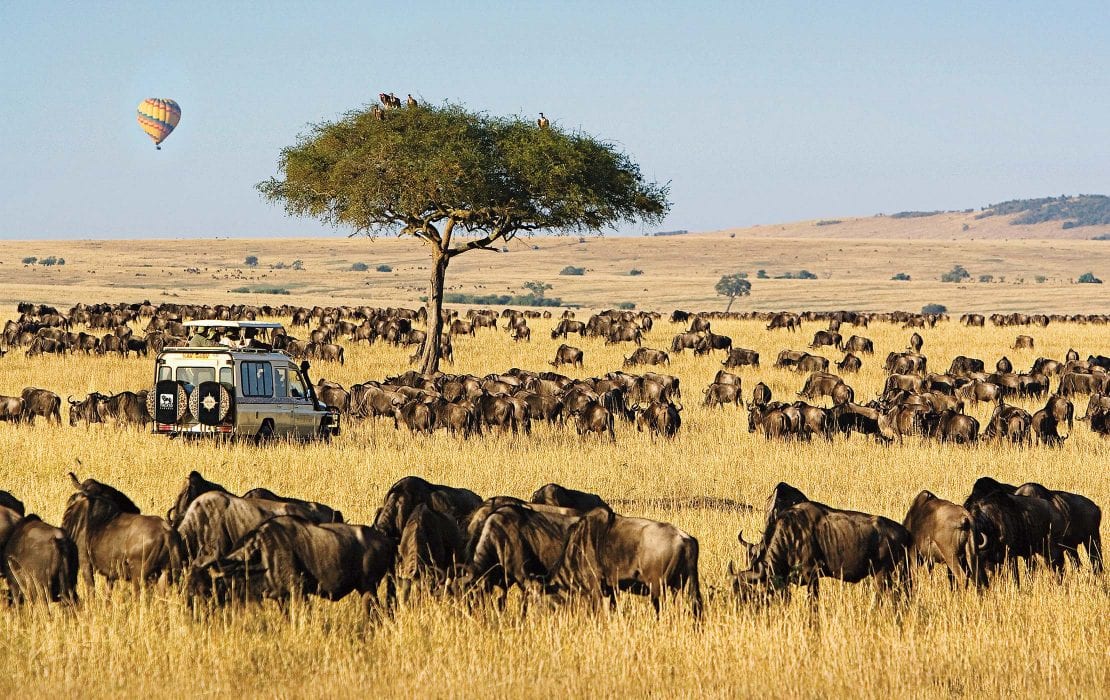
Combining Lake Nakuru and the Maasai Mara is a popular Kenyan safari itinerary (4–6 days) that balances rhino sightings in the Rift Valley with the big cats and vast savannahs of the Mara. The most common route is to drive from Nairobi to Nakuru (1 night) and then to the Mara (2-3 nights)
4-days-budget-masai-mara-safari-and-lake-nakuru-holiday-vacation
4-days-masai-mara-and-lake-nakuru-kenya-safari-tour-package
5-days-masai-mara-safari-lake-nakuru-and-hells-gate-national-park-kenya-tour
5-day-best-luxury-kenya-safari-to-amboseli-lake-nakuru-and-maasai-mara-safari-tour
Typical 4-5 Day Itinerary (Nakuru (rightarrow ) Mara)
Experience the quintessential Kenyan adventure by combining two of the Great Rift Valley’s most iconic wilderness destinations into one seamless journey. This 5-day safari is masterfully designed to build momentum, starting with the concentrated wildlife and avian spectacles of Lake Nakuru National Park before culminating in the legendary expanse of the Maasai Mara National Reserve. As you traverse from the pink-hued shores of the alkaline lakes to the golden, rolling savannahs of the Mara, you will witness a breathtaking transition of ecosystems and animal behaviors. This route is not merely a sightseeing tour; it is an immersive plunge into the heart of East Africa’s natural heritage. Expect intimate encounters with rare rhinos, the drama of predator-prey dynamics, and the vast horizons that have inspired explorers for generations. Whether you are tracking the elusive leopard or watching the sunrise over a sea of wildebeest, this itinerary captures the raw, untamed spirit of Kenya in one unforgettable, high-impact circuit.
Day 1: Nairobi to Lake Nakuru National Park
The journey begins with a scenic 3–4 hour descent into the Great Rift Valley, offering panoramic views of the escarpment before arriving at Lake Nakuru. Known as a "bird watcher’s paradise," the lake’s edges are often fringed with flamingos and pelicans, creating a shimmering pastel landscape. After a mid-day check-in and lunch at your lodge, embark on an afternoon game drive through the park’s diverse terrain, which ranges from acacia woodlands to rocky cliffs. Lake Nakuru is one of Kenya’s most successful private sanctuaries for both black and white rhinoceros, making sightings of these prehistoric giants almost guaranteed. Keep your eyes peeled for the rare Rothschild’s giraffe and the park’s healthy leopard population lounging in the fever trees. As the sun sets over the lake, the quiet beauty of the forest provides a serene introduction to the wild wonders of the African bush.
Day 2: Lake Nakuru to Maasai Mara National Reserve
After an early breakfast, depart the rift valley floor for a 5–6-hour drive toward the world-famous Maasai Mara. The route takes you through dusty plains and bustling market towns, gradually ascending into the highland territory of the Maasai people. You will arrive at the reserve’s gate in time for lunch and a brief rest before heading out for your first evening game drive in this vast ecosystem. The Mara is the northern extension of the Serengeti, and its sheer density of wildlife is immediately apparent. As the heat of the day fades, predators like lions and cheetahs begin to stir, preparing for the hunt. The sight of an endless horizon dotted with flat-topped acacia trees provides the classic "Out of Africa" backdrop. Return to your camp under a canopy of stars, falling asleep to the distant, rhythmic calls of hyenas and owls.
Day 3: Full Day in Maasai Mara National Reserve
This day is dedicated to deep exploration of the Mara’s central and western sectors. With a packed picnic lunch, you can spend the entire day in the field, maximizing your chances of seeing the "Big Five." The morning is the best time to catch lions on a kill or a leopard dragging its prey into a tree. Traverse the vast grasslands where thousands of zebras, impalas, and gazelles graze in constant vigilance. If visiting during the migration season, head toward the Mara River to witness the dramatic crossing points where wildebeest brave crocodile-infested waters. Beyond the wildlife, the Mara offers a sense of profound scale and freedom that is rare in the modern world. Every turn of the trail presents a new tableau of nature, from a family of elephants bathing in a mud hole to a soaring martial eagle scanning the plains from above.
Day 4: Deep Exploration and Cultural Immersion
On your second full day in the Mara, venture toward the more secluded corners of the reserve or the surrounding conservancies. This flexibility allows you to track specific animals you may have missed or spend more time observing herd behavior. In the afternoon, you have the option to visit a traditional Maasai Manyatta (village). This cultural exchange offers a window into the lives of the Maasai people, who have coexisted with these wild animals for centuries. Learn about their ancient customs, vibrant beadwork, and traditional jumping dances. Alternatively, take a nature walk led by a local guide to learn about the smaller details of the bush—the medicinal uses of plants, the identification of tracks, and the intricate world of insects. The day concludes with a final sundowner overlooking the plains, celebrating the raw beauty and complex harmony of this world-renowned wilderness.
Day 5: Final Morning Drive and Return to Nairobi
The final day begins with a dawn game drive, often the most magical time in the bush. The air is crisp, and the golden morning light is perfect for photography as the "King of the Jungle" patrols his territory one last time. It is a moment for quiet reflection on the incredible sights witnessed over the past few days. After a hearty brunch back at the camp, begin the 5–6-hour drive back to Nairobi. The climb back up the escarpment offers one last look at the Great Rift Valley from a different perspective. Arriving in the capital by late afternoon, you will be transferred to your hotel or the international airport. Though the safari has ended, the memories of the thundering hooves, the piercing eyes of a predator, and the warm hospitality of the Kenyan people will remain with you forever.
Is it possible to combine these two parks in one trip?
Absolutely. Combining Masai Mara and Lake Nakuru is one of the most popular safari routes in East Africa because it offers a "complete" wildlife experience. While many parks in Africa offer similar savannah landscapes, these two provide a dramatic contrast in ecosystems within a relatively short distance.
The Masai Mara is the crown jewel of Kenyan wildlife, characterized by vast, rolling grasslands and the classic "Lion King" scenery. It is part of the Greater Serengeti ecosystem and is world-renowned for its high concentration of predators and the Great Migration. In contrast, Lake Nakuru National Park is nestled on the floor of the Great Rift Valley. It is an enclosed sanctuary dominated by a massive alkaline lake, surrounded by yellow-fever acacia woodlands and steep rocky escarpments like Baboon Cliff.
By combining them, you transition from a lakeside forest environment—ideal for seeing the endangered rhinoceros and rare Rothschild’s giraffe—to the open plains where elephants and big cats roam free. Logistically, they are connected by a decent road network that passes through the heart of the Rift Valley, making it a seamless transition for any traveler. This combination ensures that your safari isn't repetitive; every game drive feels like a new chapter in a different book.
How many days are needed to combine them?
While you can technically "do" both in 3 days, it is highly discouraged as you would spend 80% of your time in a vehicle. A 4-day safari is the absolute minimum, usually consisting of one night in Nakuru and two in the Mara. However, for a truly immersive and balanced experience, 5 to 6 days is the ideal duration.
On a 5-day trip, your first day is dedicated to the drive from Nairobi to Nakuru. Since Nakuru is a smaller, more compact park, one night (and two game drives) is usually sufficient to see its primary residents, such as the rhinos and leopards. The following day involves a 5-6 hour transit to the Masai Mara.
Giving yourself 3 nights in the Mara is crucial. The Mara is vast—covering over 1,500 square kilometers—and wildlife is spread out. Extra days allow you to visit different sectors, such as the Mara Triangle or the banks of the Mara River, without rushing. It also increases your chances of witnessing specific behaviors, like a cheetah hunt or a river crossing during migration season. A 5-6 day pace ensures you have time to relax at your lodge, enjoy "sundowners" in the bush, and truly soak in the atmosphere rather than just checking animals off a list.
What is the best itinerary route?
The gold standard for this circuit is Nairobi → Lake Nakuru → Masai Mara → Nairobi. This "clockwise" route is strategically designed for both logistical ease and emotional impact.
Starting with Lake Nakuru serves as an excellent introduction to Kenya’s wildlife. Because the park is fenced and smaller, wildlife sightings are often more immediate. It’s a "gentle" start that allows you to see rhinos and flamingos before the scenery expands. From Nakuru, you head south toward the Masai Mara. If you went to the Mara first, you would experience the grandest wildlife spectacle on Earth immediately, which can sometimes make subsequent smaller parks feel underwhelming.
By saving the Masai Mara for the end, your trip builds in scale and excitement. The vastness of the Mara plains provides a dramatic finale that leaves a lasting impression. Additionally, the drive from the Mara back to Nairobi on the final day is long, but it’s a direct shot on a major highway, making it the most efficient way to close the loop before heading to Jomo Kenyatta International Airport for your flight home.
How far is Lake Nakuru from Masai Mara?
The driving distance between Lake Nakuru and the Masai Mara is approximately 230 to 250 kilometers (140–155 miles). However, in Kenya, distances are measured in hours rather than kilometers due to varying road conditions. You should plan for a 5 to 6-hour journey.
The first half of the drive from Nakuru takes you through the scenic highlands of the Mau Escarpment and down into the town of Narok, the gateway to the Mara. This section of the road is generally paved and offers views of vast wheat and barley farms. Once you pass Narok, however, the "safari" truly begins. The final 60-80 kilometers leading to the various Mara gates (like Sekenani or Talek) are unpaved and can be quite rough.
Locals often refer to this stretch as the "African Massage" because of the bumps and corrugations in the road. During the rainy season, this part of the trip can take even longer if the black cotton soil becomes muddy. Despite the length, the drive is culturally rich; you will pass many Maasai braving the heat to herd their cattle, providing a window into the traditional life that exists alongside the wildlife.
Should I fly or drive between the parks?
This depends entirely on your budget and your tolerance for long road trips. Driving is the most common choice and is significantly cheaper. It allows you to see the changing landscapes of the Great Rift Valley and stop at local markets or viewpoints along the way. When you drive, you also keep your dedicated safari vehicle and guide with you the entire time, which provides a sense of continuity.
Flying is the luxury option. There are scheduled "bush flights" that connect Nakuru (usually from the Naivasha or Loldia airstrips nearby) directly to the various airstrips within the Masai Mara. The flight takes about 45 minutes and offers a breathtaking aerial view of the Rift Valley. This saves you a grueling 6-hour drive and gives you an extra afternoon game drive in the Mara.
If you fly, you will participate in "package" game drives provided by your lodge in the Mara using their shared vehicles. For those with limited time or back issues, flying is highly recommended. However, for the classic "expedition" feel and to save several hundred dollars per person, driving in a private 4x4 is the preferred way to experience the country's heartland.
Which Park should I visit first?
As mentioned in the itinerary section, Lake Nakuru should almost always be visited first. The logic is rooted in the "crescendo" effect of a great holiday.
Lake Nakuru is a beautiful, intimate park. It feels like a lush garden compared to the ruggedness of the Mara. Seeing a rhino at Nakuru is a highlight, and the birdlife is unparalleled. However, the Masai Mara is an overwhelming sensory experience. The sheer scale of the landscape and the density of the "Big Cats" is so high that it often becomes the benchmark against which travelers judge everything else.
If you visit the Mara first, you might find yourself at Nakuru a few days later thinking, "This is nice, but I saw fifty lions yesterday." By starting at Nakuru, you appreciate the unique species found there—like the Rothschild’s giraffe—before heading into the high-octane environment of the Mara. This order also aligns with the geography; Nakuru is closer to Nairobi, so it makes sense to stop there first as you head further west into the wilderness.
What is the best time of year to visit both?
The best time to visit both parks is during the Dry Season (July to October). This period coincides with the "Great Migration" in the Masai Mara, where over 1.5 million wildebeest and zebras arrive from the Serengeti. This is the peak of predator-prey interaction and offers the most dramatic wildlife viewing.
In Nakuru, the dry season is equally beneficial. Because the park is centered around a lake, animals congregate near the water as smaller inland pools dry up. This makes spotting the elusive leopard and the park’s many rhinos much easier, as the vegetation is less dense. The weather is also pleasant—warm days and cool nights—with very little rain to interfere with your game drives or turn the roads into mud traps.
Another excellent window is January to March. This is the "short dry season." While you won't see the Great Migration, the Mara still has plenty of resident wildlife, and the weather is hot and dry, making for excellent photography. You should generally avoid April and May, the "Long Rains" season, as the roads in the Mara can become impassable for all but the most experienced drivers, and many mobile tented camps close down for maintenance.
Can I see all "Big Five" in both parks?
The "Big Five" consists of the Lion, Leopard, Elephant, Buffalo, and Rhinoceros. To see all five, you really need both parks.
The Masai Mara is arguably the best place in the world to see the first four. Lions are everywhere; you can see prides of 20 or more. Elephants and buffalo are also permanent residents. Leopards are present but require a keen eye (or a great guide) to find in the trees along the Talek and Mara Rivers. However, rhinos are very difficult to find in the Mara. They are shy and live in the thickest bushes of the Mara Triangle.
Lake Nakuru, on the other hand, is a dedicated rhino sanctuary. It is one of the few places in Kenya where you are almost guaranteed to see both the White Rhino (grazing in the open) and the more elusive Black Rhino. While Nakuru also has leopards, buffalo, and a small population of lions, it has no elephants. The park is fenced to protect the rhinos and prevent human-wildlife conflict with the nearby Nakuru city, and the space is too small to support an elephant population. Therefore, Nakuru gives you the Rhino, and the Mara gives you the Elephant, allowing you to complete the set across the two parks.
Are flamingos guaranteed at Lake Nakuru?
The short answer is no. For decades, Lake Nakuru was famous for the "pink rim"—millions of lesser flamingos that turned the shoreline bright pink. However, in recent years, rising water levels in the Rift Valley lakes have changed the alkalinity of Lake Nakuru. This has reduced the growth of the blue-green algae that flamingos feed on.
While you will almost always see some flamingos (often in the thousands), the "million-plus" spectacles are now less common. The birds are nomadic and often move between Lake Nakuru, Lake Bogoria, and Lake Elementaita depending on where the feeding conditions are best.
However, you should not let this discourage you. Even without the massive flamingo clouds, Lake Nakuru remains one of Kenya’s most beautiful parks. It is one of the best places to see the Rothschild’s Giraffe (which was moved here for protection) and offers some of the most reliable leopard sightings in the country. The park’s landscape, with its cliffs and forests, is stunningly photogenic even if the lake isn't perfectly pink.
Is a private or group safari better?
For a route that involves significant driving time (like the 5-6 hour leg to the Mara), a private safari is highly recommended.
In a private safari, you have your own vehicle and guide. This is vital for flexibility. If you want to spend three hours watching a pride of lions sleep, you can. If you want to leave for your game drive at 6:00 AM instead of 8:00 AM, it's your choice. On the long transit days, a private vehicle allows you to stop for photos or bathroom breaks whenever you wish, and you aren't cramped with strangers and their luggage.
Group safaris (joining a "seat-in-coach" tour) are significantly cheaper, which makes them attractive for solo travelers or those on a tight budget. However, you lose all autonomy. You must stick to a rigid schedule, and you may find yourself in a vehicle where not everyone has a window seat. Given that the Masai Mara and Nakuru are "once-in-a-lifetime" destinations for many, the extra cost of a private safari is usually the best investment you can make to ensure you aren't frustrated by the conflicting interests of other travelers.
Do I need a 4x4 vehicle?
While you will see "safari mini-vans" (Toyota Hiaces with pop-up roofs) on the roads in Kenya, a 4x4 Land Cruiser is the superior choice for this specific combination.
The road to the Masai Mara is unforgiving. After several hours of potholes and gravel, the comfort and suspension of a Land Cruiser make a massive difference in how tired you feel at the end of the day. More importantly, once you are inside the Masai Mara, a 4x4 is essential. The Mara has many seasonal streams and off-road tracks that can become slippery or muddy even after a light shower. The high clearance and four-wheel-drive capability of a Cruiser ensure you won't get stuck while trying to reach a lion kill.
In Lake Nakuru, the roads are generally better maintained, but even there, the 4x4 provides a better vantage point for photography. Most high-quality safari operators now use Land Cruisers as their standard vehicle because they are more reliable and offer a more "authentic" safari feel. If your budget allows, never compromise on the vehicle; it is your home for 10 hours a day.
What should I pack for this trip?
Packing for a Kenyan safari requires a "layering" strategy. Many people assume Kenya is always hot, but because of the high altitude of the Rift Valley and the Mara, it can be surprisingly cold.
Early morning game drives (starting at 6:30 AM) are chilly. You will need a fleece or a light down jacket. As the sun rises, it gets quite hot, so you’ll want to peel down to a t-shirt. Stick to "safari colors"—khaki, tan, and olive green. Avoid bright whites (they get dusty) and dark blue or black (which attract tsetse flies).
Essential gear includes a pair of high-quality binoculars, as not all wildlife will be right next to the car. A camera with a decent zoom lens (at least 300mm) is a must. Don't forget high-SPF sunscreen, a wide-brimmed hat, and insect repellent. If you are flying between parks, remember that bush planes have a strict 15kg (33lbs) weight limit and require soft-sided bags (duffels), as hard suitcases will not fit in the small luggage compartments. Finally, bring a universal power adapter and a portable power bank, as some tented camps run on solar power and may turn off the outlets at night.
Can I visit Lake Naivasha as well?
Yes, and you absolutely should if you have an extra day. Lake Naivasha is located between Nairobi and Lake Nakuru, making it a very easy "pit stop" or an overnight addition.
Unlike Nakuru and the Mara, Naivasha is a freshwater lake. The highlight here is a boat safari. It’s a peaceful way to get incredibly close to hippos and see an array of water birds like fish eagles and kingfishers. Most people combine a boat ride with a visit to Crescent Island Game Sanctuary, which is a peninsula where you can do a "walking safari." Since there are no predators (lions or hyenas) on the island, you can walk right next to giraffes, zebras, and waterbucks.
Adding Naivasha provides a physical break from sitting in a vehicle. After a few days of game drives, being able to stretch your legs and walk among the animals is a refreshing change of pace. It’s also a great spot for lunch if you are just passing through on your way to the Mara.
Is this combination good for children?
Yes, this is one of the most family-friendly safari routes in Africa.
Lake Nakuru is great for kids because it’s a shorter drive from Nairobi, and the wildlife sightings are "fast." Children often have shorter attention spans, and the high density of rhinos and baboons in Nakuru keeps them engaged.
The Masai Mara is like a real-life Lion King. Seeing the animals they know from movies in their natural habitat is a transformative experience for children. Most lodges in the Mara and Nakuru are well-equipped for families, featuring swimming pools and "Kids' Clubs" that offer nature walks or traditional fire-making lessons with Maasai warriors.
The main challenge for children is the long drive from Nakuru to the Mara. To make this easier, ensure your vehicle has Wi-Fi (many do) or bring books and games. If your budget allows, flying into the Mara is a great way to skip the bumpy road and keep the kids' energy levels high for the actual safari. Just ensure your chosen lodge is "fenced" if you have very young children, for extra peace of mind.
What is the typical cost for a 5-day combined safari?
The cost of a safari can vary wildly based on your choice of accommodation and transport. As a general rule, a mid-range, 5-day private safari (1 night Nakuru, 3 nights Mara) typically costs between $1,500 and $2,500 per person (based on two people traveling).
This price usually includes:
- Transport: A private 4x4 Land Cruiser with a professional driver-guide.
- Park Fees: These are a significant portion of the cost. As of 2024/2025, Masai Mara park fees have increased significantly (up to $100-$200 per day depending on the season).
- Accommodation: Full-board stay (breakfast, lunch, and dinner). Mid-range options are usually comfortable tented camps with en-suite bathrooms and hot showers.
- Game Drives: Unlimited drives within park hours.
If you choose "budget" options (staying in camps outside the park gates and using a van), you might get the price down to $1,000 - $1,200. On the other end, "luxury" safaris involving bush flights and 5-star lodges (like Angama Mara or Governor's Camp) can easily exceed $5,000 - $7,000 per person. Regardless of budget, the Nakuru-Mara combo offers excellent "value for money" because of the sheer volume of wildlife you are guaranteed to see.
Booking Masai mara and lake Nakuru with us Roads of Adventure safaris
Book a 4-day Masai Mara and Lake Nakuru safari with Roads of Adventure Safaris for a comprehensive, guided, and tailored wildlife experience. They offer 4x4 land cruiser transport, professional guides, and accommodation options, with itineraries typically starting from Nairobi to witness top Big Five and birdlife locations
